

تُظهر الشركات السعودية إيرادات قوية ولكن أرباحًا غير مستقرة. وغالبًا ما يكمن الفرق في كيفية تسجيل الإيرادات والمصروفات. فقد سجّل الرصيد المالي الموحد للمملكة العربية السعودية عجزًا قدره 30.83 مليار دولار في عام 2024، وهو رقم تأثر بإعداد تقارير أكثر شفافية قائمة على أساس الاستحقاق لدى الجهات العامة. إن فهم معنى الاستحقاق في المحاسبة يضمن انعكاس كل معاملة عند حدوثها، وليس عند انتقال النقد.
تدعم محاسبة الاستحقاق إعداد تقارير دقيقة، وتسهّل عمليات التدقيق، وتعزز الامتثال لقواعد الاستحقاق لدى ZATCA لعام 2026. وبالنسبة للشركات النامية في المملكة العربية السعودية، فإن إتقان الاستحقاقات أمر أساسي لتحقيق الوضوح والمصداقية المالية.
في هذا الدليل، نوضح معنى الاستحقاق في المحاسبة وكيف يساهم في اتخاذ قرارات أعمال أكثر ذكاءً.
في جوهرها، تعني محاسبة الاستحقاق تسجيل المعاملات المالية عند حدوثها، وليس عند انتقال النقد فعليًا. ويضمن هذا النهج أن تعكس كل فترة محاسبية النشاط المالي الحقيقي، من خلال تسجيل الإيرادات عند تحققها والمصروفات عند تكبدها.
ويوفر ذلك صورة أكثر دقة عن الربحية، خاصةً للشركات السعودية القائمة على المشاريع أو التي تعمل في مواقع متعددة.
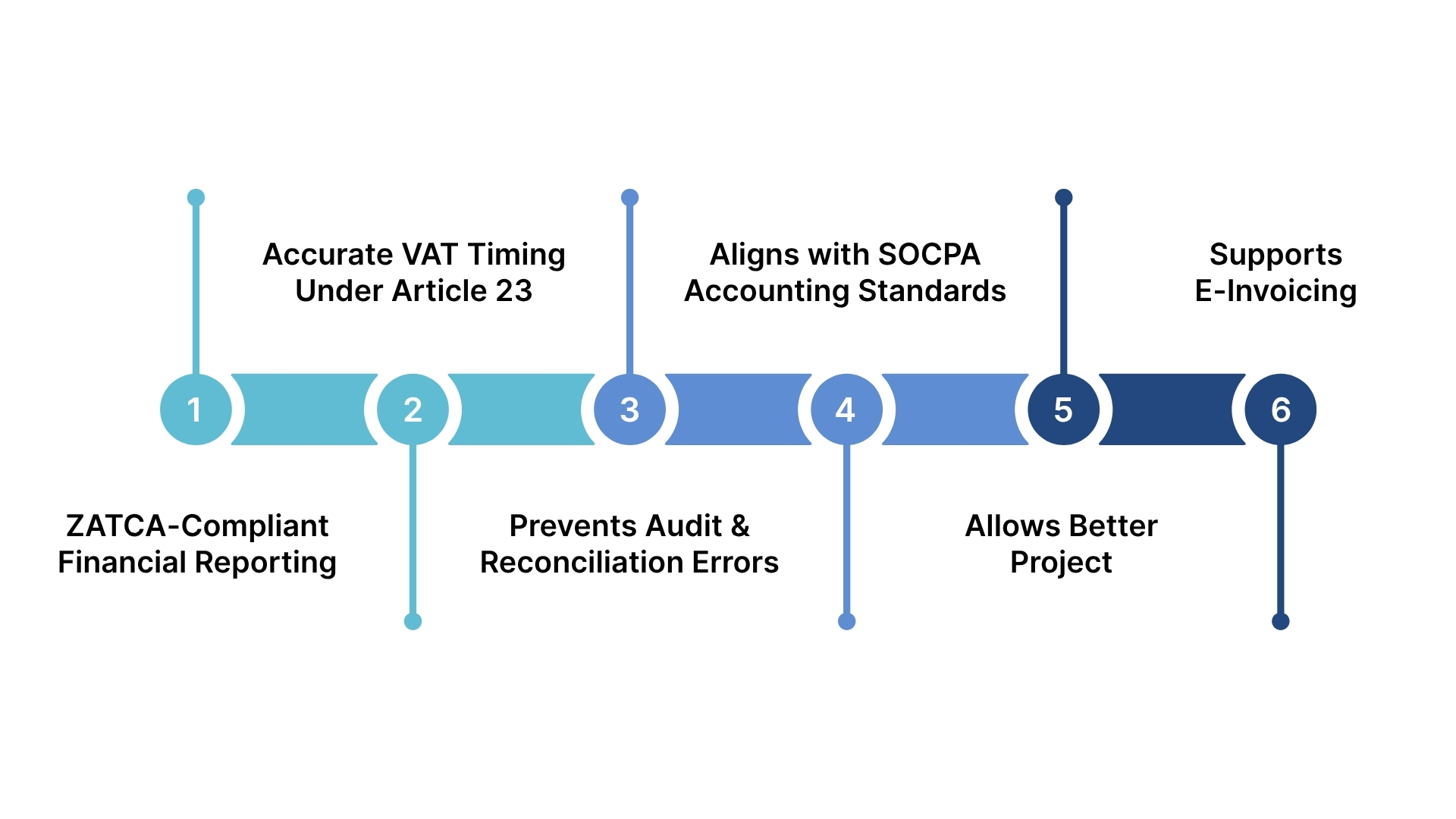
لتعزيز استراتيجيتك المالية وإطار الامتثال لديك، اطلع على دليلنا المفصل حول فهم المبادئ المحاسبية الأساسية وأهميتها.
تحدد مبادئ الاستحقاق كيفية تسجيل الشركات السعودية للقيمة المتداولة، والإيرادات المحققة، والمصروفات المتكبدة، والالتزامات المستحقة، مما يمهد الطريق لفهم أنواع الاستحقاقات المحددة التي يجب على كل فريق مالي تتبعها للحفاظ على الامتثال والدقة.
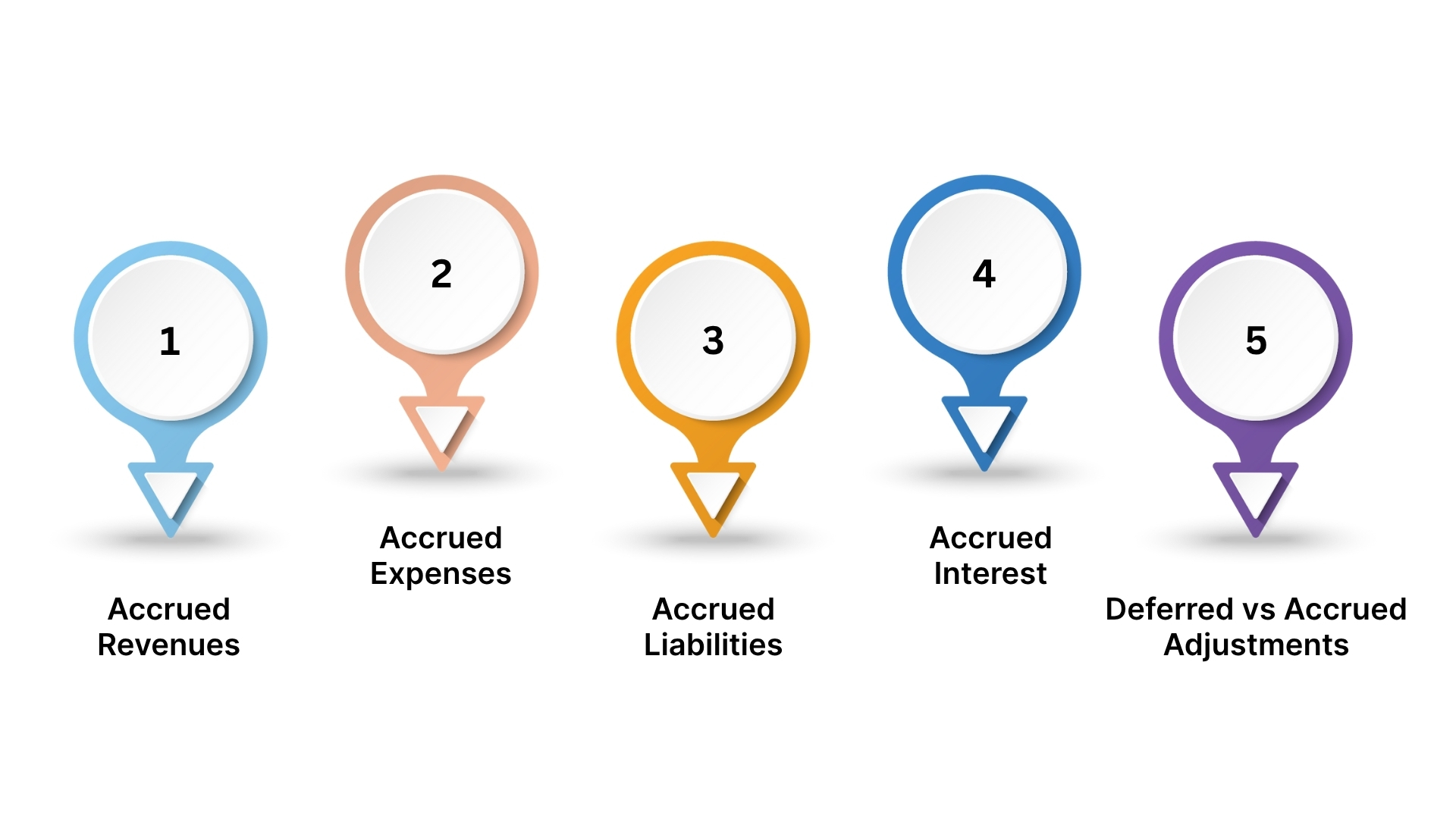
تُمثّل الاستحقاقات معاملات تم تحقيق إيراداتها أو تكبّد تكاليفها ولكن لم يتم تسجيلها بعد في الدفاتر المحاسبية. وتساعد الشركات في المملكة العربية السعودية على عكس الأداء المالي الحقيقي لكل فترة مالية، خاصةً عندما تتأخر التدفقات النقدية عن العمليات التشغيلية، كما هو شائع في قطاعات المقاولات والتجارة والتصنيع.
عمليًا، هناك نوعان رئيسيان من الاستحقاقات يجب على كل شركة سعودية فهمهما:
هي الإيرادات الناتجة عن سلع أو خدمات تم تقديمها بالفعل، ولكن لم تتم فوترتها أو تحصيلها بعد.
هي الالتزامات المستحقة على الشركة مقابل السلع أو الخدمات التي تم استلامها بالفعل، حتى وإن لم يتم سداد قيمتها بعد.
حقق امتثالًا سلسًا للمرحلة الثانية من متطلبات ZATCA مع خدمة VAT Care من HAL ERP، التي أثبتت فعاليتها مع الإطلاق السريع لدى الحرم خلال أسبوعين ودون أي تعطّل. وفّر الوقت، واضمن الدقة، وكن مستعدًا للتدقيق. احجز عرضًا توضيحيًا.
تشمل هذه الالتزامات الرواتب غير المدفوعة والمكافآت ومستحقات الموردين المتراكمة بمرور الوقت.
يجب إثبات الفوائد التي تم تكبدها ولكن لم يتم سدادها بعد كمصروفات مستحقة، لضمان تسجيل التكلفة الفعلية للتمويل.
تختلف الاستحقاقات عن التأجيلات؛ إذ تسجل الاستحقاقات المدفوعات أو المقبوضات المستقبلية المستحقة، بينما تؤجل التأجيلات الاعتراف المحاسبي بمبالغ تم استلامها أو دفعها بالفعل.
لمعرفة كيف يساهم إعداد التقارير المالية الدقيقة في دعم النمو والامتثال، اطلع على دليلنا حول أهمية المحاسبة لنجاح الأعمال.
لا يمثل فهم أنواع الاستحقاقات سوى جزء من الحفاظ على الدقة المالية؛ فالخطوة التالية هي معرفة الفرق بينها وبين إعداد التقارير على الأساس النقدي، ولماذا يمثل هذا الفرق أهمية كبيرة للشركات السعودية.
قد تبدو المحاسبة النقدية بسيطة ومباشرة، لكنها غالبًا ما تعطي صورة غير دقيقة عن الوضع المالي الحقيقي للشركة، خاصةً للشركات السعودية التي تدير المشاريع أو المخزون أو دورات ائتمانية طويلة.
أما محاسبة الاستحقاق، فتوائم الإيرادات والمصروفات مع الفترة الفعلية التي تحدث فيها، وهو ما يُعد إلزاميًا لمعظم المنشآت المسجلة في ضريبة القيمة المضافة وفقًا لإرشادات ZATCA.
| العامل | أساس الاستحقاق (متوافق مع ZATCA) | الأساس النقدي |
|---|---|---|
| توقيت الاعتراف | يسجّل الإيراد عند تحققه والمصروف عند تكبّده، بغض النظر عن التدفق النقدي. | يسجّل الإيراد والمصروف فقط عند استلام أو سداد المبلغ. |
| تقارير ضريبة القيمة المضافة | تُقدَّم ضريبة القيمة المضافة بناءً على تاريخ إصدار الفاتورة (وفق المادة 23 من لوائح ZATCA). | تُقدَّم ضريبة القيمة المضافة فقط عند استلام أو سداد النقد، ما قد يسبب تعارضاً في التوقيت. |
| نطاق الامتثال | مطلوب للكيانات المسجّلة في ضريبة القيمة المضافة والشركات التي تتجاوز حد 375,000 ريال سعودي سنوياً. | اختياري فقط للمنشآت الصغيرة جداً ضمن أنظمة ضريبة القيمة المضافة المبسطة أو المستقلين غير المسجلين في ضريبة القيمة المضافة. |
| الدقة المالية | يعكس الربحية الحقيقية وأداء الفترة، وهو مثالي للتدقيق والتنبؤات والتمويل. | يوفر لمحة محدودة عن المركز النقدي، وغالباً ما يقلل من تقدير الالتزامات والإيرادات. |
| الأنسب لـ | قطاعات المقاولات والتجارة والتجزئة والتصنيع ذات المشاريع المستمرة أو شروط الائتمان. | أصحاب المنشآت الفردية، المستقلين، أو مقدمي الخدمات الصغيرة جداً الذين يعملون بمدفوعات فورية. |
| التكامل مع الأنظمة | مدعوم من أنظمة ERP مثل HAL ERP لقيود الاستحقاق الآلية ومطابقة ضريبة القيمة المضافة. | تتبع يدوي أو عبر جداول بيانات؛ مخاطرة عالية لعدم الامتثال أو أخطاء التقارير. |
لتعزيز إطار الامتثال وإعداد التقارير لديك، اطلع على دليلنا المفصل حول فهم أهداف وأهمية المعايير المحاسبية.
حتى مع تطبيق الطريقة المحاسبية الصحيحة، لا تزال العديد من المؤسسات السعودية تواجه تحديات في تطبيق الاستحقاقات بشكل متسق، مما يؤدي إلى فجوات في إعداد التقارير ومخاطر تتعلق بالامتثال تتطلب معالجة منهجية.
حتى الشركات السعودية الراسخة غالبًا ما تواجه صعوبات عند التعامل مع الاستحقاقات يدويًا. فمن تأخر إثبات المصروفات إلى عدم تطابق ضريبة القيمة المضافة، يمكن لهذه المشكلات أن تؤثر على دقة التقارير المالية وتعرّض الشركات لمخاطر التدقيق من قبل ZATCA.
فيما يلي أكثر المشكلات شيوعًا التي تواجهها الشركات السعودية، وكيف يمكن لممارسات الأتمتة المنهجية معالجتها.
| التحدي | الأثر على الأعمال | أفضل الممارسات / نهج الأتمتة |
|---|---|---|
| الإدخال اليدوي للبيانات | يزيد الأخطاء والتأخير في الإقفالات الشهرية. | أتمتة قيود الاستحقاق مباشرة من أوامر الشراء والفواتير. |
| ضعف مطابقة الفترات | يشوّه الربحية والدقة المالية. | استخدام التسوية الآلية لمواءمة الإيرادات والمصروفات حسب الفترة. |
| التباس توقيت ضريبة القيمة المضافة | يؤدي إلى تعارض في التقارير وغرامات من ZATCA. | تحديد توقيت ضريبة القيمة المضافة بناءً على تاريخ إصدار الفاتورة لمطابقة قواعد "وقت التوريد". |
| عكس قيود الاستحقاق دون ضبط | يسبب قيوداً مكررة ودفاتر غير منظمة. | جدولة قيود العكس الآلية عند السداد أو نهاية الفترة. |
| تفاوت على مستوى الأقسام | يخلق عدم توافق بين المالية والمشتريات والعمليات. | مركزة الموافقات والوصول إلى البيانات ضمن نظام رقابة مالية واحد. |
اطّلع على كيفية أتمتة HAL ERP لقيودك المحاسبية وتسريع عمليات الإقفال الشهري، واحجز عرضك التوضيحي المجاني اليوم!
إن التغلب على هذه التحديات التشغيلية وتحديات الامتثال لا يحسّن الدقة المالية فحسب، بل يساهم أيضًا في مواءمة المؤسسات مع أهداف التحديث المالي الأوسع التي تشكّل رؤية السعودية 2030.
تُعيد رؤية السعودية 2030 تشكيل الطريقة التي تتعامل بها الشركات مع الامتثال وإعداد التقارير والتحول الرقمي. ومع إطلاق ZATCA للمرحلة الثالثة من الفوترة الإلكترونية، أصبحت الرؤية المالية الفورية والتتبع الآلي للاستحقاقات أمرًا إلزاميًا وليس اختياريًا.
إليك ما ينتظر الشركات السعودية:
مع تسريع رؤية 2030 لتبني التقنيات الرقمية في القطاع المالي، تصبح الأتمتة عاملًا أساسيًا لتمكين هذا التحول، من خلال تغيير طريقة إدارة الاستحقاقات ومراقبتها وتحسينها داخل أنظمة المحاسبة الحديثة.
لمساعدة أعمالك على مواكبة هذه التغييرات، حمّل قائمة التحقق من محاسبة الاستحقاق في السعودية اليوم وتأكد من استعدادك لقواعد الاستحقاق لدى ZATCA لعام 2026.
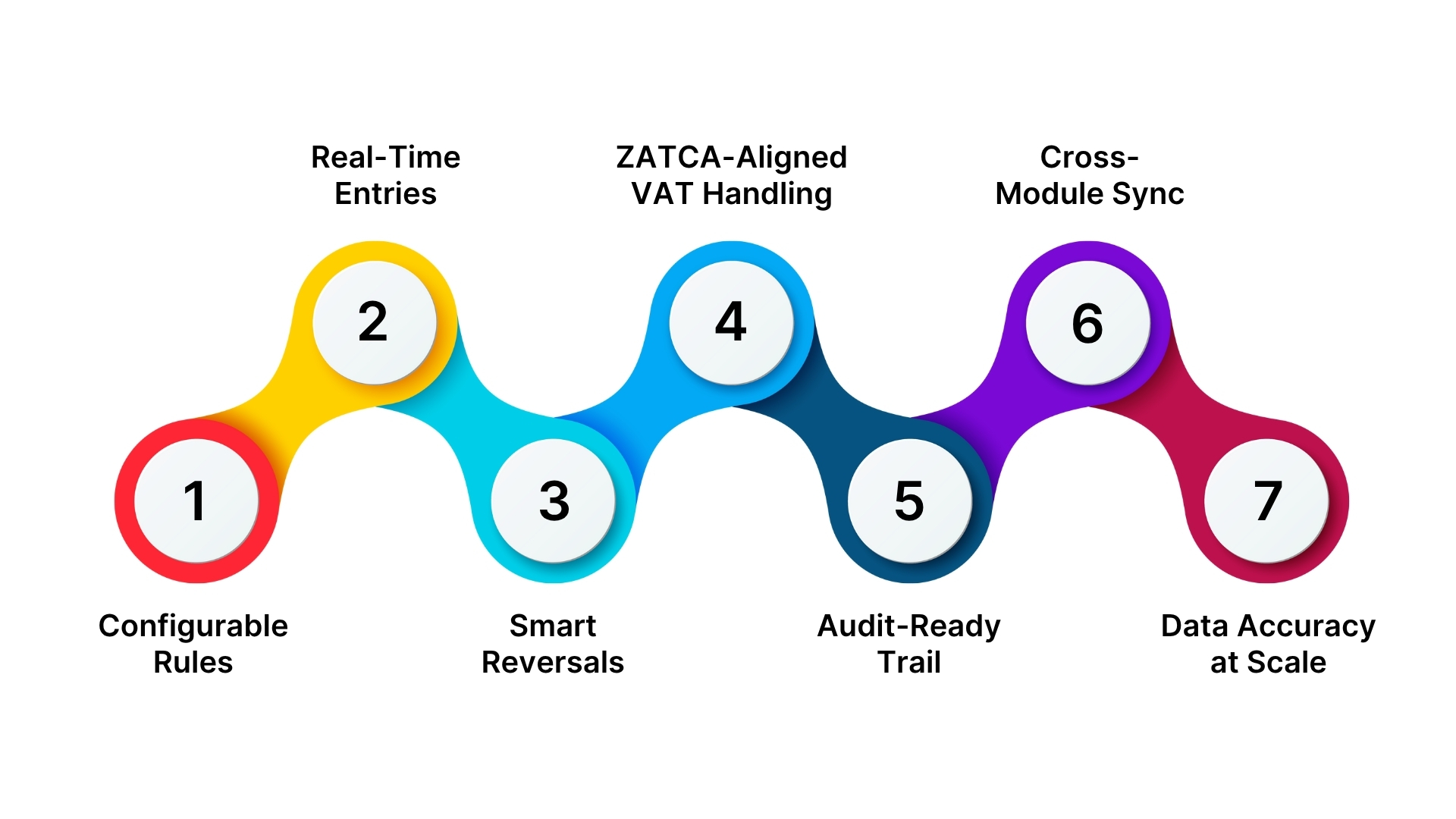
لم تعد إدارة الاستحقاقات بحاجة إلى أن تكون مهمة يدوية ومعرّضة للأخطاء. يضمن محرك المحاسبة الآلي في HAL ERP تسجيل كل معاملة، بدءًا من فواتير الموردين ووصولًا إلى كشوف الرواتب، وعكسها وإعداد التقارير عنها بدقة وفي الوقت الفعلي. وقد صُمم النظام ليتوافق مع متطلبات الامتثال والكفاءة في المملكة العربية السعودية، مما يمنح فرق الشؤون المالية رؤية كاملة دون عناء المطابقة.
ولتوضيح الأثر العملي لأتمتة الاستحقاقات باستخدام HAL ERP، إليك رأيًا من أحد عملائنا:
"قمنا بتطبيق HAL ERP في أكثر من 80 متجرًا لتبسيط عملياتنا في قطاع التجزئة. وكما يعكس شعارهم، مكّننا HAL من إدارة أعمالنا بشكل أسرع وساعدنا على تقليل أوجه الازدواجية بشكل كبير. أصبح لدى فريقنا التنفيذي رؤية أوضح للمبيعات المباشرة وحركة المخزون في المتاجر. يمتلك فريق HAL الخبرة المناسبة، وقد ساعدنا بشكل كبير في تحسين عمليات أعمالنا. وكان انتقالنا من نظامنا السابق إلى HAL سلسًا للغاية وتم خلال فترة زمنية قصيرة جدًا."
— شيخ عمر زبيدي، مساعد المدير العام، مجموعة الحميضي
ولتوضيح كيفية تعزيز HAL ERP لدقة الاستحقاقات بشكل أكبر، دعونا نلقي نظرة على دراسة حالة لشركة Finzey، التي حسّنت إدارتها المالية باستخدام نظامنا.
كانت Finzey، وهي شركة سعودية للتقنية المالية تقدم قروض تمويل أصغر متوافقة مع الشريعة الإسلامية، بحاجة إلى مواءمة عمليات القروض لديها مع إعداد التقارير القائمة على أساس الاستحقاق ومتطلبات SAMA. وكانت عمليات المطابقة اليدوية بين أنظمة القروض وتداول الأصول والأنظمة المالية تتسبب في كثير من الأحيان في عدم تطابق توقيت الاعتراف بالإيرادات والمصروفات.
ومن خلال دمج جميع الأنظمة عبر HAL ERP، قامت Finzey بأتمتة القيود المالية في الوقت الفعلي، مما ضمن الاعتراف بالإيرادات والمصروفات عند حدوثها، وليس عند انتقال النقد. وكانت النتيجة: إقفال أسرع لنهاية الشهر، وتتبع دقيق للاستحقاقات، وامتثال جاهز للتدقيق.
نظرة عامة على الأثر:
تُظهر نتائج دراسة حالة Finzey المزايا العملية لاستخدام HAL ERP لتحقيق دقة الاستحقاقات والامتثال، لا سيما بما يتماشى مع قواعد الاستحقاق لدى ZATCA لعام 2026. وإليك ما يقوله أحد مستخدمينا عن تجربته:
"بسيط جدًا وسهل الفهم وسهل الاستخدام للغاية"
— نشأت ر.، محاسب أول
إن فهم معنى الاستحقاق في المحاسبة يتجاوز مجرد استيفاء قوائم المتطلبات التنظيمية؛ فهو يعكس مدى نضج وشفافية الأعمال في الواقع. وبالنسبة للشركات السعودية التي تعمل في ظل معايير أكثر صرامة من ZATCA وSOCPA، فإن تطبيق مفهوم الاستحقاق بشكل صحيح يضمن توافق كل معاملة مع الواقع المالي، وليس فقط مع التدفقات النقدية.
تجعل الأتمتة هذه الدقة مستدامة. يعمل HAL ERP على أتمتة الامتثال للشركات السعودية الصغيرة والمتوسطة، وتبسيط عمليات الاستحقاق من خلال القيود اليومية الآلية، ومزامنة ضريبة القيمة المضافة، وإعداد تقارير جاهزة للتدقيق عبر مختلف الأقسام، مما يحوّل المحاسبة إلى عملية فورية قائمة على الرؤى والتحليلات.
اكتشف كيف يساعد HAL ERP الشركات السعودية على الحفاظ على الامتثال والثقة. احجز عرضًا توضيحيًا مجانيًا مع خبرائنا اليوم.
1. ما المعنى الحقيقي للاستحقاق في المحاسبة بخلاف الاعتراف بالإيرادات؟
تتجاوز محاسبة الاستحقاق مجرد مطابقة الإيرادات والمصروفات؛ فهي توفر رؤية مالية مستمرة تدعم التنبؤ والتخطيط للميزانية وقياس الأداء، وهي أمور أساسية للشركات السعودية النامية في ظل رؤية 2030.
2. كيف تؤثر الاستحقاقات على إعداد تقارير ضريبة القيمة المضافة لدى ZATCA في المملكة العربية السعودية؟
وفقًا لقواعد ZATCA، يتم الاعتراف بضريبة القيمة المضافة بناءً على تاريخ إصدار الفاتورة، وليس تاريخ السداد. ويمكن أن يؤدي التسجيل غير الصحيح للاستحقاقات في المحاسبة إلى عدم تطابق في التوقيت، وغرامات، وتحديات أثناء عمليات التدقيق.
3. هل يمكن للشركات الصغيرة في المملكة العربية السعودية استخدام الأساس النقدي وأساس الاستحقاق معًا؟
في حين قد تستخدم المنشآت متناهية الصغر المحاسبة على الأساس النقدي، فإن الجمع بين الطريقتين غالبًا ما يؤدي إلى عدم اتساق في إعداد التقارير. وتوصي SOCPA باستخدام الاستحقاقات لتتبع الربحية بدقة وتسهيل التوسع مستقبلًا.
4. كيف تتعامل الأنظمة الآلية مع عكس قيود الاستحقاق؟
تعمل حلول ERP الحديثة على أتمتة عكس قيود الاستحقاق عند تسجيل المدفوعات أو الاعتراف بالإيرادات، مما يقلل من القيود المكررة ويحافظ على دقة دفاتر الأستاذ، وهي ميزة أساسية للقطاعات ذات أحجام المعاملات المرتفعة مثل المقاولات والتجزئة.
5. لماذا تُعد الاستحقاقات مهمة لنماذج التمويل المتوافقة مع الشريعة الإسلامية؟
تضمن الاستحقاقات تسجيل الأرباح والالتزامات بشكل أخلاقي وشفاف، بما يتماشى مع مبادئ الشريعة الإسلامية المتعلقة بالتمثيل العادل وتجنب الاعتراف المؤجل أو غير المؤكد بالإيرادات.