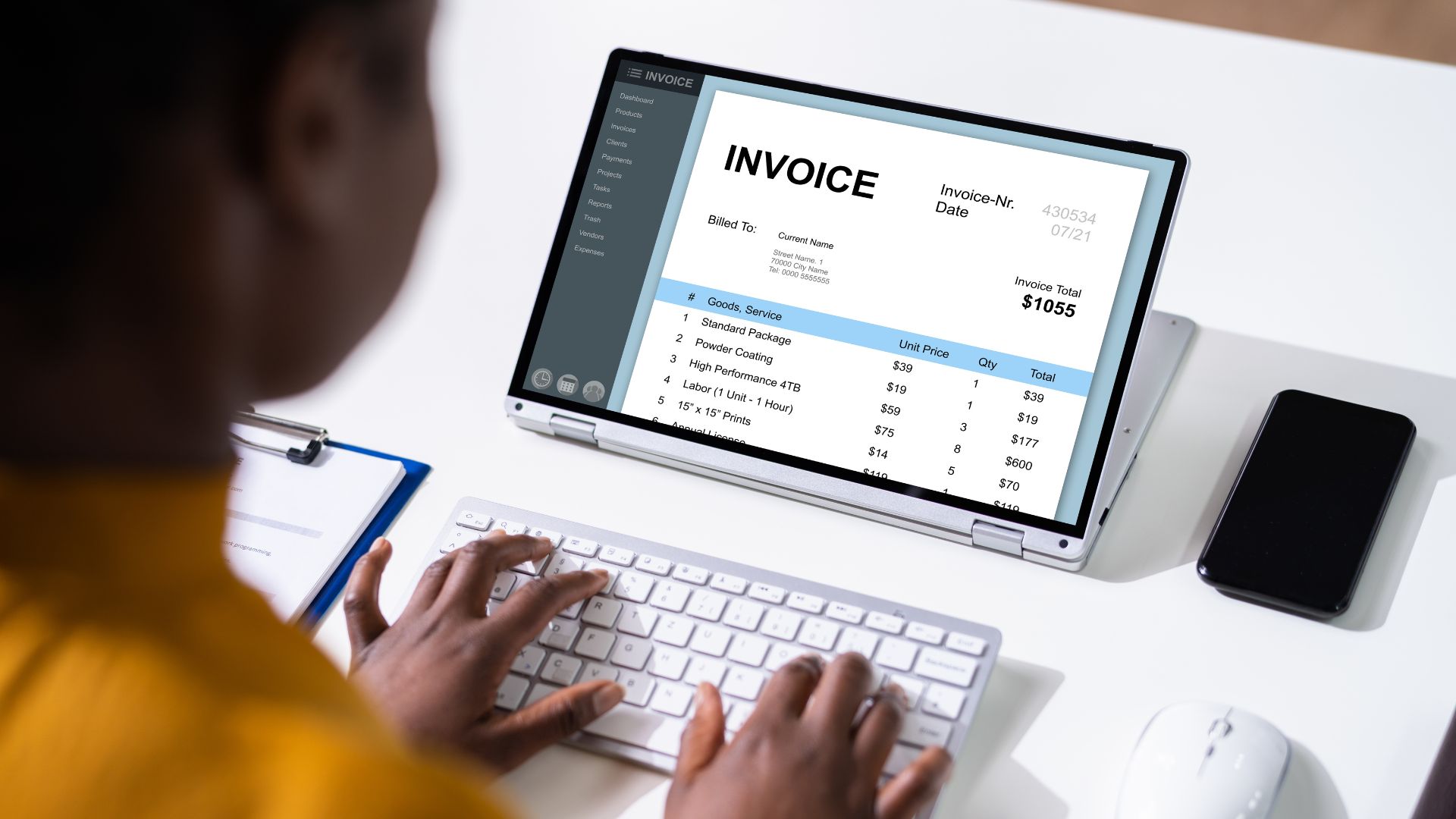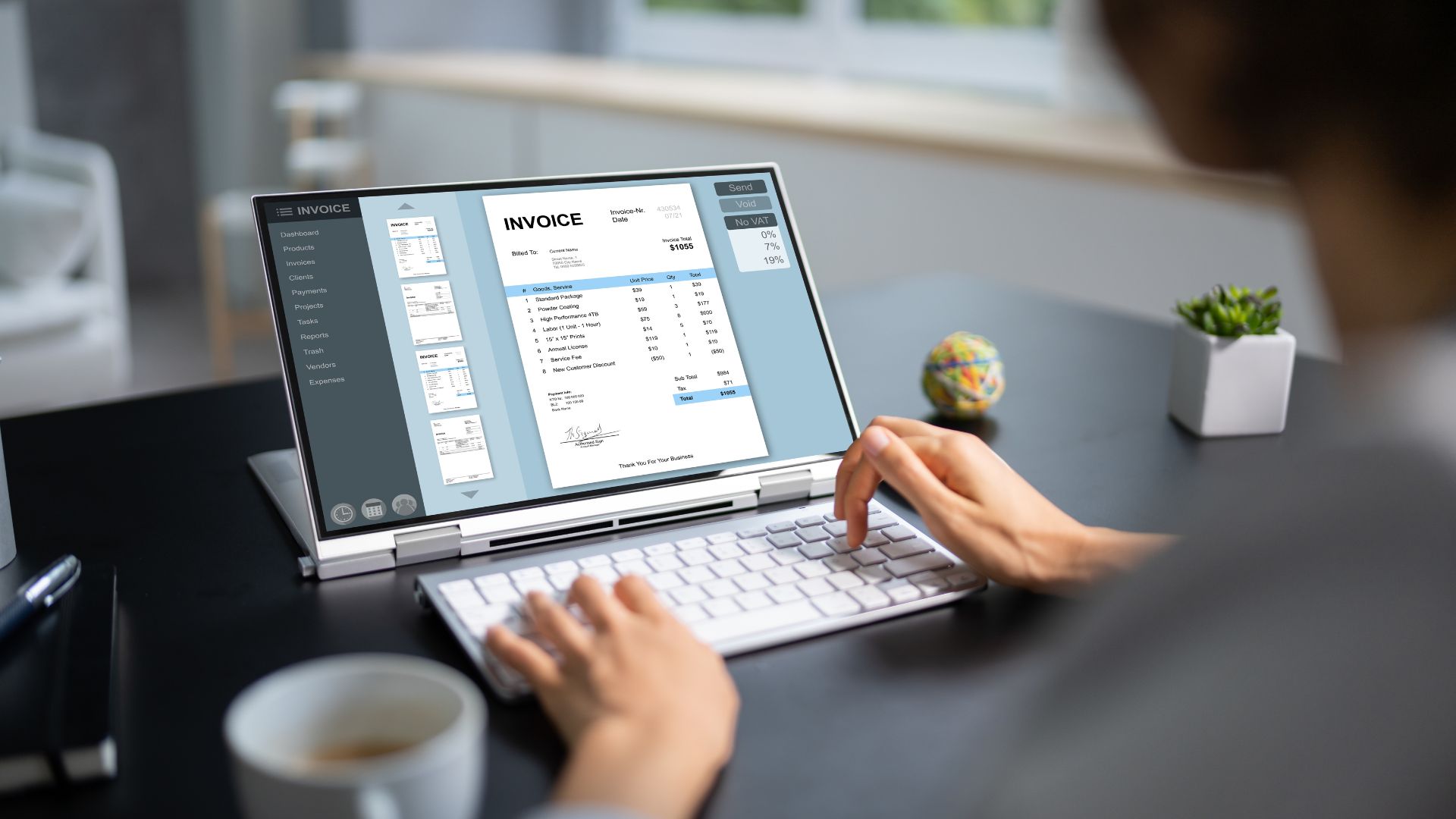

غالبًا ما تواجه الشركات السعودية التي تدير عددًا كبيرًا من الفواتير أخطاء في ضريبة القيمة المضافة بسبب العمليات اليدوية، والسجلات غير المترابطة، وعدم اتساق إجراءات الموافقة. حتى الأخطاء البسيطة، مثل احتساب ضريبة القيمة المضافة بشكل غير صحيح أو عدم إدراج مراجع الفاتورة، يمكن أن تؤدي إلى تأخير المدفوعات، وتعطيل عمليات المطابقة، وظهور مشكلات في إعداد التقارير.
وفقًا لاستطلاع CFO في الشرق الأوسط الصادر عن PwC، يقول أكثر من 70% من المديرين الماليين في المنطقة إن تسريع التحول الرقمي من خلال أنظمة ERP السحابية والأنظمة المالية المؤتمتة أصبح أولوية لتحسين الرقابة المالية والكفاءة التشغيلية.
تساعد قائمة التحقق من فواتير ضريبة القيمة المضافة فرق الشؤون المالية على التحقق من تفاصيل الفاتورة الأساسية، مثل معلومات ضريبة القيمة المضافة، واحتساب الضرائب، وبيانات العملاء، والمراجع الداعمة، قبل تقديم الفاتورة أو اعتمادها. يوضح هذا المقال ما يجب أن تتضمنه فاتورة ضريبة القيمة المضافة، والأخطاء الشائعة التي تواجهها الشركات في الفواتير، والطرق العملية لتحسين دقة الفواتير والجاهزية للتدقيق مع نمو العمليات.
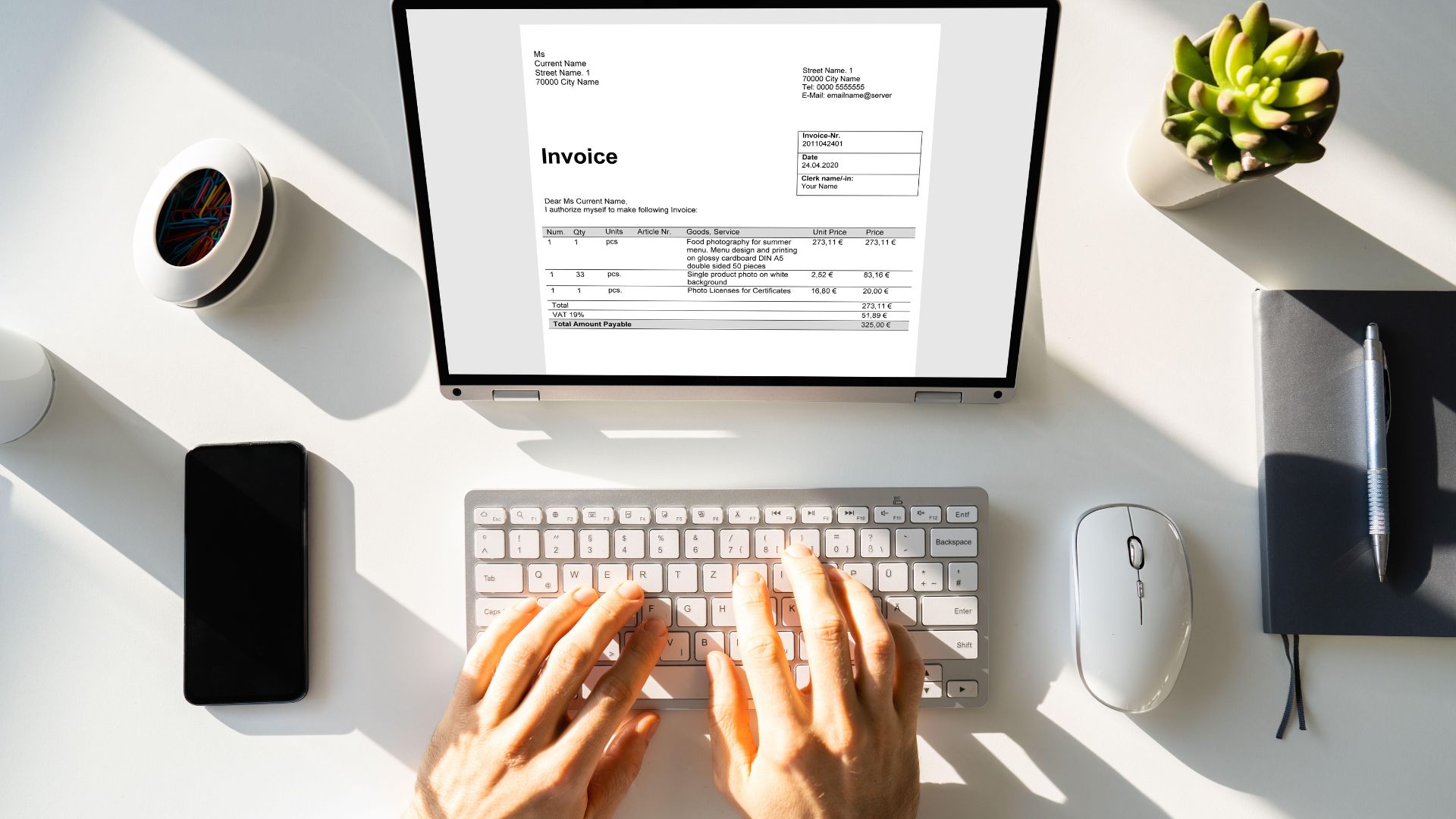
فاتورة ضريبة القيمة المضافة هي مستند ضريبي رسمي يصدره البائع لتسجيل بيع السلع أو الخدمات وضريبة القيمة المضافة المفروضة على تلك المعاملة. وتتضمن عادةً معلومات البائع والمشتري، وتواريخ الفاتورة، ووصف المنتجات أو الخدمات، والمبالغ الخاضعة للضريبة، ونسب ضريبة القيمة المضافة، وإجمالي المبالغ المستحقة. وتُعد هذه السجلات ضرورية لإقرارات ضريبة القيمة المضافة، ووثائق التدقيق، والحفاظ على دقة التقارير المالية بين مختلف الفرق.

تؤدي أخطاء الفواتير إلى مشكلات تتجاوز بكثير مجرد تقديم الإقرارات الضريبية. فقد يؤدي عدم إدراج رقم التسجيل في ضريبة القيمة المضافة، أو احتساب الضريبة بشكل غير صحيح، أو وجود مرجع غير متسق إلى تأخير مدفوعات العملاء وخلق مراسلات متكررة بين فرق الشؤون المالية والمشتريات والمبيعات.
وبالنسبة للشركات التي تدير أعدادًا كبيرة من الفواتير، تجعل العمليات اليدوية هذه المشكلات أكثر صعوبة في السيطرة عليها، مما يؤثر على عمليات المطابقة، والتدفقات النقدية للمشاريع، ودقة التقارير الشهرية. كما تؤدي الأخطاء إلى تعقيد إعداد إقرارات ضريبة القيمة المضافة، مما يزيد من احتمالية وجود فروقات وحاجة إلى تصحيحات تستغرق وقتًا طويلًا.
ومع رفع متطلبات ZATCA لمستوى تتبع الفواتير وحفظ السجلات الرقمية، تواجه فرق الشؤون المالية في السعودية ضغوطًا متزايدة للحفاظ على مستندات متسقة وجاهزة للتدقيق عبر جميع الأنظمة.
تساعد قائمة التحقق المنظمة من فواتير ضريبة القيمة المضافة فرق الشؤون المالية على تقليل أخطاء التقارير، وتحسين الجاهزية للتدقيق، والحفاظ على مستندات متسقة بين الأقسام. فيما يلي قائمة عملية يمكن للشركات استخدامها للتحقق من فواتير ضريبة القيمة المضافة والحفاظ على الامتثال مع نمو حجم المعاملات.
يجب أن تتضمن كل فاتورة ضريبة قيمة مضافة بوضوح الاسم القانوني لنشاط البائع، ورقم التسجيل في ضريبة القيمة المضافة، وبيانات الاتصال، وبيانات السجل التجاري عند الحاجة. ويمكن أن تؤدي معلومات النشاط الناقصة أو غير المتسقة إلى مشكلات في التحقق أثناء عمليات التدقيق وتأخير اعتماد الفواتير.
كما يجب على فرق الشؤون المالية التأكد من أن الفاتورة مطابقة للمنشأة المسجلة لأغراض الإبلاغ عن ضريبة القيمة المضافة، خصوصًا في الشركات التي تعمل من خلال فروع أو أقسام متعددة.
يجب أن تتطابق معلومات المشتري مع سجلات العملاء، وأوامر الشراء، والمستندات التعاقدية. وبالنسبة للمعاملات بين الشركات (B2B)، قد تكون بيانات تسجيل العميل في ضريبة القيمة المضافة مطلوبة أيضًا اعتمادًا على نوع المعاملة ومتطلبات الإبلاغ. ويمكن أن تؤدي معلومات العميل غير الصحيحة إلى مشكلات في المطابقة وزيادة احتمالية رفض الفواتير أو ظهور فروقات في التقارير.
يجب أن تتبع الفواتير هيكل ترقيم واضحًا ومتسلسلًا. وينبغي لفرق الشؤون المالية التحقق من تواريخ إصدار الفواتير، وتواريخ الاستحقاق، ومراجع المستندات لتجنب الإدخالات المكررة أو عدم اتساق الفترات المحاسبية في التقارير.
كما يساعد الحفاظ على تسلسل منظم للفواتير على تحسين إمكانية تتبعها أثناء التدقيق وتعزيز الرقابة على السجلات الداخلية.
يجب أن توضح أوصاف الفواتير السلع أو الخدمات المقدمة بشكل واضح. وقد تؤدي الأوصاف العامة مثل "الخدمات المقدمة" أو "المواد الموردة" إلى حدوث ارتباك أثناء المطابقة أو مراجعات الامتثال.
وبالنسبة لشركات المقاولات والخدمات، يجب أن تتوافق تفاصيل الفاتورة مع مراحل المشروع، أو مراجع الأعمال، أو سجلات التسليم، أو اتفاقيات الخدمات.
يجب على فرق الشؤون المالية التحقق من:
غالبًا ما تزيد الحسابات اليدوية والعمليات القائمة على جداول البيانات من احتمالية حدوث أخطاء في الحساب، خصوصًا عند التعامل مع الخصومات، أو عمليات التسليم الجزئي، أو المعاملات التي تخضع لمعاملات ضريبية مختلفة.
يجب أن تتضمن الفواتير المراجع ذات الصلة، مثل:
تساعد هذه المراجع فرق الشؤون المالية على التحقق من المعاملات مقابل السجلات التشغيلية وتقليل التأخير في الموافقات.
قبل اعتماد الفواتير، يجب على فرق الشؤون المالية التأكد من تطابق المستندات الداعمة مع تفاصيل الفاتورة. وقد تشمل هذه المستندات موافقات المشتريات، وسجلات صرف المخزون، وتأكيدات التسليم الموقعة، أو مستندات فوترة المشاريع.
اقرأ أيضًا: ضريبة القيمة المضافة على المدخلات والمخرجات: الفروقات والشروط الأساسية
لا تنتج العديد من مشكلات فواتير ضريبة القيمة المضافة عن التعقيد الضريبي وحده. ففي الشركات النامية، غالبًا ما تكون ناتجة عن مسارات عمل غير مترابطة، وعمليات يدوية، وعدم اتساق في التعامل مع البيانات بين الأقسام.
تزيد الحسابات اليدوية من احتمالية تطبيق نسب غير صحيحة لضريبة القيمة المضافة، أو إدخال مبالغ خاضعة للضريبة بشكل غير دقيق، أو حدوث اختلافات في التقريب. وتصبح هذه المشكلات أكثر شيوعًا عندما تعتمد فرق الشؤون المالية بشكل كبير على جداول البيانات أو تعالج أعدادًا كبيرة من الفواتير عبر مشاريع أو مواقع متعددة.
يمكن أن تؤثر أخطاء الحساب على دقة إقرارات ضريبة القيمة المضافة وتؤدي إلى أعمال مطابقة إضافية خلال فترات الإقفال الشهري.
يمكن أن تؤدي الفواتير التي تفتقد أرقام التسجيل في ضريبة القيمة المضافة، أو معلومات العملاء غير المكتملة، أو أوصاف المنتجات غير الواضحة إلى تأخير الموافقات ووجود فجوات في التقارير. وفي العديد من الشركات، تحدث هذه الأخطاء لأن إعداد الفواتير يعتمد على مشاركة المعلومات يدويًا بين عدة فرق.
كما تجعل السجلات غير المكتملة عملية الاستعداد للتدقيق أكثر صعوبة، خصوصًا عندما تكون المستندات الداعمة موزعة بين سلاسل رسائل البريد الإلكتروني والأنظمة غير المترابطة.
يمكن أن تؤدي الفواتير المكررة، أو الإصدارات المتعارضة من الفاتورة، أو هياكل الترقيم غير المتسقة إلى حدوث ارتباك أثناء المطابقة وإعداد التقارير المالية. وتكون الشركات التي تدير الفواتير عبر جداول البيانات، وأدوات المحاسبة المستقلة، ومسارات الموافقة اليدوية أكثر عرضة لهذه المشكلات.
تعتمد دقة فواتير ضريبة القيمة المضافة على التنسيق بين فرق الشؤون المالية، والمشتريات، والمبيعات، والعمليات، والمشاريع. ويمكن أن تؤثر التأخيرات في تأكيدات التسليم، أو مراجع أوامر الشراء غير الصحيحة، أو تفاصيل فواتير المشاريع المفقودة على جودة الفاتورة.
يمكن أن تختلف متطلبات فواتير ضريبة القيمة المضافة اعتمادًا على كيفية إدارة الشركة للمبيعات، أو المخزون، أو المشاريع، أو تقديم الخدمات. وغالبًا ما تواجه فرق الشؤون المالية تحديات تشغيلية مختلفة بناءً على سير العمل في القطاع وهيكل المعاملات.
تتعامل شركات التجارة والتوزيع عادةً مع أحجام كبيرة من المعاملات بين الموردين، والمستودعات، والعملاء. ويجب على فرق الشؤون المالية التأكد من تطابق الفواتير مع سجلات التسليم، وحركات المخزون، وأوامر الشراء لتجنب مشكلات المطابقة.
وغالبًا ما تشمل التحديات:
حتى الاختلافات البسيطة بين سجلات المخزون والفواتير يمكن أن تؤدي إلى عدم اتساق التقارير وتأخير المدفوعات.
تتعامل شركات المقاولات عادةً مع الفوترة بناءً على مراحل الإنجاز، وفواتير المقاولين من الباطن، وتخصيص التكاليف على مستوى المشاريع. ويجب أن تتوافق فواتير ضريبة القيمة المضافة مع ميزانيات المشاريع، ومراحل إنجاز الأعمال، وجداول الدفع التعاقدية.
وقد تحتاج فرق الشؤون المالية أيضًا إلى التحقق من:
يمكن أن يؤدي غياب مراجع المشاريع إلى جعل تتبع التكاليف والاستعداد للتدقيق أكثر صعوبة بشكل كبير.
اقرأ أيضًا: لماذا أصبح HAL الحل المفضل لشركات المقاولات من جميع الأحجام؟
غالبًا ما تدير شركات الخدمات الفوترة المتكررة، وإصدار الفواتير بناءً على الأعمال، والرسوم المرتبطة بسجلات ساعات العمل. وتعتمد دقة الفواتير بشكل كبير على إجراءات الموافقة المناسبة ومستندات الخدمات.
وتشمل التحديات الشائعة:
ومن دون عمليات تحقق موحدة، يمكن أن تؤدي هذه المشكلات إلى نزاعات حول الفواتير، وتأخير المدفوعات، وعدم اتساق التقارير.
مع زيادة حجم الفواتير، تصبح عمليات التحقق اليدوية والأنظمة غير المترابطة أكثر صعوبة في الإدارة. وتساعد أنظمة ERP فرق الشؤون المالية على تحسين دقة الفواتير من خلال ربط السجلات المالية بعمليات المشتريات، والمخزون، والمبيعات، وسير العمل التشغيلي.
تنشأ العديد من أخطاء الفواتير بسبب إدخال البيانات بشكل متكرر، وتتبعها عبر جداول البيانات، وعدم اتساق إجراءات الموافقة. ويساعد نظام ERP المتكامل على تقليل هذه المشكلات من خلال توحيد بيانات الفواتير وأتمتة خطوات التحقق الروتينية.
يمكن لفرق الشؤون المالية العمل باستخدام:
ويقلل ذلك من الاعتماد على المراجعة اليدوية المتبادلة ويحسن الاتساق بين الأقسام.
تعمل أنظمة ERP أيضًا على تحسين وضوح سجل الفواتير، وحالة الموافقات، والمستندات الداعمة. ويمكن لفرق الشؤون المالية تتبع الفواتير والرجوع بها إلى السجلات التشغيلية، مثل طلبات المشتريات، وتأكيدات التسليم، أو مراجع فواتير المشاريع.
يساعد هذا الوضوح المركزي الشركات على الاستعداد لعمليات التدقيق بكفاءة أكبر والحفاظ على رقابة أفضل على التقارير المالية.
يساعد HAL ERP الشركات السعودية على تقليل أخطاء فواتير ضريبة القيمة المضافة من خلال ربط العمليات المالية، والمشتريات، والمخزون، وسير العمل التشغيلي ضمن نظام متكامل واحد.
وبدلًا من الاعتماد على جداول البيانات أو الأدوات غير المترابطة، يمكن لفرق الشؤون المالية إدارة معالجة الفواتير من خلال مسارات عمل موحدة، وعمليات احتساب مؤتمتة، وأوامر شراء مرتبطة، وسجلات مركزية للموردين. ويسهم ذلك في تحسين دقة الفواتير، ووضوح الموافقات، والجاهزية للتدقيق.
وبما أن البيانات المالية والتشغيلية تظل مترابطة، يمكن للشركات تتبع الفواتير والرجوع بها إلى سجلات المشتريات، أو التسليم، أو المخزون بكفاءة أكبر، مع الحفاظ على رقابة أقوى على التقارير بما يتوافق مع متطلبات ضريبة القيمة المضافة في السعودية.
كما يمكن للشركات الاطلاع على قصص العملاء ودراسات الحالة للتعرف على كيفية تبسيط المؤسسات لعملياتها المالية وتقليل العمليات اليدوية باستخدام HAL ERP.
اطلب عرضًا توضيحيًا لمعرفة كيف يساعد HAL ERP الشركات السعودية النامية على تبسيط الإدارة المالية المتوافقة مع متطلبات ضريبة القيمة المضافة وتقليل أخطاء الفواتير من خلال مسارات العمل المالية المتكاملة.
تتضمن فاتورة ضريبة القيمة المضافة عادةً بيانات نشاط البائع، ورقم التسجيل في ضريبة القيمة المضافة، وتاريخ الفاتورة، وبيانات العميل، وتفاصيل المنتجات أو الخدمات، والمبلغ الخاضع للضريبة، ومبلغ ضريبة القيمة المضافة، وإجمالي المبلغ المستحق.
نعم، يمكن للشركات إصدار الفواتير يدويًا. ومع ذلك، غالبًا ما تزيد العمليات اليدوية من احتمالية حدوث أخطاء في الحساب، وفقدان السجلات، وعدم اتساق تتبع الفواتير مع زيادة حجم المعاملات.
يجب على الشركات الاحتفاظ بفواتير ضريبة القيمة المضافة والسجلات الداعمة وفقًا للمتطلبات التنظيمية السعودية المعمول بها.
يمكن أن تؤدي فواتير ضريبة القيمة المضافة غير الصحيحة إلى تأخير المدفوعات، ومشكلات في المطابقة، وعدم اتساق التقارير، وتعقيدات أثناء عمليات التدقيق. كما قد تزيد الأخطاء المتكررة من مخاطر عدم الامتثال.
تساعد أنظمة ERP الشركات على توحيد سجلات الفواتير، وأتمتة عمليات الاحتساب، وتحسين مسارات الموافقة، والحفاظ على مستندات مالية منظمة لأغراض إعداد التقارير والجاهزية للتدقيق.