

تأخيرات في الإنتاج. أرقام مخزون لا تتطابق مع الموجود في المستودع. فرق العمل تعتمد على جداول البيانات لتتبع أوامر التشغيل.
بالنسبة للعديد من المصنّعين، تشير هذه المشكلات إلى السبب الجذري نفسه: نظام ERP لم يعد قادرًا على مواكبة التعقيد التشغيلي المتزايد.
أصبحت هذه التحديات أكثر إلحاحًا في المملكة العربية السعودية. فقد تجاوز عدد المنشآت الصناعية في المملكة 11,549 منشأة في عام 2023، وفقًا لوزارة الصناعة والثروة المعدنية، مع توقعات بإضافة آلاف المنشآت الأخرى مع تسارع النمو الصناعي ضمن رؤية 2030. ومع توسع المصانع، يجب أن تتوسع الأنظمة التي تدير الإنتاج والمخزون والمشتريات معها.
لهذا السبب، يعيد العديد من المصنّعين تقييم أنظمة ERP الخاصة بهم في عام 2026. في هذا الدليل، نقارن بين سبع منصات ERP قيد التقييم حاليًا من قبل المصنّعين، استنادًا إلى قدرات الإنتاج، وجهد التنفيذ، ومدى ملاءمتها للعمليات التشغيلية، لمساعدتك في تحديد الخيار الأنسب لمصنعك.
تدّعي العديد من أنظمة ERP دعم قطاع التصنيع، لكن الفجوات تبدأ بالظهور مع ازدياد تعقيد العمليات. وغالبًا لا تظهر هذه القيود أثناء الإعداد الأولي، بل عند زيادة أحجام الإنتاج، وتطور العمليات، وارتفاع الحاجة إلى الرؤية الفورية.
تشمل أبرز التحديات التي يواجهها المصنّعون ما يلي:
اقرأ أيضًا: 9 عوامل حاسمة لنجاح تنفيذ نظام ERP في أعمالك التجارية
يعتمد اختيار نظام ERP المناسب بشكل أساسي على مدى قدرة النظام على دعم الإنتاج، والمخزون، والجودة، والامتثال، مع توسع العمليات التصنيعية. تمثل أنظمة ERP التالية أبرز الخيارات التي يقيمها المصنّعون في عام 2026، حيث يتميز كل نظام بنقاط قوة مختلفة وفقًا لتعقيد العمليات والمتطلبات الإقليمية.
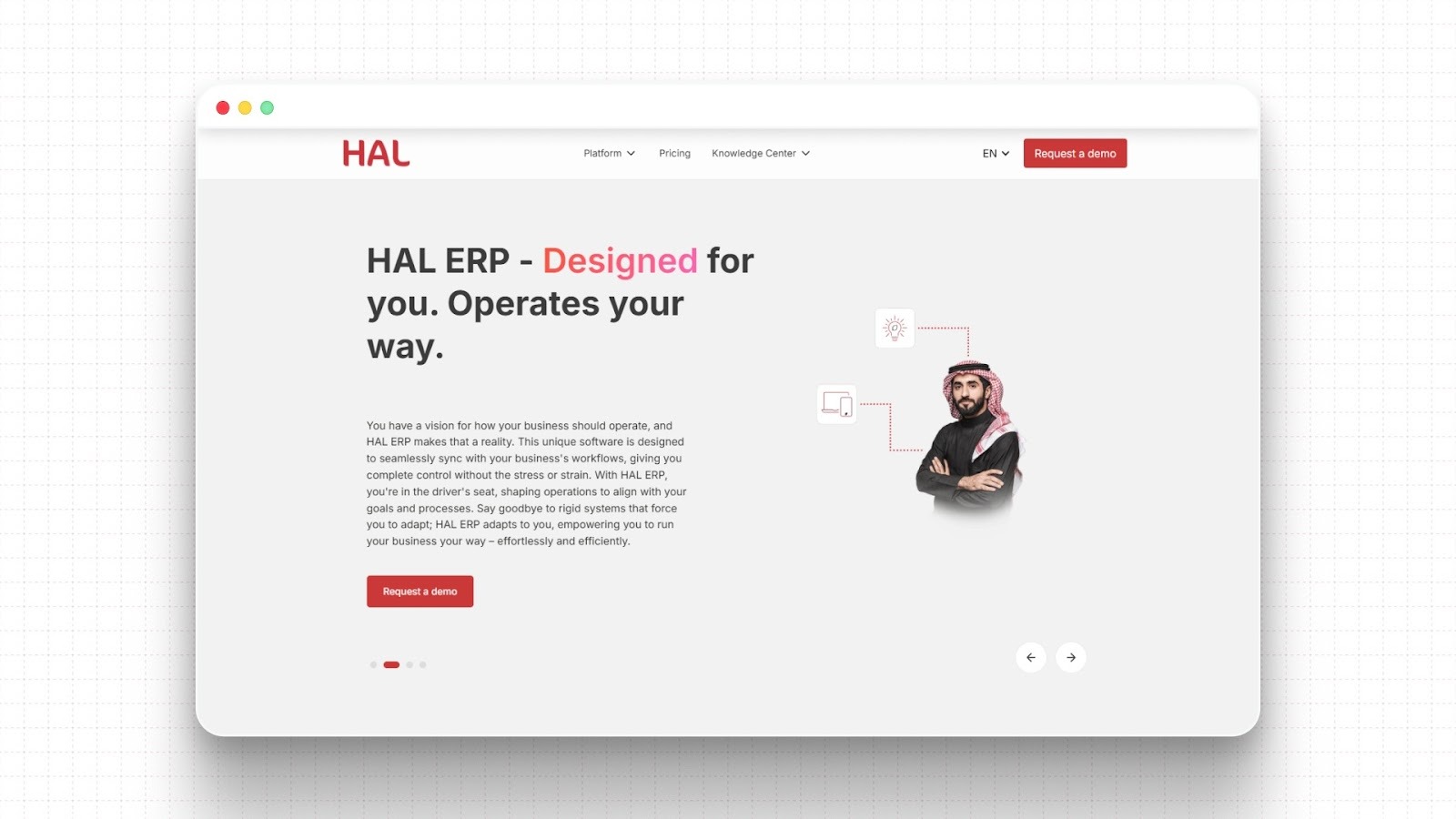
يُعد HAL ERP منصة مؤسسية متكاملة تركّز بشكل واضح على مساعدة شركات التصنيع في إدارة العمليات المعقدة دون التعقيدات المرتبطة بأنظمة ERP التقليدية. وضمن منظومة HAL ERP، تم تصميم HAL Manufacturing خصيصًا لدعم الشركات المعتمدة على الإنتاج والتي تحتاج إلى رؤية فورية، وأتمتة، وتحكم تشغيلي متكامل.
وبدلًا من تكييف نظام ERP عالمي مع المتطلبات المحلية لاحقًا، تم تصميم HAL ERP منذ البداية ليتماشى مع واقع الأعمال في المنطقة. ويتيح هذا النهج للمصنّعين تنفيذ النظام بسرعة أكبر، وتقليل المشكلات بعد الإطلاق، والعمل بأنظمة تتوافق فعليًا مع طريقة تشغيل المصانع في المنطقة.
يقوم HAL ERP بأتمتة جدولة الإنتاج من خلال مواءمة توقعات الطلب، وأوامر التشغيل، والموارد المتاحة. كما يتم ربط توفر المواد مباشرة بخطط الإنتاج، مما يمنح الفرق رؤية فورية حول ما يمكن تنفيذه ومتى.
يتم تتبع المواد الخام، والإنتاج قيد التنفيذ، والمنتجات النهائية بشكل فوري عبر مختلف المواقع. كما تساعد إشعارات إعادة التوريد التلقائية في تقليل نفاد المخزون، وعمليات الشراء الطارئة، والاعتماد المفرط على الموردين.
تُدمج عمليات فحص الجودة عبر مراحل الإنتاج المختلفة، مع إمكانية تتبع الدُفعات واكتشاف المنتجات غير المطابقة مبكرًا. وتُعد هذه الميزة ذات قيمة خاصة للمصنّعين العاملين وفق معايير جودة وامتثال صارمة.
تتم مواءمة جداول الصيانة الوقائية والتنبؤية مع خطط الإنتاج، مما يساعد على تقليل التوقفات غير المخطط لها وتجنب الاختناقات الناتجة عن أعمال الصيانة.
يتضمن HAL ERP دعمًا مدمجًا لتقارير ضريبة القيمة المضافة، والفوترة الإلكترونية الخاصة بهيئة الزكاة والضريبة والجمارك (ZATCA)، وسير العمل باللغة العربية، ومتطلبات الامتثال الخاصة بالقوى العاملة المحلية، وكل ذلك ضمن المنصة الأساسية دون الحاجة إلى إضافات خارجية.
قامت شركة بان الخليج للبصريات (PGO)، إحدى أبرز شركات تصنيع العدسات في المملكة العربية السعودية، بتطبيق نظام HAL Manufacturing ERP لمعالجة مشكلات أخطاء الطلبات، وضعف التواصل بين الأقسام، ومحدودية الرؤية المتعلقة بالطلبات والمواد.
ومن خلال أتمتة أوامر التشغيل باستخدام مسح الباركود، وإتاحة تتبع طلبات العملاء عبر بوابة إلكترونية، وتحسين التنسيق بين الأقسام، نجحت الشركة في تبسيط عملياتها التشغيلية بشكل كبير.
المصنّعين متوسطي الحجم في المملكة العربية السعودية ضمن قطاعات إنتاج الأغذية، والكيماويات، وتجميع الإلكترونيات، والملابس، والمنتجات الصناعية، ممن يحتاجون إلى تنفيذ سريع، وامتثال مدمج، وفريق دعم محلي.
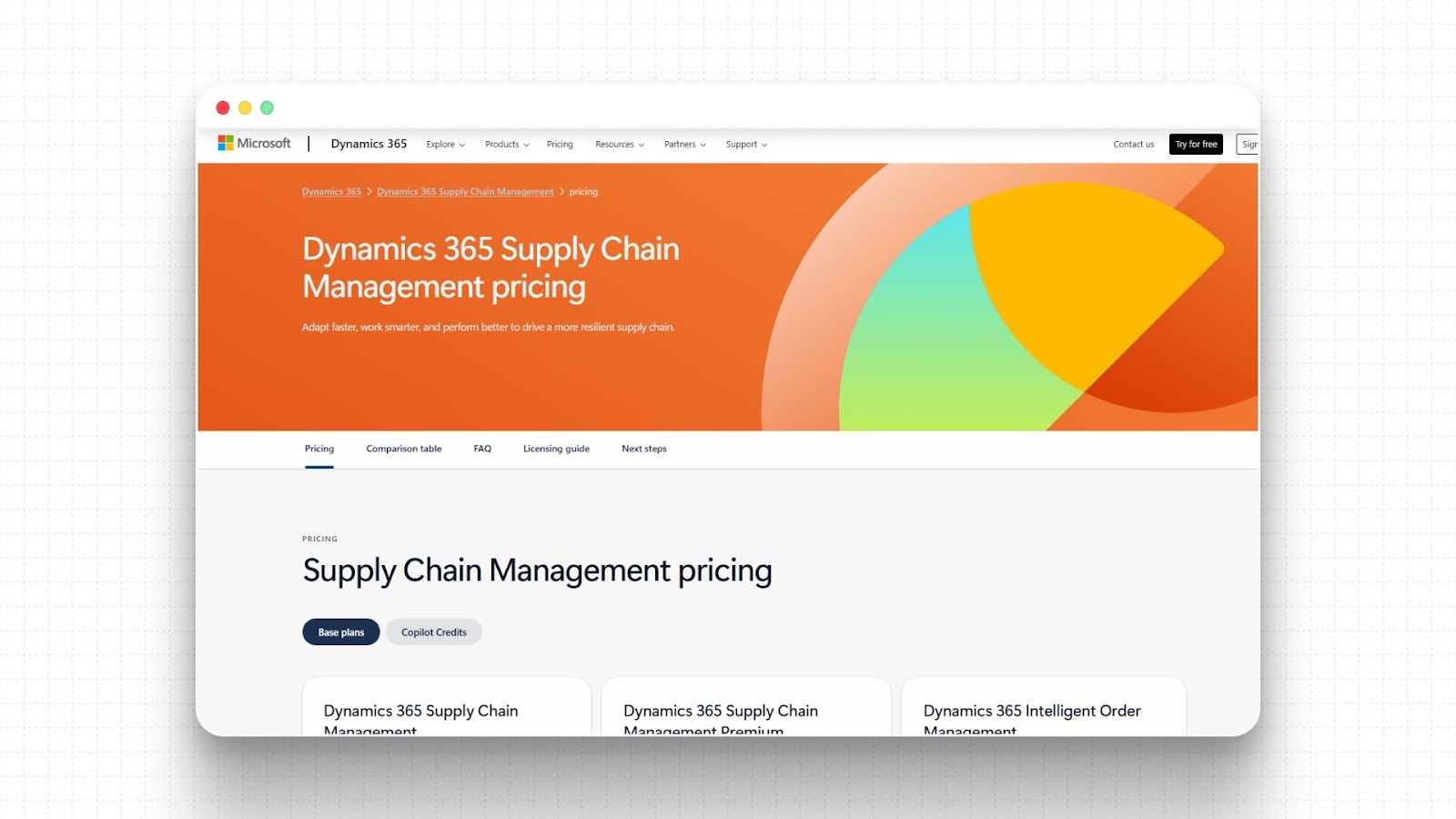
أسعار إدارة سلسلة التوريد | Microsoft Dynamics 365
يُعد Microsoft Dynamics 365 منصة ERP سحابية معتمدة على نطاق واسع من قبل شركات التصنيع التي تحتاج إلى المرونة، وقابلية التوسع، والتحكم المنظم في العمليات. ويدعم عمليات التصنيع من خلال وحدات مخصصة لإدارة سلسلة التوريد والإنتاج، مما يساعد المؤسسات على إدارة التخطيط، والمخزون، والتنفيذ مع توسع العمليات.
وبصفته نظامًا معياريًا، يتيح Dynamics 365 للمصنّعين تهيئة الوظائف وفقًا لاحتياجاتهم التشغيلية، مما يجعله خيارًا شائعًا للشركات التي تنتقل من أنظمة متفرقة إلى منصة ERP مركزية.
الأنسب لـ:
الشركات الكبيرة التي تمتلك بنية تحتية قائمة على Microsoft، وفرق تقنية معلومات متخصصة، وعمليات متعددة الدول أو الكيانات.
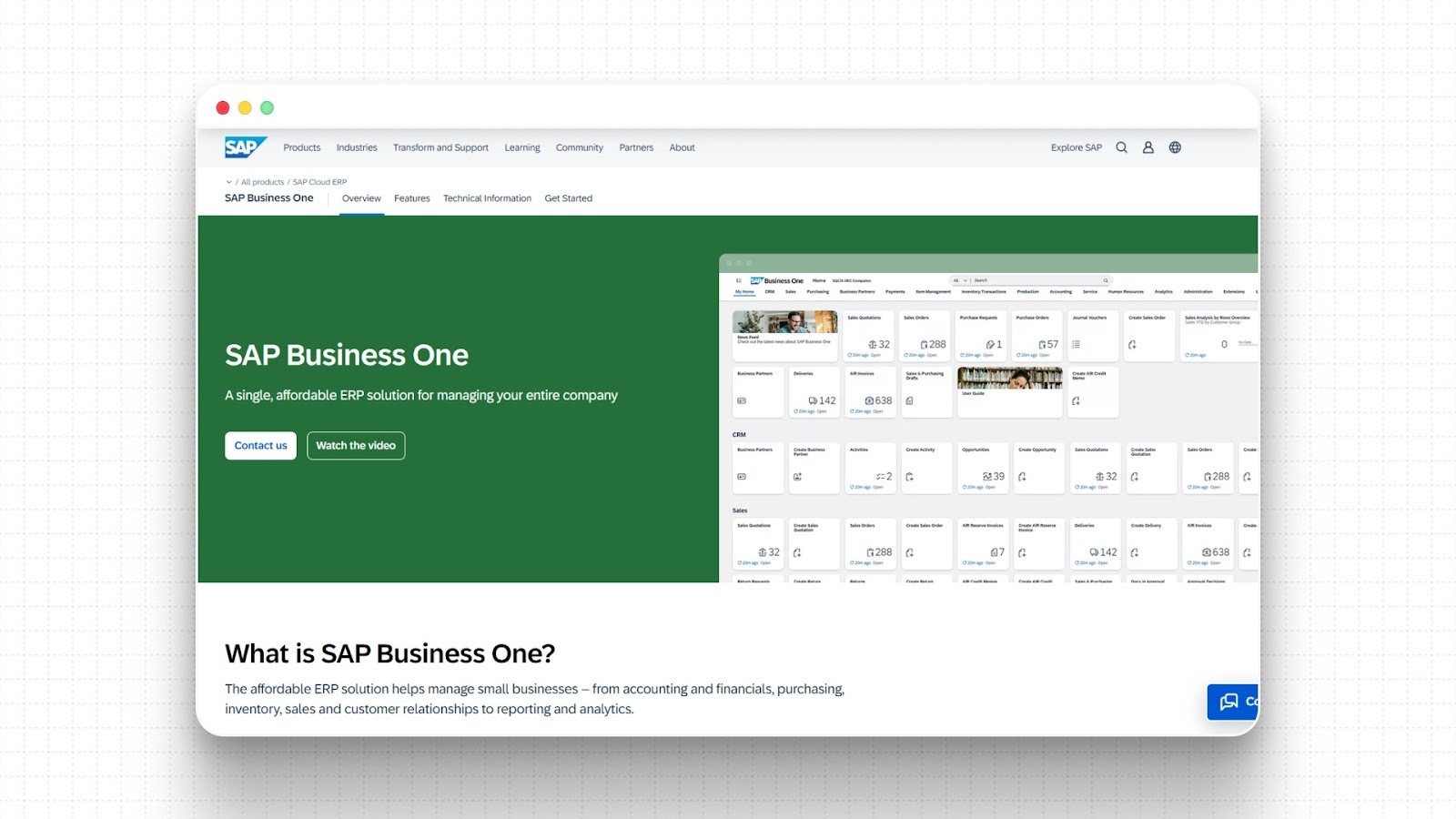
SAP Business One | برنامج ERP للشركات الصغيرة
SAP Business One هو نظام ERP مصمم لدعم عمليات التصنيع المنظمة مع تحكم قوي في عمليات الإنتاج والمخزون وسلسلة التوريد. ويُستخدم على نطاق واسع من قبل شركات التصنيع التي تحتاج إلى سير عمل موحد، وإدارة بيانات متسقة، وتقارير تشغيلية موثوقة.
تدمج المنصة منطق SAP الخاص بالتصنيع والتخطيط ضمن بيئة ERP مبسطة، مما يمكّن المؤسسات من إدارة أنشطة الإنتاج بمستوى أعلى من الوضوح والانضباط.
يدعم قوائم المواد (BOM)، ومسارات التشغيل، وإدارة أوامر الإنتاج.
يتتبع المواد الخام، والإنتاج قيد التنفيذ، والمنتجات النهائية عبر المستودعات.
يوائم بين المشتريات وطلب الإنتاج لتقليل نقص المواد.
يوفر رؤى منظمة حول أداء الإنتاج وحركة المخزون.
يمكن توسيع وظائف التصنيع باستخدام إضافات معتمدة من الشركاء.
تعمل المنصة بشكل جيد للمصنّعين الذين يفضلون سير عمل منظمًا وقائمًا على العمليات. إلا أن التخصيص خارج الإعدادات القياسية يتطلب وقتًا وتكلفة إضافيين. كما يختلف مستوى الدعم حسب شريك التنفيذ المختار.
المصنّعين في السوق المتوسطة الذين يرغبون في نظام ERP منظم وموثق جيدًا ومدعوم بمنظومة شركاء إقليمية.
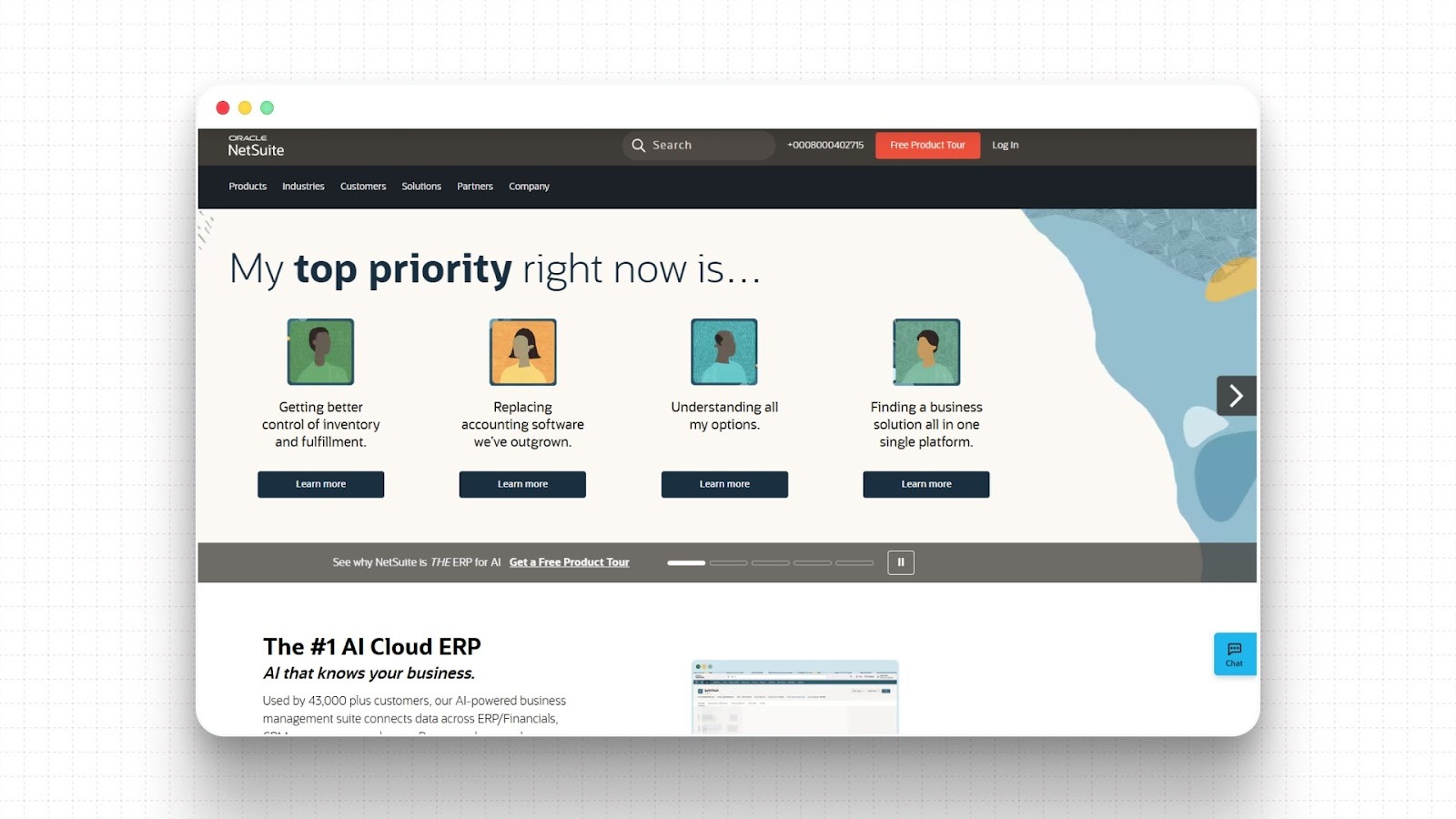
برامج الأعمال، برامج إدارة الأعمال | NetSuite
Oracle NetSuite هي منصة ERP سحابية أصلية مصممة لدعم شركات التصنيع التي تحتاج إلى تحكم مركزي، وعمليات موحدة، ورؤية فورية عبر مختلف العمليات التشغيلية. وبفضل كونها نظامًا سحابيًا موحدًا (Single-instance cloud)، تتيح NetSuite للمصنّعين إدارة الإنتاج والمخزون عبر مواقع متعددة من خلال بيئة واحدة متكاملة.
غالبًا ما يتم تقييم NetSuite من قبل شركات التصنيع التي تركز على الاتساق التشغيلي، والرؤية عبر المواقع المختلفة، والتطبيق السحابي من البداية.
إشراف مركزي على المصانع والمستودعات ومصنعي العقود.
يضمن هياكل إنتاج موحدة عبر جميع المواقع.
ينسق بين تخطيط الطلب، والمشتريات، والإنتاج من خلال نموذج بيانات واحد.
يتتبع إنتاجية التصنيع، وحركة المخزون، والأداء التشغيلي.
يتكامل مع مزودي الخدمات اللوجستية، ومنصات التجارة الإلكترونية، وأنظمة التصنيع المخصصة.
المصنّعين في مرحلة النمو الذين لديهم هياكل متعددة الكيانات أو عمليات دولية، ويعطون أولوية لقابلية التوسع والرؤية المالية.
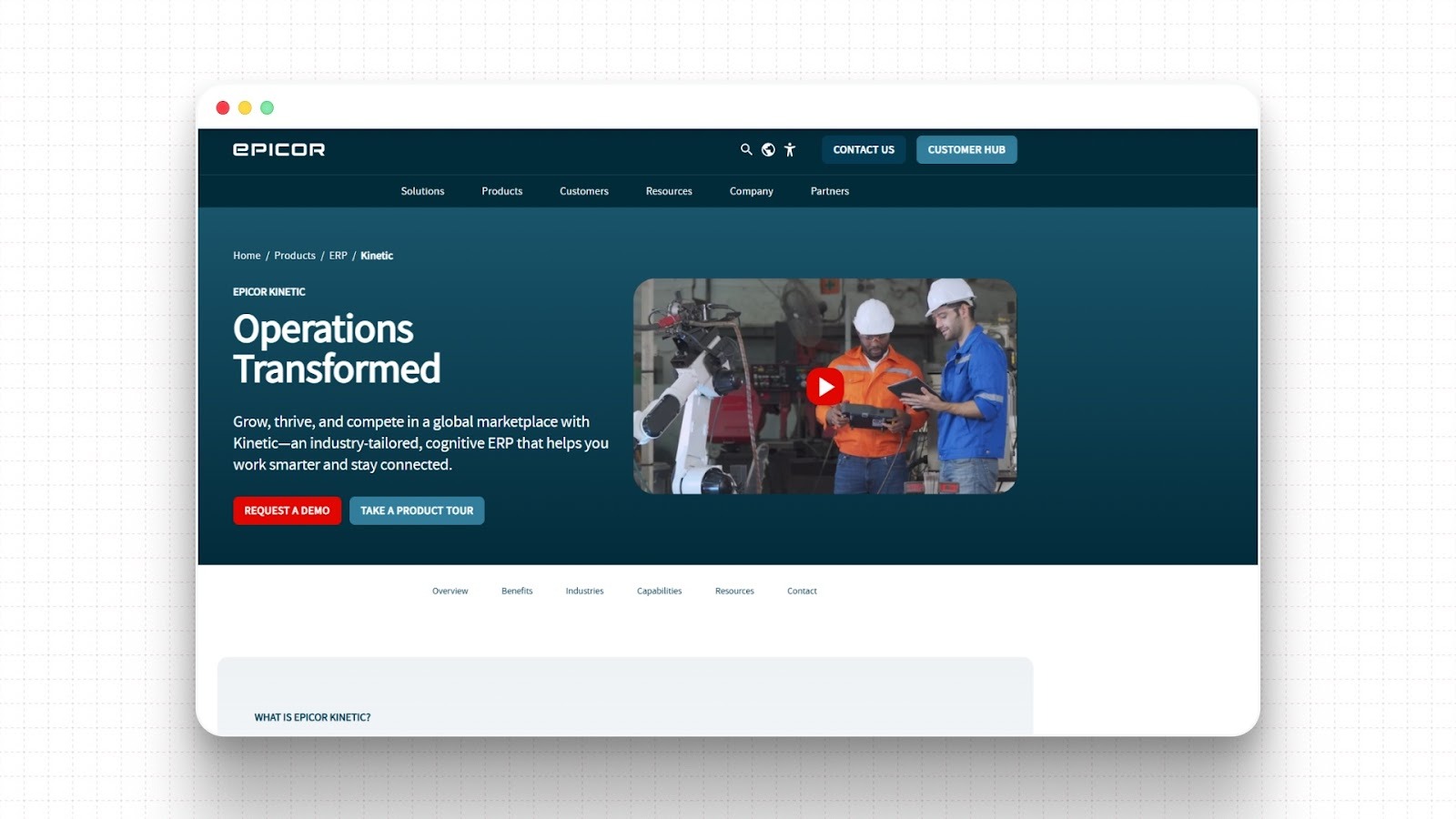
Epicor Kinetic هو نظام ERP مصمم خصيصًا لعمليات التصنيع، مع تركيز قوي على تنفيذ أرض المصنع، والتحكم في الإنتاج، والرؤية التشغيلية. تم تصميمه لدعم المصنّعين الذين يحتاجون إلى تحكم دقيق في كيفية انتقال أوامر التشغيل عبر مراحل الإنتاج وكيفية استخدام الموارد داخل المصنع.
وبدلًا من أن يقدّم نفسه كنظام ERP عام متعدد القطاعات، يركز Epicor Kinetic على تنفيذ التصنيع وتنسيق سلسلة التوريد، مما يجعله خيارًا شائعًا في البيئات المعتمدة على الإنتاج.
يدير سير عمل الإنتاج من خلال إدارة المهام، والجدولة المتقدمة، ودعم المعالجة على دفعات.
يوفر لوحات معلومات وتحليلات تساعد في مراقبة أداء الإنتاج وتحديد الاختناقات.
يوفر رؤية واضحة للمشتريات، وتتبع المواد، وعمليات المستودعات.
يدعم بشكل مدمج التصنيع حسب الطلب، والتصنيع المختلط، وأساليب التصنيع الرشيق.
يتضمن إمكانيات التحليلات التنبؤية وتخطيط الصيانة لتقليل التوقفات.
تعدّ حضور Epicor في منطقة الشرق الأوسط محدودًا مقارنة بالأسواق العالمية. يجب على الشركات في المملكة العربية السعودية التحقق من قدرات الامتثال الإقليمي لديها والتخطيط بعناية لاختيار شريك التنفيذ قبل الاعتماد عليه.
المصنّعين المعقدين في مجال التصنيع المنفصل، خصوصًا عمليات التصنيع حسب الطلب والهندسة حسب الطلب، حيث تكون دقة الجدولة المتقدمة هي المتطلب الأساسي.
Infor CloudSuite | حلول ERP السحابية | Infor
Infor CloudSuite Industrial (يُشار إليه غالبًا باسم SyteLine) هو حل ERP مصمم خصيصًا لدعم عمليات التصنيع المنفصل وتصنيع العمليات، ويوفر وظائف شاملة من البداية إلى النهاية عبر الإنتاج، والمخزون، وسلسلة التوريد، والتقارير التشغيلية. تم تصميمه لمساعدة شركات التصنيع على تبسيط سير العمل، والحصول على رؤية فورية، وتوسيع العمليات بكفاءة.
يوفر سير عمل مدمج لأنماط التصنيع حسب الطلب الهندسي (Engineer-to-Order)، والتصنيع حسب الطلب (Make-to-Order)، والتصنيع للتخزين (Make-to-Stock)، ونماذج التصنيع المختلط، مما يتيح تحكمًا موحدًا من إنشاء الطلب حتى تنفيذ الإنتاج.
يوفر أدوات مدمجة لتخطيط المواد وجدولة الإنتاج لتحقيق التوازن بين الطاقة الإنتاجية والطلب وتوافر الموارد عبر مواقع متعددة.
يوفر تتبعًا شاملًا للأجزاء المرقمة، والمكونات عالية التقنية، والمنتجات النهائية للحفاظ على الدقة وتقليل اختلافات المخزون.
يتضمن آليات مدمجة لمراقبة الجودة والتتبع لضمان مطابقة الإنتاج للمواصفات والمعايير الصناعية.
يربط المشتريات، وعمليات الموردين، والخدمات اللوجستية للمساعدة في تقليل التأخير وتحسين التنسيق بين وظائف التصنيع وسلسلة التوريد.
المصنّعين الصناعيين ومصنّعي العمليات ذوي بيئات الإنتاج متعددة المواقع الذين يبحثون عن منصة مبنية خصيصًا للصناعة كأساس تشغيلي.
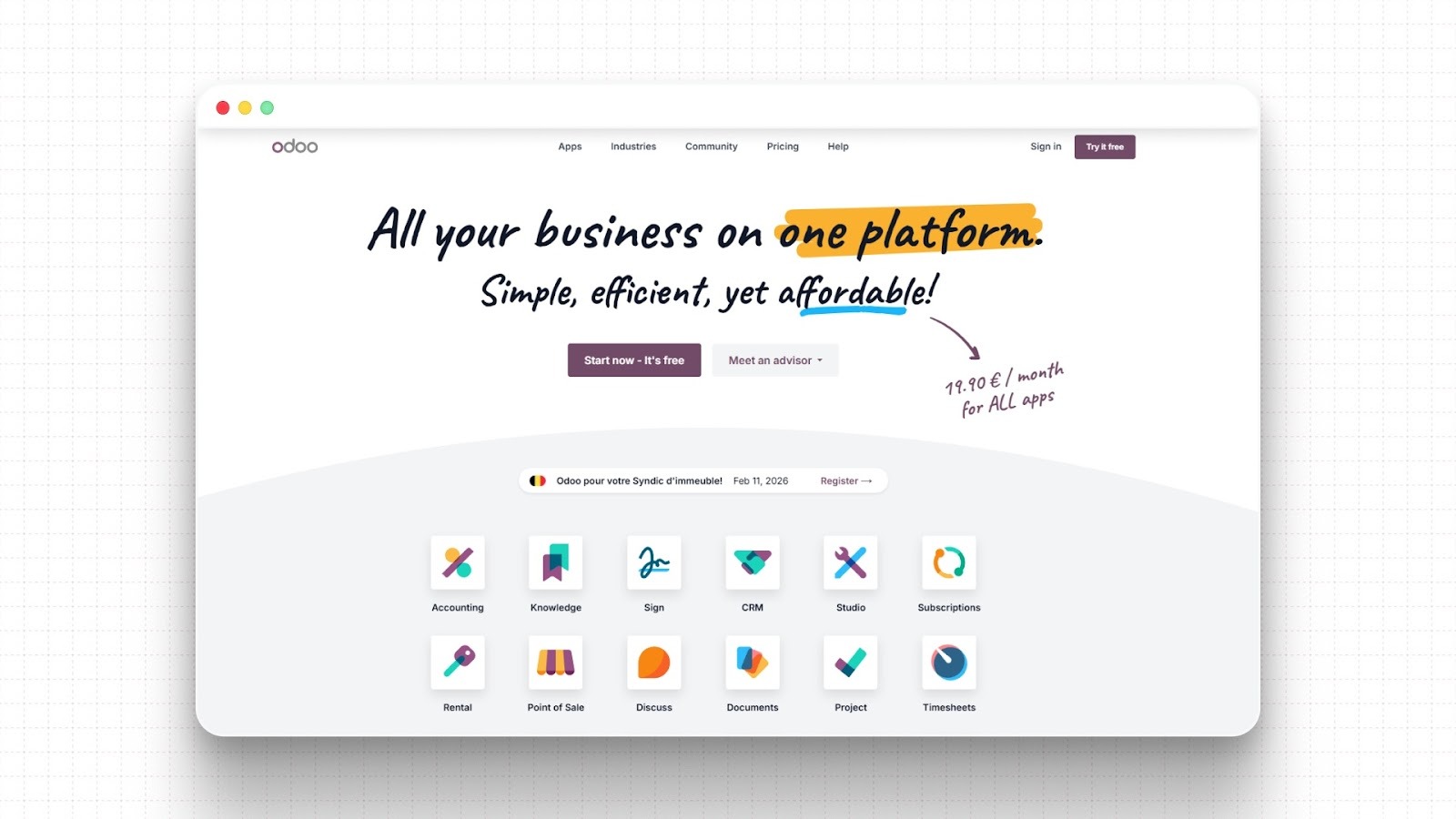
Odoo هو منصة ERP معيارية تتيح للشركات تجميع التطبيقات الوظيفية التي تحتاجها فقط، بما في ذلك التصنيع، والمخزون، والمشتريات. ويعتمد تصميمه مفتوح النواة على إمكانية إضافة الوحدات تدريجيًا، مما يوفر مرونة للمصنّعين الذين يرغبون في تبني قدرات ERP بشكل تدريجي بدلًا من تطبيقها دفعة واحدة.
ورغم أن Odoo معروف بمرونته وقابليته للتخصيص، فإن تأثيره في قطاع التصنيع يعتمد على كيفية تهيئة الوحدات وتوسيعها. وبالنسبة للمصنّعين الذين ينتقلون من أدوات بسيطة، يتيح Odoo بناء نظام مخصص دون تكاليف ترخيص للميزات غير المستخدمة.
يدعم قوائم المواد (BOM)، وأوامر التشغيل، ومسارات الإنتاج لإدارة الإنتاج الأساسية.
يتتبع الكميات، والأرقام التسلسلية، وحركة المخزون عبر المواقع.
يساعد في تخطيط وترتيب مهام الإنتاج بناءً على العمليات والموارد.
يتيح التصميم المعياري للمصنّعين تفعيل الميزات التي يحتاجونها فقط اليوم وإضافة المزيد لاحقًا.
يتوفر سوق للوحدات الإضافية لدعم احتياجات متقدمة مثل أرض المصنع أو الجودة.
الشركات الصغيرة جدًا والصغيرة التي تحتاج إلى تغطية أساسية للتصنيع والمخزون. وليس الخيار الموصى به للمصنّعين متوسطي الحجم ذوي العمليات المعقدة، أو الاحتياجات متعددة المواقع، أو متطلبات الامتثال لهيئة الزكاة والضريبة والجمارك (ZATCA).
اقرأ أيضًا: كيف يُحدث الذكاء الاصطناعي الوكيلي تحولًا في أنظمة ERP
|
القدرة |
HAL ERP |
MS Dynamics 365 |
SAP B1 |
NetSuite |
Epicor Kinetic |
Infor CSI |
Odoo |
|
الامتثال السعودي / ZATCA |
أصلي/مدمج |
يتطلب إعدادًا |
يتطلب إعدادًا |
يتطلب إعدادًا |
يعتمد على الشريك |
يعتمد على الشريك |
محدود |
|
تخطيط الإنتاج |
قوي |
قوي |
متوسط |
متوسط |
قوي |
قوي |
أساسي |
|
ضبط الجودة |
مدمج |
متوفر |
متوفر |
متوفر |
قوي |
قوي |
أساسي |
|
دعم اللغة العربية |
أصلي/مدمج |
متوفر |
متوفر |
محدود |
محدود |
محدود |
متوفر |
|
مدة التطبيق |
8-12 أسبوعًا |
6-18 شهرًا |
3-12 شهرًا |
3-9 أشهر |
6-12 شهرًا |
6-12 شهرًا |
2-6 أشهر |
|
الدعم المحلي (المملكة العربية السعودية) |
مخصص |
شبكة شركاء |
شبكة شركاء |
شبكة شركاء |
شبكة شركاء |
محدود |
شبكة شركاء |
|
الأنسب (حجم الشركة) |
50-500 موظف |
أكثر من 200 موظف |
50-300 موظف |
100-500 موظف |
أكثر من 100 موظف |
أكثر من 200 موظف |
أقل من 50 |
اقرأ أيضًا: كيفية إنشاء وثيقة متطلبات نظام ERP للأعمال: قائمة تحقق شاملة

كيف يبدو تنفيذ نظام ERP عادةً في قطاع التصنيع؟
يحصل اختيار نظام ERP على معظم الاهتمام، لكن التنفيذ هو المرحلة التي ينجح فيها المشروع أو يفشل.
يقوم فريق التنفيذ بتخطيط سير العمل الحالي، وتهيئة النظام ليتوافق مع هيكل الإنتاج، وإعداد أدوار المستخدمين والصلاحيات. وفي HAL ERP، يتم إكمال الإعداد الأساسي والتدريب خلال هذه الفترة.
يتم نقل البيانات التاريخية، بما في ذلك سجلات المخزون، وقوائم الموردين، وقوائم المواد (BOMs)، وبيانات العملاء، إلى النظام الجديد. كما يتم إعداد التكامل مع منصات التجارة الإلكترونية، وأنظمة الدفع، وأدوات الخدمات اللوجستية خلال هذه المرحلة.
يتم تدريب فرق الإنتاج، والمشتريات، والمحاسبة على النظام. وتُجرى اختبارات على أوامر الإنتاج، وسير عمل الجودة، ولوحات التقارير قبل التشغيل الفعلي.
يتم تشغيل النظام فعليًا. وتبقى فرق الدعم متاحة لحل المشكلات، وتحسين الإعدادات، وضمان اعتماد النظام عبر مختلف الأقسام.
بالنسبة لشركات التصنيع، يعد تقليل الاضطراب أثناء التشغيل الفعلي أمرًا بالغ الأهمية. اختيار نظام ERP مزود بفريق تنفيذ محلي يقلل بشكل كبير من مخاطر التوقفات الطويلة أو الإعدادات غير المتوافقة.
هل تريد رؤية إطلاق نظام ERP للتصنيع يتناسب مع جدولك الزمني؟ تواصل مع فريق HAL وقم ببناء خطة تنفيذ واقعية مخصصة لعملياتك.
أمور يجب مراعاتها قبل اتخاذ قرار نهائي بشأن نظام ERP للتصنيع
قبل أن تُنهي قائمة أنظمة ERP المختصرة لديك، راجع هذه الأسئلة مع فريقك الداخلي.
قم بإدراج أكثر خمس عمليات عمل تعقيدًا لديك، بما في ذلك الإنتاج الدُفعي، ونقاط فحص الجودة، والتعاقد من الباطن، ونقل المخزون بين المستودعات. واطلب من كل مزود أن يوضح كيف يدعم هذه العمليات دون تخصيص إضافي.
تُعد قدرة فريق تقنية المعلومات الداخلي عاملًا مهمًا. إذا كان فريقك صغيرًا، فأنت بحاجة إلى مزود يمتلك دعمًا محليًا قويًا. أما أنظمة ERP العالمية التي تعتمد على دعم خارجي فقد تؤدي إلى تأخير في الاستجابة يؤثر على العمليات.
هذا شرط غير قابل للتفاوض للشركات السعودية. تأكد من أن الامتثال مدمج داخل المنصة، وليس إضافة طرف ثالث تتطلب صيانة منفصلة.
تشمل تكلفة ERP التنفيذ، والتراخيص، ودعم الشريك، والتخصيص، والتدريب. اطلب تفصيلًا كاملًا للتكلفة على مدى ثلاث سنوات قبل مقارنة الخيارات.
يُعد العميل الفعلي في نفس قطاعك أكثر موثوقية من أي عرض تجريبي. اطلب التواصل مع عملاء سابقين يمكنهم شرح تجربة التنفيذ وجودة الدعم بعد التشغيل الفعلي.
اقرأ أيضًا: دورة حياة تنفيذ نظام ERP موضحة: المراحل وأفضل الممارسات
اختيار أفضل نظام ERP للتصنيع لا يتعلق باختيار العلامة التجارية الأكثر شهرة، بل يتعلق بإيجاد النظام الذي يتوافق مع طريقة تشغيل مصنعك فعليًا، ويدعم متطلبات الامتثال في السعودية، ويتم نشره بسرعة كافية لتحقيق قيمة قبل منافسيك.
بالنسبة للمصنّعين في المملكة العربية السعودية، فإن الفجوة بين نظام ERP محلي مُنفذ بشكل جيد ومنصة عالمية مُخصصة بشكل كبير تُقاس بأشهر من فقدان الإنتاجية، وبمئات الآلاف من الريالات من التكاليف التي يمكن تجنبها.
تم تصميم HAL ERP لهذا السوق. فهو يجمع بين وظائف مخصصة للتصنيع، وامتثال مدمج لهيئة الزكاة والضريبة والجمارك (ZATCA)، ودعم باللغة العربية، وفريق تنفيذ محلي ضمن منصة واحدة مصممة للشركات مثل شركتك. اطلب عرضًا توضيحيًا مجانيًا اليوم لمعرفة كيفية عمله.
يغطي نظام ERP العام وظائف الأعمال مثل المالية والموارد البشرية والمبيعات. أما نظام ERP للتصنيع فيضيف تخطيط الإنتاج، وإدارة قوائم المواد (BOM)، والتحكم في أرض المصنع، وفحص الجودة، وجدولة الصيانة. بالنسبة للمصنّعين، هذه ليست إضافات اختيارية بل وظائف أساسية يومية.
يعتمد ذلك على النظام ونطاق العمل. في HAL ERP، يستغرق الإعداد الأساسي والتدريب من 2 إلى 4 أسابيع. أما التنفيذ الكامل بما في ذلك ترحيل البيانات والتخصيص فيستغرق من 8 إلى 12 أسبوعًا. بينما أنظمة ERP العالمية عادةً ما تحتاج من 6 إلى 18 شهرًا حسب التعقيد.
تتطلب ZATCA من الشركات استخدام أنظمة فوترة إلكترونية تتوافق مع متطلباتها التقنية، بما في ذلك تنسيق XML، ورموز QR، والتكامل الفوري مع منصة الهيئة. يجب أن يدعم نظام ERP هذه المتطلبات إما بشكل مدمج أو عبر تكامل معتمد.
يعمل Odoo بشكل جيد للشركات الصغيرة جدًا والصغيرة، لكنه يواجه تحديات في التوسع والتخصيص مع نمو العمليات. غالبًا ما تحتاج شركات التصنيع متوسطة الحجم التي تضم أكثر من 50 موظفًا وسير عمل معقد إلى تطويرات مخصصة كبيرة، مما يزيد من تكاليف الصيانة على المدى الطويل.
ابحث عن شركاء لديهم فرق محلية، وتجارب موثوقة في قطاع التصنيع، وقدرات دعم باللغة العربية، وخبرة مثبتة في تنفيذ متطلبات ZATCA. الشريك المحلي يقلل من فجوات الاستجابة ويفهم البيئة التنظيمية دون الحاجة إلى شرح طويل.