

هل فريقك المالي يقضي وقتًا أطول في مطاردة البيانات بدلًا من إدارة أعمالك فعليًا؟ بلغت قيمة سوق برمجيات تخطيط موارد المؤسسات (ERP) في المملكة العربية السعودية 416.7 مليون دولار أمريكي في عام 2024، ومن المتوقع أن تصل إلى 1.6 مليار دولار بحلول عام 2033، بمعدل نمو سنوي قدره 15.2%.
ومع ذلك، لا تزال العديد من الشركات السعودية، خاصة في مجالات المقاولات والتجارة والتصنيع، تعتمد على أنظمة محاسبية غير مترابطة لم تُصمم أصلًا لهذا المستوى من التعقيد.
الخطر الحقيقي؟ اختيار نظام ERP غير مناسب يعني دفع مقابل ميزات لن تستخدمها أبدًا، وتفويت مواعيد الامتثال للفوترة الإلكترونية التابعة لهيئة الزكاة والضريبة والجمارك (ZATCA)، ثم مواجهة إعادة تنفيذ مؤلمة بعد عامين.
يستعرض هذا المقال أفضل حلول برامج ERP المحاسبية، والوحدات الأكثر أهمية للشركات السعودية، وكيف يؤثر مجال عملك على احتياجاتك، وما الذي يجعل نظام ERP مصممًا فعليًا للمملكة.
تقوم برامج المحاسبة المستقلة بتسجيل المعاملات فقط، بينما يربط نظام ERP المحاسبي جميع أجزاء عملك تلقائيًا.
عند إنشاء أمر شراء في نظام ERP، ينتقل مباشرة إلى الحسابات الدائنة، ويحدث توقعات التدفق النقدي، ويُسجل في دفتر الأستاذ العام، ويُفعّل فحص الامتثال، كل ذلك في خطوة واحدة. بدون إعادة إدخال بيانات، وبدون تأخير في التسوية.
أنت جاهز للانتقال إلى نظام ERP عندما تلاحظ أيًا من هذه العلامات:
إذا كان ثلاثة أو أكثر من هذه الأمور مألوفة لديك، فإن برامج المحاسبة التقليدية تعيق عملك بصمت. والخطوة التالية هي اختيار نظام ERP المناسب، ويبدأ ذلك بفهم ما يقدمه كل نظام بالفعل.
اقرأ أيضًا: السحابة مقابل أنظمة ERP المحلية (On-Premise): أيهما مناسب لعملك؟
تقوم معظم أدلة مقارنة أنظمة ERP بترتيب المنصات حسب الشهرة العالمية. أما هذا الدليل فيرتبها حسب مدى ملاءمتها للمملكة العربية السعودية، بدءًا بالمنصة المصممة للمملكة. إليك ما يقدمه كل نظام فعليًا، وأين تكمن نقاط قصوره.
يُعد HAL ERP المنصة الوحيدة ضمن هذه القائمة من أنظمة ERP الكبرى التي تم تطويرها من الأساس لتناسب قطاعات المملكة العربية السعودية ولوائحها وبنيتها التجارية. وهذا الاختلاف يتجاوز كونه مجرد تسويق، بل يظهر في كل وحدة، وكل سير عمل، وكل تحديث امتثال.
أبرز نقاط التميز: امتثال ZATCA مدمج، فريق محلي على الأرض، وحدات صناعية جاهزة لقطاعات السعودية، وتكلفة إجمالية تنافسية مقارنة بالمنصات العالمية مع زمن إطلاق أسرع.
الأفضل لـ: الشركات السعودية بمختلف أحجامها في قطاعات المقاولات، والتصنيع، والتجارة، والتجزئة، والخدمات، والتعليم، التي تبحث عن نظام ERP متوافق ومدعوم محليًا دون تكلفة الأنظمة المؤسسية العالمية.
تُعد مجموعة الحميضي واحدة من أبرز سلاسل التجزئة الفاخرة في المملكة العربية السعودية. وعلى الرغم من حجمها الكبير، كانت تعتمد على أنظمة قديمة غير مترابطة.
كان إعداد التقارير يتأخر لمدة أسبوع كامل، وكانت تسعير المنتجات على مستوى المتاجر عملية يدوية مرهقة، كما كان تفاعل العملاء محدودًا، وعمليات الدفع بطيئة. ولم يكن لدى الإدارة رؤية لحظية لما يحدث فعليًا عبر أكثر من 80 فرعًا.
ما الذي قدمه HAL ERP:
دراسة حالة: مجموعة الحميضي، توفير أكثر من 70 مليون ريال سعودي، وزيادة العائد على الاستثمار بنسبة 61%
تُعد مجموعة الحميضي واحدة من أبرز سلاسل التجزئة الفاخرة في المملكة العربية السعودية. وعلى الرغم من حجمها الكبير، كانت تعتمد على أنظمة قديمة غير مترابطة.
كان إعداد التقارير يتأخر لمدة أسبوع كامل، وكانت تسعير المنتجات على مستوى المتاجر عملية يدوية مرهقة، كما كان تفاعل العملاء محدودًا، وعمليات الدفع بطيئة. ولم يكن لدى الإدارة رؤية لحظية لما يحدث فعليًا عبر أكثر من 80 فرعًا.
ما الذي قدمه HAL ERP:
النتيجة: توفير أكثر من 70 مليون ريال سعودي في التكاليف التشغيلية، وزيادة العائد على الاستثمار بنسبة 61%، وتشغيل سلس متعدد القنوات عبر أكثر من 80 متجرًا، مع تمكين فريق المالية من الوصول إلى بيانات فورية لاتخاذ قرارات سريعة وواثقة.
تعرف على المزيد حول كيف يمكن لـ HAL أن يساعدك في عملياتك المحاسبية. احجز عرضًا توضيحيًا الآن.
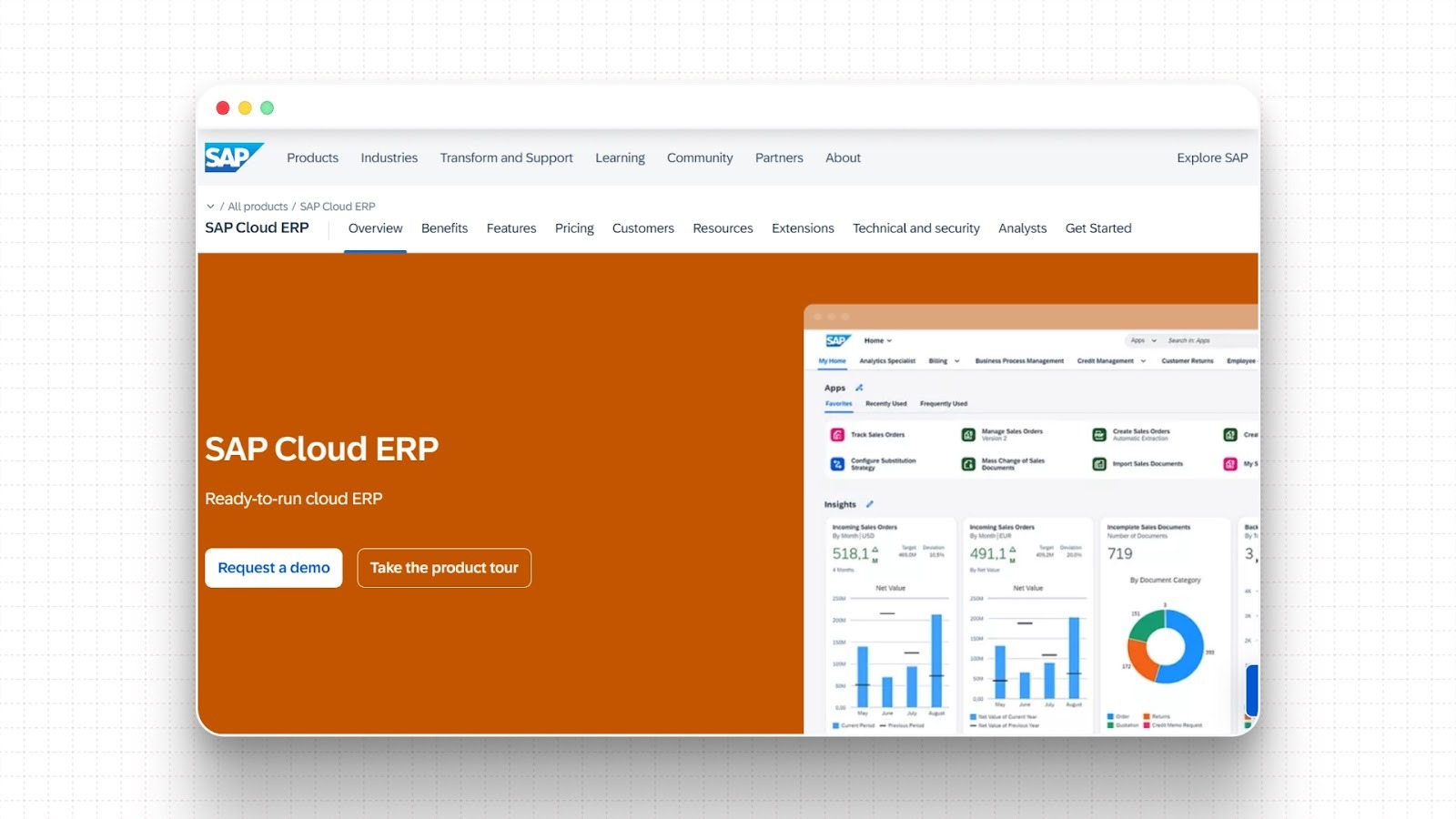
يُعد SAP S/4HANA أكثر أنظمة ERP انتشارًا في المؤسسات الكبرى حول العالم. كما أن قدراته المحاسبية شاملة بالفعل، حيث يوفر دفتر أستاذ عام متعدد الدفاتر، وإدارة متقدمة لإقفال الفترات المالية، وإهلاك الأصول الثابتة بعدة طرق متوافقة مع معايير IFRS، ولوحات تحكم تحليلية لحظية عبر SAP Fiori، بالإضافة إلى تكامل عميق بين المالية والمشتريات وسلسلة الإمداد والموارد البشرية.
بالنسبة للشركات السعودية، يقدم SAP اعتمادًا أصليًا للفوترة الإلكترونية في المرحلة الثانية من ZATCA ودعمًا كاملًا للغة العربية.
كما أن شبكة الشركاء العالمية الخاصة به تعني توفر دعم التنفيذ في مختلف المدن الكبرى داخل المملكة. وإذا كانت شركتك تعمل عبر عدة دول وبمتطلبات معقدة لمعايير محاسبية متعددة (Multi-GAAP)، فإن SAP يتعامل مع هذا النطاق بكفاءة تفوق معظم الأنظمة الأخرى.
تُعد أدوات الدمج المالي داخل SAP قوية بشكل خاص لمجموعات الشركات متعددة الجنسيات، حيث إن عمليات إلغاء المعاملات بين الشركات، وتحويل العملات، وإعداد تقارير المجموعة ناضجة ومجربة على نطاق واسع.
بالنسبة لشركة لديها أكثر من 10 كيانات قانونية تعمل في بيئات تنظيمية مختلفة، فإن بنية SAP قادرة على التعامل مع هذا التعقيد بكفاءة.
أما نقاط القصور: غالبًا ما تتجاوز تكلفة التنفيذ لشركة متوسطة في السعودية 1 مليون ريال سعودي، مع مدة تطبيق تمتد من 12 إلى 24 شهرًا. وبدون فريق تقني داخلي مخصص، قد يتحول SAP إلى عبء تشغيلي أكثر من كونه ميزة. كما أن تحديثات التوطين الخاصة بمتطلبات السعودية، بما في ذلك تغييرات لوائح ZATCA، قد تتأخر أحيانًا عن المواعيد التنظيمية.
الأفضل لـ: الشركات الكبرى، والجهات شبه الحكومية، والشركات متعددة الجنسيات ذات العمليات المعقدة عبر دول متعددة، والتي تمتلك فرق تقنية داخلية وميزانيات مناسبة.
يُعد Oracle NetSuite نظام ERP سحابيًا أوليًا (Cloud-first) مصممًا خصيصًا للشركات التي تدير عدة شركات تابعة أو كيانات عبر الحدود. ويُعتبر محرك الإدارة المالية فيه من الأقوى ضمن فئة الشركات المتوسطة. فهو يوفر محاسبة متعددة الدفاتر، والتعرف الآلي على الإيرادات وفق IFRS 15 وASC 606، وتسويات بين الشركات في الوقت الفعلي، ولوحات تحكم موحدة تعرض بيانات المجموعة خلال دقائق.
تكمن قوة NetSuite الحقيقية في إدارة الكيانات المتعددة. فإذا كنت تدير ثلاث شركات تابعة في المملكة العربية السعودية والإمارات العربية المتحدة، يمكنك عرض قائمة الأرباح والخسائر لكل كيان بشكل منفصل بالإضافة إلى عرض موحد للمجموعة داخل نفس النظام، دون الحاجة إلى قيود يومية يدوية أو عمليات تجميع عبر Excel.
تُعد هذه البنية مناسبة جدًا للشركات القابضة التي تمتلك خطوط أعمال متنوعة.
يتكامل NetSuite مع منظومة واسعة من الأدوات الخارجية، حيث يدعم أتمتة الحسابات المدينة، والفوترة بالاشتراكات، ومحاسبة المشاريع، ومعالجة العملات المتعددة بشكل أصلي.
بالنسبة لفرق المالية التي تحتاج إلى إدارة متقدمة للاعتراف بالإيرادات، وهو أمر شائع في شركات SaaS والخدمات والاشتراكات، فإن قدرات NetSuite في هذا المجال ناضجة جدًا.
كما يوفر مرونة قوية في إعداد التقارير، حيث يمكن إنشاء تقارير مالية ولوحات مؤشرات مخصصة دون الحاجة إلى دعم المطورين، مما يقلل الاعتماد على فرق تقنية المعلومات في التقارير التشغيلية اليومية.
أما نقاط القصور: فإن الامتثال للمرحلة الثانية من ZATCA ليس مدمجًا بشكل أصلي، بل يعتمد على إضافات خارجية، مما يضيف تكاليف صيانة واعتماد على تحديثات أطراف ثالثة. كما أن دعم التنفيذ المحلي في المملكة محدود بعدد صغير من الشركاء المعتمدين. ودعم واجهة المستخدم باللغة العربية جزئي فقط، مما يسبب احتكاكًا حقيقيًا للفرق المالية التي تعتمد العربية كلغة أساسية. وبالنسبة للشركات التي تُعد فيها متطلبات ZATCA أولوية قصوى، فإن الاعتماد على الإضافات يمثل مخاطرة مستمرة.
الأفضل لـ: مجموعات الشركات متعددة الكيانات والشركات الإقليمية التي لديها متطلبات تقارير دولية وعلاقة قائمة مع شريك NetSuite معتمد في المنطقة.
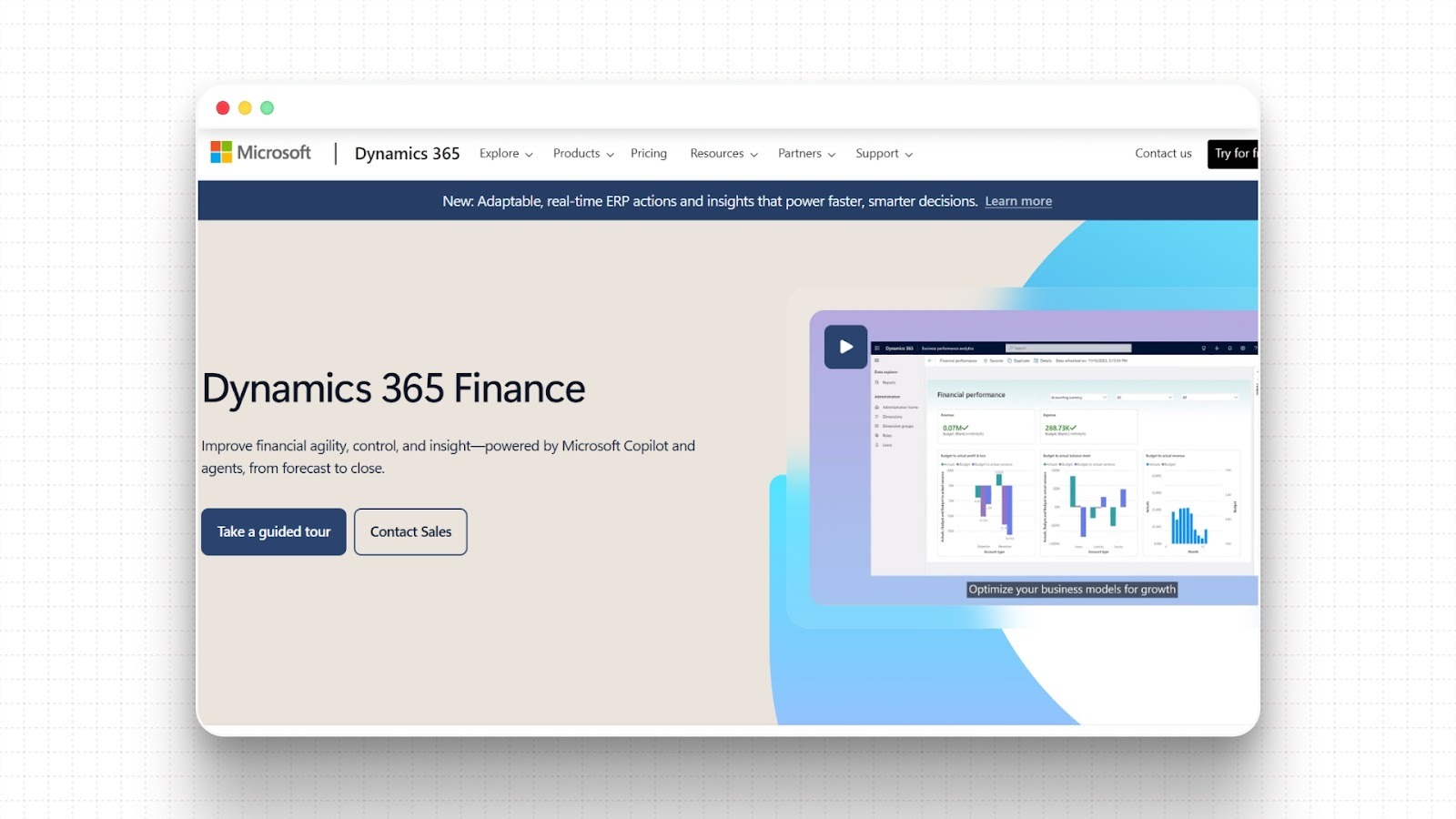
يُعد Microsoft Dynamics 365 Finance الخيار الطبيعي لأنظمة ERP للشركات التي تعتمد بشكل كبير على بنية Microsoft التحتية. إذ يأتي التكامل مع Teams وSharePoint وPower BI وAzure بشكل سلس بالكامل. وإذا كانت شركتك تعمل بالفعل ضمن Microsoft 365، فإن قيمة هذا التكامل تكون مباشرة وملموسة.
تغطي وحدة المالية في النظام إدارة متقدمة للأصول الثابتة، ودليل حسابات متعدد الأبعاد وقابل للتخصيص، وتسويات بنكية آلية، وإعداد الميزانيات والتوقعات المالية، وإدارة التدفقات النقدية.
ويبرز تكامل Power BI بشكل خاص، حيث يمكنك إنشاء لوحات معلومات مالية جاهزة للاستخدام على مستوى الإدارة العليا مباشرة من بيانات ERP دون الحاجة إلى منصة تحليل إضافية.
كما يوفر Dynamics 365 قدرات قوية في محاسبة المشاريع عبر وحدة Project Operations، والتي تغطي إدارة الموارد، وتتبع الوقت والمصاريف، وفوترة المشاريع، وتحليل الربحية. وبالنسبة لشركات الخدمات والاستشارات التي تعتمد على أدوات Microsoft، فإن هذا يمثل تدفق عمل متكامل فعليًا.
تتيح البنية المعيارية للنظام البدء بوحدة المالية ثم التوسع لاحقًا إلى سلسلة الإمداد أو خدمات الميدان أو الموارد البشرية، وكل ذلك داخل نفس منظومة Microsoft.
أما نقاط القصور: فإن الامتثال الكامل للمرحلة الثانية من ZATCA يعتمد بالكامل على إضافات توطين من شركاء خارجيين، وليس وحدة أصلية داخل النظام. كما أن التنفيذ معقد ومكلف، وغالبًا ما يتطلب شركاء معتمدين في المملكة. وتكاليف الترخيص لكل مستخدم ترتفع بسرعة مع نمو الفريق، وقد تتحول إدارة النظام إلى عبء تشغيلي في حال عدم وجود فريق تقني داخلي متخصص في Microsoft.
الأفضل لـ: الشركات السعودية المتوسطة إلى الكبيرة التي تعتمد بالفعل على بيئة Microsoft 365 وتبحث عن منصة مالية وتشغيلية متكاملة ضمن نفس المنظومة.
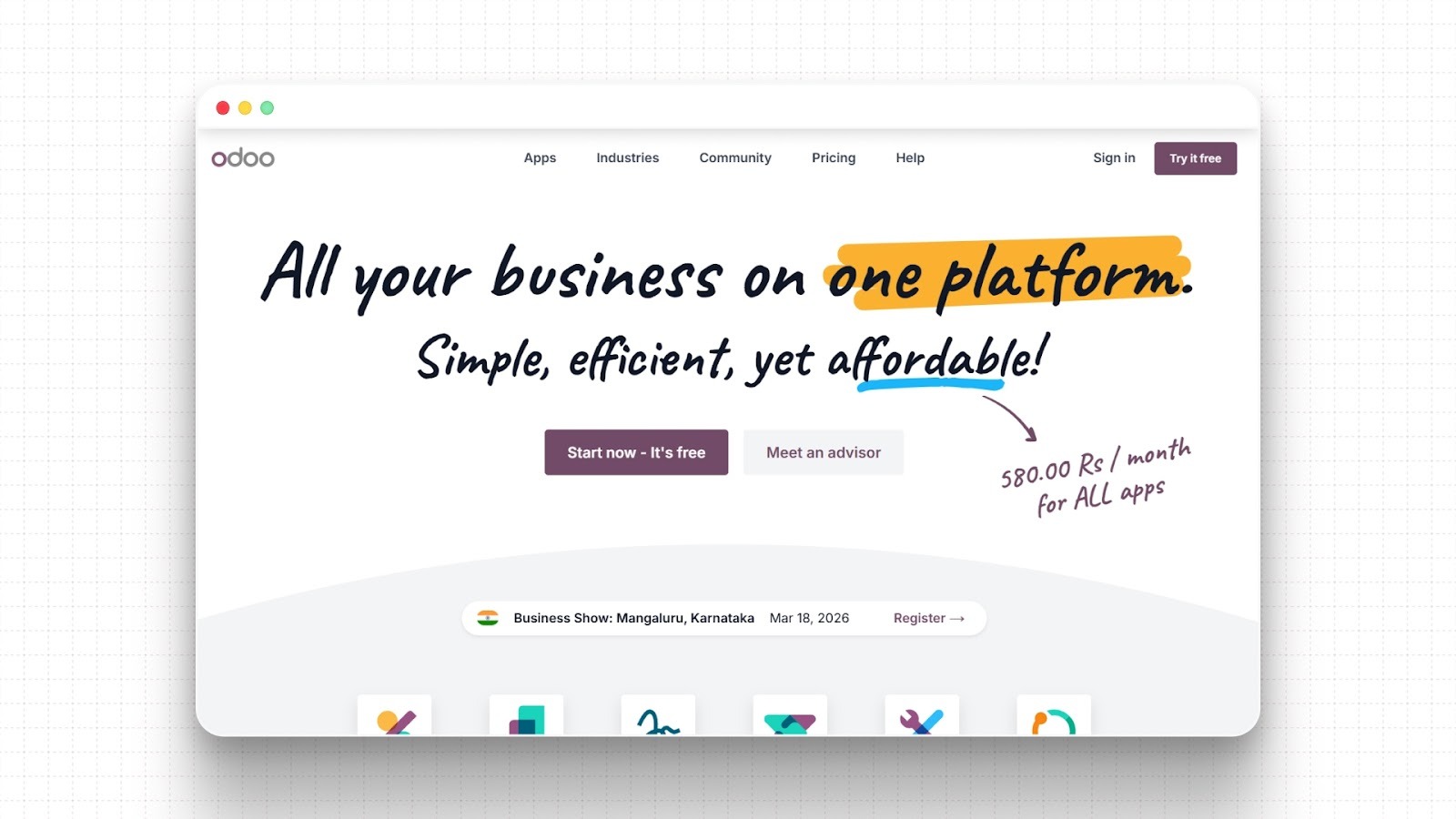
يُعد Odoo نظام ERP مفتوح المصدر يعتمد على هيكل معياري قابل للبناء حسب الاحتياج. يمكنك اختيار التطبيقات التي تريد تفعيلها مثل المحاسبة، والفوترة، وإدارة المخزون، والموارد البشرية، وإدارة علاقات العملاء (CRM)، وإدارة المشاريع، والدفع فقط مقابل ما تستخدمه. يتميز بواجهة استخدام نظيفة وحديثة وأكثر سهولة للمستخدمين غير التقنيين مقارنة بأي نظام آخر في هذه القائمة.
تغطي وحدة المحاسبة فيه الفوترة متعددة العملات، ومطابقة كشوف الحساب البنكية بشكل آلي، وإدارة المصاريف، وإعداد الميزانيات الأساسية، ودليل حسابات قابل للتخصيص.
بالنسبة للشركات التي تنتقل من الجداول الإلكترونية أو برامج المحاسبة البسيطة لأول مرة، فإن منحنى التعلم في Odoo يُعد أقل حدة بشكل ملحوظ مقارنة بأنظمة مثل SAP أو NetSuite أو Dynamics.
يوجد عدد متزايد من شركاء Odoo المعتمدين في المملكة العربية السعودية يقدمون نشرًا باللغة العربية وإضافات للامتثال مع ZATCA. كما يوفر النظام مجتمعًا واسعًا من الوحدات الإضافية، حيث يمكن غالبًا العثور على تطبيقات جاهزة لاحتياجات صناعية محددة ضمن مكتبة المجتمع.
بالنسبة للشركات الصغيرة والمتوسطة التي تبحث عن نقطة دخول منخفضة التكلفة مع إمكانية التوسع لاحقًا، يقدم Odoo قيمة قوية.
كما أن طبيعته مفتوحة المصدر تمنحه قابلية تخصيص عالية، مما يسمح للشركات التي لديها عمليات خاصة ببناء حلول فوق المنصة دون التقيد بعمليات يحددها المورد.
أما نقاط القصور: فإن الامتثال للمرحلة الثانية من ZATCA يعتمد بالكامل على شركاء التنفيذ، ولا توجد وحدة قياسية معتمدة مدمجة. وتختلف جودة التحديثات والموثوقية بشكل كبير حسب الشريك. بالنسبة للشركات ذات الهياكل متعددة الكيانات أو أحجام المعاملات الكبيرة أو متطلبات محاسبة المشاريع المتقدمة، غالبًا ما يتطلب Odoo تخصيصات مكلفة للتوسع. كما أن جودة الدعم تعتمد بشكل مباشر على الشريك المختار.
الأفضل لـ: الشركات الصغيرة والمتوسطة التي تبحث عن نظام ERP مرن وفعال من حيث التكلفة كنقطة بداية، مع إمكانية إضافة وحدات تدريجيًا مع نمو الأعمال.
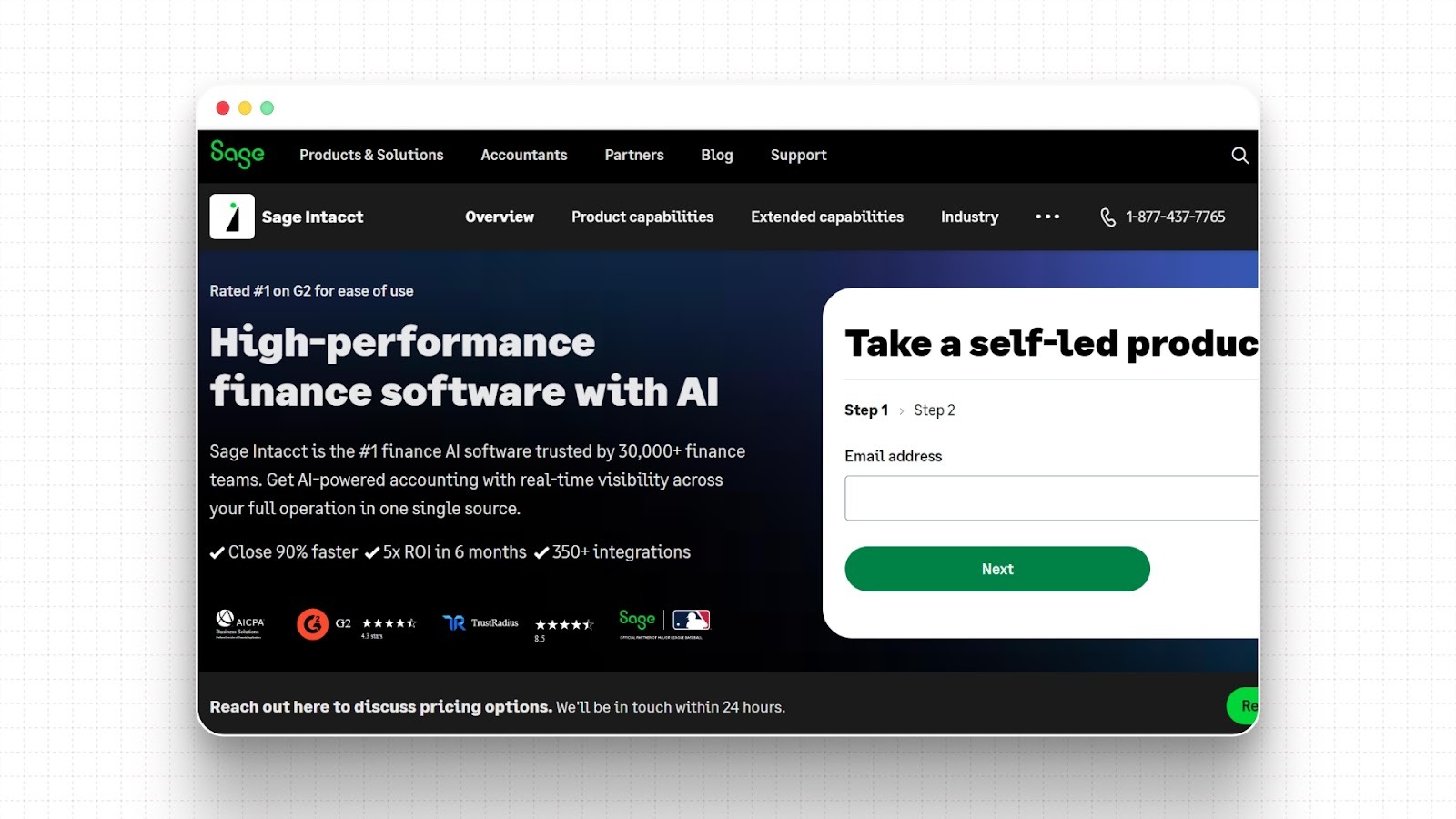
يُعد Sage Intacct منصة محاسبة سحابية تحظى باحترام واسع في مجال التقارير المالية متعددة الأبعاد، ومحاسبة المشاريع، وفوترة الخدمات المهنية. وهو النظام المفضل لدى العديد من شركات المحاسبة، والمنظمات غير الربحية، وشركات الخدمات المهنية في الولايات المتحدة والمملكة المتحدة.
يتميز محرك التقارير فيه بمرونة عالية جدًا، حيث يمكنك تحليل البيانات المالية حسب القسم، أو المشروع، أو الموقع، أو الصندوق، أو أبعاد مخصصة أخرى دون الحاجة إلى دعم المطورين.
كما أن ميزات الاعتراف بالإيرادات من الاشتراكات والعقود قوية للشركات الخدمية التي تعمل وفق معايير GAAP أو معايير IFRS البريطانية. وتتعامل أدوات الدمج المالي بين الشركات مع هياكل الملكية المعقدة بكفاءة عالية.
يتكامل Sage Intacct أيضًا بشكل سلس مع أدوات الأعمال الغربية الشائعة مثل Salesforce CRM وADP Payroll وExpensify، مما يجعله منصة متكاملة للشركات التي تعتمد بالفعل على هذه الأنظمة.
عادةً ما تكون مدة التنفيذ أقصر مقارنة بـ SAP أو Dynamics، كما أن البنية السحابية تقلل من الحاجة إلى بنية تحتية تقنية كبيرة.
أما نقاط القصور في المملكة العربية السعودية: فلا يوفر Sage Intacct اعتمادًا للفوترة الإلكترونية من ZATCA، ولا يدعم واجهة باللغة العربية، ولا يمتلك وجودًا محليًا للتنفيذ أو الدعم داخل السعودية. وهو مصمم بالكامل لبيئات GAAP وIFRS في الولايات المتحدة والمملكة المتحدة. وبالتالي فإن تشغيله في السعودية يتطلب إدارة الامتثال لـ ZATCA بشكل منفصل خارج النظام، مما يشكل مخاطرة تنظيمية مستمرة تقلل من فعالية قوته المحاسبية.
الأفضل لـ: شركات المحاسبة في الولايات المتحدة أو المملكة المتحدة التي لا تخضع لمتطلبات تنظيمية سعودية وتعمل ضمن نظام Sage البيئي.
ومع وضوح مشهد المنصات، يأتي القرار التالي حول الوحدات. فهم الميزات التي تحتاجها شركتك فعليًا حسب الصناعة هو ما يفصل بين استثمار ERP ذكي وآخر مكلف وغير فعال.

تبدو معظم قوائم ميزات أنظمة ERP مثل كتيبات تسويقية. لكن هذه القائمة تشرح ما الذي تقوم به كل وحدة فعليًا لفريقك في العمل اليومي. فيما يلي عشر وحدات يجب تقييمها ولماذا كل واحدة منها مهمة في السياق السعودي.
لن تحتاج إلى جميع هذه الوحدات من اليوم الأول. نظام ERP مصمم جيدًا مثل HAL يجب ألا يجبرك على الدفع مقابل كل شيء مقدمًا. منطق التوسع هذا مهم جدًا في السياق السعودي، حيث يحدد مجال عملك الوحدات التي لا يمكن الاستغناء عنها منذ البداية.
اقرأ أيضًا: أهم وحدات أنظمة ERP: الأنواع، الوظائف، والفوائد

تقييم أنظمة ERP لا يتعلق بالميزات فقط، بل بمدى الملاءمة. صناعتك، حجم فريقك، التزامات الامتثال، ومسار نموك. استخدم هذه الأسئلة السبعة لتجاوز عروض البائعين واتخاذ قرار واثق.
هل البائع مدرج في الدليل الرسمي لمزودي حلول ZATCA، وهل تشمل المرحلة الثانية (Phase 2) الترخيص الأساسي؟ هذا هو فلترك الأول. إذا كان امتثال المرحلة الثانية يتطلب موصلًا من طرف ثالث، اسأل من يقوم بصيانته عند تحديث ZATCA لمتطلباتها التقنية، وعلى حساب من.
هل يعرض العرض التوضيحي سير العمل الخاص بصناعتك، وليس مجرد شرح عام لدليل الحسابات؟ شركة مقاولات يجب أن ترى فوترة الدفعات المرحلية وتقارير الأعمال تحت التنفيذ (WIP). متجر تجزئة يجب أن يرى مزامنة نقاط البيع مع دفتر الأستاذ العام. إذا كانت كل العروض متشابهة بغض النظر عن الصناعة، فهذه علامة تحذيرية حول كيفية عمل النظام فعليًا.
هل يوجد فريق تنفيذ محلي، وليس مجرد دليل شركاء إقليمي؟ دعم الإطلاق في نفس منطقتك الزمنية، باللغة العربية، وبمعرفة بثقافة الأعمال السعودية أمر أهم مما يدركه معظم المشترين. حواجز اللغة واختلاف التوقيت أثناء التنفيذ مشاكل يمكن تجنبها لكنها مكلفة.
كيف يتعامل النظام مع المعاملات بين الشركات والتوحيد للمجموعة؟ إذا كنت تدير أكثر من كيان اليوم أو تخطط لذلك، اطلب عرضًا حيًا للتوحيد المجمّع. المحاسبة اليدوية بين الشركات هي أحد أكبر التكاليف الخفية في شركات المجموعات في السعودية.
ما هي التكلفة الحقيقية الإجمالية للملكية خلال ثلاث سنوات؟ رسوم الترخيص ليست سوى جزء من الصورة. ضع في الاعتبار التنفيذ، التدريب، تحديثات امتثال ZATCA، عقود الدعم، ورسوم التخصيص.
هل يمكن إنشاء التقارير باللغة العربية والإنجليزية من نفس مصدر البيانات؟ هذا يؤثر على تقارير ZATCA، وعروض مجلس الإدارة، والتقارير اليومية للفريق. الدعم الجزئي للعربية ليس مثل نظام ثنائي اللغة بالكامل. اطلب رؤية تقرير مالي فعلي باللغة العربية من بيانات العرض.
هل النظام معياري أم أنك تدفع مقابل كل شيء مقدمًا؟ أفضل حلول محاسبة ERP تتيح لك البدء بالمالية والتوسع مع نمو أعمالك. تجنب البائعين الذين يدمجون كل شيء في ترخيص واحد غير قابل للتجزئة. هذا النموذج من أكثر أسباب زيادة تكلفة ERP شيوعًا.
بعد إعداد قائمتك المختصرة، تأتي الخطوة الأخيرة وهي فهم شكل التنفيذ فعليًا، حتى لا تكون هناك مفاجآت بعد التوقيع.
اقرأ أيضًا: 5 خطوات لخطة تنفيذ ناجحة لنظام ERP
إن برنامج المحاسبة ERP المناسب لا يقتصر فقط على استبدال جداول البيانات لديك، بل يصبح البنية التحتية المالية التي ينمو عليها عملك بالكامل.
تُعد SAP وOracle وMicrosoft وOdoo جميعها خيارات موثوقة وفقًا لنوع العمل المناسب لكل منها. ولكن إذا كنت شركة سعودية نامية في مجالات المقاولات أو التجارة أو التصنيع أو التجزئة أو الخدمات، وتريد نظامًا مُصممًا لهذا السوق وليس مجرد مُكيّف له، فإن HAL ERP هو المنصة التي تستحق اهتمامك.
HAL ERP ليس مجرد برنامج، بل هو شريكك الاستراتيجي للنمو.
احجز عرضًا توضيحيًا مجانيًا اليوم لترى بالضبط كيف يتعامل HAL ERP مع العمليات المالية في صناعتك، من الفوترة الإلكترونية المتوافقة مع ZATCA إلى التوحيد الفوري للكيانات المتعددة، مع فريق يفهم السوق السعودي حقًا.