

التجارة الإلكترونية أزالت العديد من العوائق أمام البيع. في عام 2025، بلغت مبيعات التجارة الإلكترونية في السعودية 30.7 مليار ريال سعودي. ومع ذلك، مع نمو الأعمال عبر الإنترنت، تزداد تعقيدات إدارة المخزون بسرعة أكبر من حجم المبيعات. المزيد من وحدات التخزين (SKU)، والمزيد من القنوات، وتوقعات تنفيذ أسرع، وهوامش ربح أضيق—all هذه العوامل تضع ضغطًا كبيرًا على كيفية تتبع المخزون وإعادة تزويده والتحكم فيه.
هنا تصبح أنظمة إدارة مخزون التجارة الإلكترونية ضرورية. تبدأ كأداة بسيطة لتتبع المخزون، لكنها سرعان ما تتحول إلى العمود التشغيلي الأساسي للشركة، حيث تربط بين المبيعات، والمستودعات، والمشتريات، والمالية في نظام واحد منسق.
في هذا الدليل، سنوضح ما هي أنظمة إدارة مخزون التجارة الإلكترونية، ولماذا تفشل الجداول الإلكترونية والأدوات البسيطة عند التوسع، وما هي الميزات المهمة فعليًا، وكيف تختار الحل المناسب للنمو على المدى الطويل.
برنامج إدارة مخزون التجارة الإلكترونية هو نظام مصمم لتتبع المخزون والتحكم فيه وتحسين مستوياته عبر قنوات البيع الإلكتروني. يوفر رؤية لحظية لحركة المخزون وتوفره وقيمته، مع مزامنة البيانات بين المتاجر والمستودعات والموردين وشركاء التنفيذ.
على عكس الأدوات الأساسية، لا يقتصر النظام الحديث على “كم وحدة متبقية”، بل يساعد الشركات على الإجابة عن أسئلة مثل:
عند التوسع، لا تصبح إدارة المخزون وظيفة تشغيلية فقط، بل عاملًا مباشرًا يؤثر على الإيرادات ورضا العملاء والربحية.
لكن إدارة المخزون في السعودية تختلف عن الأسواق الأخرى، حيث تضيف البيئة التنظيمية وسلوك العملاء وأنماط الطلب طبقات إضافية لم تُصمم لها معظم الأنظمة العالمية.
معظم أنظمة المخزون مبنية على نموذج عالمي عام، لكن عمليات السعودية تحتاج إلى متطلبات مختلفة، وغالبًا ما تفشل الأدوات العالمية في تلبيتها:
رمضان، واليوم الوطني، والجمعة البيضاء قد ترفع حجم الطلبات من 2 إلى 5 أضعاف خلال أيام قليلة. يحتاج النظام إلى التنبؤ بهذه الذروات وتفعيل إعادة التوريد قبلها، وليس اكتشاف نفاد المخزون أثناءها.
توزيع المخزون بين الرياض، جدة، الدمام، ومدن أخرى يتطلب إدارة متعددة المستودعات مع تتبع التحويلات بين الفروع واختلاف أوقات التسليم وشركات الشحن. هذا أصبح شرطًا أساسيًا وليس ميزة إضافية.
في قطاعات مثل الأزياء والإلكترونيات، يؤدي الدفع عند الاستلام إلى ارتفاع معدلات الإرجاع. يجب أن يعكس النظام المرتجعات لحظيًا، لأن التأخير في تحديث المخزون يؤثر على إعادة البيع والتوافر.
فرق المستودعات تعمل بالعربية، وفرق المالية قد تستخدم الإنجليزية، والفواتير المتوافقة مع ZATCA يجب أن تكون بالعربية. مجرد تبديل اللغة في الواجهة لا يحل المشكلة إذا بقيت التقارير بلغة واحدة فقط.
العمليات المالية في السعودية تعتمد على التقويم الهجري. إذا كان النظام يدعم الميلادي فقط، فإن فرق المحاسبة تضطر لتحويل التواريخ يدويًا كل شهر، مما يزيد الأخطاء ويهدر الوقت.
معظم شركات التجارة الإلكترونية في السعودية تعمل بفِرق تتراوح بين 3 إلى 25 شخصًا. تسعير المؤسسات الكبيرة غير مناسب لهذا الحجم، وغالبًا يؤدي إلى اختيار أدوات أقل ملاءمة بسبب التكلفة بدل الوظيفة الفعلية.
تغطي ZATCA أوامر الشراء، وإشعارات الدائن، وسجلات حركة المخزون. الاعتماد على إضافة فوترة من طرف ثالث فوق نظام مخزون غير متوافق يخلق فجوة في الامتثال قد لا يتم اكتشافها إلا أثناء تدقيق ZATCA.
اقرأ أيضًا: الانكماش في قطاع التجزئة: طرق مثبتة تستخدمها المتاجر السعودية لتقليل الخسائر
يستبعد كلٌّ من هذه المتطلبات منصةً واحدة على الأقل من قائمتك المختصرة. ضعها أمامك أثناء مراجعة الخيارات الثمانية أدناه.
ليس كل منصة تستحق أن تكون ضمن كل قائمة مختصرة. تمثل المنصات الثمانية أدناه مناهج مختلفة بشكل جوهري لإدارة المخزون، وفلسفات مختلفة، وشرائح مختلفة من العملاء، ومقايضات مختلفة.
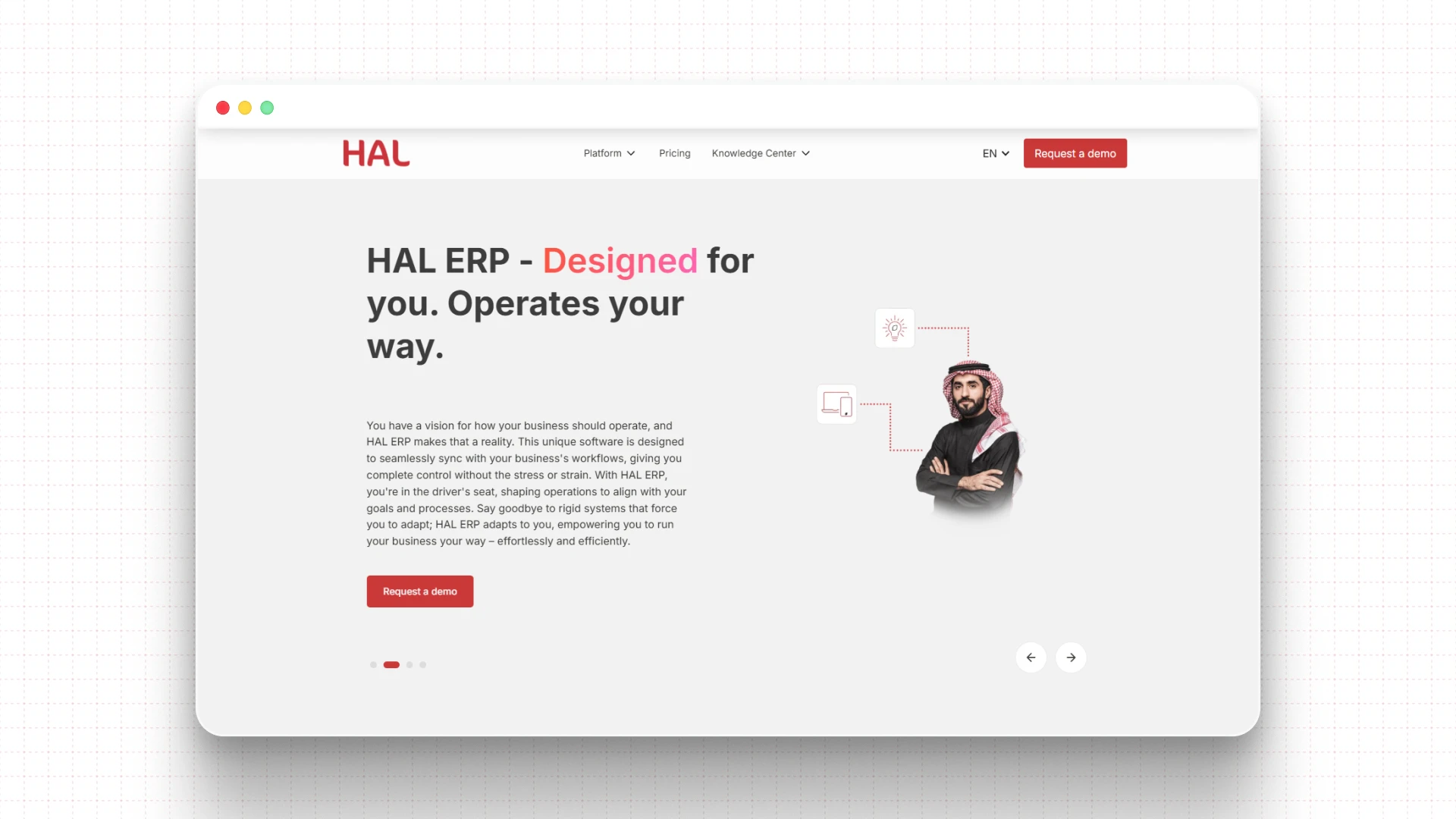
تواجه معظم الشركات الصغيرة والمتوسطة في السعودية نفس التحدي. المخزون موجود في جداول بيانات، والمحاسبة تعمل بشكل منفصل، وإعادة الطلب تعتمد على فحوصات يدوية، إلى أن تكشف فترات الذروة مثل رمضان عن نقاط الضعف.
يقوم HAL بحل ذلك من خلال توحيد المخزون، والمشتريات، والمالية، والمبيعات. يتم تحديث المخزون تلقائيًا مع كل طلب، ويؤدي انخفاض المخزون إلى تفعيل طلبات الشراء، وتتم مزامنة الفواتير فورًا مع الحسابات مع إصدار فواتير إلكترونية متوافقة مع ZATCA، باللغة العربية، وبكود QR، وجاهزة لنظام الفوترة (Fatoora).
وحدة VAT CARE في HAL تتعامل مع متطلبات المرحلة الثانية من الفوترة الإلكترونية بشكل أصلي، بما في ذلك اعتماد B2B، وتقارير B2C، وبنية XML، والهاش، وكود QR، بدون الحاجة إلى إضافات خارجية.
واجهة النظام مصممة من اليمين إلى اليسار (RTL) وليست مجرد ترجمة. يتم إنشاء التقارير باللغة العربية. كما يتكامل HAL مع منظومة الأعمال في السعودية التي تستخدمها بالفعل مثل Zid وSalla وShopify وFoodics POS وTabby وTamara والبنك العربي الوطني.
اختر HAL إذا كنت تدير نشاطًا في التجزئة أو التجارة أو المقاولات أو التصنيع داخل السعودية، وتحتاج إلى:
كانت مجموعة الحميضي، وهي شركة تجزئة فاخرة في السعودية، تعمل على أنظمة قديمة لم تعد قادرة على مواكبة النمو. كانت التقارير الأسبوعية تتسبب في تأخير اتخاذ القرارات، كما كان المخزون الإلكتروني والمخزون في المتاجر الفعلية يعملان عبر أنظمة منفصلة.
بعد تطبيق HAL، تم توحيد إدارة المخزون عبر جميع المواقع بشكل لحظي وفي الوقت الفعلي. وتم دمج WooCommerce ونقاط البيع داخل المتاجر وبوابات الدفع مثل Tabby وHyperPay بشكل كامل. كما تمت إدارة الفوترة المتوافقة مع ZATCA بشكل أصلي داخل النظام.
النتيجة: أكثر من 70 مليون ريال سعودي في وفورات تشغيلية، وزيادة بنسبة 61% في العائد على الاستثمار.
هل ترغب في تحقيق نتائج مماثلة لتجارتك الإلكترونية؟ اطلب عرضًا توضيحيًا الآن.
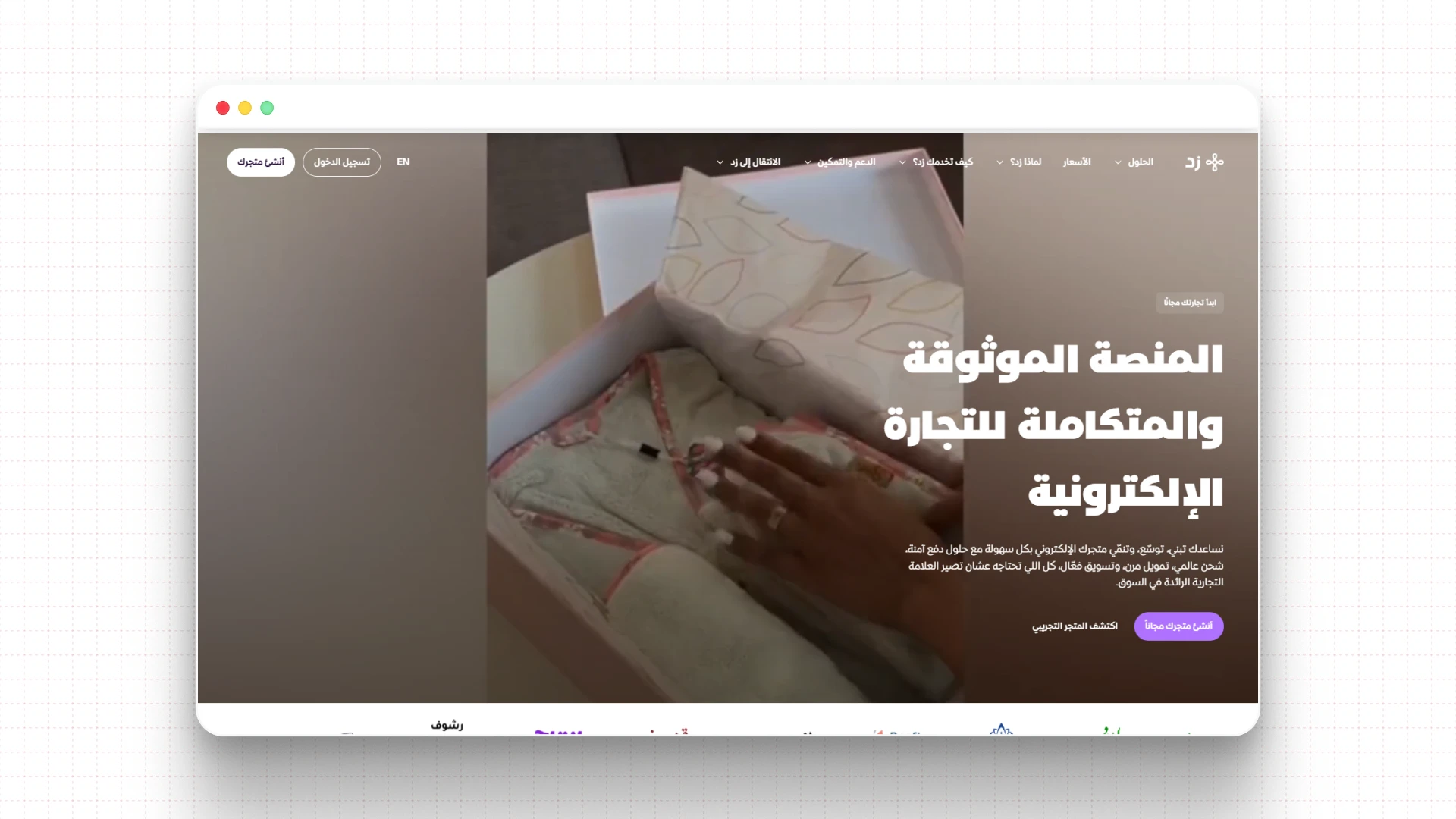
زِد هو منصة تجارة إلكترونية مُصممة في السعودية للتجار الذين يركزون على البيع عبر الإنترنت. يوفر متجرًا إلكترونيًا، وإدارة مخزون متعددة المستودعات، ونظام نقاط بيع للمتاجر الفعلية، ومدفوعات مدمجة (مدى، STC Pay)، وأكثر من 400 تطبيق، وكل ذلك باللغة العربية ومصمم خصيصًا للسوق السعودي.
يقوم Zid بإزالة التعقيد في المراحل المبكرة. يمكنك إدارة المنتجات، ومزامنة طلبات الأسواق، واستقبال المدفوعات من مكان واحد، مع إمكانية توسيع الوظائف عبر التطبيقات (الشحن، المحاسبة، الولاء).
Zid ليس نظام ERP. فهو لا يوحد عمليات المشتريات، أو الموردين، أو الموارد البشرية، أو المالية. كما أن الفوترة الإلكترونية المتوافقة مع ZATCA تعتمد على تطبيقات خارجية. ومع نمو العمليات، تصبح إدارة الموردين، وتكاليف الاستيراد، وإعدادات الكيانات المتعددة غير كافية.
يُعد خيارًا مثاليًا لبدء أو توسيع نشاط التجارة الإلكترونية في السعودية. أما عند الحاجة إلى تحكم تشغيلي أعمق (المالية، الامتثال، المشتريات)، فمن الأفضل دمجه مع نظام ERP مثل HAL.
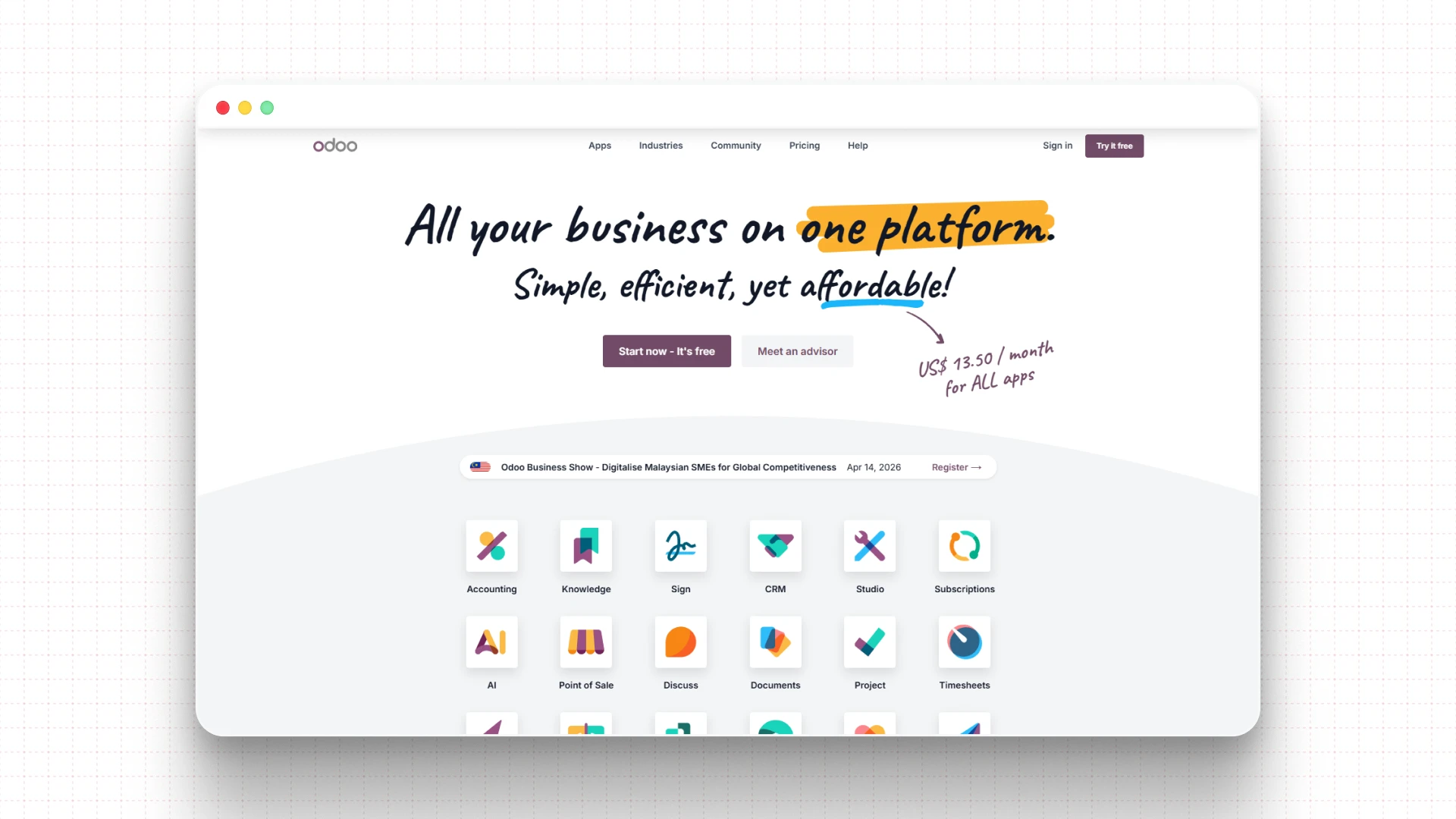
أودو هو نظام ERP مفتوح المصدر وقابل للتعديل، يربط بين إدارة المخزون، والمشتريات، والمبيعات، والموارد البشرية، والمحاسبة، والتصنيع. تدعم نسخة Enterprise اللغة العربية والامتثال لمتطلبات ZATCA عبر شركاء معتمدين في السعودية، مما يجعله خيارًا قويًا عند الإعداد الصحيح.
تكمن قوة أودو في المرونة. يمكن تخصيصه ليتناسب مع العمليات المعقدة، والموافقات المخصصة، ونماذج التسعير المختلفة، وسير عمل المستودعات. وهو مناسب بشكل أفضل للشركات المتوسطة (50–200 موظف) التي تمتلك فريق IT داخلي أو شريك محلي قوي.
الإصدار المجاني لا يوفر الامتثال السعودي أو دعم اللغة العربية دون تخصيص كبير. عادةً ما يستغرق التنفيذ من 3 إلى 6 أشهر، وتعتمد جودة التطبيق على الشريك المنفذ.
يُعد خيارًا مثاليًا إذا كان لديك وقت وموارد تقنية وشريك موثوق في السعودية. لكنه غير مناسب في حالات الحاجة إلى نشر سريع أو تشغيل فوري.
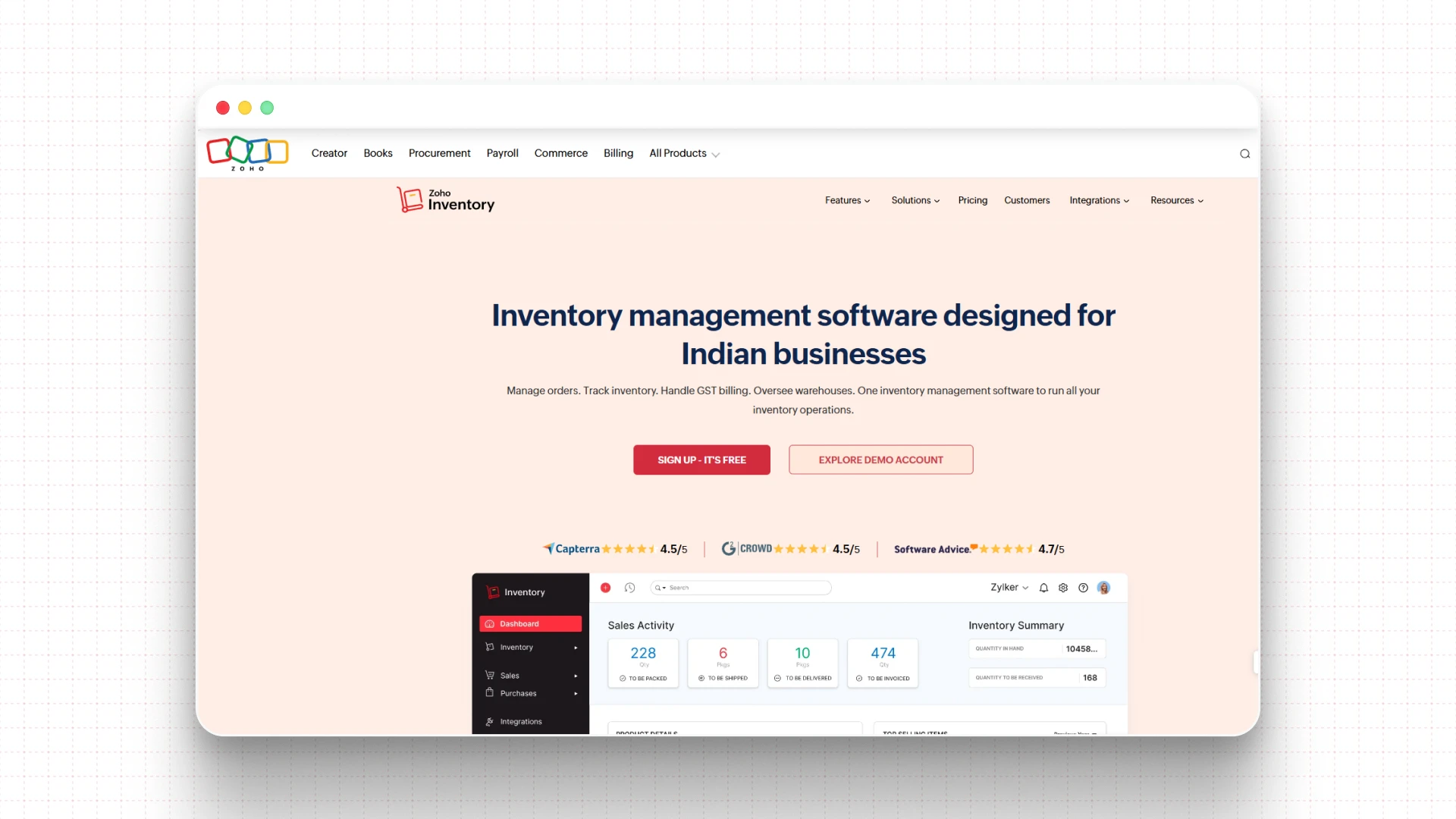
زوهو إنفنتوري هو أداة خفيفة قائمة على السحابة موجهة للشركات الصغيرة التي تدير المخزون عبر منصات مثل Shopify وAmazon وeBay. يتميز بسهولة الإعداد، وانخفاض التكلفة، وفعاليته في العمليات متعددة القنوات الأساسية.
يعد خيارًا مثاليًا للشركات الصغيرة جدًا ذات الكتالوج المحدود. يمكنك ربط القنوات، وأتمتة تحديثات المخزون الأساسية، وإدارة الطلبات دون الحاجة إلى شريك تنفيذ.
لا يدعم الامتثال الأصلي لمتطلبات ZATCA، ودعمه للغة العربية وواجهة RTL محدود، ولا يوفر تكاملًا مع المشتريات أو المالية أو الموارد البشرية. ومع توسع العمليات، يزداد الاعتماد على الحلول البديلة.
يُعد مناسبًا لأصحاب المشاريع الفردية أو الفرق الصغيرة جدًا التي لديها احتياجات بيع بسيطة وعالمية. لكن معظم الشركات في السعودية تتجاوزه بسرعة مع زيادة متطلبات الامتثال والتعقيد التشغيلي.
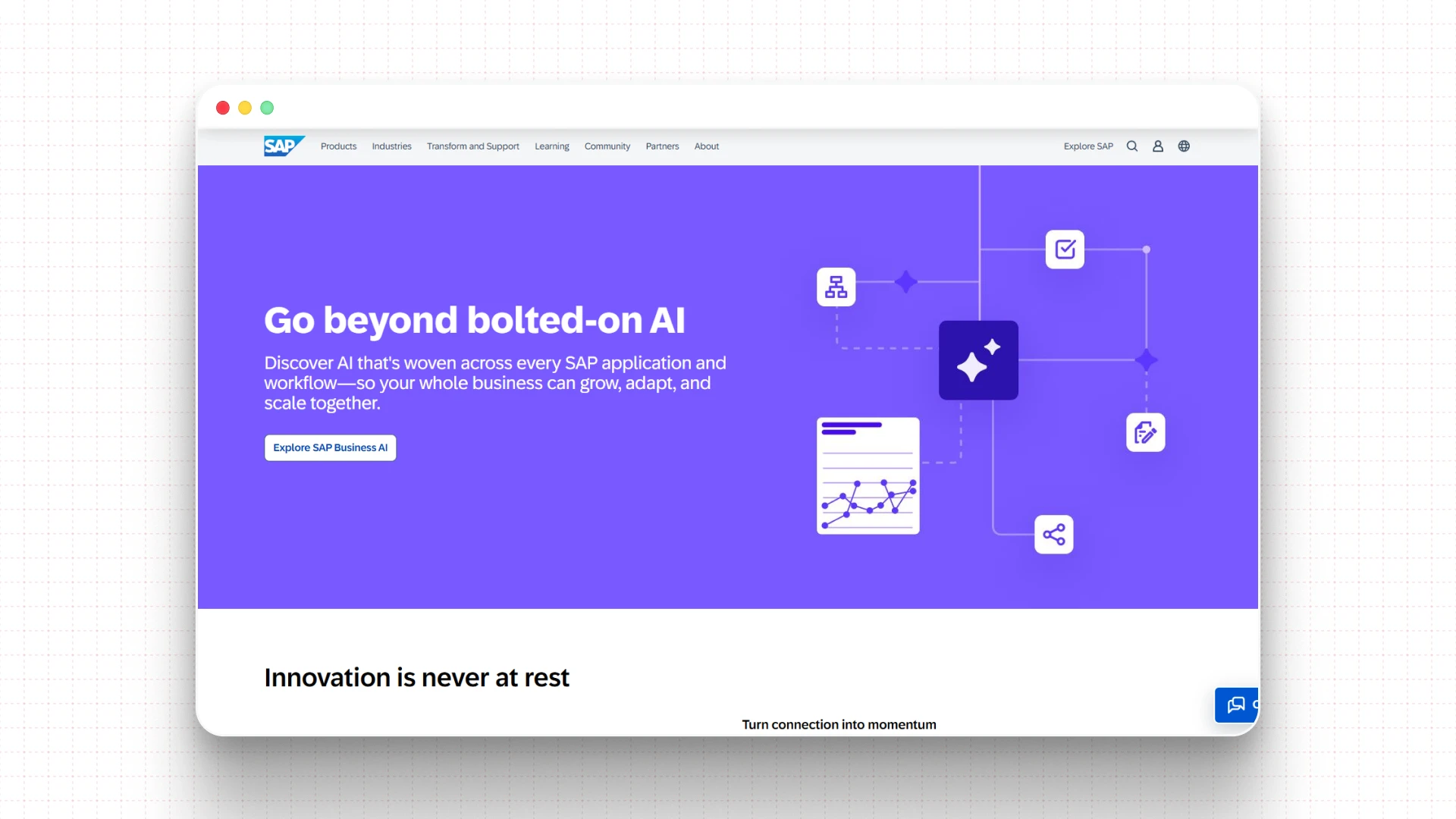
SAP Business One هو نظام ERP على مستوى المؤسسات يغطي إدارة المخزون، والمالية، والمشتريات، وإدارة علاقات العملاء (CRM)، والتقارير. في السعودية، تدعم الشركاء المعتمدون التوافق مع متطلبات ZATCA والتنفيذ المحلي.
تم تصميمه للتوسع الكبير. إذا كنت تدير كيانات متعددة، وسلاسل توريد معقدة، وتحتاج إلى تقارير على مستوى المدير المالي (CFO)، فإن SAP B1 يوفر القوة اللازمة لدعم ذلك.
تكلفة مرتفعة وجداول تنفيذ طويلة، حيث قد يستغرق التطبيق من 6 إلى 18 شهرًا. ويُعتبر مبالغًا فيه لمعظم الشركات الصغيرة والمتوسطة.
يُعد الخيار الأفضل للشركات الكبيرة والمستقرة (إيرادات 50 مليون ريال سعودي فأكثر) التي تدير عمليات متعددة الكيانات ولديها ميزانية مخصصة للأنظمة المؤسسية. أما في الحالات الأخرى، فهو ثقيل جدًا على مرحلة النمو الحالية.
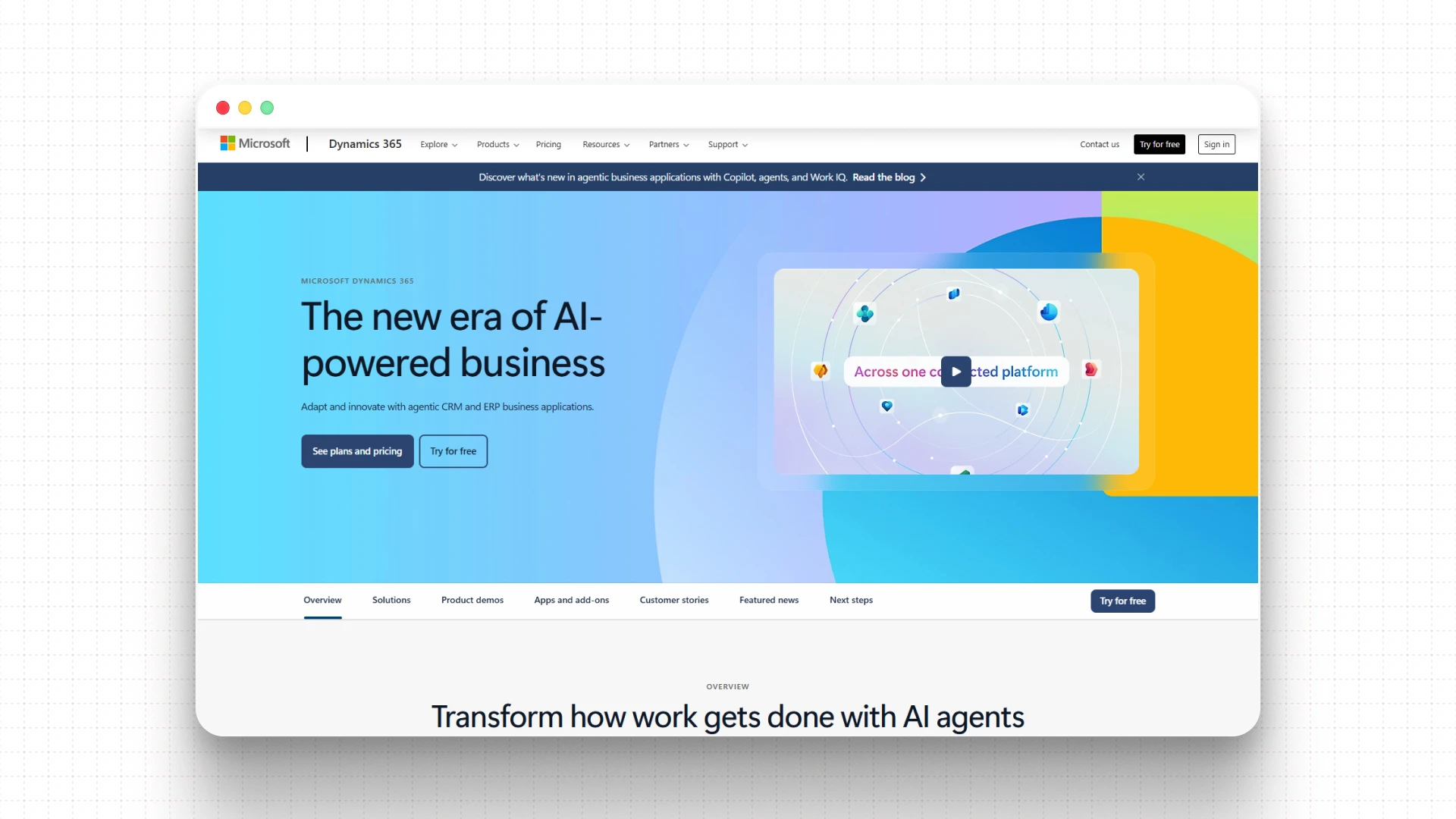
دynamics 365 Business Central يربط بين المخزون، والمالية، والمبيعات، والعمليات، وهو مناسب للشركات التي تستخدم بالفعل Office 365 وAzure وPower BI.
يُعد خيارًا قويًا للفرق التي تعتمد على بيئة مايكروسوفت. يتم التعامل مع الامتثال لـ ZATCA عبر شركاء في السعودية، ويدعم Azure استضافة البيانات محليًا، كما أن الواجهة مألوفة إذا كان فريقك يستخدم Outlook وTeams وSharePoint.
دعم اللغة العربية أقل قوة مقارنة بالمنصات المصممة محليًا. تعتمد جودة التنفيذ على الشريك المنفذ، كما أن التكاليف ترتفع حسب عدد المستخدمين، وغالبًا ما تتطلب التخصيصات السعودية تطويرًا إضافيًا.
يُعد الخيار الأفضل إذا كانت شركتك تعتمد بالكامل على نظام مايكروسوفت وترغب في توحيد العمليات داخل هذا النظام البيئي. أما إذا كنت تبدأ من الصفر في السعودية، فقد تكون الحلول المحلية أسرع في التنفيذ.
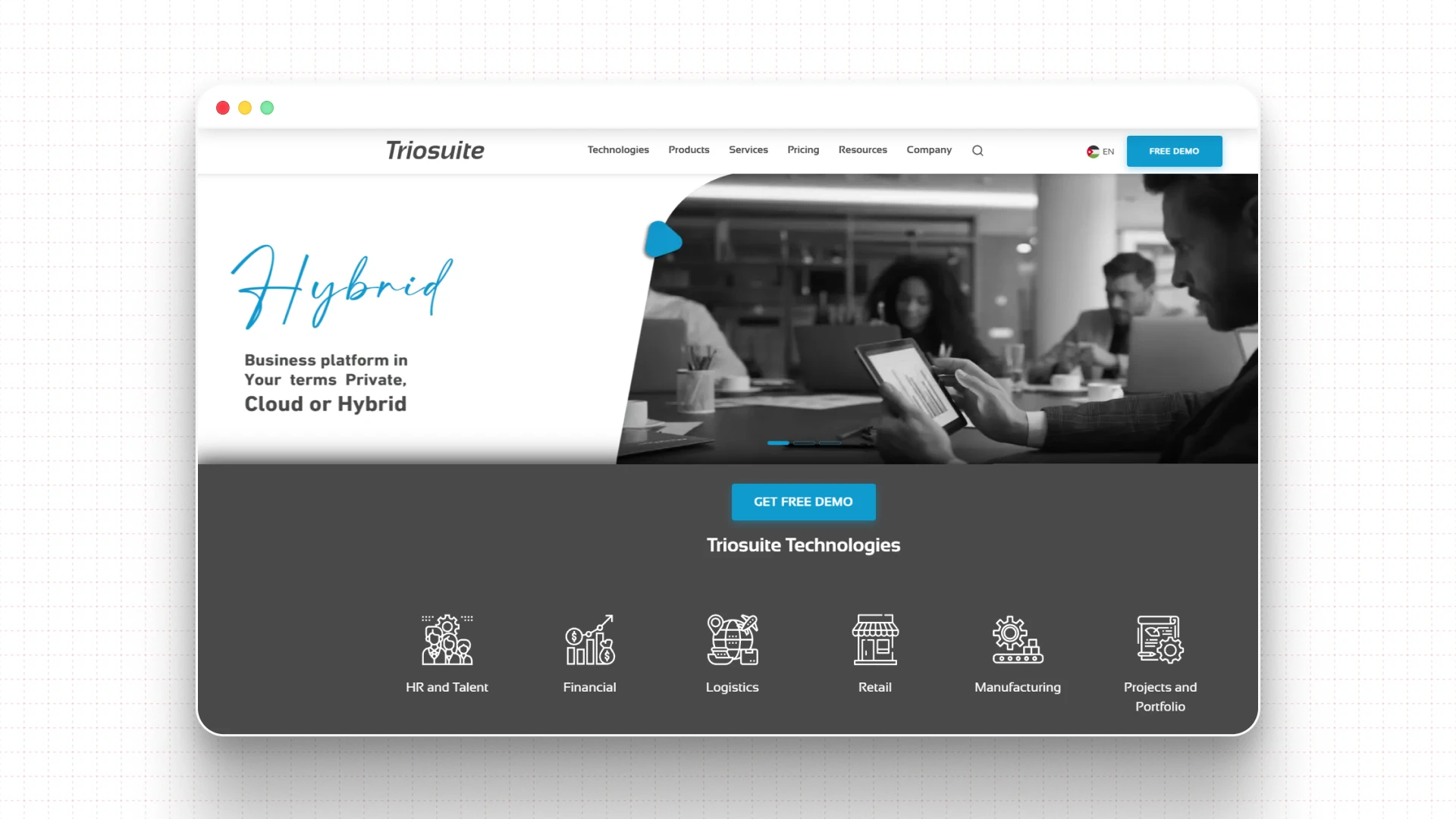
Triosuite هو منصة لإدارة المخزون والأصول تعتمد على تقنية RFID، ومصممة للصناعات التي تتطلب دقة عالية مثل التصنيع، والرعاية الصحية، وصناعة السيارات، والتجزئة واسعة النطاق في السعودية.
تقنية RFID تلغي الأخطاء البشرية في التتبع، حيث يتم تحديث حركة العناصر تلقائيًا أثناء انتقالها. بالنسبة للشركات التي تدير آلاف الأصول عالية القيمة عبر مواقع متعددة، يؤدي ذلك إلى تحسين الدقة، وتقليل الهدر، وتسريع عمليات التدقيق. كما يمكن دمجه مع أنظمة ERP مثل SAP أو HAL لإضافة دقة أعلى دون استبدال النظام الأساسي.
ليس نظام ERP كامل. لا يدعم التجارة الإلكترونية، أو فوترة ZATCA، أو الموارد البشرية، أو المالية، ويركز فقط على التتبع المادي للأصول.
يُعد الخيار الأفضل عندما تكون دقة الأصول على نطاق واسع هي التحدي الأساسي لديك. ويعمل كطبقة متخصصة تُستخدم جنبًا إلى جنب مع نظام ERP أوسع.
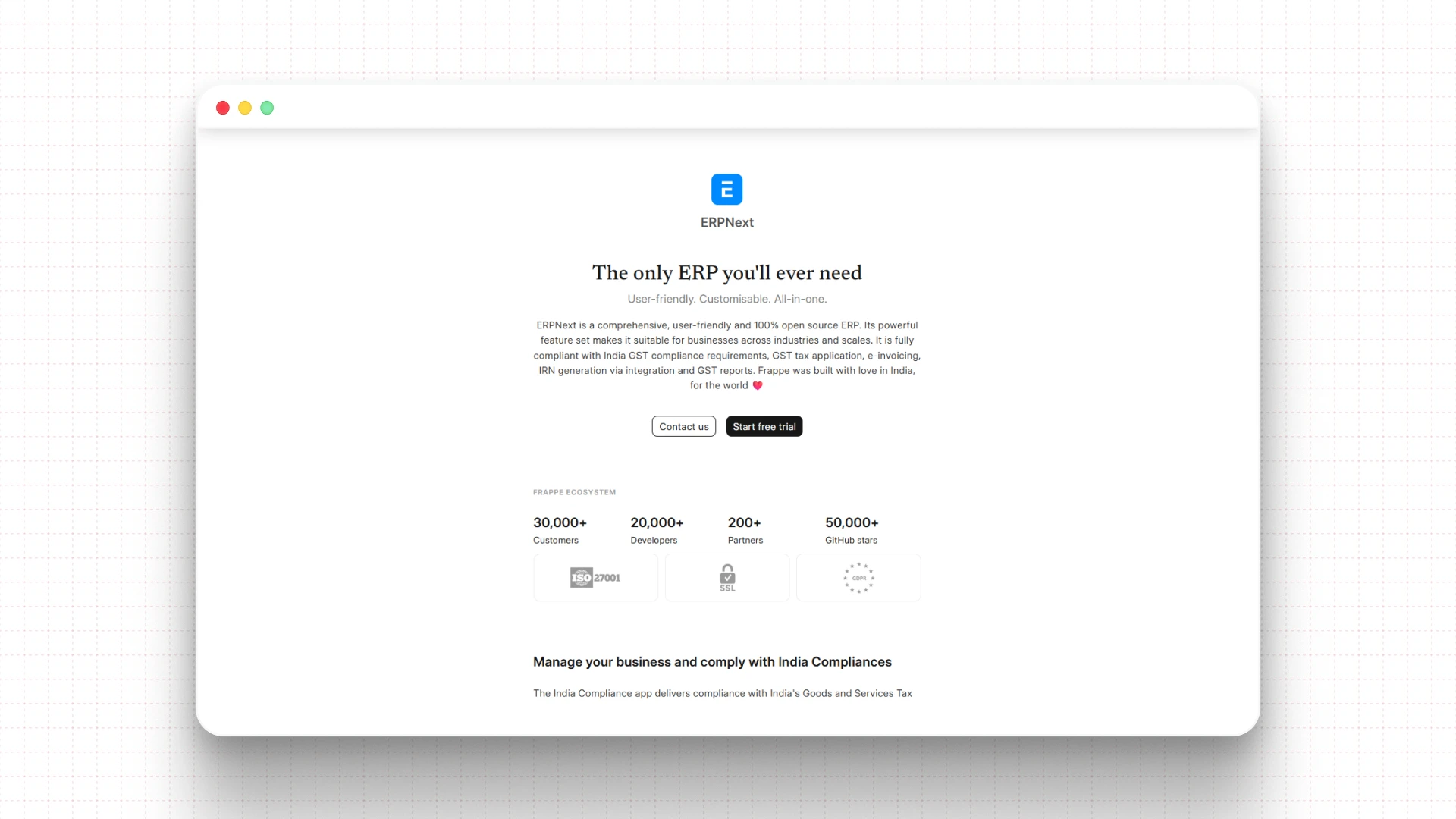
ERPNext هو نظام ERP مجاني ومفتوح المصدر يغطي إدارة المخزون، والمحاسبة، والموارد البشرية، والتصنيع، والمشتريات، ويوفر وظائف قوية دون تكلفة ترخيص.
يُعد خيارًا مثاليًا للفرق التقنية القادرة على التطوير. يمكنك تخصيص الوحدات، والتحكم في البنية التحتية، وتكييف النظام مع العمليات الخاصة، مما يزيد من قيمة كل ريال يتم إنفاقه.
لا يدعم الامتثال الأصلي للمرحلة الثانية من ZATCA، ويتطلب تطويرًا مخصصًا (مثل فواتير XML، رموز QR، ونظام الفوترة). كما لا يوجد دعم سعودي مخصص، ويحتاج نشر النظام باللغة العربية إلى جهد إضافي. البرنامج مجاني، لكن جعله متوافقًا ليس مجانيًا.
يُعد الخيار الأفضل إذا كان لديك فريق تطوير داخلي، ووقت للبناء، وكانت التكلفة هي الأولوية القصوى. أما بالنسبة لمعظم الشركات في السعودية، فإن متطلبات الامتثال والدعم تجعل الحلول المدفوعة والمحلية أكثر عملية.
الترخيص الرخيص الذي يتبعه 100,000 ريال سعودي في تكاليف التنفيذ ليس أرخص من حل مصمم مسبقًا يعمل خلال ستة أسابيع.
اقرأ أيضًا: طرق إدارة المخزون وأمثلة للشركات الحديثة المعتمدة على أنظمة ERP
عبر هذه المنصات الثمانية، يظهر نمط واضح: معظمها مصمم لأسواق أخرى أو لحالات استخدام محددة، وليس لواقع الشركات الصغيرة والمتوسطة في السعودية.
Zid مناسب للتجارة الإلكترونية، وOdoo يحتاج إلى وقت وعمق تقني، وSAP وDynamics أنظمة ثقيلة موجهة للمؤسسات الكبيرة، وERPNext يتطلب تطويرًا مخصصًا للامتثال، بينما Zoho سهل البدء لكنه أصعب في التوسع.
HAL مختلف. تم بناؤه في السعودية، ويوفر واجهة عربية أصلية، وامتثالًا مدمجًا لمتطلبات ZATCA، وتكاملات جاهزة مع Zid وSalla وFoodics وTabby وANB. كما يوحد بين المخزون والمشتريات والمالية والموارد البشرية والمبيعات، ويعمل بسرعة دون تعقيد.
إذا كنت لا تزال تدير المخزون عبر الجداول أو أنظمة غير متوافقة، اطلب عرضًا توضيحيًا الآن.
يتطلب إصدار الفواتير في المرحلة الثانية من ZATCA إنشاء فواتير بصيغة XML منظمة مع رموز تشفير (Hash) ورموز QR، بالإضافة إلى اعتماد B2B، وتقارير B2C، وسجلات تدقيق تشمل أوامر الشراء، وإشعارات الدائن، وحركة المخزون. الاعتماد على إضافة خارجية فوق نظام غير متوافق لا يحقق هذه المتطلبات بشكل كامل.
متعدد القنوات يعني مزامنة المخزون عبر منصات البيع مثل Zid وAmazon.sa ونقاط البيع.
أما متعدد المستودعات فيعني تتبع ونقل المخزون بين المواقع الفعلية داخل السعودية. معظم الشركات تحتاج الاثنين معًا، وغالبًا تكون هذه القدرات منفصلة حتى داخل نفس النظام.
نعم، إذا كان النظام مناسبًا. النظام الصحيح يقوم بتفعيل أوامر إعادة الطلب تلقائيًا قبل الذروة، ويعدل نقاط إعادة الطلب بناءً على البيانات الموسمية، ويوفر رؤية لحظية عبر جميع المواقع، بدل الاكتفاء بتنبيه نقص المخزون بعد حدوثه.
بالنسبة لمعظم الشركات الصغيرة والمتوسطة في السعودية التي تدير عدة منتجات وقنوات بيع وتلتزم بـ ZATCA، فإن نظام ERP متكامل يربط المخزون بالمشتريات والمالية والمبيعات يوفر وقتًا وتكلفة كبيرة خلال السنة الأولى.