

E-commerce has removed many barriers to selling. In 2025, Saudi Arabia's e-commerce sales were worth SAR 30.7 billion. However, as online businesses grow, inventory complexity increases faster than sales volume. More SKUs, more channels, faster fulfilment expectations, and tighter margins all place pressure on how stock is tracked, replenished, and controlled.
This is where e-commerce inventory management software becomes critical. It starts as a simple stock tracker. But it quickly evolves into the operational backbone of the business, connecting sales, warehousing, procurement, and finance into one coordinated system.
In this guide, we’ll break down what e-commerce inventory management software is, why spreadsheets and basic tools fail at scale, the features that actually matter, and how to choose the right solution for long-term growth.
E-commerce inventory management software is a system designed to track, control, and optimise stock levels across online sales channels. It provides real-time visibility into inventory movement, availability, and valuation while synchronising data between storefronts, warehouses, suppliers, and fulfilment partners.
Unlike basic stock tools, modern inventory systems go beyond “how many units are left.” They help businesses answer questions like:
At scale, inventory management is not just an operational function. It directly influences revenue, customer satisfaction, and profitability.
But running inventory for an e-commerce business in Saudi Arabia is a different problem. The compliance landscape, customer behaviour, and demand patterns add layers that generic software wasn't designed to handle.
Most inventory software is built for a global default. But, here's what KSA operations actually demand, and why most global tools fall short:
Also Read: Shrinkage in Retail: Proven Ways Saudi Stores Cut Losses
Each of these requirements eliminates at least one platform from your shortlist. Keep them in front of you as you work through the eight options below.
Not every platform belongs on every shortlist. The eight platforms below represent meaningfully different approaches to inventory management, different philosophies, different buyer profiles, and different trade-offs.
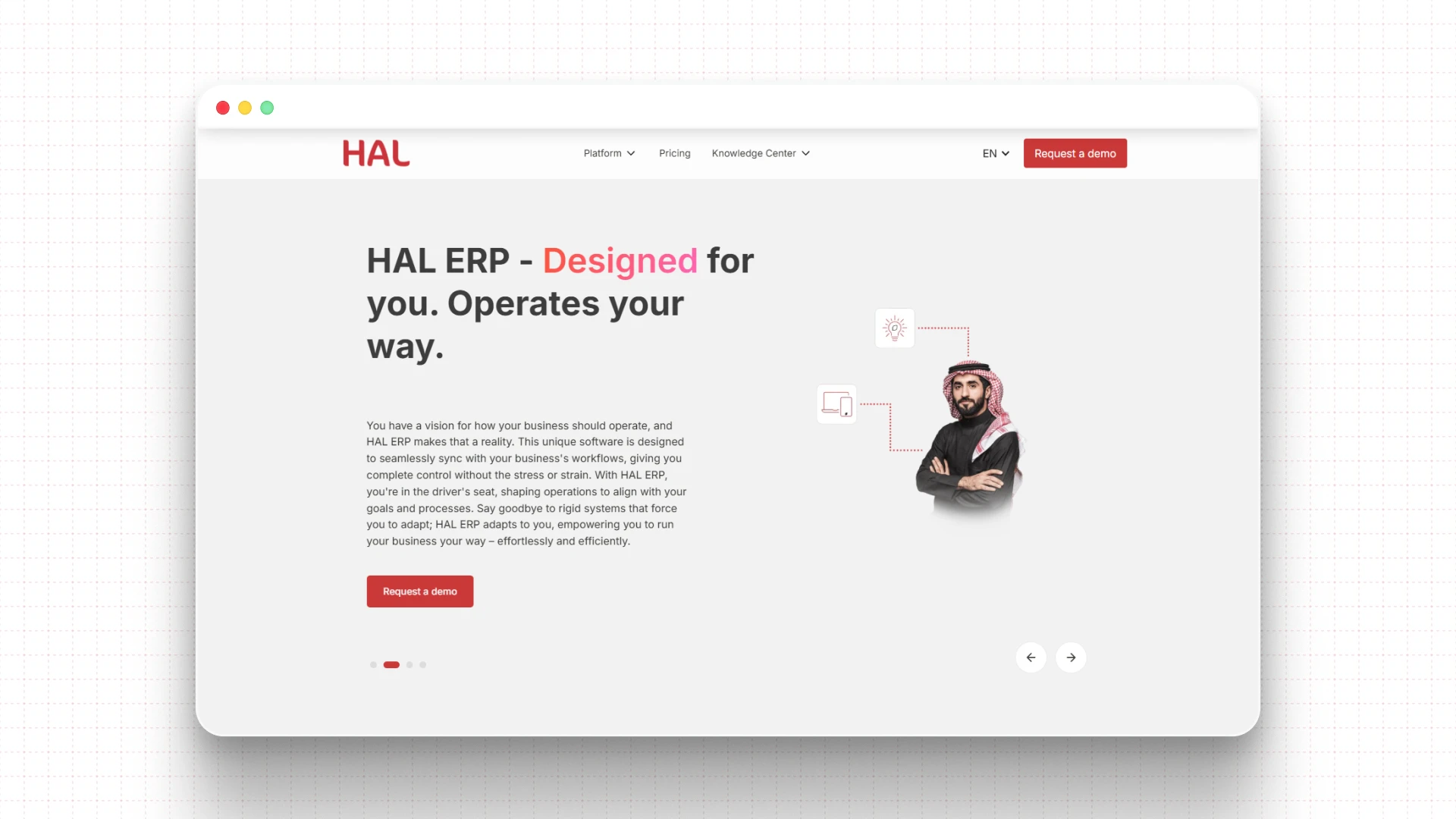
Most Saudi SMEs face the same challenge. Inventory sits in spreadsheets, accounting runs separately, and reordering depends on manual checks, until peak periods like Ramadan expose the cracks.
HAL solves this by unifying inventory, purchasing, finance, and sales. Stock updates automatically with every order, low inventory triggers purchase requests, and invoices instantly sync with accounts while generating ZATCA-compliant e-invoices, Arabic, QR-coded, and Fatoora-ready.
Problems it solves:
What this means for you: HAL's VAT CARE module handles Phase 2 e-invoicing natively, B2B clearance, B2C reporting, XML structure, hash, and QR code, without a third-party plugin. The interface is built RTL, not translated. Reports generate in Arabic. And HAL connects to the Saudi ecosystem you're already running: Zid, Salla, Shopify, Foodics POS, Tabby, Tamara, and Arab National Bank.
When to choose HAL: You run a retail, trading, contracting, or manufacturing business in Saudi Arabia and need ZATCA compliance that works natively, an Arabic-first interface your team will actually use, and a system live within the quarter.
Al Homaidhi Group, a luxury retailer in Saudi Arabia, was running on legacy systems that couldn't keep up. Weekly reporting delays decisions. Online and offline inventory existed in separate systems.
After implementing HAL, inventory was unified across all locations in real time. WooCommerce, in-store POS, and payment gateways, including Tabby and Hyperpay, were fully integrated. ZATCA invoicing was handled natively. The result: SAR 70 million+ in operational savings and a 61% increase in ROI.
Want similar results for your e-commerce as well? Request a demo now.

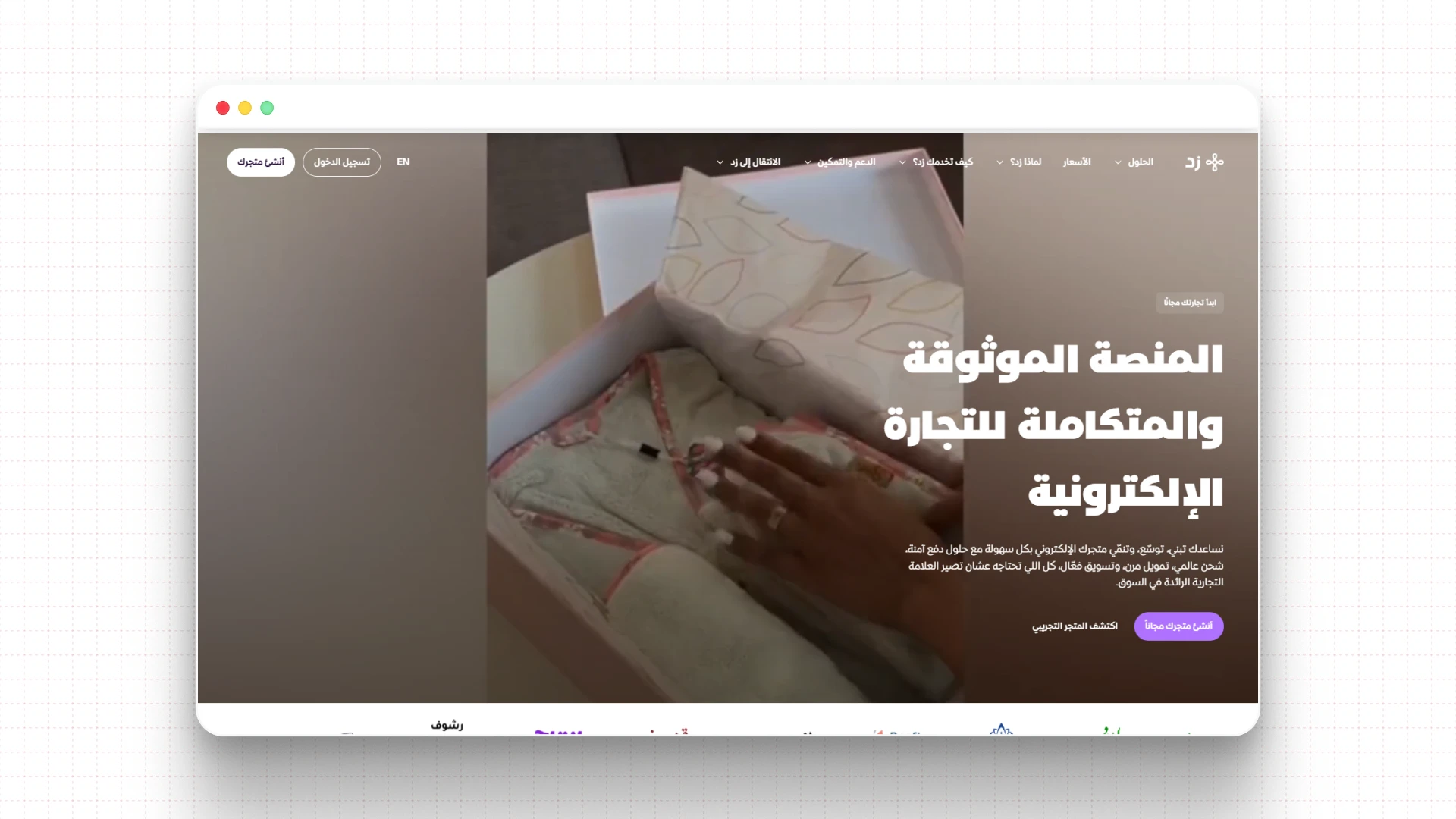
Zid is a Saudi-built commerce platform designed for online-first merchants. It offers an e-store, multi-warehouse inventory, POS for physical stores, built-in payments (Mada, STC Pay), and 400+ apps, all in Arabic and tailored to the Saudi market.
What it solves:
What this means: Zid removes early-stage complexity. You can manage products, sync marketplace orders, and accept payments from one place, while extending functionality via apps (shipping, accounting, loyalty).
Limitations: Zid is not an ERP. It doesn’t unify procurement, suppliers, HR, or finance. ZATCA e-invoicing depends on third-party apps. As operations grow, supplier management, landed costs, and multi-entity setup fall short.
When to choose Zid: Ideal for launching or scaling a Saudi e-commerce business. For deeper operational control (finance, compliance, purchasing), pair it with an ERP like HAL.
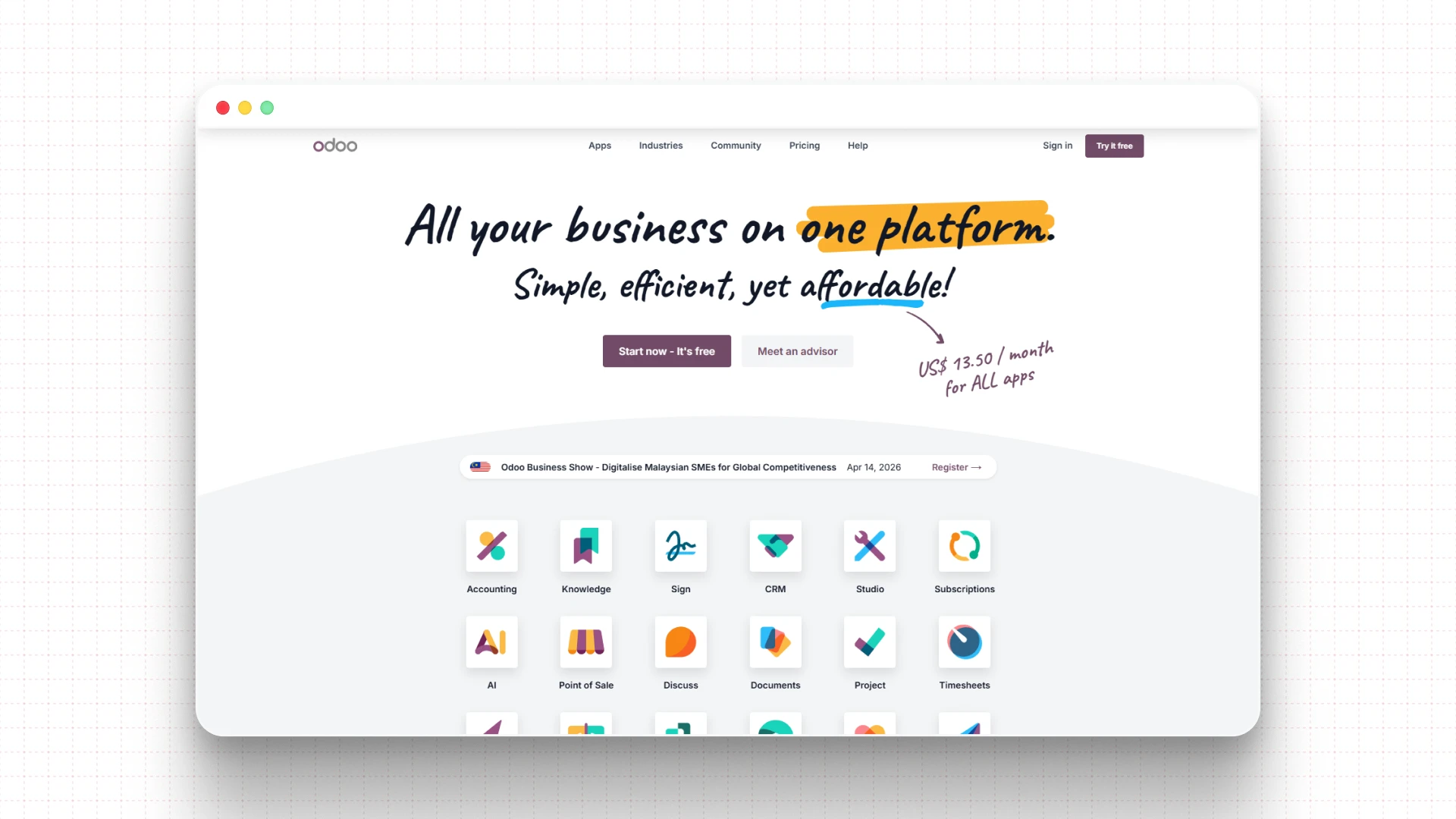
Odoo is a modular, open-source ERP that connects inventory, procurement, sales, HR, accounting, and manufacturing. The Enterprise version supports Arabic and ZATCA compliance via certified KSA partners, making it a powerful option with the right setup.
What it solves:
What this means: Odoo’s strength is flexibility. It can be tailored to complex processes, custom approvals, pricing models, and warehouse flows. Best suited for mid-sized businesses (50–200 employees) with internal IT support or a strong local partner.
Limitations: The free version lacks Saudi compliance and Arabic support without heavy customization. Implementation typically takes 3–6 months, and quality depends on the partner.
When to choose Odoo: Ideal if you have time, technical resources, and a trusted KSA partner. Not suitable for fast deployment timelines.
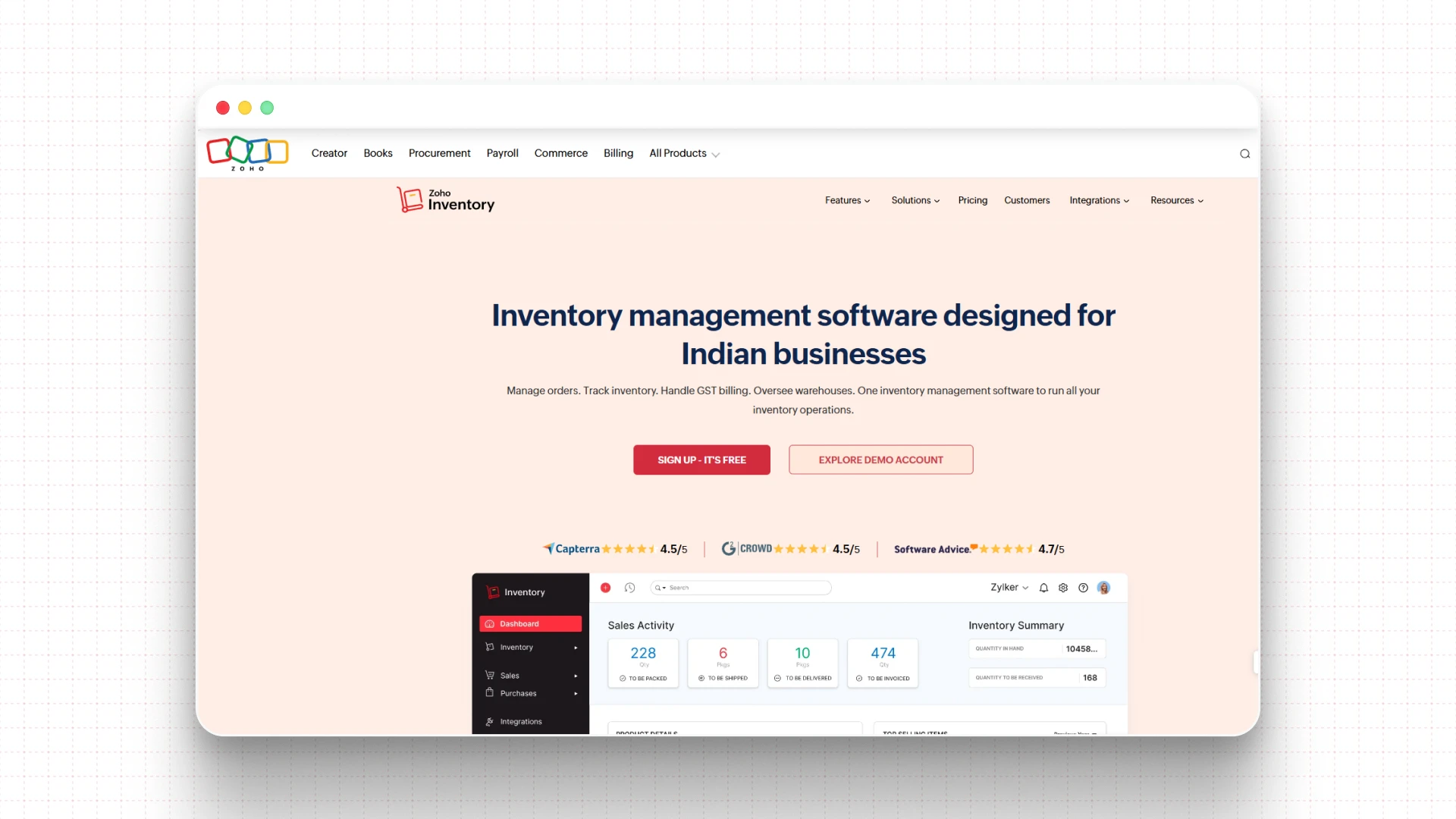
Zoho Inventory is a lightweight, cloud-based tool for small businesses managing stock across Shopify, Amazon, and eBay. It’s easy to set up, affordable, and effective for basic multi-channel operations.
What it solves:
What this means: Ideal for micro-businesses with small catalogues. You can connect channels, automate basic stock updates, and manage orders without needing an implementation partner.
Limitations: No native ZATCA compliance, limited Arabic (RTL) support, and no integration with procurement, finance, or HR. As operations scale, reliance on workarounds increases.
When to choose Zoho Inventory: Best for solopreneurs or very small teams with simple, global selling needs. Most Saudi businesses outgrow it quickly as compliance and operational complexity increase.
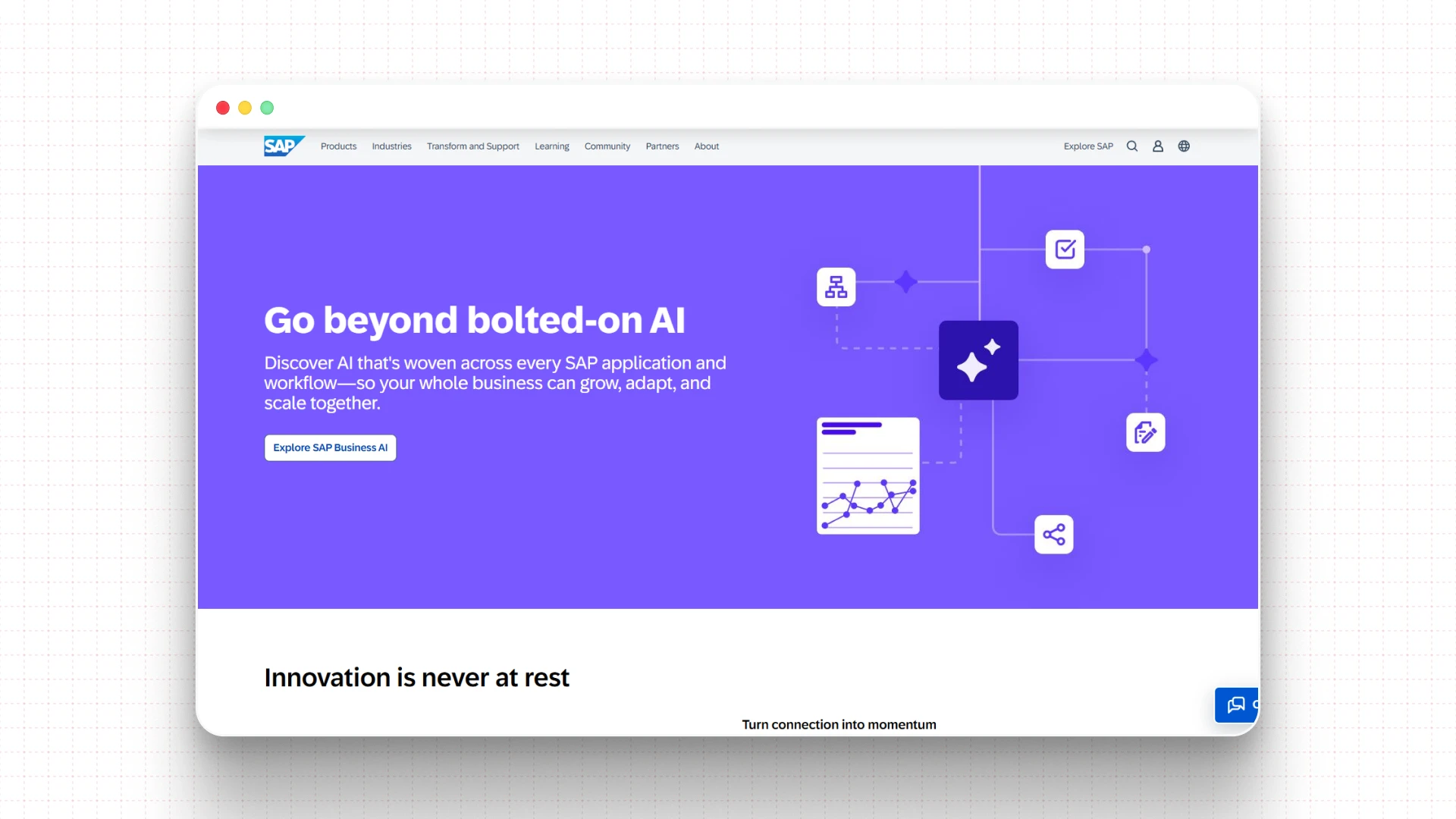
SAP Business One is an enterprise-grade ERP covering inventory, finance, procurement, CRM, and reporting. In Saudi Arabia, certified partners support ZATCA compliance and local implementation.
What it solves:
What this means: Built for scale. If you manage multiple entities, complex supply chains, and require CFO-level reporting, SAP B1 delivers the robustness to support it.
Limitations: High cost and long timelines, with implementation taking 6–18 months. Overkill for most SMEs.
When to choose SAP B1: Best for large, established businesses (SAR 50M+ revenue) with multi-entity operations and the budget for enterprise software. Otherwise, it’s too heavy for your current stage.
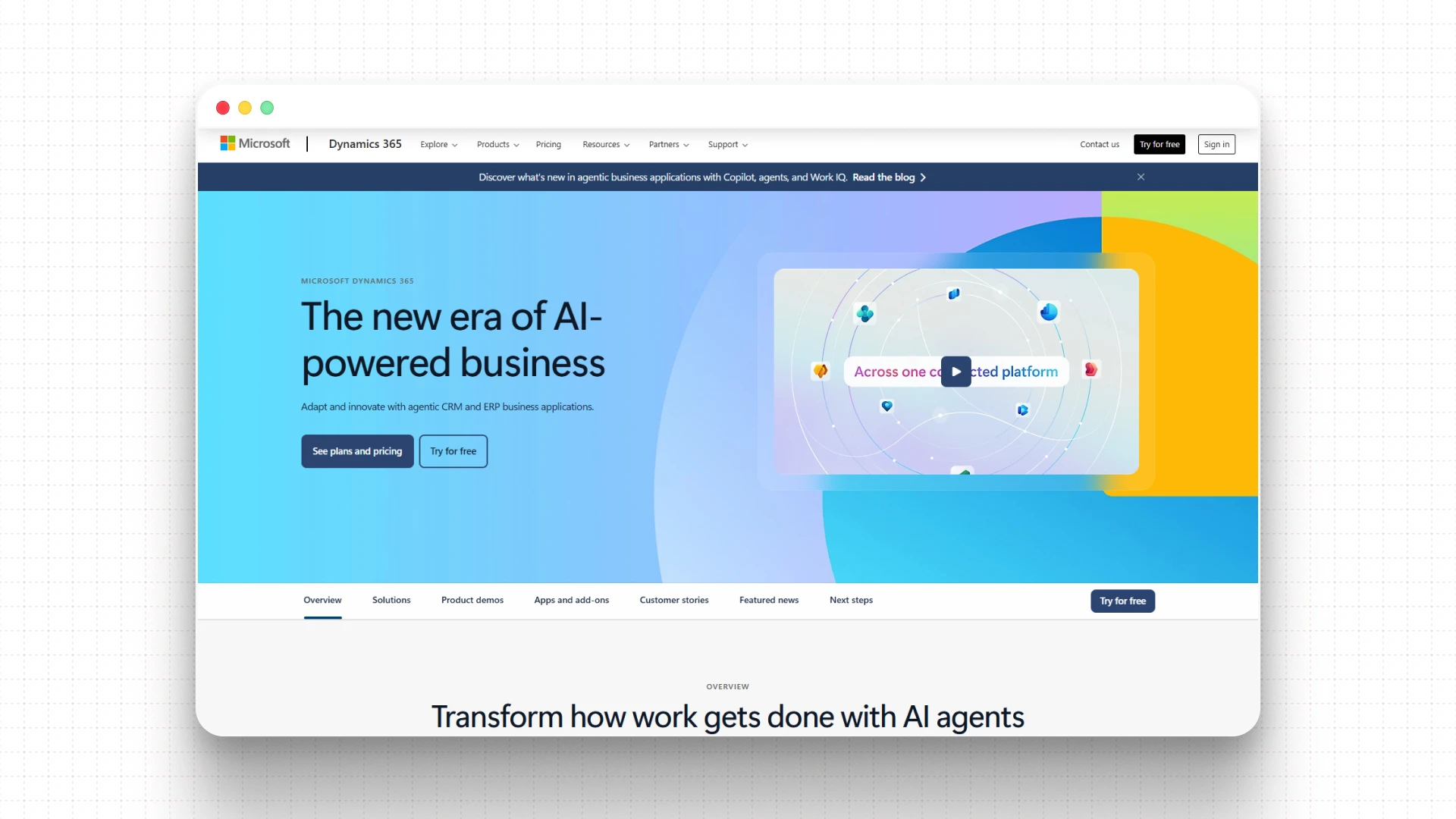
Dynamics 365 Business Central connects inventory, finance, sales, and operations, ideal for businesses already using Office 365, Azure, and Power BI.
What it solves:
What this means: Strong fit for Microsoft-first teams. ZATCA compliance is handled via KSA partners, Azure supports local data residency, and the interface feels familiar if your team uses Outlook, Teams, and SharePoint.
Limitations: Arabic localisation is weaker than region-first platforms. Implementation quality depends on partners, licensing costs scale per user, and Saudi-specific customisation often needs extra development.
When to choose Dynamics 365: Best if you’re already standardised on Microsoft and want a unified system within that ecosystem. If starting fresh in Saudi Arabia, more locally native options may be faster to deploy.
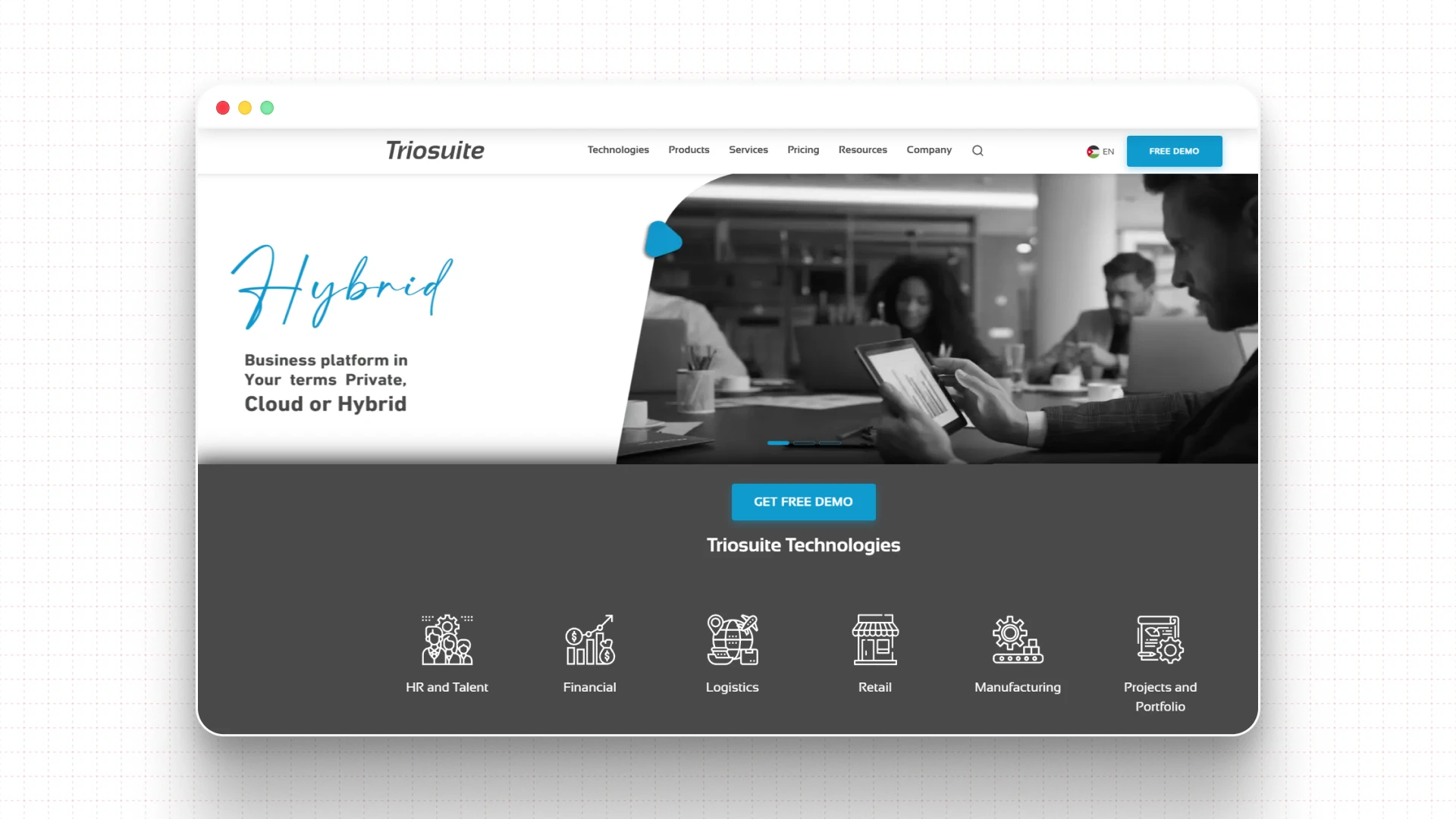
Triosuite is an RFID-driven inventory and asset management platform built for high-precision industries like manufacturing, healthcare, automotive, and large-scale retail in Saudi Arabia.
What it solves:
What this means: RFID removes human error from tracking. Items update automatically as they move. For businesses managing thousands of high-value assets across locations, this improves accuracy, reduces write-offs, and speeds up audits. It also integrates with ERPs like SAP or HAL to add precision without replacing core systems.
Limitations: Not a full ERP. It doesn’t handle e-commerce, ZATCA invoicing, HR, or finance, focused purely on physical tracking.
When to choose Triosuite: Best when asset accuracy at scale is your core challenge. Works as a specialised layer alongside a broader ERP.
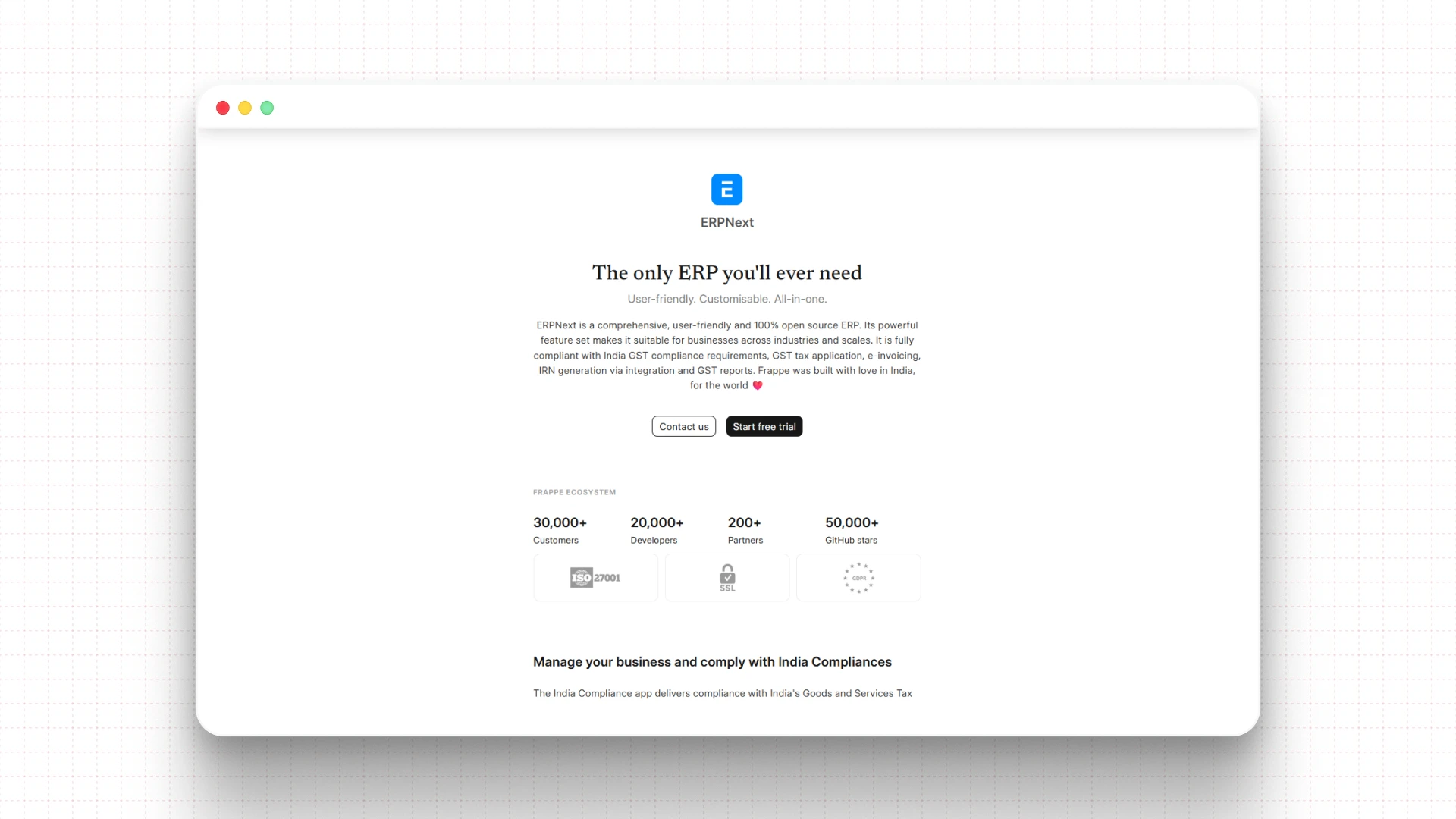
ERPNext is a free, open-source ERP covering inventory, accounting, HR, manufacturing, and purchasing, offering strong functionality with no licensing cost.
What it solves:
What this means: Ideal for technically capable teams. You can customise modules, control infrastructure, and tailor the system to unique processes, maximizing value per riyal.
Limitations: No built-in ZATCA Phase 2 compliance, requires custom development (XML invoicing, QR codes, Fatoora). No dedicated Saudi support, and Arabic-ready deployment takes effort. The software is free; making it compliant isn’t.
When to choose ERPNext: Best if you have in-house developers, time to build, and cost is the top priority. For most Saudi businesses, compliance and support overhead make paid, localised options more practical.
Before committing, ask every vendor: Is your Arabic interface fully RTL? Can I generate a ZATCA-compliant invoice from day one? What is the total cost of ownership, licence, implementation, and maintenance? A cheaper licence with SAR 100,000 in implementation costs is not cheaper than a purpose-built solution that goes live in six weeks.
Also Read: Inventory Management Methods and Examples for Modern ERP-Driven Businesses

Across these eight platforms, the pattern is clear: most are built for other markets or niche use cases, not the realities of Saudi SMEs. Zid fits e-commerce, Odoo needs time and technical depth, SAP and Dynamics are enterprise-heavy, ERPNext demands custom compliance work, and Zoho is easy to start but hard to scale.
HAL is different. Built in Saudi Arabia, it offers native Arabic, built-in ZATCA compliance, and out-of-the-box integrations with Zid, Salla, Foodics, Tabby, and ANB. It unifies inventory, purchasing, finance, HR, and sales, and goes live fast.
If you’re still managing inventory in spreadsheets or non-compliant systems, request a demo now.
ZATCA Phase 2 requires structured XML invoices with cryptographic hashes and QR codes, B2B clearance and B2C reporting, and audit-ready records across purchase orders, credit notes, and stock movements. A third-party plugin connected to a non-compliant inventory system doesn't satisfy this.
Multi-channel means synchronising stock across sales platforms — Zid, Amazon.sa, and a physical POS. Multi-warehouse means tracking and transferring stock between physical locations across KSA. Most growing Saudi businesses need both, and they are often separate capabilities even within the same platform.
The right system can. A proper platform triggers automated reorder requests before the spike hits, adjusts reorder points based on seasonal history, and provides real-time visibility across all KSA locations, not just a low-stock warning after the damage is done.
For most Saudi SMEs managing multiple SKUs, multiple sales channels, and ZATCA compliance, a connected ERP, where inventory talks to purchasing, finance, and sales automatically, saves significant time and cost in the first year.