

هل يعمل نشاط التوزيع لديك على أدوات لم تُصمَّم له أصلًا؟
ينمو قطاع الجملة والتوزيع في المملكة العربية السعودية بسرعة. ووفقًا لهيئة الإحصاء العامة (GASTAT)، ساهم قطاع تجارة الجملة في المملكة بأكثر من 314.8 مليار ريال سعودي في الاقتصاد خلال عام 2024، مع استمرار النمو دون تباطؤ.
ومع ذلك، لا تزال العديد من شركات التوزيع في المملكة تدير عملياتها باستخدام الجداول الإلكترونية، أو أنظمة محاسبة غير مترابطة، أو أنظمة قديمة سبقت متطلبات الامتثال لمرحلة الفوترة الإلكترونية (ZATCA Phase 2).
والنتيجة؟
نفاد المخزون في نهاية الشهر. فرق المالية تحتاج أكثر من 10 أيام لإغلاق الحسابات الشهرية. مندوبي المبيعات يقبلون طلبات من عملاء تجاوزوا حد الائتمان. والفوترة مع هيئة الزكاة والضريبة والجمارك (ZATCA) تتم يدويًا وببطء، ومع كل عملية تدقيق هناك خطر غرامة.
تستعرض هذه المدونة أفضل 8 أنظمة ERP للتوزيع في المملكة العربية السعودية، مع تقييمها بناءً على المعايير التي تهم فعليًا عمليات التوزيع في المملكة. كما سنوضح كيفية اختيار النظام المناسب وكيفية التعرف على العلامات التي تشير إلى ضرورة الترقية.
ليست كل أنظمة ERP مصممة للتوزيع. قبل مقارنة المنصات، تحتاج إلى معرفة الأسئلة التي يجب طرحها. فيما يلي خمسة معايير تفصل نظام ERP قوي للتوزيع عن نظام سيكلفك أكثر مما يوفره.
هل يمكن للنظام عرض المخزون المباشر عبر جميع مواقعك في المملكة العربية السعودية في وقت واحد، دون الحاجة إلى اتصال هاتفي بمدير المستودع؟
تحتاج شركات التوزيع التي تعمل عبر الرياض وجدة والدمام إلى لوحة تحكم واحدة في الوقت الفعلي، وليس ثلاث عمليات تسوية منفصلة.
هل تكامل ZATCA مدمج بشكل أصلي في المنصة، أم أنه إضافة مدفوعة؟
شركات التوزيع التي تصدر مئات الفواتير بين الشركات يوميًا تحتاج إلى إرسال تلقائي إلى بوابة FATOORA، وليس حلولًا يدوية بديلة.
تأكد دائمًا من أن الموردين معتمدون رسميًا لمرحلة ZATCA الثانية، وليسوا فقط "متوافقين".
هل يقوم النظام بإنشاء جميع المستندات القانونية مثل الفواتير، أوامر التسليم، وأوامر الشراء باللغة العربية بشكل أصلي؟
يجب أن يدعم نظام ERP ثنائي اللغة الحقيقي أيضًا التقويم الهجري وسير العمل من اليمين إلى اليسار، بحيث يمكن لفريق المستودع، وفريق المالية، والإدارة استخدامه باللغة التي يفضلونها.
هل يمكن للنظام فرض حدود ائتمانية لكل عميل وإيقاف الطلبات التي تتجاوزها تلقائيًا؟
يُعد سوء إدارة الائتمان لدى الموزعين أحد الأسباب الرئيسية لتآكل رأس المال العامل في قطاع التوزيع بالمملكة العربية السعودية. تحتاج إلى ضوابط تلقائية صارمة، وليس مراجعة يدوية يمكن تجاوزها عندما يكون الفريق مشغولًا.
اطلب دائمًا تفصيلًا لتكلفة 3 سنوات:
يتم تقييم كل نظام بناءً على:
كما تتضمن المراجعات دراسة حالة واقعية لأفضل نظام تصنيفًا.
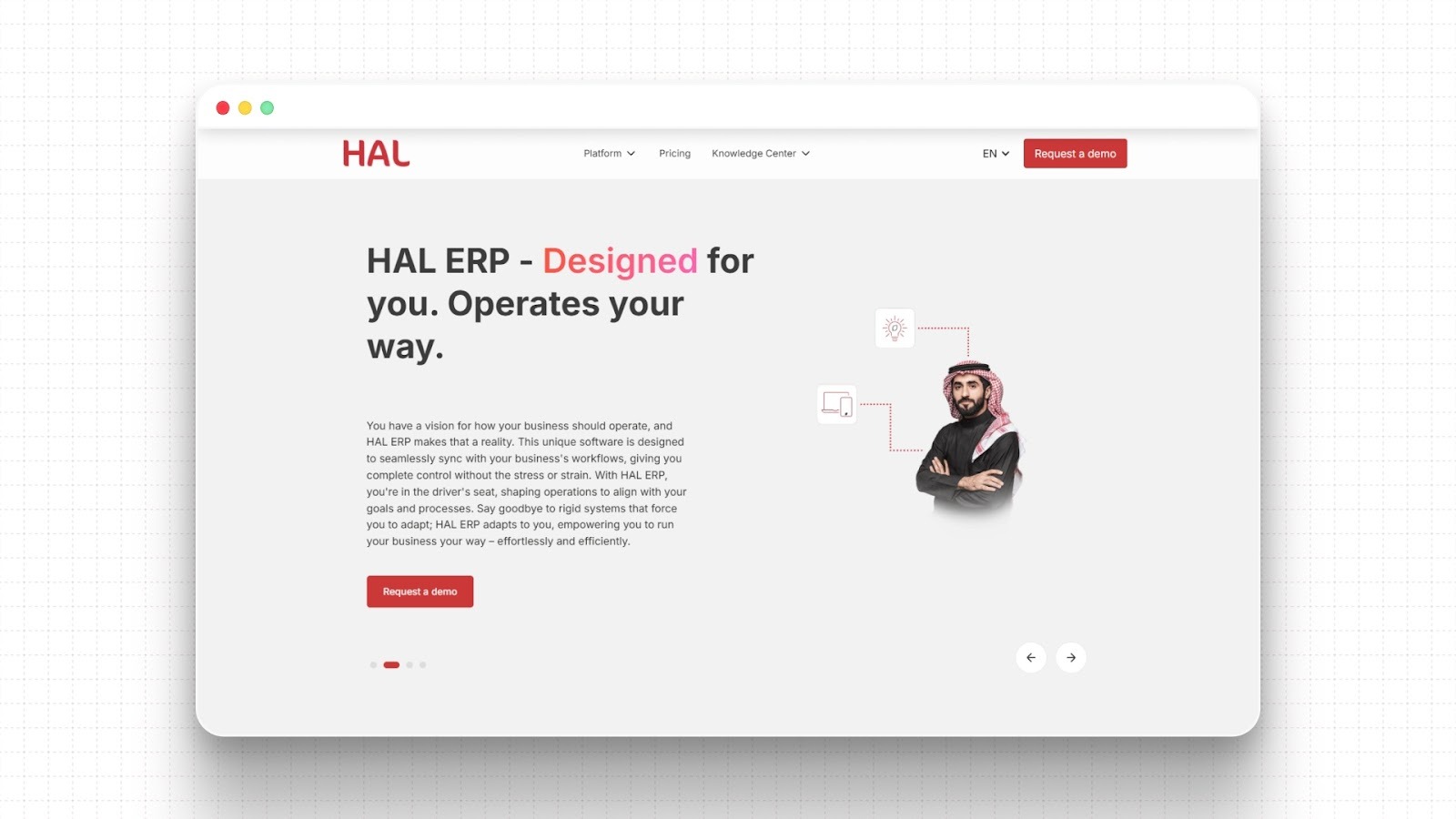
الأفضل لـ: موزعو السلع الاستهلاكية السريعة (FMCG)، وشركات التجارة بالجملة، والموزعين متعددي الفروع الذين لديهم 20–500 موظف في المملكة العربية السعودية
يُعد HAL ERP نظام ERP سحابيًا سعودي الصنع، مصممًا خصيصًا للسوق المتوسط في المملكة العربية السعودية. يغطي دورة التوزيع بالكامل: المشتريات، المخزون، المبيعات، المالية، والموارد البشرية، ضمن منصة واحدة.
على عكس الأنظمة العالمية التي تم تكييفها للسعودية، تم بناء HAL من الأساس داخل المملكة. وهذا يعني أن امتثال ZATCA المرحلة الثانية مدمج بشكل أصلي وليس مضافًا لاحقًا، كما أن المنصة بالكامل تعمل باللغتين العربية والإنجليزية دون الحاجة إلى مشروع تعريب منفصل.
تكامل أصلي مع ZATCA المرحلة الثانية (وحدة VAT CARE)
إرسال تلقائي إلى منصة FATOORA، إنشاء رموز QR، التوقيع التشفيري، والتعامل مع حالات الرفض. لا حاجة لأي إضافات من طرف ثالث، كما يتم إصدار تحديثات الامتثال تلقائيًا.
دعم ثنائي اللغة العربية - الإنجليزية منذ اليوم الأول
يتم إنشاء جميع المستندات مثل الفواتير، أوامر التسليم، أوامر الشراء، وكشوف الرواتب باللغتين. كما يتم دعم التقويم الهجري عبر كامل النظام.
تحويلات المخزون بين الفروع، إدارة المخزون على مستوى المواقع (Bin-level)، وتنبيهات إعادة الطلب التلقائية عبر جميع مواقع المملكة من لوحة تحكم واحدة.
شرائح تسعير خاصة بكل عميل، حدود ائتمانية لكل موزع، تقارير أعمار الديون (30/60/90 يومًا)، وتفعيل إيقاف الطلبات تلقائيًا دون تدخل يدوي.
نظام ERP التفاعلي (HAL Conversational ERP)
يمكن لفريقك استخدام "هلا" للتحقق من المخزون، الموافقة على أوامر الشراء، والحصول على تحديثات الحسابات المدينة مباشرة عبر واتساب دون الحاجة لتسجيل الدخول.
دعم محلي
فريق تنفيذ داخل المملكة، دعم فني باللغة العربية، وتحديثات تنظيمية متعلقة بـ ZATCA ضمن الاشتراك.
التسعير
يبدأ سعر HAL ERP من:
وتشمل خطة Platinum: العقود، إدارة تعدد المتاجر، ومحاسبة التكاليف.
التسعير المؤسسي متاح عند الطلب للشركات التي تتجاوز إيراداتها 10 ملايين ريال سعودي سنويًا.
امتثال ZATCA
نعم، معتمد لمرحلة ZATCA الثانية.
تكامل أصلي مع FATOORA.
لا حاجة لأي إضافات خارجية.
يتم تحديث الامتثال تلقائيًا.
تُعد Jash Holding شركة رائدة في إدارة المرافق في المملكة العربية السعودية، ويعمل لديها أكثر من 4,000 موظف موزعين على عدة مواقع عمل وشركات تابعة. قبل استخدام HAL ERP، كانت الشركة تعتمد على أنظمة قديمة غير قابلة للتوسع، مما أدى إلى تأخر تقارير نهاية الشهر، وصعوبة تتبع ربحية المشاريع في الوقت الفعلي، بالإضافة إلى تحديات مستمرة في الامتثال لضريبة القيمة المضافة مع توسّع الأعمال.
قامت جاش بالشراكة مع HAL ERP لتنفيذ نظام مخصص يشمل وحدة موارد بشرية (HRMS) مصممة حسب احتياجاتها، وتكلفة مشاريع في الوقت الفعلي، وإدارة تلقائية للمعاملات بين الشركات، بالإضافة إلى تقارير مركزية موحدة عبر جميع الشركات التابعة.
اكتشف كيف يحسّن HAL ERP سير عمل التوزيع لديك في عام 2026. احجز عرضًا توضيحيًا الآن.
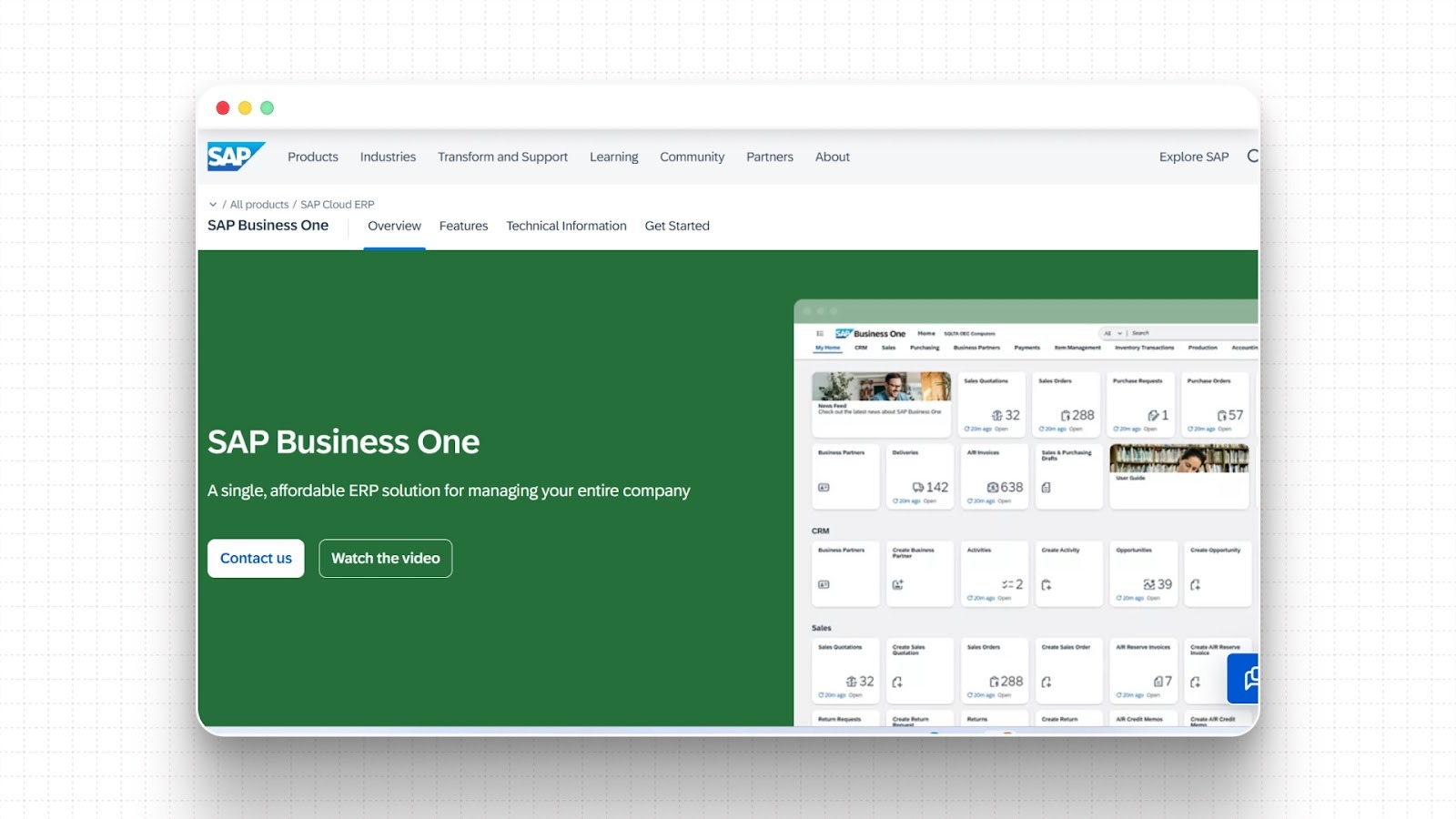
الأفضل لـ: شركات التوزيع التي تضم أكثر من 300 موظف، وتمتلك فريق تقنية معلومات داخلي مخصص، وتعمل عبر عدة دول أو كيانات قانونية
يُعد SAP Business One (SAP B1) نظام ERP متوسط المستوى من شركة SAP، ويقع بين برامج المحاسبة الأساسية وبين نظام SAP المؤسسي الكامل (S/4HANA). يتمتع بسمعة عالمية قوية وشبكة شركاء واسعة.
بالنسبة لشركات التوزيع في المملكة العربية السعودية، يوفر النظام قدرات ممتازة في التحليل المالي وتوحيد التقارير عبر الكيانات، لكن الوصول إلى هذه الإمكانيات يتطلب عادةً تخصيصًا كبيرًا، وشريك SAP متمرس، وميزانية مشروع تتناسب مع ذلك.
يوفر تقارير مالية على مستوى عالمي، مع إمكانية تحليل الربح والخسارة حسب الفرع، مركز التكلفة، وخط المنتج.
مدمج في النظام بشكل أساسي، ومناسب لمجموعات التوزيع الإقليمية متعددة الكيانات.
تشمل مقارنة الموردين، أتمتة أوامر الشراء، وتتبع التكلفة النهائية (Landed Cost Tracking).
يتوفر في المملكة العربية السعودية من خلال شركاء محليين يمكنهم تقديم التعريب وتخصيصات الامتثال لضريبة ZATCA.
يدعم تتبع الدُفعات والأرقام التسلسلية، والمستودعات المتعددة، والتحكم على مستوى المواقع (Bin-level).
يُعد SAP Business One منصة موثوقة للشركات التي تجاوزت أنظمة ERP متوسطة السوق وتحتاج إلى تحكم مالي على مستوى مؤسسي.
عادةً ما تستغرق مشاريع التنفيذ في السعودية ما بين 12 إلى 18 شهرًا في حالات التوزيع.
يتطلب تخصيصًا واستشارات مكلفة لامتثال ZATCA المرحلة الثانية والتعريب.
لا يُنصح به لشركات التوزيع المتوسطة في السعودية بدون فريق تقنية معلومات داخلي أو ميزانية ERP كبيرة.
جزئي فقط، ويتوفر عبر إضافات من شركاء معتمدين في السعودية.
امتثال ZATCA ليس مدمجًا بشكل أصلي داخل النسخة الأساسية من SAP B1.
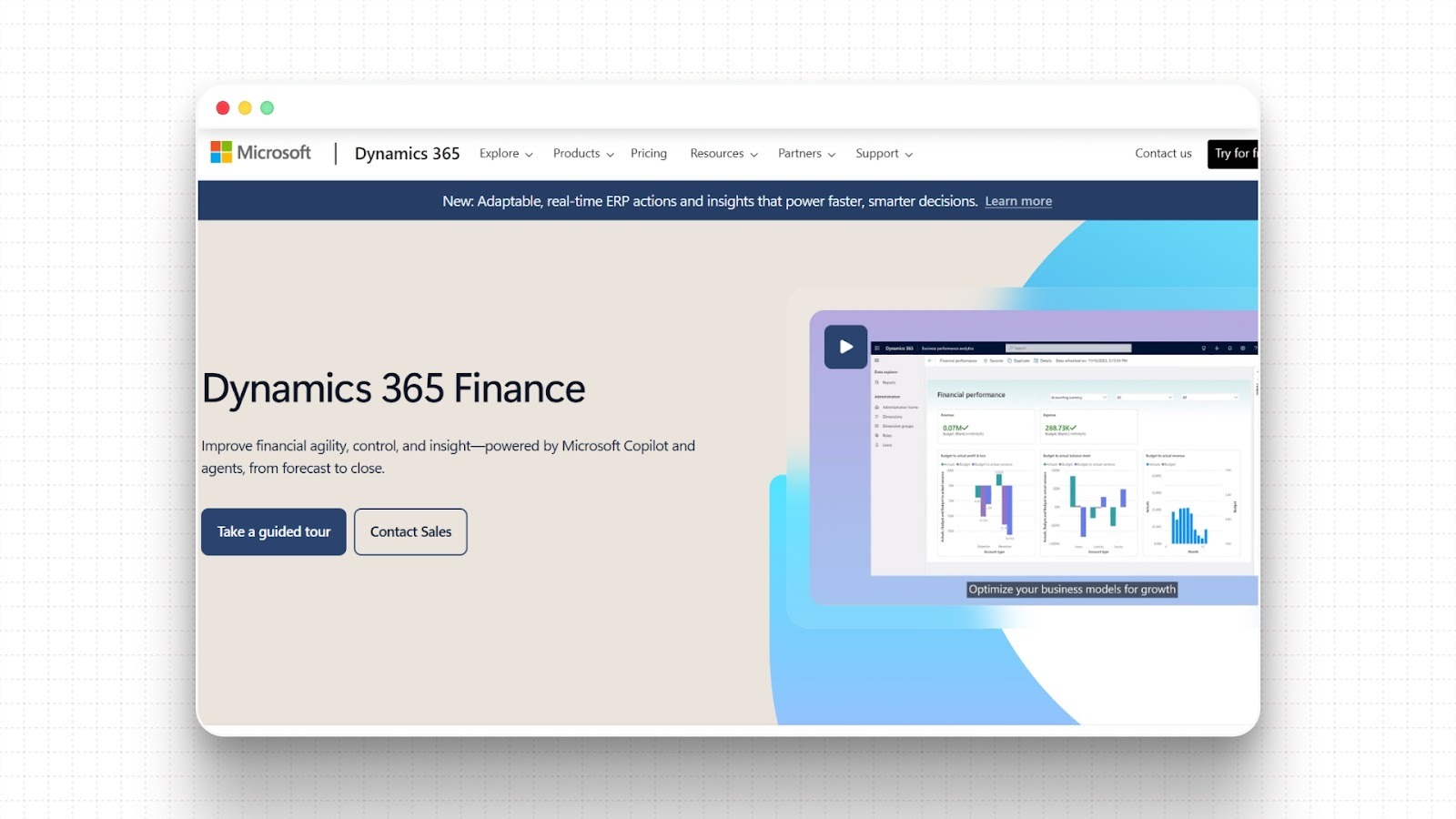
الأفضل لـ: شركات التوزيع التي تستخدم بالفعل Microsoft 365 أو Azure أو Power BI، وتريد واجهة مألوفة لفريق الإدارة
يُعد Microsoft Dynamics 365 Business Central نظام ERP سحابيًا من مايكروسوفت مبنيًا على منصة Azure. يتكامل بسلاسة ضمن منظومة مايكروسوفت، ويُعد مناسبًا للشركات التي تعتمد بشكل كبير على Excel وOutlook وTeams.
في مجال التوزيع، يغطي النظام إدارة الطلبات، المخزون، المشتريات، والتقارير المالية بكفاءة جيدة.
يتكامل مباشرة مع Microsoft 365 وPower BI وTeams وAzure، مما يقلل الاحتكاك التشغيلي للشركات التي تستخدم هذه الأدوات بالفعل.
يوفر إدارة مالية متقدمة، ميزانيات، وتقارير متعددة العملات بواجهات مألوفة تشبه Excel.
يمكن التوسع من الشركات الصغيرة والمتوسطة إلى مستويات أكبر باستخدام بنية Microsoft السحابية.
يدعم تدفقات الموافقات، إدارة أوامر الشراء، وجدولة المدفوعات للموردين بشكل منظم.
يتوفر في المملكة العربية السعودية عبر شركاء يقدمون إعدادات مخصصة للتوزيع وتعريب النظام.
يعتمد التسعير على نموذج اشتراك شهري لكل مستخدم (SaaS).
تتطلب وحدات التوزيع تخصيصًا كبيرًا من الشركاء لتناسب سير العمل المحلي في السعودية.
كما أن تكلفة المستخدمين تتصاعد مع التوسع في عدد الموظفين.
امتثال ZATCA غير مدمج في النظام الأساسي ويحتاج إلى حلول شركاء محليين.
جزئي فقط، ويتوفر عبر حلول شركاء في المملكة العربية السعودية.
لا يتضمن النظام الأساسي امتثال ZATCA بشكل مدمج.
الأفضل لـ: شركات التوزيع الكبرى ذات العمليات متعددة الدول، والمعاملات بين الشركات المعقدة، وإيرادات سنوية تتجاوز 50 مليون ريال سعودي
يُعد Oracle NetSuite نظام ERP سحابيًا مصممًا للشركات النامية التي تعمل عبر عدة دول وكيانات قانونية. يتميز بقوة عالية في دعم مجموعات التوزيع التي تحتاج إلى نظام موحد لتوحيد التقارير المالية، وإدارة المخزون، وتتبع الطلبات عبر نطاق إقليمي أو دولي.
في السوق السعودي، يتم نشر NetSuite عادةً في الشركات الكبيرة أو فروع الشركات متعددة الجنسيات، وهو أقل شيوعًا لدى شركات التوزيع المتوسطة بسبب نموذج التسعير.
يُعد من الأفضل في فئته في إعداد التقارير المالية الموحدة، مما يجعله مناسبًا لمجموعات التوزيع الإقليمية.
يوفر لوحات تحكم قابلة للتخصيص وتقارير تعتمد على الأدوار (Role-based Reporting).
يدعم تدفقات العمل الخاصة بالطلبات، إعادة التوريد، وتنفيذ عمليات التوزيع على مستوى مؤسسي.
يتميز بأدوات متقدمة للتنبؤ بالطلب، مفيدة لموزعي السلع الاستهلاكية الذين يتعاملون مع تغيرات موسمية في المنتجات.
يدعم بشكل سلس المعاملات الداخلية بين الفروع والشركات التابعة عبر العملات والكيانات المختلفة.
يعتمد التسعير على مزيج من رسوم المنصة الأساسية، وتراخيص الوحدات، ورسوم المستخدمين.
إجمالي تكلفة الملكية مرتفع مقارنة بالأنظمة الأخرى.
الحضور المحلي في السوق السعودي محدود، مما يعني أن عمق التنفيذ والدعم باللغة العربية أقل من المزودين المحليين.
جزئي فقط، ويتوفر عبر وحدات شركاء محليين في المملكة العربية السعودية.
يجب التحقق من عمق التكامل والتحديثات قبل توقيع العقد.
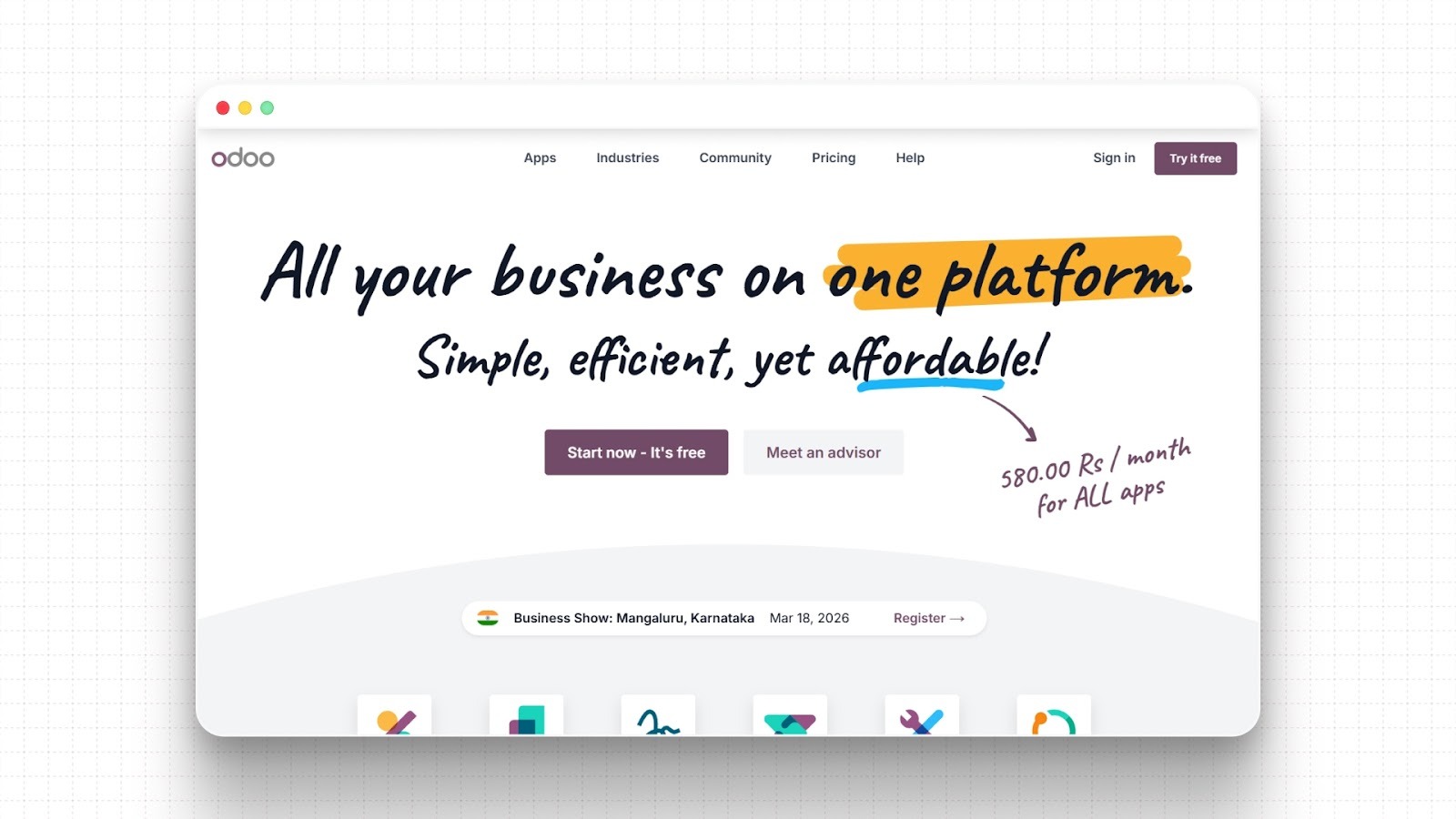
الأفضل لـ: شركات التوزيع ذات الطابع التقني، التي تمتلك مطورين داخليين أو شراكة قوية مع مزوّد Odoo، أو تتبنى نموذج “البناء والتخصيص”
يُعد Odoo نظام ERP مفتوح المصدر يحتوي على مكتبة واسعة من الوحدات (Modules) تشمل إدارة علاقات العملاء، المخزون، المشتريات، المبيعات، المحاسبة، الموارد البشرية، والتصنيع. أكبر ميزة فيه هي المرونة العالية؛ فإذا لم تتناسب وحدة قياسية مع سير عملك، يمكن تخصيصها بالكامل.
في سوق المملكة العربية السعودية، يمكن تهيئة Odoo لمعالجة معظم سيناريوهات التوزيع، لكن هذا التخصيص يعتمد بشكل كبير على شريك التنفيذ، مما يجعل اختيار الشريك العامل الحاسم في نجاح أي مشروع Odoo.
يغطي دورة التوزيع كاملة (المبيعات، المخزون، المشتريات، المحاسبة) دون الحاجة إلى أنظمة متعددة.
يمكن تعديل سير العمل، الحقول، التقارير، والتكاملات لتناسب عمليات التوزيع بدقة.
أقل تكلفة مقارنةً بـ SAP أو Oracle أو Dynamics، مما يجعله خيارًا جذابًا لشركات التوزيع النامية.
يتوفر شركاء لديهم خبرة في التعريب وسير العمل الخاص بالتوزيع داخل السوق السعودي.
مفيد لشركات التوزيع التي توسّع عملياتها إلى الطلبات الإلكترونية (B2B e-commerce).
تختلف تكاليف تنفيذ Odoo بشكل كبير حسب الشريك ومستوى التخصيص المطلوب. كما أن جودة الامتثال لـ ZATCA والتعريب تعتمد بشكل كامل على الشريك المنفذ، ما يجعل النتائج متفاوتة بين شركة وأخرى.
تتفاوت جودة التعريب بشكل كبير حسب مزود الخدمة.
لا يوجد معيار مركزي يضمن جودة الامتثال، والمسؤولية تقع بالكامل على كفاءة الشريك واستمرارية التحديثات.
جزئي فقط، ويتم عبر وحدات مطوّرة من الشركاء.
استمرارية التحديث وقوة الأداء عند أحجام الفواتير العالية تعتمد على جودة الشريك المنفذ.
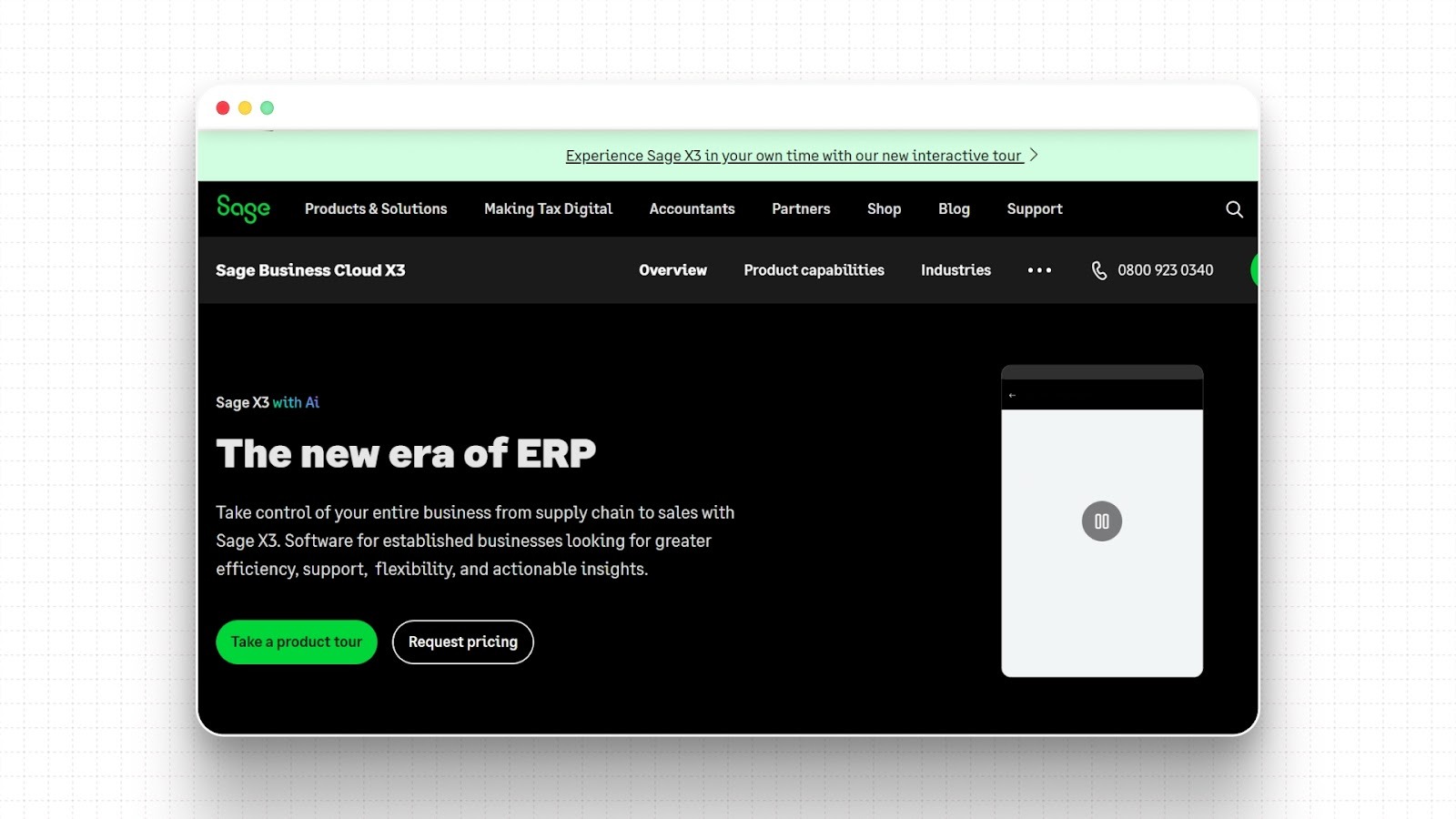
الأفضل لـ: شركات التوزيع التي تقوم أيضًا بتصنيع خفيف، أو تجميع (Kitting)، أو عمليات تركيب وتحتاج إدارة كلا الجانبين في منصة واحدة
يُعد Sage X3 نظام ERP متوسط الفئة يتميز بقوة خاصة في الشركات التي تعمل عند تقاطع التوزيع والتصنيع. إذا كانت عمليات التوزيع لديك تشمل تجميع المنتجات، أو إعداد مجموعات (Kitting)، أو إدارة وصفات إنتاج، أو أي نوع من الإنتاج الخفيف، فإن Sage X3 يدمج هذه العمليات في نظام واحد.
يدير المواد الخام، والمنتجات النهائية، والتوزيع داخل منصة واحدة بشكل متكامل.
يدعم المستودعات المتعددة مع تحكم على مستوى المواقع (Bin-level) وتحويلات المخزون بين المستودعات.
يوفر إدارة مالية جيدة مع ميزانية ودعم متعدد العملات مناسب للشركات متعددة العمليات.
مناسب للشركات في السعودية التي توزع منتجات وتقوم أيضًا بعمليات تصنيع أو تجميع خفيف ضمن نفس سلسلة التوريد.
يدعم إعداد الموافقات، وإدارة المشتريات، وسير العمل حسب احتياجات الشركة.
يعتمد التسعير عادةً على نموذج لكل مستخدم ولكل وحدة، بالإضافة إلى رسوم التنفيذ.
لا يحتوي على تعريب عميق أو جاهز للسوق السعودي بشكل افتراضي.
يتطلب تخصيصًا من الشركاء لامتثال ZATCA المرحلة الثانية وإعداد المستندات باللغة العربية.
شبكة الشركاء في السعودية أصغر مقارنةً بـ SAP أو Dynamics.
جزئي فقط، ويتطلب تخصيصًا من الشركاء.
لا يوجد اعتماد أصلي لمرحلة ZATCA الثانية داخل النظام الأساسي للسوق السعودي.
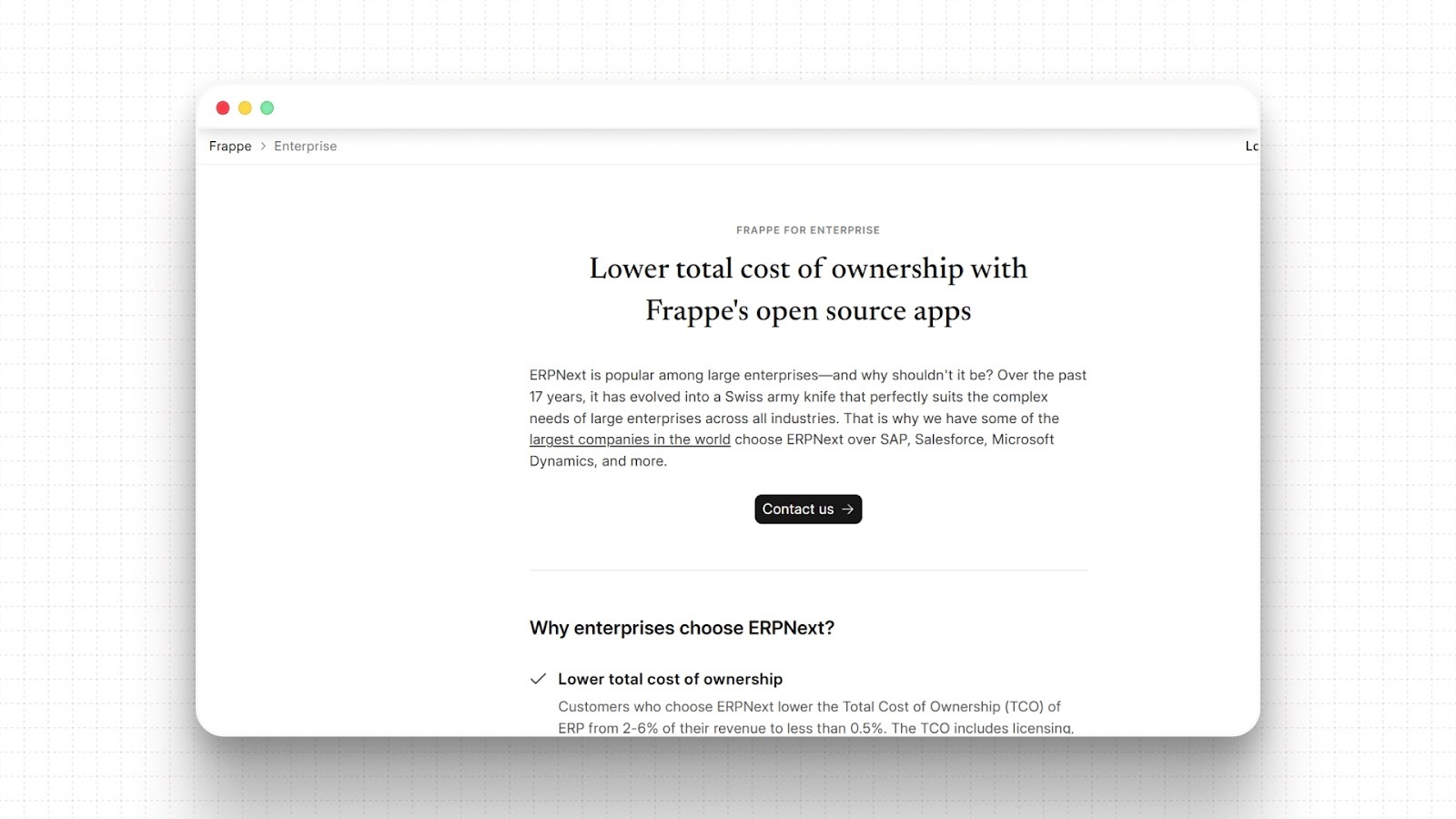
يُعد ERPNext، المبني على إطار عمل Frappe، نظام ERP مفتوح المصدر بالكامل بدون رسوم ترخيص لكل مستخدم. يغطي المتطلبات الأساسية للتوزيع مثل إدارة المخزون، المشتريات، المبيعات، وأساسيات المحاسبة، بتكلفة دخول هي الأقل مقارنة بجميع الأنظمة المذكورة.
بالنسبة للموزعين الصغار أو الشركات التي تطبق ERP لأول مرة، يوفر ERPNext نقطة بداية عملية ومناسبة.
أقل تكلفة إجمالية للدخول في هذا التصنيف بفارق كبير.
يدعم أوامر الشراء، أوامر البيع، سجل المخزون، إدارة المخزون الأساسية، والمحاسبة.
مدعوم بمجتمع عالمي مع تزايد عدد الشركاء في المملكة العربية السعودية.
مناسب للفرق التقنية التي تستطيع التعديل على مستوى الكود.
يمكن تشغيله سحابيًا أو على خوادم داخلية حسب البنية التقنية للشركة.
ميزة التكلفة في ERPNext تأتي مع بعض التنازلات، حيث تتطلب وظائف مثل إدارة الائتمان B2B المتقدمة، والرؤية الفورية متعددة المستودعات، والتنبؤ المتقدم بالطلب، تخصيصًا كبيرًا أو وحدات إضافية من طرف ثالث.
إدارة متعددة المستودعات على مستوى مؤسسي ودعم الائتمان B2B محدودان.
تكامل ZATCA المرحلة الثانية موجود عبر المجتمع، لكنه غالبًا يحتاج تطويرًا مخصصًا للشركات ذات الحجم العالي في التوزيع داخل السعودية.
جزئي فقط، عبر وحدة مطورة من المجتمع.
قوة النظام واستمرارية التحديث عند أحجام الفواتير العالية ليست مضمونة.
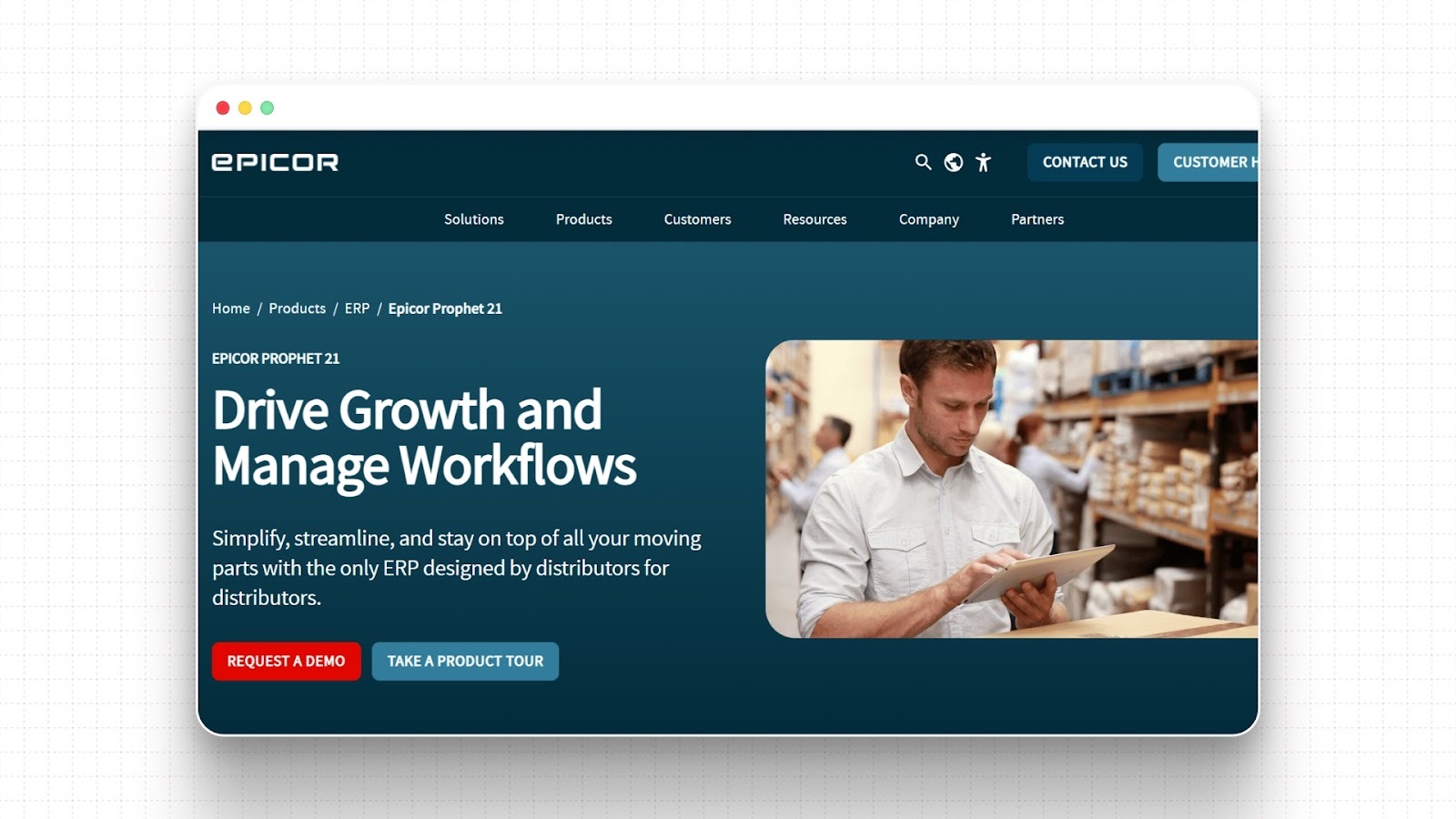
الأفضل لـ: موزعي القطع الصناعية، وموردي خدمات الصيانة والإصلاح والتشغيل (MRO)، وعمليات الجملة B2B ذات التسعير المعقد وسلاسل العقود متعددة المستويات وكبيرة كتالوجات المنتجات
يُعد Epicor Prophet 21 نظام ERP مصممًا خصيصًا لقطاع التوزيع الصناعي. يبرع في البيئات التي تتسم بتعقيد عالي في التسعير، وكثرة الأصناف (SKU)، والعقود الخاصة بكل عميل، وهي سيناريوهات شائعة في توزيع القطع الصناعية، وقطاع MRO، والتجارة المتخصصة بالجملة.
يدعم تسعيرًا متعدد المستويات، كتالوجات مخصصة لكل عميل، وإدارة أوامر بيع معقدة.
مصمم للتعامل مع كميات كبيرة من الأصناف في بيئات توزيع صناعي كثيفة.
يدعم عمليات الالتقاط والتغليف والشحن (Pick/Pack/Ship) المخصصة لعمليات التوزيع عالية الحجم.
يوفر أدوات قوية لتكوين عروض الأسعار وإدارة العقود المعقدة بين الشركات.
مستخدم على نطاق واسع في الولايات المتحدة وأوروبا في قطاعات التوزيع الصناعي والكهربائي وقطاع MRO.
يعتمد النظام غالبًا على النشر المحلي (On-Premise) أو السحابة الخاصة، مع تركيز عميق على وظائف التوزيع.
حضور محدود جدًا في السوق السعودي.
دعم اللغة العربية وامتثال ZATCA يتطلبان تطويرًا مخصصًا كبيرًا.
توفر ضعيف للشركاء المحليين للتنفيذ.
غير مدعوم بشكل أصلي.
لا يوجد تكامل جاهز لمرحلة ZATCA الثانية في السوق السعودي حتى عام 2026.
يتطلب تطويرًا مخصصًا بالكامل.
اقرأ أيضًا: دليل عملي لتقنيات تحسين إدارة المخزون وفوائدها للأعمال

معظم شركات التوزيع لا تغيّر نظام ERP لأنها تبحث عن شيء أفضل، بل لأنها تصل إلى نقطة يصبح فيها البقاء على النظام الحالي أكثر تكلفة من تغييره. فيما يلي ثماني علامات على أن هذه النقطة قد وصلت:
إذا كنت تدير المخزون عبر Excel وما زلت تواجه نقصًا في نهاية الشهر، فأنت تعتمد على أدوات غير مناسبة.
وعندما يتطلب التوفيق بين الأرقام الاتصال بمديري المستودعات في مدن مختلفة، فهذا يعني أن النظام الحالي غير كافٍ.
التأخير في إغلاق نهاية الشهر غالبًا ما يكون مرتبطًا بمشاكل في تسوية المخزون.
في أنظمة ERP المتصلة، يتم الإغلاق خلال 2 إلى 3 أيام.
إذا لم تستطع معرفة المخزون الفعلي في جميع المواقع دون الاتصال بأحد، فأنت تتخذ قرارات الشراء والبيع بناءً على بيانات غير محدثة.
عندما يقبل فريق المبيعات الطلبات دون التحقق من حد الائتمان، فإن ذلك يؤدي إلى تراكم الديون المعدومة.
أنظمة ERP الحديثة تقوم بإيقاف الطلبات التي تتجاوز الحد تلقائيًا بدون تدخل يدوي.
لا يمكن لشركات التوزيع التي تصدر مئات الفواتير يوميًا الاعتماد على عمليات يدوية للامتثال.
كما أن مخاطر الغرامات التنظيمية حقيقية وقابلة للتنفيذ.
إذا لم تتمكن من تحديد المنتجات الرابحة مقابل المنتجات التي تستنزف رأس المال العامل، فأنت تحتفظ بمخزون غير فعال دون معرفة ذلك.
النمو يجب أن يكون قائمًا على الإعدادات داخل النظام، وليس إنشاء ملفات Excel جديدة مع كل توسع.
أي نظام يعمل في المملكة العربية السعودية يجب أن يدعم المستندات العربية والتقويم الهجري بشكل طبيعي.
عدم توفر ذلك يعني وجود مخاطر تشغيلية وتنظيمية.
إذا انطبقت عليك ثلاث علامات أو أكثر، فهذا يعني أن نظام التوزيع لديك جاهز للتغيير.
أيضًا اقرأ: أفضل 8 حلول ERP للعمليات والصيانة في عام 2026
العثور على نظام ERP المناسب للتوزيع في السعودية يعتمد على ملاءمة الأعمال أكثر من الميزات
تحديد نظام ERP المناسب للتوزيع في السعودية يعتمد على مدى توافقه مع احتياجات العمل أكثر من عدد الميزات التي يقدمها.
أنت بحاجة إلى نظام قادر على التعامل مع إدارة المخزون متعدد المستودعات، وتطبيق التحكم في الائتمان، وتلبية متطلبات ZATCA بدون حلول التفافية معقدة.
رغم أن العديد من أنظمة ERP يمكنها دعم التوزيع، إلا أن مستوى التوطين والجهد المطلوب يختلف بشكل كبير. بعض الشركات تختار أنظمة عالمية، بينما تختار أخرى منصات مثل HAL ERP التي تم تصميمها بالفعل لتتوافق مع احتياجات السوق السعودي.
الخيار الصحيح هو الذي يبسط العمليات، ويحسن الرؤية التشغيلية، وينمو مع عملك دون إضافة تعقيد.
إذا كنت تفكر في خيارات ERP، احجز عرضًا توضيحيًا الآن لمعرفة كيف يمكن لـ HAL ERP تبسيط عمليات التوزيع لديك ومعالجة احتياجاتك بشكل مباشر.
نعم. يوفر نظام ERP المصمم للتوزيع مثل HAL ERP رؤية فورية للمخزون عبر جميع المواقع في نفس الوقت، بما في ذلك تحويلات المخزون بين الفروع، ونقاط إعادة الطلب حسب الموقع، وتقارير موحدة عبر الرياض وجدة والدمام أو أي عدد من المواقع من لوحة تحكم واحدة.
نعم. وحدة VAT CARE في HAL ERP تتصل مباشرة بمنصة FATOORA التابعة لهيئة الزكاة والضريبة والجمارك (ZATCA). وهي تدير إنشاء الفواتير تلقائيًا، وإضافة رموز QR، والإرسال الفوري، وتتبع حالة الاعتماد، ومعالجة الرفض، بما يدعم أحجام الفواتير العالية دون تدخل يدوي.
عادةً ما تتراوح مدة التنفيذ بين 8 إلى 16 أسبوعًا للشركات المتوسطة، اعتمادًا على عدد المستودعات وتعقيد نقل البيانات. يقوم فريق HAL ERP في السعودية بتنفيذ معظم المشاريع خلال 10 إلى 14 أسبوعًا مع إمكانية التنفيذ المرحلي لضمان استمرار العمليات.
نعم، بالتأكيد. شركات التوزيع التي تضم حوالي 15 موظفًا أو أكثر ولديها مستودعان أو أكثر يمكنها تحقيق عائد قوي من ERP. تحسين دقة المخزون وحده يمكن أن يقلل خسائر نفاد المخزون والشراء الزائد بنسبة 3–5% من الإيرادات السنوية. HAL ERP يقدم خططًا مناسبة لشركات التوزيع النامية في السعودية قبل الوصول إلى مستوى الشركات الكبرى.