

هل أرسلت فواتيرك ورسائل المتابعة، لكن حساباتك المستحقة لا تزال غير متطابقة في نهاية الشهر؟ لست وحدك. تمت معالجة أكثر من 8.2 مليار فاتورة إلكترونية في المملكة العربية السعودية خلال عام 2025، ومع ذلك لا تزال المدفوعات المتأخرة وخلافات التسوية من أبرز تحديات التدفق النقدي التي تواجه الشركات الصغيرة والمتوسطة والمؤسسات الكبرى على حد سواء. وغالبًا ما يكون السبب الجذري بسيطًا: ترسل الشركات الفواتير لكنها لا ترسل كشف حساب.
من دون عرض واضح وموحد لما تم إصدار فواتيره، وما تم سداده، وما لا يزال مستحقًا، تتعطل عمليات التحصيل وتتزايد النزاعات.
في هذه المقالة، سنستعرض بالتفصيل ما هو كشف الحساب، وكيف يعمل، وكيف يمكن للشركات السعودية استخدامه لسد هذه الفجوة.
كشف الحساب هو مستند ملخص دوري يصدره البائع للمشتري. ويعرض جميع التعاملات المالية بين الطرفين خلال فترة زمنية محددة، تكون غالبًا شهرًا تقويميًا أو ربع سنة أو مرحلة من المشروع. وهو ليس مطالبة بالدفع، بل أداة للتسوية والمطابقة المالية.
يتضمن كشف الحساب المنظم بشكل جيد دائمًا العناصر التالية:
الآن بعد أن أصبحت تعرف ما الذي يتضمنه كشف الحساب، هناك نقطة يختلط فهمها حتى على فرق الشؤون المالية ذات الخبرة، وهي الفرق بين كشف الحساب والفاتورة. دعنا نوضح ذلك.

هذا أحد أكثر الأسئلة شيوعًا التي تطرحها فرق المالية والعمليات. والخلط بين الاثنين يسبب مشكلات حقيقية، مثل تأخر عمليات التحصيل، والنزاعات مع العملاء، والثغرات في سجلات التدقيق المالي.
الفاتورة هي طلب دفع لمعاملة واحدة، بينما يلخص كشف الحساب جميع المعاملات خلال فترة زمنية محددة.
| الفاتورة | كشف الحساب | |
|---|---|---|
| الغرض | طلب سداد قيمة معاملة واحدة محددة | تلخيص جميع المعاملات خلال فترة محددة |
| التكرار | لكل عملية بيع أو خدمة يتم تقديمها | شهريًا، أو ربع سنويًا، أو عند الطلب |
| المحتوى | تفاصيل الأصناف، وضريبة القيمة المضافة، والمبلغ الإجمالي المستحق | عدة فواتير، ومدفوعات، وإشعارات دائنة، والرصيد الجاري |
| يُرسل إلى | المشتري عند كل معاملة | العميل أو المورد لأغراض التسوية |
| الصلة بهيئة الزكاة والضريبة والجمارك (ZATCA) | مطلوبة للامتثال لمتطلبات الفوترة الإلكترونية | تدعم تسوية ضريبة القيمة المضافة والجاهزية للتدقيق |
استخدم كشف الحساب (SOA) في الحالات التالية:
والآن بعد أن أصبح الفرق واضحًا، دعنا نلقي نظرة على سبب الأهمية الإضافية التي تحملها كشوفات الحساب للشركات العاملة في المملكة العربية السعودية تحديدًا.
اقرأ أيضًا: فهم وإعداد قائمة الدخل
تتميز بيئة الأعمال في المملكة العربية السعودية بمتطلبات تنظيمية خاصة تجعل توثيق الحسابات المدينة بشكل دقيق أكثر من مجرد ممارسة جيدة، بل متطلبًا للامتثال.
بموجب المرحلة الثانية من متطلبات فاتورة هيئة الزكاة والضريبة والجمارك (ZATCA)، يجب الإبلاغ عن جميع الفواتير بين الشركات (B2B) إلكترونيًا والتحقق من صحتها. لكن الالتزام لا يتوقف عند مرحلة الفاتورة فقط، بل تحتاج أيضًا إلى مطابقة ما تم فوترته مع ما تم دفعه بالفعل.
تلعب كشوفات الحساب دورًا في سد هذه الفجوة. عندما يُشير كشف الحساب إلى أرقام الفواتير المتوافقة مع متطلبات ZATCA، تصبح حساباتك المدينة قابلة للتدقيق من البداية إلى النهاية. أي اختلاف بين ما تم الإبلاغ عنه وما لا يزال مستحقًا يصبح واضحًا وقابلًا للدفاع عنه.
كما أن ضريبة القيمة المضافة على الحسابات المدينة تُستحق عند إصدار الفاتورة، وليس عند استلام الدفعة. إذا تأخر العميل في الدفع، فإن التزامك بالضريبة لا ينتظر. يضمن كشف الحساب الدقيق والمحدث أن تعكس تسوية ضريبة القيمة المضافة الأرقام الصحيحة في كل دورة تقرير.
يتطلب المحاسبة المتوافقة مع معايير SOCPA وجود سجلات تدقيق واضحة وقابلة للتتبع لكل من الحسابات المدينة والدائنة. توفر كشوف الحساب وثائق داعمة لتقرير تقادم الحسابات المدينة، وهو عنصر أساسي عند إعداد القوائم المالية وفق معايير SOCPA.
بدون كشوف حساب، يصبح التحقق من تقارير التقادم أكثر صعوبة، وسيقوم المراجعون الخارجيون بالإشارة إلى الثغرات.
تدفع أجندة رؤية المملكة 2030 الشركات، وخصوصًا الشركات الصغيرة والمتوسطة، نحو حوكمة مالية أقوى وشفافية أكبر. تشير الشركات التي تستخدم عمليات كشف حساب منهجية إلى نضج عملياتها للبنوك والمستثمرين والمراجعين. ويكتسب هذا أهمية أكبر مع سعي الشركات السعودية للحصول على تمويل للنمو والتوسع الإقليمي.
الآن بعد أن فهمت سبب أهمية كشوف الحساب في سياق المملكة العربية السعودية، دعنا نلقي نظرة على ما الذي يجب أن يتضمنه كشف الحساب المثالي من الدرجة الأولى.

كشف الحساب العادي يؤدي الغرض، لكن كشف الحساب المنظم جيدًا يمنع النزاعات قبل وقوعها. إليك ما يجب أن يتضمنه كل حقل، ولماذا هو مهم:
الحقول القياسية التي يجب أن يتضمنها كل كشف حساب:
عند إنشاء كشف الحساب، للطريقة التي تستخدمها تأثير كبير. التحضير اليدوي في Excel لا يزال شائعًا، لكنه يُبنى صفًا صفًا من سجلات الفواتير والمدفوعات، مما يجعله بطيئًا وعرضة للأخطاء وغير قابل للتشغيل الآلي.
تحسن برامج المحاسبة على ذلك بسحب البيانات من دفتر الأستاذ، لكنها غالبًا منفصلة عن بيانات المبيعات والعمليات، لذلك الأرقام لا تعكس الصورة الكاملة دائمًا.
يأخذ نظام HAL نهجًا مختلفًا تمامًا. فهو يسحب كشوف الحساب مباشرة من دفتر حسابات العملاء، ويلتقط تلقائيًا سجل الفواتير والمدفوعات الكامل، ويسمح بجدولة الإرسال لكل عميل آجل، بدون عمل يدوي، بدون إدخالات مفقودة، وبدون تأخير.
اقرأ أيضًا: الدليل الكامل لتوقع التدفق النقدي للشركات السعودية لعام 2026
ومع ذلك، حتى أفضل كشوف الحساب المصممة قد تفشل إذا تم إعدادها استنادًا إلى بيانات خاطئة. دعنا نلقي نظرة على أكثر الأخطاء شيوعًا التي ترتكبها الشركات، وكيفية إصلاحها.
تتعامل فرق المالية لديك مع عدة مستندات تبدو متشابهة من الخارج. إليك كيف يندرج كشف الحساب ضمن الصورة الأكبر.
| المستند | ما الذي يوضحه | متى يُستخدم |
|---|---|---|
| الفاتورة | تفاصيل معاملة واحدة مع ضريبة القيمة المضافة | عند نقطة البيع أو تقديم الخدمة |
| كشف الحساب | جميع المعاملات خلال فترة معينة، مع الرصيد | التسوية الشهرية والتحصيل |
| الإيصال | إثبات استلام دفعة محددة | بعد سداد الدفعة |
| ميزان المراجعة | جميع أرصدة حسابات دفتر الأستاذ العام | التحقق الداخلي من دقة الحسابات |
| تقرير أعمار الديون | الذمم المدينة المتأخرة مقسمة حسب الفترات الزمنية | ضبط الائتمان ومراجعة الإدارة |
| كشف الحساب البنكي | جميع المعاملات على حسابك البنكي | التسوية البنكية |
يربط كشف الحساب بين محاسبتك الداخلية، وتقارير التقادم، والميزان التجريبي، وقيود دفتر الأستاذ من جهة، وبين نسخة العميل الخارجية من جهة أخرى. إنه الجسر بين ما يعرفه نظامك وما يراه عميلك.

رسم توضيحي بديل
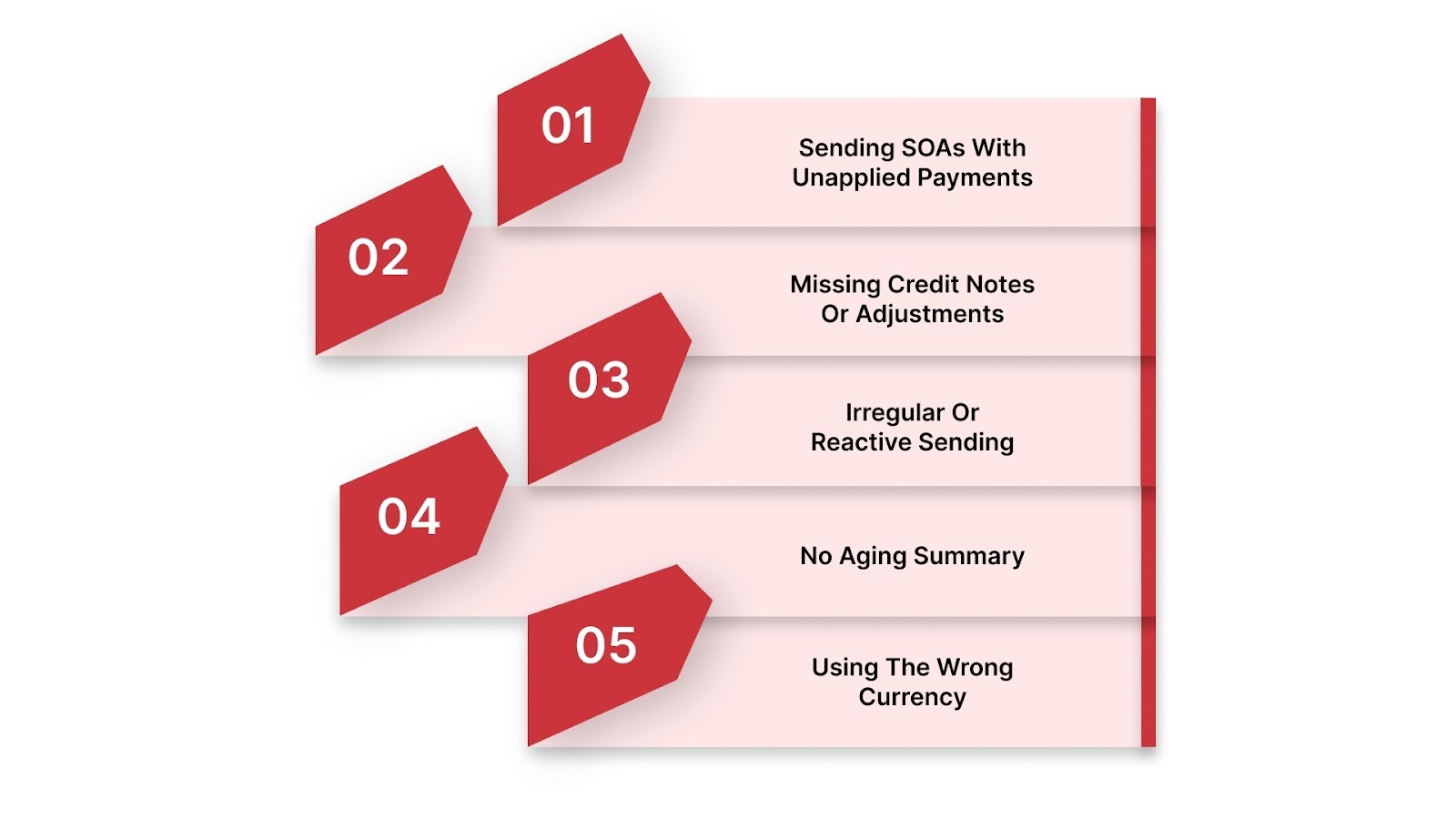
كشف حساب منسق بشكل جيد يعتمد على بيانات خاطئة أسوأ من عدم وجود كشف حساب على الإطلاق. فهو يخلق نزاعات، ويقوض الثقة، ويبطئ عمليات التحصيل. فيما يلي أكثر الأخطاء شيوعًا التي ترتكبها الشركات السعودية عند إعداد كشوف الحساب، وكيفية إصلاحها:
تم استلام دفعة، لكنها لم تُخصَّص لفاتورة معينة في النظام بعد. يظهر الكشف الدفعة، لكن الفاتورة لا تزال مفتوحة. يرى العميل رصيدًا يعتقد أنه قد سدده بالفعل.
الإصلاح: خصص دائمًا المدفوعات الواردة للفواتير المحددة في نظام HAL ERP قبل إنشاء كشف الحساب. يتيح لك دفتر الأستاذ اللحظي تسجيل الدفع وتشغيل كشف حساب دقيق خلال دقائق.
إذا تم إصدار مرتجع، خصم، أو إشعار دائن ولم ينعكس في كشف الحساب، فسوف يعترض العميل على الرصيد، ولديه الحق في ذلك.
الإصلاح: قم بمطابقة جميع الاعتمادات والتعديلات قبل إنشاء كشف الحساب. في HAL ERP، تُسجل الإشعارات الدائنة مباشرة في حساب العميل في الوقت الفعلي، لذا يتم التقاطها دائمًا.
الشركات التي ترسل كشوف الحساب فقط عند متابعة الحسابات المتأخرة تخلق ديناميكية توترية وعدائية. يشعر العملاء أن كشف الحساب تهديد وليس خدمة.
الإصلاح: أتمتة إرسال كشوف الحساب شهريًا لجميع العملاء الائتمانيين، بغض النظر عن وجود رصيد مستحق. الانتظام يعكس الاحتراف ويجعل التحصيل يبدو روتينيًا بدلًا من كونه تصادميًا.
كشف الحساب بدون تقسيم تقادم يخفي الملف الحقيقي لمخاطر الحسابات المدينة عن فريق الإدارة لديك وعن العميل. فالعميل الذي لديه 200,000 ريال سعودي مستحقة لا يعرف إذا كانت كلها حديثة أم كلها متأخرة 90 يومًا ما لم تعرض له.
الإصلاح: أدرج دائمًا تقسيم تقادم قياسي 0–30 / 31–60 / 61–90 / أكثر من 90 يوم في كل كشف حساب، في كل مرة.
هذا الخطأ شائع بشكل خاص في شركات التجارة والمقاولات التي تتعامل مع موردين أو عملاء دوليين. إصدار كشف الحساب بالريال السعودي بينما كانت الفاتورة الأصلية بالدولار الأمريكي، أو العكس، دون ذكر سعر الصرف وتاريخ التحويل، يخلق ارتباكًا فورًا. لا يستطيع العملاء مطابقة الأرقام مع سجلاتهم، ولا يمكن لفريق المالية الدفاع عن الأرقام أثناء التدقيق.
الإصلاح: دائمًا طابق عملة كشف الحساب مع عملة الفاتورة الأصلية. إذا كان التحويل ضروريًا، اذكر سعر الصرف والمصدر والتاريخ بوضوح على وجه المستند. إدارة الحسابات متعددة العملات في HAL ERP تتعامل مع ذلك تلقائيًا، فتُطبق العملة والسعر الصحيحين في كل مرة دون تدخل يدوي.
يقوم نظام HAL ERP تلقائيًا بإنشاء كشوف الحساب من بيانات دفتر الأستاذ اللحظية، ويطبق المدفوعات في الوقت الفعلي، ويحدد تقسيمات التقادم تلقائيًا. دعنا نكتشف كيف يمكن لـ HAL تبسيط سير عمل كشوف الحساب الخاصة بك.
اقرأ أيضًا: 10 مزايا لأتمتة اعتماد الفواتير للشركات
إعداد كشف الحساب يدويًا يستغرق وقتًا، ويعرضه للأخطاء، ويعتمد بالكامل على تذكّر فريق المالية القيام به في الوقت المحدد كل شهر. يقوم نظام HAL ERP بإلغاء هذا الاعتماد تمامًا.
بدلًا من بناء كشوف الحساب يدويًا، يسحب HAL كل شيء مباشرة من دفتر حسابات العملاء اللحظي، والفواتير، والمدفوعات، والإشعارات الدائنة، والتعديلات، ويولد كشف حساب كامل ودقيق في الوقت الفعلي. وإليك كيف يبدو ذلك عمليًا:
عندما تعمل عملية كشف الحساب على بيانات مباشرة، وجداول زمنية منتظمة، وامتثال مدمج، يقضي فريق المالية وقتًا أقل في تصحيح الأخطاء ووقتًا أكبر في إدارة الأمور المهمة فعلًا.
شركة مساحات، وهي وكالة رائدة في التسويق وتنظيم فعاليات السلع الاستهلاكية سريعة التداول في المملكة العربية السعودية، كانت تدير عملياتها المالية عبر أنظمة منفصلة. كانت البيانات موزعة في صوامع بين فرق المبيعات والمالية والمشتريات، وقد أثر هذا التجزؤ مباشرة على عمليات التحصيل. ونتيجة لذلك، تعطلت التحصيلات، وتضررت علاقات الموردين، ولم يكن لدى فريق المالية رؤية واضحة وفورية لما هو مستحق ولفترة كم من الوقت.
بعد تنفيذ نظام HAL ERP، استبدلت مساحات جميع العمليات اليدوية المنفصلة بمنصة متكاملة واحدة. أصبح إصدار الفواتير، وتسجيل القيود المالية، والمعاملات متعددة العملات مؤتمتًا من البداية للنهاية، بما في ذلك الرؤية الكاملة للحسابات المستحقة التي يعتمد عليها كشف الحساب الدقيق.
وكانت النتائج قابلة للقياس وملموسة:
بالنسبة لشركة تدير فوترة معقدة لعملاء متعددين عبر عشرات الحسابات، فإن هذه الرؤية ليست مجرد تحسين تشغيلي، بل تمثل الفرق بين عملية تحصيل تعمل بسلاسة وأخرى تتأخر باستمرار.
يُعد كشف الحساب أحد أبسط الأدوات المالية، ومع ذلك فإن معظم الشركات إما لا تستخدمه بالشكل الكافي أو تستخدمه بطريقة خاطئة. في بيئة المملكة العربية السعودية التي تحكمها متطلبات الامتثال، حيث تشترط هيئة الزكاة والضريبة والجمارك (ZATCA) وجود سجلات تدقيق واضحة ويتوقع العملاء فواتير احترافية ودقيقة، يشكل كشف الحساب جزءًا أساسيًا من كيفية إدارة التدفق النقدي، وبناء الثقة مع العملاء، والاستعداد للتدقيق.
الشركات التي ترسل كشوف حساب دقيقة، ومتسقة، وفي الوقت المناسب، تحقق تحصيلًا أسرع، ونزاعات أقل، وإغلاق حسابات أنظف. يجعل نظام HAL ERP هذا الأمر قاعدة افتراضية.
جاهز لوضع عملية كشف الحساب على التشغيل الآلي؟ احجز عرضًا تجريبيًا مجانيًا لنظام HAL ERP اليوم.
**ما الهدف من كشف الحساب؟**
يلخص كشف الحساب جميع المعاملات المالية بين البائع والمشتري خلال فترة محددة، بما في ذلك الفواتير الصادرة، والمدفوعات المستلمة، والتعديلات المطبقة، ليظهر الرصيد المستحق الحالي. يدعم التسوية، والتحصيل، وحل النزاعات بين الطرفين.
**هل يُعد كشف الحساب مستندًا قانونيًا؟**
كشف الحساب ليس طلب دفع ملزمًا قانونيًا، لكنه مستند داعم مهم للتدقيق، وحل النزاعات، وإدارة الحسابات المدينة. في المملكة العربية السعودية، تحمل كشوف الحساب التي تشير إلى أرقام الفواتير المسجلة لدى ZATCA قيمة عالية في تتبع التدقيق، وهي مفيدة في أي مراجعة من قبل ZATCA أو SOCPA.
**كم مرة يجب إرسال كشف الحساب؟**
أفضل الممارسات هي الإرسال الشهري، عادة في نهاية دورة الفوترة أو بداية الشهر الجديد. يمكن للشركات ذات الحجم الكبير أو التي تدير مشاريع طويلة إرسال كشوف الحساب عند إنجاز مراحل المشروع أو بناءً على طلب العميل. المفتاح هو الانتظام، حيث أن الإرسال المتقطع يخلق ارتباكًا.
**هل يمكن لبرمجيات ERP إنشاء كشوف الحساب تلقائيًا؟**
نعم. تقوم أنظمة ERP مثل HAL ERP بإنشاء كشوف الحساب تلقائيًا مباشرة من دفتر حسابات العملاء، وتعكس بيانات الدفع في الوقت الفعلي، ويمكن جدولتها للإرسال لجميع العملاء الائتمانيين في تاريخ محدد كل شهر، دون الحاجة لأي إعداد يدوي.
**كيف يُستخدم كشف الحساب في بيئة ZATCA بالمملكة العربية السعودية؟**
بموجب متطلبات الفوترة الإلكترونية لهيئة الزكاة والضريبة والجمارك (Fatoorah)، يتم الإبلاغ إلكترونيًا عن جميع فواتير B2B. يسمح كشف الحساب الذي يشير إلى أرقام فواتير متوافقة مع ZATCA للشركات بمطابقة المعاملات المبلغ عنها مع سجلات دفع العميل، مما يدعم تقديم ضريبة القيمة المضافة بدقة والاستعداد الكامل للتدقيق.


%2520in%25202026.png)