

مع نمو الشركات، يزداد أيضًا عدد القرارات التي تتخذها يوميًا. تتم إضافة موردين جدد، وتتوسع خطوط المنتجات، وتتم عمليات الشراء عبر الفرق والفروع والمشاريع المختلفة. وعلى السطح، يبدو أن كل شيء يسير إلى الأمام.
لكن مع مرور الوقت، يخلق هذا النمو تعقيدًا يصعب ملاحظته.
أصبحت سلاسل التوريد العالمية أكثر تقلبًا في السنوات الأخيرة، كما تتعرض فرق المشتريات لضغوط متزايدة لإدارة التكاليف مع الحفاظ على الموثوقية. وبدون نهج منظم، تبدأ القرارات بالانحراف. تختلف التكاليف دون أسباب واضحة. يصبح أداء الموردين غير متسق. وتقضي الفرق وقتًا أطول في التعامل مع المشكلات بدلًا من التخطيط.
وهنا تبرز أهمية إدارة الفئات.
في هذه المدونة، ستتعرف على معنى إدارة الفئات، وكيف تعمل في سيناريوهات الأعمال الواقعية، والمكونات الأساسية التي تدعمها، والخطوات المتبعة لتطبيقها، والاستراتيجيات التي تساعد على جعلها أكثر اتساقًا وقابلية للتوسع.
إدارة الفئات هي نهج استراتيجي تقوم فيه الشركات بتجميع المنتجات أو الخدمات المتشابهة ضمن “فئات” محددة، وإدارة كل فئة كوحدة أعمال مستقلة بهدف تحسين التحكم في التكاليف والكفاءة والأداء العام.
في عام 2026، أصبحت هذه الخطوة أكثر إلحاحًا. فلم تعد المشتريات تقتصر على الشراء بأقل سعر فقط. بل أصبحت الشركات مطالبة بالعمل برؤية مالية فورية، ومتطلبات امتثال أكثر صرامة، ومستوى أعلى من مساءلة الموردين.
وبالنسبة للشركات السعودية متوسطة الحجم، يُعد هذا التحول بالغ الأهمية. فما تزال معظم الشركات في قطاعات المقاولات أو التجارة أو التجزئة أو التصنيع تدير المشتريات بطريقة تفاعلية:
وتعالج إدارة الفئات هذه المشكلات من خلال تنظيم المشتريات والعمليات بناءً على طريقة عمل السوق، وليس فقط وفقًا للهيكل الداخلي للشركة.
تعمل إدارة الفئات بطريقة تختلف قليلًا حسب وظيفة العمل، لكن الأساس يبقى نفسه.
في مجال المشتريات، تركز إدارة الفئات على تجميع الإنفاق الخارجي ضمن فئات مثل خدمات تقنية المعلومات، أو المواد الخام، أو الخدمات اللوجستية، أو التسويق.
في البيع بالتجزئة، تركز إدارة الفئات على تنظيم المنتجات ضمن مجموعات مثل الملابس، والإلكترونيات، والسلع الاستهلاكية سريعة الدوران، وإدارتها بهدف تحسين الأداء.
في كلا المنظورين، يبقى الهدف نفسه: التعامل مع الفئات كوحدات استراتيجية تقود نتائج الأعمال، وليس مجرد مهام تشغيلية.
وبمجرد وضوح المفهوم، تصبح الخطوة التالية هي فهم ما الذي يجعل إدارة الفئات تعمل فعليًا في الممارسة العملية.
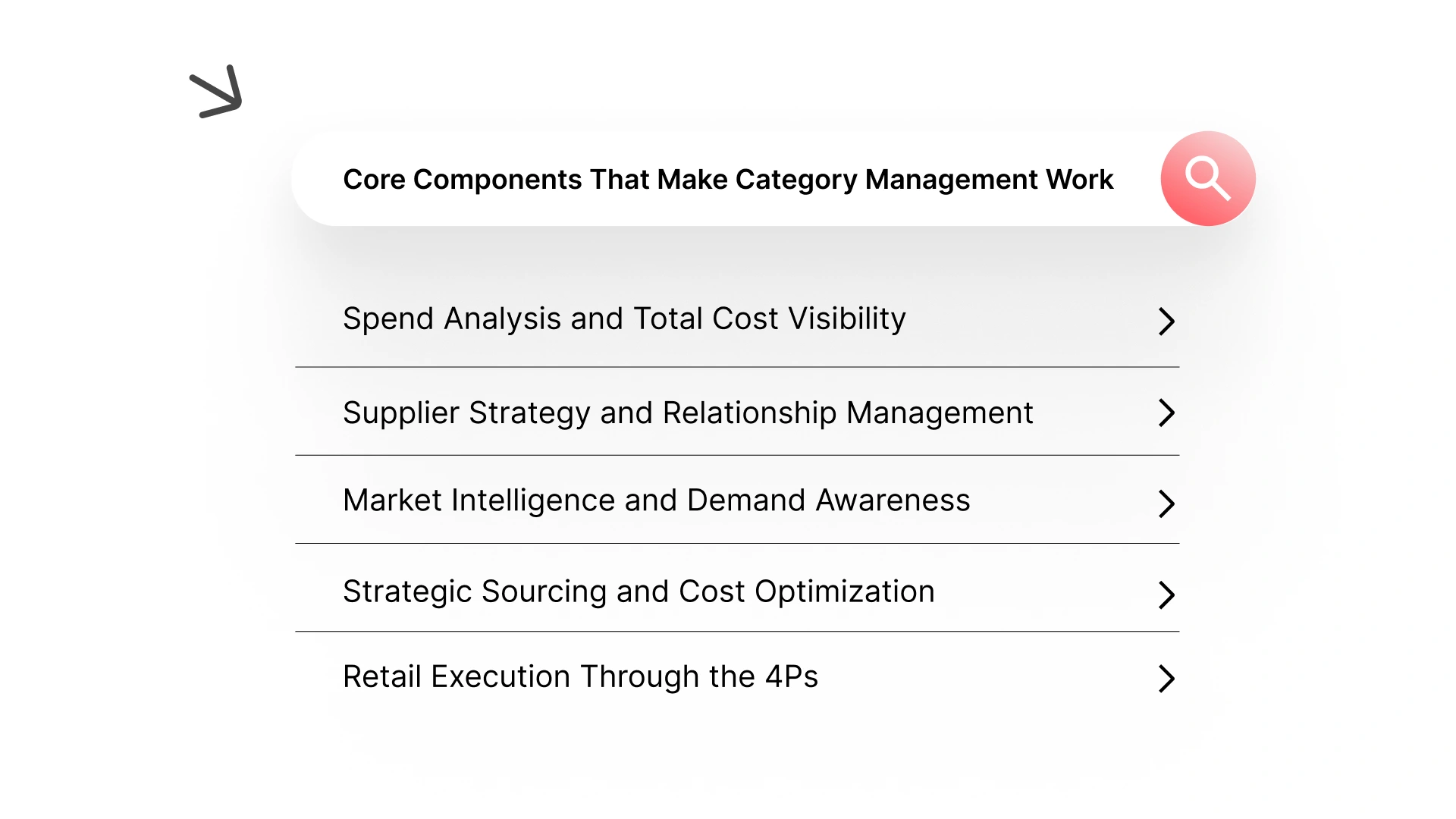
لا تحقق إدارة الفئات نتائج إلا عندما تتجاوز مجرد تجميع المنتجات أو الإنفاق، وتتحول إلى نظام منظم قائم على البيانات. وعلى المستوى الأساسي، تقوم إدارة الفئات على مستويين متكاملين:
وعندما يكون هناك توافق بين هذين المستويين، تتمكن الشركات من تحقيق سيطرة أفضل على التكاليف والطلب والربحية.
تبدأ معظم أوجه القصور في المشتريات من ضعف الرؤية. تقوم أقسام مختلفة بشراء عناصر متشابهة بشكل مستقل، وتختلف الأسعار، وتفتقر فرق المالية إلى رؤية موحدة للإنفاق.
تبدأ إدارة الفئات بتحليل:
بالنسبة للشركات السعودية، تُعد هذه الخطوة أساسية للحفاظ على سجلات متسقة ودعم متطلبات الامتثال وفق هيئة الزكاة والضريبة والجمارك (ZATCA)، حيث تكتسب دقة المعاملات وقابليتها للتتبع أهمية كبيرة.
الموردون ليسوا مجرد بائعين، بل هم شركاء على المدى الطويل يؤثرون بشكل مباشر على التكلفة والجودة والموثوقية.
بدلًا من الشراء التفاعلي، تركز إدارة الفئات على:
ويصبح هذا الأمر مهمًا بشكل خاص عندما تؤثر اضطرابات سلاسل الإمداد أو الاعتماد على الاستيراد على جداول تنفيذ المشاريع.
البيانات الداخلية وحدها ليست كافية. تحتاج الشركات إلى فهم ما يحدث خارجها.
تتضمن إدارة الفئات:
على سبيل المثال، يمكن لتقلبات أسعار المواد الخام أو تأخير الاستيراد أن تؤثر بشكل كبير على قرارات المشتريات لدى شركات التجارة والتصنيع.
هنا تتحول الاستراتيجية إلى تنفيذ فعلي. وبناءً على رؤى الفئات، تحدد الشركات كيفية إدارة التوريد.
ويشمل ذلك:
بدلًا من الشراء التفاعلي، يصبح التوريد عملية مخططة ومتسقة.
بالنسبة لشركات البيع بالتجزئة والتوزيع، تمتد إدارة الفئات إلى ما هو أبعد من المشتريات لتشمل كيفية تموضع المنتجات وبيعها. وهنا يصبح إطار 4Ps ذا صلة:
المنتج
تحديد التشكيلة المناسبة داخل كل فئة
ضمان توفر المنتجات عالية الطلب والأكثر ربحية
إزالة المنتجات بطيئة الحركة أو المكررة (SKU)
السعر
وضع تسعير تنافسي بناءً على الطلب والتكلفة وهوامش الربح
الحفاظ على اتساق الأسعار عبر المواقع المختلفة
مواءمة الخصومات والعروض الترويجية مع أهداف الفئة
المكان
تحسين عرض المنتجات داخل المتاجر أو القنوات
ضمان توفر المنتجات المناسبة في المواقع المناسبة
تحسين توزيع المخزون لتقليل حالات نفاد المخزون
الترويج
تخطيط العروض الترويجية على مستوى الفئة بدلًا من الخصومات العشوائية
مواءمة الحملات مع أنماط الطلب ومستويات المخزون
قياس تأثير العروض الترويجية على المبيعات والهوامش
بالنسبة لتجار التجزئة في السعودية الذين يديرون عدة فروع أو قنوات تجارة إلكترونية، تؤثر هذه العناصر بشكل مباشر على الإيرادات وتجربة العملاء.
بدون متابعة مستمرة، تفقد حتى الاستراتيجيات المحددة جيدًا فعاليتها.
وعندما تعمل هذه المكونات معًا، تتحول إدارة الفئات من إطار نظري إلى نظام عملي. فهي تمنح الشركات تحكمًا أفضل في الإنفاق، وعلاقات أقوى مع الموردين، ونتائج تشغيلية أكثر قابلية للتنبؤ.
في هذه المرحلة، من المهم توضيح خلط شائع يؤثر غالبًا على التنفيذ.
إدارة الفئات والتوريد الاستراتيجي مرتبطان بشكل وثيق، لكنهما ليسا نفس الشيء. وغالبًا ما تستخدم الشركات المصطلحين بشكل متبادل، مما يؤدي إلى فجوات في التنفيذ.
أبسط طريقة لفهم الفرق هي:
تنظر إدارة الفئات إلى دورة الحياة الكاملة للفئة. فهي تركز على كيفية إدارة مجموعة من المنتجات أو الخدمات بمرور الوقت، بما في ذلك علاقات الموردين، وهياكل التكاليف، والمخاطر، والأداء.
أما التوريد الاستراتيجي، فيركز على عملية اختيار الموردين والتفاوض على العقود داخل تلك الفئة.
وهنا كيف يظهر هذا الفرق في سيناريوهات الأعمال الواقعية:
إدارة الفئات (المستوى الاستراتيجي المستمر)
التوريد الاستراتيجي (مستوى التنفيذ)
على سبيل المثال، قد تقوم شركة مقاولات في السعودية بتحديد استراتيجية فئة لمواد البناء، بما يشمل تحديد الموردين المفضلين، ووضع معايير للأسعار، وتخطيط المشتريات عبر المشاريع. وهذا يُعد إدارة فئات.
وعندما تقوم الشركة نفسها بطرح مناقصات، والتفاوض على الأسعار، واختيار الموردين لمشروع محدد، فإن ذلك يُعد توريدًا استراتيجيًا.
بدون إدارة الفئات، يصبح التوريد تفاعليًا وغير متسق. وبدون التوريد الاستراتيجي، لا يمكن تنفيذ استراتيجيات الفئات بشكل فعّال.
خطوات عملية إدارة الفئات
بمجرد اكتمال الأساس والمكونات الأساسية، تنتقل إدارة الفئات إلى مرحلة التنفيذ من خلال عملية منظمة. تضمن هذه العملية ألا تبقى استراتيجيات الفئات مجرد وثائق تخطيط، بل يتم تطبيقها فعليًا عبر المشتريات والمالية والعمليات.
بعد تعريف الفئات بشكل عام، تأتي الخطوة التالية وهي تقسيمها إلى أجزاء قابلة للتطبيق.
يسمح هذا التقسيم للشركات بتطبيق استراتيجيات مختلفة داخل نفس الفئة بدلًا من التعامل معها بشكل موحد.
ليست كل الفئات بحاجة إلى نفس مستوى الاهتمام. يساعد تحديد الأولويات على التركيز على المجالات التي تحقق أكبر قيمة.
على سبيل المثال، في المقاولات أو التصنيع، تؤثر بعض المواد مباشرة على جداول المشاريع، مما يجعلها ذات أولوية أعلى من الإنفاق غير المباشر.
يعتمد التنفيذ بشكل كبير على التنسيق الداخلي. ويُعد عدم التوافق بين الفرق أحد أهم أسباب فشل استراتيجيات الفئات.
في العديد من الشركات السعودية، يؤدي التشتت في اتخاذ القرار إلى تنفيذ غير متسق. هذه الخطوة تضمن عمل الجميع ضمن إطار واحد.
تحد العمليات اليدوية من الرؤية وتبطئ التنفيذ. لذلك تُعد الرقمنة ضرورية لتوسيع نطاق إدارة الفئات.
تكتسب هذه الخطوة أهمية خاصة للشركات التي تدير عدة فروع أو مواقع مشاريع، حيث تصبح المتابعة اليدوية غير عملية بسرعة.
يجب أن تبقى إدارة الفئات مرتبطة بشكل وثيق بالأنظمة المالية لتكون فعّالة.
بالنسبة للشركات السعودية، يدعم ذلك أيضًا جاهزية أفضل لعمليات التدقيق وسلاسة أكبر في التقارير المالية.
حتى الاستراتيجيات المصممة جيدًا تفشل بدون تطبيق فعلي.
تضمن هذه الخطوة عدم تجاوز نظام إدارة الفئات في حالات الطوارئ أو الضغط العالي.
الخطوة الأخيرة هي إنشاء نظام تعود فيه الدروس المستفادة إلى عملية اتخاذ القرار دون إعادة البدء من الصفر.
وهذا يجعل إدارة الفئات نظامًا مرنًا وليس ثابتًا، مما يسمح للشركات بالاستجابة للواقع التشغيلي بدلًا من الاعتماد فقط على الخطط الأولية.
اقرأ أيضًا: إدارة المشتريات الفعّالة من حيث التكلفة: كيف يمكن للبرمجيات أن تساعد؟
بمجرد وضع العملية في مكانها، تأتي الميزة الحقيقية من كيفية إدارة الفئات بمرور الوقت.
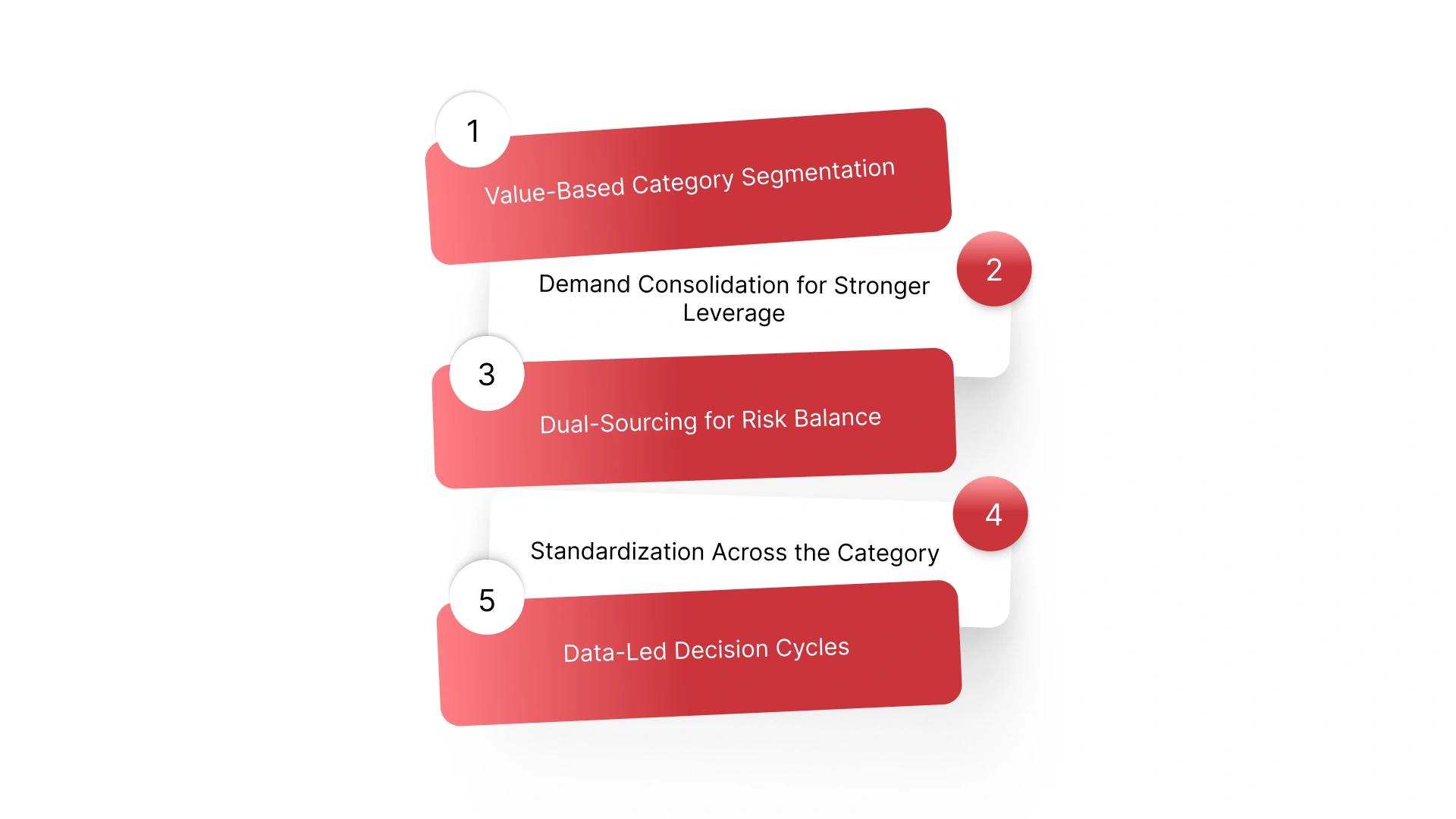
بمجرد تطبيق العملية، تأتي الميزة الحقيقية من كيفية إدارة الفئات بمرور الوقت. تركز الاستراتيجيات التالية على انضباط اتخاذ القرار والتحكم التشغيلي، وهي المجالات التي تحقق فيها معظم الشركات النامية مكاسب قابلة للقياس.
ليست كل الفئات بحاجة إلى نفس الاستراتيجية. الفئات عالية الإنفاق أو عالية المخاطر تحتاج إلى تحكم أعمق، بينما الفئات منخفضة التأثير يجب أن تبقى مبسطة.
هذا يمنع الفرق من المبالغة في إدارة الإنفاق البسيط مع إهمال المجالات الحرجة.
تجزئة الطلبات تضعف القدرة التفاوضية. توحيد المتطلبات عبر المشاريع أو الفروع يخلق حجمًا أكبر.
بالنسبة للشركات متعددة المواقع، يمكن لهذه الاستراتيجية وحدها تحسين الكفاءة بشكل كبير.
الاعتماد على مورد واحد قد يبدو فعالًا لكنه يخلق مخاطر، بينما كثرة الموردين تقلل التحكم.
هذا يحقق توازنًا بين خفض التكاليف واستمرارية التشغيل.
التنوع يزيد التكلفة والتعقيد والأخطاء. التوحيد يبسط إدارة الفئات.
هذه الاستراتيجية مهمة خصوصًا في المقاولات أو التصنيع، حيث يؤدي عدم الاتساق إلى تأخيرات وتكاليف إضافية.
يجب أن تعتمد أداء الفئات على البيانات وليس الافتراضات أو التحليل لمرة واحدة.
هذا يجعل إدارة الفئات مرنة ومواكبة للواقع التشغيلي بدلًا من أن تصبح قديمة مع الوقت.
تعتمد العديد من الشركات استراتيجيات الفئات لكنها تواجه صعوبة في تطبيقها بشكل متسق عبر الفرق والمشاريع. يربط نظام HAL ERP بين المشتريات والمالية والعمليات في نظام واحد، مما يضمن تطبيق قرارات الفئات في الوقت الفعلي بدلًا من إدارتها عبر جداول إلكترونية منفصلة.
لا تعمل إدارة الفئات إلا عندما تكون البيانات والموردون وقراراتك مترابطة. بدون ذلك، تبقى الاستراتيجيات على الورق بينما تظل العمليات مجزأة.
يجمع HAL ERP بين المشتريات والمخزون والمالية وبيانات الموردين في نظام واحد، بحيث تتم إدارة كل فئة برؤية حقيقية وليس على افتراضات.
رؤية مركزية للإنفاق: تتبع الإنفاق حسب الفئة عبر الأقسام والفروع والمشاريع في الوقت الفعلي.
إدارة موردين أذكى: تقييم الأداء، توحيد الموردين، وتعزيز القدرة التفاوضية.
استراتيجيات فئات مبنية على البيانات: استخدام رؤى مباشرة لتعديل قرارات التوريد والتسعير والمخزون فورًا.
سير عمل مشتريات متكامل: توحيد عمليات الشراء والموافقات وتفاعل الموردين عبر الشركة.
مواءمة مالية في الوقت الفعلي: ربط قرارات الفئات مباشرة بالميزانيات ومراكز التكلفة والربحية.
مع الرؤية المركزية، وسير العمل الموحد، والامتثال المدمج، يساعدك HAL ERP على تحويل إدارة الفئات إلى نظام تشغيلي يومي مضبوط.
احجز عرضًا توضيحيًا لمعرفة كيف يمكنك توسيع نطاق المشتريات دون فقدان السيطرة.
ما تفعله إدارة الفئات هو أنها تُحوّل التعقيد إلى وضوح. فهي تمنح الشركات طريقة لربط قرارات الشراء بالنتائج المالية وأداء الموردين والأولويات التشغيلية، بدلًا من التعامل معها كأنها أنشطة منفصلة. ومع مرور الوقت، يؤدي ذلك إلى قابلية تنبؤ أفضل، وسيطرة أقوى على التكاليف، وتقليل المفاجآت في العمليات اليومية.
التحدي الحقيقي ليس في فهم المفهوم، بل في تطبيقه بشكل مستمر عبر الفرق والمواقع والأنظمة.
إذا كان إعدادك الحالي لا يزال يعتمد على جداول البيانات أو أدوات غير مترابطة، فغالبًا هنا يبدأ خلل التنفيذ. يساعد HAL ERP على توحيد المشتريات والمالية والعمليات في نظام واحد، بحيث يتم تطبيق قرارات الفئات برؤية وتحكم فوريين.
احجز عرضًا توضيحيًا مع HAL ERP لترى كيف يمكن لإدارة الفئات أن تصبح جزءًا منظمًا وقابلًا للتوسع في عملياتك اليومية.





.png)
