لا يعتمد نجاح أي شركة على جودة منتجاتها أو خدماتها فحسب، بل يحتاج أيضًا إلى قيادة مالية قوية. وهنا يبرز دور المدير المالي (CFO)، المسؤول عن توجيه الصحة المالية للشركة، ووضع استراتيجيات الاستثمار، ورسم مسار النمو طويل الأجل.
لكن دور المدير المالي اليوم يتجاوز بكثير إعداد الميزانيات والقوائم المالية. فوفقًا لأحدث التقارير، يقضي 58% من المديرين الماليين وقتًا أكبر في الاستثمار في التكنولوجيا وتطبيقها، بينما يرى 44% منهم أن زيادة تبني التقنيات لخفض التكاليف تُعد من أهم أولوياتهم خلال الاثني عشر شهرًا المقبلة.
ويعكس هذا التحول كيف أصبح قادة القطاع المالي يلعبون دورًا استراتيجيًا في التحول الرقمي، معتمدين على البيانات والأتمتة والذكاء الاصطناعي لاتخاذ قرارات أسرع وأكثر دقة.
في هذا الدليل، ستتعرف على المعنى الحقيقي لمنصب المدير المالي (CFO)، وأبرز مسؤولياته في دعم نمو الأعمال، وكيف تساعد الحلول الحديثة مثل HAL ERP المديرين الماليين على العمل بكفاءة أكبر وقيادة أعمالهم بفعالية أعلى.
المدير المالي (Chief Financial Officer - CFO) هو المسؤول التنفيذي الأول عن إدارة الاستراتيجية المالية للشركة، والتخطيط المالي، ومراقبة الأداء المالي. ولا يقتصر دوره على إدارة الحسابات، بل يعمل على ضمان ربحية الشركة، والحد من المخاطر المالية، ودعم النمو المستدام على المدى الطويل.
في الماضي، كان تركيز المدير المالي ينصب على مسك الدفاتر والالتزام بالمتطلبات المحاسبية. أما اليوم، فقد تطور هذا المنصب ليصبح دورًا قياديًا واستراتيجيًا يجمع بين الخبرة المالية واتخاذ القرارات المبنية على البيانات. فهو يقود قرارات الاستثمار، ويدير الميزانيات، ويسهم في رسم مستقبل الشركة بالاعتماد على التكنولوجيا والتحليلات المتقدمة.
والآن، دعونا نتعرف عن قرب على المهام الفعلية للمدير المالي، وأبرز المسؤوليات التي تسهم في تحقيق نمو الشركة ونجاحها على المدى الطويل.
لم يعد دور المدير المالي (CFO) يقتصر على إدارة الحسابات وإعداد الميزانيات، بل أصبح حلقة الوصل بين الإدارة المالية والرؤية الاستراتيجية للشركة. ويتمثل دوره في تحويل البيانات المالية إلى خطط عملية تدعم النمو، وتعزز الاستقرار، وتشجع الابتكار، بما يضمن أن كل قرار يخدم أهداف الشركة على المدى الطويل.
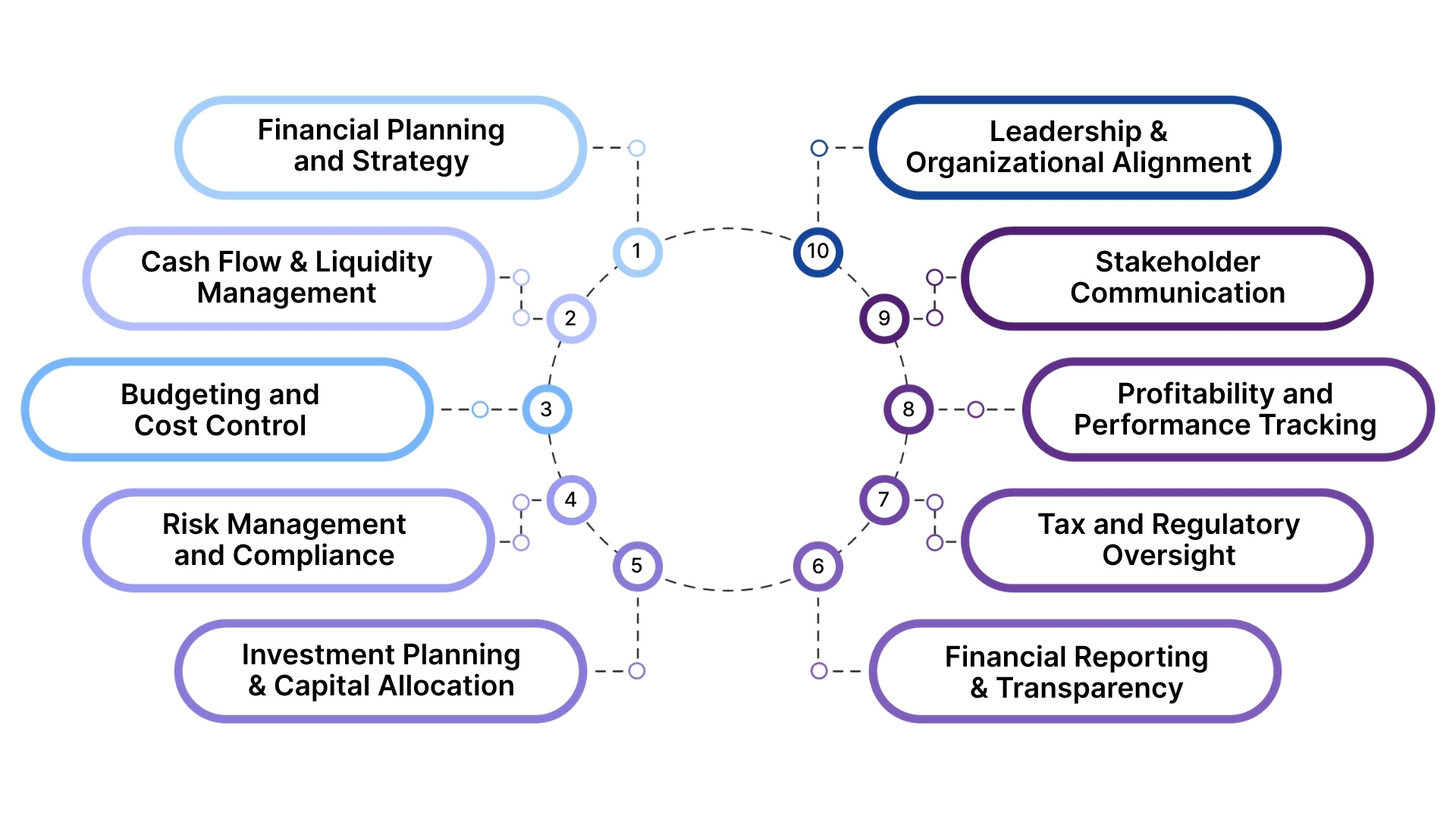
فيما يلي أبرز 10 مسؤوليات تعكس الدور المحوري للمدير المالي الحديث في نجاح الأعمال:
يعمل المدير المالي على إعداد خارطة الطريق المالية طويلة الأجل للشركة، ويشمل ذلك تحديد الأهداف المالية، والتنبؤ بالإيرادات، والتخطيط للاستثمارات بما يتماشى مع أولويات العمل.
ومن خلال تحليل اتجاهات السوق والبيانات الداخلية، يزود المدير المالي الإدارة برؤى تساعدها على اتخاذ قرارات أكثر ذكاءً، بما يدعم النمو المستدام ويعزز الربحية.
يُعد الحفاظ على تدفقات نقدية مستقرة أمرًا أساسيًا لضمان استقرار الشركة. لذلك، يراقب المدير المالي حركة الأموال الداخلة والخارجة للتأكد من تلبية الاحتياجات التشغيلية اليومية، مع الحفاظ على احتياطيات نقدية كافية لمواجهة أي نفقات غير متوقعة.
كما يضع المدير المالي استراتيجيات فعالة لتحسين السيولة، مثل تعديل شروط السداد أو تأمين خطوط ائتمان، بما يساهم في تجنب نقص السيولة وضمان استمرارية الأعمال.
اقرأ أيضًا: إدارة التدفقات النقدية في مشاريع الإنشاءات
يقوم المدير المالي بإعداد ميزانيات واقعية تتماشى مع أهداف الشركة وظروف السوق. كما يحدد مجالات خفض النفقات غير الضرورية وتحسين الكفاءة التشغيلية دون التأثير على جودة المنتجات أو الخدمات.
ومن خلال المراجعات الدورية، يساعد المدير المالي الفرق على الالتزام بالميزانية، ويضمن توجيه الموارد نحو الأنشطة التي تحقق عوائد ملموسة وقابلة للقياس.
هل تواجه صعوبة في السيطرة على تجاوزات الميزانية بسبب ضعف رؤية المخزون أو تأخر بيانات المشتريات؟ تساعد حلول HAL ERP على تحسين أداء سلسلة التوريد وإدارة المخزون من خلال أتمتة عمليات الشراء، ومراقبة المنتجات لحظيًا، وتوفير تحليلات متكاملة تدعم اتخاذ قرارات أكثر ذكاءً.
يحمي المدير المالي الشركة من مختلف المخاطر المالية، سواء كانت ناتجة عن تقلبات الأسواق أو التغيرات في الأنظمة والتشريعات. ويشمل ذلك وضع ضوابط رقابية داخلية، وضمان الامتثال للقوانين واللوائح المحلية والدولية، وإجراء تقييمات دورية للمخاطر.
ومن خلال الاستعداد المسبق للتحديات المحتملة، يسهم المدير المالي في حماية أصول الشركة والحفاظ على ثقة المستثمرين وأصحاب المصلحة.
يتولى المدير المالي اتخاذ القرارات المتعلقة باستثمار أموال الشركة لتحقيق أعلى عائد ممكن. ويشمل ذلك تقييم خطط التوسع، وعمليات الاندماج أو الاستحواذ، وغيرها من الفرص الاستثمارية.
ومن خلال تحقيق التوازن بين المخاطر والعوائد، يضمن المدير المالي استخدام رأس المال بكفاءة لدعم النتائج قصيرة الأجل وتحقيق نمو مستدام على المدى الطويل.
تُعد التقارير المالية الدقيقة وفي الوقت المناسب أساسًا لبناء الثقة. ولذلك يشرف المدير المالي على إعداد القوائم المالية وتقارير الأداء، مع ضمان توافقها مع المتطلبات التنظيمية وتوقعات المستثمرين.
كما يحول البيانات المالية المعقدة إلى رؤى واضحة وسهلة الفهم، مما يساعد الإدارة على تقييم أداء الشركة واتخاذ قرارات مبنية على بيانات دقيقة.
اقرأ أيضًا: دورة التمويل في نظام ERP: شرح المكونات والمراحل الأساسية
يتولى المدير المالي إدارة التخطيط الضريبي والامتثال للأنظمة بهدف تقليل الالتزامات المالية مع الالتزام بالأطر القانونية المعتمدة. كما يتعاون مع المدققين والمستشارين القانونيين للتكيف مع التغييرات المستمرة في القوانين واللوائح الضريبية.
ويضمن الإشراف الفعّال بقاء الشركة ملتزمة بالمتطلبات التنظيمية وتجنب العقوبات التي قد تؤثر على سمعتها أو عملياتها التشغيلية.
يُعد قياس الربحية عنصرًا أساسيًا لتقييم نجاح الشركة. حيث يقوم المدير المالي بتحليل الأداء عبر مختلف الأقسام والمنتجات والأسواق.
ومن خلال تحديد المجالات ذات الهوامش الربحية المرتفعة والمنخفضة، يقدم توصيات استراتيجية تساعد على تحسين الكفاءة العامة وزيادة العوائد. كما يساهم هذا التقييم المستمر في دعم اتخاذ قرارات مبنية على معلومات دقيقة.
يمثل المدير المالي حلقة الوصل بين الشركة والمستثمرين والمقرضين وأصحاب المصلحة. فهو يعمل على تقديم النتائج المالية بشفافية، وشرح كيفية تحقيق الشركة لأهدافها وخططها المستقبلية.
كما يساهم التواصل المالي الفعّال في تعزيز الثقة وجذب فرص استثمارية مستقبلية.
يتجاوز دور المدير المالي الأرقام ليشمل المساهمة في بناء ثقافة الشركة وتوجيه رؤيتها. فهو يتعاون مع مختلف الأقسام، ويدعم الفرق لتبني أسلوب تفكير يعتمد على البيانات.
ويضمن هذا التكامل أن تدعم الإدارة المالية الابتكار، وأن تسهم كل القرارات في دفع الشركة نحو تحقيق أهدافها الاستراتيجية.
رؤى إضافية: لماذا تُعد المحاسبة مهمة لنجاح الأعمال؟
مع تزايد تعقيد تحديات الأعمال، أصبحت التكنولوجيا تلعب دورًا أساسيًا في مساعدة المديرين الماليين (CFOs) على اتخاذ قرارات أسرع وأكثر ذكاءً. وهنا يأتي دور HAL ERP في دعم القادة الماليين لإدارة جميع جوانب أداء الأعمال بدقة أكبر ورؤية أوضح.
تم تطوير HAL ERP بواسطة شركة HAL، وهو نظام برمجيات مؤسسية سعودي مصمم لتمكين القادة الماليين في مختلف القطاعات. وقد تم تصميمه خصيصًا للشركات المتوسطة التي تضم أكثر من 50 موظفًا وتحقق إيرادات تتجاوز 10 ملايين ريال سعودي، حيث يعمل HAL ERP على تبسيط العمليات المالية المعقدة من خلال الأتمتة، والرؤية الفورية للبيانات، والذكاء المدعوم بالذكاء الاصطناعي.
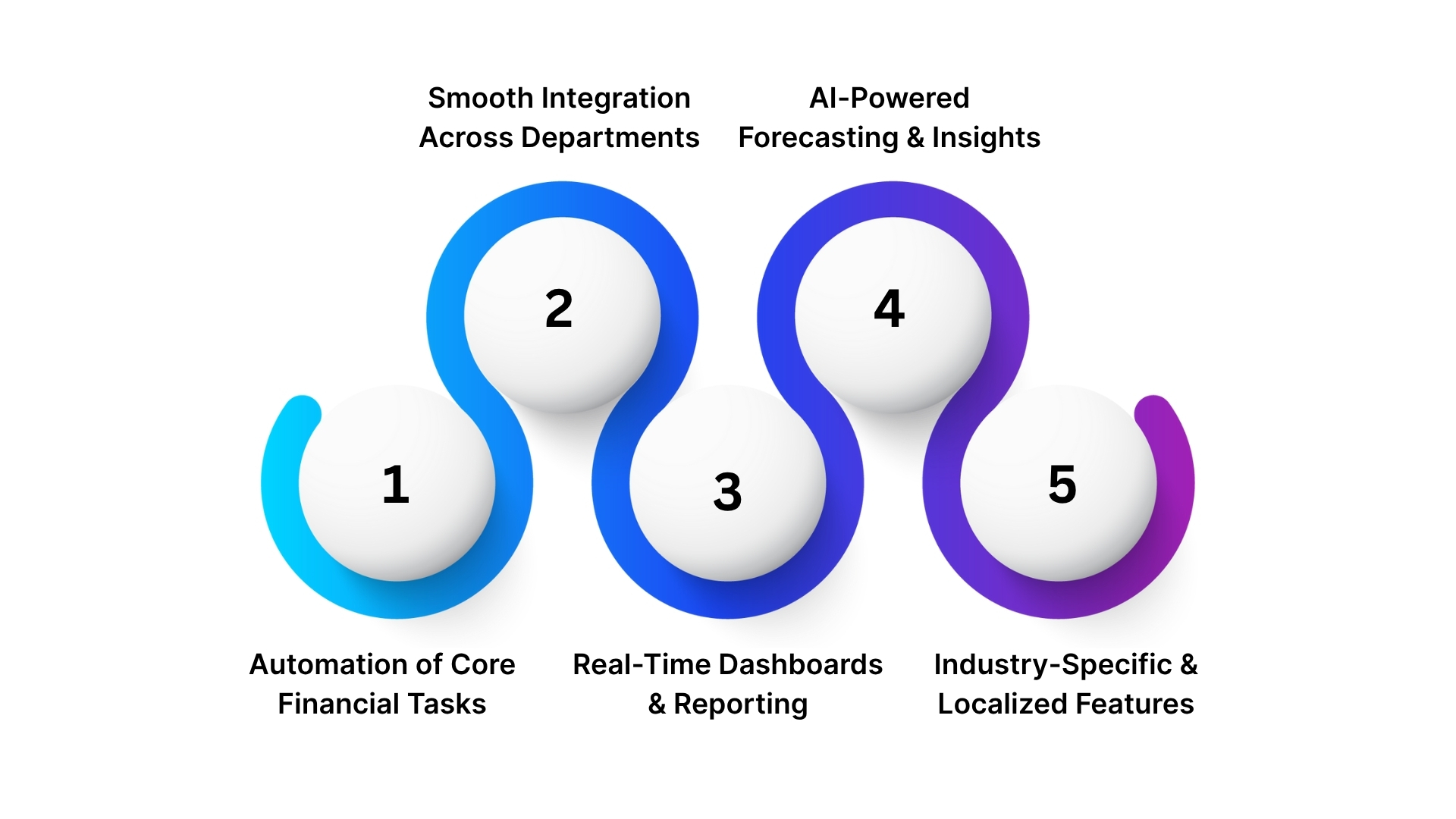
إليك كيف يساعد HAL ERP المديرين الماليين (CFOs) على العمل بذكاء أكبر وقيادة العمليات بكفاءة أعلى:
يقوم HAL ERP بأتمتة العمليات المتكررة مثل إصدار الفواتير، والتسويات المالية، وكشوف الرواتب، وتتبع المصروفات. ويساعد ذلك على توفير الوقت وتقليل الأخطاء البشرية، مما يتيح للمديرين الماليين التركيز على التحليل المالي بدلًا من إدخال البيانات يدويًا.
كما تضمن سير العمل المؤتمت دقة أكبر في الحسابات الدائنة والمدينة، مما يعزز الرقابة المالية العامة ويُحسن جاهزية الشركة لعمليات التدقيق.
لا تعمل الإدارة المالية بمعزل عن باقي أقسام الشركة، وكذلك HAL ERP. إذ يتكامل النظام بسلاسة مع وحدات المبيعات، والمشتريات، والموارد البشرية، والمخزون، مما يضمن تدفق البيانات تلقائيًا بين مختلف الإدارات.
يوفر هذا التكامل للمديرين الماليين مصدرًا موحدًا وموثوقًا لجميع الأنشطة المالية، مما يساعدهم على اتخاذ قرارات أسرع وأكثر دقة.
يوفر HAL ERP لوحات تحكم تفاعلية تعرض أحدث المؤشرات المالية مثل التدفقات النقدية، والإيرادات، والمصروفات، وهوامش الربح في الوقت الفعلي. كما يمكن للمديرين الماليين متابعة الأداء عبر الأقسام والمناطق المختلفة بشكل فوري.
وتساعد التقارير القابلة للتخصيص الفرق المالية على اكتشاف الاتجاهات، وإدارة المخاطر بشكل استباقي، واتخاذ قرارات استراتيجية دون الحاجة إلى انتظار التقارير الشهرية الختامية.
باستخدام تقنيات الذكاء الاصطناعي، يقوم HAL ERP بتحليل الأنماط المالية للتنبؤ بالتدفقات النقدية المستقبلية، والمصروفات، ومستويات الربحية. ويسمح هذا الذكاء التنبؤي للمديرين الماليين باتخاذ قرارات مبنية على البيانات واستباق التحديات المالية قبل حدوثها.
ومن خلال تحويل الأرقام الخام إلى رؤى استراتيجية، يحول HAL ERP عملية التنبؤ المالي إلى أداة استباقية تدعم النمو.
يُعد HAL VAT CARE برنامجًا للفوترة الإلكترونية متوافقًا مع المرحلة الثانية من متطلبات هيئة الزكاة والضريبة والجمارك (ZATCA)، حيث يضمن الامتثال الضريبي بسهولة من خلال المزامنة بين العمل عبر الإنترنت وخارجه، وأمان بمستوى المؤسسات، وبدون الحاجة إلى صيانة مستمرة.
يحظى البرنامج بثقة الشركات الصغيرة والمتوسطة وخبراء الضرائب، ويوفر دقة موثوقة في احتساب ضريبة القيمة المضافة، ونشرًا سريعًا خلال أسبوعين فقط، بالإضافة إلى دعم محلي شامل، مما يجعله خيارًا مثاليًا للشركات في المملكة العربية السعودية ودول الخليج.
تُعد شركة جاش القابضة مؤسسة سعودية متنوعة الأنشطة تعمل في مجالات البنية التحتية، وإدارة المرافق، والخدمات الصناعية. وقد أدى إدارة عدة شركات تابعة إلى جعل التنسيق المالي عملية معقدة وتستغرق وقتًا طويلًا.
واجه فريق المالية تحديات تمثلت في تأخر التقارير، والتسويات اليدوية، وعدم اتساق تتبع التكاليف بين الأقسام المختلفة. كما أن محدودية الرؤية المالية جعلت التخطيط الاستراتيجي وإعداد الميزانيات أكثر صعوبة للمديرين الماليين.
بعد تطبيق HAL ERP، حققت شركة جاش القابضة تحسنًا بنسبة 60% في سرعة دورات إعداد التقارير، إلى جانب تعزيز شفافية التكاليف وتوحيد الرقابة المالية.
وأصبح بإمكان المديرين الماليين التركيز على استراتيجيات النمو بدلًا من الانشغال بالإجراءات الإدارية، مما ساهم في اتخاذ قرارات أكثر ذكاءً تعتمد على البيانات عبر جميع الشركات التابعة.
هل يقضي فريقك المالي وقتًا أطول في جمع البيانات بدلًا من تحليلها؟
تصل كل شركة في مرحلة معينة من مراحل النمو إلى نقطة يصبح فيها إدارة الشؤون المالية والاستراتيجية والأداء بحاجة إلى أكثر من مجرد المحاسبة؛ بل تحتاج إلى وجود مدير مالي (CFO). يضمن المدير المالي توافق كل قرار مالي مع الأهداف طويلة الأجل، مع تحقيق التوازن بين الربحية والاستدامة.
بدءًا من إعداد الميزانيات وإدارة المخاطر، وصولًا إلى تخطيط الاستثمارات والامتثال والتواصل مع أصحاب المصلحة، يساهم المديرون الماليون في تشكيل التوجه المالي للشركة وتعزيز قدرتها على مواجهة التحديات. كما يربطون بين الاستراتيجية والتنفيذ، لضمان استخدام كل مورد بكفاءة لدعم نمو الأعمال.
في الاقتصاد الرقمي الحالي، تعزز التكنولوجيا من فعالية المدير المالي. حيث توفر أدوات مثل HAL ERP للقادة الماليين رؤى فورية، وتعمل على أتمتة العمليات المعقدة، وتبسيط إجراءات الامتثال، مما يسمح لهم بالتركيز على القرارات الاستراتيجية بدلًا من العمليات اليدوية.
هل أنت مستعد لاكتشاف كيف يمكن لأنظمة ERP الحديثة تمكين القيادة المالية؟ بفضل ثقة أكثر من 200 شركة سعودية، يساعد HAL ERP على جعل إدارة التدفقات النقدية أكثر سهولة. احجز مكالمة استراتيجية اليوم لمعرفة كيف يمكن للنظام دعم أعمالك.
يشرف المدير المالي (CFO) على التخطيط المالي، وإعداد التقارير، ووضع الاستراتيجيات المالية. كما يدير الميزانيات، ويحلل الأداء، ويضمن الامتثال للأنظمة، بالإضافة إلى توجيه القرارات التجارية الرئيسية التي تدعم النمو المستدام والربحية. ويساعد عمله على مواءمة الأهداف المالية مع الرؤية العامة للشركة.
يتمثل الهدف الرئيسي للمدير المالي في الحفاظ على الصحة المالية والاستقرار المالي للشركة. ويشمل ذلك إدارة التدفقات النقدية، وتحسين الربحية، ودعم القرارات الاستراتيجية التي تعزز القيمة طويلة الأجل لأصحاب المصلحة وتضمن نمو الأعمال.
يركز مدير المالية على العمليات المالية اليومية مثل إعداد الميزانيات، والتقارير، وتتبع المصروفات. أما المدير المالي (CFO)، فيتولى دورًا استراتيجيًا أوسع يشمل وضع السياسات المالية، وتخطيط الاستثمارات، وتحديد الاستراتيجيات طويلة الأجل لدفع نمو الشركة بشكل شامل.
تشمل المهارات الأساسية للمدير المالي التحليل المالي، وإدارة المخاطر، والتفكير الاستراتيجي، والقيادة. كما يحتاج المديرون الماليون الحديثون إلى مهارات تواصل قوية وفهم عميق للأدوات الرقمية وتقنيات الأتمتة لإدارة عملية اتخاذ القرارات المبنية على البيانات بكفاءة.
يساعد المديرون الماليون الشركات على النمو من خلال تحسين الكفاءة المالية، والتنبؤ باتجاهات السوق، وضمان تخصيص رأس المال بشكل فعّال. كما يحددون فرص الاستثمار الجديدة، ويديرون المخاطر، ويطبقون أنظمة مالية تدعم تحقيق ربحية مستدامة وتعزز القدرة التنافسية.






%20Definition%2C%20Formula%2C%20and%20Importance.jpg)