

يدخل النظام المالي في المملكة العربية السعودية مرحلة جديدة من الدقة والشفافية. ومع وصول إجمالي الدين الحكومي القائم إلى 1,466.7 مليار ريال سعودي حتى سبتمبر 2025، تعمل جميع المؤسسات، من شركات المقاولات إلى تجار التجزئة، في ظل رقابة متزايدة على كيفية تسجيل التعديلات المالية والإفصاح عنها.
وفي صميم هذا النظام تأتي الإشعارات الدائنة، وهي أدوات أساسية تضمن دقة ضريبة القيمة المضافة في السعودية، وإمكانية تتبعها، والامتثال لمعايير هيئة الزكاة والضريبة والجمارك المتزايدة.
ومع ذلك، لا تزال العديد من الشركات تتعامل معها كإجراء ثانوي بدلًا من اعتبارها أدوات للرقابة المالية. إن فهم معنى الإشعار الدائن في السعودية يتجاوز مجرد الأعمال الورقية؛ فهو يتعلق بضمان ارتباط كل تصحيح أو استرداد أو خصم بإجراءات ضريبية وتدقيقية واضحة وشفافة.
في هذا المقال، نستعرض كيفية مساهمة الإشعارات الدائنة في حماية الامتثال، ومنع فروقات ضريبة القيمة المضافة، وتعزيز المساءلة المالية لدى الشركات السعودية.
الإشعار الدائن هو مستند رسمي يصدره البائع للمشتري لتصحيح فاتورة سبق إصدارها. ويؤدي إلى خفض المبلغ المستحق على المشتري، مع تسجيل هذا التعديل في كل من السجلات المحاسبية والإقرارات الضريبية.
وقد يمثل:
بموجب أنظمة ضريبة القيمة المضافة في السعودية، يُعد الإشعار الدائن مستندًا قانونيًا لتعديل ضريبة القيمة المضافة، وليس مجرد سجل داخلي. وتُلزم هيئة الزكاة والضريبة والجمارك بأن يتضمن كل إشعار دائن ما يلي:
مثال: تصدر شركة تجزئة في جدة فاتورة بقيمة 10,000 ريال سعودي مقابل طلبية. ثم يقوم المشتري لاحقًا بإرجاع بضائع بقيمة 2,000 ريال سعودي. في هذه الحالة، يصدر البائع إشعارًا دائنًا مرتبطًا بالفاتورة الأصلية، مما يؤدي إلى خفض قيمة المبيعات والالتزام بضريبة القيمة المضافة بالنسبة نفسها.
الآن بعد أن تعرفنا على ماهية الإشعارات الدائنة وأهميتها، تتمثل الخطوة التالية في فهم كيفية تأثير اللوائح السعودية، بقيادة هيئة الزكاة والضريبة والجمارك (ZATCA) والهيئة السعودية للمراجعين والمحاسبين (SOCPA)، على طريقة تعامل الشركات معها.
تخضع الإشعارات الدائنة في السعودية لتنظيم دقيق لضمان الشفافية في تقارير ضريبة القيمة المضافة. وبموجب اللائحة التنفيذية لضريبة القيمة المضافة الصادرة عن هيئة الزكاة والضريبة والجمارك (المادتان 40 و41)، تُعد الإشعارات الدائنة مستندات إلزامية لتعديل الفواتير السابقة ضمن الفترة الضريبية نفسها.
ولضمان الامتثال، يجب أن يتضمن كل إشعار دائن ما يلي:
منذ عام 2024، تتطلب لوائح الفوترة الإلكترونية للمرحلة الثانية من هيئة الزكاة والضريبة والجمارك إنشاء جميع الإشعارات الدائنة وأرشفتها بصيغة XML من خلال أنظمة فوترة إلكترونية مسجلة.
قد يؤدي عدم الامتثال إلى:
حقق امتثالًا سلسًا لمتطلبات هيئة الزكاة والضريبة والجمارك دون الحاجة إلى استبدال نظام ERP الحالي. يتكامل HAL VAT CARE مع أي نظام محاسبي أو ERP، مما يتيح التحقق من الفواتير الإلكترونية والإشعارات الدائنة بنسبة 100% بما يتوافق مع متطلبات المرحلة الأولى والثانية من الفوترة الإلكترونية لدى هيئة الزكاة والضريبة والجمارك. ويمكنك بدء التشغيل خلال أسبوعين فقط باستخدام واجهة API أو تحميل ملفات Excel/CSV. اطلب عرضًا تجريبيًا
توضح اللوائح ما هو مطلوب، بينما تكشف العمليات اليومية للشركات متى يجب اتخاذ الإجراء. فيما يلي كيفية استخدام الشركات السعودية للإشعارات الدائنة في المعاملات اليومية للحفاظ على الامتثال والكفاءة.
تلعب الإشعارات الدائنة دورًا أساسيًا في ضمان دقة تقارير ضريبة القيمة المضافة والحفاظ على ثقة العملاء في مختلف القطاعات السعودية. فهي تصحح الفروقات المالية مع الحفاظ على الامتثال الكامل لمتطلبات هيئة الزكاة والضريبة والجمارك والجاهزية للتدقيق.
أهم الحالات:
كل إشعار دائن يتم إصداره يؤدي دورًا أعمق من مجرد تصحيح معاملة مالية؛ فهو يحافظ على دقة ضريبة القيمة المضافة ويضمن بقاء شركتك جاهزة للتدقيق بالكامل تحت إشراف هيئة الزكاة والضريبة والجمارك.
يوفر HAL VAT CARE فوترة إلكترونية جاهزة للتكامل، وتتزامن بسلاسة مع نظام ERP لديك لإجراء التحقق والإرسال تلقائيًا، دون الحاجة إلى تغيير النظام بالكامل. احجز عرضًا تجريبيًا
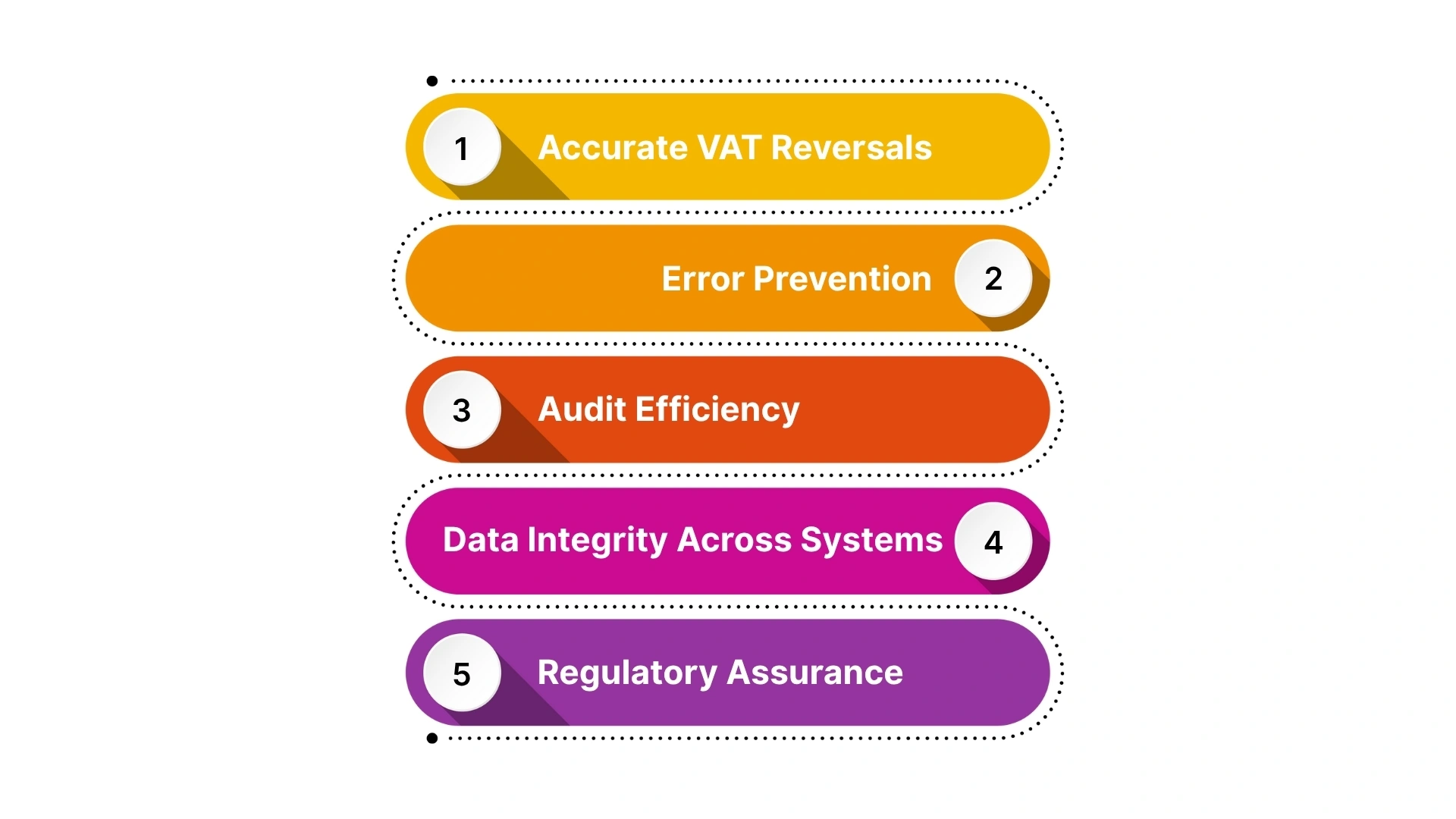
في المملكة العربية السعودية، تتجاوز الإشعارات الدائنة كونها مجرد قيود محاسبية؛ فهي مستندات رقابية أساسية تحدد مدى دقة الشركات في الإبلاغ عن ضريبة القيمة المضافة ومطابقتها. وتقوم أنظمة هيئة الزكاة والضريبة والجمارك (ZATCA) بمطابقة إقرارات ضريبة القيمة المضافة تلقائيًا مع الفواتير والإشعارات الدائنة المقدمة من كل من الموردين والمشترين.
وأي اختلاف أو مرجع مفقود أو تنسيق غير صحيح يرفع فورًا مؤشرات عدم الامتثال أثناء المراجعة.
تضمن الدقة في إدارة الإشعارات الدائنة الامتثال، لكن حتى الأخطاء البسيطة قد تؤدي إلى تداعيات مالية وتشغيلية مكلفة.
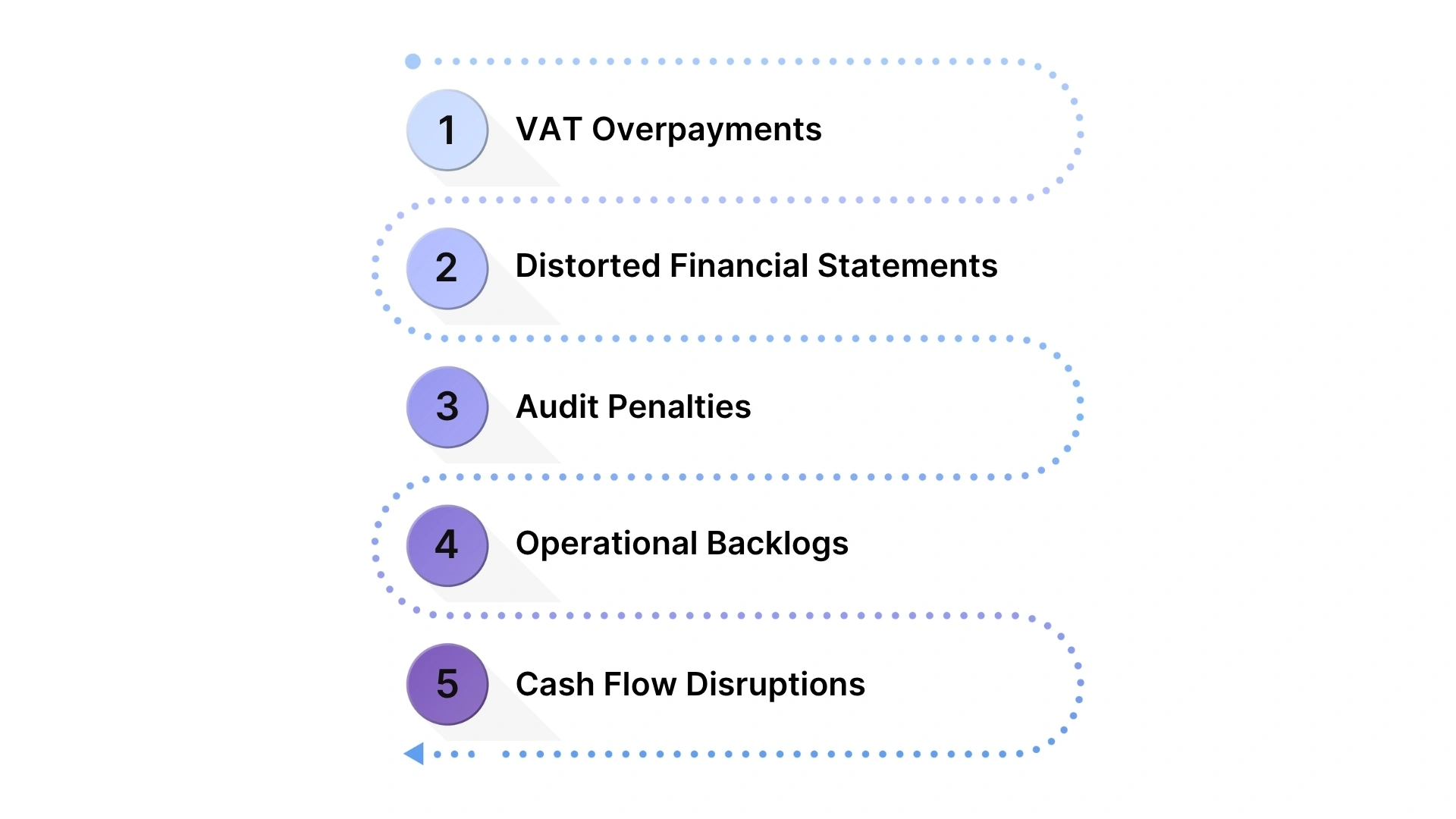
قد تبدو الإشعارات الدائنة إجراءً روتينيًا، لكن سوء التعامل معها قد يؤثر في دقة البيانات المالية والامتثال للمتطلبات التنظيمية. وفي المملكة العربية السعودية، أصبح نظام الفوترة الإلكترونية لدى هيئة الزكاة والضريبة والجمارك (ZATCA) قادرًا على اكتشاف حتى الاختلافات البسيطة بين الفواتير والإشعارات الدائنة.
وقد تؤدي الأخطاء التي لا تتم معالجتها إلى تضخيم الالتزامات الضريبية، وعدم دقة التقارير المالية، وتأخيرات تشغيلية تؤثر بشكل مباشر في الربحية والجاهزية لعمليات التدقيق.
رغم أن التعامل غير الصحيح مع الإشعارات الدائنة قد يؤدي إلى مشكلات في الامتثال ودقة البيانات المالية، فإن مستقبل إدارة الإشعارات الدائنة في المملكة العربية السعودية يتجه نحو الأتمتة والدقة في الوقت الفعلي.
يشهد مشهد الفوترة الإلكترونية والضرائب في المملكة العربية السعودية مرحلة جديدة من الأتمتة والدقة. وتركّز خارطة طريق هيئة الزكاة والضريبة والجمارك (ZATCA) على بناء منظومة مترابطة بالكامل، يتم فيها التحقق من الفواتير والإشعارات الدائنة والإشعارات المدينة في الوقت الفعلي عبر جميع المنشآت المسجلة.
ما الذي ينتظرنا؟
مع توجه الشركات السعودية نحو أنظمة مالية أكثر ذكاءً وامتثالًا، يقود HAL ERP هذا التحول من خلال الأتمتة الذكية التي تبسّط كل خطوة من خطوات إدارة الإشعارات الدائنة.
تعرّف على كيفية مساهمة HAL VAT CARE في تطوير الفوترة الإلكترونية لدى الغرفة التجارية بجدة (JCCI). حقق التطبيق عائدًا على الاستثمار بنسبة 300%، وتوافرية بنسبة 99.9%، وامتثالًا كاملًا لمتطلبات المرحلة الثانية من الفوترة الإلكترونية لدى هيئة الزكاة والضريبة والجمارك (ZATCA)، من خلال التكامل السلس مع Oracle EBS والدعم المحلي. اطّلع على دراسة الحالة
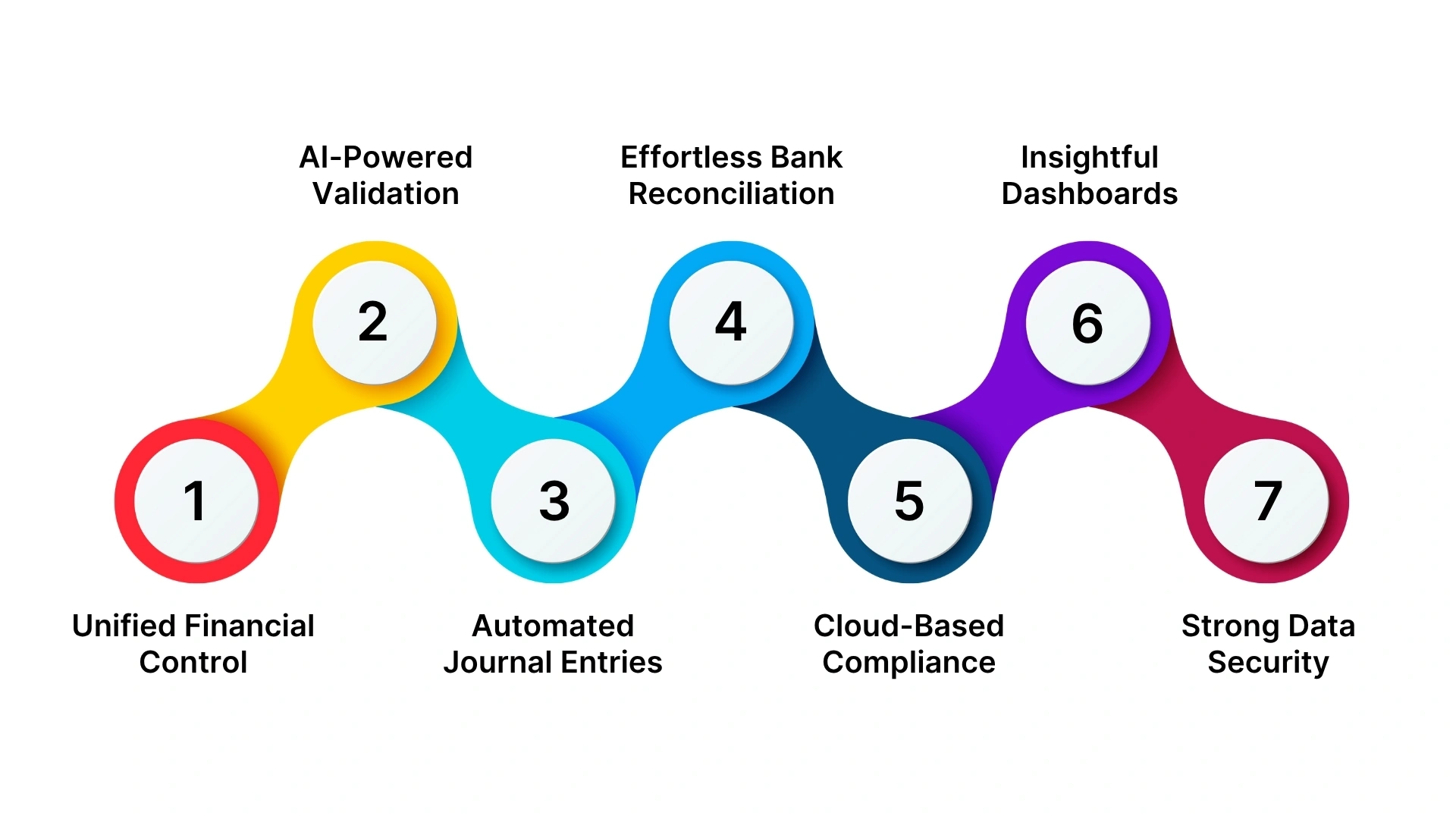
تصبح إدارة الإشعارات الدائنة معقدة غالبًا عندما تتعامل أنظمة متعددة مع الفوترة والمحاسبة والامتثال بشكل منفصل. يعمل HAL ERP على إزالة هذا التشتت من خلال توحيد الدقة المالية والأتمتة والامتثال لمتطلبات هيئة الزكاة والضريبة والجمارك (ZATCA) ضمن منصة محاسبية ذكية واحدة.
وصُمم HAL ERP للشركات السعودية، ليضمن معالجة كل إشعار دائن، بدءًا من إنشائه ووصولًا إلى إجراء تعديلات ضريبة القيمة المضافة، والتحقق منه والإبلاغ عنه في الوقت الفعلي، دون الحاجة إلى إجراءات يدوية أو التعرض لمخاطر عدم الامتثال.
أبرز المزايا:
تعاونت Finzey مع HAL ERP لبناء منصة متكاملة للتمويل الأصغر متوافقة مع الشريعة ومتعددة الأنظمة، شملت إدارة القروض وتداول الأصول وتطبيقات المستهلكين.
الأثر الاستراتيجي والعائد على الاستثمار:
أتاح HAL ERP لـ Finzey تشغيل عملياتها بكفاءة، وأتمتة التقارير، وتحقيق نمو قابل للتوسع، مما عزز مكانتها كجهة رائدة في مجال التمويل الأصغر المتوافق مع الشريعة.
بالنسبة لمعظم الشركات السعودية، تمثل الإشعارات الدائنة أكثر من مجرد أدوات لتصحيح المعاملات؛ فهي دليل على الانضباط المالي. فهي توضح مدى كفاءة الشركة في إدارة التعديلات، والحفاظ على سجلات دقيقة، والالتزام بمعايير الامتثال المتطورة. ويساعد الفهم الأعمق لمعنى الإشعار الدائن فرق المالية على الحفاظ على اتساق العمليات مع ضريبة القيمة المضافة في السعودية، بما يضمن قدرة كل معاملة على اجتياز عمليات التدقيق والمراجعة. وكل إشعار دائن دقيق وقابل للتتبع يعزز الثقة في عمليات التدقيق الداخلية والإقرارات التنظيمية.
وتتطلب إدارة هذه الدقة يدويًا وقتًا طويلًا وتكون عرضة للأخطاء. يجمع HAL بين التنظيم والسرعة والامتثال، من خلال أتمتة ربط الإشعارات الدائنة بالفواتير، واحتساب ضريبة القيمة المضافة، ومزامنتها مع التقارير.
اكتشف كيف يبسّط HAL إدارة الإشعارات الدائنة ويعزز ثقتك في جاهزية أعمالك للتدقيق. احجز عرضًا توضيحيًا اليوم.
1. كيف تؤثر الإشعارات الدائنة على تعديلات إقرارات ضريبة القيمة المضافة في السعودية؟
عند إصدار إشعار دائن، تنخفض القيمة الخاضعة للضريبة في الفاتورة الأصلية. وفي ضريبة القيمة المضافة في السعودية، يعني ذلك أنه يجب على الشركات تعديل إقرارات ضريبة القيمة المضافة للفترة الضريبية نفسها، لضمان انعكاس التخفيض بشكل صحيح في كل من سجلات المبيعات والمشتريات.
2. ما الفرق بين الإشعار الدائن وقيد العكس في المحاسبة؟
على الرغم من أن كليهما يُستخدم لتعديل المعاملات السابقة، فإن الإشعار الدائن يُعد وسيلة رسمية لإبلاغ العميل بالتصحيح ويؤثر على تقارير ضريبة القيمة المضافة. أما قيد العكس فهو تعديل محاسبي داخلي لا يؤثر على المستندات الموجهة للعميل أو على متطلبات الامتثال.
3. هل يمكن إصدار إشعار دائن بعد تقديم إقرار ضريبة القيمة المضافة في السعودية؟
نعم، ولكن يجب الإفصاح عنه ضمن إقرار ضريبة القيمة المضافة للفترة التالية. وتشترط هيئة الزكاة والضريبة والجمارك أن يشير هذا الإشعار الدائن بوضوح إلى الفاتورة الأصلية وسبب التعديل، للحفاظ على شفافية التدقيق ومنع التكرار في الإبلاغ.
4. لماذا يُعد فهم معنى الإشعار الدائن مهمًا للاستعداد للتدقيق؟
يساعد فهم معنى الإشعار الدائن فرق المالية على تحديد ما إذا كان التعديل يؤثر على الالتزام الضريبي أو الاعتراف بالإيرادات أو أرصدة العملاء. وقد يؤدي تصنيفه بشكل غير صحيح إلى أخطاء في تقارير ضريبة القيمة المضافة وتعارضات أثناء عمليات التدقيق المالي.
5. كيف تعزز الإشعارات الدائنة الرقمية الامتثال لمتطلبات ضريبة القيمة المضافة في السعودية؟
تتحقق أنظمة الفوترة الإلكترونية تلقائيًا من ارتباط الفاتورة بالإشعار الدائن، وتطبّق معدلات ضريبة القيمة المضافة الصحيحة، وتحفظ سجلات XML بالصيغة المعتمدة من هيئة الزكاة والضريبة والجمارك. ويضمن ذلك مساهمة كل إشعار دائن في إنشاء سجل امتثال شفاف وقابل للتتبع.





%2520in%25202026.png)