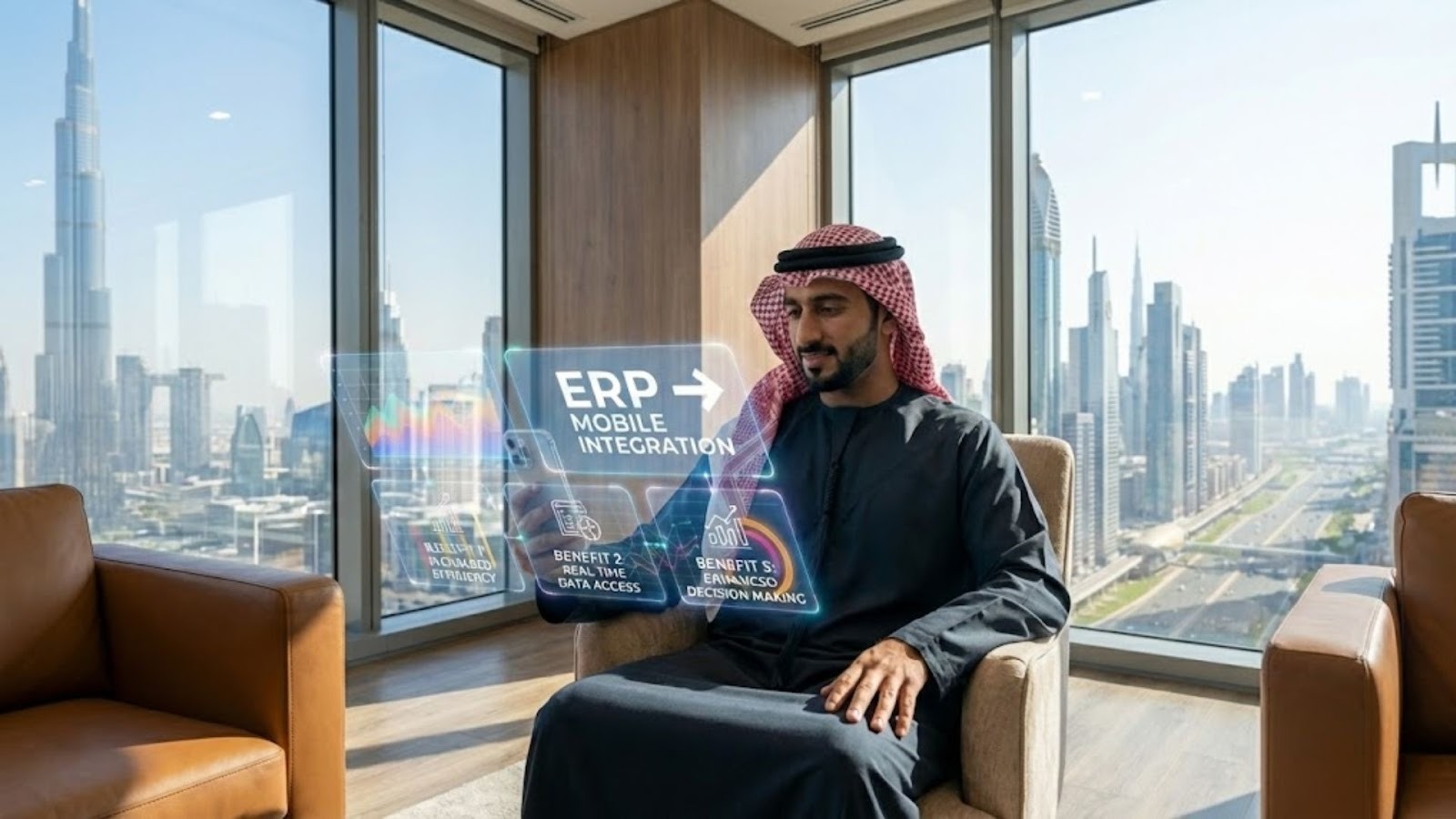
أفضل حلول ERP للاندماج مع التطبيقات المحمولة في 2025
تم النشر بواسطة
محمد أزهر
تخطيط موارد المؤسسات
Dec 24, 2025
هل يبحث عملك عن أفضل تكامل ERP مع تطبيقك المحمول؟ في عصر تُعد فيه المرونة أساسية، يعني وجود نظام ERP في متناول يدك أن فريقك يمكنه الوصول إلى الرؤى الحيوية، والاستجابة بسرعة، والعمل معًا بشكل أكثر فعالية، كل ذلك عبر التكنولوجيا المحمولة. من المتوقع أن يحافظ السوق العالمي لنظم ERP على نمو مستقر، بمعدل نمو سنوي مركب (CAGR) يبلغ 1.94٪ من 2025 إلى 2030، ومن المتوقع أن يصل متوسط الإنفاق لكل موظف في سوق برمجيات ERP إلى 6.20 دولار أمريكي في عام 2025. وهذا يؤكد على الأهمية المتزايدة لحلول ERP. في هذه المدونة، سنستعرض الفوائد الرئيسية، والميزات الأساسية، وأفضل الممارسات لتكامل نظم ERP مع التطبيقات المحمولة. وسنقوم أيضًا بسرد أفضل 5 تكاملات ERP للتطبيقات المحمولة.
ما هو تكامل ERP مع التطبيقات المحمولة؟
يشير تكامل ERP مع التطبيقات المحمولة إلى ربط نظام ERP بمنصات الهواتف الذكية أو الأجهزة اللوحية. يضمن هذا التكامل إمكانية الوصول إلى بيانات الأعمال والعمليات على الأجهزة المحمولة، مما يوفر المرونة ويعزز اتخاذ القرار.
الميزات الرئيسية لتكامل ERP مع الأجهزة المحمولة:
الوصول إلى البيانات في الوقت الفعلي: الوصول إلى البيانات المحدثة من أي مكان بناءً على المعلومات الحالية.
التوافق مع الأجهزة المحمولة: التكامل مع أجهزة iOS وAndroid وWindows يضمن التوافق.
التتبع: تتبع المخزون والمشتريات والطلبات.
مزامنة البيانات: التغييرات التي تُجرى على الأجهزة المحمولة تتم مزامنتها مع نظام ERP، مما يحافظ على اطلاع الجميع بنفس المعلومات.
يجسر تكامل ERP المحمول الفجوة بين الموظفين المتنقلين وعمليات المكتب، مما يتيح قوة عاملة أكثر اتصالًا واستجابة. كما يسمح تكامل ERP المحمول للشركات بالوصول إلى البيانات وإدارتها أثناء التنقل.
مع فهم أوضح لكيفية عمل هذا التكامل، لننتقل الآن إلى استعراض فوائد دمج التطبيقات المحمولة مع نظام ERP الخاص بك لتعزيز الكفاءة.
فوائد تكامل ERP مع التطبيقات المحمولة
يُقدّم تكامل ERP مع التطبيقات المحمولة مجموعة من الفوائد، خصوصًا فيما يتعلق بتحسين كفاءة الأعمال وسهولة الوصول. فيما يلي بعض الفوائد الرئيسية:
زيادة الإنتاجية والمرونة: الوصول عن بُعد للموظفين الميدانيين وفرق المبيعات والمديرين. يمكن للموظفين تحديث السجلات، معالجة الطلبات، وتتبع المخزون دون الحاجة إلى التواجد في المكتب.
تحسين اتخاذ القرار: يتيح الوصول إلى البيانات المحدثة لقادة الأعمال اتخاذ قرارات أسرع وأكثر استنارة. يضمن الوصول الفوري إلى الرؤى اتخاذ إجراءات سريعة بناءً على الظروف الحالية للأعمال.
سير عمل سلس: التحديثات التلقائية بين الأجهزة المحمولة ونظام ERP المركزي تقلل من العمل اليدوي وأخطاء إدخال البيانات، مما يسهل العمليات عبر الأقسام المختلفة.
توفير التكاليف: تقليل العمليات اليدوية يقلل من النفقات العامة. اتخاذ القرارات بشكل أسرع يؤدي إلى تحسين تخصيص الموارد وتقليل تكاليف التشغيل.
من خلال دمج ERP مع التطبيقات المحمولة، يمكن للشركات تحسين سير العمل، والوصول إلى البيانات، وزيادة الإنتاجية. بعد أن أصبحنا نعرف الميزات التي يجب البحث عنها والفوائد التي تقدمها، لنلقِ نظرة على بعض أفضل أنظمة ERP التي تتميز بإمكانيات التكامل مع الأجهزة المحمولة.
أفضل 5 أنظمة ERP بقدرات تكامل مع التطبيقات المحمولة
يسلط هذا القسم الضوء على أفضل أنظمة ERP التي توفر تكاملًا سلسًا مع التطبيقات المحمولة، مما يمكّن الشركات من إدارة عملياتها بكفاءة من أي مكان.
1. HAL ERP
يبرز نظام HAL ERP كأفضل حل للتكامل مع التطبيقات المحمولة، حيث يوفّر وصولاً سلسًا إلى البيانات، ويحسّن الكفاءة، ويعزّز الأمان. بفضل قدراته على التكامل مع الأجهزة المحمولة، يمكن للشركات ضمان المزامنة، والعمل في وضع عدم الاتصال، وتوفير تجربة آمنة لجميع المستخدمين.
الميزات الرئيسية لنظام HAL ERP للتكامل مع الأجهزة المحمولة:
المزامنة الفورية عبر الأجهزة: يتم تحديث البيانات بشكل مستمر بين الأجهزة المحمولة ونظام ERP المركزي، مما يضمن أن فريقك يعمل دائمًا بأحدث المعلومات.
دعم متعدد المنصات: يدعم التطبيقات المحمولة على كل من iOS وAndroid، مما يوفر مرونة ويضمن أن جميع الموظفين يمكنهم الوصول إلى النظام.
واجهة مستخدم قابلة للتخصيص: تتيح للشركات تخصيص واجهة الأجهزة المحمولة لتلبية المتطلبات الخاصة بالأعمال، مما يوفر تجربة مخصصة للمستخدمين.
وضع عدم الاتصال: يدعم العمل في وضع عدم الاتصال، مما يضمن أن الموظفين الميدانيين يمكنهم الوصول إلى البيانات وتحديثها حتى عند عدم الاتصال بالإنترنت.
أمان قوي: يوفر إجراءات أمان متعددة لحماية البيانات الحساسة، بما في ذلك التشفير من طرف إلى طرف، والتحكم بالوصول حسب الدور، والمصادقة متعددة العوامل.
التكامل مع المبيعات والمخزون والمالية: يمكن للشركات دمج تطبيقاتها المحمولة بشكل متناسق مع وحدات إدارة المبيعات والمخزون والمالية، لضمان سير عمل سلس عبر جميع الأقسام.
يضمن تكامل HAL ERP مع التطبيقات المحمولة أن الموظفين، بغض النظر عن موقعهم، يمكنهم الوصول إلى أحدث البيانات واتخاذ القرارات بسرعة ودقة. يعد هذا الحل الشامل مثاليًا للشركات التي تسعى لتعزيز التنقل وتبسيط العمليات. اكتشف كيف قامت الشركات بتنفيذ HAL ERP بنجاح لتحسين عملياتها من خلال هذه القصص الناجحة.
يقدّم Acumatica Cloud ERP مجموعة واسعة من التطبيقات التي تلبي احتياجات مختلف الصناعات، بما في ذلك المحاسبة، والمبيعات، والتصنيع، وإدارة المشاريع. تُعرف هذه المنصة بمرونتها، وقابليتها للتوسع، وسهولة تكاملها، خصوصًا للشركات التي تحتاج إلى الوصول إلى مجموعة واسعة من الوحدات.
الميزات الرئيسية لـ Acumatica Cloud ERP للتكامل مع الأجهزة المحمولة:
دعم متعدد المنصات: يدعم Acumatica التطبيقات المحمولة على كل من iOS وAndroid، مما يوفر مرونة للمستخدمين على جميع الأجهزة.
الوصول إلى البيانات في الوقت الفعلي: إمكانية الوصول إلى البيانات المحدثة من أي مكان، لضمان أن قادة الأعمال والموظفين الميدانيين يتخذون قرارات مستنيرة.
وصول غير محدود للمستخدمين: لا يفرض Acumatica رسومًا لكل مستخدم، مما يجعله حلًا اقتصاديًا للشركات النامية التي تحتاج إلى وصول واسع للنظام.
تكامل قابل للتخصيص: يسهّل التكامل مع مختلف تطبيقات الأعمال من خلال واجهات API المفتوحة، بما في ذلك حلول IoT والذكاء الاصطناعي، لخلق سير عمل تجاري سلس.
الاتصال العالمي: يدعم الترجمات متعددة اللغات، وإدارة العملات المتعددة، والمحاسبة الدولية للشركات التي تعمل على نطاق عالمي.
الأمان والامتثال: ميزات أمان من مستوى المؤسسات مدمجة، بما في ذلك واجهات SOAP وREST API، لضمان اتصال آمن بين المستخدمين والشركاء والتكاملات الخارجية الأخرى.
يقدّم Acumatica للشركات حلاً قويًا لنظام ERP مع إمكانيات الأجهزة المحمولة، مما يضمن بقاء الموظفين والشركاء الخارجيين متصلين وفعالين بغض النظر عن موقعهم. يعد Acumatica Cloud ERP مثاليًا للشركات التي تبحث عن نظام ERP محمول يمكنه التوسع والتكيف مع احتياجات الأعمال المتغيرة.
3. Apparel ERP Full Circle
يعد Aptean Apparel ERP Full Circle حلاً لنظام ERP مصمم خصيصًا لصناعات الملابس، والأحذية، والإكسسوارات. يقوم بتحسين العمليات عبر سلسلة التوريد، ويدعم أوضاع التصنيع الرئيسية مثل الإنتاج حسب الطلب، والإنتاج حسب المخزون، والإنتاج الدفعي. يساعد هذا النظام الشركات على التكيف مع احتياجات الإنتاج المختلفة مع تعزيز إدارة الإنتاج، والتحكم في المخزون، وإعداد التقارير المالية.
الميزات الرئيسية لـ Aptean Apparel ERP Full Circle للتكامل مع الأجهزة المحمولة:
التوافق عبر الأجهزة: يتيح الإصدار Full Circle الوصول من أجهزة متعددة، مما يضمن إمكانية إدارة العمليات في أي وقت ومن أي مكان.
مزامنة البيانات: يتيح المزامنة المحدثة لضمان دقة بيانات المخزون والمبيعات والمشتريات، مما يمكّن مديري الأعمال من اتخاذ قرارات في الوقت المناسب.
تتبع المخزون والطلبات: من خلال الوصول عبر الأجهزة المحمولة، يمكن للموظفين تتبع مستويات المخزون، جداول الإنتاج، وحالة الطلبات مباشرة من أجهزتهم.
واجهة مستخدم سهلة الاستخدام: التصميم البديهي لنظام Aptean يضمن سهولة التبني، مما يسمح لأعضاء الفريق بإدارة النظام وتحسين الكفاءة التشغيلية بسرعة.
إدارة مالية أثناء التنقل: يمكن للمستخدمين الوصول إلى الحسابات الدائنة والمدينة والتقارير المالية عن بُعد، مما يعزز سرعة ودقة الإدارة المالية.
تكامل سلسلة التوريد: مع أدوات سلسلة التوريد المدمجة، يمكن للمستخدمين مراقبة أداء الموردين، والمخزون، وجداول الإنتاج، مما يعزز رؤية العمليات من البداية إلى النهاية.
تم تصميم Aptean Apparel ERP Full Circle لتبسيط العمليات في صناعة الملابس، مع تقديم تكامل سلس مع الأجهزة المحمولة لتعزيز الإنتاجية.
4. BatchMaster ERP B1
يعد BatchMaster ERP B1 حلاً شاملاً مصممًا خصيصًا للمصنّعين القائمين على الصيغ، مما يساعدهم على تبسيط عمليات الإنتاج، وخفض التكاليف، والامتثال للوائح الصناعة. متكامل مع SAP Business One، وهو مصمم لصناعات مثل الغذاء، والمشروبات، والكيماويات، والعناية الشخصية، وعلوم الحياة، والمكملات الغذائية. يساعد هذا النظام الشركات في إدارة كل شيء من تطوير المنتجات والإنتاج الدفعي إلى المخزون والمبيعات والتوزيع، مع تقديم قدرات الأجهزة المحمولة لضمان عمليات فعّالة.
الميزات الرئيسية لـ BatchMaster ERP B1 للتكامل مع الأجهزة المحمولة:
الوصول المحمول إلى بيانات المخزون والإنتاج: يتيح BatchMaster ERP B1 للمستخدمين الوصول إلى مستويات المخزون، وجداول الإنتاج، ومعلومات الدفعات مباشرة من الأجهزة المحمولة، مما يضمن اتخاذ قرارات مستنيرة.
تطوير المنتجات أثناء التنقل: تمكّن القدرات المحمولة مطوري المنتجات من تعديل الصيغ أثناء الإنتاج، مما يتيح استجابة أسرع للتغييرات في طلبات العملاء والمواصفات.
تتبع المبيعات والطلبات: يمكن لفرق المبيعات تتبع حالة الطلبات والتكاليف والربحية من أي مكان، مما يسهل خدمة العملاء ويحسن التفاعل معهم.
إدارة الجودة المتكاملة: تتوفر بيانات مراقبة الجودة، بما في ذلك فحوصات الموردين واختبارات الصيغ، على الأجهزة المحمولة لضمان الامتثال للمعايير.
مراقبة الإنتاج الدفعي: يسمح النظام للموظفين المتنقلين بمراقبة عملية الإنتاج الدفعي، لضمان إنشاء عدد مناسب من دفعات الإنتاج وتلبية الطلبات.
الامتثال للبيانات: يمكن الوصول إلى تقارير الامتثال، بما في ذلك تتبع الدفعات والوثائق الرقابية، عبر الأجهزة المحمولة، لمساعدة الشركات على الالتزام بالمتطلبات التنظيمية.
إدارة المستودعات: يمكن لموظفي المستودعات استخدام الأجهزة المحمولة لتتبع حركة المخزون، وإدارة المواد الخام، والتعامل مع أنشطة الشحن، مما يعزز الكفاءة التشغيلية.
يعد BatchMaster ERP B1 مثاليًا للشركات في مجال التصنيع المعالج، حيث يوفّر الوصول المحمول لتحسين كفاءة العمليات واتخاذ قرارات أفضل.
5. Cetec ERP
يوفّر Cetec ERP منصة قائمة على السحابة وذات واجهة ويب أصلية، تقوم بتكامل الوظائف الأساسية للأعمال، بما في ذلك التصنيع، والمبيعات، والمخزون، والشؤون المالية. كما يتميز بواجهة سهلة الاستخدام ومزامنة سلسة، مما يجعله خيارًا قويًا للشركات التي تبحث عن تكامل ERP مع الأجهزة المحمولة.
الميزات الرئيسية لـ Cetec ERP للتكامل مع الأجهزة المحمولة:
الوصول القائم على السحابة: يعمل Cetec ERP بالكامل عبر الويب، مما يجعله متاحًا على أي جهاز ومن أي مكان، وهو مثالي للشركات التي تحتاج إلى الوصول إلى نظام ERP أثناء التنقل.
إدارة المخازن المحمولة: تمكّن المنصة الفرق من إدارة المخزون وتوزيع المواد باستخدام ماسحات الباركود والأجهزة المحمولة، وهو أمر أساسي لكفاءة عمليات التخزين والشحن.
مزامنة البيانات: البيانات المدخلة عبر الأجهزة المحمولة تتم مزامنتها فورًا مع النظام المركزي، مما يضمن أن يكون لدى الموظفين دائمًا أحدث المعلومات.
إدارة أرضية الإنتاج عبر الأجهزة المحمولة: يتيح Cetec ERP للموظفين تتبع أنشطة أرضية الإنتاج مباشرة من الأجهزة المحمولة، بما في ذلك تتبع العمالة والتكاليف العامة، وجمع البيانات المحمولة، والموجهات الإلكترونية، لضمان سير العمليات بسلاسة.
ميزات متكاملة عبر الأقسام: يدمج Cetec ERP كل شيء من المبيعات والتصنيع إلى المحاسبة، مما يمنح المستخدمين عبر الأجهزة المحمولة الوصول إلى مختلف عمليات الأعمال ضمن نظام موحد.
فعّال من حيث التكلفة: منصة Cetec ERP المستندة إلى الويب توفر التكاليف دون رسوم ترخيص خلفية. كما يضمن نموذج التسعير المرن للشركات التوفير في البنية التحتية لتكنولوجيا المعلومات وإمكانية التوسع دون تكاليف إضافية كبيرة.
تجعل قدرات Cetec ERP على الأجهزة المحمولة منه خيارًا قويًا للشركات التي تبحث عن نظام ERP متكامل مع وصول محمول متين، مما يعزز كفاءة العمليات ومرونتها.
الآن، مع هذه القائمة، حان الوقت للتركيز على استراتيجيات التنفيذ التي تساعد على نجاح تكامل ERP مع الأجهزة المحمولة.
استراتيجيات تنفيذ تكامل ERP مع الأجهزة المحمولة
لتنفيذ تكامل ERP مع الأجهزة المحمولة بنجاح، يجب على الشركات اتباع خطوات استراتيجية لضمان انتقال سلس وتحقيق أقصى استفادة من النظام. فيما يلي بعض استراتيجيات التنفيذ الموصى بها:
تقييم متطلبات النظام: تقييم احتياجات الأجهزة والبرامج قبل دمج ERP مع التطبيقات المحمولة. كما يجب فحص البنية التحتية لتكنولوجيا المعلومات الحالية لضمان التوافق مع تطبيقات ERP المحمولة.
النشر المرحلي: تنفيذ ERP المحمول على مراحل، بدءًا بقسم واحد أو فريق واحد قبل التوسع إلى الأقسام الأخرى. يضمن هذا طرحًا مضبوطًا ويقلل من مخاطر الاضطراب في العمليات.
التدريب والدعم: توفير تدريب شامل للموظفين على استخدام تطبيقات ERP المحمولة، مع تقديم دعم مستمر لحل المشكلات والإرشاد عند الحاجة.
المراقبة المستمرة والتحديثات: تقييم أداء تكامل ERP المحمول بانتظام ومعالجة أي مشكلات فور ظهورها. كما يجب تنفيذ التحديثات والتصحيحات للحفاظ على أمان وكفاءة النظام.
اقرأ أيضًا: 5 استراتيجيات مثبتة لتنفيذ ERP لضمان النجاح
يتطلب تنفيذ ERP المحمول تخطيطًا دقيقًا وتنفيذًا منهجيًا. مع وجود استراتيجية قوية، يمكن للشركات التركيز بعد ذلك على الحفاظ على الأمان والامتثال لحماية البيانات الحساسة والالتزام باللوائح الصناعية.
الأمان والامتثال في تكامل ERP مع الأجهزة المحمولة
نظرًا لأن الأجهزة المحمولة قد تكون عرضة للتهديدات السيبرانية، فإن ضمان أمان وامتثال نظام ERP المحمول الخاص بك أمر بالغ الأهمية.
اعتبارات الأمان:
تشفير البيانات: حماية البيانات الحساسة من خلال ضمان التشفير من طرف إلى طرف لجميع المعاملات عبر الأجهزة المحمولة. مصادقة المستخدم: تنفيذ المصادقة متعددة العوامل لحماية الوصول إلى النظام.
إدارة الأجهزة المحمولة (MDM): استخدام حلول MDM لفرض سياسات الأمان على جميع الأجهزة المحمولة.
متطلبات الامتثال:
ضمان أن تكامل ERP المحمول الخاص بك يلتزم باللوائح الصناعية ذات الصلة مثل SDAIA وGDPR وSAMA وغيرها.
مراجعة النظام وتحديثه بشكل دوري لضمان الامتثال للقوانين المتغيرة.
نظرًا لأن أنظمة ERP المحمولة تحتوي على بيانات حساسة وهامة، فإن ضمان الأمان والامتثال أمر لا يمكن التهاون فيه. مع تطبيق هذه الإجراءات، حان الوقت لمناقشة كيفية قياس العائد على الاستثمار (ROI) لتكامل ERP المحمول وتحديد ما إذا كان يحقق العوائد المتوقعة.
مع تثبيت الأمان والامتثال بشكل صارم، يمكن للشركات الآن الاستفادة الكاملة من مزايا تكامل ERP المحمول.
الخلاصة
يوفر تكامل ERP مع التطبيقات المحمولة للشركات مزايا هائلة، بما في ذلك زيادة المرونة، والوصول المحدث إلى البيانات، وتبسيط سير العمل. من خلال تنفيذ تكامل ERP المحمول، يمكن للشركات ضمان سير العمليات بسلاسة، وتقليل التأخيرات، وتمكين الموظفين من اتخاذ القرارات في الوقت المناسب.
يتيح نظام ERP المحمول القوي الوصول السلس إلى البيانات المتزامنة، ويعزز الكفاءة، ويقوي الأمان، وهذا بالضبط ما يقدمه HAL ERP. مع ميزاته القوية مثل المزامنة الفورية للبيانات، والوصول في وضع عدم الاتصال، والأمان المتين، يضمن HAL ERP بقاء الشركات متصلة ومنتجة بغض النظر عن مكان تواجد موظفيها.
بالنسبة للشركات التي تتطلع إلى تحويل نظام ERP الخاص بها إلى نظام محمول، يُقدّم HAL ERP الحل الأمثل.
محمد أزهر هو متخصص متمرس في مجال تكنولوجيا المعلومات، يتمتع بخبرة تزيد عن 14 عامًا في قطاع التكنولوجيا بالمملكة العربية السعودية، مع تخصص في تنفيذ أنظمة تخطيط موارد المؤسسات (ERP)، وتحول الأعمال، والابتكار الرقمي. وتمتد خبرته المهنية إلى أدوار قيادية في شركة ديلويت ومؤسسات سعودية، مما يجعله مهندسًا موثوقًا للحلول القابلة للتوسع لأكثر المبادرات الرقمية طموحًا في المملكة.