%25201.webp)

تعمل المؤسسات التعليمية اليوم في بيئة تزداد تعقيدًا باستمرار. إن تزايد أعداد الطلاب، وتوسع البرامج الأكاديمية، وتعدد الفروع الجامعية، وارتفاع توقعات أولياء الأمور والجهات التنظيمية جعلت العمليات اليدوية والأنظمة غير المترابطة صعبة الاستمرار. وينعكس هذا التحول على المستوى العالمي؛ إذ بلغ حجم سوق أنظمة تخطيط موارد المؤسسات التعليمية 24.24 مليار دولار أمريكي في عام 2025، ومن المتوقع أن ينمو ليصل إلى 46.58 مليار دولار أمريكي بحلول عام 2030، بمعدل نمو سنوي مركب قدره 13.96%. تستثمر المؤسسات في أنظمة تدعم التوسع، وتعزز الرؤية الشاملة، وتوفر التحكم التشغيلي. ومع ذلك، لا تزال العديد من المدارس والجامعات تعتمد على جداول البيانات أو أدوات منفصلة لإدارة القبول، والرسوم، والشؤون الأكاديمية، والإدارة. وغالبًا ما تفشل هذه الأنظمة مع ازدياد التعقيد. تعالج برمجيات تخطيط موارد المؤسسات التعليمية هذا التحدي من خلال توحيد العمليات الأكاديمية والإدارية والمالية في منصة واحدة. في هذا الدليل، نستعرض ماهية برمجيات تخطيط موارد المؤسسات التعليمية، وأهم الميزات التي يجب البحث عنها، وكيف يمكن للمؤسسات اختيار الحل المناسب لتحقيق نمو طويل الأمد.
تبدأ العديد من المدارس باستخدام أدوات أساسية لإدارة القبول والرسوم والشؤون الأكاديمية والإدارة. قد تنجح هذه الأنظمة عندما تكون أعداد الطلاب قليلة، ولكن مع نمو المؤسسات تصبح قيودها واضحة.
تعتمد عمليات القبول غالبًا على جداول البيانات والبريد الإلكتروني والنماذج الورقية. ويتم التعامل مع هياكل الرسوم والخصومات وتتبع المدفوعات بشكل منفصل، مما يزيد من مخاطر الأخطاء، وتفويت المتابعات، وتأخر التحصيل. ومع ارتفاع أعداد المقبولين، تؤدي العمليات اليدوية إلى إبطاء إجراءات التسجيل وخلق اختناقات إدارية.
غالبًا ما يتم تخزين سجلات الطلاب ومعلومات الموظفين والرواتب والبيانات المالية في أنظمة مختلفة. يؤدي هذا الافتقار إلى التكامل إلى صعوبة الحصول على رؤية شاملة للعمليات. تصبح المهام البسيطة، مثل مطابقة الرسوم مع التسجيل أو ربط تكاليف الموظفين بتوزيع الحصص، مستهلكة للوقت ومعرضة للأخطاء.
من دون لوحات معلومات موحدة، تفتقر إدارة المدرسة إلى رؤى فورية حول اتجاهات التسجيل، وتحصيل الرسوم، ومستويات التوظيف، والأداء التشغيلي. وغالبًا ما تستند القرارات إلى تقارير متأخرة بدلًا من بيانات حالية، مما يحد من القدرة على التخطيط والاستجابة بشكل استباقي.
مع توسع المؤسسات، تزداد متطلبات التقارير التنظيمية والداخلية. تواجه الأنظمة اليدوية صعوبة في دعم عمليات التدقيق الدقيقة، والموافقات المنظمة، وإعداد التقارير في الوقت المناسب. ويخلق ذلك مخاطر، خاصة للمدارس متعددة الفروع التي تدير كميات كبيرة من بيانات الطلاب والبيانات المالية.
عند هذا المستوى من التوسع، لا تكون هذه التحديات مجرد فجوات تشغيلية، بل مشكلات هيكلية. وتعالج برمجيات تخطيط موارد المؤسسات التعليمية هذه التحديات من خلال جمع سير العمل الأكاديمي والإداري والمالي في نظام واحد متكامل.
برمجيات تخطيط موارد المؤسسات التعليمية هي نظام مركزي يساعد المدارس على إدارة الشؤون الأكاديمية والإدارية والتشغيلية ضمن منصة واحدة. وبدلًا من استخدام أدوات منفصلة للقبول والرسوم والموارد البشرية والشؤون الأكاديمية والتقارير، تجمع أنظمة ERP التعليمية جميع العمليات الأساسية للمدرسة في سير عمل منظم واحد.
في جوهرها، تربط برمجيات ERP التعليمية معلومات الطلاب وبيانات الموظفين والشؤون المالية والعمليات اليومية، بحيث تتدفق المعلومات بسلاسة بين الأقسام. فعند تسجيل طالب، تتم مواءمة سجلات الرسوم وتوزيع الصفوف والحضور والتقارير تلقائيًا، مما يقلل من العمل اليدوي والتكرار.
وعلى عكس أنظمة إدارة المدارس الأساسية التي تركز فقط على الجانب الأكاديمي، تدعم برمجيات ERP التعليمية دورة التشغيل الكاملة للمؤسسة. ويشمل ذلك القبول، وإدارة الرسوم، والرواتب، والمشتريات، وتقارير الامتثال، ولوحات معلومات القيادات. ومع ازدياد حجم المدارس أو إضافة فروع جديدة، توفر أنظمة ERP الهيكل اللازم للتوسع دون فقدان السيطرة أو الرؤية.
والآن بعد أن أصبح المفهوم واضحًا، دعونا نلقي نظرة على الميزات الأساسية التي يجب أن تتوقعها المدارس من نظام ERP تعليمي.
اقرأ أيضًا: المشكلات الشائعة في المدارس وحلولها
%201.webp)
تم تصميم برمجيات تخطيط موارد المؤسسات التعليمية الفعّالة لدعم كل من العملية الأكاديمية والكفاءة الإدارية. وبينما قد يختلف عمق الميزات حسب المنصة، تشكل القدرات التالية أساس نظام موثوق:
تتيح هذه الميزات للمدارس الابتعاد عن الأنظمة المبعثرة وإدارة العمليات اليومية بمزيد من الاتساق، والسيطرة، وقابلية التوسع.
مع تزايد اعتماد برمجيات تخطيط موارد المؤسسات التعليمية، تواجه المدارس والمؤسسات مجموعة واسعة من المنصات، صُممت كل منها لمستويات مختلفة من التعقيد والحجم. يركز بعض هذه الأنظمة على إدارة الأكاديميات الأساسية، بينما توفر أخرى قدرات ERP أوسع تدعم المالية، والموارد البشرية، والعمليات إلى جانب الشؤون الأكاديمية.
فيما يلي قائمة مختارة من منصات برمجيات ERP التعليمية مع أبرز ميزاتها.
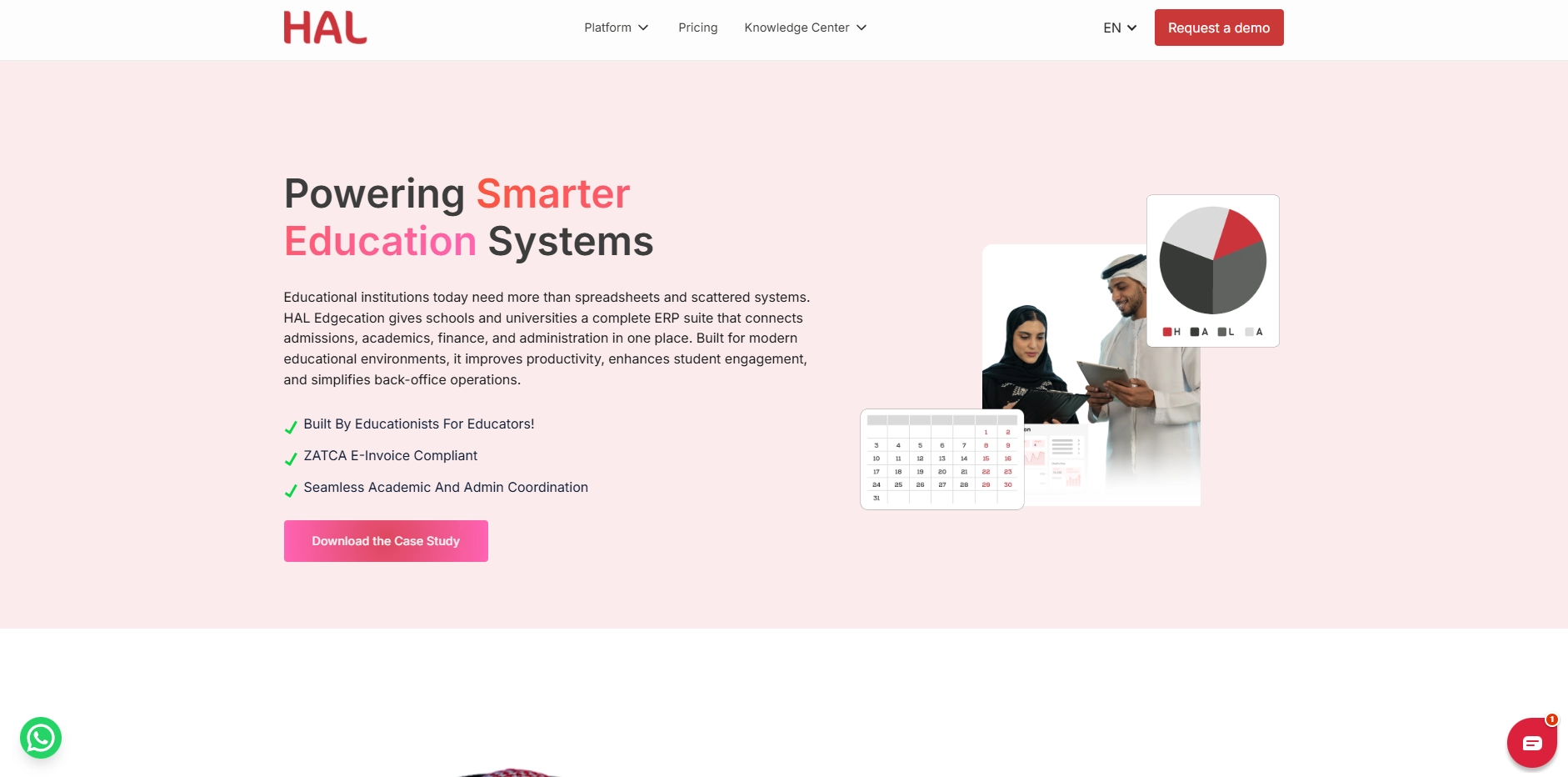
HAL Edgecation هو نظام ERP تعليمي يركز على مساعدة المدارس والجامعات في إدارة الشؤون الأكاديمية والإدارية والمالية ضمن نظام موحد واحد. تم تصميمه بواسطة متخصصين في التعليم لمساعدة المعلمين، حيث يستبدل الأدوات المبعثرة بسير عمل منظم يُحسن الكفاءة التشغيلية، ويزيد الرؤية، ويعزز التنسيق بين الأقسام. تم تصميم المنصة للبيئات التعليمية الحديثة، ويمكنها التوسع بسهولة مع نمو المؤسسات.
الميزات الرئيسية:
المثالي لـ: المدارس والجامعات المتوسطة والنامية، والمؤسسات التعليمية متعددة الفروع في المملكة العربية السعودية التي تحتاج إلى نظام ERP واحد لإدارة الأكاديميات، والإدارة، والشؤون المالية، والامتثال، دون الاعتماد على أدوات إدارة مدارس منفصلة.
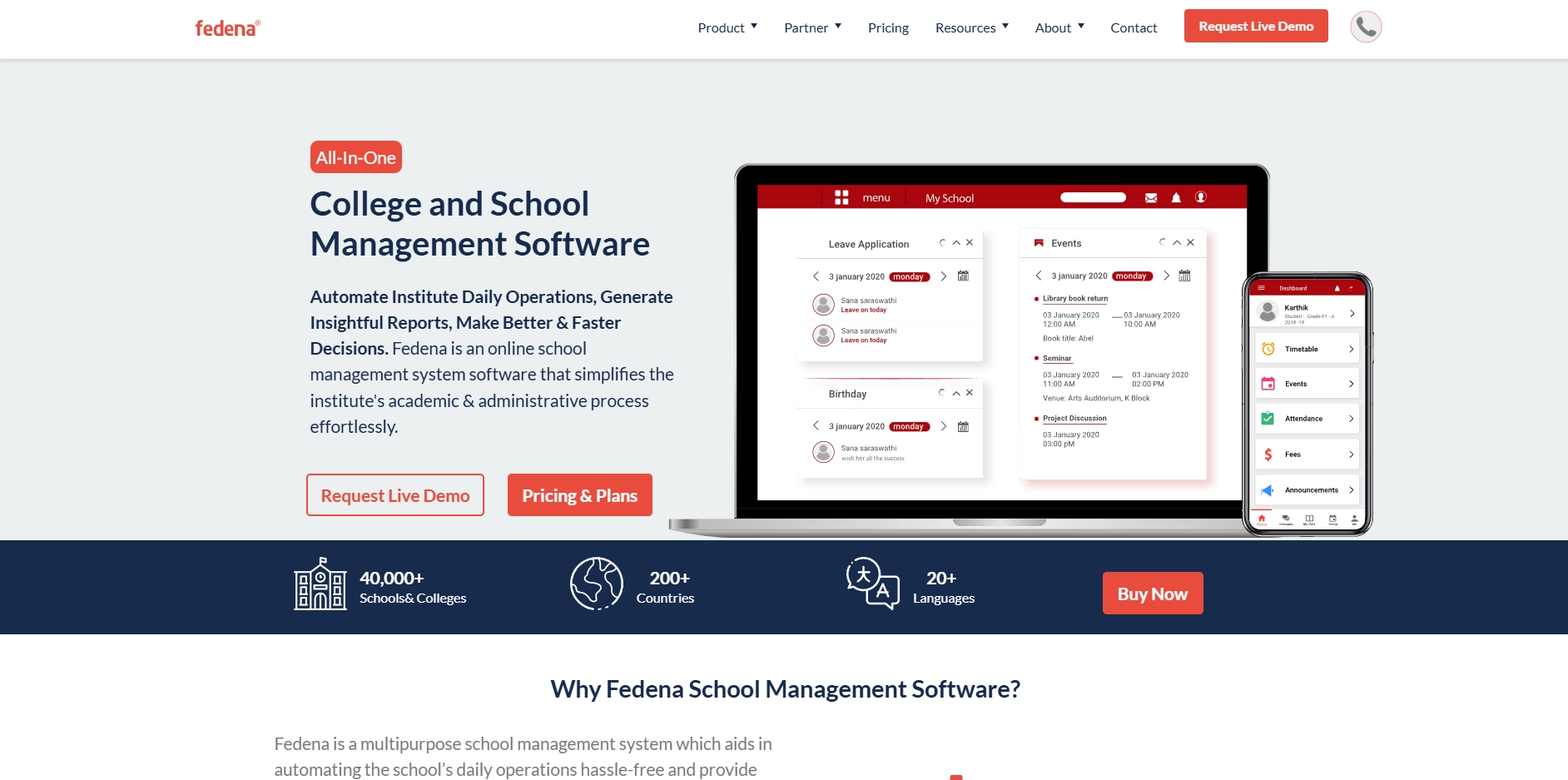
فيدينا هو نظام ERP سحابي للمدارس يساعد المؤسسات التعليمية على إدارة العمليات الأكاديمية والإدارية من خلال منصة واحدة، مع تركيز قوي على سجلات الطلاب، والحضور، وإدارة الرسوم.
الميزات الرئيسية:
المثالي لـ: المدارس والمعاهد التدريبية الصغيرة إلى المتوسطة التي تبحث عن نظام ERP سحابي بسيط يركز على الاحتياجات الأكاديمية والإدارية الأساسية.
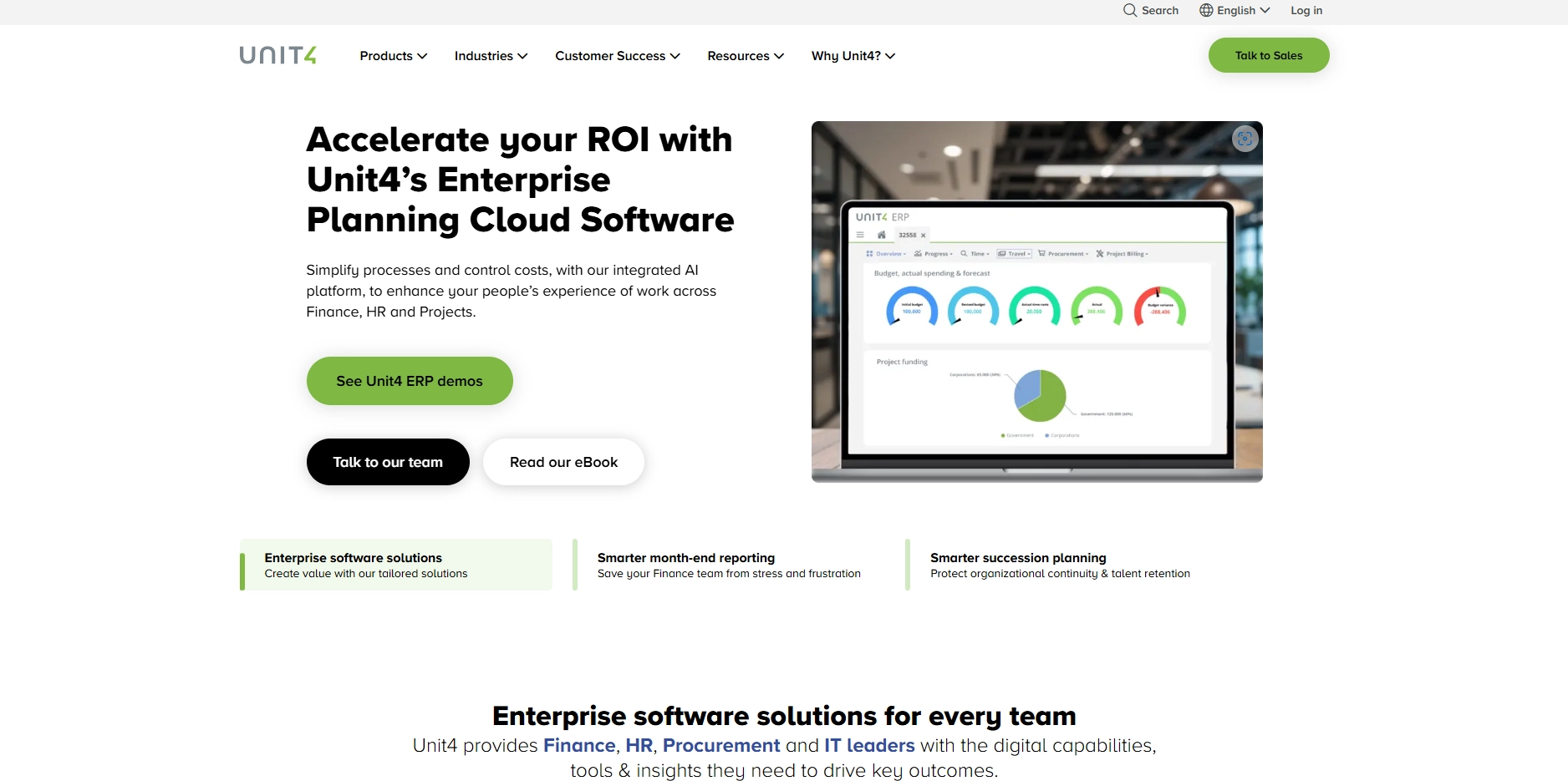
Unit4 هو نظام ERP سحابي مصمم أساسًا للمؤسسات التعليمية العليا، يجمع بين إدارة الطلاب، والشؤون المالية، وسير العمل التشغيلي في نظام موحد.
الميزات الرئيسية:
المثالي لـ: الجامعات والمؤسسات التعليمية العليا الكبيرة التي تحتاج إلى نظام ERP سحابي لإدارة الهياكل الأكاديمية والمالية والتشغيلية المعقدة على نطاق واسع.
يعد Focus Softnet Education ERP منصة مرنة صُممت لمساعدة المدارس والكليات والجامعات على أتمتة العمليات الأكاديمية والإدارية في نظام واحد. يدعم العمليات الأساسية من خلال إدارة البيانات المتكاملة لتحسين الإنتاجية واتخاذ القرارات.
الميزات الرئيسية:
المثالي لـ: المدارس والكليات والجامعات متوسطة الحجم التي تبحث عن نظام ERP قابل للتخصيص وجاهز للسحابة يجمع بين العمليات الأكاديمية والإدارية والمالية.
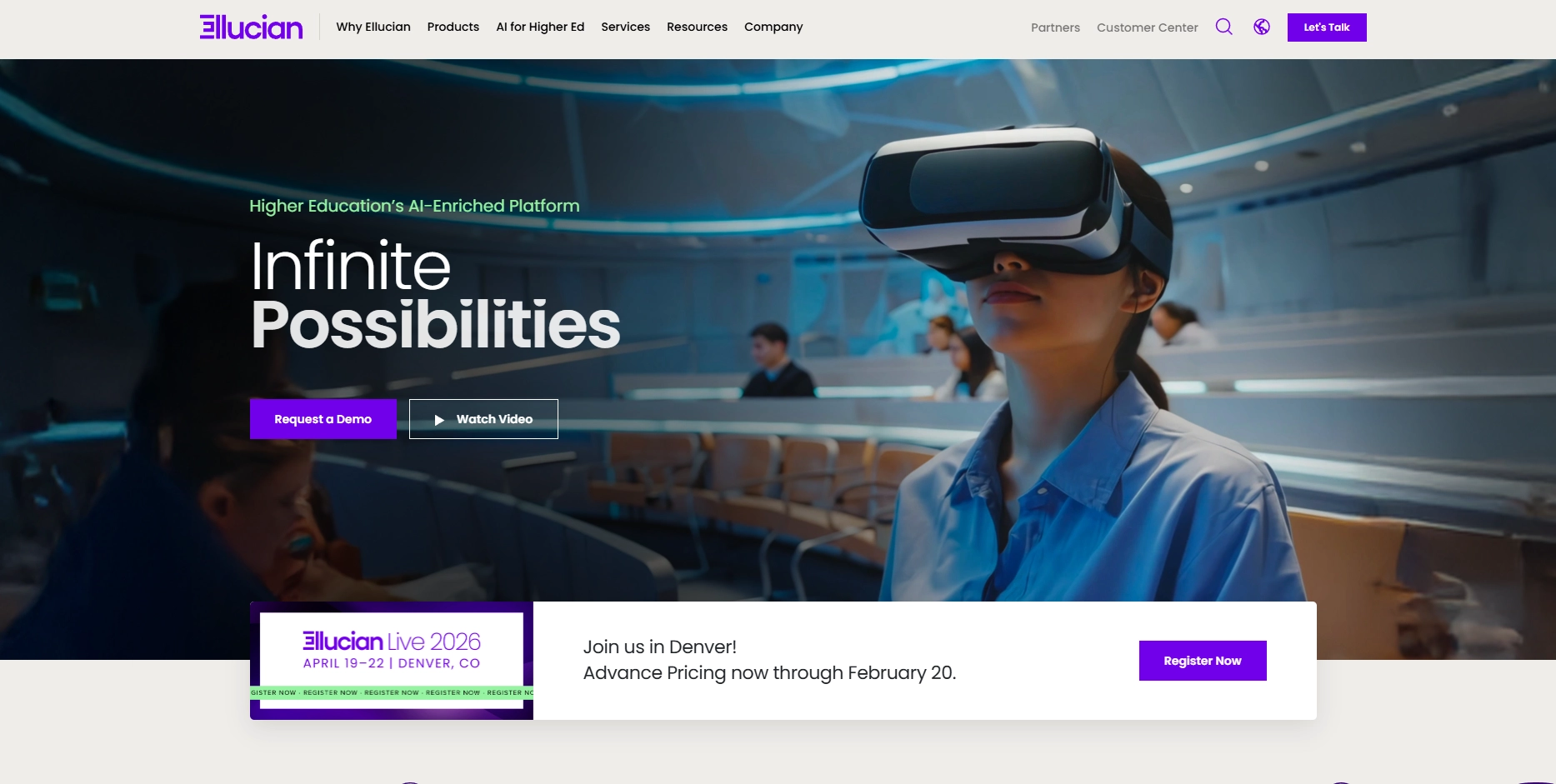
إلوسيون (Ellucian) هو مزود رائد لأنظمة ERP التعليمية يركز على التعليم العالي، ويقدم حلولًا جاهزة للسحابة تدمج معلومات الطلاب، والمالية، والموارد البشرية، وسير العمل التشغيلي. تدعم منصته المؤسسات من مرحلة القبول وحتى التخرج مع التحليلات والأتمتة المدمجة.
الميزات الرئيسية:
المثالي لـ: الجامعات الكبرى والمؤسسات التعليمية العليا التي تحتاج إلى نظام ERP قوي وقابل للتوسع مع قدرات متقدمة على مستوى الطلاب، والإدارة، والمالية.
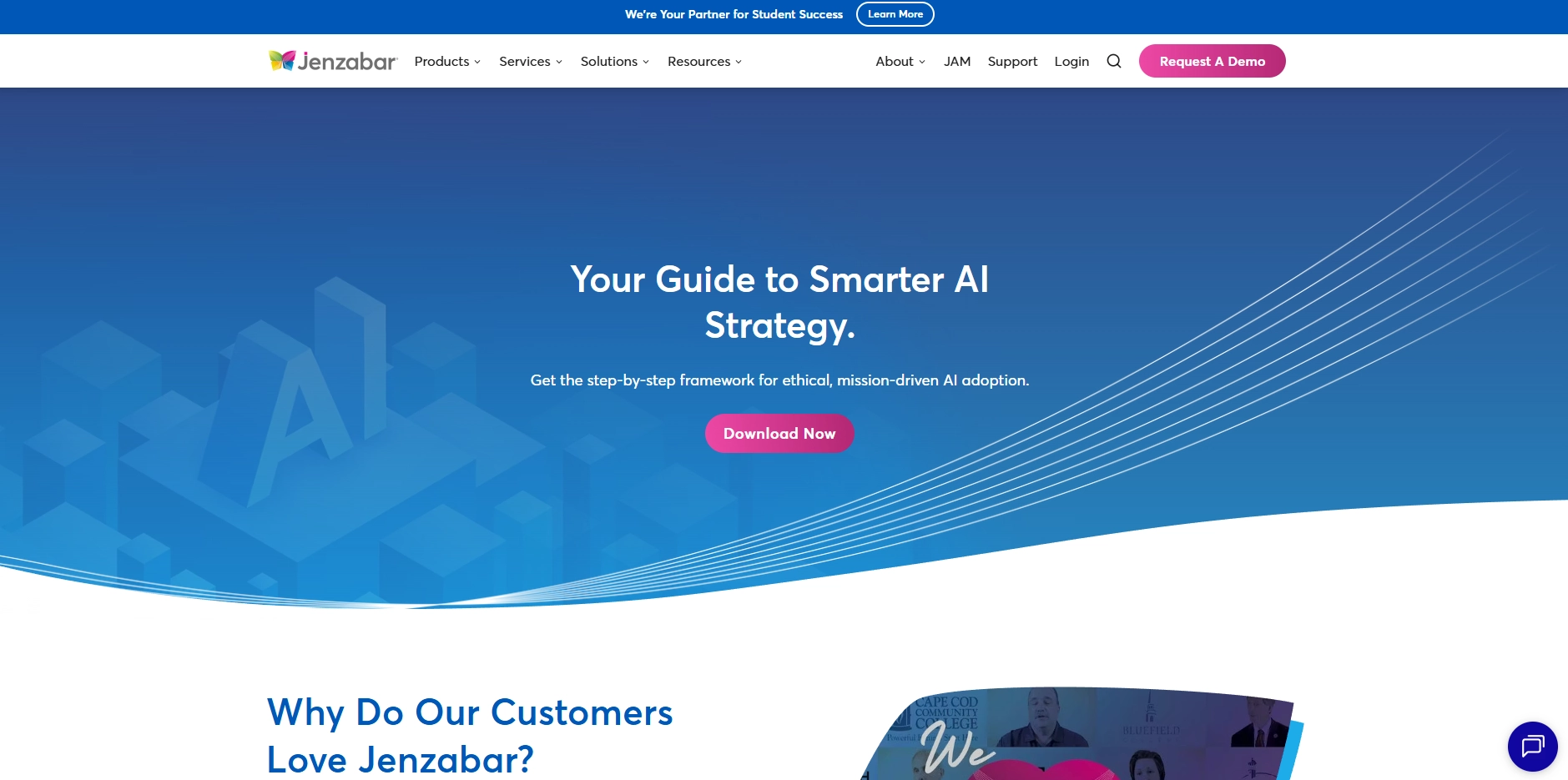
جينزابر (Jenzabar) هو نظام ERP وسجل معلومات طلابي قائم على السحابة صُمم خصيصًا للمؤسسات التعليمية العليا. يوحد إدارة دورة حياة الطالب، وسير العمل الإداري، والعمليات المالية في منصة واحدة لدعم أهداف المؤسسة وتحسين نجاح الطلاب.
الميزات الرئيسية:
المثالي لـ: الجامعات والكليات والمؤسسات التعليمية العليا التي تحتاج إلى نظام شامل يجمع بين ERP ونظام معلومات الطلاب لإدارة الاحتياجات الأكاديمية والإدارية والمالية المعقدة.
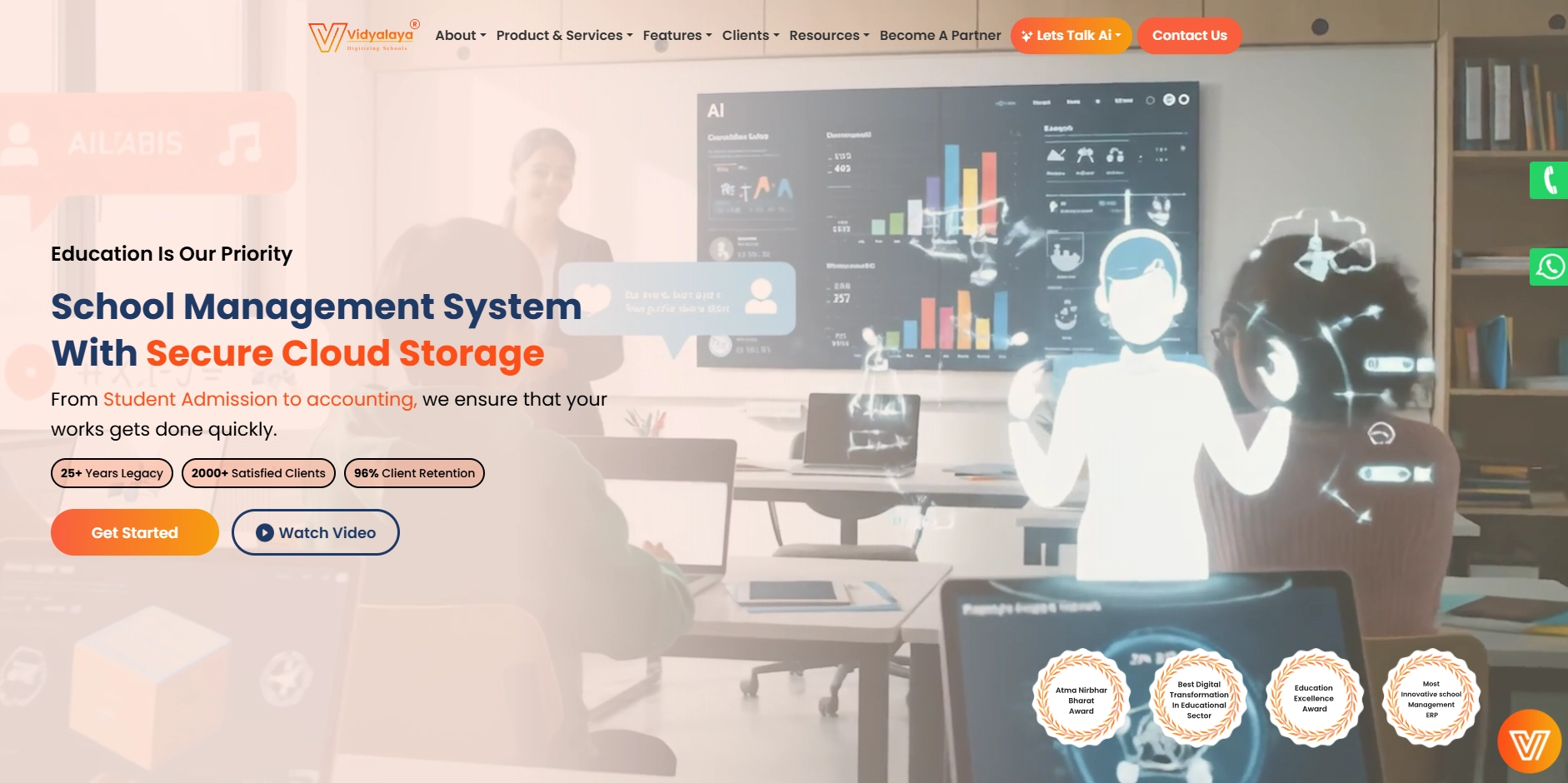
فيديايلايا (Vidyalaya) هو نظام ERP مدرسي متكامل يساعد المؤسسات التعليمية على إدارة العمليات الأكاديمية والإدارية والتشغيلية في منصة سحابية واحدة. يشمل النظام وحدات لإدارة بيانات الطلاب والموظفين، والحضور، والشؤون المالية، والتواصل، مع تركيز على سهولة الاستخدام والتغطية الشاملة.
الميزات الرئيسية:
المثالي لـ: المدارس والكليات والمؤسسات التعليمية متعددة الفروع التي تحتاج إلى نظام ERP شامل لتبسيط الإدارة، وتتبع الشؤون المالية، وتحسين التواصل بين جميع أصحاب المصلحة.
أوبن إديوكات (OpenEduCat) هو نظام ERP تعليمي مفتوح المصدر يساعد المدارس والكليات والجامعات على توحيد العمليات الأكاديمية والإدارية والمالية في منصة واحدة modular.
الميزات الرئيسية:
المثالي لـ: المؤسسات التعليمية التي تبحث عن نظام ERP مفتوح المصدر مرن يمكن تخصيصه وتوسيعه لإدارة العمليات الأكاديمية والإدارية الأساسية.
بعد استعراض حلول ERP التعليمية المتاحة، من المهم التركيز على المعايير التي تساعدك في اختيار النظام المناسب لمؤسستك.
اقرأ أيضًا: قصص نجاح تنفيذ ERP: أمثلة من الواقع.
اختيار برمجيات ERP التعليمية هو قرار طويل الأمد يؤثر على العمليات اليومية، وكفاءة الموظفين، وتجربة الطلاب. لا يعتمد الاختيار الصحيح على عدد الميزات فقط، بل على مدى ملاءمة النظام لبنية مؤسستك، وحجمها، وخططها المستقبلية.
حدد المجالات التي تسبب أكبر قدر من الصعوبات حاليًا، مثل القبول، وتتبع الرسوم، وإدارة الموظفين، أو إعداد التقارير. يساعد تحديد الأولويات على تضييق نطاق الأنظمة التي تحل المشكلات الحقيقية بدلًا من إضافة تعقيد غير ضروري.
تأكد من أن نظام ERP يمكنه دعم زيادة أعداد الطلاب، والبرامج الإضافية، والفروع المتعددة دون مشاكل في الأداء أو البيانات. الأنظمة المصممة للمؤسسات الصغيرة غالبًا ما تواجه صعوبة مع زيادة التعقيد.
يجب أن يربط ERP التعليمي بيانات الطلاب، والمالية، والموارد البشرية، والعمليات في سير عمل واحد. تجنب الأنظمة التي تتطلب مطابقة يدوية بين الأقسام أو تعتمد بشكل كبير على أدوات خارجية.
يتفاعل المعلمون، والإداريون، وأولياء الأمور، والطلاب مع النظام بطرق مختلفة. ابحث عن وصول قائم على الدور، وواجهات مستخدم بديهية، ومتطلبات تدريب قليلة لدعم الاعتماد الكامل للنظام.
بالنسبة للمؤسسات في المملكة العربية السعودية، تأكد من أن النظام يدعم العمليات المالية، والتقارير، والمتطلبات التنظيمية المحلية حيثما ينطبق. يقلل هذا من مخاطر التدقيق والعبء الإداري.
نجاح ERP يعتمد على جودة التنفيذ والدعم المستمر. اختر مزودين لديهم خبرة في مجال التعليم، وبرامج تدريبية منظمة، وفِرق دعم محلية تفهم سير العمل المؤسسي.
اختيار برمجيات ERP التعليمية المناسبة يضمن لمؤسستك استقرارًا تشغيليًا طويل الأمد بدلًا من حلول مؤقتة للنظام.
مع نمو المؤسسات التعليمية، يصبح من الصعب إدارة الأكاديميات، والشؤون المالية، والموظفين، والعمليات من خلال أنظمة منفصلة. توفر برمجيات ERP التعليمية الهيكل الذي تحتاجه المدارس والجامعات للتوسع بكفاءة من خلال دمج سير العمل الأساسي في منصة واحدة متكاملة.
يساعد نظام ERP المناسب المؤسسات على تبسيط عمليات القبول، وتحسين التحكم في الرسوم، ودعم إدارة الموظفين، ومنح القيادة رؤية لحظية للأداء. والأهم من ذلك، أنه يستبدل التنسيق اليدوي بعمليات موثوقة تدعم النمو طويل الأمد والمساءلة.
تم تصميم HAL Edgecation خصيصًا للمؤسسات التعليمية في المملكة العربية السعودية التي تحتاج إلى عمليات موحدة دون تعقيد غير ضروري. مع سير عمل يركز على التعليم، واستعداد محلي، وتصميم قابل للتوسع، يساعد HAL Edgecation المؤسسات على الانتقال من الإدارة المبعثرة إلى إدارة منظمة وجاهزة للمستقبل.
احجز عرضًا تجريبيًا مجانيًا لتعرف كيف يمكن لـ HAL Edgecation دعم المرحلة التالية من نمو مؤسستك.