

أصبح نظام إدارة علاقات العملاء (CRM) في المبيعات متطلبًا أساسيًا للشركات الصغيرة والمتوسطة في المملكة العربية السعودية. ومع اشتداد المنافسة ضمن رؤية 2030، فإن القدرة على تتبع العملاء المحتملين، وإدارة المتابعات، والحفاظ على وضوح خط سير المبيعات تؤثر بشكل مباشر على نتائج الإيرادات.
ومع ذلك، فإن التنفيذ هو النقطة التي تواجه فيها معظم الفرق صعوبة. إذ يتم الاحتفاظ بالعملاء المحتملين في جداول بيانات، وتعتمد المتابعات على الذاكرة، بينما تتأخر تحديثات خط المبيعات عن الواقع. ووفقًا لمنشآت، ستساهم الشركات الصغيرة والمتوسطة بنحو 35% من الناتج المحلي الإجمالي للمملكة بحلول عام 2030، لكن العديد منها لا يزال يعمل بأنظمة مبيعات مجزأة تؤدي إلى ضياع الفرص وعدم اتساق تتبع الصفقات.
تستعرض هذه المدونة ما يقدمه نظام CRM في المبيعات فعليًا، وكيف يحسن معدلات التحويل، وما الذي يجب أن تركز عليه فرق العمل في المملكة العربية السعودية في عام 2026.
نظام إدارة علاقات العملاء (CRM) للمبيعات هو النظام الذي يلتقط ويدير كل تفاعل مع العملاء، بدءًا من أول عميل محتمل وارد وحتى إغلاق الصفقة، وما بعدها. يقوم بتسجيل المكالمات، ورسائل البريد الإلكتروني، والاجتماعات، ومراحل الصفقات. كما يتتبع الالتزامات ويوضح ما الذي يتقدم وما الذي يتعثر.
وهذا يختلف عن أنظمة CRM العامة المصممة لدعم العملاء أو سير عمل التسويق. نظام CRM للمبيعات يُبنى حول هدف واحد: تحقيق الإيرادات. كل ميزة فيه مصممة لمساعدة مندوبي المبيعات على تحريك الصفقات بشكل أكثر اتساقًا وبأقل احتكاك.
على مستوى أساسي، يقوم بثلاثة أشياء:
هذه هي الأساسيات، لكن ما يتغير في التطبيق العملي أعمق من ذلك، وهو ما ينتقل إليه القسم التالي.
فهم ما يفعله نظام CRM شيء، لكن رؤية كيف يغيّر العمليات اليومية للمبيعات هو ما يثبت قيمته فعليًا.
تفقد فرق المبيعات الصفقات عندما تكون المعلومات مشتتة. يغادر مندوب المبيعات ولا يعرف أحد تاريخ حساب مهم. تُفقد متابعة لأن تسجيلها كان في بريد إلكتروني شخصي. ولا يستطيع المدير تقييم الصفقة لأن التفاصيل موجودة في ملاحظات فردية.
نظام CRM يحل ذلك من خلال إنشاء سجل واحد لكل عميل، مع توثيق كل بريد إلكتروني، ومكالمة، واجتماع، وتغيير في مرحلة الصفقة، وكل ذلك في مكان واحد يمكن للجميع الاطلاع عليه عند الحاجة.
الجدول الإلكتروني يعرض ما تم إدخاله الأسبوع الماضي. أما نظام CRM فيعرض أين تقف كل صفقة الآن. أي الصفقات لم تتحرك منذ عشرة أيام، وأيها يقترب من الإغلاق، وأين توجد نقاط الاختناق.
هذه الرؤية تحول مدير المبيعات من شخص يطلب التحديثات إلى شخص يكتشف المشاكل قبل أن تؤدي إلى خسارة الصفقات.
معظم الفرص لا تفشل بسبب قلة الاهتمام، بل بسبب كثرتها وصعوبة تتبعها يدويًا. يقوم نظام CRM بإنشاء تذكيرات تلقائية، وإرسال متابعات في الوقت المناسب، وتنبيه الفرق بالفرص غير المتابعة حتى لا يتم فقدان أي عميل محتمل.
ليست كل الفرص متساوية. نظام CRM المزود بتصنيف ذكي للعملاء المحتملين يحدد العملاء الأكثر تفاعلًا والأقرب للتحويل، مما يسمح بتركيز الوقت على الصفقات ذات الزخم الحقيقي.
في العديد من الشركات في المملكة العربية السعودية، الفترة بين استعداد العميل وإرسال العرض تكون أطول من اللازم. سلاسل الموافقات، وحسابات الأسعار اليدوية، وعدم ربط المخزون، كلها تضيف أيامًا من التأخير. نظام CRM المتكامل يقلل هذه الفجوة بشكل كبير.
لا يقتصر دور نظام CRM على تتبع ما حدث فقط، بل يزود الإدارة برؤية لما هو مرجح أن يحدث، بناءً على حجم خط المبيعات، ومراحل الصفقات، ومعدلات الإغلاق التاريخية، وأداء مندوبي المبيعات.
وهذا هو الفرق بين هدف إيرادات تقريبي وتوقعات إيرادات يمكن الاعتماد عليها والدفاع عنها.
هنا تحديدًا تقصر معظم أنظمة إدارة علاقات العملاء (CRM) المستقلة. يمكن إغلاق صفقة داخل نظام CRM بينما يكون المخزون غير متوفر، ولم يتم إخطار قسم المالية، وفريق التسليم لا يعلم بأي شيء.
نظام CRM المدمج مع ERP مثل HAL يربط كل ذلك معًا، بحيث عندما تُغلق الصفقة، يتم إعلام باقي أقسام الشركة تلقائيًا.
اقرأ أيضًا: 10 استراتيجيات مجرّبة لتقصير دورة المبيعات في عام 2026
هذه التحولات السبعة لا يمكن تحقيقها إلا إذا كان نظام CRM مبنيًا على أساس صحيح. وهذا ما يبدو عليه ذلك فعليًا.
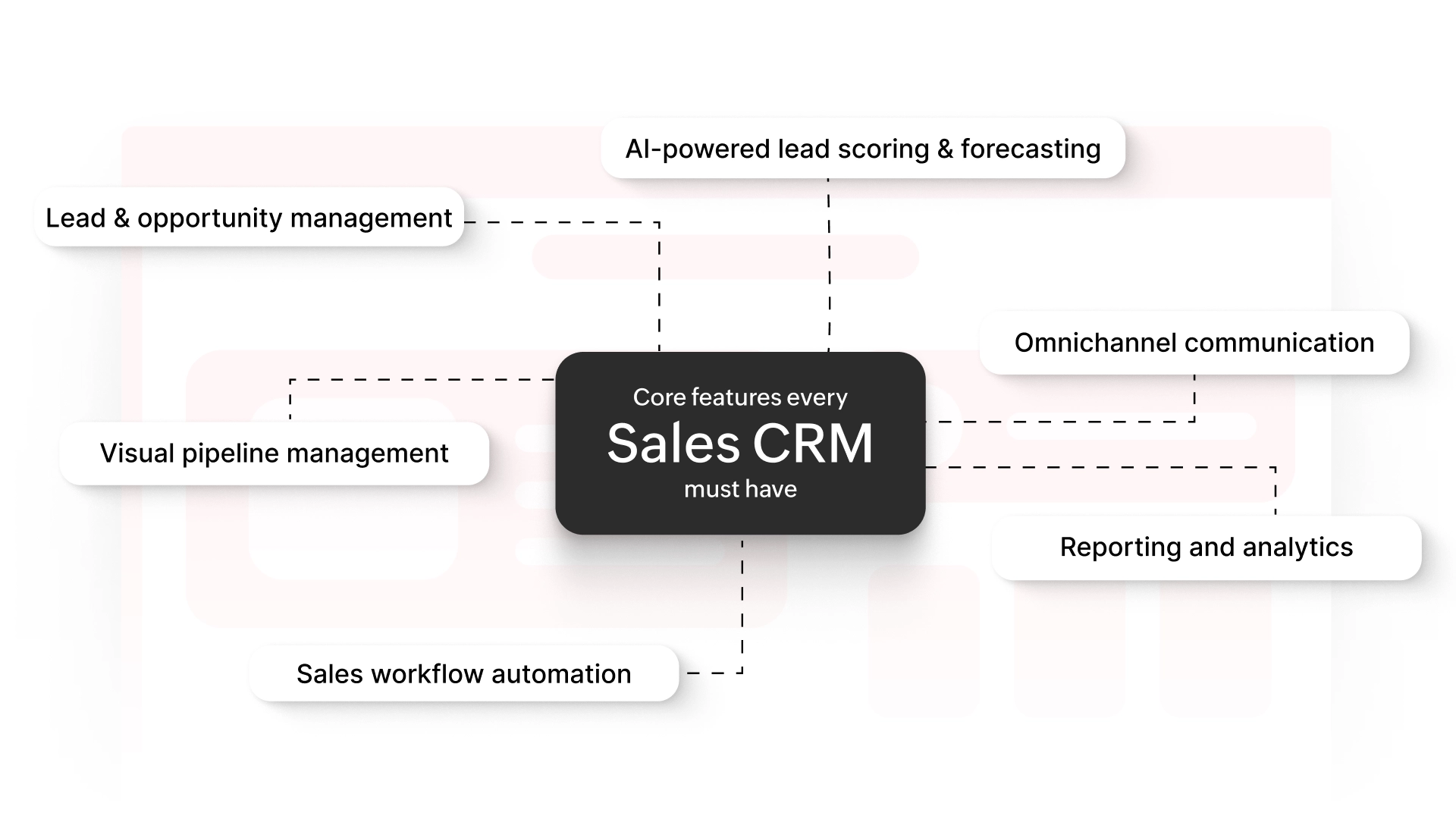
مع تزايد تعقيد فرق المبيعات في المملكة العربية السعودية، ارتفع معيار ما يُعتبر “نظامًا فعالًا”. هذه هي ست ميزات تُعدّ الأكثر أهمية فعليًا:
هذه الميزات هي الحد الأدنى. لكن المشكلة أن حتى نظام CRM الذي يحققها جميعًا قد يظل يسبب مشكلات إذا كان يعمل بمعزل عن باقي أنظمة الشركة.
نظام CRM المستقل يحل مشكلة الجداول الإلكترونية، لكنه لا يحل مشكلة الانفصال بين المبيعات وباقي أجزاء العمل، ومع نمو الفرق تصبح هذه الفجوة مكلفة.
1. المبيعات تعمل بدون سياق حقيقي للمخزون: بدون ربط مباشر مع المخزون الحي، يقوم المندوبون بإغلاق صفقات بناءً على معلومات قديمة. فيسمع العميل “نعم”، بينما تقول العمليات “لا”، وهذا التصحيح يهدد الصفقة والمصداقية.
2. المالية تعمل بمعلومات متأخرة: عندما لا تكون الأنظمة مترابطة، تنتقل البيانات يدويًا. وغالبًا لا تعلم المالية بالصفقات المغلقة إلا بعد أيام، مما يؤخر إصدار الفواتير ويؤثر على التدفق النقدي.
3. الامتثال يضيف احتكاكًا غير مرئي مبكرًا: في المملكة العربية السعودية، الفوترة الإلكترونية للمرحلة الثانية من هيئة الزكاة والضريبة والجمارك (ZATCA) ليست اختيارية. إذا لم تكن أنظمة المبيعات والمالية متصلة، تصبح رحلة التحويل من صفقة مغلقة إلى فاتورة متوافقة أبطأ وأكثر خطورة، خاصة أثناء التدقيق.
4. الموافقات تتم خارج النظام: الخصومات، والتحقق من الائتمان، وموافقات الصفقات يجب أن تكون منظمة وقابلة للتتبع. لكن في معظم الحالات تتم عبر البريد أو الدردشة، مما يجعلها غير موثقة وغير متسقة وصعبة المراجعة لاحقًا.
5. الإدارة ترى بيانات مجزأة: خط المبيعات موجود في CRM، والإيرادات في ERP، والتوقعات تُجمع في جداول بيانات. توحيد هذه البيانات يستغرق وقتًا، وغالبًا ما تكون النتائج غير محدثة عند مراجعتها.
6. المشكلة ليست في نظام CRM نفسه، بل في غياب التكامل. ما تحتاجه الفرق النامية هو نظام تعمل فيه المبيعات والمالية والعمليات على نفس البيانات في الوقت الفعلي، بحيث عندما تُغلق صفقة، تتم بقية الإجراءات تلقائيًا عبر الشركة.
هذا التحول يغير طريقة تقييم الأنظمة وما هو المهم فعليًا في سوق المملكة العربية السعودية.
لا تتساوى جميع أدوات CRM في الإمكانات، ويزداد الفرق في السعودية عند احتساب الامتثال لمتطلبات ZATCA، ودعم اللغة العربية، والحاجة إلى ربط المبيعات بالعمليات في الوقت الفعلي. فيما يلي خمسة مورّدين لأنظمة CRM الأصلية ضمن ERP تختارهم شركات المبيعات السعودية (KSA) في عام 2026:
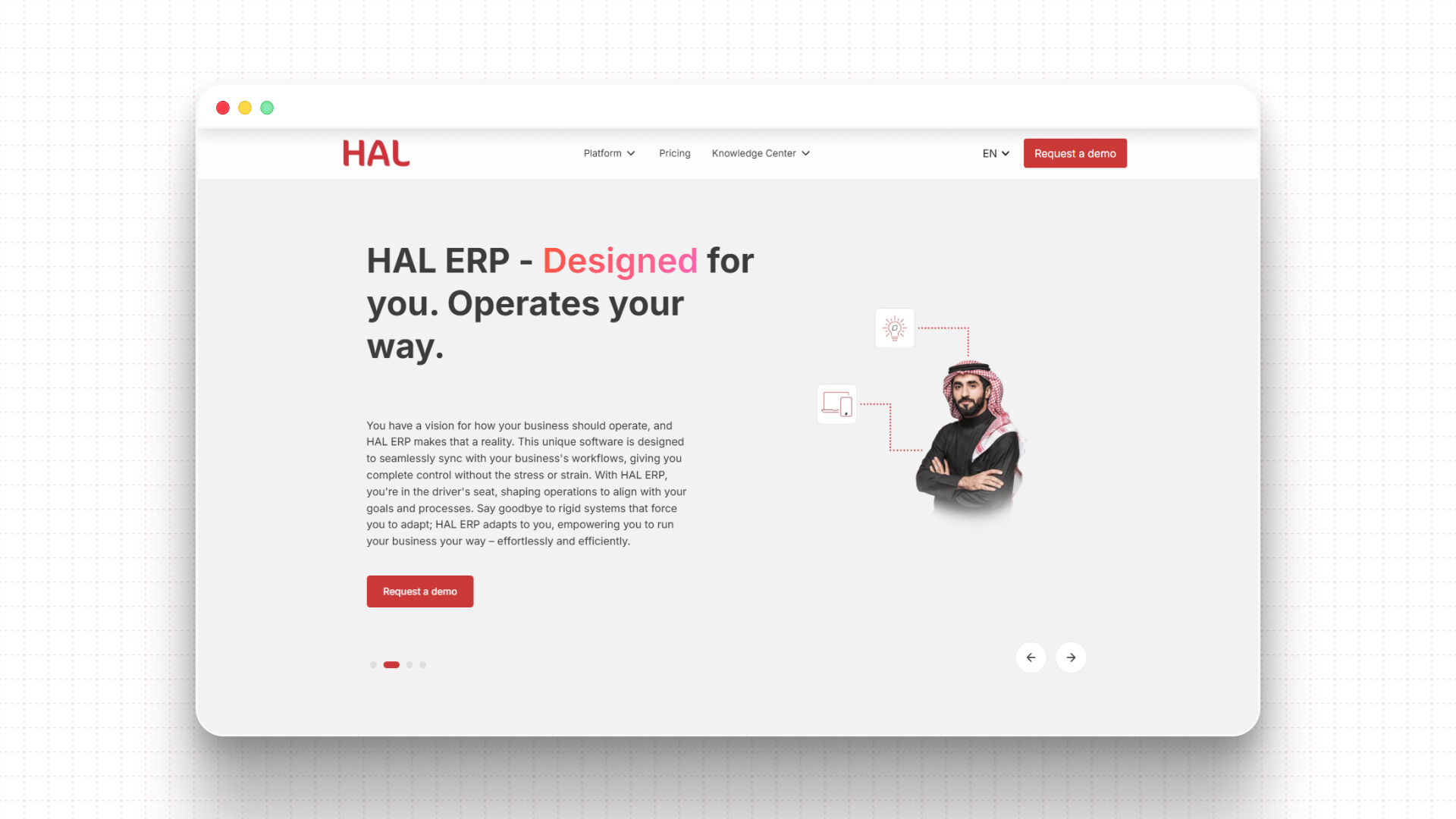
في HAL ERP، يتم دمج وحدة إدارة علاقات العملاء (CRM) بشكل كامل مع المخزون والمالية والمشتريات والموارد البشرية داخل نظام واحد. يحصل مندوبو المبيعات على توفر المخزون في الوقت الفعلي أثناء إعداد عروض الأسعار، وترى فرق المالية بيانات الصفقات لحظة إتمام البيع، ويحصل القادة على رؤية شاملة لخط المبيعات دون الحاجة للتنقل بين النوافذ.
كما يقوم الذكاء الاصطناعي الوكيلي من HAL تلقائيًا بتقييم العملاء المحتملين، وتحديد الصفقات المعرضة للخطر، وإطلاق متابعات عبر واتساب بناءً على سلوك العملاء المحتملين. ويُزيل الامتثال الأصلي للمرحلة الثانية من هيئة الزكاة والضريبة والجمارك (ZATCA) التعقيد بين الفاتورة والموافقة الذي يبطئ معظم دورات المبيعات بين الشركات في المملكة العربية السعودية.
|
نقاط القوة |
القيود |
|
معتمد من هيئة الزكاة والضريبة والجمارك (ZATCA) للمرحلة الثانية، بشكل أصلي وليس بحل مُلحق |
أقل ملاءمة للهياكل العالمية متعددة الكيانات بحتة |
|
واجهة ثنائية اللغة عربي/إنجليزي |
|
|
إدارة علاقات العملاء والموافقات مدمجة مع واتساب |
|
|
تقييم العملاء المحتملين بالذكاء الاصطناعي، وتقارير خط الأنابيب، والتنبؤ بالصفقات |
|
|
منصة واحدة: إدارة علاقات العملاء + تخطيط الموارد + الشؤون المالية |
|
|
فريق تنفيذ محلي في المملكة العربية السعودية |
الأفضل لـ: الشركات الصغيرة والمتوسطة في المملكة العربية السعودية والشركات متوسطة الحجم في مجالات المقاولات أو التصنيع أو التجارة التي تحتاج إلى نظام CRM للمبيعات وERP والامتثال لمتطلبات ZATCA في نظام واحد، دون تكلفة أو مخاطر تنفيذ على مستوى الأنظمة المؤسسية الكبرى.
كانت مجموعة الحميضي، وهي شركة بارزة في قطاع التجزئة الفاخرة في المملكة العربية السعودية، تعتمد على أنظمة قديمة كانت تؤخر إعداد التقارير لمدة تصل إلى أسبوع، وتجعل إدارة التسعير الديناميكي عبر المتاجر أمراً صعباً، كما لم تكن هناك طريقة لربط العمليات بين القنوات الإلكترونية والتقليدية.
بعد تطبيق HAL ERP، انتقلت الشركة من التقارير الأسبوعية إلى تقارير في الوقت الفعلي. أصبح بإمكان مديري المبيعات الاطلاع على بيانات المتاجر بشكل فوري واتخاذ قرارات التسعير في نفس اليوم. وكانت النتيجة: توفير أكثر من 70 مليون ريال سعودي من خلال مكاسب الكفاءة التشغيلية، وزيادة العائد على الاستثمار بنسبة 61%، مع عملية مبيعات قادرة على الاستجابة لاتجاهات السوق في الوقت الفعلي بدلاً من الاستجابة بعد أسبوع.
قام نظام HAL بدمج الفوترة عبر واتساب، والتجارة الإلكترونية عبر WooCommerce، وعدة بوابات دفع، جميعها متصلة بنفس قاعدة بيانات CRM وERP.
إذا كانت أعمالك عند نقطة تحول مشابهة، حيث تتجاوز نظامك الحالي ولكنك غير مستعد بعد للانتقال الكامل إلى نظام مؤسسي ضخم، يمكنك حجز عرض توضيحي لمعرفة كيف يتناسب نظام CRM مع عملية المبيعات لديك بشكل محدد.
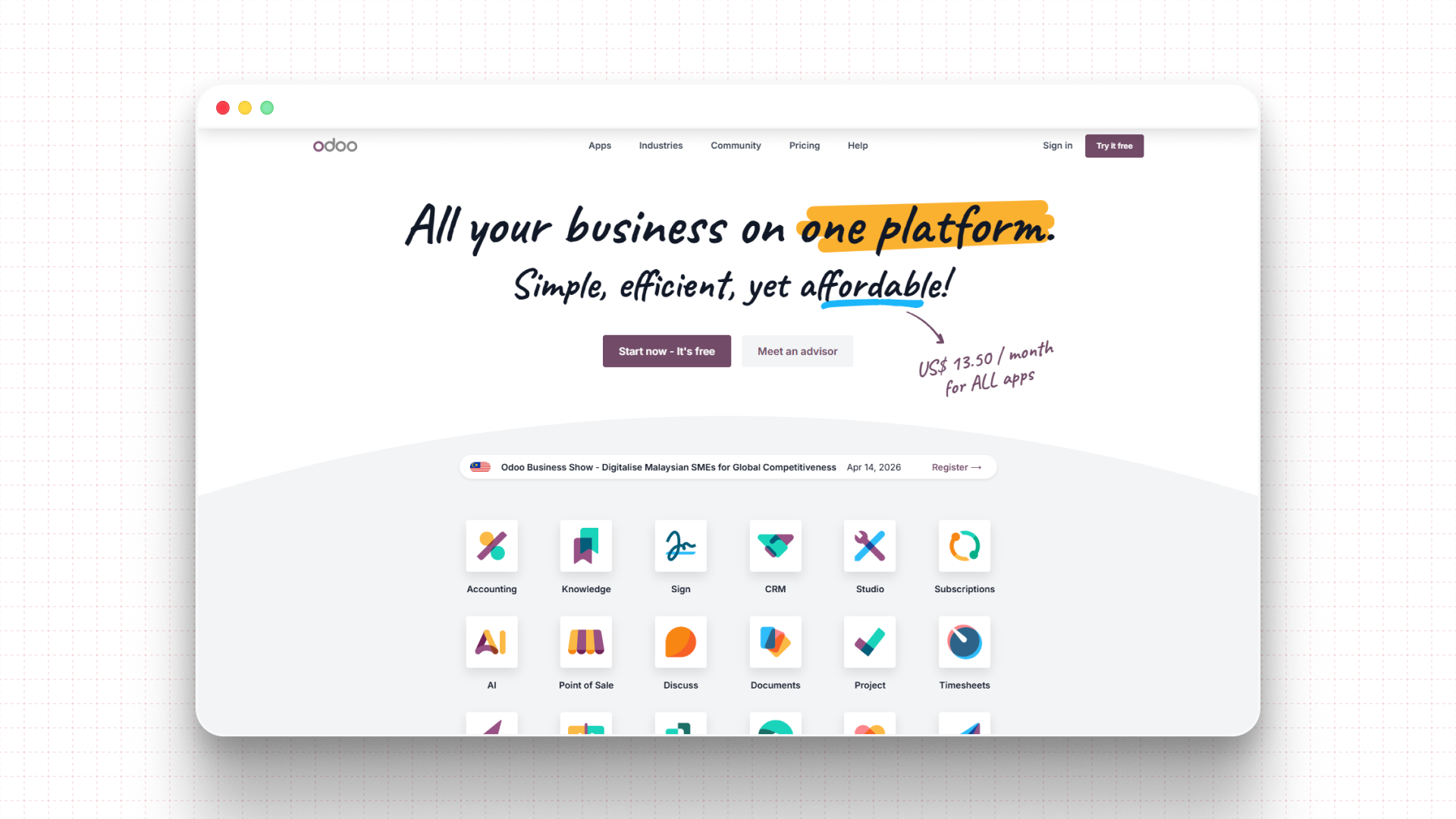
يُعد أودو أكثر أنظمة ERP المعيارية اعتمادًا في المملكة العربية السعودية، مع 204 شريكًا محليًا معتمدًا، وهو ثاني أعلى عدد من الشركاء على مستوى الدول عالميًا. تتعامل وحدة CRM فيه مع إدارة العملاء المحتملين، وتتبع خط المبيعات، وأتمتة البريد الإلكتروني، وجدولة الأنشطة، كما تتكامل بشكل أصلي مع وحدات المخزون، والمحاسبة، والمشتريات في أودو.
بالنسبة للشركات في المملكة العربية السعودية، يدعم أودو واجهات باللغة العربية، وتكامل الدفع عبر سداد ومدى، والامتثال لضريبة القيمة المضافة، إلا أن الفوترة الإلكترونية للمرحلة الثانية من ZATCA تتطلب عادة إضافة يتم إعدادها عبر شريك وليس بناءً مدمجًا بشكل أصلي.
نقاط القوة مقابل القيود
|
نقاط القوة |
القيود |
|
أكبر منظومة شركاء في المملكة العربية السعودية لتقديم الدعم المحلي. |
يعتمد الامتثال لهيئة الزكاة والضريبة والجمارك (ZATCA) بشكل كبير على جودة الشريك المنفذ. |
|
الدفع لكل وحدة على حدة، فتشتري فقط ما تحتاجه. |
التخصيص المكثف قد يجعل عمليات الترقية صعبة. |
|
باقة ERP متكاملة: إدارة علاقات العملاء، والمحاسبة، والمخزون، والموارد البشرية |
ميزات الذكاء الاصطناعي في إدارة علاقات العملاء متأخرة مقارنة بنهج HAL القائم على الذكاء الاصطناعي الوكيل. |
|
دعم قوي للغة العربية والتوطين. |
تتفاوت جودة التنفيذ حسب الشريك. |
الأفضل لـ: الشركات الصغيرة والمتوسطة في المملكة العربية السعودية والشركات النامية التي ترغب في نظام ERP مرن وقابل للتجزئة مع منظومة محلية مثبتة، خاصة في قطاعات التجزئة والتجارة الإلكترونية (سلة، زد، شوبيفاي) والتوزيع.
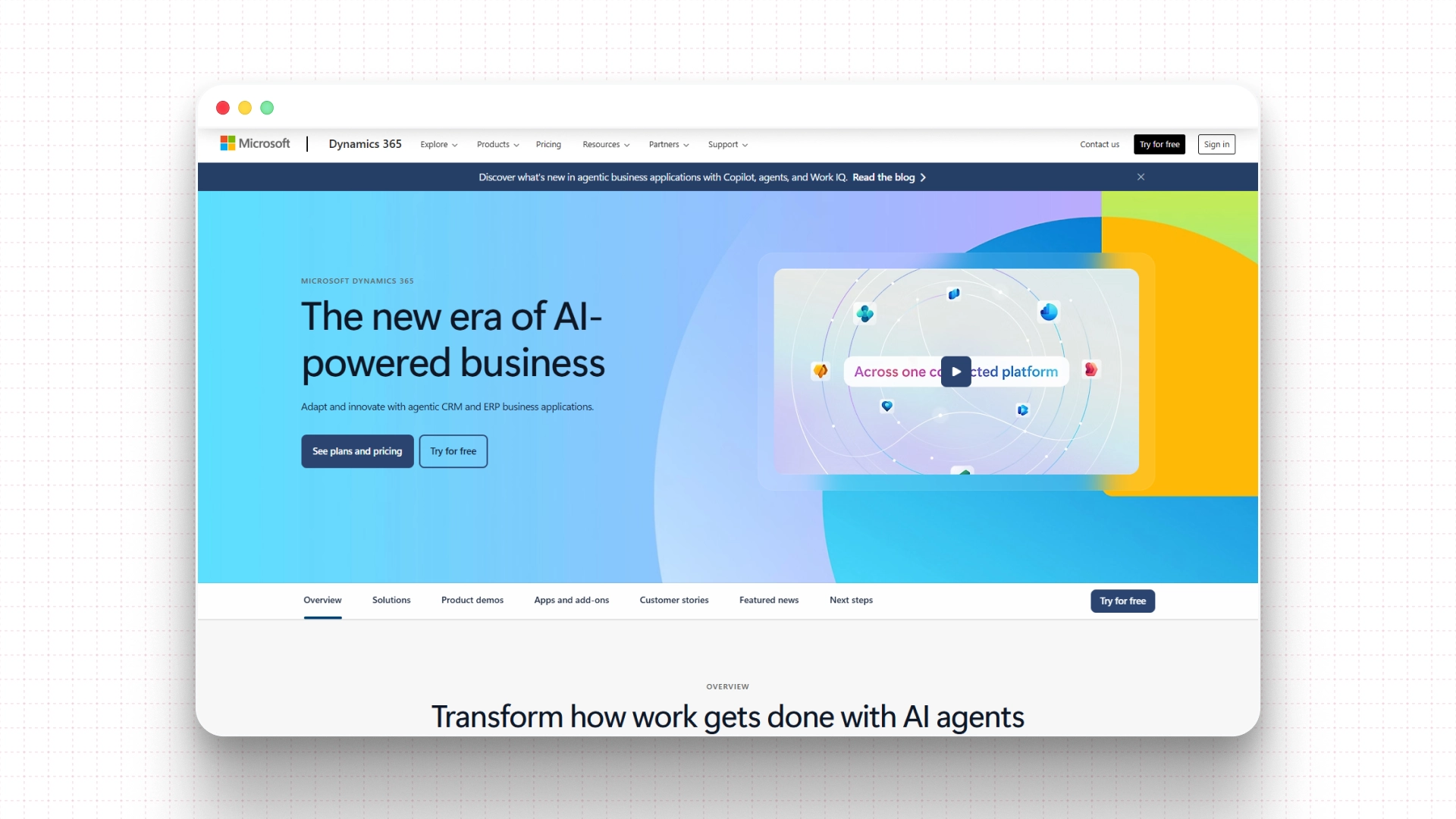
حلول CRM وERP الوكيلية | مايكروسوفت دايناميكس 365
يجمع مايكروسوفت دايناميكس 365 بين أنظمة ERP (Business Central / Finance & Operations) وCRM (المبيعات وخدمة العملاء) ضمن نظام سحابي واحد مدعوم بمنصة Azure. بالنسبة للشركات في المملكة العربية السعودية التي تستخدم بالفعل Microsoft 365 وTeams وPower BI، فإن مزايا التكامل تكون كبيرة.
تتضمن وحدة المبيعات في Dynamics 365 أدوات مدعومة بالذكاء الاصطناعي لتقييم الصفقات، والتنبؤ بخط المبيعات، وأتمتة المتابعات عبر Microsoft Copilot. وللمنصة وجود راسخ في المملكة العربية السعودية، كما تدعم اللغة العربية، إلا أن الامتثال للمرحلة الثانية من ZATCA يتم عادة عبر شركاء معتمدين من مايكروسوفت وليس داخل المنتج الأساسي.
نقاط القوة مقابل القيود
|
نقاط القوة |
القيود |
|
تكامل عميق مع Microsoft 365 وTeams وPower BI |
تكلفة ترخيص وتنفيذ مرتفعة |
|
ذكاء اصطناعي Copilot عبر المبيعات والخدمة والشؤون المالية. |
الامتثال لهيئة الزكاة والضريبة والجمارك (ZATCA) يتطلب إضافات من الشركاء وليس مدمجًا بشكل أصلي. |
|
علامة تجارية موثوقة للمؤسسات مع شبكة شركاء في المملكة العربية السعودية. |
منحنى تعلم حاد للبيئات غير المعتمدة على مايكروسوفت. |
|
إدارة مالية وتحليلات قوية. |
أقل ملاءمة للمنشآت الصغيرة والمتوسطة مقارنة بـ Odoo أو HAL |
|
قابل للتوسع من المنشآت الصغيرة والمتوسطة (Business Central) إلى المؤسسات الكبرى. |
الأفضل لـ: الشركات المتوسطة والكبيرة في المملكة العربية السعودية التي استثمرت بالفعل في منظومة مايكروسوفت، وتحتاج إلى نظام ERP وCRM متكامل من مزود واحد مع قدرات قوية في الذكاء الاصطناعي وتحليل البيانات (BI).
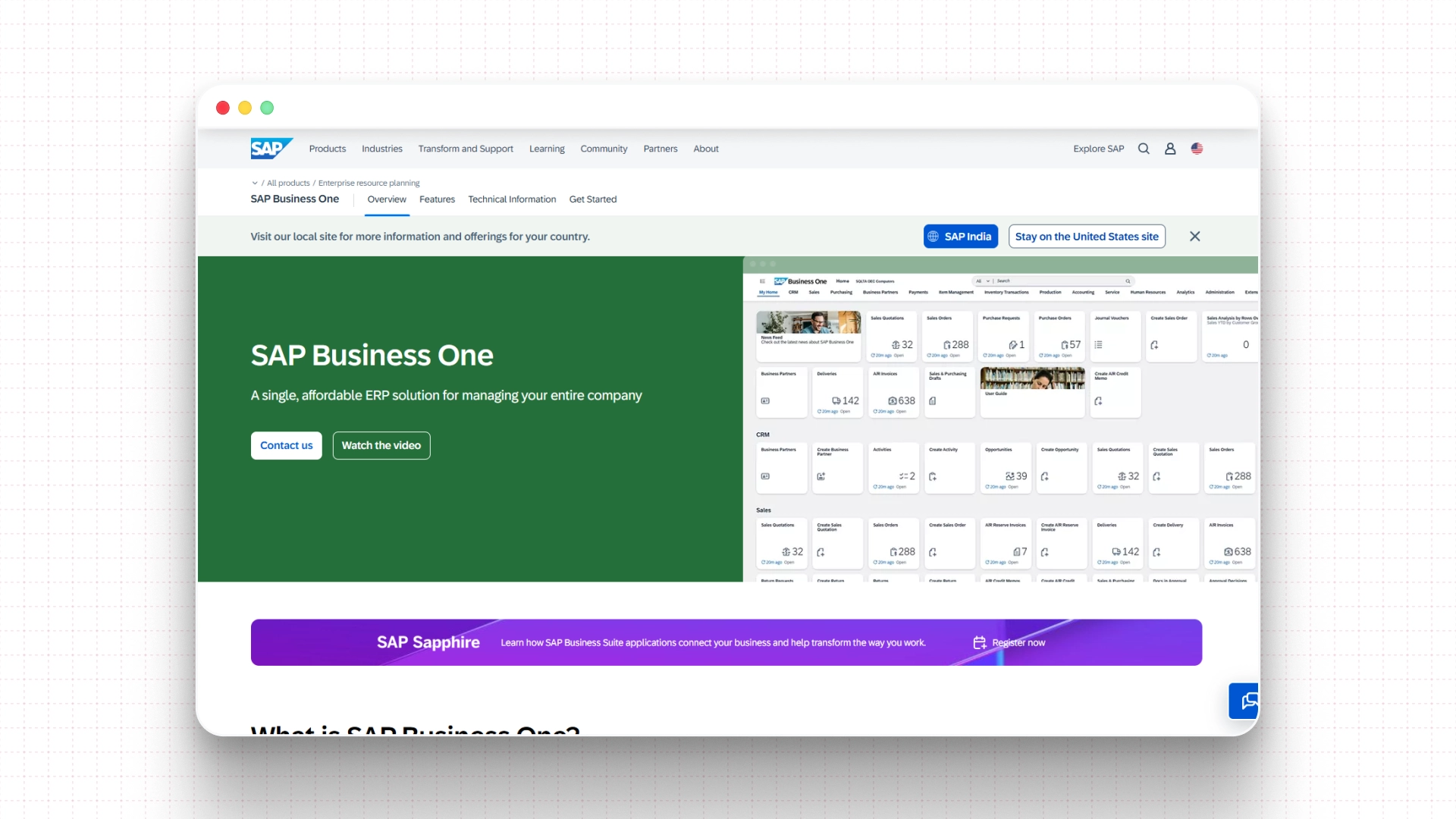
SAP Business One | برنامج ERP للشركات الصغيرة
ساب بيزنس ون (SAP B1) هو عرض SAP الموجه للسوق المتوسطة، ويقع بين أدوات المحاسبة الأساسية وحزمة المؤسسات الكاملة S/4HANA. تشمل قدرات CRM فيه إدارة جهات الاتصال، وتتبع فرص المبيعات، وتسجيل الأنشطة، مع ارتباط مباشر بالبنية المالية وإدارة المخزون من SAP.
في المملكة العربية السعودية، تمتلك SAP شبكة شركاء راسخة، ويمكن للشركاء المعتمدين في المملكة تهيئة الامتثال لمتطلبات ZATCA. بالنسبة للعمليات الكبيرة والمعقدة التي تتطلب دمج عدة كيانات، وتقارير متقدمة، ومعايير عالمية، يظل SAP B1 خيارًا قويًا، لكنه يتطلب ميزانية كبيرة ومدة تنفيذ طويلة نسبيًا.
نقاط القوة مقابل القيود
|
نقاط القوة |
القيود |
|
تحليلات وتقارير مالية رائدة في القطاع. |
تكلفة مرتفعة، وغير متاحة لمعظم المنشآت الصغيرة والمتوسطة. |
|
دعم لتعدد العملات والشركات والدول. |
الامتثال لهيئة الزكاة والضريبة والجمارك (ZATCA) غير مدمج بشكل أصلي، ويتطلب إعدادًا من الشريك. |
|
معيار معترف به عالميًا، ويحظى بثقة عالية لدى مجالس الإدارة والمستثمرين. |
دورات تنفيذ طويلة. |
|
شبكة شركاء قوية في المملكة العربية السعودية للتنفيذ. |
وظائف إدارة علاقات العملاء أقل عمقًا مقارنة بأدوات المبيعات المتخصصة. |
الأفضل لـ: الشركات الكبيرة في المملكة العربية السعودية، والمجموعات متعددة الكيانات، أو الشركات التي تتطلب حوكمة على مستوى مجلس الإدارة، وتمتلك الميزانية والموارد التقنية اللازمة لذلك.
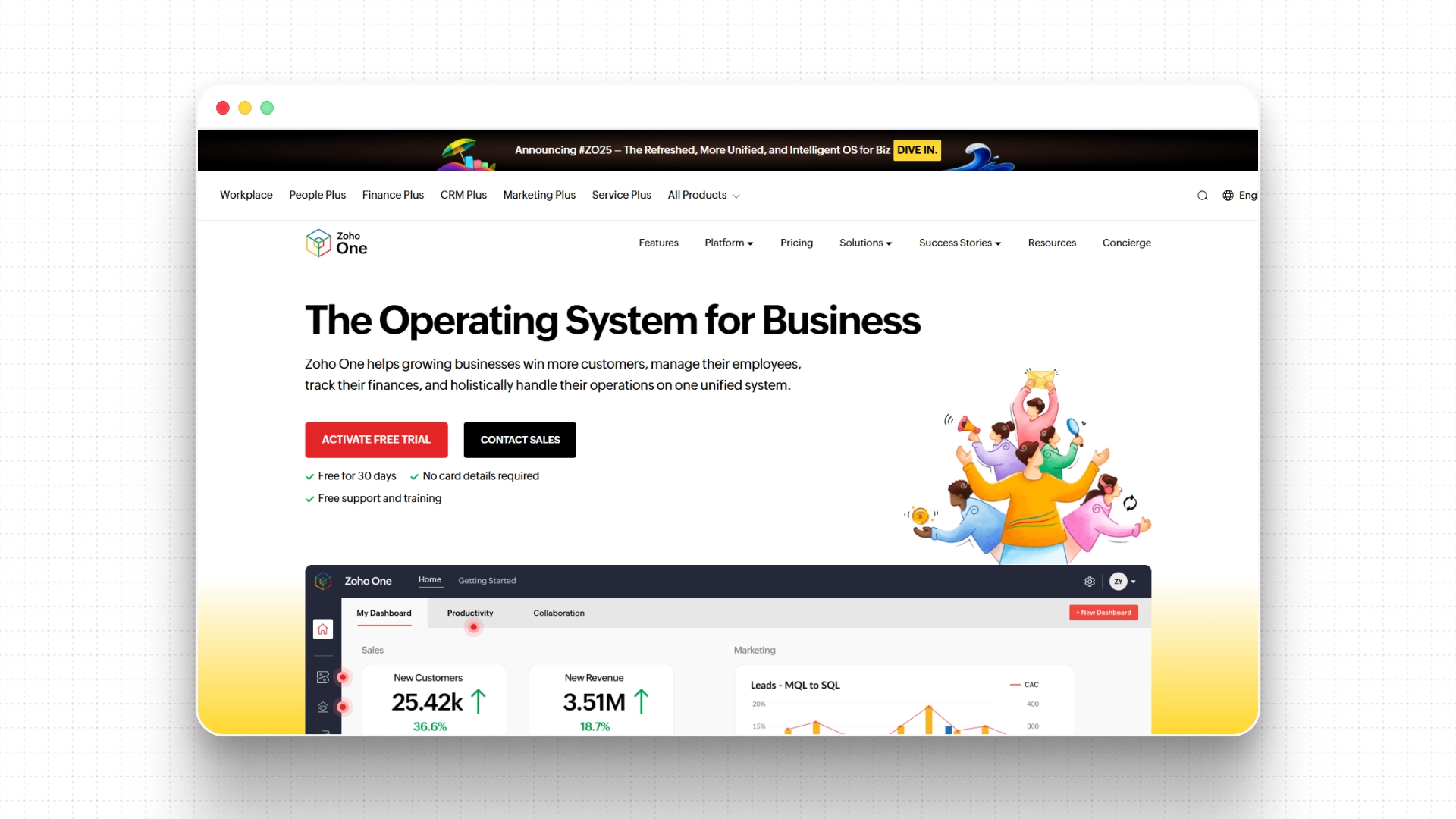
يُعد زوهو CRM أحد أشهر أدوات إدارة علاقات العملاء المستقلة في المملكة العربية السعودية، مع انتشار قوي بين الشركات الصغيرة والمتوسطة بفضل أسعاره المناسبة ودعمه للواجهة باللغة العربية. يقدم مساعد الذكاء الاصطناعي Zia ميزات مثل تقييم العملاء المحتملين، والتنبؤ بتسرب العملاء، وتحليل اتجاهات المبيعات.
تجمع Zoho One أكثر من 40 تطبيقًا للأعمال، بما في ذلك CRM والمحاسبة والموارد البشرية وإدارة المخزون وأتمتة التسويق، مما يوفر للشركات الصغيرة والمتوسطة منظومة شبيهة بأنظمة ERP بتكلفة أقل بكثير من الأنظمة المؤسسية. كما أن تكامل واتساب بزنس API مدمج بشكل أصلي، وهو ميزة مهمة لفرق المبيعات في السعودية.
نقاط القوة مقابل القيود
|
نقاط القوة |
القيود |
|
تكامل أصلي مع واتساب، وهو أمر بالغ الأهمية للمبيعات في السوق السعودي |
ليس نظام ERP حقيقيًا، إذ تتزامن الوحدات بدلاً من أن تكون موحدة |
|
واجهة عربية ضمن 28 لغة |
الامتثال لهيئة الزكاة والضريبة والجمارك (ZATCA) يتطلب تكاملاً مع طرف ثالث |
|
الذكاء الاصطناعي Zia لتقييم العملاء المحتملين والتنبؤ بفقدان العملاء |
قد تنشأ عزلة في البيانات بين تطبيقات Zoho عند التوسع |
|
نقطة دخول ميسورة التكلفة للشركات الناشئة والمنشآت الصغيرة والمتوسطة |
ميزات الذكاء الاصطناعي المتقدمة تتطلب خططًا أعلى فئة |
|
أكثر من 900 إضافة من المتجر للتخصيص |
الأفضل لـ: الشركات الناشئة في المملكة العربية السعودية، والشركات الصغيرة، أو الفرق القائمة على الخدمات التي تحتاج إلى نظام CRM ميسور التكلفة وغني بالميزات مع دعم قوي للغة العربية وواتساب، دون أن تكون بعد في مرحلة تتطلب تكامل ERP كامل.
معرفة الموردين المتاحين ليست سوى جزء واحد من القرار. أما الجزء الآخر فهو معرفة كيفية تقييمهم وفقًا لاحتياجاتك الخاصة.
اقرأ أيضًا: كيفية دمج الذكاء الاصطناعي الوكيلي في أنظمة CRM: الاستراتيجية، المعمارية، وحالات الاستخدام
نظام إدارة علاقات العملاء المناسب ليس هو النظام الذي يحتوي على أطول قائمة من الميزات، بل هو النظام الذي يتناسب مع طريقة عمل فريق المبيعات لديك فعليًا، ومع الاتجاه الذي يتجه إليه عملك. إليك إطار عمل عملي من خمس خطوات.
الخطوة 1: حدد عملية المبيعات لديك: قم برسم مراحل المبيعات، وخطوات الموافقة، وهيكل فريقك قبل تقييم أي أداة. يجب أن يعكس نظام إدارة علاقات العملاء طريقة بيع شركتك، لا أن يجبرك على التكيف مع إعداداته الافتراضية.
الخطوة 2: حدد التكاملات الأساسية التي تحتاجها: إذا كنت تستخدم أنظمة محاسبة أو مخزون أو مالية منفصلة، فتحقق مما إذا كان نظام إدارة علاقات العملاء يتكامل معها بشكل مباشر أو عبر حلول طرف ثالث. الحلول البديلة تؤدي إلى إنشاء جزر بيانات أنت تحاول التخلص منها.
الخطوة 3: قيّم دعم اللغة العربية، والامتثال المحلي، وإمكانية الاستخدام عبر الهاتف المحمول: في المملكة العربية السعودية، دعم واجهة المستخدم باللغة العربية ليس خيارًا إضافيًا. وكذلك الامتثال لمتطلبات ZATCA إذا كنت تعمل في مبيعات بين الشركات. تحقق مما إذا كانت هذه القدرات مدمجة أو إضافات تعتمد على جودة الشركاء.
الخطوة 4: تحقق من قابلية التوسع: يجب أن يستمر نظام إدارة علاقات العملاء الذي يعمل جيدًا مع 10 أشخاص في العمل بكفاءة مع 100 شخص. اسأل المزودين عن كيفية توسع النظام من حيث عدد المستخدمين، وحجم المعاملات، وتعقيد سير العمل.
الخطوة 5: جرّب قبل الالتزام: يجب أن تُظهر لك أول 30 يومًا ما إذا كان النظام يناسب سلوك فريقك أم يعارضه. اختبر صفقات حقيقية، وبيانات حقيقية، ومسارات موافقة حقيقية، وليس سيناريوهات تجريبية.
بالنسبة للشركات الصغيرة والمتوسطة في السعودية التي تنمو، فإن نظام إدارة علاقات العملاء هو النظام الذي يحوّل عملية المبيعات التفاعلية إلى عملية منظمة.
اقرأ أيضًا: 13 سببًا لارتفاع مبيعاتك بشكل كبير مع نظام إدارة علاقات العملاء المناسب
نظام إدارة علاقات العملاء (CRM) هو نظام يتيح تنظيم المبيعات، وأتمتة عمليات المتابعة، وتوفير رؤية واضحة، وربط نتائج المبيعات ببقية أجزاء الأعمال.
بالنسبة للشركات في المملكة العربية السعودية التي تجاوزت استخدام الجداول الإلكترونية والأدوات المنفصلة، فإن نظام إدارة علاقات العملاء المتكامل من HAL ERP مصمم خصيصًا لهذا البيئة.
HAL ليس أداة مبيعات مضافة بشكل منفصل إلى نظام ERP، بل هو منصة واحدة تعمل فيها جميع العمليات معًا: خط أنابيب المبيعات، والمخزون، والمالية، والفوترة المتوافقة مع ZATCA.
وكل متابعة، وكل عملية موافقة، وكل رسالة عبر واتساب يتم تتبعها داخل نظام واحد.
إذا كنت مستعدًا لمعرفة كيف يبدو نظام إدارة علاقات العملاء المدمج داخل ERP لعملك تواصل معنا اليوم.