.jpeg)

في المملكة العربية السعودية، تمثل المنشآت الصغيرة والمتوسطة (SMEs) حوالي 30% من الشركات المدرجة، مما يبرز أهميتها الاقتصادية في سياق رؤية 2030. ومع ذلك، يواجه العديد من هذه المنشآت صعوبات في الحفاظ على سجلات مالية دقيقة، خاصة عند إعداد قائمة الدخل، مما قد يعيق النمو والامتثال.
بالنسبة للمنشآت الصغيرة والمتوسطة، فإن عدم دقة أو تأخر إعداد قائمة الدخل قد يؤدي إلى أخطاء مكلفة، ومشكلات تنظيمية، وضياع فرص أعمال مهمة. لذا فإن إدارة الإيرادات والمصروفات بدقة تُعد أمرًا أساسيًا لاتخاذ قرارات مبنية على بيانات صحيحة، وللإبلاغ الضريبي الدقيق، وللحصول على الدعم المالي.
في هذه المدونة، نستعرض أهمية قائمة الدخل للمنشآت الصغيرة والمتوسطة في السعودية، والتحديات التي تواجهها في إعدادها، بالإضافة إلى خطوات عملية للتغلب على هذه العقبات.
تعرّف على كيف يساعد HAL ERP المنشآت الصغيرة والمتوسطة في السعودية على إدارة الإيرادات والمصروفات لضمان تقارير مالية موثوقة.
يمكن أن تؤثر قائمة الدخل غير الدقيقة بشكل كبير على الصحة المالية وسمعة الشركة، حيث قد تؤدي إلى فقدان الفرص، ومشكلات في الامتثال، وتراجع الثقة. لذلك فإن إعداد تقارير دقيقة أمر ضروري لاتخاذ قرارات سليمة والحفاظ على المصداقية.
فيما يلي أبرز الطرق التي يمكن أن تؤدي بها قائمة الدخل غير الدقيقة إلى تآكل الأرباح والمصداقية:
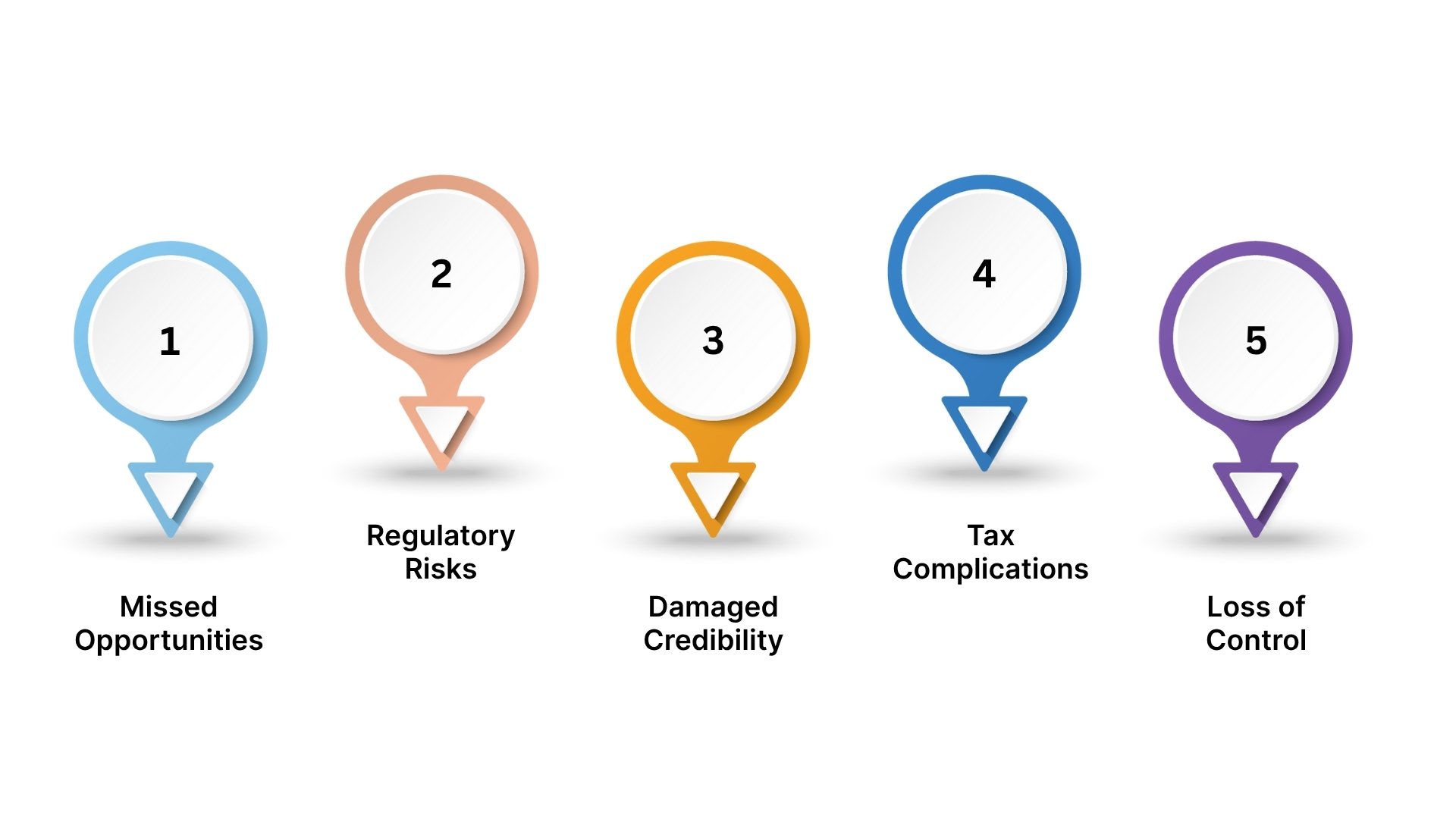
ولتجنب هذه المشكلات، يجب على الشركات فهم المكونات الأساسية التي تكوّن قائمة دخل موثوقة بوضوح.
اقرأ أيضًا: كيفية حساب صافي الدخل: التعريف والمعادلة
تتكون قائمة الدخل من عدة عناصر أساسية، يساهم كل منها في فهم الأداء المالي للشركة. ويُعد تنظيم هذه العناصر وتصنيفها بشكل صحيح أمرًا ضروريًا لضمان دقة التقارير المالية.
فيما يلي المكونات الرئيسية لقائمة الدخل:
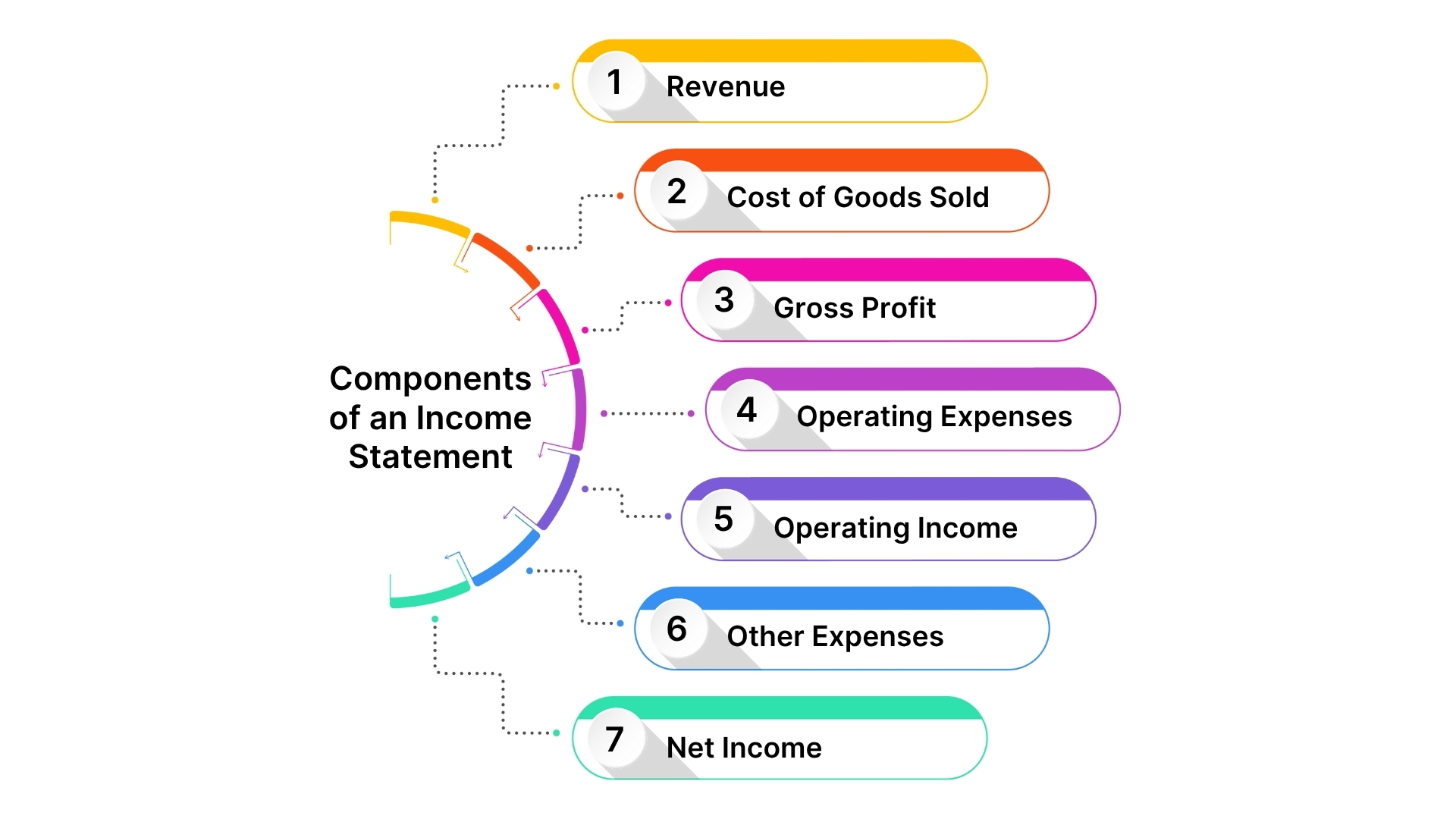
هي إجمالي الدخل الذي تحققه الشركة من بيع السلع أو الخدمات. وتُعد مهمة لتقييم ما إذا كانت الشركة تحقق إيرادات كافية لتغطية تكاليفها.
تشير إلى التكاليف المباشرة المرتبطة بإنتاج المنتجات أو الخدمات المباعة، مثل المواد الخام والعمالة.
هو المبلغ الذي تحققه الشركة بعد خصم تكلفة البضائع المباعة من إجمالي الإيرادات. ويُظهر مقدار الربح الناتج من العمليات الأساسية قبل احتساب المصاريف الأخرى.
هي التكاليف المرتبطة بتشغيل الأعمال، مثل الإيجار، والمرافق، والرواتب. وتُعد إدارة هذه التكاليف ضرورية لتحسين الربحية.
هو الربح الناتج عن الأنشطة التشغيلية الأساسية، بعد خصم المصاريف التشغيلية، وقبل احتساب الفوائد والضرائب والبنود غير التشغيلية.
تشمل أي دخل أو مصاريف لا ترتبط مباشرة بالعمليات الأساسية، مثل الفوائد أو أرباح وخسائر بيع الأصول.
هو الرقم النهائي بعد خصم جميع المصاريف من الإيرادات. ويُعد المؤشر الأهم لتقييم ربحية الشركة.
وبعد تعريف هذه المكونات، يمكننا الانتقال إلى الأنواع المختلفة لقوائم الدخل وكيف تناسب احتياجات الأعمال المختلفة.
اقرأ أيضًا: دليل شامل للمحاسبة ومعالجة الإيرادات غير المفوترة
تتطلب نماذج الأعمال المختلفة أنواعًا مختلفة من قوائم الدخل لتعكس الأداء المالي بدقة. ويُعد اختيار النموذج المناسب أمرًا ضروريًا لضمان عرض البيانات الاقتصادية بشكل واضح وفعّال.
فيما يلي الأنواع الرئيسية لقوائم الدخل المستخدمة من قبل الشركات في المملكة العربية السعودية:
هو نموذج بسيط يعرض جميع الإيرادات والمصروفات في خطوة واحدة. وهو مناسب للشركات الصغيرة ذات العمليات المباشرة والبسيطة.
تُعد أكثر تفصيلًا من النموذج أحادي الخطوة، حيث تفصل بين الدخل التشغيلي والدخل غير التشغيلي، مما يوفر صورة أوضح عن أداء الشركة.
يتضمن هذا النوع جميع أنواع الدخل، بما في ذلك البنود غير المدرجة ضمن صافي الدخل مثل الأرباح أو الخسائر غير المحققة. وهو مناسب للشركات ذات الأنشطة المالية المعقدة.
إن فهم أنواع قوائم الدخل أمر أساسي، لكن الخطوة التالية هي فهم عملية إعداد قائمة الدخل في المملكة العربية السعودية.
اقرأ أيضًا: فهم أساسيات قائمة الأرباح والخسائر مع أمثلة
يتطلب إعداد قائمة دخل دقيقة اتباع عملية واضحة ومنظمة. ومع استخدام الأدوات والمنهج الصحيح، يمكن للمنشآت الصغيرة والمتوسطة ضمان دقة تقاريرها المالية، والامتثال للمعايير التنظيمية، وجاهزيتها لدعم اتخاذ القرارات المبنية على البيانات.
فيما يلي خطوات إعداد قائمة الدخل:
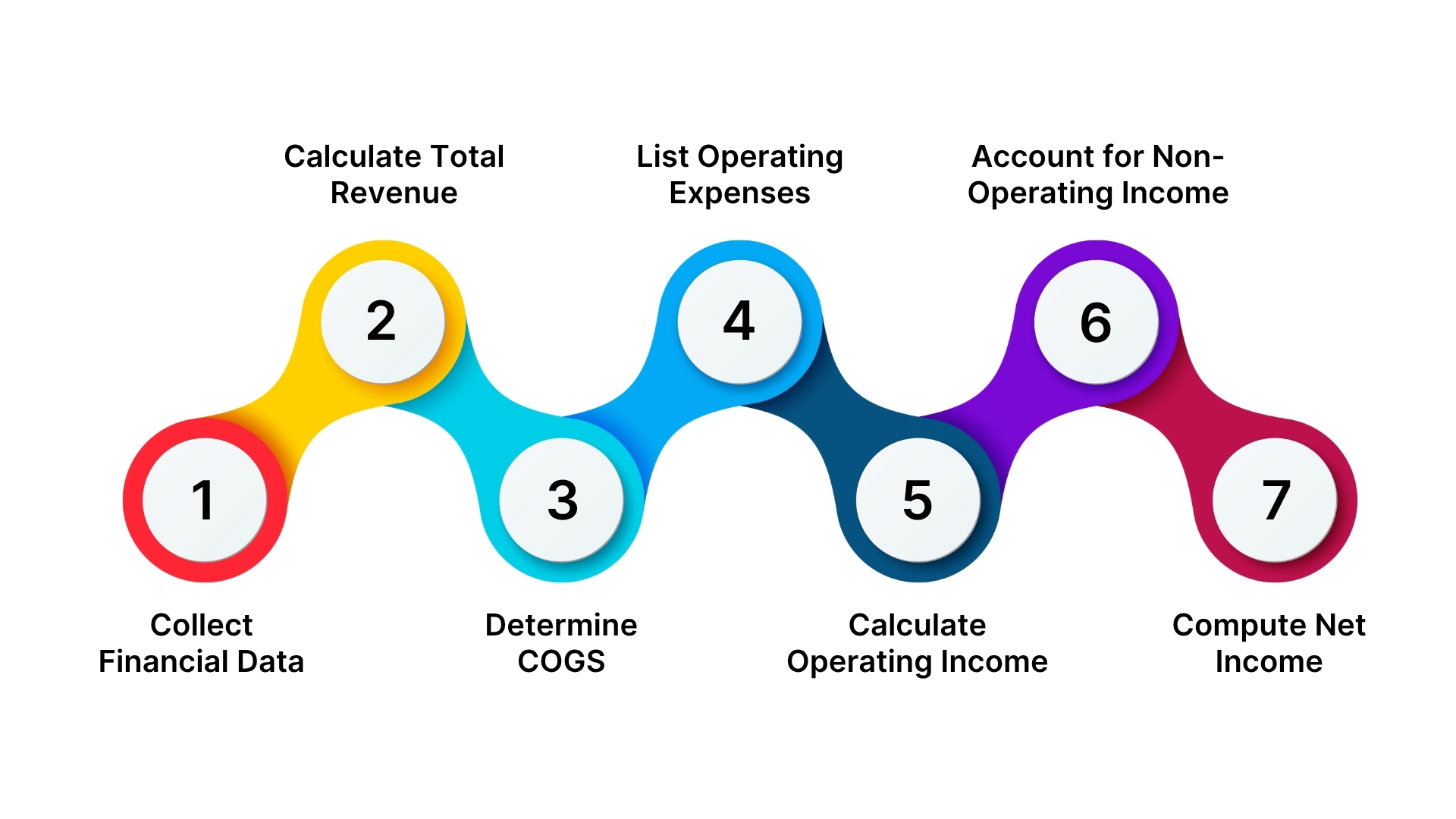
أثناء إعداد قائمة الدخل، من الضروري التأكد من أن العملية تتماشى مع اللوائح الصادرة عن الجهات التنظيمية في المملكة العربية السعودية.
قم بتنزيل قالب مجاني للبدء في إعداد قوائم دخل دقيقة ومتوافقة مع الأنظمة لمشروعك.
في المملكة العربية السعودية، يتعين على الشركات التعامل مع بيئة تنظيمية معقدة لضمان الامتثال لمختلف القوانين المحلية ومعايير التقارير المالية. لا يضمن الالتزام بهذه اللوائح إعداد قائمة دخل دقيقة فحسب، بل يحمي أيضًا الشركات من العقوبات القانونية والمالية المحتملة.
فيما يلي أبرز اللوائح والأطر التنظيمية التي يجب على المنشآت الصغيرة والمتوسطة في السعودية اتباعها عند إعداد قوائم الدخل:
تشرف هذه الهيئة على الأنظمة الضريبية، بما في ذلك ضريبة القيمة المضافة والزكاة. يجب التأكد من أن قوائم الدخل تتوافق مع متطلبات التقارير الضريبية الخاصة بالهيئة.
يتوجب على الشركات الإبلاغ بدقة عن ضريبة القيمة المضافة على المبيعات والمشتريات. يساعد الالتزام الصحيح في تقارير VAT ضمن قائمة الدخل على تجنب التدقيق والغرامات.
تضع SOCPA المعايير المحاسبية في المملكة العربية السعودية. يضمن الالتزام بإرشاداتها توافق قوائم الدخل مع المبادئ المحاسبية المحلية.
يفرض نظام “فاتورة” استخدام الفواتير الإلكترونية للامتثال لضريبة القيمة المضافة، مما يسهل تتبعها ويضمن تسجيل المعاملات والتحقق منها بدقة.
على الرغم من أهمية الالتزام بالمتطلبات القانونية، إلا أن العديد من الشركات تواجه تحديات عملية في إعداد قوائم الدخل بشكل فعّال.
لا يخلو إعداد قائمة الدخل من التحديات. إذ تواجه المنشآت الصغيرة والمتوسطة صعوبات مثل السجلات غير المكتملة، والأخطاء اليدوية، ومشكلات الامتثال التنظيمي، مما قد يعقّد العملية. ويساعد التعرف على هذه التحديات الشركات في السعودية على اتخاذ خطوات استباقية للتقليل من آثارها.
فيما يلي أبرز التحديات الشائعة:
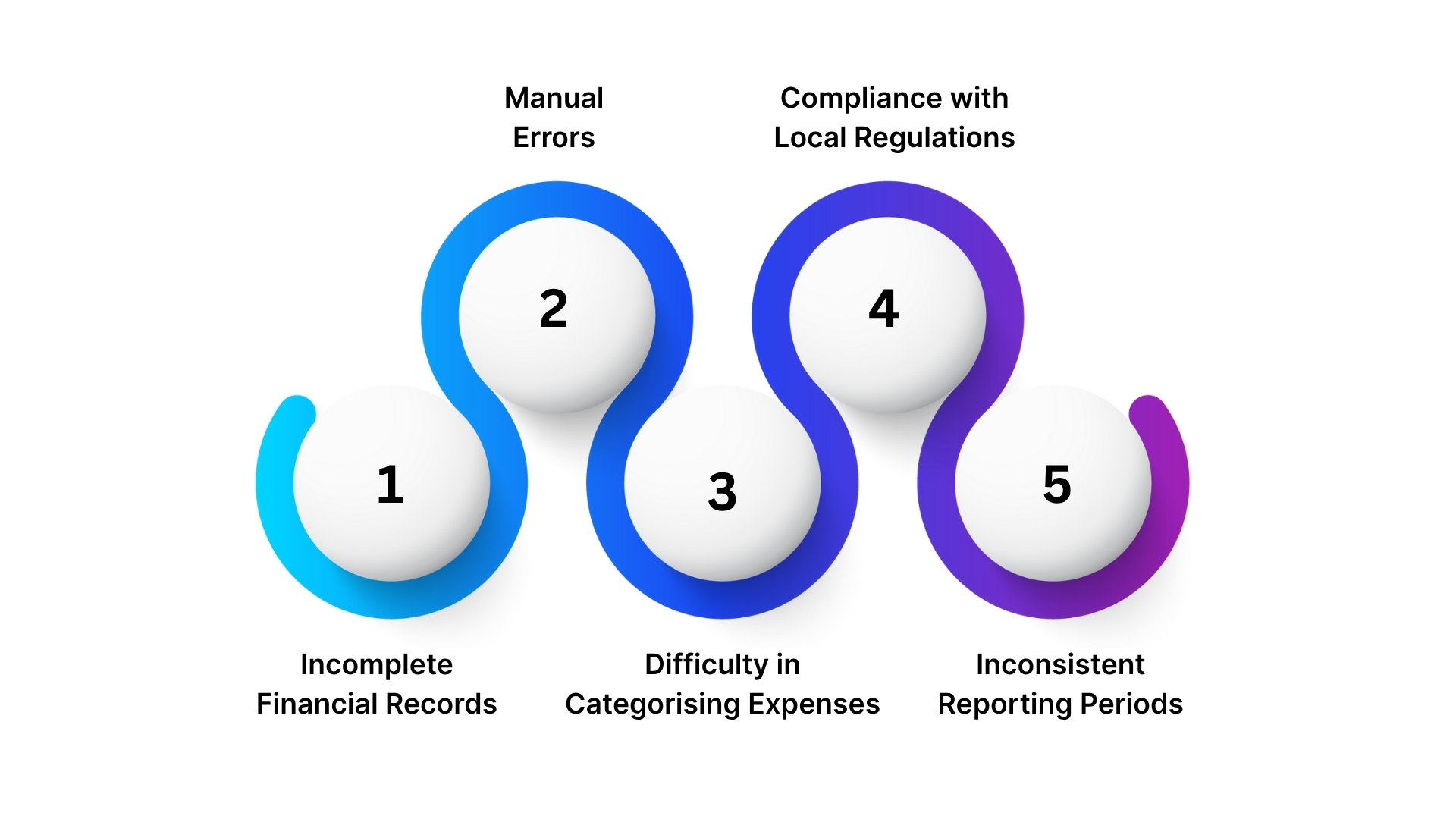
عند إعداد قوائم الدخل لفترات زمنية مختلفة، يصبح من الصعب مقارنة النتائج. لذلك فإن توحيد فترات التقارير يُعد أمرًا ضروريًا لضمان الاتساق.
وبالنظر إلى هذه التحديات، فإن وجود الأدوات المناسبة مثل HAL ERP يمكن أن يُسهّل بشكل كبير عملية إعداد قوائم دخل دقيقة وموثوقة.
HAL ERP هو حل قائم على السحابة يساعد الشركات في المملكة العربية السعودية على إعداد قوائم الدخل بسهولة. ومن خلال أتمتة الوظائف المحاسبية الأساسية، يضمن HAL ERP أن تكون البيانات المالية دقيقة، وفي الوقت الفعلي، ومتوافقة بالكامل مع اللوائح المحلية.
فيما يلي كيفية مساعدة HAL ERP في إعداد قائمة الدخل:
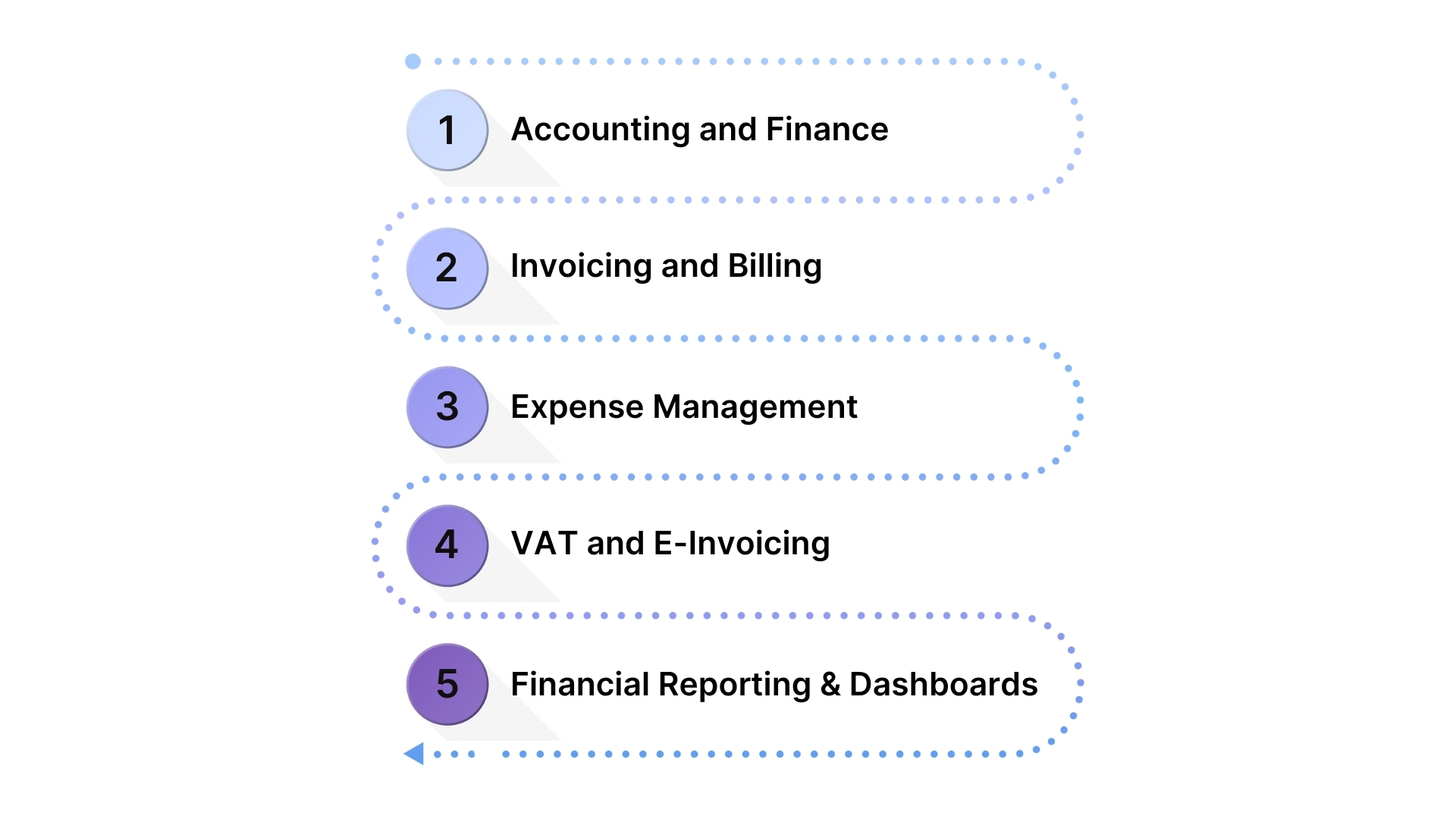
يوفّر إطارًا متكاملًا لتسجيل وإدارة المعاملات المالية. يضمن النظام تسجيل الإيرادات والمصروفات والتسويات بدقة، مما يشكّل الأساس لإعداد قوائم دخل موثوقة.
يبسّط عملية إنشاء وتتبع وإدارة فواتير المبيعات. يتم ربط كل فاتورة تلقائيًا بحسابات الإيرادات، مما يقلل إدخال البيانات اليدوي ويضمن اتساق الدخل المسجل.
يتيح تتبعًا دقيقًا وتصنيفًا واضحًا للتكاليف التشغيلية عبر الأقسام أو مراكز التكلفة. يقوم النظام بأتمتة جمع بيانات المصروفات، مما يساعد على الحفاظ على الدقة والشفافية في التقارير المالية.
مُدمج بالكامل مع أنظمة محاسبية متوافقة مع هيئة الزكاة والضريبة والجمارك (ZATCA)، حيث يقوم هذا الموديول بأتمتة حسابات ضريبة القيمة المضافة، وإضافة رموز QR، والتحقق من صحة الفواتير. يقلل التدخل اليدوي ويضمن الامتثال للأنظمة الضريبية في السعودية مع الحفاظ على سجلات جاهزة للتدقيق.
يوفّر تقارير وتحليلات فورية مع تجميع تلقائي للبيانات. يمكن للشركات إنشاء قوائم دخل دقيقة، ومتابعة لوحات الأداء، وتصدير التقارير للإدارة أو لأغراض التدقيق مع الحد الأدنى من الإدخال اليدوي.
واجهت شركة الفانعية الكهروكيميائية، ومقرها جدة في المملكة العربية السعودية، تحديات تتعلق بالعمليات اليدوية في تتبع عروض الأسعار، وأوامر الشراء، والمدفوعات. ومن خلال اعتماد HAL ERP، تمكنت الشركة من تقليل العمل اليدوي بنسبة 60%، مما أدى إلى تحسين الكفاءة وتسريع عمليات اتخاذ القرار.
قدّم HAL ERP رؤية فورية وشاملة عبر المبيعات والمشتريات والمالية، مع أتمتة التحكم في الميزانيات وتتبع المصروفات. وقد ساعد ذلك في تحقيق التزام بنسبة 100% بالميزانية، بالإضافة إلى عائد استثمار يصل إلى 900%، وتوليد 5.5 مليون ريال سعودي سنويًا.
وبفضل HAL ERP، حققت شركة الفانعية قائمة دخل أكثر دقة وفي الوقت المناسب. كما ساعد النظام في تقليل الفروقات بين الفوترة والإيرادات، وتبسيط عمليات الإقفال الشهري والربع سنوي، وتعزيز الربحية والتحكم المالي.
يُعد إعداد قوائم الدخل الدقيقة جزءًا أساسيًا من إدارة أي عمل ناجح في المملكة العربية السعودية. ومن خلال تطبيق الأدوات والعمليات المناسبة، يمكن للمنشآت الصغيرة والمتوسطة ضمان أن تعكس قوائم الدخل الوضع المالي الحقيقي للشركة، مع تحقيق الامتثال واتخاذ قرارات مبنية على البيانات.
وقد ساعد HAL ERP بالفعل العديد من الشركات على التعامل مع التحديات التنظيمية المعقدة، وضمان امتثال سريع ومرن. ومع HAL ERP، يمكن للشركات تبسيط عملية إعداد قائمة الدخل والتركيز على النمو، دون القلق بشأن مشكلات الامتثال أو دقة البيانات.
يتطلب الامتثال لضريبة القيمة المضافة في السعودية تتبعًا دقيقًا للمبيعات والمصروفات المتعلقة بالأنشطة الخاضعة للضريبة. وتساعد أدوات HAL ERP في حساب ضريبة القيمة المضافة تلقائيًا وإنشاء تقارير متوافقة مباشرة من بيانات قائمة الدخل.
تشمل الأخطاء الشائعة تصنيف الإيرادات والمصروفات بشكل غير صحيح، وإهمال تتبع الدخل غير التشغيلي، أو عدم تسجيل جميع المصروفات. ويمكن تقليل هذه الأخطاء من خلال التصنيف الدقيق والمراجعات الدورية.
يفضل إعداد قائمة الدخل على الأقل كل ربع سنة، لكن الإعداد الشهري يُعد الأفضل للحصول على تحكم مالي أدق ومتابعة أفضل للأداء.
نعم، غالبًا ما يطلب المقرضون والمستثمرون قائمة دخل مُعدة بشكل صحيح لتقييم ربحية الشركة وصحتها المالية، مما يساعدهم على فهم قدرة الشركة على تحقيق الأرباح وإدارة المصروفات.
تُظهر قائمة الدخل أداء الشركة خلال فترة زمنية معينة من خلال الإيرادات والمصروفات، بينما تعرض الميزانية العمومية صورة لحظية لأصول الشركة والتزاماتها وحقوق الملكية. وكلاهما ضروري للتقارير المالية لكن لكل منهما غرض مختلف.