.jpeg)

في ظل ازدهار قطاع البناء في المملكة العربية السعودية، وخاصة مع المشاريع العملاقة المستمرة ضمن رؤية السعودية 2030، أصبح نموذج الفوترة حسب الوقت والمواد (Time and Materials - T&M) استراتيجية أساسية لكل من المقاولين والعملاء. يوفّر هذا النموذج مرونة عالية في إدارة تكاليف المشاريع، خصوصًا عندما يكون نطاق العمل غير واضح أو يتغير باستمرار، كما هو الحال في العديد من المشاريع الكبرى داخل المملكة.
من المتوقع أن تنفق المملكة ما يقارب 1.3 تريليون ريال سعودي على قطاع البناء بحلول عام 2030، مع قيادة مشاريع ضخمة مثل نيوم ومشروع البحر الأحمر لهذا النمو. وفي هذا السياق الديناميكي، تزداد شعبية عقود T&M لأنها تتيح دفع التكاليف الفعلية لساعات العمل والمواد المستخدمة، مع توفير الشفافية والمرونة للعملاء.
في هذا المقال، سنستعرض تفاصيل نموذج الفوترة حسب الوقت والمواد، وكيفية عمله ضمن الإطار التنظيمي في السعودية، وأفضل الممارسات لضمان تنفيذه بسلاسة.
نموذج الفوترة حسب الوقت والمواد (T&M) هو نظام يتم فيه تعويض المقاول بناءً على ساعات العمل الفعلية وتكاليف المواد المستخدمة، بالإضافة إلى هامش ربح متفق عليه مسبقًا لتغطية المصاريف العامة والأرباح.
يُعد هذا النموذج مثاليًا للمشاريع الإنشائية التي تتسم بالتغير المستمر، مثل مشاريع البنية التحتية المتسارعة في المملكة العربية السعودية. ففي مشاريع رؤية السعودية 2030 مثل نيوم والمشاريع السياحية الكبرى، يوفر T&M المرونة اللازمة للتكيف مع التغييرات في المتطلبات والجداول الزمنية.
كما يُستخدم هذا النموذج بشكل خاص عندما يكون من الصعب تقدير نطاق العمل بدقة منذ البداية، مثل مشاريع التصميم والتنفيذ (Design-Build) أو عند ظهور تحديات غير متوقعة أثناء التنفيذ. في هذه الحالات، يكون نموذج T&M أكثر ملاءمة من العقود ذات السعر الثابت التقليدية.
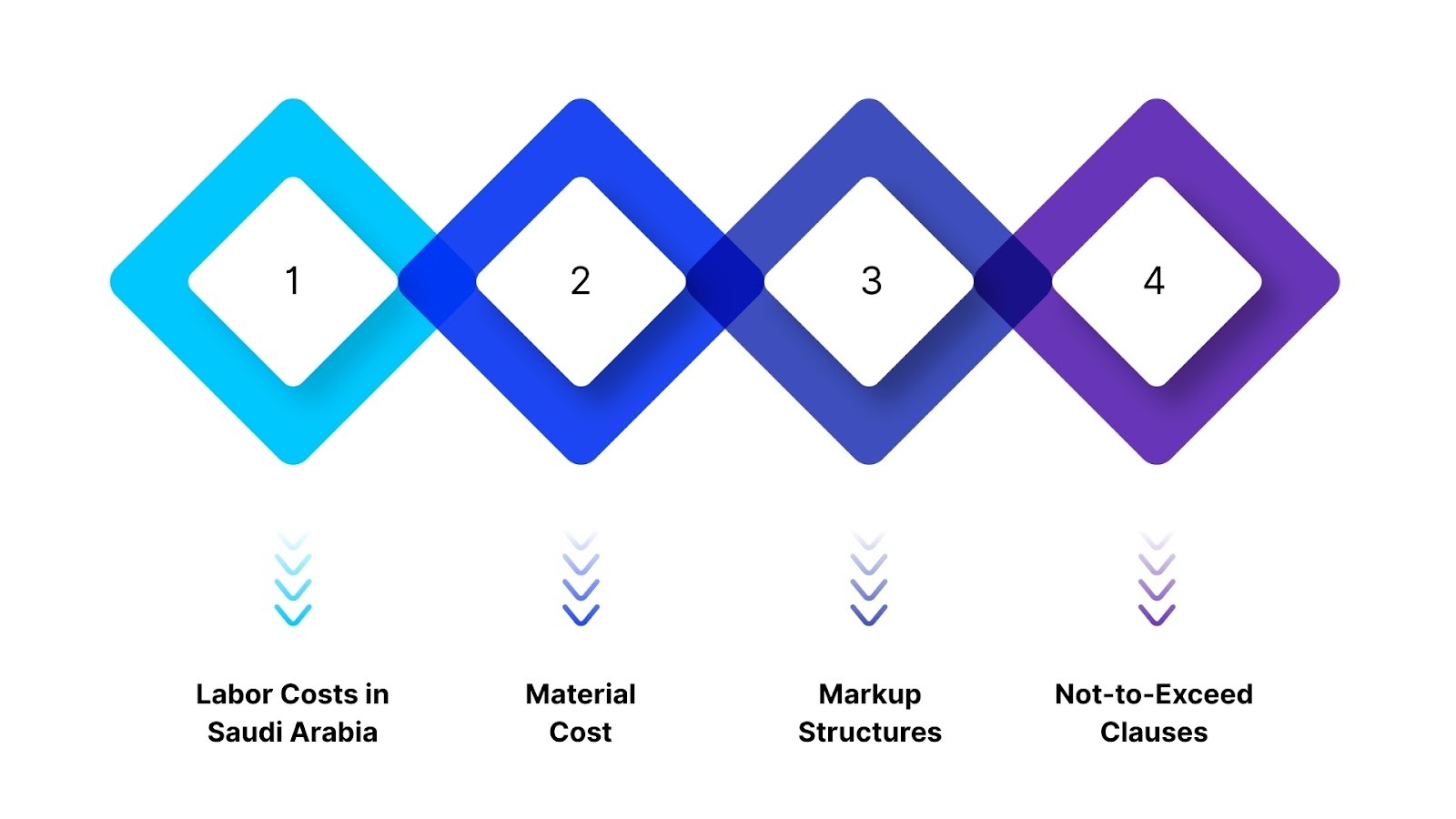
يتضمن عقد الفوترة حسب الوقت والمواد (T&M) في المملكة العربية السعودية عدة عناصر أساسية تحدد كيفية احتساب تكاليف العمالة والمواد وهامش الربح، وطريقة إصدار الفواتير. وفيما يلي شرح تفصيلي لكل مكون:
عادةً ما يتم احتساب تكاليف العمالة على أساس ساعات عمل أو أيام عمل، وتختلف هذه التكاليف حسب مهارات وخبرة العمال.
في المملكة العربية السعودية، يجب على المقاولين التمييز بين العمالة المحلية والعمالة الوافدة، حيث تكون تكلفة العمالة المحلية غالبًا أقل من العمالة الوافدة، ويجب أن ينعكس هذا الفرق بوضوح في العقد.
كما يجب الالتزام بنظام حماية الأجور (Wage Protection System - WPS) الذي يفرض صرف رواتب العمال عبر التحويلات البنكية لضمان الشفافية والعدالة، وهو ما يؤثر أيضًا على طريقة توثيق وتسجيل تكاليف العمالة ضمن عقود T&M.
قد يكون تقدير تكاليف المواد في عقود T&M أكثر تعقيدًا، خاصة عند المقارنة بين المواد المحلية والمواد المستوردة. فالمواد المستوردة غالبًا ما تشمل تكاليف إضافية مثل الشحن، والتخليص الجمركي، ورسوم المناولة، ويجب إدراج هذه التكاليف ضمن الفوترة.
كما يجب على المقاولين الالتزام بلوائح الهيئة السعودية للمواصفات والمقاييس والجودة (SASO) لضمان أن جميع المواد المستخدمة مطابقة للمعايير المحلية، وهو ما يؤثر على عملية حساب التكاليف بدقة.
تشمل عقود T&M إضافة هامش ربح على تكاليف العمالة والمواد لتغطية المصاريف التشغيلية وأرباح المقاول. وتختلف نسبة هذا الهامش حسب حجم المشروع وتعقيده والتكاليف التشغيلية للمقاول.
في المشاريع الكبيرة، قد يتم اعتماد هياكل هامش ربح متدرجة حسب مراحل المشروع أو نوع المواد، مما يضمن الشفافية مع العميل فيما يتعلق بأي تغييرات في التكاليف خلال التنفيذ.
لحماية العميل من تجاوز الميزانية، غالبًا ما يتم تضمين بند الحد الأقصى للتكلفة في عقود T&M. يحدد هذا البند سقفًا ماليًا لا يمكن تجاوزه، مما يوفر وضوحًا للطرفين بشأن الحد الأعلى للتكاليف، حتى في نموذج فوترة مرن وقابل للتغيير.
اقرأ أيضًا: تخطيط إدارة الإنشاءات: دليل شامل
هل تواجه صعوبة في تعقيد الفوترة حسب الوقت والمواد (T&M)؟
اكتشف كيف يقوم HAL بأتمتة هذه العملية للمقاولين في المملكة العربية السعودية.
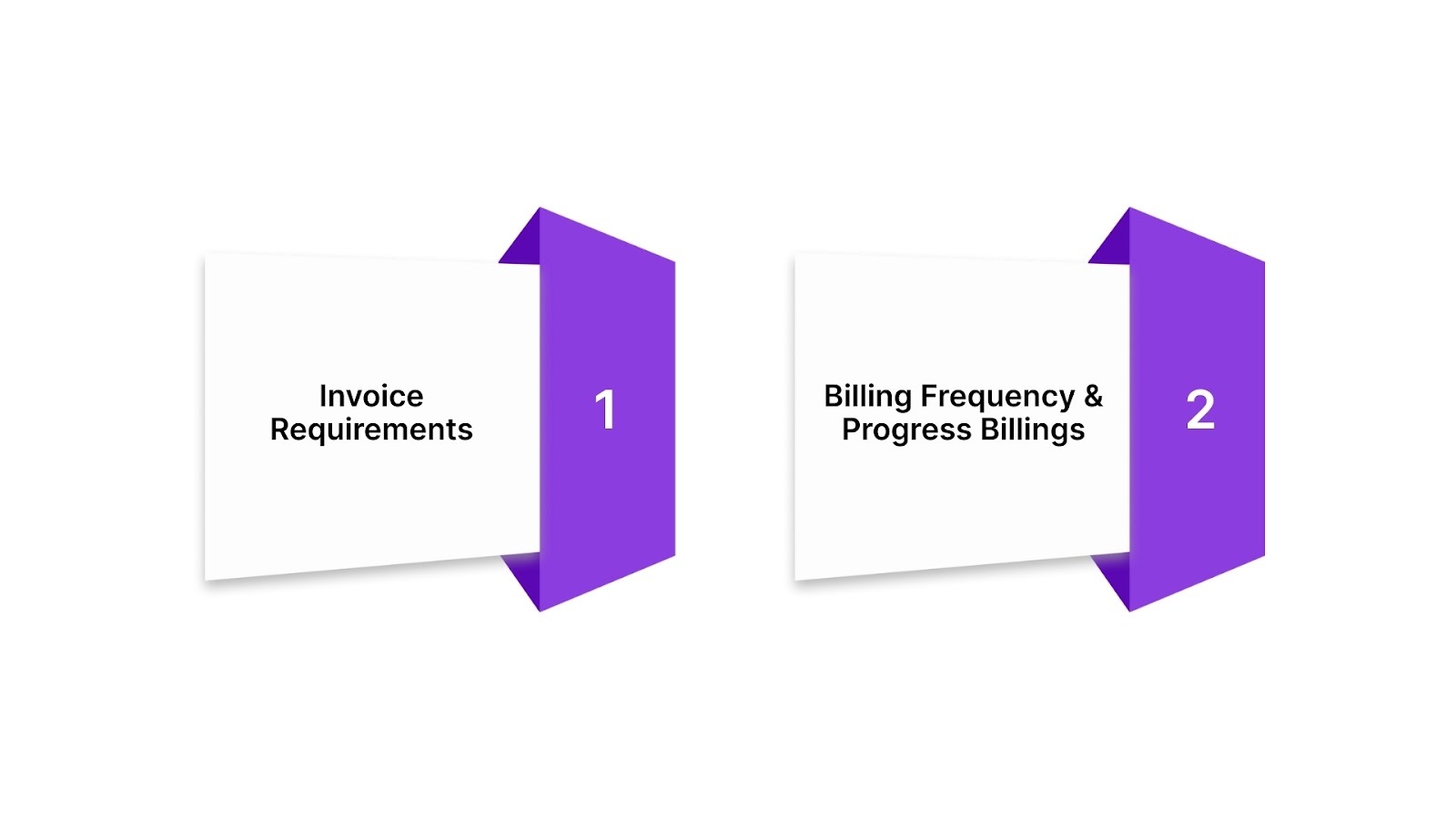
تُعد الفوترة والتوثيق بشكل صحيح عنصرًا أساسيًا لضمان الشفافية وتجنب النزاعات.
فيما يلي أهم الممارسات لإدارة الفوترة حسب الوقت والمواد (T&M):
اقرأ أيضًا: تخطيط التكاليف في البناء: استكشف الفوائد الرئيسية والأنواع

لضمان سلاسة تطبيق الفوترة حسب الوقت والمواد (T&M) في مشاريع البناء، ينبغي على المقاولين اتباع أفضل الممارسات التالية:
تحديد أسعار العمالة، وتكاليف المواد، وهوامش الربح بشكل واضح داخل العقد. يساعد ذلك على تعزيز الشفافية وتقليل الالتباس، وضمان توافق الطرفين منذ البداية.
الحفاظ على قنوات تواصل مفتوحة مع العميل طوال مدة المشروع يساعد على معالجة أي مشكلات بسرعة، ويمنع سوء الفهم حول التكاليف أو نطاق العمل.
ينبغي على المقاولين استخدام الأدوات الرقمية لتتبع ساعات العمل واستهلاك المواد بشكل فوري. يضمن ذلك دقة الفوترة وسلاسة عملية إصدار الفواتير.
من المهم توضيح آلية عمل نموذج T&M للعملاء، بما في ذلك كيفية تتبع العمالة والمواد واحتساب التكاليف. يساعد ذلك في ضبط التوقعات وتقليل الاعتراضات المحتملة.
يجب على المقاولين الالتزام بالأنظمة المحلية مثل نظام حماية الأجور (WPS)، ولوائح الهيئة السعودية للمواصفات والمقاييس والجودة (SASO)، إضافة إلى المتطلبات التنظيمية الخاصة بقطاع البناء في المملكة، لضمان الامتثال وتجنب المخالفات أثناء تنفيذ المشاريع.
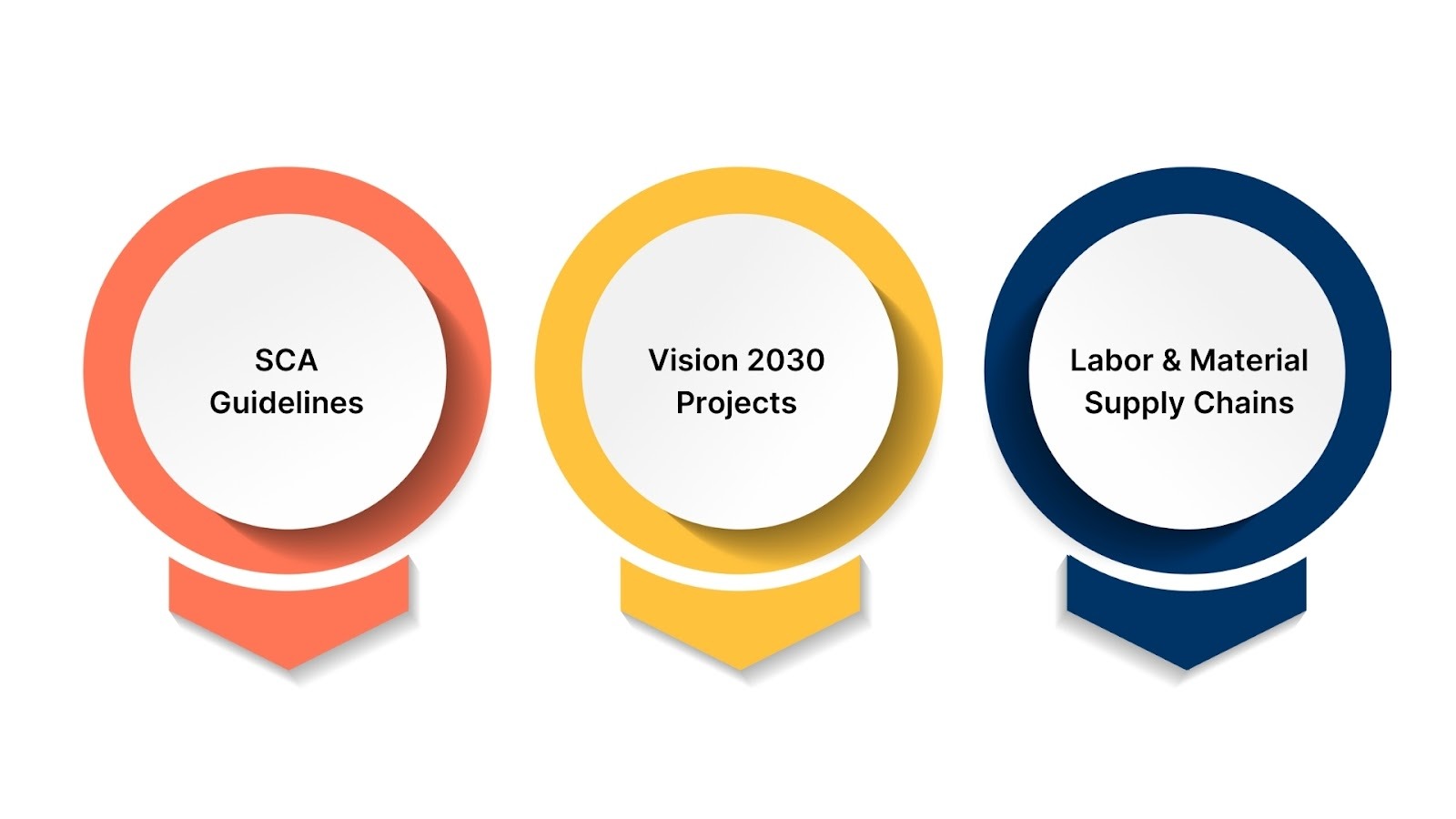
يجب على المقاولين العاملين في المملكة العربية السعودية الالتزام بالأنظمة والممارسات المالية والإنشائية الخاصة بالمملكة:
يجب على المقاولين الالتزام بمعايير الهيئة السعودية للمقاولين (SCA)، والتأكد من أن عقود الفوترة حسب الوقت والمواد (T&M) متوافقة مع الأنظمة واللوائح المحلية المعمول بها.
غالبًا ما تتطلب مشاريع رؤية السعودية 2030 العملاقة مرونة نموذج T&M نظرًا لحجمها وتعقيدها. لذلك فإن فهم كيفية توافق هذا النموذج مع هذه المشاريع يعد أمرًا أساسيًا للمقاولين.
يُعد نيوم مشروع مدينة مستقبلية تبلغ قيمته 500 مليار دولار في منطقة تبوك، ويشمل تطويرات متعددة مثل “ذا لاين” و“تروجينا” و“أوكساغون”. إن الطبيعة المتغيرة لهذه المشاريع تجعل نماذج الفوترة مثل T&M ضرورية لإدارة التكاليف المتغيرة بكفاءة.
يمتد هذا المشروع السياحي البيئي على مساحة 28,000 كيلومتر مربع على ساحل البحر الأحمر، ويشمل منتجعات فاخرة ومراسي ومرافق ترفيهية. وبسبب حجمه وتعقيده، يُعد نموذج T&M مناسبًا لتتبع تكاليف العمالة والمواد عبر مراحله المختلفة.
تقع القدية جنوب غرب الرياض، وهي مدينة ترفيهية بمساحة 360 كيلومترًا مربعًا قيد التطوير. وبفضل تنوع مشاريعها، يساعد نموذج T&M على تخصيص التكاليف بدقة وإجراء التعديلات أثناء تقدم التنفيذ.
يساهم تطبيق الفوترة حسب الوقت والمواد في هذه المشاريع في تعزيز الشفافية، وضمان الامتثال للأنظمة المحلية، ومواكبة الطبيعة الديناميكية للمشاريع الكبرى ضمن رؤية السعودية 2030.
تأكد من الامتثال لمتطلبات الهيئة السعودية للمقاولين (SCA) من خلال الميزات المصممة خصيصًا للسوق السعودي في HAL. احجز استشارة اليوم!
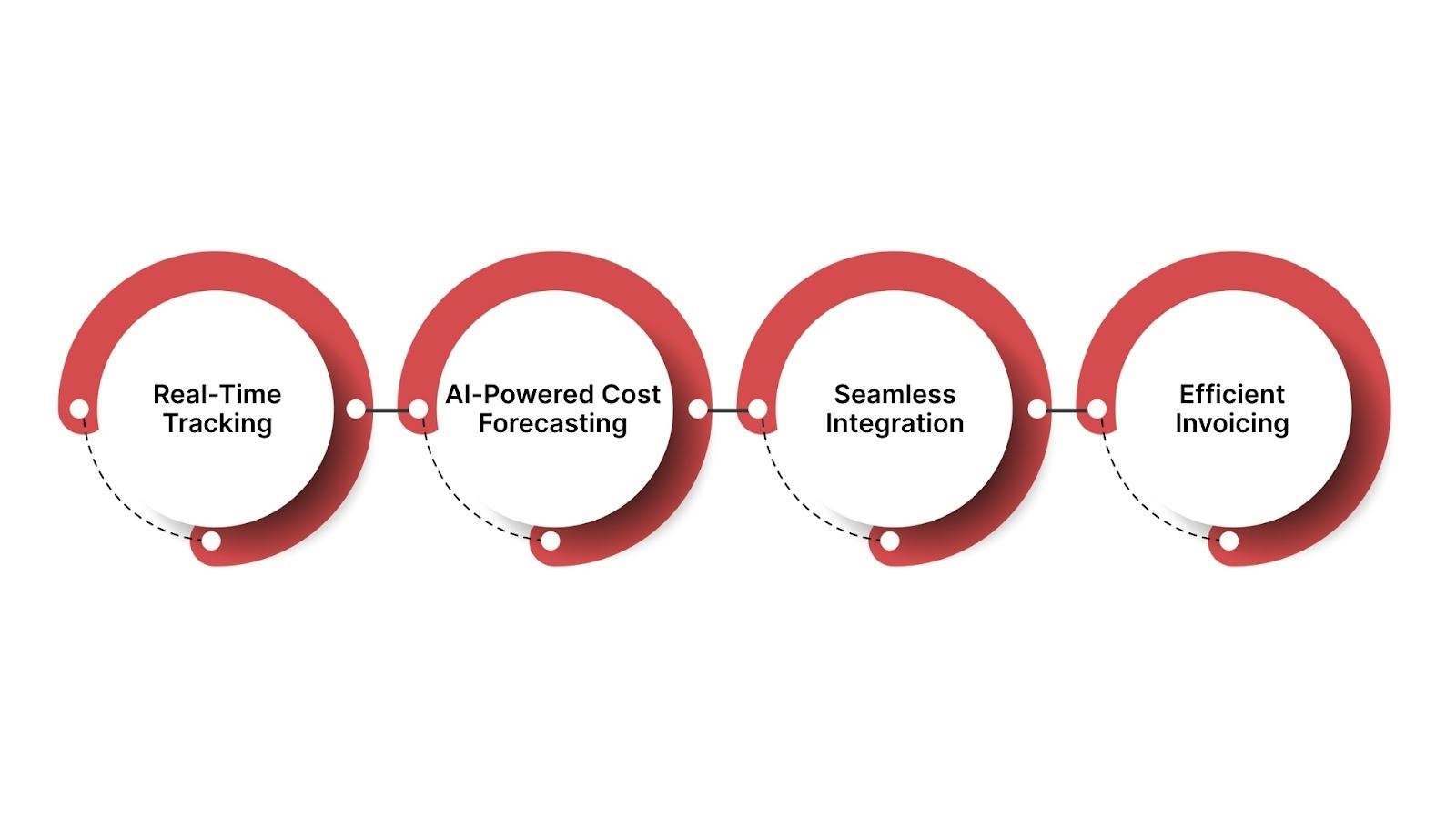
يبسّط نظام HAL الفوترة حسب الوقت والمواد (T&M) باستخدام أدوات مدعومة بالذكاء الاصطناعي تضمن الدقة والكفاءة والتتبع الفوري، مما يساعد المقاولين على إدارة التكاليف وتحسين أداء المشاريع.
يقوم HAL بتتبع ساعات العمل والمواد المستخدمة بشكل لحظي، مما يوفر فوترة دقيقة ويمنع حدوث أي تباينات أو أخطاء في الحسابات.
يعتمد النظام على الذكاء الاصطناعي للتنبؤ بالتكاليف وتعديل الموارد بناءً على تقدم المشروع، مما يقلل المفاجآت المالية ويساعد على الالتزام بالميزانية.
يتكامل HAL مع الأنظمة المالية المحلية، مما يجعل عمليات الدفع والامتثال التنظيمي أكثر سهولة وسلاسة للمقاولين في المملكة العربية السعودية.
تساعد الفوترة الآلية في تقليل العبء الإداري وتسريع إصدار الفواتير، مما يحسن التدفق النقدي وإدارة السيولة.
على سبيل المثال، واجهت شركة Jash Holding، وهي لاعب رئيسي في إدارة المرافق، تحديات تشغيلية مثل تشتت بيانات المشاريع، وأخطاء الرواتب اليدوية، وضعف إدارة المخزون. وبعد تطبيق HAL Contracting، قامت بتوحيد العمليات المالية، وأتمتة الرواتب، وتحسين إدارة الأصول، مما أدى إلى زيادة الكفاءة التشغيلية بنسبة 60%، وهو ما يوضح فعالية الحلول المتكاملة مثل HAL في معالجة تحديات المشتريات وإدارة المشاريع.
موثوق به من قبل أكثر من 200 شركة مقاولات وإنشاءات في السعودية. انضم إلى الشركات الرائدة في المملكة التي تستخدم HAL لتبسيط الفوترة حسب الوقت والمواد بدقة مدعومة بالذكاء الاصطناعي وثقة في الامتثال.
1. ما هو نموذج الفوترة حسب الوقت والمواد (T&M) في قطاع البناء؟
نموذج الفوترة حسب الوقت والمواد هو أسلوب تعاقدي يتم فيه دفع التكاليف للمقاول بناءً على ساعات العمل الفعلية وتكاليف المواد المستخدمة، مع إضافة هامش ربح لتغطية المصاريف العامة والأرباح. ويُعد مناسبًا للمشاريع ذات النطاق المتغير أو المتوسع.
2. كيف يتم تحديد تكاليف العمالة في عقد T&M؟
يتم احتساب تكاليف العمالة بناءً على أسعار بالساعة أو باليوم، وتختلف حسب مستوى مهارة العامل وخبرته. كما يجب توضيح الفرق بين العمالة المحلية والعمالة الوافدة داخل العقد لأن لكل منهما تكلفة مختلفة.
3. ما هي نسبة هامش الربح المعتادة في عقود T&M في السعودية؟
تتراوح نسبة هامش الربح عادة في عقود T&M في المملكة العربية السعودية بين 15% إلى 30%، وذلك حسب تعقيد المشروع، وطبيعة القطاع، ومتطلبات العميل.
4. كيف يؤثر نظام التوطين (السعودة) على أسعار الفوترة في T&M؟
يؤثر نظام السعودة على أسعار الفوترة لأن الشركات قد تحتاج إلى توظيف عدد أكبر من السعوديين. وهذا قد يؤدي إلى زيادة في تكاليف العمالة، وبالتالي ارتفاع أسعار عقود T&M لتعويض هذه التكاليف الإضافية.
5. ما هي متطلبات هيئة الزكاة والضريبة والجمارك (ZATCA) لفواتير T&M؟
تتطلب هيئة الزكاة والضريبة والجمارك (ZATCA) أن تتضمن فواتير T&M تفاصيل واضحة عن الخدمات المقدمة وتكاليفها، بالإضافة إلى احتساب ضريبة القيمة المضافة (VAT). كما يجب إصدار الفواتير إلكترونيًا عبر نظام متوافق مع متطلبات الفوترة الإلكترونية في المملكة.

.jpg)