

تشهد مشاريع البناء في المملكة العربية السعودية نموًا متزايدًا من حيث الحجم والتعقيد في إطار رؤية 2030. ومع الميزانيات المحدودة، وتعدد أصحاب المصلحة، والجداول الزمنية الصارمة، هناك أمر واضح: الخبرة وحدها لا تكفي. ولتحقيق النتائج في الوقت المحدد وضمن الميزانية، تحتاج إلى إدارة منضبطة للمشاريع تفرض التنظيم على جميع العناصر المتحركة، بدءًا من التخطيط والتقدير والمشتريات، وصولًا إلى التنفيذ والتمويل.
إليك الحقيقة الصعبة: ما يقرب من تسعة مشاريع بناء من أصل عشرة تتجاوز ميزانياتها، مع متوسط تجاوزات في التكاليف يتراوح بين 15% و28% على مستوى العالم. وفي السوق السعودي سريع التطور، قد تكون هذه النسب أعلى إذا لم تتم إدارة العمليات بإحكام. فالتأخيرات وإعادة العمل وضعف التنسيق لا تؤثر فقط في الجداول الزمنية، بل تؤدي أيضًا إلى تآكل هوامش الربح والمصداقية.
يوضح هذا الدليل كيف تساعد إدارة مشاريع البناء الفعالة على الحفاظ على كفاءة مشاريعك وانضباطها المالي ومواءمتها بشكل كامل مع أهداف أعمالك.
إدارة مشاريع البناء هي عملية التخطيط والتنسيق والإشراف على كل مرحلة من مراحل مشروع البناء، بدءًا من التصميم الأولي وحتى التسليم النهائي. وعلى عكس المشاريع الأخرى، تتميز مشاريع البناء بطبيعتها القائمة على مهمة محددة؛ فعند اكتمال المنشأة، ينتهي دور فريق المشروع ويتفرق أعضاؤه.
ولا تقتصر هذه العملية على إدارة الميزانيات والجداول الزمنية فحسب. إذ يتعين على مديري المشاريع التعامل مع تحديات مثل تغييرات التصميم، ونقص المواد، وظروف الموقع، ولوائح السلامة، وكلها عوامل يمكن أن تؤثر في التكلفة وموعد التسليم.
في المملكة العربية السعودية، حيث تتوسع المشاريع واسعة النطاق بسرعة في إطار رؤية 2030، تُعد الدقة والتحكم المالي من العوامل الأساسية للنجاح. حتى الأخطاء الصغيرة في التقديرات يمكن أن تؤثر في التدفق النقدي وتؤخر سير العمل. ولهذا تُعد إدارة المشاريع الفعالة مهمة للحفاظ على الربحية والاستقرار. والآن، لنستعرض كيفية سير إدارة مشاريع البناء عبر كل مرحلة من مراحل المشروع.
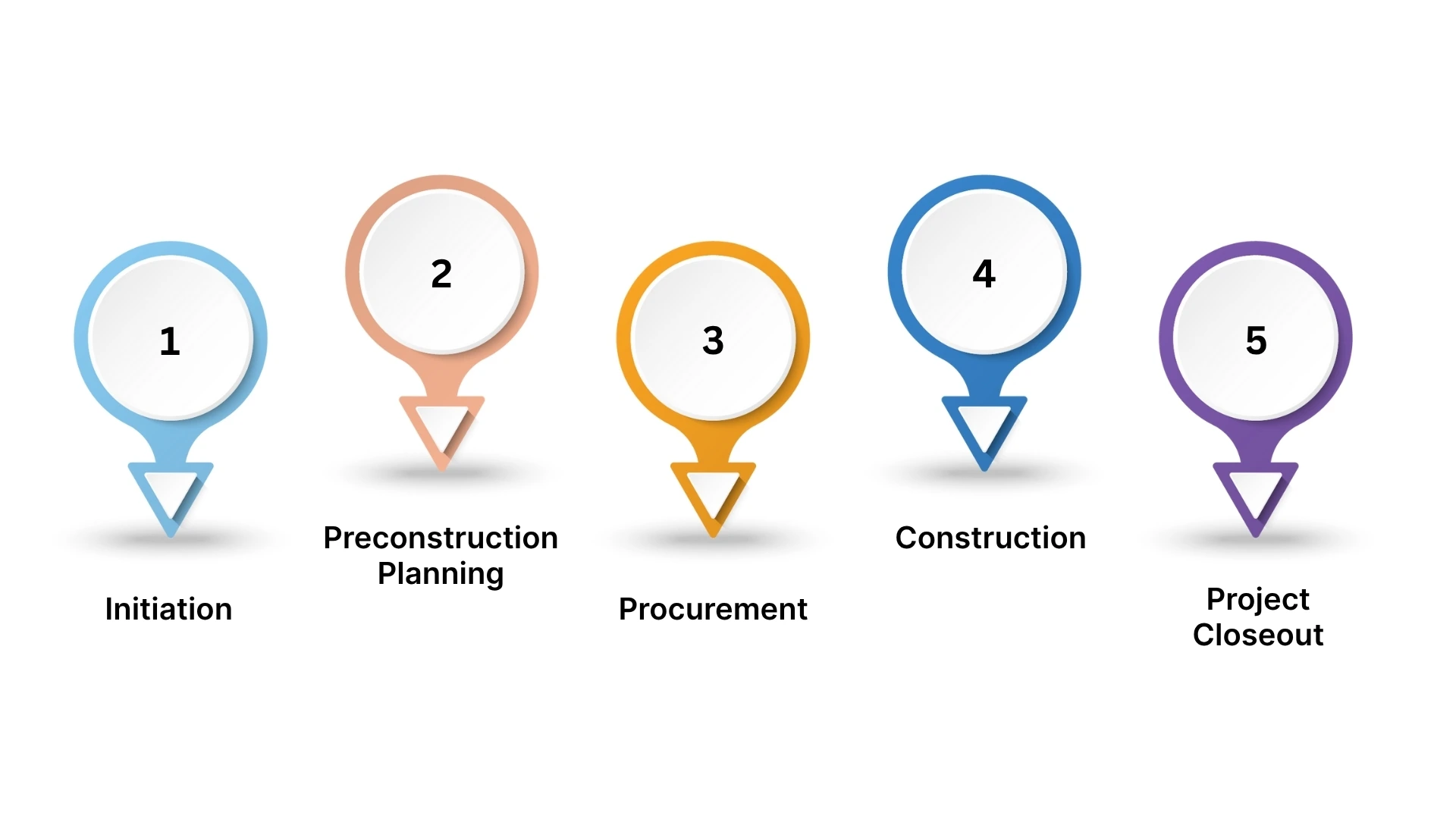
تتبع مشاريع البناء مراحل منظمة للحفاظ على الجدول الزمني والميزانية المحددة واستيفاء معايير الجودة. وتربط إدارة المشاريع الفعالة بين الأشخاص والموارد والعمليات في كل مرحلة، بدءًا من الفكرة الأولى وحتى التسليم النهائي.
يبدأ كل مشروع بفكرة. وفي بعض الأحيان تقترح شركة البناء المفهوم، ولكن غالبًا ما يكون لدى العملاء رؤية مسبقة تحتاج إلى مزيد من التطوير. خلال مرحلة البدء، يقوم الفريق بتقييم جدوى المشروع من خلال مراعاة ما يلي:
إذا كان المشروع قابلًا للتنفيذ، يقوم الفريق بإعداد مقترح للحصول على موافقة العميل ووضع خطة أولية للتنفيذ.
تضع هذه المرحلة الأساس لكل ما يأتي بعدها. والهدف منها هو توقع التحديات، وتحديد الميزانيات، ومواءمة جميع الأطراف المعنية. وتشمل:
في المملكة العربية السعودية، تُظهر الأبحاث أن تجاوزات التكاليف غالبًا ما تنتج عن ضعف التقديرات وعيوب التصميم، مما يجعل هذه المرحلة بالغة الأهمية. وتعمل أدوات مثل HAL ERP على أتمتة حصر الكميات وإعداد الميزانيات وتخطيط الموارد لتقليل الأخطاء اليدوية وتسريع عملية الإعداد.
تعمل المشتريات على تأمين المواد والمعدات والعمالة اللازمة لأعمال البناء. وتشمل هذه العملية:
تشمل أساليب اختيار العروض الشائعة ما يلي:
تحافظ المشتريات الفعالة على المشاريع ضمن الميزانية وتتجنب التأخيرات المكلفة. وتعمل برامج إدارة مشاريع البناء على تبسيط تتبع العروض وإدارة العقود والتواصل مع الموردين.
أثناء مرحلة التنفيذ، يتم توفير الموارد والبدء في أعمال البناء. يقوم فريق إدارة المشروع بما يلي:
حتى مع التخطيط الجيد، قد تظهر مشكلات في الموقع. ويراقب مديرو المشاريع مؤشرات الأداء الرئيسية، ويديرون التغييرات، ويحافظون على ضبط الأمور المالية من خلال:
يضمن نظام مركزي لإدارة المشاريع الحصول على رؤية فورية، وإعداد تقارير دقيقة، وتعزيز المساءلة على جميع المستويات.
تؤكد مرحلة الإغلاق استيفاء المشروع لجميع متطلبات العميل والمتطلبات التنظيمية. وتشمل:
يساعد الإغلاق المنظم على منع النزاعات واستخلاص الدروس المهمة للمشاريع المستقبلية. وفي المملكة العربية السعودية، تحدث التأخيرات غالبًا أثناء مراحل التخطيط أو المشتريات بسبب الموافقات أو نقص المواد أو تحديات القوى العاملة، مما يؤكد الحاجة إلى رقابة محكمة على كل مرحلة.
على الرغم من أن كل مشروع يتبع خطوات متشابهة، فإن النهج قد يختلف حسب ما إذا كان المشروع سكنيًا أو تجاريًا أو غير ذلك. لنستكشف أنواع إدارة مشاريع البناء.
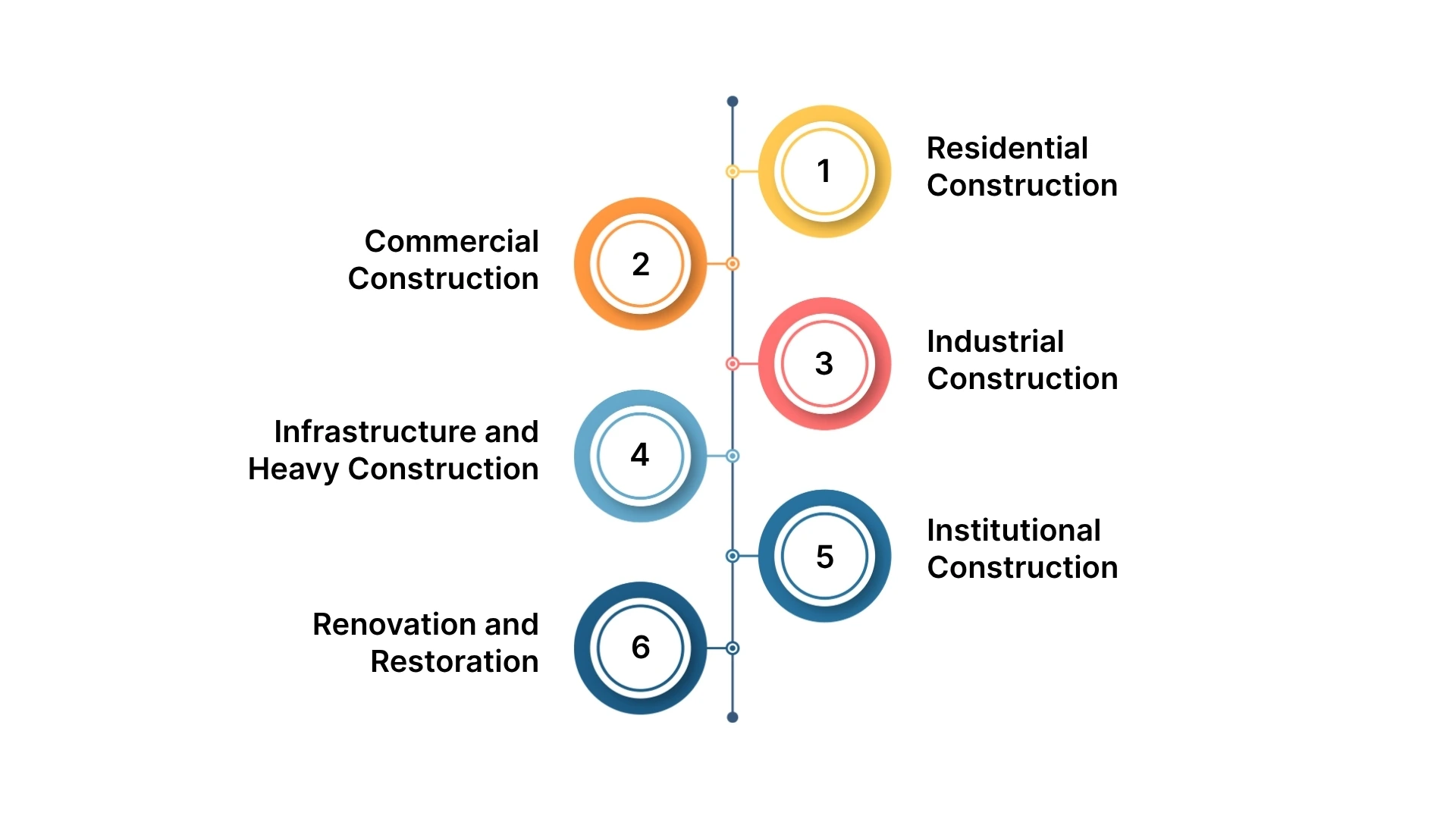
تختلف مشاريع البناء بشكل كبير من حيث الغرض والحجم والتعقيد. ويُعد فهم نوع المشروع أمرًا أساسيًا للتخطيط وإعداد الميزانية والجدولة وإدارة الموارد. وتشمل الأنواع الرئيسية ما يلي:
يمكن أيضًا تصنيف المشاريع حسب الملكية (عامة أو خاصة) أو حسب الإشغال، بناءً على كيفية استخدام المبنى. ولكن بغض النظر عن النوع، يعتمد نجاح كل مشروع بناء على الإدارة القوية والتواصل الواضح والتنفيذ المنضبط.
اقرأ أيضًا: كيفية إعداد تقارير فعّالة عن تقدم أعمال البناء
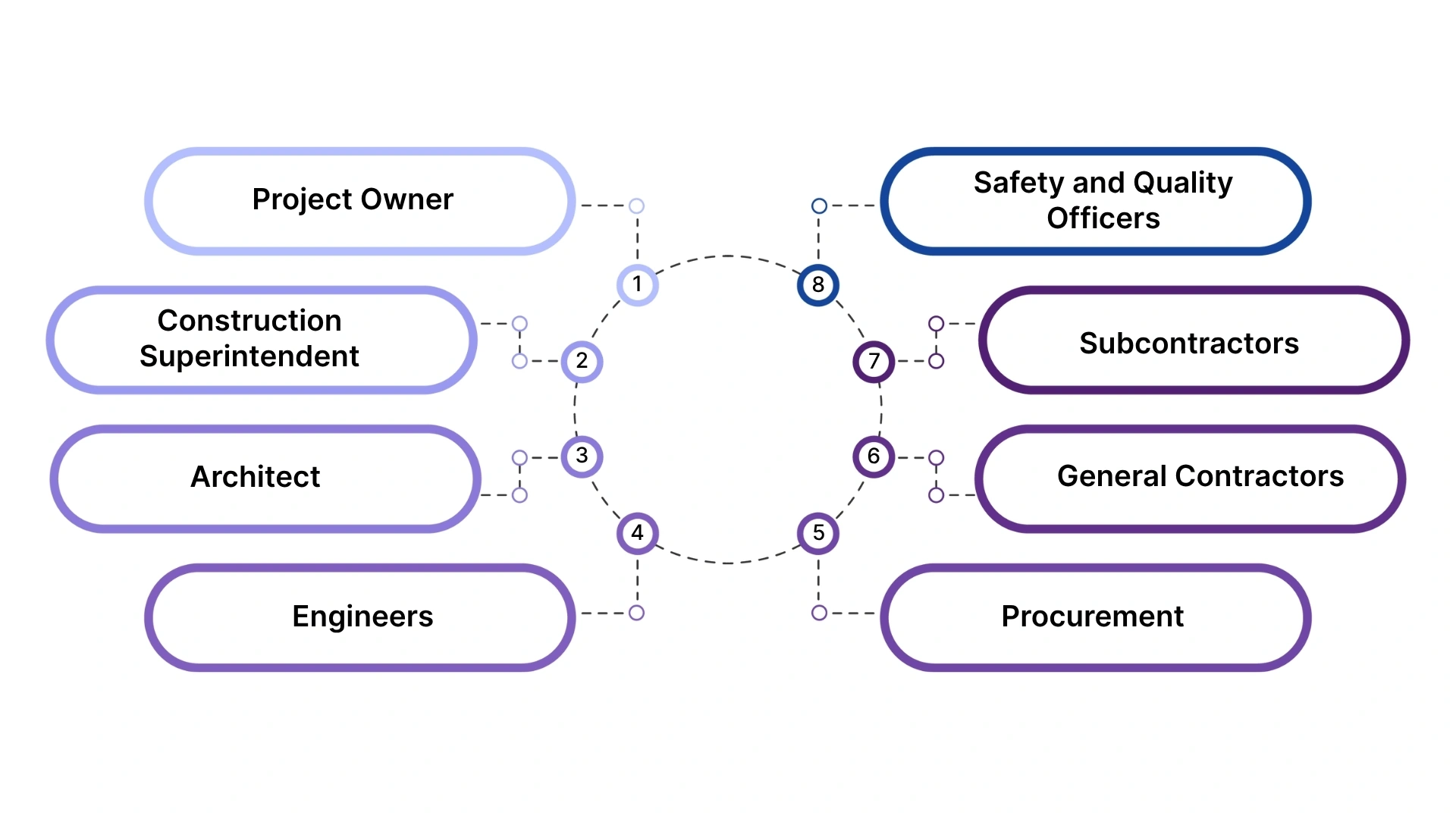
تعتمد مشاريع البناء على العمل الجماعي المنسق بين تخصصات متعددة. ويعتمد النجاح على تحديد المسؤوليات بوضوح والحفاظ على الرقابة المالية في كل مرحلة. وبالنسبة للمديرين الماليين وقادة الشؤون المالية في قطاع البناء المتنامي في المملكة العربية السعودية، يساعد فهم هذه الأدوار على التنبؤ بالتكاليف، وإدارة الموافقات، وحماية التدفق النقدي.
1. مالك المشروع
يحدد مالك المشروع (العميل أو المطور) نطاق المشروع وميزانيته وأهدافه. كما يوافق على القرارات الرئيسية، بما في ذلك الميزانيات والعقود وأوامر التغيير. وبالنسبة للفرق المالية، يضمن التوافق مع المالك وضوح المدفوعات والموافقات وتوقعات المشروع، مما يقلل من مخاطر النزاعات وتجاوزات التكاليف.
2. مشرف البناء / مدير الموقع
يشرف مديرو المواقع على العمليات اليومية في الموقع، وينسقون أعمال المقاولين من الباطن، ويفرضون معايير السلامة، ويتابعون التقدم. وتؤثر تقاريرهم بشكل مباشر في التخطيط المالي، بما في ذلك مدفوعات المراحل الرئيسية وتعديلات الميزانية، وهو أمر بالغ الأهمية خاصة في المشاريع السعودية واسعة النطاق.
3. المهندس المعماري / فريق التصميم
يضع المهندسون المعماريون والمصممون المخطط الأساسي للمشروع، بما يشمل شكله ووظيفته وامتثاله لكود البناء السعودي والمعايير البيئية. ويمكن أن يؤدي أي تعديل في التصميم إلى تكاليف جديدة أو تمديد الجداول الزمنية، لذلك يجب على الفرق المالية متابعة تغييرات التصميم عن كثب.
4. المهندسون (المدنيون والإنشائيون ومهندسو MEP)
يحوّل المهندسون مفاهيم التصميم إلى خطط قابلة للتنفيذ، مع ضمان استيفاء الهيكل لمتطلبات الأداء والسلامة والاستدامة. وتؤثر قراراتهم الفنية في اختيار المواد وتكاليف المشتريات والجداول الزمنية للبناء، وكلها ترتبط مباشرة بالتحكم في الميزانية.
5. مدير المشتريات / العقود
يتولى هؤلاء المتخصصون اختيار الموردين وتوريد المواد والتفاوض على العقود. وتحدد كفاءتهم مدى قدرة المشروع على الالتزام بالميزانية والجدول الزمني. وفي المملكة العربية السعودية، حيث قد تختلف الجداول الزمنية لـسلسلة التوريد، تُعد عملية المشتريات الشفافة أمرًا أساسيًا لتجنب ارتفاع التكاليف.
6. المقاولون العامون
ينفذ المقاولون الرئيسيون أعمال البناء الرئيسية، ويوفرون العمالة والآلات والمواد. ويجب على الفرق المالية متابعة فواتير المقاولين ومقارنتها بالتقدم الفعلي في العمل لضمان المساءلة ومنع المدفوعات الزائدة أو التأخيرات.
7. المقاولون من الباطن
يتولى المقاولون من الباطن التخصصات المختلفة، مثل الأعمال الكهربائية والسباكة وأنظمة التدفئة والتهوية وتكييف الهواء وغيرها. وعلى الرغم من أن نطاق أعمالهم قد يكون أصغر، فإن تنسيقهم يؤثر في الجداول الزمنية والجودة بشكل عام. ويمكن أن تؤدي التأخيرات أو عدم سداد المستحقات إلى تعطيل سير العمل وزيادة التكاليف، مما يجعل الإشراف على المقاولين من الباطن أمرًا ضروريًا.
8. مسؤولو السلامة والجودة
تضمن هذه الأدوار الامتثال للوائح البناء السعودية وبروتوكولات السلامة، بما في ذلك كود البناء السعودي (SBC)، ولوائح السلامة والصحة المهنية السعودية (OSH)، ومتطلبات تصاريح البلديات المحلية.
يمكن أن يؤدي إهمال عمليات فحص السلامة أو الجودة إلى فرض غرامات، وإعادة العمل، وتوقف المشاريع، والإضرار بالربحية والسمعة.
عندما تعمل جميع الأدوار ضمن نظام مركزي مثل HAL ERP، تصبح بيانات المشروع موحدة، مما يمنحك رؤية مباشرة للتكاليف والعقود والتقدم. وهذا يحسن التعاون ويحافظ على سير المشاريع وفق الجدول الزمني وضمن الميزانية. والآن، لنستكشف كيف تحدد العقود الواضحة المسؤوليات ونطاق العمل والتوقعات المالية لكل دور.
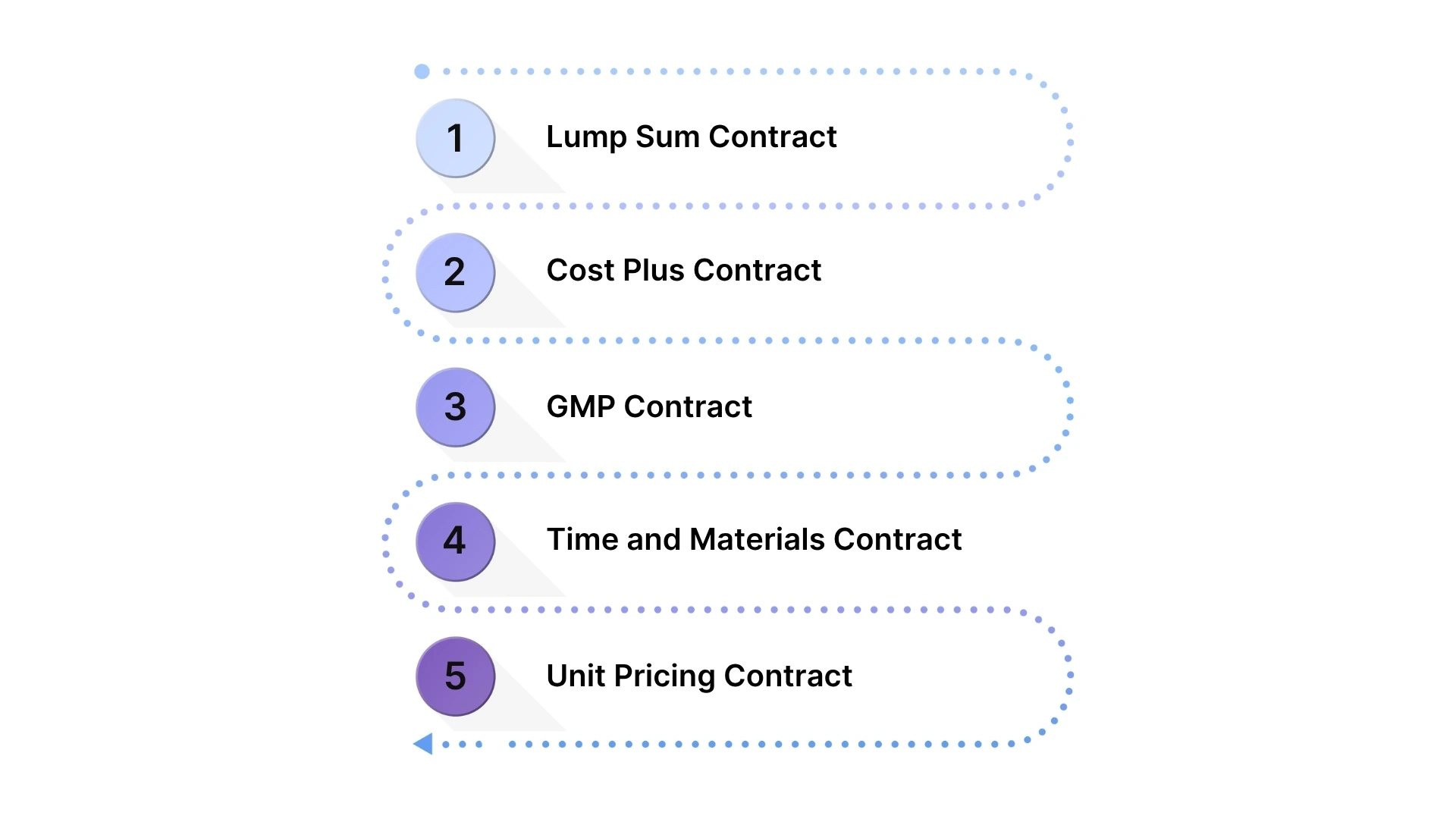
تُعد عقود إدارة البناء اتفاقيات رسمية بين مالك المشروع، الذي يكلّف بتنفيذ الأعمال، والمقاول العام، الذي يتولى تنفيذها. وتحدد هذه العقود نطاق المشروع والمسؤوليات وشروط الدفع مسبقًا، مما يضمن توافق جميع الأطراف منذ البداية.
فيما يلي أنواع العقود الشائعة:
بالإضافة إلى اختيار نوع العقد، يجب على مالك المشروع اختيار طريقة التنفيذ الأنسب، مثل التصميم-المناقصة-التنفيذ، أو التصميم والتنفيذ، أو إدارة البناء مع تحمل المخاطر، بما يضمن مواءمة المشروع مع أهداف الميزانية والجدول الزمني والجودة.
اقرأ أيضًا: تخطيط التكاليف في البناء: استكشف أهم الفوائد والأنواع
تحدد العقود الإطار العام للمشروع، ولكن عليك أولًا اختيار المقاولين المناسبين، وهي عملية تبدأ بتقديم عروض تنافسية.
يبدأ اختيار المقاول المناسب من خلال عملية تقديم عروض تنافسية، مما يضمن تنفيذ المشروع بتكلفة فعالة وبجودة عالية. وفي المملكة العربية السعودية، تخضع المشاريع العامة لأنظمة المناقصات الحكومية، بينما تستخدم المشاريع الخاصة غالبًا الدعوات الانتقائية لضمان منافسة منضبطة.
يطرح ملاك مشاريع البناء عادةً نوعين رئيسيين من العروض:
أ) العرض المفتوح: يتم الإعلان عنه للعامة، مما يسمح لأي مقاول مؤهل بتقديم عرض. ويُستخدم عادةً في المشاريع الحكومية أو العامة.
ب) العرض المغلق: تتم دعوة مجموعة محددة من المقاولين فقط لتقديم عروضهم. ويُستخدم غالبًا في المشاريع الخاصة التي تتطلب منافسة منضبطة.
بعد استلام العروض، يختار مالك المشروع المقاول باستخدام إحدى الطرق التالية:
بعد اختيار المقاول، يُعد استكمال العقد واتفاقية الدفع أمرًا بالغ الأهمية. ويضمن ذلك الإدارة السليمة للتكاليف وتوزيع المخاطر والإشراف على التدفق النقدي طوال دورة حياة المشروع.
اقرأ أيضًا: إدارة التدفق النقدي في مشاريع البناء
حتى مع التقديم الدقيق للعروض واختيار العقود بعناية، قد تواجه المشاريع عقبات. لنستعرض التحديات الشائعة التي يواجهها مديرو المشاريع وكيفية معالجتها.
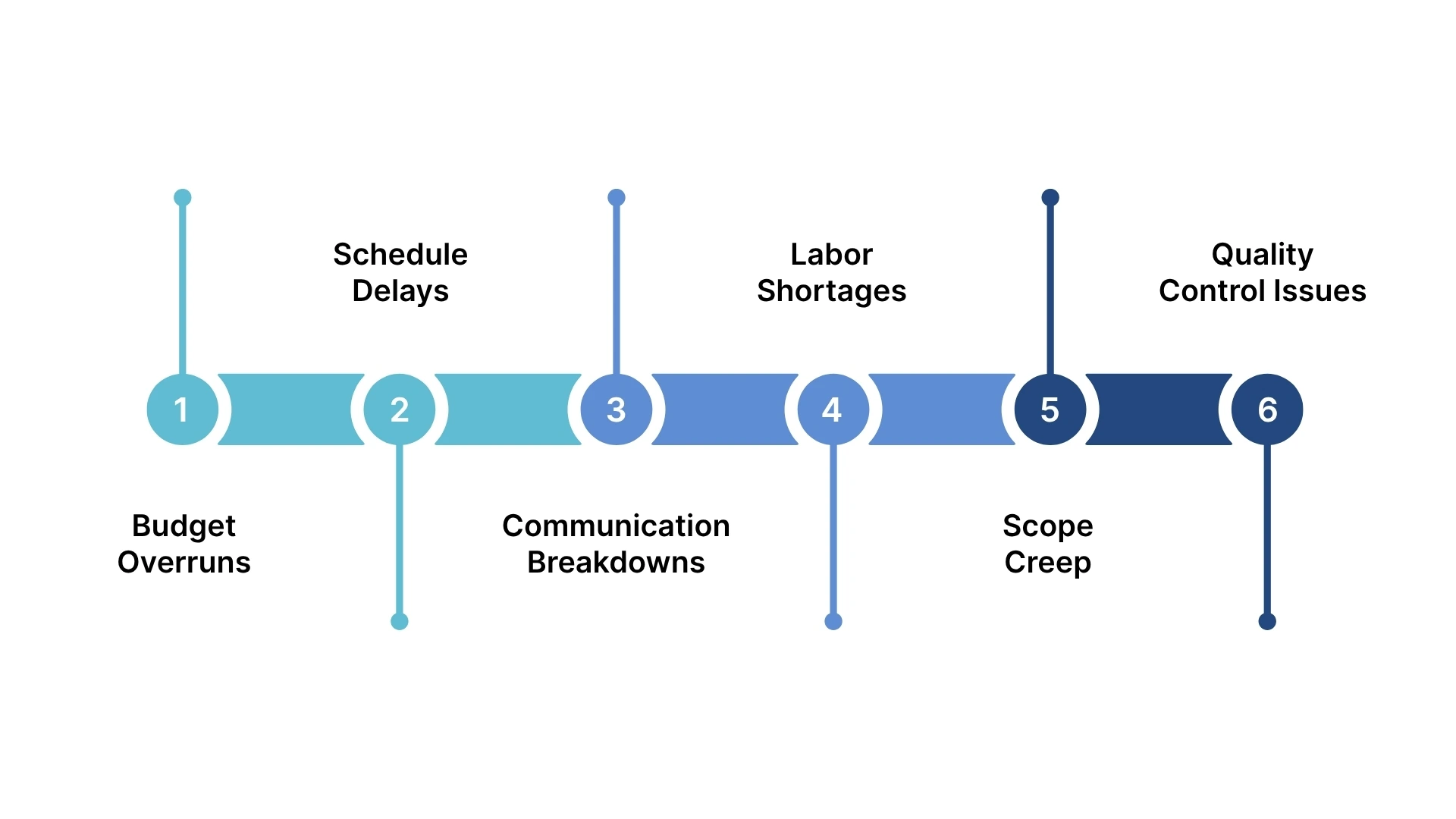
تواجه مشاريع البناء العديد من العقبات، ولكن التنبّه إليها مبكرًا يمكن أن يساعد في منع التأخيرات وتجاوزات الميزانية ومشكلات الجودة. وتشمل التحديات الشائعة ما يلي:
لحسن الحظ، يمكن إدارة العديد من هذه التحديات بكفاءة باستخدام المجموعة المناسبة من الأدوات والمنصات الرقمية.
في المملكة العربية السعودية، تُعد الأدوات الرقمية ضرورية لإدارة مشاريع البناء بكفاءة. ومع توقع نمو سوق برامج إدارة المشاريع المحلي بمعدل نمو سنوي مركب قدره 14.7% حتى عام 2030، تساعد الأدوات المناسبة على تبسيط التخطيط والتنفيذ والمراقبة والإشراف المالي.
يؤدي ذلك إلى تقليل عمليات المطابقة اليدوية، ومنع المفاجآت، وتوفير رؤية موحدة للميزانيات والعقود والتدفق النقدي.
اقرأ أيضًا: شرح أنظمة ERP: كل ما تحتاج إلى معرفته
HAL ERP هو منصة سحابية متكاملة وشاملة للمقاولين وقادة الشؤون المالية في المملكة العربية السعودية، توحّد إعداد الميزانيات وتخصيص الموارد والمشتريات والإشراف المالي.
أهم المزايا:
واجهت Al Faneyah، وهي شركة مقاولات رائدة في جدة، مسارات عمل بطيئة تعتمد على Excel، وفقدان عروض الأسعار، ومحدودية في الرؤية المالية. وبعد تطبيق HAL ERP، ارتفعت كفاءة المشتريات بنسبة 60%، وانخفض فقدان عروض الأسعار بأكثر من 90%، وانخفض عبء العمل على الحسابات بنسبة 40%، وحققت الشركة عائدًا سنويًا على الاستثمار قدره 5.5 مليون ريال سعودي خلال عام واحد.
لمعرفة المزيد عن دراسة الحالة، اضغط هنا.
تتمحور إدارة المشاريع في قطاع البناء حول التحكم في التكاليف، وحماية هوامش الربح، وضمان توافق كل قرار مع أهدافك المالية. وفي قطاع البناء المزدهر في المملكة العربية السعودية في إطار رؤية 2030، لا تُعد التأخيرات وتجاوزات الميزانية وإعادة العمل مجرد عوائق، بل تمثل تهديدات للنمو والسمعة.
يوفر HAL ERP تحكمًا كاملًا من خلال توحيد عمليات الموقع وتتبع التكاليف والجدولة والشؤون المالية في منصة واحدة. ويستبدل جداول البيانات المتفرقة والتقارير المجزأة برؤية فورية، مما يتيح لك مراقبة كل مرحلة، وإعداد توقعات دقيقة، واتخاذ قرارات بثقة.
تولَّ زمام مشاريعك وميزانياتك وجداولك الزمنية. جرّب HAL ERP اليوم — وابنِ بشكل أكثر ذكاءً وسرعة وبثقة. احجز عرضًا تجريبيًا!
1. ما هي إدارة مشاريع البناء؟
إدارة مشاريع البناء هي عملية التخطيط والتنسيق والإشراف على كل مرحلة من مراحل مشروع البناء. وتضمن الالتزام المستمر بالجداول الزمنية والميزانيات ومعايير الجودة.
2. ما هي المراحل السبع لمشروع البناء؟
تشمل المراحل السبع عادةً: البدء، ودراسة الجدوى، والتصميم، والتخطيط لمرحلة ما قبل البناء، والمشتريات، والبناء (التنفيذ)، وإغلاق المشروع. ولكل مرحلة مهام محددة للحفاظ على سير المشروع وفق الخطة.
3. ما هي قاعدة 80/20 لمديري المشاريع؟
تعني قاعدة 80/20 أن 80% من نتائج المشروع غالبًا ما تنتج عن 20% من المهام أو الأنشطة. ويستخدم مديرو المشاريع هذا المبدأ لتحديد أولويات المهام الأساسية التي لها أكبر تأثير في نجاح المشروع.
4. كيف يمكنني منع التأخيرات وتجاوزات التكاليف في مشروع البناء الخاص بي؟
يمكنك منع التأخيرات وتجاوزات التكاليف من خلال التخطيط التفصيلي، والتواصل الواضح، وتقييم المخاطر، والمراقبة المستمرة. وتساعد أدوات مثل HAL ERP على تتبع التقدم والتكاليف والموارد في الوقت الفعلي لتحقيق تحكم أفضل.
5. ما الفرق بين مشاريع البناء السكنية والتجارية والصناعية؟
تركز المشاريع السكنية على المنازل والشقق، بينما تشمل المشاريع التجارية المكاتب ومرافق التجزئة والفنادق، في حين تشمل المشاريع الصناعية المصانع والمستودعات ومنشآت المعالجة. ويتطلب كل نوع استراتيجيات مختلفة للإدارة.
6. كيف أختار المقاول أو المقاول من الباطن المناسب؟
اختر المقاولين بناءً على العروض والخبرة والمؤهلات والأداء السابق. راجع العروض بعناية، وتحقق من المراجع، وقيّم قدرتهم على تلبية متطلبات المشروع.
7. ما الأدوات التي يمكن أن تساعد في تبسيط إدارة مشاريع البناء؟
تعمل برامج إدارة المشاريع مثل HAL ERP على تجميع التخطيط وإعداد الميزانيات والمشتريات وإعداد التقارير في مكان واحد. وتساعد ميزات مثل لوحات المعلومات وتتبع التكاليف وأدوات التعاون على تحسين الكفاءة واتخاذ القرارات.