وحدات ERP للبناء والتشييد التي تساعد الفرق السعودية على تقليل التأخيرات
تم النشر بواسطة
محمد أزهر
الإنشاءات والمقاولات
Dec 22, 2025
يتحرك قطاع البناء والتشييد في المملكة العربية السعودية بوتيرة متسارعة، مدفوعًا بـرؤية 2030 والمشاريع الوطنية الكبرى التي تفرض ضغوطًا يومية على الجداول الزمنية والميزانيات. ومع وصول الإيرادات التشغيلية إلى 470.6 مليار ريال سعودي في عام 2024، أصبح الضغط للحفاظ على السيطرة أعلى من أي وقت مضى.
إذا كنت تدير عدة مواقع ومورّدين وفرق عمل وموافقات يومية، فأنت تدرك مدى صعوبة الأمور عندما تكون المعلومات موزعة في أماكن مختلفة. يمكن أن تؤدي التحديثات الفائتة، والتكاليف غير الواضحة، والملفات المتناثرة إلى إبطاء قراراتك والتأثير سلبًا على تقدم المشاريع.
في هذا المقال، سنستعرض أهم وحدات ERP التي تعتمد عليها شركات البناء والتشييد، وكيف تتكامل هذه الوحدات، وما الذي يهم المقاولين في المملكة العربية السعودية بشكل أكبر، وكيف يدعم HAL ERP تنفيذ المشاريع بسلاسة أكبر من خلال أدوات جاهزة للذكاء الاصطناعي.
هل تفتقد إلى جداول زمنية واضحة للمشاريع؟ اكتشف كيف يمكن لـHAL Constructionدعم المتابعة المستمرة للمهام والميزانيات والمراحل الرئيسية.
أبرز النقاط
تواجه فرق البناء والتشييد في المملكة العربية السعودية ضغوطًا يومية بسبب تشتت البيانات، وبطء التحديثات، وعدم وضوح حركة التكاليف عبر المواقع النشطة.
يساعد نظام ERP المتخصص في قطاع البناء والتشييد على إدارة المواد والعمالة والمستندات والميزانيات من خلال وحدات مترابطة مصممة خصيصًا للعمل القائم على المشاريع.
يحصل المقاولون الذين يديرون مواقع متعددة على رؤية أفضل عندما تتكامل المشتريات وأنشطة القوى العاملة وتكاليف المشاريع والمستندات داخل نظام واحد.
تُعد الميزات المحلية مثل دعم اللغة العربية، وتنسيقات الريال السعودي، والاستعداد لضريبة القيمة المضافة، والفوترة الإلكترونية المتوافقة مع متطلبات ZATCA، عناصر أساسية للمقاولين في المملكة العربية السعودية.
يساعد HAL ERP المقاولين على التحكم في الميزانيات، ومتابعة التقدم، وإدارة المواد، وتقليل التأخيرات عبر مشاريع الإسكان والمشاريع التجارية ومشاريع البنية التحتية.
اختر حل ERP المناسب لنشاطك في قطاع الإنشاءات باستخدام دليل اتخاذ القرار لدينا.
لماذا يُعد نظام ERP للبناء والتشييد مهمًا للمقاولين في المملكة العربية السعودية؟
يعتمد عمل البناء والتشييد على العديد من العناصر المتحركة التي يجب أن تبقى مترابطة حتى تتمكن الفرق من الحفاظ على سير المشاريع وفق الخطة في كل مرحلة. ويجمع نظام ERP المتخصص في قطاع البناء والتشييد هذه العناصر معًا، مما يمنح المقاولين تحكمًا أوضح في الميزانيات والمواد والموظفين والموافقات من مكان واحد.
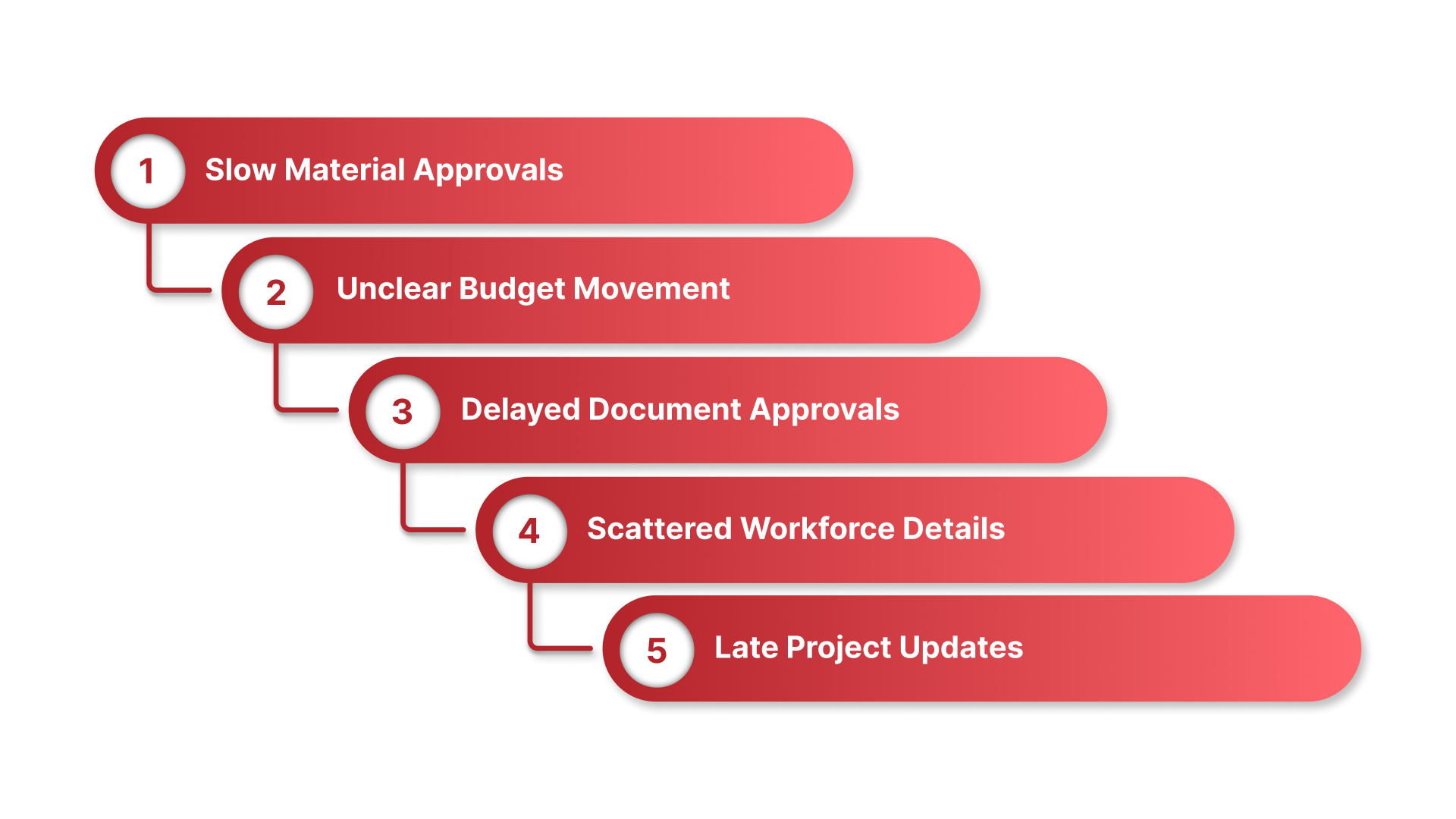
فيما يلي أبرز المشكلات التي تظهر عندما تفشل الأنظمة في دعم عمليات سير العمل في قطاع البناء والتشييد:
بطء الموافقات على المواد: تصل طلبات المواد إلى أصحاب القرار متأخرة، مما يتسبب في تأخيرات تؤثر على الجداول الزمنية وتعطل الأعمال التي تعتمد على التسليم في الوقت المناسب.
عدم وضوح حركة الميزانية: تظل تغييرات الميزانية غير واضحة لأن فرق المواقع والمكاتب تتابع المصروفات بشكل منفصل، دون رؤية مشتركة للتكاليف عبر المشاريع.
تأخر الموافقات على المستندات: تتباطأ الموافقات عندما تظل المخططات والملفات عالقة في رسائل البريد الإلكتروني أو المجلدات الورقية، ولا تصل إلى الشخص المناسب إلا بعد فوات الوقت.
تشتت بيانات القوى العاملة: تصبح متابعة أنشطة القوى العاملة صعبة عندما تكون سجلات الحضور والتكليفات وكشوفات ساعات العمل موزعة بتنسيقات مختلفة عبر أقسام متعددة.
تأخر تحديثات المشاريع: تصل تحديثات المشاريع متأخرة إلى المديرين الذين يحتاجون إلى معلومات يومية موثوقة للحفاظ على سير العمل في كل موقع بثقة ووضوح.
ومع اتضاح دور ERP بشكل أكبر، تتمثل الخطوة التالية في استعراض الوحدات المحددة التي تدعم أعمال البناء والتشييد عبر المشاريع في المملكة العربية السعودية.
وحدات ERP الأساسية التي يجب على كل مقاول سعودي مراجعتها
تسير مشاريع البناء والتشييد بشكل أفضل عندما يعمل كل فريق ببيانات واضحة، ومهام مترابطة، ورؤية مستمرة عبر جميع المواقع النشطة. ويجمع نظام ERP المتخصص في قطاع البناء والتشييد هذه العناصر معًا، مما يمنح المقاولين تحكمًا موثوقًا في الميزانيات والمواد والموظفين والتقدم اليومي دون إضافة ضغوط إضافية.
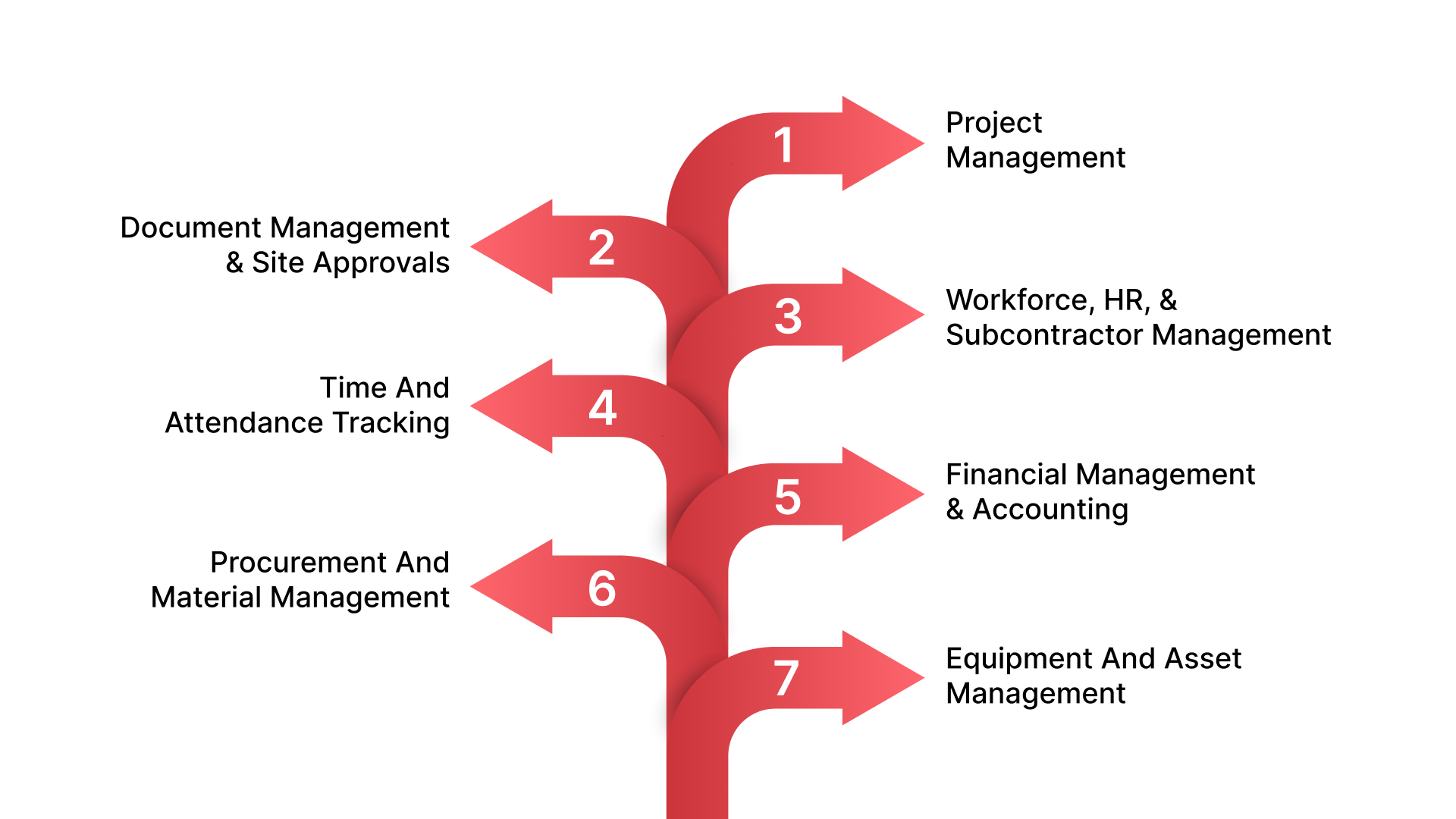
فيما يلي الوحدات التي تدعم هذه الأهداف وتساعد على إبقاء مشاريعك منظمة.
يعتمد العمل في المشاريع على المتابعة المستمرة للمهام والميزانيات وأنشطة القوى العاملة خلال كل مرحلة من مراحل البناء والتشييد. وتساعدك وحدة متخصصة على متابعة التقدم واكتشاف مشكلات التكاليف مبكرًا، مما يمكّن فرقك من اتخاذ قرارات مدروسة بثقة.
فيما يلي أهم المجالات التي تدعمها هذه الوحدة:
تخطيط الجداول الزمنية: تتابع الفرق خططًا واضحة للمهام توضح نسب الإنجاز والأنشطة المعلقة في كل مرحلة من مراحل المشروع مع تحديثات موثوقة.
إدارة الميزانية: تظل حركة التكاليف واضحة من خلال القيود المترابطة التي توضح المبالغ الملتزم بها، والتكاليف المعلقة، والمصروفات المسجلة في كل مرحلة من مراحل المشروع.
تخصيص الموارد: يتم تخصيص المواد والعمالة لمناطق المشاريع الصحيحة، مما يساعد المديرين على عرض توزيع أعباء العمل قبل الموافقة على الطلبات الإضافية.
تتبع التقدم: تقدم فرق المواقع تحديثات يومية تساعد المديرين على مقارنة التقدم الفعلي بالمراحل الرئيسية المخطط لها، لتحقيق تحكم أكثر دقة في المشروع.
تتعامل فرق البناء والتشييد مع المخططات والتصاريح والتقارير وطلبات التغيير التي يجب أن تنتقل بسرعة بين الأقسام. وتحافظ وحدة مستندات منظمة على ترتيب كل شيء وتساعد الفرق على تقليل الأخطاء الناتجة عن الملفات المتناثرة.
فيما يلي الطرق التي تدعم بها هذه الوحدة سير العمل اليومي:
تخزين مركزي للملفات: تتمكن الفرق من الوصول إلى المخططات والتصاريح وسجلات التغييرات المحدثة دون البحث في رسائل البريد الإلكتروني أو الإصدارات القديمة المخزنة في مجلدات منفصلة.
موافقات أسرع: تمر الطلبات عبر مسار موافقة واضح يساعد أصحاب القرار على اتخاذ الإجراءات بشكل أسرع دون انتظار المستندات الورقية.
التحكم في الإصدارات: تحل المخططات المحدثة محل الإصدارات القديمة تلقائيًا، مما يساعد فرق المواقع على تجنب الالتباس الناتج عن المعلومات القديمة.
ربط سجلات المشاريع: يظل كل مستند مرتبطًا بقسم المشروع الصحيح، مما يساعد المديرين على مراجعة التحديثات دون البحث في مصادر متعددة.
تؤثر قوة العمالة على سرعة المشروع وإنتاجية الموقع وحركة التكاليف خلال كل مرحلة. وتوفر وحدة إدارة القوى العاملة للمقاولين مكانًا واحدًا لعرض الحضور والتكليفات وأعمال المقاولين من الباطن التي تدعم التقدم اليومي.
فيما يلي الوظائف التي تدعم التحكم في العمالة والمقاولين من الباطن:
تتبع الحضور: يتم تسجيل الحضور اليومي من خلال أدوات الهاتف المحمول التي توضح من هو حاضر أو مكلّف أو متغيب في كل موقع نشط.
توزيع العمالة: يعيّن المديرون العمال لمهام ومناطق محددة، مما يساعد الفرق على عرض توزيع أعباء العمل قبل الموافقة على الورديات الإضافية.
دعم الامتثال: تصبح إدارة قواعد العمل أكثر سهولة عندما تظل البيانات متسقة عبر العقود والجداول وسجلات الحضور.
الإشراف على المقاولين من الباطن: تظل أعمال المقاولين من الباطن واضحة من خلال المهام المرتبطة وسجلات الفوترة وتحديثات التقدم في كل منطقة مخصصة.
تعتمد إنتاجية الموقع على سجلات دقيقة توضح من عمل، وأين عمل، وعدد الساعات التي أكملها. وتساعد وحدة تتبع الوقت الفرق على الحفاظ على وضوح هذه المعلومات وربطها بكل مشروع.
فيما يلي الوظائف الرئيسية التي تدعمها هذه الوحدة:
تسجيل الحضور عبر الهاتف المحمول: يسجل العمال حضورهم من خلال الأجهزة المخصصة أو نقاط الوصول عبر الهاتف المحمول، مما يقلل الالتباس حول تسجيل الحضور اليومي.
سجلات الورديات: تظل تفاصيل الورديات مسجلة في النظام، حيث يمكن للمديرين مراجعة ساعات العمل قبل اعتماد إدخالات الرواتب.
رؤية العمل الإضافي: ترتبط ساعات العمل الإضافية بالمهام المخصصة، مما يساعد الفرق على اكتشاف الأنماط التي قد تشير إلى فجوات في التخطيط.
التكاليف المترابطة: ترتبط إدخالات الحضور بسجلات تكاليف المشاريع، مما يساعد الفرق المالية على إبقاء مصروفات العمالة متوافقة مع نشاط المشروع.
يعتمد عمل البناء والتشييد على دقة بيانات التكاليف ومشاركتها بين فرق المواقع والفرق المالية طوال دورة حياة كل مشروع. وتساعد الوحدة المالية المقاولين على متابعة المصروفات ومدفوعات المورّدين والفوترة المتوافقة مع ضريبة القيمة المضافة عبر جميع المشاريع النشطة.
فيما يلي الأنشطة المالية التي تساعد هذه الوحدة على إدارتها:
المصروفات القائمة على المشاريع: يتم تسجيل التكاليف ضمن المشروع الصحيح، مما يمنح المديرين رؤية واضحة للمبالغ الملتزم بها والمسجلة في كل مرحلة.
مدفوعات المورّدين: تظل جداول الدفع منظمة من خلال أوامر الشراء وسجلات التسليم المرتبطة، والتي توضح المعاملات المعلقة والمكتملة.
الفوترة المتوافقة مع ضريبة القيمة المضافة: تتوافق الفواتير مع متطلبات ضريبة القيمة المضافة في المملكة العربية السعودية، مع سجلات ضريبية واضحة وبيانات منظمة تدعم متطلبات ZATCA دون تعقيد.
شفافية التكاليف: يراجع المديرون ملخصات التكاليف التي تربط العمالة والمواد والخدمات عبر كل مرحلة من مراحل المشروع مع إجماليات واضحة.
إذا كانت فواتير مشاريع البناء والتشييد تحتاج إلى معالجة أكثر سلاسة لضريبة القيمة المضافة عبر مواقع متعددة،HAL VAT CAREيوفر لك أدوات مصممة خصيصًا للمرحلة الثانية من متطلبات ZATCA. ويحافظ على اتساق الفوترة الإلكترونية، ويتكامل مع عمليات سير العمل في مشاريعك دون خطوات إضافية، ويوفر إرشادات محلية للفرق التي تبحث عن الوضوح.
تؤثر قرارات المشتريات على الميزانيات والجداول الزمنية وسير العمل في كل موقع نشط. وتساعد وحدة المشتريات المقاولين على تتبع الطلبات وأداء المورّدين وتقدم عمليات التسليم بدءًا من الطلب الأول وحتى الموافقة النهائية.
فيما يلي المجالات الأساسية التي تعززها هذه الوحدة:
طلبات المواد: ترسل فرق المواقع الطلبات مباشرة إلى أصحاب القرار، مما يساعد المديرين على اعتماد المواد بناءً على احتياجات المشروع وتأثير التكلفة.
تتبع المورّدين: تعرض سجلات المورّدين عروض الأسعار ومواعيد التوريد وتفاصيل الأسعار، مما يدعم قرارات شراء أفضل عبر المشاريع المتعددة.
أوامر الشراء: ترتبط أوامر الشراء بإدخالات المخزون، مما يساعد الفرق على متابعة عمليات التسليم وتأكيد الكميات المستلمة قبل اعتماد المدفوعات.
تحديثات التسليم: تدخل المواد إلى النظام مع تسجيل أوقات التسليم، مما يساعد المديرين على التأكد من توفرها قبل جدولة أنشطة الموقع.
تؤثر المعدات الثقيلة على التكاليف والجداول الزمنية والتقدم اليومي في مشاريع البناء والتشييد. وتساعد وحدة إدارة المعدات المقاولين على تتبع الاستخدام واحتياجات الصيانة وتفاصيل التوفر، مما يدعم تخطيطًا أفضل للمشاريع.
فيما يلي الوظائف الرئيسية التي تتضمنها هذه الوحدة:
تتبع الاستخدام: توضح سجلات استخدام المعدات المواقع التي عملت فيها الآلات، ومدة تشغيلها، والمهام التي ساهمت في تنفيذها.
سجلات الصيانة: يظل سجل الصيانة محفوظًا مع تذكيرات واضحة تساعد الفرق على تجنب التوقف غير المتوقع في المواقع النشطة.
عرض التوفر: يتحقق المديرون من توفر المعدات قبل إرسال الآلات إلى مواقع جديدة، مما يساعدهم على تخصيص الموارد بثقة أكبر.
تخصيص التكاليف: ترتبط ساعات تشغيل المعدات بتكاليف المشاريع، مما يساعد الفرق المالية على تتبع تكاليف الاستئجار أو التملك بوضوح أكبر.
بعد استعراض الميزات الأساسية، يتضح بشكل أكبر سبب ضرورة تكامل هذه الوحدات لدعم اتخاذ قرارات واضحة عبر مختلف مراحل المشروع.
كيف تعمل هذه الوحدات معًا عبر مشاريع البناء والتشييد
يتحسن أداء أعمال البناء والتشييد عندما تتكامل جميع الوحدات، مما يتيح لفرقك متابعة التكاليف والمواد والمهام وأنشطة المواقع دون التنقل بين مصادر متفرقة. ويساعد النظام المتكامل المديرين على التحرك بشكل أسرع، حيث يدعم كل تحديث المرحلة التالية ويحافظ على استمرارية سير العمل.
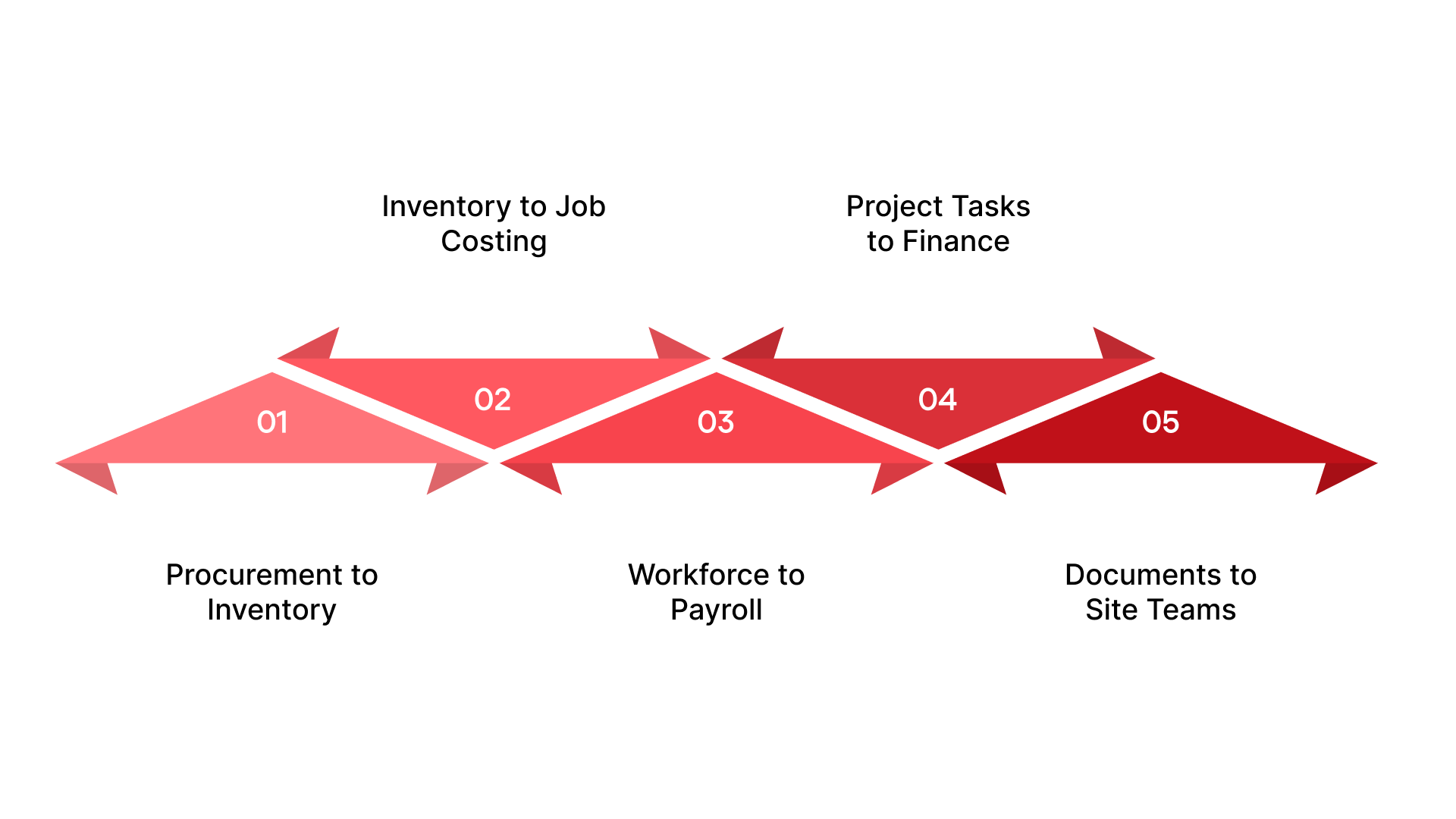
فيما يلي الطرق التي تدعم بها هذه الوحدات بعضها بعضًا عبر العمليات اليومية للمشاريع:
من المشتريات إلى المخزون: تنتقل طلبات المواد إلى تحديثات المخزون التي تساعد الفرق على تأكيد التوفر قبل تخصيص المهام أو جدولة الأنشطة المرتبطة.
من المخزون إلى تكاليف المشاريع: تنتقل حركات المواد مباشرة إلى سجلات التكاليف التي توضح تأثير كل مرحلة على الميزانيات الإجمالية للمشاريع من خلال ملخصات واضحة.
من القوى العاملة إلى الرواتب: تنتقل سجلات الحضور إلى سجلات الرواتب التي تعكس ساعات العمل الفعلية دون إدخالات يدوية قد تبطئ العمليات الداخلية.
من مهام المشاريع إلى المالية: ترتبط تحديثات المهام بقيود التكاليف، مما يساعد الفرق المالية على متابعة حركة المصروفات المرتبطة بأنشطة محددة في المشروع.
من المستندات إلى فرق المواقع: تنتقل المخططات والتصاريح المحدثة مباشرة إلى فرق المواقع، مما يمنع التأخيرات الناتجة عن الملفات القديمة أو الموافقات الفائتة.
لماذا يُعد التكامل مهمًا للمقاولين الذين يديرون مواقع متعددة؟
يحتاج المقاولون الذين يديرون عدة مواقع نشطة إلى تحديثات سريعة ومعلومات موثوقة تنتقل بين المواقع دون تأخير. وعندما تتكامل الوحدات، يتمكن المديرون من متابعة التقدم عبر عدة مناطق في الوقت نفسه دون انتظار التقارير المتأخرة أو التحديثات المتناثرة.
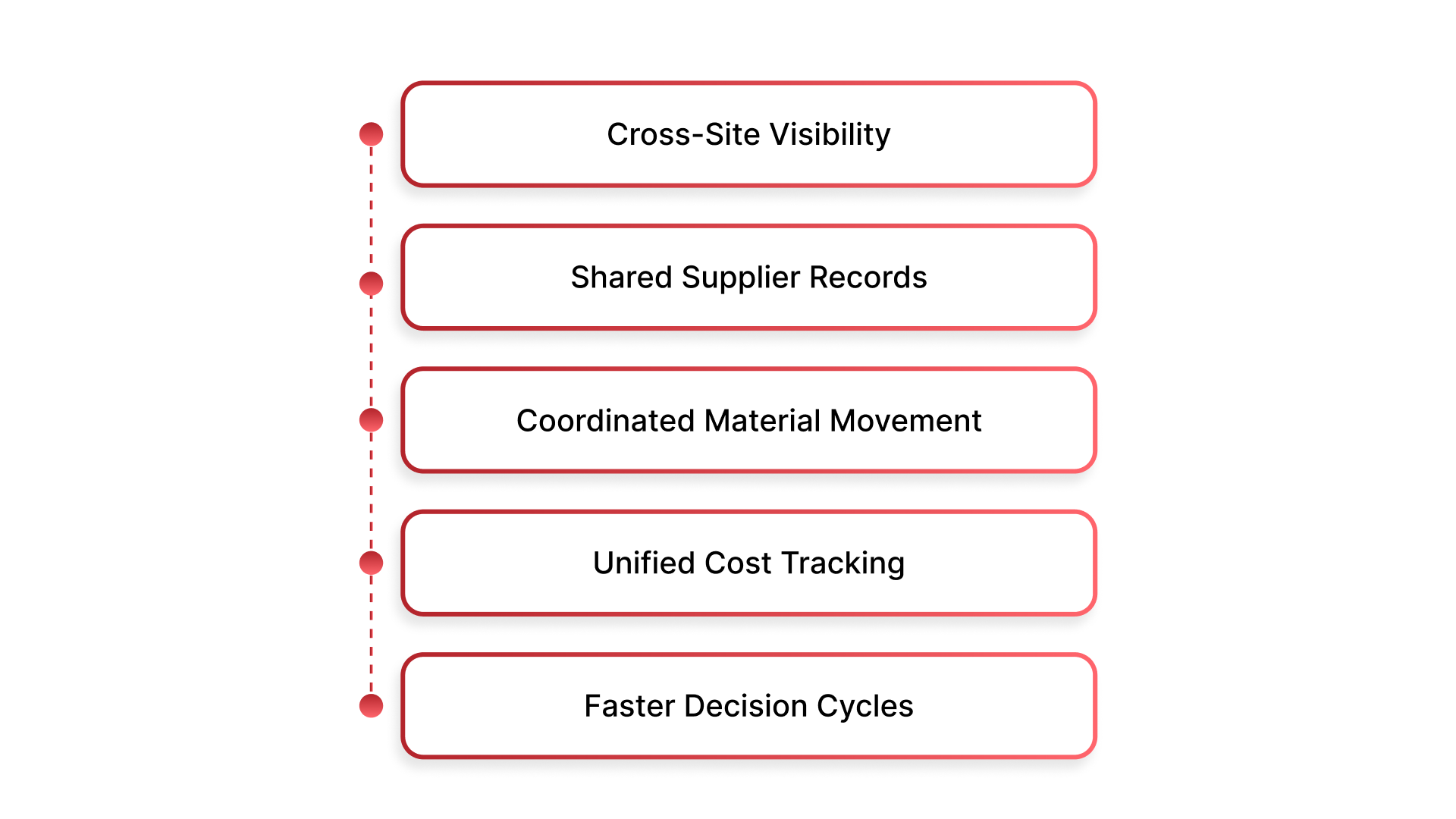
فيما يلي الأسباب التي تجعل هذا النهج المتكامل يساعد المقاولين متعددي المواقع على تحقيق النجاح:
الرؤية عبر المواقع: يعرض المديرون تقدم جميع المواقع من خلال لوحة تحكم واحدة توضح التأخيرات والتحديثات واحتياجات المواد دون الحاجة إلى طلب ملخصات يدوية.
سجلات موحّدة للمورّدين: يظل أداء المورّدين متسقًا عبر المشاريع، مما يساعد الفرق على تجنب تكرار المشكلات المتعلقة بأوقات الاستجابة أو دقة عمليات التسليم.
تنسيق حركة المواد: تنتقل تحديثات المخزون بين المواقع، مما يساعد المديرين على توزيع المواد بشكل عادل عند تغير أعباء العمل عبر المناطق المختلفة.
تتبع موحّد للتكاليف: تُسجل التكاليف في نظام مشترك، مما يتيح للمديرين مقارنة الإنفاق بين المواقع وتحديد الأنماط التي تتطلب مزيدًا من الاهتمام.
دورات اتخاذ قرار أسرع: تصل التحديثات إلى أصحاب القرار بشكل أسرع، مما يساعدهم على التصرف قبل أن تتطور المشكلات الصغيرة إلى تأخيرات في المشاريع النشطة.
بعد اتضاح قيمة الوحدات المتكاملة، ينصب التركيز التالي على اختيار نظام ERP يلبي احتياجات المقاولين العاملين في المملكة العربية السعودية.
ما الذي يجب البحث عنه عند اختيار نظام ERP للبناء والتشييد في المملكة العربية السعودية؟
يؤثر اختيار نظام ERP المناسب للبناء والتشييد على مدى كفاءة فرقك في إدارة التكاليف والمواد والعمالة والقرارات اليومية عبر المواقع النشطة. ويحتاج المقاولون في المملكة العربية السعودية إلى أنظمة تتوافق مع المتطلبات المحلية، وتدعم المهام الميدانية، وتوفر رؤية واضحة دون خطوات إضافية.
فيما يلي العوامل التي يجب على فريقك مراجعتها قبل اختيار أي نظام:
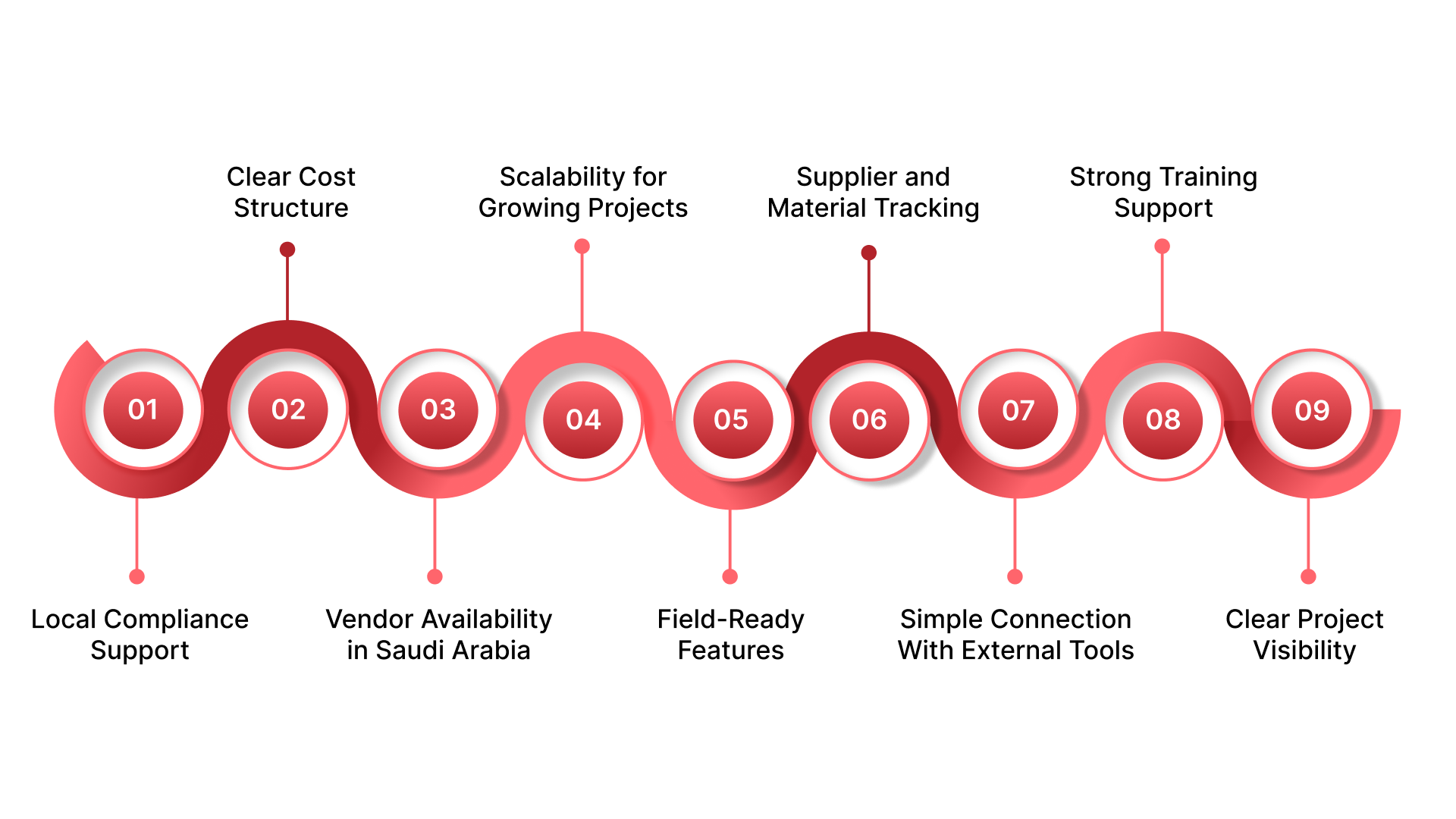
دعم الامتثال المحلي: يجب أن يتعامل النظام مع متطلبات ضريبة القيمة المضافة في المملكة العربية السعودية، والتنسيقات باللغة العربية، وعملة الريال السعودي، والفوترة الإلكترونية وفق متطلبات ZATCA دون إجبار الفرق على تنفيذ أعمال إضافية يدويًا.
هيكل تكاليف واضح: تشمل تكاليف مشاريع ERP الإعداد والتراخيص والدعم والعمل على البيانات والتدريب، حيث تبدأ العديد من عمليات التنفيذ من حوالي عشرين ألف دولار، اعتمادًا على نطاق المشروع واحتياجاته.
توفر المزوّد في المملكة العربية السعودية: يستفيد المقاولون عندما يمتلك المزوّد فرقًا داخل المنطقة يمكنها دعم عمليات سير العمل المحلية وفهم التحديات المرتبطة بالمواقع.
قابلية التوسع مع نمو المشاريع: يجب أن يكون النظام قادرًا على التعامل مع المزيد من المشاريع والمستخدمين والبيانات دون تباطؤ مع توسع حجم العمل عبر عدة مواقع نشطة.
ميزات جاهزة للاستخدام الميداني: يجب أن تتمكن فرق المواقع من تسجيل الحضور والتقدم واستخدام المواد مباشرةً من خلال أدوات الهاتف المحمول التي تربط العمل اليومي ببقية النظام بسلاسة.
تتبع المورّدين والمواد: يجب أن يساعدك النظام على متابعة عروض الأسعار ومواعيد التسليم وطلبات المواد وأنشطة المورّدين دون وجود فجوات في دورة المشتريات.
سهولة الاتصال بالأدوات الخارجية: غالبًا ما يحتاج المقاولون إلى التكامل مع أنظمة الدفع وشركاء الخدمات اللوجستية وأدوات التجارة الإلكترونية أو التطبيقات المخصصة، دون الاعتماد على خطوات تقنية معقدة.
دعم قوي للتدريب: يجب أن يحصل فريقك على إرشادات منظمة تقلل الالتباس وتحد من مقاومة التغيير وتساعد الموظفين على التكيف بسرعة خلال فترة الانتقال.
رؤية واضحة للمشاريع: يجب أن تعرض لوحات المعلومات تحديثات التكاليف وأنشطة المواد وحالة القوى العاملة وتقدم المواقع دون إجبار المديرين على البحث في أقسام مختلفة.
وبالنظر إلى جميع هذه العوامل الرئيسية، تبرز HAL ERP كحل مثالي للمقاولين في المملكة العربية السعودية. فمن خلال الامتثال المحلي، والتكامل السلس، والأدوات القابلة للتوسع والمصممة وفقًا لاحتياجاتك، يربط HAL ERP جميع جوانب مشاريع البناء والتشييد لتحقيق كفاءة وتحكم أكبر.
بعد اختيار النظام المناسب، يجب على الفرق الاستعداد لعملية تنفيذ منظمة تساعد الجميع على التكيف دون ضغوط أو ارتباك غير ضروري.
كيف تدعم HAL فرق البناء والتشييد في المملكة العربية السعودية
HAL Construction يجمع جميع الأنشطة الرئيسية للمشروع في منصة واحدة، مما يمنح المقاولين تحكمًا أوضح في الميزانيات والمواد والعمالة وتقدم المواقع دون الاعتماد على أدوات متفرقة. وتساعد المنصة الفرق على إدارة العمل عبر مواقع متعددة من خلال ربط التحديثات اليومية والموافقات وسجلات التكاليف وحركة المواد في مكان واحد.
فيما يلي أبرز نقاط القوة التي يوفرها HAL Construction لشركات المقاولات في جميع أنحاء المملكة:
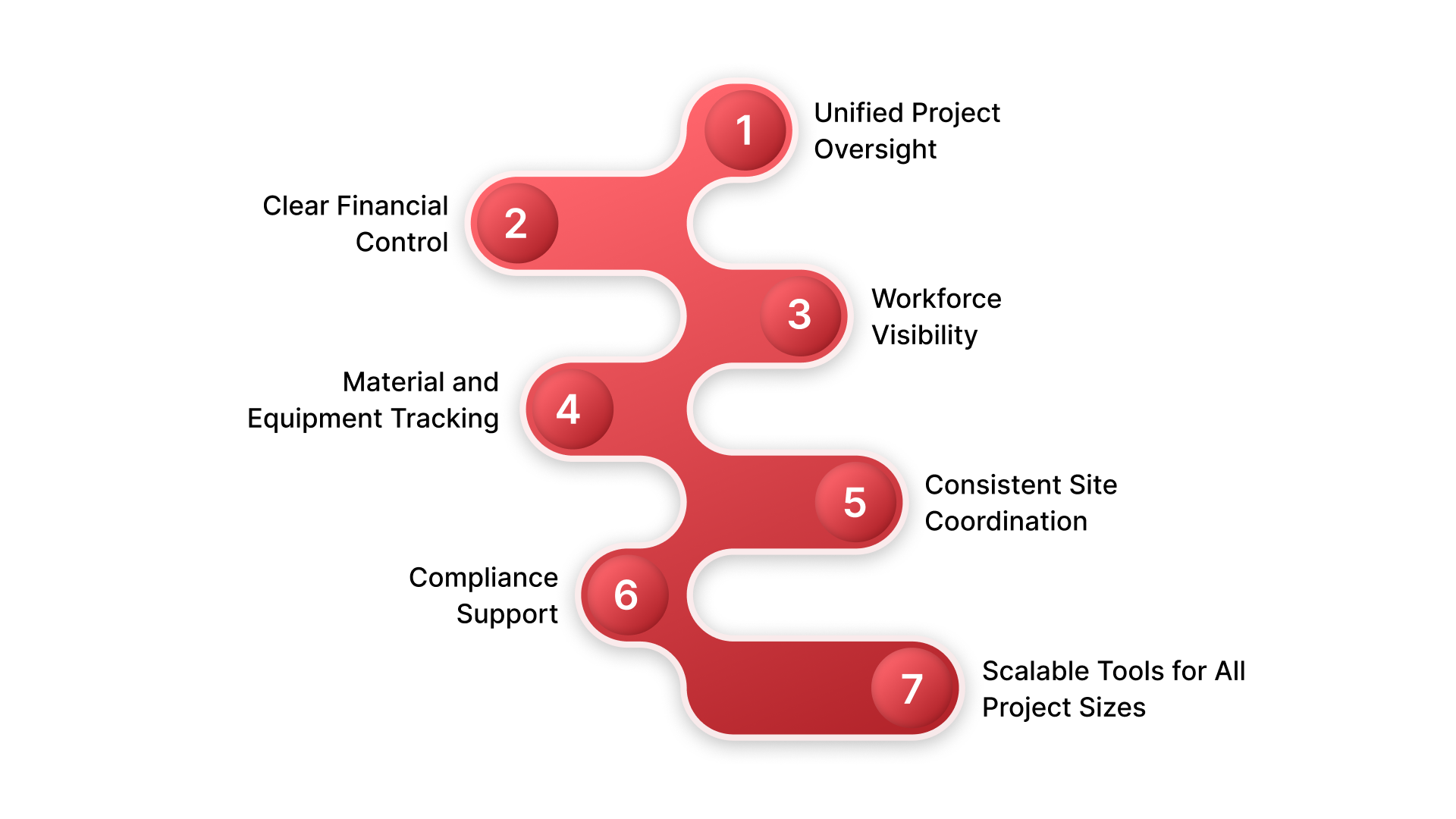
إشراف موحّد على المشاريع: تتابع الفرق الجداول الزمنية والمراحل الرئيسية وحركة التكاليف من خلال منصة واحدة تدعم القرارات اليومية في كل منطقة من مناطق المشاريع النشطة بوضوح واتساق.
تحكم مالي واضح: تظل ميزانيات المشاريع والمصروفات وتكاليف المواد واضحة من خلال سجلات تفصيلية تساعد على منع تجاوز الميزانية وحماية هوامش الربح في جميع المراحل.
رؤية واضحة للقوى العاملة: يراقب المديرون الحضور والتكليفات والأنشطة المرتبطة بالرواتب من خلال أدوات توضح تأثير العمالة على التقدم وحركة التكاليف يوميًا.
تتبع المواد والمعدات: تتابع الفرق طلبات المواد وعمليات التسليم واستخدام المعدات عبر جميع المواقع من خلال عرض سجلات دقيقة وتحديثات التسليم داخل المنصة.
تنسيق متسق للمواقع: تراجع الفرق المخططات والتحديثات والمستندات في مكان واحد، مما يساعدها على تجنب الالتباس الناتج عن الملفات القديمة أو الموافقات المفقودة.
دعم الامتثال: تساعد ميزات ضريبة القيمة المضافة، والفوترة الإلكترونية وفق متطلبات ZATCA، وتنبيهات انتهاء الصلاحية، وسجلات السلامة، المقاولين على البقاء جاهزين للتدقيق دون الحاجة إلى إدارة البيانات عبر أنظمة منفصلة.
أدوات قابلة للتوسع لجميع أحجام المشاريع: يوسع المقاولون استخدامهم للنظام عبر مشاريع الإسكان والمشاريع التجارية ومشاريع البنية التحتية دون القلق بشأن حدود النظام أو نقص الوحدات اللازمة لدعم أحجام العمل الأكبر.
وأفضل طريقة لفهم هذه المزايا هي من خلال حالة حديثة لشركة مقاولات سعودية معروفة تمكنت من معالجة تحديات رئيسية في مشاريعها باستخدام HAL ERP.
كيف حسّنت الفنّية للتحكم في المشاريع باستخدام HAL
الفنيّة هي مجموعة رائدة في مجال المقاولات الإنشائية والكهروميكانيكية في المملكة العربية السعودية، وكانت تواجه تأخيرات ناجمة عن الإدخالات اليدوية، وبطء تحديثات عروض الأسعار، وانفصال سجلات المشتريات. وكانت فرقها تواجه صعوبة مع عمليات سير العمل المعتمدة على Excel، مما أدى إلى إبطاء الموافقات، والتأثير على وضوح التكاليف، وخلق فجوات في تتبع المشتريات.
فيما يلي التحسينات التي حققتها بعد الانتقال إلى خطة Enterprise من HAL Construction:
أكثر من 90% انخفاضًا في عروض الأسعار المفقودة: دخلت إدارة المبيعات وعروض الأسعار في نظام واحد، مما حافظ على اتساق المتابعة عبر جميع الفرص.
تحسن أداء المشتريات بنسبة 60%: تحسن تتبع عمليات تسليم المواد ووضوح أوامر الشراء، مما ساعد الفرق على التعامل بشكل أسرع مع الطلبات المعلقة.
انخفاض عبء العمل على الحسابات بنسبة 40%: حل التسجيل الرقمي محل الإدخالات اليدوية، مما قلل بشكل كبير من الأعمال المتكررة في قسم المالية.
امتثال للميزانية بنسبة 100%: ظلت التكاليف مسجلة ضمن أقسام المشاريع الصحيحة، مما منع الانحرافات غير المتوقعة أثناء المراجعات الشهرية.
عائد على الاستثمار بنسبة 900% خلال عام واحد: استعادت الشركة استثمارها بسرعة مع انخفاض التأخيرات وتحسن التحكم في التكاليف عبر جميع مراحل المشاريع.
وليس ذلك مقتصرًا على الفنيّة، فإليك عميلًا ناجحًا آخر لـ HAL يوضح كيف يدعم النظام العمليات واسعة النطاق:
"لقد قلل HAL ERP بشكل كبير من عبء العمل اليدوي لدينا وحسّن تتبع تكاليف المشاريع. وقد جعلت وحدتا المخزون والرواتب في النظام إدارة آلاف الأصول والموظفين أسهل بكثير." — جورج ماثيو، المدير المالي، شركة جاش القابضة
ومع توفر هذه الإمكانات، تتمثل الخطوة التالية في مساعدة فرقك على الاستعداد لعملية تنفيذ سلسة تدعم الاستخدام المتسق للنظام عبر جميع مواقع المشاريع.
يعتمد نجاح تطبيق نظام ERP على الإعداد الواضح، والتواصل المستمر، والدعم الذي يساعد فرقك على التكيف دون ضغوط. ويعمل المقاولون في المملكة العربية السعودية ضمن جداول زمنية ضيقة، لذا يكون اعتماد نظام جديد أكثر فعالية عندما تتبع كل خطوة خطة منظمة.
فيما يلي الخطوات التي تساعد فريقك على المضي قدمًا بثقة.
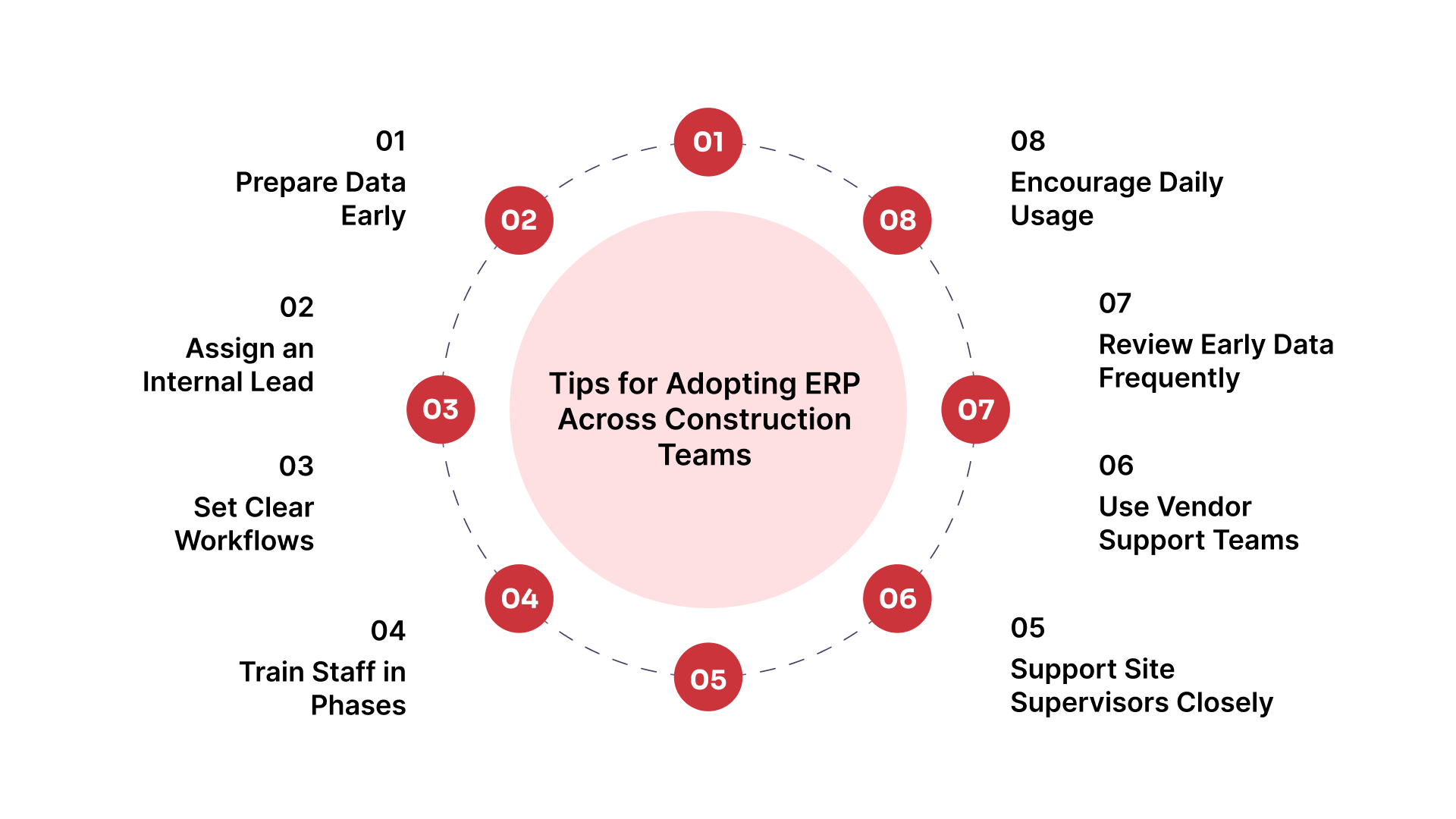
إعداد البيانات مبكرًا: اجمع الميزانيات وسجلات المورّدين وسجلات المواد وبيانات القوى العاملة قبل بدء التنفيذ لتجنب التأخيرات الناتجة عن نقص المعلومات أو قدمها.
تعيين مسؤول داخلي: اختر شخصًا يفهم عمليات سير العمل لديكم جيدًا ويمكنه توجيه الفرق بشأن الأسئلة والمهام اليومية وقرارات الإعداد الأولية.
تحديد عمليات سير عمل واضحة: حدّد مسارات الموافقات وخطوات المشتريات وتحديثات المواقع قبل بدء التنفيذ، حتى تتبع فرقك أسلوبًا موحدًا عبر جميع المشاريع.
تدريب الموظفين على مراحل: قسّم جلسات التدريب إلى خطوات صغيرة تبدأ بالمهام الأساسية، مما يساعد فرقك على التعلم دون الشعور بالضغط أو الارتباك.
دعم مشرفي المواقع عن كثب: قدّم للمشرفين إرشادات إضافية لأنهم يتولون الإدخالات اليومية وسجلات التقدم وتحديثات المواد في كل منطقة نشطة من مناطق المشاريع.
الاستفادة من فرق دعم المزوّد: تعاون مع فرق خدمة يمكنها الإجابة عن الأسئلة بسرعة، وتوجيهك في خيارات الإعداد، والمساعدة على تقليل المشكلات التي قد تبطئ عملية التبني في المراحل الأولى.
مراجعة البيانات الأولية باستمرار: راجع أول مجموعة من الإدخالات للتأكد من دقتها واتساقها قبل أن تبدأ الفرق في الاعتماد على النظام لاتخاذ القرارات اليومية.
تشجيع الاستخدام اليومي: اطلب من الفرق تسجيل المهام والموافقات والتحديثات داخل النظام يوميًا حتى تتشكل العادات مبكرًا وتظل البيانات موثوقة طوال فترة المشاريع.
هل تحتاج إلى مساعدة في إعداد فرقك للخطوة التالية؟تواصل معناواستعرض مسار إعداد واضحًا لمشاريعك.
الخلاصة
يتطلب قطاع البناء والتشييد في المملكة العربية السعودية رؤية واضحة وتنسيقًا مستمرًا وأدوات تساعد فرقك على العمل بثقة خلال كل مرحلة من مراحل المشروع. وتدعم وحدات ERP المناسبة هذه الاحتياجات من خلال جمع الميزانيات والمواد وبيانات القوى العاملة والمستندات في نظام واحد متكامل.
يوفر HAL ERP للمقاولين في جميع أنحاء المملكة طريقة عملية لإدارة أنشطة المواقع والتحكم في التكاليف والحفاظ على استمرارية العمل اليومي دون الاعتماد على أدوات متفرقة.
المراحل السبع للبناء والتشييد هي مرحلة ما قبل التصميم، والتصميم، وما قبل البناء، والبناء، وما بعد البناء، والتشغيل التجريبي، والتشغيل والصيانة. وتتضمن كل مرحلة مهام محددة مثل التخطيط وأعمال التصميم والحصول على التصاريح والتنفيذ الفعلي للبناء والفحوصات النهائية واختبار الأنظمة والصيانة طويلة الأجل لضمان نجاح المشروع.
2. ما هي الأنواع الثلاثة لأنظمة ERP؟
الأنواع الرئيسية الثلاثة لأنظمة ERP هي الأنظمة المحلية، والأنظمة السحابية، والأنظمة الهجينة. تتم استضافة ERP المحلي على خوادم الشركة وإدارته داخليًا، بينما يتم توفير ERP السحابي عبر الإنترنت وصيانته من قِبل جهة خارجية. ويجمع ERP الهجين بين الأنظمة المحلية والسحابية لتوفير المرونة وقابلية التوسع.
3. هل يُعد Excel أداة ERP؟
لا يُعتبر Excel أداة ERP. وعلى الرغم من إمكانية استخدامه لإدارة البيانات الأساسية، فإن نظام ERP يوفر حلًا أكثر تكاملًا لإدارة وظائف الأعمال المختلفة، مثل المالية والموارد البشرية وإدارة المشاريع، على نطاق أكبر مع تحديثات فورية وترابط بين الأقسام.
4. هل سيحل الذكاء الاصطناعي محل ERP؟
من غير المرجح أن يتم استبدال أنظمة ERP بالذكاء الاصطناعي. وبدلًا من ذلك، من المتوقع أن يعزز الذكاء الاصطناعي أنظمة ERP من خلال أتمتة العمليات وتحسين تحليل البيانات وتوفير رؤى أكثر ذكاءً. وسيظل ERP العمود الفقري لعمليات الأعمال، بينما يوفر الذكاء الاصطناعي دعمًا إضافيًا لاتخاذ القرارات وتحسين الكفاءة التشغيلية.
5. كم يستغرق تنفيذ نظام ERP؟
تعتمد مدة تنفيذ نظام ERP على عوامل مثل حجم المؤسسة وتعقيد الأعمال ومستوى التخصيص المطلوب. وبشكل عام، قد يستغرق تنفيذ نظام ERP وتحسينه بالكامل لدى مؤسسة كبيرة من بضعة أشهر إلى أكثر من عام.
×
محمد أزهر
محمد أزهر هو متخصص متمرس في مجال تكنولوجيا المعلومات، يتمتع بخبرة تزيد عن 14 عامًا في قطاع التكنولوجيا بالمملكة العربية السعودية، مع تخصص في تنفيذ أنظمة تخطيط موارد المؤسسات (ERP)، وتحول الأعمال، والابتكار الرقمي. وتمتد خبرته المهنية إلى أدوار قيادية في شركة ديلويت ومؤسسات سعودية، مما يجعله مهندسًا موثوقًا للحلول القابلة للتوسع لأكثر المبادرات الرقمية طموحًا في المملكة.