

يشهد قطاع البناء في المملكة العربية السعودية ازدهارًا غير مسبوق، مدفوعًا بمشاريع رؤية 2030 الطموحة مثل نيوم والمربع الجديد. ومن المتوقع أن تتجاوز قيمة سوق البناء 78.60 مليار دولار في عام 2025، مما يعكس النمو السريع والفرص الكبيرة في هذا القطاع.
إذا كنت تدير مشاريع إنشائية، فإن فهم قائمة المواد (BOM) يمكن أن يُحدث فرقًا كبيرًا في إدارة المواد، والتحكم في التكاليف، والحفاظ على سير العمل وفق الجدول الزمني.
في هذه المقالة، ستتعرف على مفهوم قائمة المواد (BOM) في قطاع البناء، ومكوناتها الأساسية، وأنواعها، وكيفية إعدادها لمشاريعك. كما سنستعرض أبرز فوائدها، بالإضافة إلى التحديات الشائعة والحلول العملية للتغلب عليها.
قائمة المواد (BOM) في قطاع البناء هي قائمة شاملة ومنظمة تضم جميع المواد والمكونات والتجميعات اللازمة لتنفيذ المشروع الإنشائي. وتوضح نوع كل عنصر وكميته ووصفه، لتكون مرجعًا تفصيليًا يُستخدم في التخطيط، والشراء، وتنفيذ الأعمال.
وقبل البدء في إعداد قائمة مواد فعّالة لمشروعك، من المهم التعرف على المكونات الأساسية التي تتضمنها.
تساعد قائمة المواد الواضحة والمنظمة على تسهيل إدارة المواد، وتوفير الوقت، والحفاظ على سير المشروع وفق الخطة. ويؤدي كل مكون فيها دورًا مهمًا في تحسين التخطيط، والتحكم في التكاليف، وتجنب المشكلات والمفاجآت في موقع العمل.

دوّن جميع المواد التي يحتاجها مشروعك، مع تحديد المقاسات، والدرجات، والمعايير المطلوبة. ويشمل ذلك مواد مثل الأسمنت، والحديد، والرمل، والطوب، والبلاط، والتجهيزات، وأي مواد متخصصة يحتاجها المشروع في المملكة العربية السعودية.
حدّد الكمية المطلوبة لكل مادة بدقة. يساعد ذلك على تقدير التكاليف بشكل صحيح، وجدولة عمليات التوريد في الوقت المناسب، وتجنب نقص المواد أو زيادة المخزون.
أضف تفاصيل مثل العلامة التجارية، ونسب الخلط، والتشطيبات، أو المواصفات الفنية. يضمن ذلك توافق المواد مع متطلبات التصميم واللوائح المعتمدة في المملكة العربية السعودية.
حدّد وحدة قياس كل مادة، مثل الطن، أو المتر المكعب، أو القطعة، أو اللفة، حتى يتمكن فريق العمل من متابعة الاستهلاك بدقة وتجنب الأخطاء.
أدرج الموردين المعتمدين أو الجهات المفضلة للتوريد. يسهّل ذلك عمليات الشراء، ويساعد في مقارنة الأسعار، ويدعم متطلبات المحتوى المحلي.
أضف السعر التقديري لكل وحدة والتكلفة الإجمالية. يتيح لك ذلك إعداد ميزانية واقعية وإدارة التمويل بكفاءة طوال فترة المشروع.
حدّد المدة المتوقعة لتوريد كل مادة. يساعد التخطيط المسبق على تجنب التأخير وضمان سير المشروع وفق الجدول الزمني.
وضّح مكان استخدام كل مادة، مثل الأساسات، أو الجدران، أو الأسقف، أو أعمال التشطيبات، أو الأعمال الخارجية. ويوفر ذلك توجيهات واضحة للمهندسين وفرق التنفيذ في الموقع.
حدّد المواد التي تتطلب موافقات تنظيمية أو متطلبات خاصة بالسلامة أو الجودة، لضمان توافق قائمة المواد والمشروع بالكامل مع معايير قطاع البناء في المملكة العربية السعودية.
احرص على توثيق جميع التحديثات والتغييرات التي تطرأ على قائمة المواد، لضمان عمل جميع الأطراف بأحدث إصدار وتجنب أي التباس في موقع المشروع.
اقرأ أيضًا: تخطيط إدارة المشاريع الإنشائية: الدليل الشامل
بعد تضمين جميع التفاصيل الأساسية في قائمة المواد (BOM)، يمكنك اختيار النوع الذي يتناسب مع تصميم مشروعك، واحتياجات الشراء، ومتطلبات التنفيذ في موقع العمل.
يساعدك التعرف على أنواع قائمة المواد المختلفة في قطاع البناء على إدارة المواد وسير العمل بكفاءة أكبر، سواء كنت في مرحلة التخطيط، أو الشراء، أو التنفيذ في الموقع. ويؤدي كل نوع وظيفة محددة، مما يسهل على فريقك الحفاظ على التنظيم وتحقيق أهداف المشروع.

يُعدّ المهندسون قائمة المواد الهندسية (EBOM) خلال مرحلة التصميم، وتتضمن جميع الأجزاء والمواد والتجميعات كما هي موضحة في المخططات الهندسية. ويمكن اعتبارها المخطط الفني للمشروع، حيث توضح كيفية تنفيذ البناء وفق التصميم. وعادةً ما يتم إعدادها باستخدام برامج التصميم الهندسي (CAD)، وتشمل الكميات، والمواصفات، وأنواع المواد. وتضمن قائمة المواد الهندسية الدقيقة فهم فرق التنفيذ لجميع متطلبات التصميم ومعايير الجودة.
تركّز قائمة مواد التصنيع (MBOM) على كيفية تجميع المواد والمكونات أثناء التصنيع أو التصنيع المسبق. ويتم تنظيم العناصر وفق مراحل التجميع وسير العمل، مما يسهل إدارة عمليات التركيب في الموقع أو مشاريع البناء المعياري. وعلى عكس قائمة المواد الهندسية، يتم تنظيم المكونات في هذا النوع بما يخدم التنفيذ العملي بدلًا من التصميم الفني، مما يساعد على تحسين الكفاءة وتقليل الأخطاء.
تُستخدم قائمة المواد الإنشائية (CBOM) مباشرة في موقع المشروع، وتشمل جميع المواد اللازمة لتنفيذ المبنى بدءًا من أعمال الأساسات وحتى التشطيبات النهائية. وتساعد فريق المشتريات على طلب الكميات المناسبة في الوقت المناسب، مما يقلل من التأخير ويحد من تجاوز الميزانية. وفي قطاع البناء بالمملكة العربية السعودية، تساهم قائمة المواد الإنشائية المُعدة بشكل جيد في الالتزام بالجداول الزمنية والتكيف مع ظروف الموقع الفعلية.
تتضمن قائمة مواد الصيانة جميع المواد وقطع الغيار اللازمة لأعمال الصيانة والإصلاح أو التحديثات المستقبلية بعد اكتمال المشروع. كما تدعم التخطيط للصيانة الوقائية، مما يساعد على الالتزام باللوائح المحلية والتعامل مع الظروف المناخية السائدة في المنطقة.
رغم أن استخدامها أكثر شيوعًا في قطاع التصنيع، فإن قائمة مواد المبيعات (Sales BOM) قد تكون مفيدة إذا كانت شركتك تقدم حلولًا إنشائية متكاملة أو مشاريع مخصصة. فهي تعرض المنتج أو الخدمة النهائية من منظور المبيعات، مما يساعد فرق التسعير والمبيعات على إعداد عروض أسعار دقيقة وتجنب أي سوء فهم مع العملاء.
يلعب كل نوع من أنواع قائمة المواد دورًا مهمًا في دورة تنفيذ المشروع، إلا أن إدارتها بشكل منفصل قد تؤدي إلى حدوث ارتباك وتأخير في سير العمل. ويساعد HAL ERP على توحيد جميع قوائم المواد في منصة واحدة، وتبسيط عمليات الشراء، وتوفير رؤية شاملة لجميع الفرق.
بعد التعرف على أنواع قائمة المواد، حان الوقت لتطبيق هذه المعرفة عمليًا من خلال إعداد قائمة مواد متكاملة لمشروعك.
يُعد إعداد قائمة مواد (BOM) لمشروعك الإنشائي خطوة أساسية لضمان التخطيط الجيد للمواد، وشرائها، وتتبعها بكفاءة. ويساعد اتباع خطوات واضحة على تجنب التأخير، والتحكم في التكاليف، والحفاظ على تنسيق العمل بين جميع أفراد الفريق.
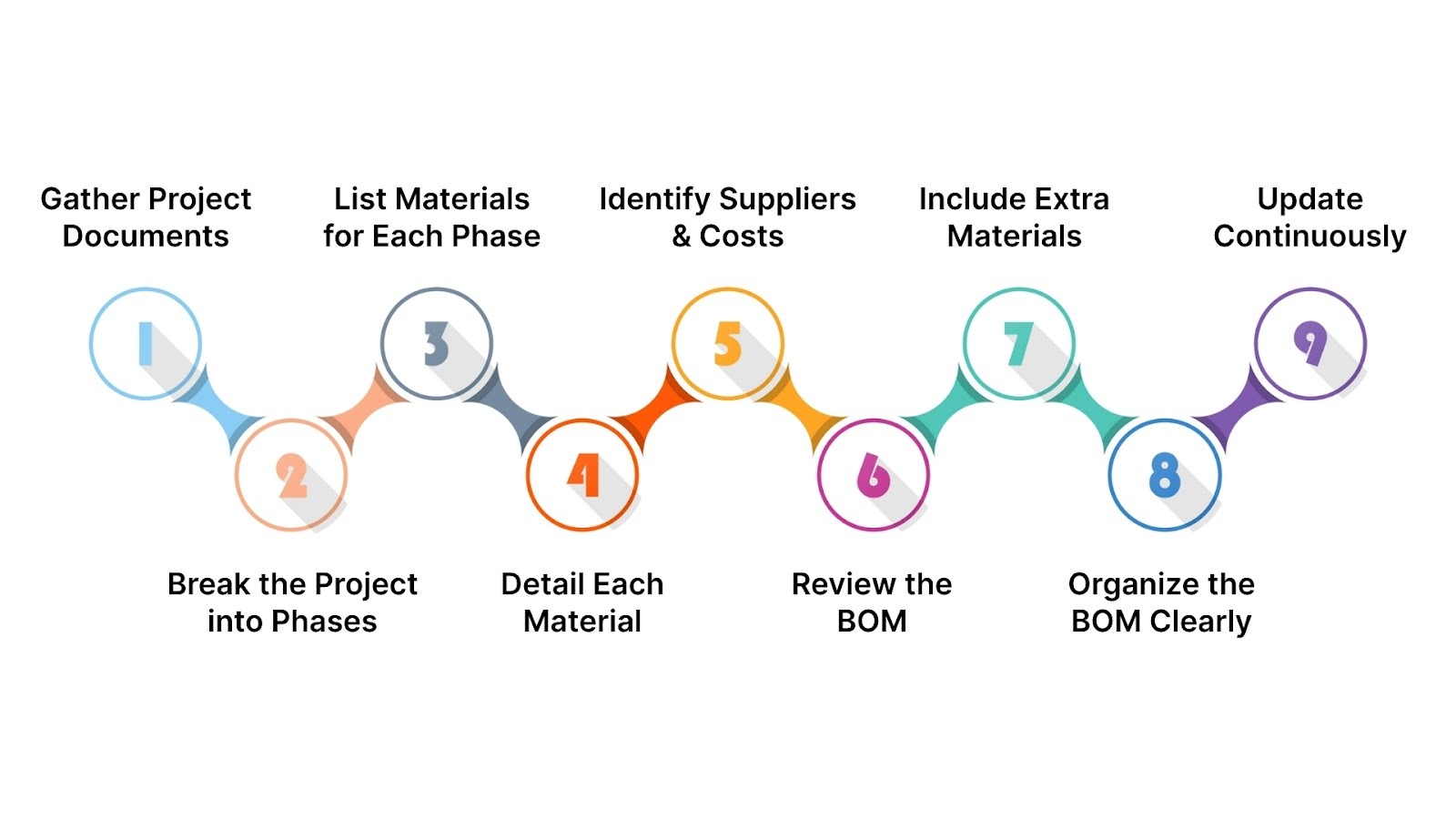
ابدأ بجمع جميع مستندات المشروع الأساسية، بما في ذلك المخططات التنفيذية، والرسومات المعمارية، والمواصفات الفنية. توفر هذه المستندات رؤية شاملة لجميع المواد والمكونات المطلوبة لتنفيذ المشروع.
قسّم المشروع إلى مراحل رئيسية، مثل أعمال الأساسات، والهيكل الإنشائي، والأعمال الكهربائية، والسباكة، والتشطيبات. يساعد هذا الأسلوب على تنظيم المواد وفقًا لوقت ومكان استخدامها في موقع العمل.
أنشئ قائمة تفصيلية بجميع المواد المطلوبة لكل مرحلة. وراجع المخططات، وتعاون مع المهندسين أو المقاولين للتأكد من عدم إغفال أي عنصر.
أدرج معلومات واضحة لكل مادة، مثل النوع، والكمية، والمقاس، والجودة، وأي رموز أو معرفات خاصة بها. يساعد ذلك على تجنب الأخطاء أثناء الشراء، ويُسهّل تتبع المخزون بدقة.
أعد قائمة بالموردين الموثوقين في المملكة العربية السعودية، مع توضيح الأسعار، ومدد التوريد، وأي خصومات متاحة. يساهم ذلك في إدارة الميزانية بكفاءة وضمان سلاسة عمليات الشراء.
شارك مسودة قائمة المواد مع مديري المشاريع، والمهندسين، وفريق المشتريات. تساعد ملاحظاتهم على اكتشاف الأخطاء والتأكد من توافق القائمة مع متطلبات المشروع.
أضف كميات احتياطية لتغطية الهدر، أو التغييرات غير المتوقعة، أو التعديلات التي قد تطرأ أثناء التنفيذ. تُعد هذه الممارسة ضرورية لتجنب التأخير وضمان استمرار العمل بسلاسة.
رتّب قائمة المواد حسب مراحل المشروع أو فئات المواد. ويسهّل التنظيم الواضح على فريق العمل فهم القائمة واستخدامها والرجوع إليها طوال فترة تنفيذ المشروع.
احرص على تحديث قائمة المواد بشكل مستمر مع تقدم المشروع، بحيث تعكس أي تغييرات أو بدائل يتم اعتمادها. كما يضمن مشاركة التحديثات مع جميع الأطراف تحسين التنسيق والحفاظ على سير العمل بكفاءة.
اقرأ أيضًا: تخطيط التكاليف في قطاع البناء: أبرز الفوائد والأنواع
بعد إعداد قائمة مواد (BOM) منظمة ومتكاملة، يمكنك ملاحظة تأثيرها المباشر في تحسين كفاءة المشروع، والتحكم في التكاليف، وتعزيز التنسيق بين فرق العمل.
يوفر استخدام قائمة المواد (BOM) في مشاريعك العديد من المزايا الواضحة التي تساعدك على إدارة الموارد، والتحكم في التكاليف، والحفاظ على سير العمل وفق الجدول الزمني المحدد. ويساهم كل جانب من هذه الفوائد بشكل مباشر في تنفيذ المشاريع بسلاسة وكفاءة أعلى.

توفر قائمة المواد (BOM) نظرة شاملة على المواد والجداول الزمنية، مما يجعل عملية التخطيط أكثر سهولة.
تساعدك قائمة المواد التفصيلية على تقدير التكاليف بناءً على الاحتياجات الفعلية من المواد.
يمكن لفريق المشتريات الاعتماد على قائمة المواد كمرجع واضح لتنفيذ عمليات الشراء.
تساعد قائمة المواد على الحفاظ على معايير البناء العالية وضمان الالتزام بالمتطلبات المعتمدة.
تعمل قائمة المواد كمرجع مشترك لجميع أفراد فريق المشروع.
تساعد قائمة المواد الدقيقة على تقليل الأخطاء والاستعداد للتحديات المحتملة.
تدعم قائمة المواد إدارة أكثر استدامة وكفاءة للمواد المستخدمة في المشاريع.
في مشاريع مماثلة، ساهم تحسين ممارسات التحكم في المواد واستخدام التصنيع المسبق خارج الموقع في تقليل هدر المواد بنسبة تصل إلى 80% في بعض الدراسات. كما تُعد أهداف تقليل الهدر بنسبة 30% أهدافًا واقعية عند دمج قوائم المواد (BOM) مع البناء المعياري وعمليات الشراء المدعومة بأنظمة تخطيط موارد المؤسسات (ERP).
اقرأ أيضًا: إدارة مخاطر البناء: خطوات الحد من المخاطر والتخفيف من آثارها
على الرغم من أن فوائد قائمة المواد (BOM) المُنظمة بشكل جيد واضحة، فإن إدارتها بفعالية تأتي مع مجموعة من التحديات التي يجب أن تكون على دراية بها.
لا تكون إدارة قائمة المواد (BOM) في قطاع البناء سهلة دائمًا، خاصة عند التعامل مع المشاريع المعقدة في المملكة العربية السعودية. فمن البيانات غير المكتملة إلى فجوات التنسيق بين الفرق، قد تؤدي الأخطاء البسيطة إلى إبطاء سير العمل بالكامل. فيما يلي بعض التحديات الشائعة التي قد تواجهها، إلى جانب طرق عملية للتغلب عليها.
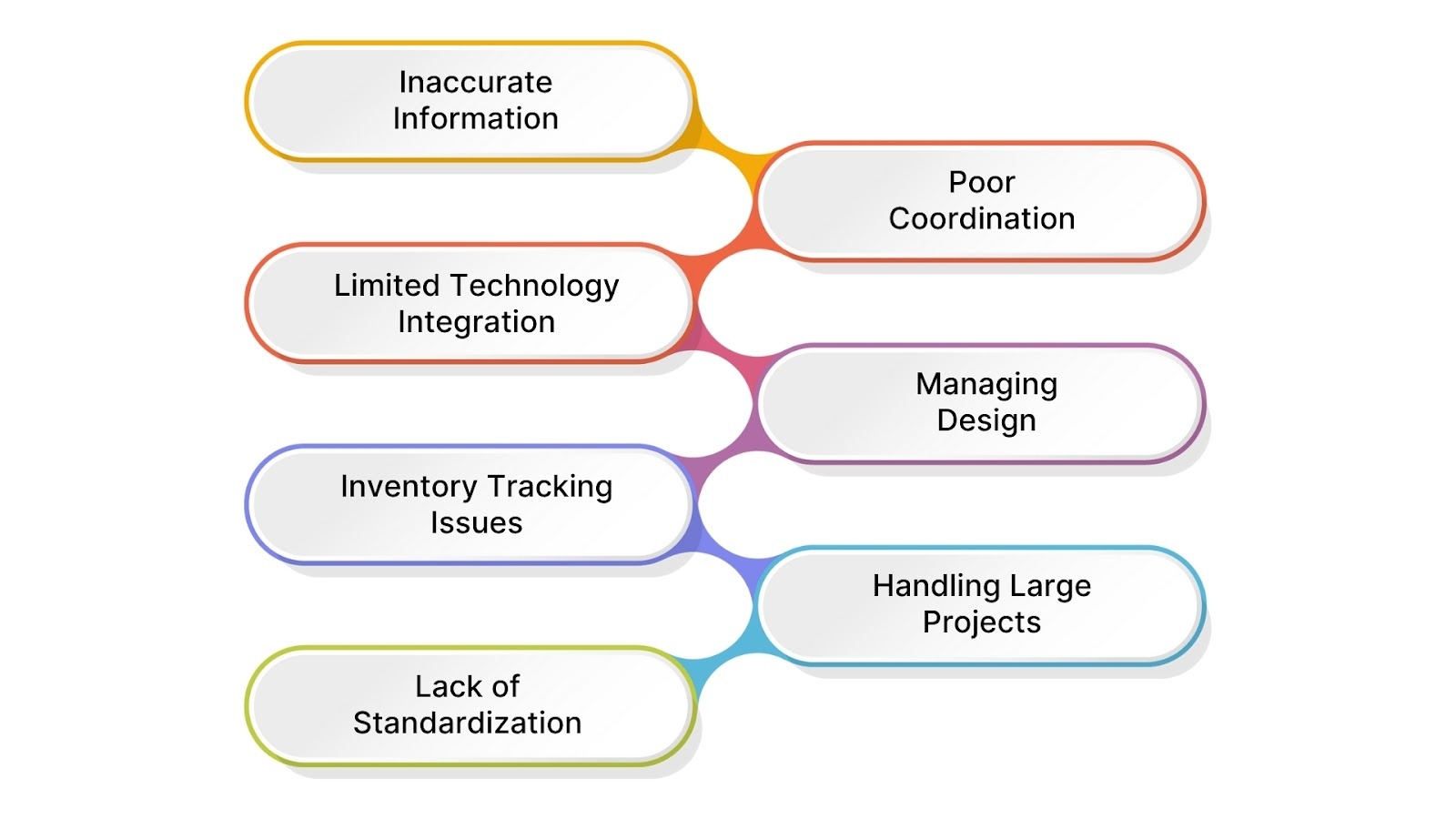
إذا كانت قائمة المواد (BOM) تحتوي على تفاصيل ناقصة أو غير صحيحة، فمن المحتمل أن تواجه نقصًا في المواد، أو تأخيرات، أو تجاوزات في التكاليف. ويحدث ذلك غالبًا بسبب ضعف التواصل بين فرق العمل.
كيفية حل المشكلة:
عندما لا يتمكن فريقك من الوصول إلى تحديثات قائمة المواد في الوقت الفعلي، فقد تحدث أخطاء بسهولة في طلب المواد أو تنفيذ الأعمال في الموقع.
كيفية حل المشكلة:
إذا لم يكن نظام قائمة المواد مرتبطًا بأدوات المشتريات أو إدارة المشاريع، فإن إدارة التحديثات تصبح بطيئة وعرضة للأخطاء.
كيفية حل المشكلة:
يساعد هذا النهج على تحسين الدقة، وتعزيز الرؤية الشاملة، وتمكينك من اتخاذ قرارات أسرع وأكثر كفاءة.
تُعد تعديلات التصميم والتغييرات في نطاق العمل جزءًا من معظم مشاريع البناء. ولكن بدون نظام واضح، قد تؤدي هذه التغييرات إلى إرباك قائمة المواد وتعطيل سير المشروع.
كيفية حل المشكلة:
إذا لم تتم متابعة المواد بشكل صحيح، فقد تواجه نقصًا في المخزون، أو هدرًا، أو تكاليف تخزين غير ضرورية.
كيفية حل المشكلة:
عند إدارة المشاريع واسعة النطاق، قد تصبح متابعة آلاف المواد يدويًا أمرًا مرهقًا للغاية.
كيفية حل المشكلة:
عندما تستخدم الفرق المختلفة أو الموردون تنسيقات غير موحدة لتسمية المواد، فإن حدوث الارتباك وتكرار البيانات يصبح أمرًا حتميًا.
كيفية حل المشكلة:
تُعد معالجة هذه التحديات المتعلقة بإدارة قائمة المواد (BOM) أمرًا ضروريًا، وتوضح دراسة الحالة التالية كيف يمكن للحلول العملية أن تُحدث فرقًا ملموسًا.
توضح دراسة الحالة هذه كيف قامت عيادات أوركيد بتحويل عملياتها في قطاع الرعاية الصحية من خلال دمج HAL مع Practo لتبسيط سير العمل، وتحسين رعاية المرضى، وتعزيز الكفاءة التشغيلية. كانت العيادات بحاجة إلى منصة موحدة لإدارة المواعيد، والمالية، والموارد البشرية، والمخزون، مع منح فريق العمل مزيدًا من الوقت للتركيز على المرضى.
الأنظمة المنفصلة:
كانت سجلات المرضى، وسير العمل، والبيانات التشغيلية موزعة بين أنظمة مختلفة، مما تسبب في انخفاض الكفاءة.
إدارة مالية منفصلة:
كانت عمليات الفوترة وتتبع الإيرادات تتم بشكل منفصل، مما أدى إلى حدوث أخطاء.
غياب الرؤى الفورية:
عدم توفر تقارير نظام معلومات الإدارة (MIS) جعل اتخاذ القرارات المبنية على البيانات أمرًا صعبًا.
عدم وجود مركز موحد للبيانات:
كانت البيانات المهمة مجزأة بين أنظمة متعددة.
من خلال دمج HAL Simplify مع Practo، تمكنت عيادات أوركيد من تحقيق ما يلي:
إدارة دورة حياة المريض:
جدولة دقيقة للمواعيد، وتتبع العلاجات، والمتابعة بعد تقديم الرعاية.
تبسيط سير عمل الأطباء:
إدارة سهلة للجداول الزمنية ومعالجة الوصفات الطبية.
التكامل المالي:
توحيد عمليات الفوترة، والمدفوعات، وتتبع الإيرادات.
إدارة الموارد البشرية والأصول:
إدارة فعّالة لسجلات الموظفين والتحكم في المخزون.
تقارير MIS في الوقت الفعلي:
تحليلات فورية لاتخاذ قرارات أكثر ذكاءً.
تحسين الكفاءة بنسبة 60%:
تقليل العمل اليدوي وتحسين سير العمليات.
توحيد البيانات بنسبة 100%:
ربط جميع الأقسام عبر منصة واحدة.
دقة مالية أفضل:
ساهم تكامل الفوترة والتقارير في تحسين إدارة الإيرادات.
قرارات أكثر استنارة:
ساعدت تقارير MIS الفورية في توجيه التخطيط الاستراتيجي.
تعزيز التعاون:
أدى توحيد البيانات إلى تحسين العمل الجماعي والتنسيق بين الفرق.
يوضح النجاح الذي حققته عيادات أوركيد كيف يساهم HAL في تبسيط سير العمل، وهو حل يمكن لشركات البناء الاستفادة منه في إدارة قائمة المواد (BOM).
قد تبدو إدارة مشاريع البناء أمرًا معقدًا، بدءًا من متابعة الميزانيات والمواد وصولًا إلى ضمان توافق جميع الفرق. وهنا يُحدث HAL فرقًا حقيقيًا. فقد تم تصميمه بما يتناسب مع احتياجات الشركات السعودية، وهو نظام ERP شامل وسهل الاستخدام يساعدك على أتمتة المهام اليومية، وإدارة جميع مراحل المشروع، والوصول إلى رؤى فورية من خلال منصة واحدة.
التحكم المركزي بالمشاريع:
يوحّد HAL عمليات إعداد الميزانيات، والجدولة، وسير العمل، مما يوفر رؤية واضحة وموحدة لتقدم المشروع.
تخطيط أكثر ذكاءً باستخدام الأدوات المتكاملة:
إدارة قائمة المواد (BOM)، والمواد، وعمليات الشراء من خلال منصة واحدة لضمان تخطيط دقيق وتقليل الأخطاء.
سير عمل مخصص لمشاريعك:
تخصيص مراحل المشاريع وسير العمل بما يتناسب مع أهدافك، مما يحسن مستوى التحكم والرؤية.
الرؤى الفورية والتنبؤات:
متابعة تحديثات قائمة المواد، واستخدام المواد، والتنبؤ بالاحتياجات بشكل فوري لتجنب النقص.
إدارة المخاطر والامتثال:
توفر الأدوات المدمجة ضمان توافق المواد مع الأنظمة السعودية، مما يقلل المخاطر القانونية والتأخيرات.
تعاون سلس بين الفرق:
ربط الفرق من خلال أدوات المحادثة، ومشاركة الملفات، والنقاشات لتقليل الأخطاء وتحسين التنسيق.
للتوضيح بشكل أفضل، دعونا نرى كيف يقارن HAL ERP مع أدوات إدارة قائمة المواد (BOM) التي يستخدمها معظم المقاولين حاليًا: Excel وSAP.
تتطلب إدارة قائمة المواد في قطاع البناء السعودي أكثر من مجرد جداول البيانات أو أنظمة ERP العالمية العامة. ومع توسع المشاريع وتعدد مواقعها وزيادة حساسيتها للوقت ضمن رؤية 2030، تحتاج شركات المقاولات إلى نظام BOM يتميز بسرعة التطبيق، والامتثال المحلي، والتكامل القوي مع عمليات الشراء، وتكاليف المشاريع، وإدارة المخزون.
فيما يلي مقارنة تقنية واضحة بين HAL ERP وExcel وSAP، توضح أداء كل أسلوب في بيئات البناء السعودية الفعلية:
الميزة / المتطلب (قطاع البناء في المملكة العربية السعودية)
| الميزة / المتطلب (قطاع الإنشاءات في السعودية) | HAL ERP | Excel | SAP (S/4HANA) |
| مدة التطبيق | 2–4 أسابيع (سريع للمقاولين) | فوري | 6–18 شهرًا |
| دعم اللغة العربية (من اليمين لليسار) | واجهة عربية أصلية + مصطلحات سعودية | لا | متاح (بعد التخصيص) |
| الامتثال لهيئة الزكاة والضريبة والجمارك (ZATCA) | مدمج | غير متوفر | يتطلب إعدادًا |
| مزامنة المخزون الفورية | نعم | لا | نعم |
| تكامل المشاريع | ربط مباشر بوحدة CustomerJobs (قائمة مواد المشروع) | لا | نعم (إعداد WBS معقد) |
| دعم المواقع المتعددة (نيوم، الرياض، جدة) | نعم، مدمج | يدوي | نعم |
| تتبع هدر المواد / المنتجات الثانوية | نعم (bom_byproducts) | لا | نعم (إعداد معقد) |
| سير عمل الموافقات | مدمج + سجل تدقيق | يدوي | قابل للتخصيص |
| إدارة التغييرات | تتبع الإصدارات | نسخ باستخدام "حفظ باسم" | إدارة التغييرات الهندسية |
| تقارير التكلفة والانحراف | فورية (عربي/إنجليزي) | يدوي | متقدمة (معقدة) |
| التكلفة الموصلة (الجمارك/الشحن) | متكاملة | يدوي | متكاملة |
| سهولة الاستخدام لفرق الموقع | عالية (مخصص للإنشاءات) | عالية | منخفضة |
| إجمالي تكلفة الملكية | متوسطة | منخفضة مبدئيًا ← مخاطرة عالية لاحقًا | مرتفعة جدًا |
| الملاءمة للمقاولين السعوديين (1–200 موظف) | ممتازة | محدودة | مبالغ فيها لمعظم الحالات |
| الملاءمة للمؤسسات الضخمة (بحجم أرامكو/سابك) | جيدة | ضعيفة | ممتازة |
بعد استكشاف كل ما يتعلق بقائمة المواد (BOM) في قطاع البناء، أصبح من الواضح مدى أهمية وجود قائمة مواد منظمة بشكل جيد للحفاظ على سير مشاريعك وفق الخطة، وتقليل التكاليف، وتجنب التأخيرات. فمن التخطيط الدقيق وإعداد الميزانيات إلى تبسيط عمليات الشراء وتحسين التنسيق بين فرق العمل، تضمن قائمة المواد الفعّالة تنفيذ جميع جوانب مشروع البناء بسلاسة.
ولجعل هذه العملية أكثر سهولة، يساعدك HAL على تبسيط إدارة قائمة المواد (BOM)، وأتمتة المهام المتكررة، وتوفير رؤى فورية من خلال منصة موحدة. كما أن خبرته المحلية وواجهته سهلة الاستخدام تجعله خيارًا مثاليًا لشركات البناء في المملكة العربية السعودية التي تسعى إلى تعزيز الكفاءة والامتثال.
اكتشف كيف يمكن لـ HAL ERP أن يساهم أيضًا في تطوير مشاريع البناء الخاصة بك. تعرّف على قصص النجاح الحقيقية واحجز العرض التجريبي المجاني اليوم لتجربة إدارة مشاريع أكثر ذكاءً وسرعة وكفاءة.
تعمل قائمة المواد (BOM) كمصدر موحد للمعلومات لجميع الفرق. حيث يعرف مهندسو الموقع المواد المطلوبة بدقة، بينما تحصل فرق المشتريات على المواصفات والكميات الواضحة. يقلل ذلك من التواصل المتكرر، ويمنع طلب المواد بشكل خاطئ، ويضمن وصول المواد في الوقت المحدد.
نعم. في المشاريع الصغيرة، تساعد قائمة المواد على جعل تخطيط المواد أكثر بساطة وتنظيمًا. أما في المشاريع الإنشائية الكبيرة في المملكة العربية السعودية، مثل مشاريع الأبراج المتعددة أو أعمال البنية التحتية، فتصبح عنصرًا أساسيًا لإدارة آلاف المكونات، وتقليل الهدر، ومتابعة أداء الموردين.
تؤدي قوائم المواد القديمة إلى طلبات غير صحيحة، وزيادة في المواد، وتأخيرات، وتجاوزات في الميزانية. وفي الأسواق الخاضعة للأنظمة مثل المملكة العربية السعودية، قد يؤدي ذلك أيضًا إلى مشكلات تتعلق بالامتثال. تضمن التحديثات المنتظمة توافق المشروع مع أحدث المخططات والمواد المعتمدة.
بالتأكيد. توفر قائمة المواد للموردين كميات دقيقة، ومواصفات واضحة، وجداول توريد محددة. تساعد هذه الشفافية على تقليل مشكلات مدة التوريد، وتحسين دقة الشحنات، وتعزيز العلاقات طويلة الأمد مع الموردين، خاصة عند التعامل مع عدة موردين في مختلف مدن المملكة العربية السعودية.
يقوم HAL ERP بأتمتة إنشاء قوائم المواد، وتتبع التعديلات، وربط المواد بالمشاريع الجارية، ومزامنة البيانات مع وحدات المخزون والمشتريات. يساعد ذلك على تقليل الأخطاء اليدوية، وتوفير رؤية فورية، وضمان الامتثال لمتطلبات هيئة الزكاة والضريبة والجمارك (ZATCA)، ودعم التنسيق بين مواقع المشاريع المتعددة المطلوبة لمشاريع رؤية 2030.

.jpg)