%201.webp)

Educational institutions today operate in an increasingly complex environment. Growing student numbers, expanding academic programs, multi-campus operations, and rising expectations from parents and regulators have made manual processes and disconnected systems difficult to sustain.
This shift is reflected globally. The education ERP market reached USD 24.24 billion in 2025 and is projected to grow to USD 46.58 billion by 2030, registering a 13.96% CAGR. Institutions are investing in systems that support scale, visibility, and operational control.
Yet many schools and universities still rely on spreadsheets or isolated tools to manage admissions, fees, academics, and administration. These systems often fail as complexity increases.
Education ERP software addresses this by unifying academic, administrative, and financial operations into one platform.
In this guide, we explore what education ERP software is, key features to look for, and how institutions can choose the right solution for long-term growth.
Many schools begin with basic tools to manage admissions, fees, academics, and administration. These systems may work when student numbers are low, but as institutions grow, their limitations become clear.
Admissions processes often rely on spreadsheets, emails, and paper forms. Fee structures, discounts, and payment tracking are handled separately, increasing the risk of errors, missed follow-ups, and delayed collections. As intake volumes rise, manual processes slow down enrollment and create administrative bottlenecks.
Student records, staff information, payroll, and finance data are frequently stored in different systems. This lack of integration makes it difficult to get a complete view of operations. Simple tasks, such as reconciling fees with enrollment or linking staff costs to class allocations, become time-consuming and error-prone.
Without consolidated dashboards, school leadership lacks real-time insight into enrollment trends, fee collections, staffing levels, and operational performance. Decisions are often based on delayed reports rather than current data, limiting the ability to plan and respond proactively.
As institutions scale, regulatory and internal reporting requirements increase. Manual systems struggle to support accurate audits, structured approvals, and timely reporting. This creates risk, especially for multi-campus schools managing large volumes of student and financial data.
At scale, these challenges are not operational gaps but structural ones. Education ERP software addresses them by bringing academic, administrative, and financial workflows into a single, integrated system.
Education ERP software is a centralized system that helps schools manage academics, administration, and operations within a single platform. Instead of using separate tools for admissions, fees, HR, academics, and reporting, an education ERP brings all core school processes together in one structured workflow.
At its core, education ERP software connects student information, staff data, finance, and daily operations so that information flows consistently across departments. When a student enrolls, fee records, class assignments, attendance, and reporting are automatically aligned, reducing manual work and duplication.
Unlike basic school management systems that focus only on academics, education ERP software supports the full operational lifecycle of an institution. This includes admissions, fee management, payroll, procurement, compliance reporting, and leadership dashboards. As schools grow in size or add campuses, ERP provides the structure needed to scale without losing control or visibility.
Now that the concept is clear, let’s look at the core features schools should expect from an education ERP system.
Also read: Common Problems in Schools and Their Solutions
%201.webp)
Effective education ERP software is designed to support both academic delivery and administrative efficiency. While feature depth may vary by platform, the following capabilities form the foundation of a reliable system.
Together, these features allow schools to move away from fragmented systems and manage daily operations with greater consistency, control, and scalability.
As education ERP software adoption grows, schools and institutions are presented with a wide range of platforms, each designed for different levels of complexity and scale. Some focus on core academic management, while others provide broader ERP capabilities that support finance, HR, and operations alongside academics.
Below, you’ll find a curated list of education ERP software platforms with their key features.
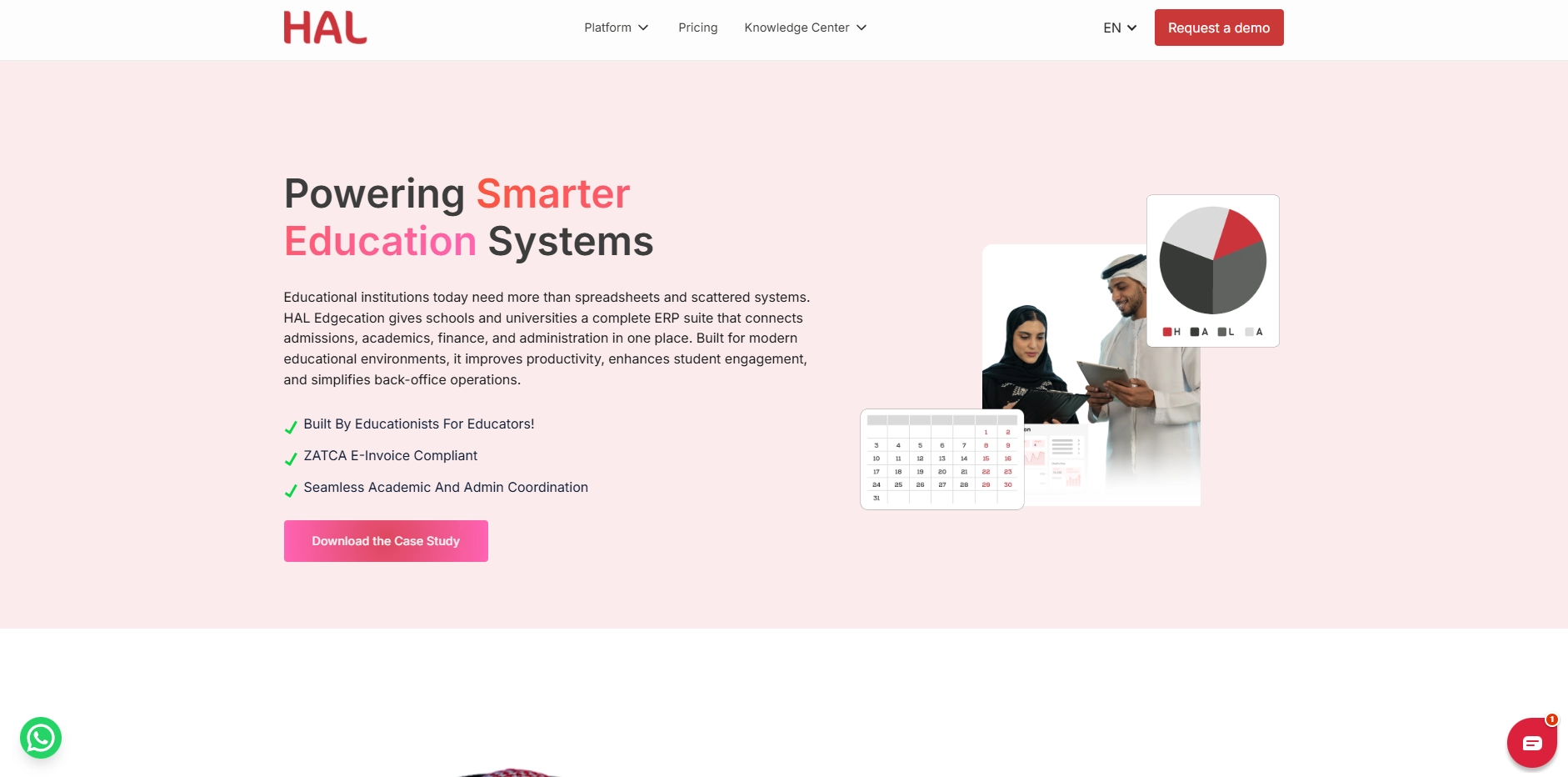
HAL Edgecation is an education-focused ERP designed to help schools and universities manage academics, administration, and finance in one unified system. Built by educationists for educators, it replaces fragmented tools with structured workflows that improve operational efficiency, visibility, and coordination across departments. The platform is designed for modern educational environments and scales easily as institutions grow.
Key Features:
Ideal for: Mid-sized and growing schools, universities, and multi-campus educational institutions in Saudi Arabia that need a single ERP system to manage academics, administration, finance, and compliance without relying on disconnected school management tools.
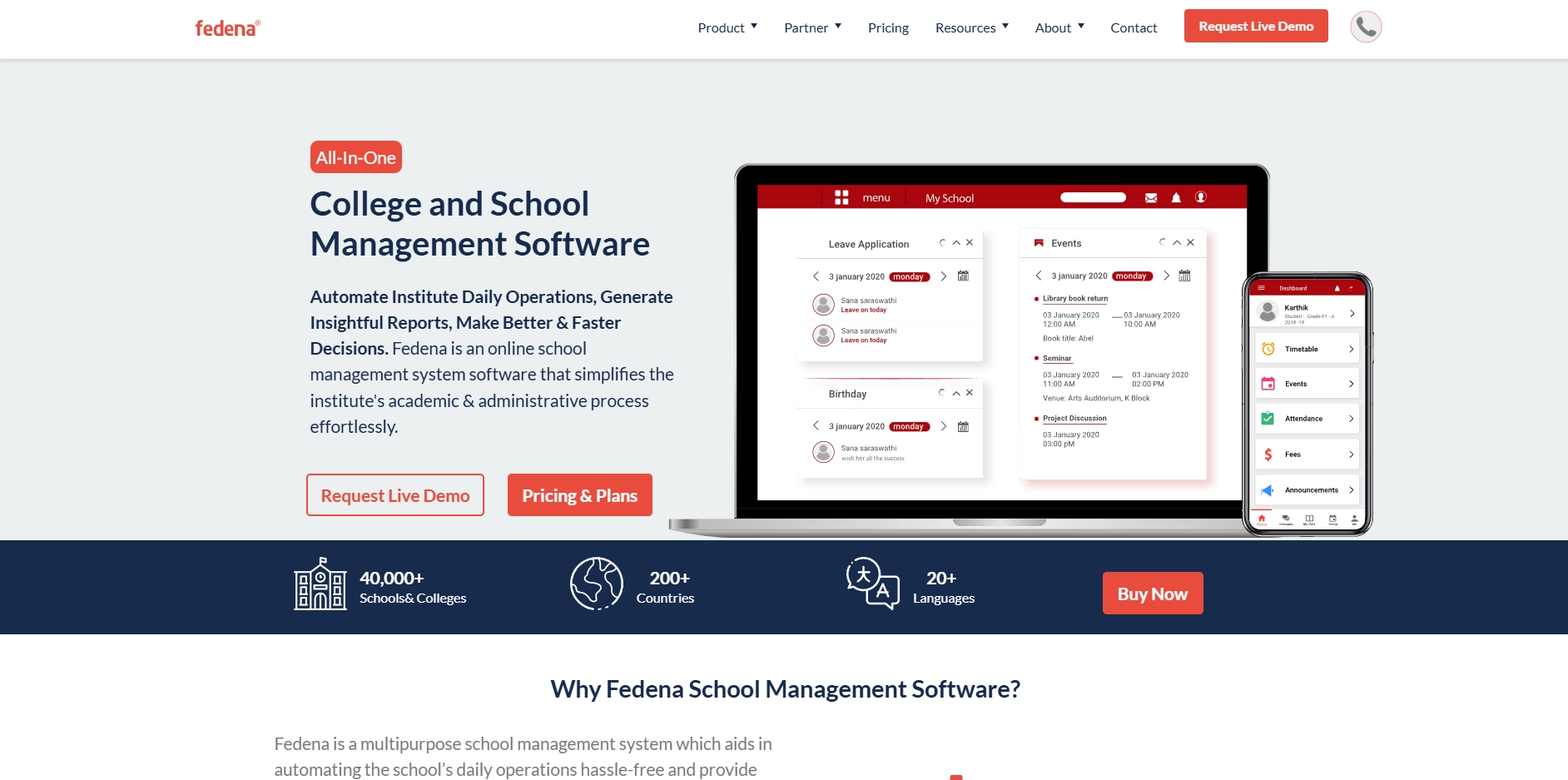
Fedena is a cloud-based school ERP that helps educational institutions manage academic and administrative processes through a single platform, with a strong focus on student records, attendance, and fee management.
Key Features:
Ideal for: Small to mid-sized schools and training institutes looking for a straightforward, cloud-based school ERP focused on core academic and administrative needs.
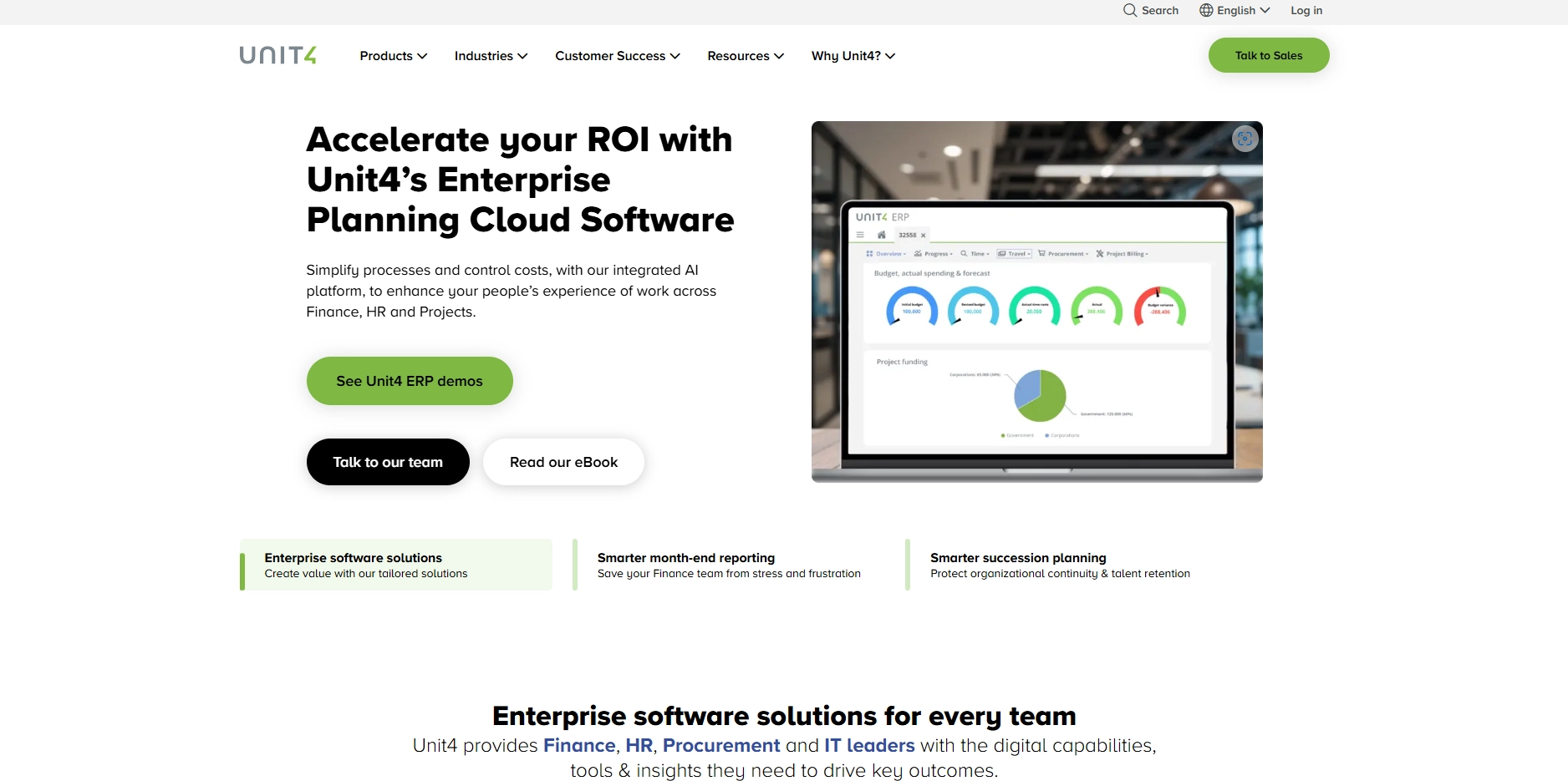
Unit4 is a cloud-first ERP platform designed primarily for higher education institutions, combining student management, finance, and operational workflows in a unified system.
Key Features:
Ideal for: Universities and large higher education institutions that need a cloud-based ERP to manage complex academic, financial, and operational structures at scale.
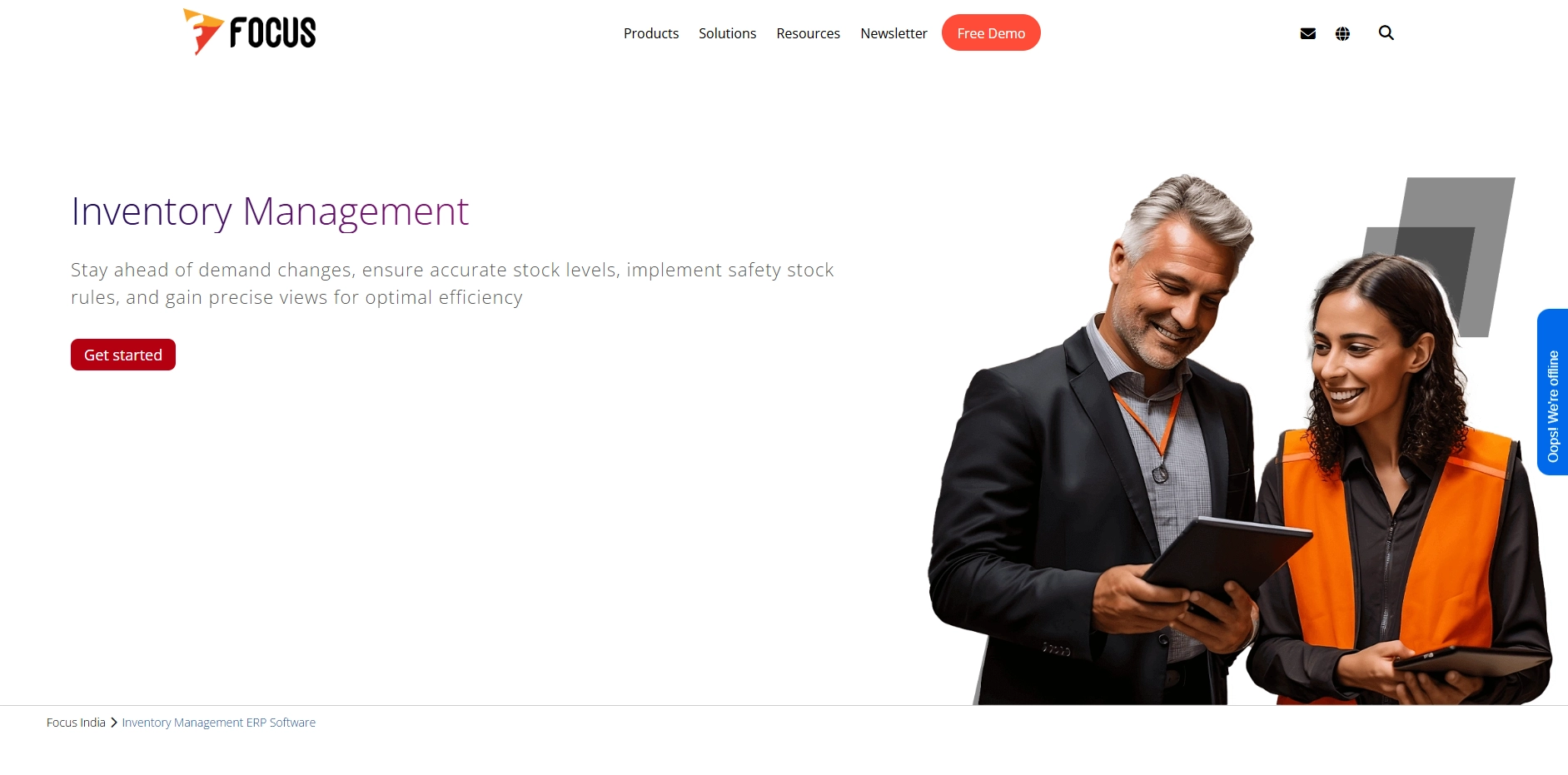
Focus Softnet’s Education ERP is a flexible platform designed to help schools, colleges, and universities automate academic and administrative workflows in one system. It supports core operations with integrated data management to improve productivity and decision-making.
Key Features:
Ideal for: Schools, colleges, and mid-sized universities seeking a customizable, cloud-ready ERP that brings academic, administrative, and financial processes together.
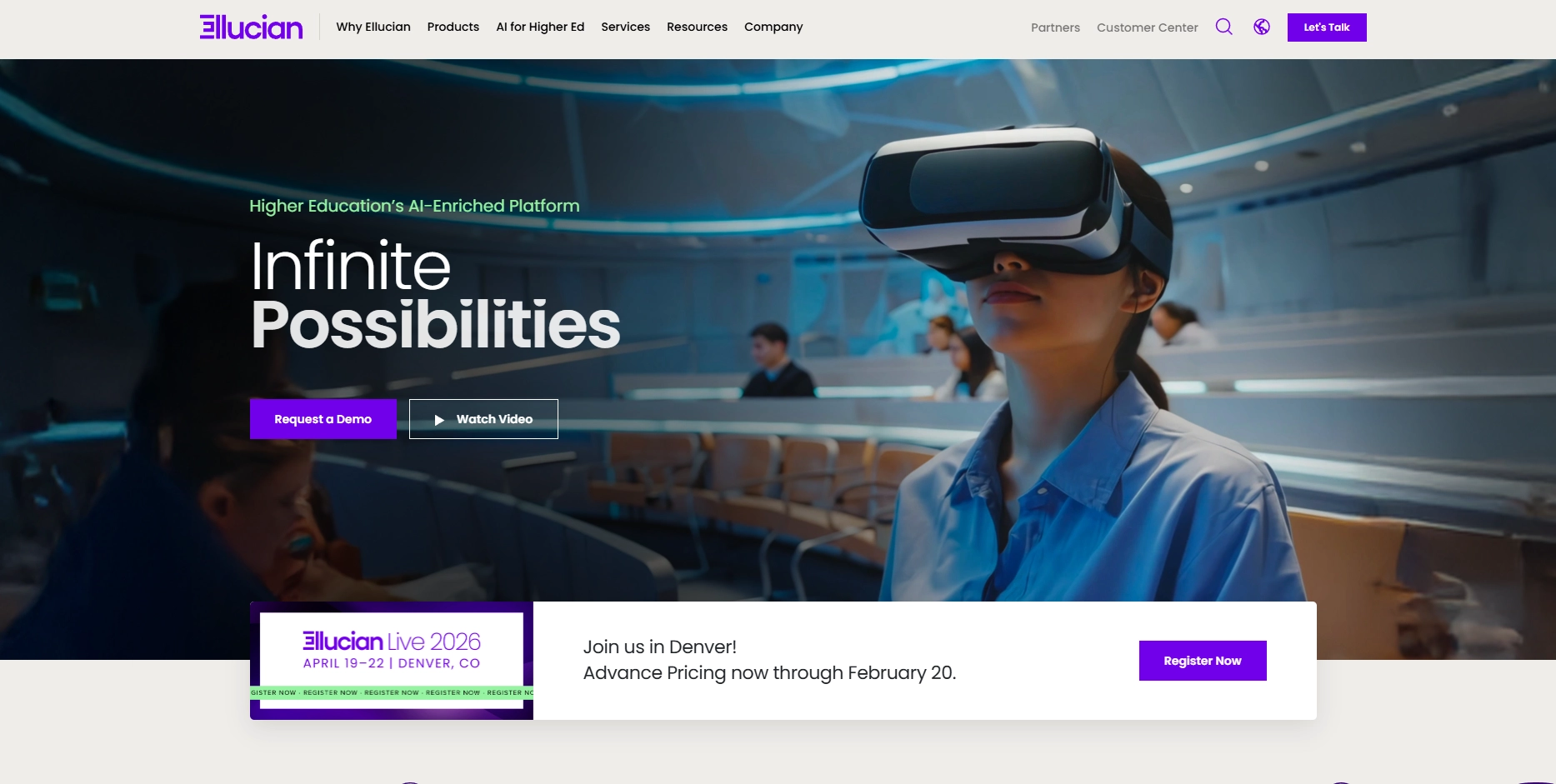
Ellucian is a leading education ERP provider focused on higher education, offering cloud-ready solutions that integrate student information, finance, HR, and operational workflows. Its platform supports institutions from enrollment through graduation with analytics and automation built in.
Key Features:
Ideal for: Large universities and higher education institutions that need a robust, scalable ERP with deep student, administrative, and financial capabilities.
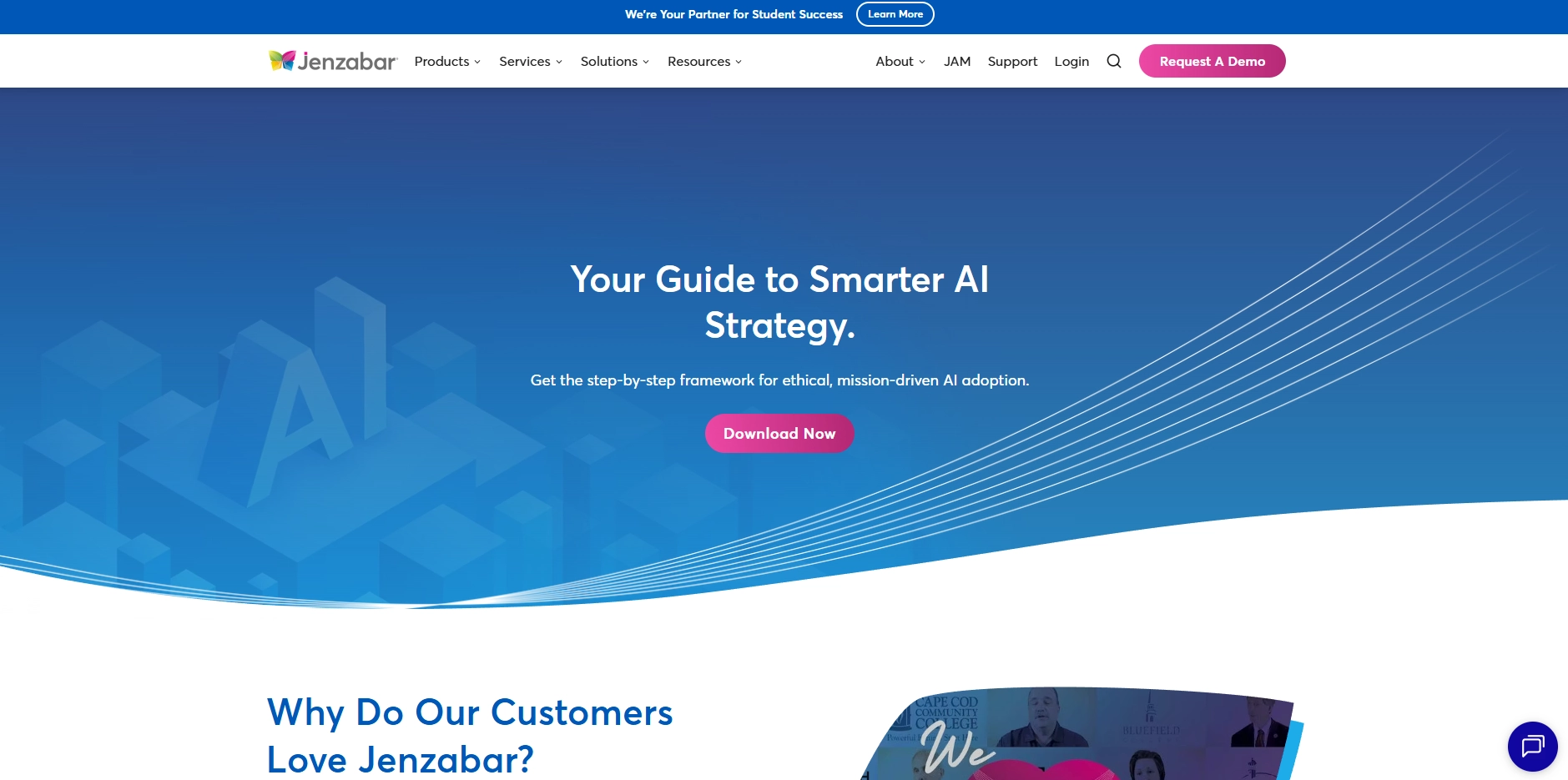
Jenzabar is a cloud-first ERP and student information system built specifically for higher education institutions. It unifies student lifecycle management, administrative workflows, and financial operations into a single platform designed to support institutional goals and improve student success.
Key Features:
Ideal for: Universities, colleges, and higher education institutions that require a comprehensive ERP + student information system to manage complex academic, administrative, and financial needs.
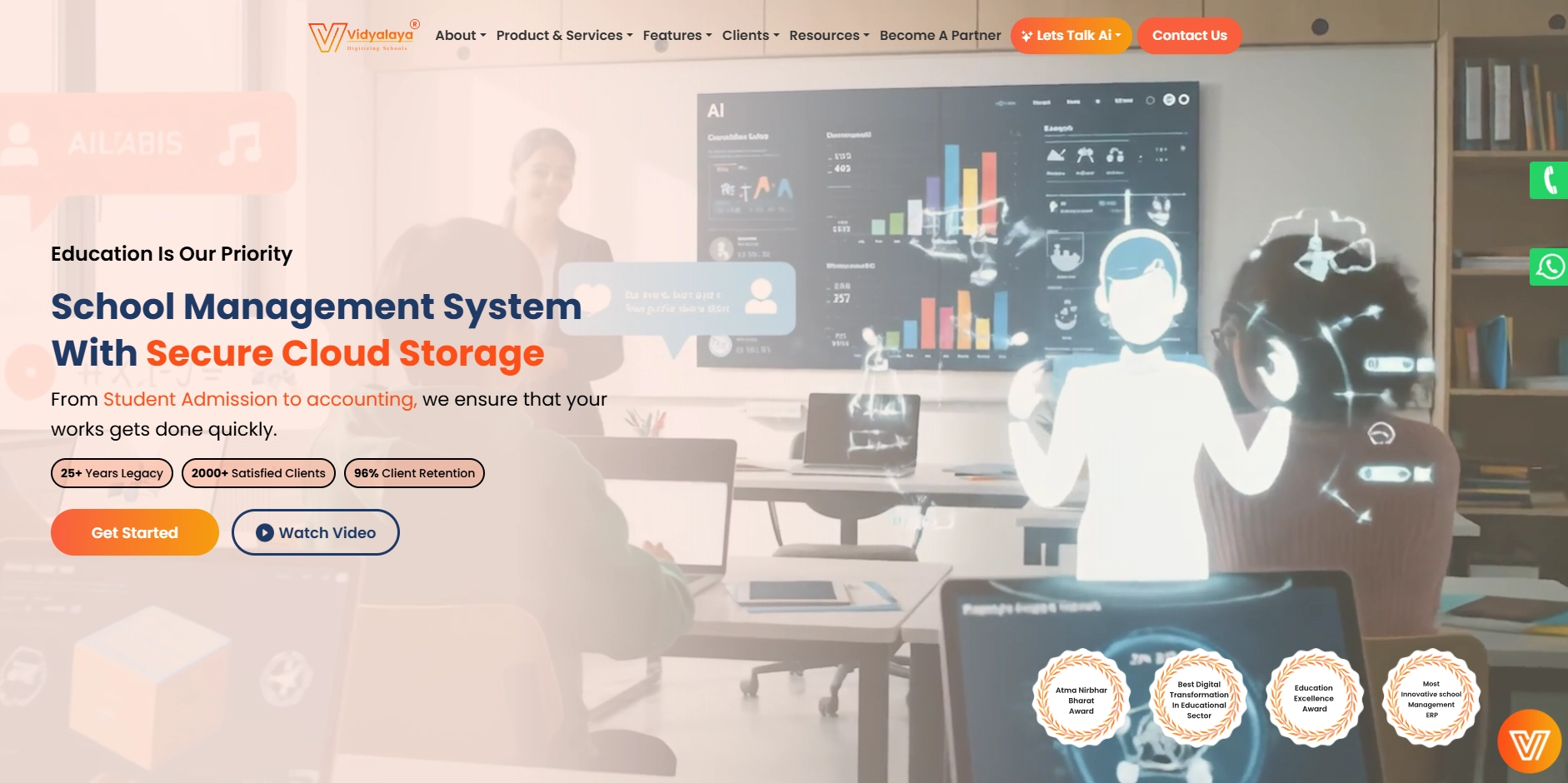
Vidyalaya is a fully integrated school ERP that helps educational institutions manage academic, administrative, and operational workflows in one cloud platform. It includes modules for student and staff data, attendance, finance, and communication, with a focus on usability and comprehensive coverage.
Key Features:
Ideal for: Schools, colleges, and multi-campus educational institutions that need an all-in-one ERP to simplify administration, financial tracking, and communication across stakeholders.
OpenEduCat is an open-source education ERP that helps schools, colleges, and universities unify academic, administrative, and financial processes in one modular platform.
Key Features:
Ideal for: Educational institutions seeking a flexible open-source ERP that can be customized and scaled for core academics and administration.
After exploring the available education ERP solutions, it’s important to focus on the criteria that will help you select the right system for your institution.
Also read: ERP Implementation Success Stories: Real-World Examples
Selecting education ERP software is a long-term decision that affects daily operations, staff efficiency, and student experience. The right choice depends less on feature volume and more on how well the system fits your institution’s structure, scale, and future plans.
Identify the areas creating the most friction today, such as admissions, fee tracking, staff management, or reporting. Prioritizing these helps narrow down systems that solve real problems rather than adding unnecessary complexity.
Ensure the ERP can support growing student numbers, additional programs, and multiple campuses without performance or data issues. Systems designed only for small institutions often struggle as complexity increases.
Education ERP should connect student data, finance, HR, and operations in one workflow. Avoid systems that require manual reconciliation between departments or depend heavily on external tools.
Teachers, administrators, parents, and students interact with the system differently. Look for role-based access, intuitive interfaces, and minimal training requirements to support adoption.
For institutions in Saudi Arabia, ensure the ERP supports local financial, reporting, and regulatory workflows where applicable. This reduces audit risk and administrative overhead.
ERP success depends on implementation quality and ongoing support. Choose vendors with education domain expertise, structured onboarding, and local support teams that understand institutional workflows.
Choosing the right education ERP software ensures your institution gains long-term operational stability rather than short-term system fixes.
As educational institutions grow, managing academics, finance, staff, and operations through disconnected systems becomes difficult to sustain. Education ERP software provides the structure schools and universities need to scale efficiently by bringing core workflows into a single, integrated platform.
The right ERP helps institutions simplify admissions, improve fee control, support staff management, and give leadership real-time visibility into performance. More importantly, it replaces manual coordination with reliable processes that support long-term growth and accountability.
HAL Edgecation is built specifically for educational institutions in Saudi Arabia that need unified operations without unnecessary complexity. With education-focused workflows, local readiness, and scalable design, HAL Edgecation helps institutions move from fragmented administration to structured, future-ready management.
Book a free demo to see how HAL Edgecation can support your institution’s next stage of growth.

1. How is education ERP different from a school management system?
A school management system usually focuses on academics and student records. Education ERP software goes further by integrating finance, HR, procurement, compliance, and management reporting, making it suitable for growing and multi-campus institutions.
2. Who should use education ERP software?
Education ERP software is best suited for mid-sized and large schools, colleges, universities, and education groups that need structured operations, accurate reporting, and scalability as student numbers and programs grow.
3. Can education ERP support multiple campuses?
Yes. Most education ERP platforms are designed to handle multiple campuses, shared services, centralized reporting, and role-based access across locations.
4. What should schools look for when choosing education ERP software?
Schools should evaluate scalability, ease of use, integration across academics and administration, reporting capabilities, local compliance readiness, and the vendor’s implementation and support experience.