هل شعرت يومًا أن عملك جاهز للنمو، لكن التدفق النقدي يعيق تقدمك؟ في المملكة العربية السعودية، تواجه العديد من الشركات هذا الواقع بالضبط.
وفقًا لصندوق النقد الدولي، تظل الشركات في السعودية مستقرة ماليًا؛ إلا أن التحول الاقتصادي السريع في رؤية 2030، إلى جانب توسع الائتمان والتعرض لتقلبات السوق العالمية، جعل إدارة التدفق النقدي تحديًا في بيئة متقلبة.
عندما تتأخر المدفوعات، تتراكم النفقات، أو تقل التوقعات، تصبح السيولة محدودة ويتوقف النمو.
لذلك، فإن فهم التدفق النقدي وإدارته يحدد ما إذا كان العمل سينمو أو سيكافح للبقاء على الصلة بالسوق.
في هذا الدليل، ستتعلم:
ما معنى التدفق النقدي ولماذا هو مهم
أبرز المخاطر التي تهدد التدفق النقدي
أفضل خمس استراتيجيات لتحسين التدفق النقدي
أبرز النقاط
فهم أساسيات التدفق النقدي: يمثل التدفق النقدي حركة الأموال داخل وخارج الشركة، وهو ما يحدد صحتها المالية واستقرارها.
التعرف على مخاطر الإدارة الضعيفة: التدفق النقدي غير المنضبط قد يؤدي إلى تأخر المدفوعات، تراكم الديون، وفقدان فرص النمو.
تحديد تحديات التدفق النقدي الشائعة: تشمل الأسباب الشائعة تأخر المدفوعات من العملاء، ضعف التنبؤ المالي، وحيازة مخزون زائد.
تطبيق استراتيجيات مالية ذكية: الاستراتيجيات الفعّالة مثل التنبؤ الدقيق، ضبط التكاليف، والأتمتة تضمن توفر السيولة بشكل مستمر.
بناء مرونة مالية طويلة المدى: الشركات التي تراقب وتدير التدفق النقدي بانتظام تحافظ على استقرار أقوى وفرص نمو طويلة المدى.
لماذا يُعد التدفق النقدي شريان الحياة لكل شركة؟
التدفق النقدي يغذي كل جانب من جوانب العمل، من العمليات اليومية إلى الاستثمارات طويلة المدى. بدون تدفقات نقدية مستقرة، حتى الشركات المربحة قد تواجه أزمات سيولة، تأخير المشاريع، أو توقف التوسع. يوفر التدفق النقدي القوي المرونة، الاستقرار، والثقة للتصرف عند ظهور الفرص.
في اقتصاد المملكة العربية السعودية سريع التطور، الحفاظ على التدفق النقدي ضروري لنمو الأعمال المستدام.
الأنواع الرئيسية للتدفق النقدي
التدفق النقدي التشغيلي: النقد المتولد من الأنشطة الأساسية للشركة مثل المبيعات، مدفوعات الموردين، والأجور.
التدفق النقدي الاستثماري: النقد الذي يُنفق أو يُكتسب من شراء أو بيع الأصول، الممتلكات، أو المعدات.
التدفق النقدي التمويلي: النقد المرتبط بـ رفع أو سداد رأس المال، مثل القروض، توزيعات الأرباح، أو حقوق الملكية.
معًا، تقدم هذه الأنواع صورة كاملة عن كيفية دوران الأموال داخل الشركة.
عند إدارة التدفق النقدي بشكل جيد، تبقى العمليات سلسة والنمو مستدامًا، أما عند اختلاله، فقد تواجه حتى الشركات المربحة صعوبات في الاستمرار. لهذا السبب، من الضروري فهم أهمية التدفق النقدي قبل تعلم كيفية إدارته بفعالية.
لماذا تُعد إدارة التدفق النقدي مهمة للأعمال في السعودية؟
التدفق النقدي ليس مجرد مصطلح محاسبي؛ بل هو المقياس الفعلي لاستقرار الشركة المالي. الإدارة الجيدة له تضمن قدرة الشركة على تغطية الاحتياجات اليومية والتخطيط للنمو طويل المدى.
إليك كيف يدعم إدارة التدفق النقدي الفعّالة صحة الأعمال:
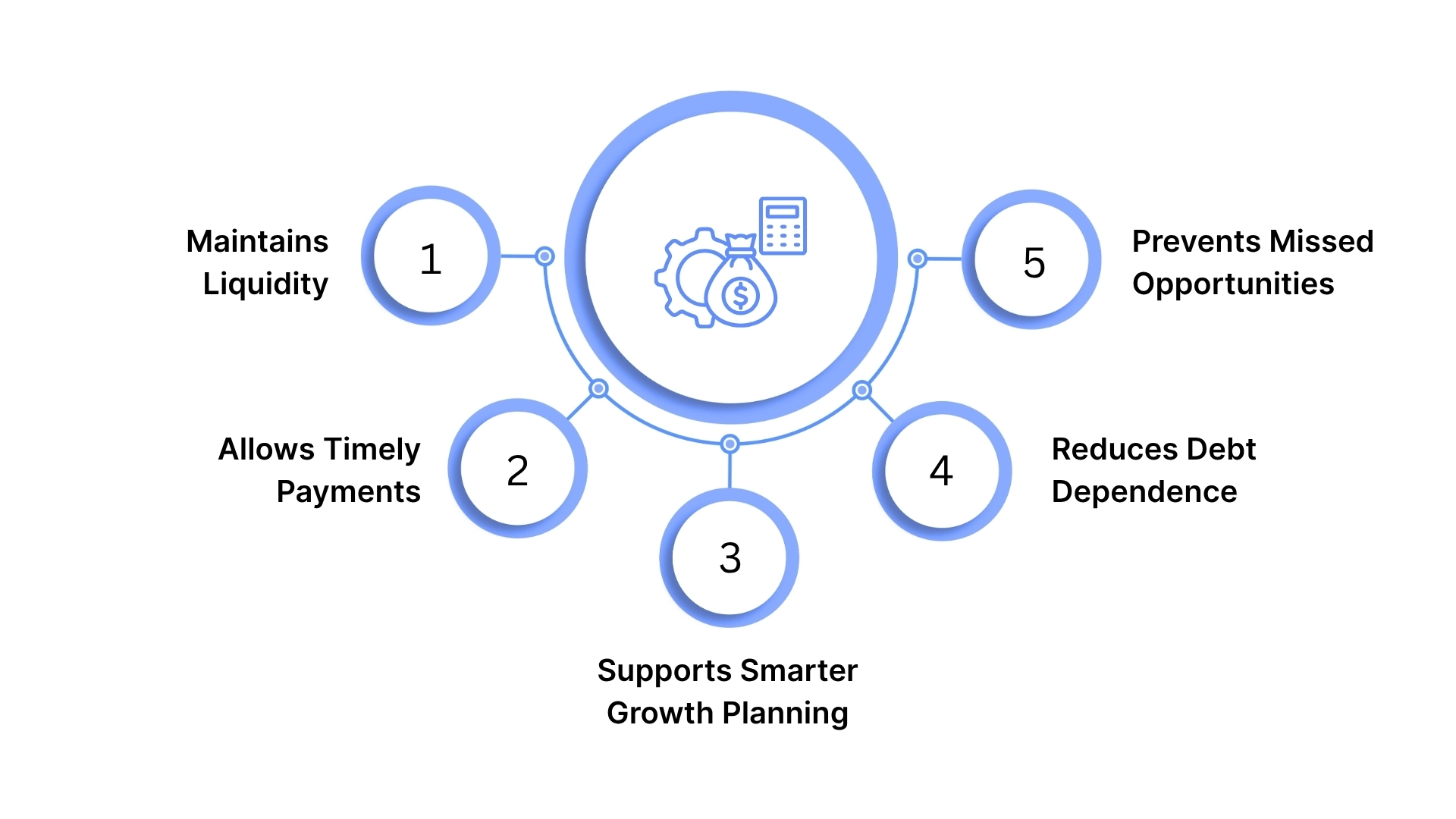
الحفاظ على السيولة: متابعة التدفقات الداخلة والخارجة باستمرار تضمن توفر النقد لتغطية المصاريف مثل الإيجار، الرواتب، والفواتير التشغيلية. السيولة تحافظ على استمرارية العمليات حتى عند انخفاض المبيعات.
تمكين الدفع في الوقت المناسب: دفع الموردين، البائعين، والموظفين في مواعيدهم يبني ثقة ويقوي العلاقات التجارية. كما يمنع العقوبات أو اضطرابات سلسلة التوريد الناتجة عن التأخير في المدفوعات.
دعم التخطيط الذكي للنمو: عندما يكون التدفق النقدي متوقعًا، يمكن للشركات التخطيط للتوسع، إطلاق المنتجات، أو التوظيف الجديد بثقة. يمنع الإفراط في الالتزامات ويساعد على تخصيص الموارد لأكثر المجالات ربحية.
تقليل الاعتماد على الديون: الإدارة الجيدة للتدفق النقدي تقلل الحاجة إلى الاقتراض قصير الأجل، ما يخفض تكاليف الفوائد ويحد من المخاطر المالية، خاصة في فترات عدم اليقين الاقتصادي.
منع فقدان الفرص: توفر الاحتياطيات النقدية القوية للشركات القدرة على الاستفادة بسرعة من الفرص الجديدة مثل الشراء بالجملة، الاستثمارات، أو الشراكات، دون إجهاد رأس المال العامل.
شركة سابك: تعزيز التدفق النقدي عبر الكفاءة التشغيلية
أفادت الشركة السعودية للصناعات الأساسية (سابك)، إحدى أكبر شركات البتروكيماويات في المملكة، عن نتائج مختلطة للربع الثالث 2025. حيث انخفضت الإيرادات بنسبة 3٪ لتصل إلى9.2 مليار دولار نتيجة تحديات السوق، إلا أن الشركة نجحت في تحسين الربحية من خلال ضبط التكاليف بدقة وإدارة التدفق النقدي بشكل أفضل.
واجهت سابك تراجعًا في نمو الإيرادات بسبب القدرة الإنتاجية المفرطة عالميًا في قطاع البتروكيماويات. للحفاظ على السيولة ودعم العمليات الجارية، ركزت الشركة على:
الكفاءة التشغيلية
الانضباط المالي في التكاليف
التخطيط المالي الاستباقي
من خلال تحسين الضوابط الداخلية وتحسين تكاليف الإنتاج، حققت سابك:
ارتفاع بنسبة 45٪ في صافي الدخل المعدل على أساس ربع سنوي
زيادة بنسبة 81٪ في التدفق النقدي الحر على أساس سنوي
هذا التحسن أبرز فعالية الإدارة المالية الاستراتيجية واتخاذ القرارات المبنية على البيانات.
على الرغم من هبوط قصير المدى في سعر السهم، أظهرت قوة التدفق النقدي لشركة سابك كيف يمكن للإدارة الفعّالة للموارد والتخطيط النقدي أن تحافظ على استقرار الأعمال وتموّل أهداف التحول طويلة المدى.
إدارة التدفق النقدي بفعالية تحمي الشركة من الصدمات المالية وتتيح مساحة للقرارات الاستراتيجية. تساعد أدوات المحاسبة مثل HAL ERP الشركات على الحصول على تحكم مالي لحظي عبر المحاسبة السحابية، لوحات معلومات تحليلية، وأمان بيانات بمستوى البنوك.
ولتعزيز هذا الجانب، من المهم أولًا فهم أسباب مشاكل التدفق النقدي الأساسية.
الأسباب الشائعة لمشاكل التدفق النقدي
حتى الشركات المربحة يمكن أن تواجه نقصًا في السيولة إذا لم تتحرك الأموال بكفاءة داخل النظام. في اقتصاد المملكة العربية السعودية سريع التغير، حيث تختلف دورات الدفع وشروط الائتمان بشكل كبير، يمكن للفجوات التشغيلية الصغيرة أن تتحول بسرعة إلى تحديات سيولة.
أكثر الأسباب شيوعًا وراء عدم استقرار التدفق النقدي:
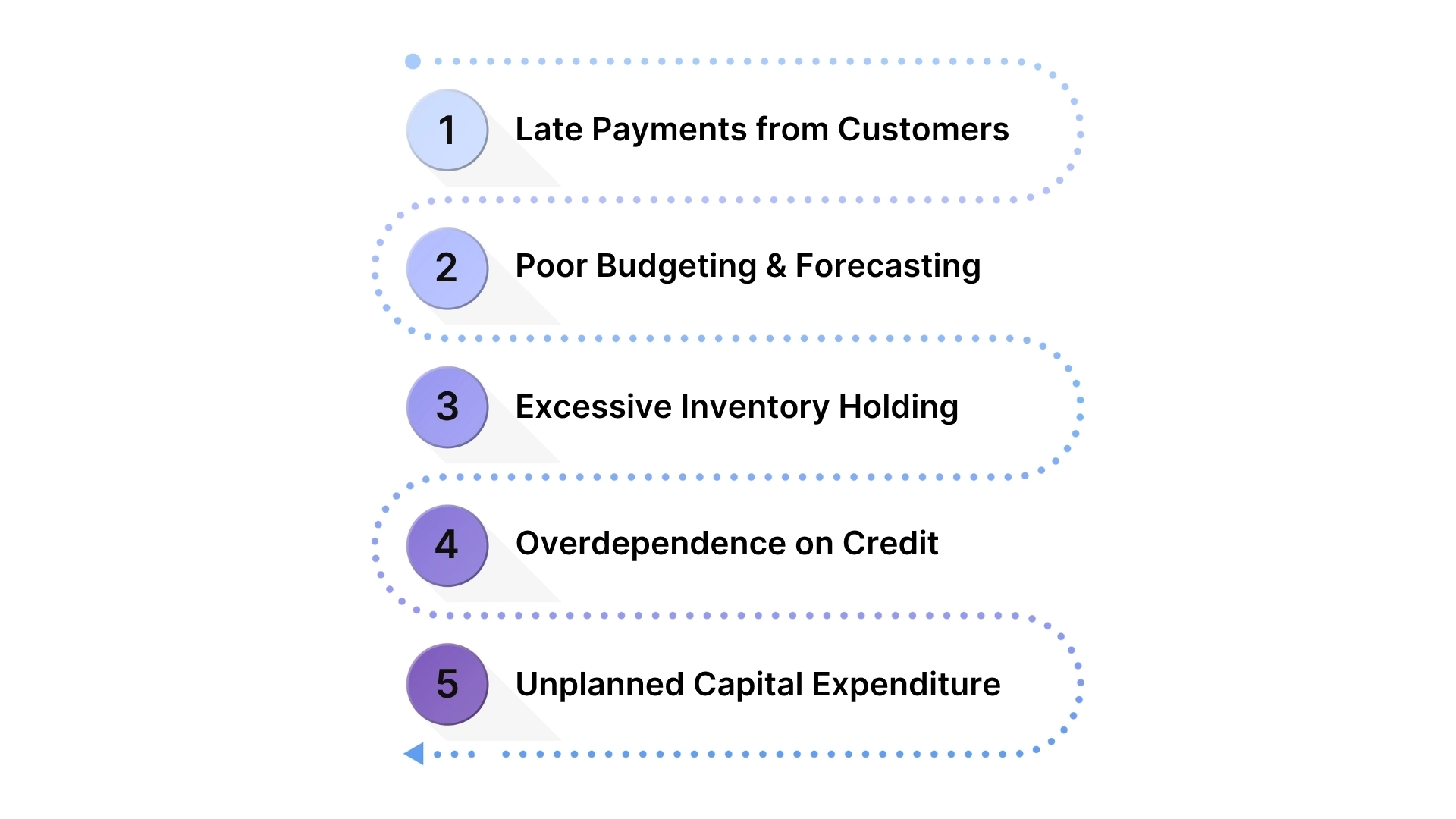
تأخر المدفوعات من العملاء: المستحقات المتأخرة هي من أكبر العوامل المعرقلة للتدفق النقدي. عندما يتأخر العملاء في الدفع، يتباطأ الدورة المالية بالكامل، مما يقيد قدرتك على تغطية التكاليف الفورية أو الاستثمار في العمليات.
ضعف التخطيط المالي والتنبؤ: بدون توقعات دقيقة، غالبًا ما تقلل الشركات من تقدير النفقات أو تبالغ في تقدير النقد الوارد. هذا الاختلاف يؤدي إلى عجز يؤثر على الرواتب، الإيجار، أو مدفوعات الموردين.
الاحتفاظ بالمخزون الزائد: التخزين المفرط يربط نقدًا ثمينًا يمكن استخدامه للنمو أو الطوارئ. البضائع غير المباعة في المخازن تحتل مساحة وتقلل السيولة.
الاعتماد المفرط على الائتمان: الاعتماد الكبير على القروض أو ائتمان الموردين قد يسهل الضغط قصير الأجل لكنه يزيد من التكاليف الطويلة الأمد. المدفوعات الفوائد العالية ودورات السداد تقلل من رأس المال العامل المتاح.
الإنفاق الرأسمالي غير المخطط له: الاستثمارات المفاجئة في المعدات أو البنية التحتية قد تستنزف الاحتياطيات النقدية. بدون خطة رأسمالية واضحة، يمكن أن يؤدي هذا الإنفاق إلى اضطراب السيولة اليومية وقد يضطر الشركة إلى الاقتراض.
في السعودية، تقديم ضريبة القيمة المضافة في الوقت المناسب، والفوترة الإلكترونية، والامتثال لأنظمة الزكاة والدخل (ZATCA) تؤثر مباشرة على استقرار التدفق النقدي. عدم الامتثال قد يؤدي إلى غرامات، تأخر في السداد، وتقيد العمليات.
فهم هذه الأسباب يساعد على تحديد أماكن انسداد السيولة. بعد ذلك، ستتعرف على استراتيجيات إدارة النقد للحفاظ على صحة مالية الشركة.
أفضل 5 استراتيجيات لإدارة التدفق النقدي بفعالية
التدفق النقدي القوي لا يحدث بالصدفة؛ بل هو نتيجة التخطيط المنتظم والتنفيذ المنضبط.
فيما يلي 5 استراتيجيات مثبتة تساعد الشركات على الحفاظ على الاستقرار والنمو:
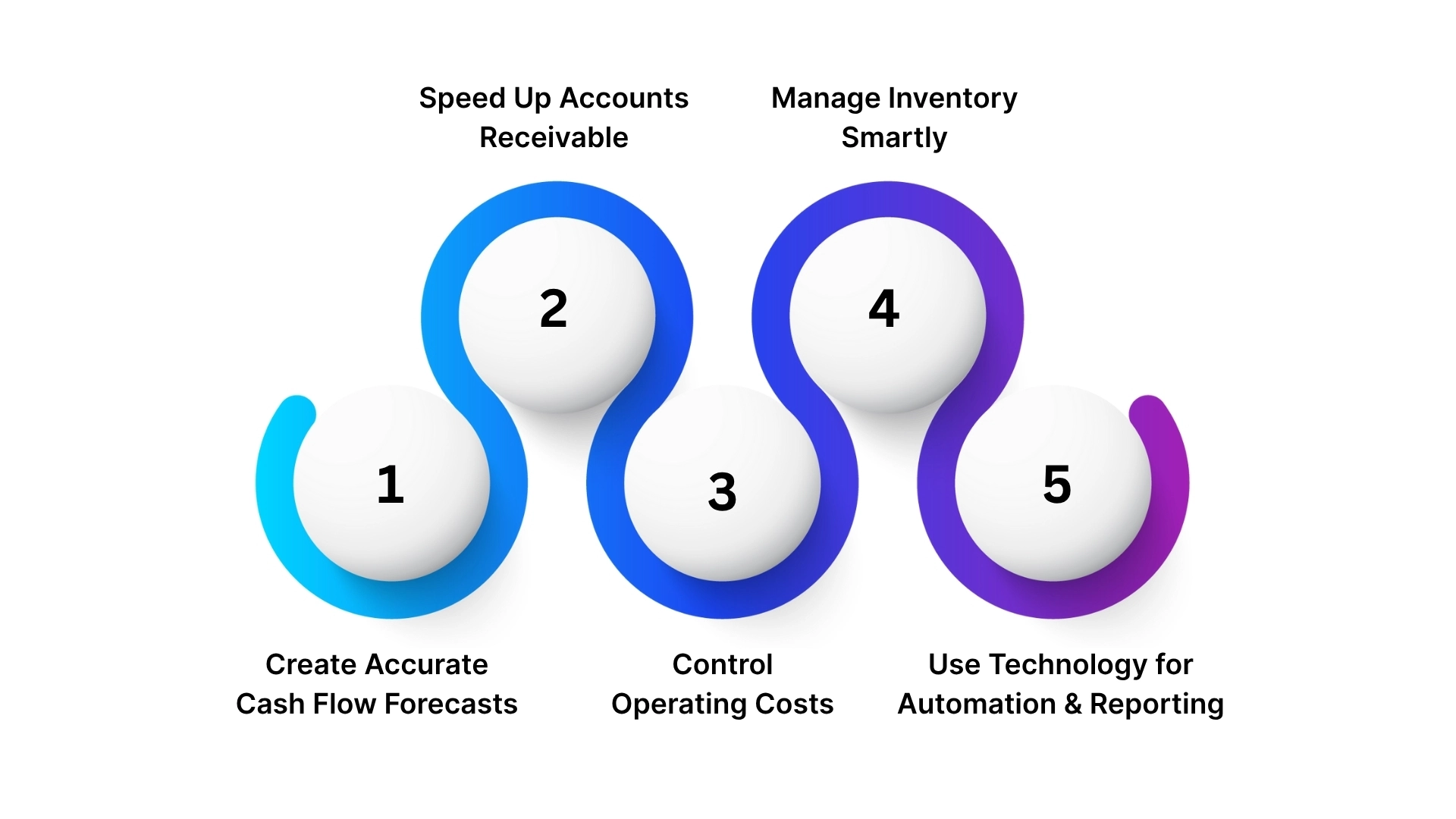
إنشاء توقعات دقيقة للتدفق النقدي تمنح التوقعات قادة الأعمال رؤية واضحة للتدفقات النقدية الداخلة والخارجة القادمة، مما يساعد على تخطيط النفقات مسبقًا.
يتم ذلك عبر تتبع الأداء السابق، الالتزامات الحالية، والمبيعات المستقبلية لتقدير توفر النقد.
يمكن للشركات استخدام لوحات توقعات مثل تلك الموجودة في HAL ERP لمحاكاة سيناريوهات مالية مختلفة مع رؤية فورية.
مثال: متجر تجزئة قد يتوقع انخفاض المبيعات الموسمية ويضبط مشتريات المخزون للحفاظ على السيولة.
تسريع تحصيل الحسابات المدينة كلما جمع عملك المدفوعات أسرع، كان التدفق النقدي أقوى.
تعمل هذه الاستراتيجية عبر تقليل دورات الدفع من خلال الفوترة السريعة ووضع سياسات ائتمانية واضحة.
يمكن تنفيذها باستخدام التذكيرات التلقائية، الخصومات مقابل الدفع المبكر، أو خيارات الدفع الرقمية.
مثال: مزودو الخدمات يمكنهم إرسال فواتير إلكترونية مباشرة بعد تسليم المشروع لتقليل متوسط وقت التحصيل وتحسين رأس المال العامل.
التحكم في التكاليف التشغيلية مراقبة النفقات التشغيلية مباشرة تعزز التدفق النقدي.
المفتاح هو تحديد التكاليف المتكررة التي لا تضيف قيمة كبيرة وتبسيطها دون التأثير على الجودة.
يمكن للشركات مراجعة عقود الموردين، تقليل هدر الطاقة، أو الانتقال إلى حلول رقمية منخفضة التكلفة.
مثال: الانتقال من الاحتفاظ بالسجلات يدويًا إلى نظام ERP سحابي يقلل من التكاليف الإدارية ويحرر أموالًا للعمليات الأساسية.
إدارة المخزون بذكاء يجب أن يخدم المخزون الطلب الفعلي، وليس البقاء غير مستغل.
تعمل الإدارة الذكية للمخزون عبر مزامنة مستويات المخزون مع المبيعات والبيانات السوقية الفورية.
يمكن تطبيق تقنيات مثل التجديد حسب الطلب (JIT) أو استخدام تنبيهات تلقائية لنقاط إعادة الطلب.
مثال: شركة إنشاءات يمكنها تتبع استخدام المواد لكل مشروع لتجنب الشراء الزائد وضمان عدم حبس الأموال في مخزون غير مستخدم.
استخدام التكنولوجيا للأتمتة والتقارير الأتمتة تقلل الأخطاء اليدوية وتحسن الرؤية عبر العمليات المالية.
باستخدام الأنظمة الرقمية لتتبع النفقات، إصدار التقارير، وتوقع الاتجاهات، يمكن للشركات الاستجابة لمشاكل التدفق النقدي بسرعة أكبر.
تطبيق برامج ERP أو أدوات مالية متكاملة يساعد على تجميع البيانات من جميع الأقسام للحصول على رؤى فورية.
مثال: شركة تستخدم لوحات تحكم تلقائية يمكنها كشف تأخر المدفوعات مبكرًا وضبط النفقات قبل تفاقم المشكلة.
النتيجة: الشركات التي تجمع بين هذه الاستراتيجيات والأدوات الرقمية تميل إلى الحفاظ على دورات نقدية أكثر استقرارًا ومرونة مالية أقوى.
التالي، سنستعرض كيف يساعد HAL ERP الشركات على تحسين إدارة التدفق النقدي من خلال أمثلة واقعية.
كيف يساعد HAL ERP الشركات السعودية على تحسين إدارة التدفق النقدي؟
كيف يساعد HAL ERP في تحسين إدارة التدفق النقدي للشركات السعودية
HAL ERP هو مزود برمجيات مؤسسية يقدم حلول ERP مصممة لتبسيط إدارة المالية والعمليات للشركات في السعودية ودول الخليج. تساعد المنصة المؤسسات على أتمتة المهام المالية المتكررة، تحسين الرؤية المالية، وضمان تتبع كل ريال بكفاءة عبر الأقسام والفروع.
باستخدام HAL ERP، تحصل الشركات على نظام متكامل يبسط كل جوانب إدارة التدفق النقدي، من الفوترة إلى التوقعات المالية، لضمان التحكم والشفافية بشكل أفضل.
القدرات الأساسية لـ HAL ERP التي تعزز إدارة التدفق النقدي:
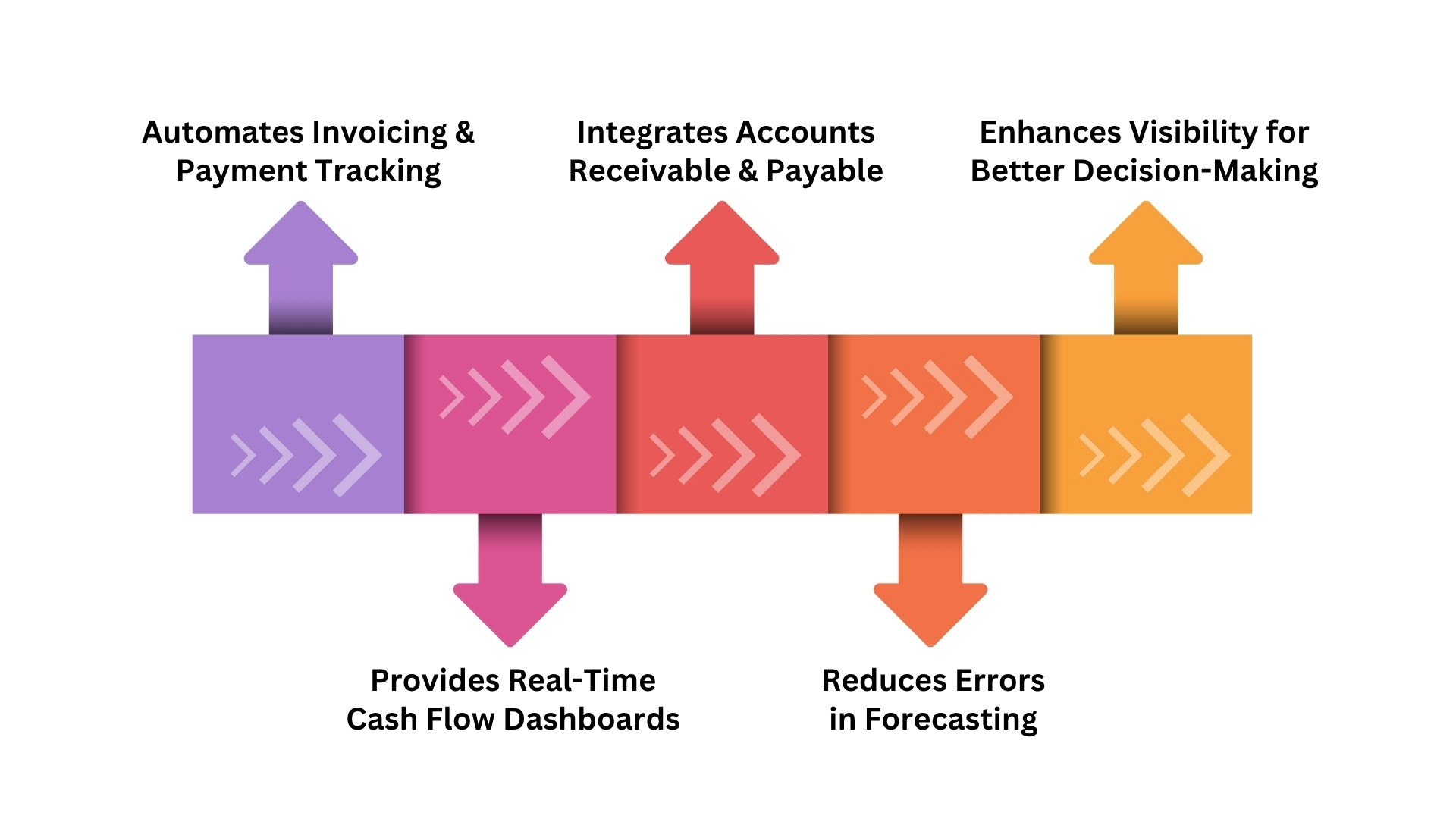
أتمتة الفوترة وتتبع المدفوعات
برنامج HAL VAT CARE متوافق مع ZATCA Phase II للفوترة الإلكترونية.
يقلل التأخير ويضمن تحصيل المستحقات في الوقت المحدد، مما يقوي السيولة النقدية.
لوحات تحكم للتدفق النقدي في الوقت الفعلي
توفر المنصة لوحات عرض حية تظهر التدفقات الداخلة والخارجة والأرصدة المتوقعة.
تمكن فرق المالية من مراقبة مستويات السيولة بسرعة واتخاذ قرارات استباقية بدلاً من التعامل مع العجز بعد وقوعه.
دمج الحسابات المدينة والدائنة
يوحد HAL ERP المدفوعات والمستحقات ليعطي صورة مالية كاملة في نافذة واحدة.
يساعد الشركات على مزامنة المدفوعات الصادرة مع الأموال الواردة، مما يحسن توقيت التدفقات النقدية ويقلل الحاجة للتمويل قصير الأجل.
تقليل الأخطاء في التوقعات المالية
التوقع اليدوي غالبًا ما يؤدي إلى عدم الدقة.
يقوم HAL بجمع وتحليل البيانات تلقائيًا لإنشاء توقعات تدفق نقدي دقيقة بناءً على الأنماط التاريخية والاتجاهات الحالية، مما يقلل المخاطر الناتجة عن الأخطاء البشرية.
تعزيز الرؤية لاتخاذ قرارات أفضل
يجمع HAL ERP البيانات المالية من الفروع، المشاريع، والفروع الفرعية لضمان رؤية كاملة للقادة.
يدعم اتخاذ قرارات قائمة على البيانات تعزز الكفاءة التشغيلية والربحية.
باختصار، باستخدام HAL ERP، يمكن للشركات السعودية زيادة التحكم بالسيولة، تسريع تحصيل الأموال، تحسين التوقعات المالية، واتخاذ قرارات مبنية على بيانات دقيقة لتعزيز الاستقرار والنمو.
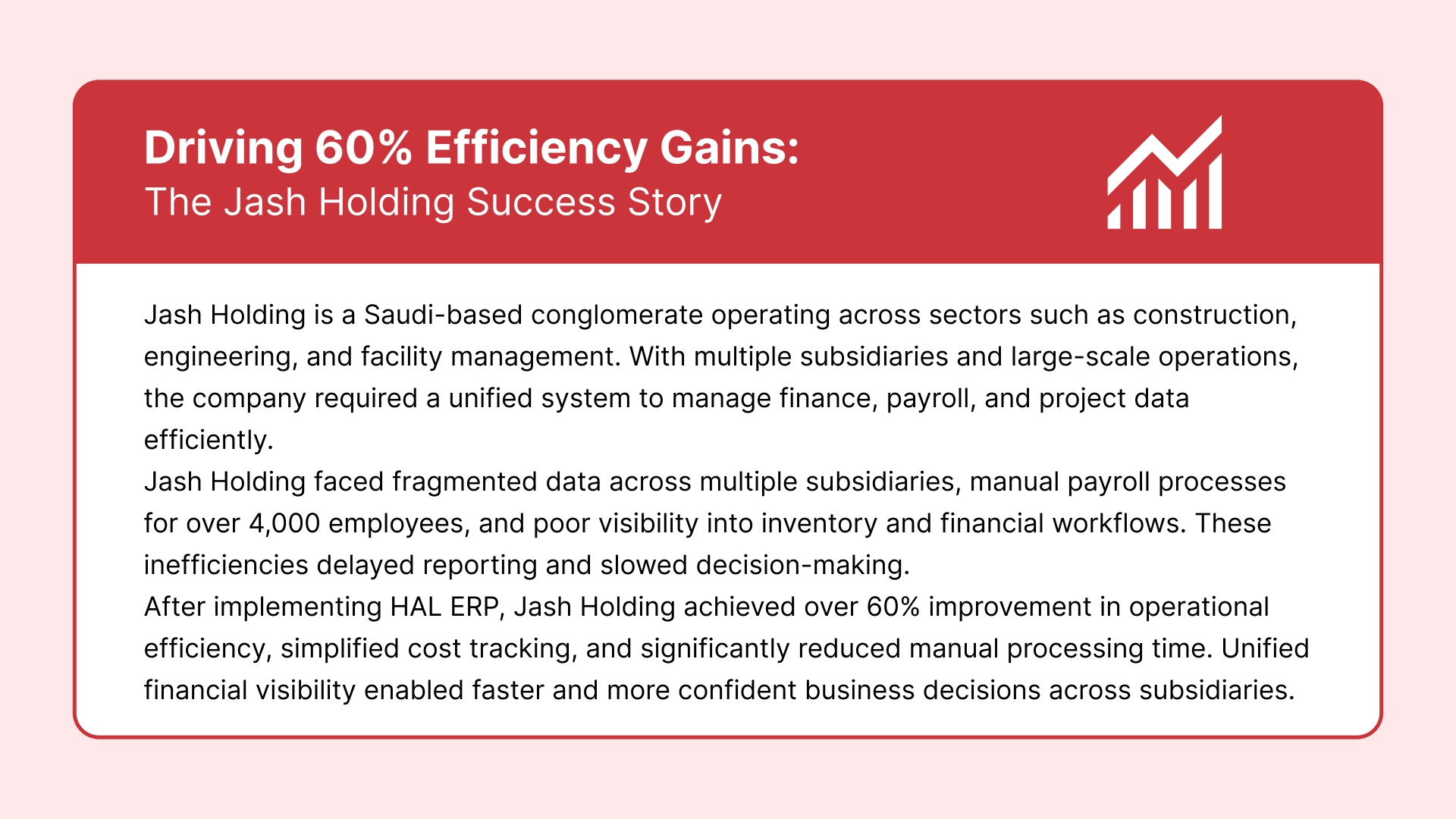
تحقيق زيادة بنسبة 60٪ في الكفاءة: قصة نجاح شركة جاش القابضة
شركة جاش القابضة: تحسين الكفاءة التشغيلية وتحقيق الرؤية المالية الموحدة
شركة جاش القابضة، تكتل سعودي يعمل في قطاعات مثل المقاولات، الهندسة، وإدارة المرافق، تدير عمليات كبيرة ومتعددة الفروع، مما استدعى وجود نظام موحد لإدارة المالية، الرواتب، وبيانات المشاريع بكفاءة.
قبل اعتماد HAL ERP، كانت الشركة تواجه تحديات عدة:
بيانات متفرقة عبر الشركات الفرعية المختلفة.
عمليات رواتب يدوية لأكثر من 4,000 موظف.
ضعف الرؤية على المخزون وسير العمل المالي.
هذه المشاكل أدت إلى تأخر إعداد التقارير وإبطاء اتخاذ القرارات.
بعد تطبيق HAL ERP، حققت جاش القابضة:
زيادة أكثر من 60٪ في الكفاءة التشغيلية.
تبسيط تتبع التكاليف وتقليل الوقت المستغرق في المعالجة اليدوية بشكل كبير.
رؤية مالية موحدة مكنت من اتخاذ قرارات أسرع وأكثر ثقة عبر جميع الفروع والشركات الفرعية.
هل تقف التدفقات النقدية غير المنتظمة عقبة أمام نمو أعمالك؟
يبقى التدفق النقدي أساس الصحة المالية لأي نشاط تجاري. فهو يضمن السيولة، الاستقرار، والقدرة على النمو دون انقطاع. إدارة التدفق النقدي بفعالية لا تقتصر على تتبع الإيرادات والمصروفات فقط، بل تتعلق بالحفاظ على سير العمليات اليومية مع الاستعداد للفرص المستقبلية.
أكثر أسباب ضعف التدفق النقدي شيوعًا تشمل:
تأخر المدفوعات من العملاء.
توقعات مالية غير دقيقة.
تكدس المخزون.
الاعتماد المفرط على الائتمان.
نفقات غير مخطط لها.
هذه العوامل يمكن أن تعطل حتى الأعمال المربحة بسرعة، وفهمها مبكرًا يساعد القادة على اتخاذ إجراءات قبل حدوث الضغط المالي.
للتغلب على هذه التحديات، يجب على الشركات التركيز على:
توقعات دقيقة للتدفقات النقدية.
ضبط التكاليف التشغيلية.
تسريع تحصيل المدفوعات.
استخدام الأتمتة لضمان رؤية آنية للوضع المالي.
اعتماد هذه الاستراتيجيات يضمن سيولة مستمرة ويبني مرونة مالية قوية.
هل تؤخر المدفوعات أو البيانات المالية غير الواضحة نمو أعمالك؟ احصل على رؤية أفضل لتدفقك النقدي عبر HAL ERP.
1. ما هي أفضل طريقة لتحسين التدفق النقدي للأعمال؟ أفضل طريقة لتحسين التدفق النقدي هي تبسيط حسابات القبض، ضبط التكاليف، والتنبؤ بدقة. يجب على الشركات أتمتة الفواتير، التفاوض على شروط دفع أفضل مع الموردين، ومراجعة التقارير المالية بانتظام. تساعد هذه الإجراءات على الحفاظ على السيولة، منع العجز، وضمان سير العمليات اليومية بسلاسة.
2. كيف يمكن للشركات الالتزام بمتطلبات الفوترة الإلكترونية من ZATCA؟ يمكن للشركات السعودية ضمان الامتثال باستخدام أنظمة ERP التي تدعم الفوترة الإلكترونية. يقدم HAL VAT CARE تكاملًا سلسًا مع ZATCA المرحلة الثانية، مما يساعد الشركات على إنشاء وتخزين وإرسال فواتير متوافقة بدون أخطاء يدوية.
3. ما هي الأدوات المستخدمة لإدارة التدفق النقدي؟ تعمل أدوات إدارة التدفق النقدي مثل HAL ERP على أتمتة تتبع المال، التنبؤ، وإعداد التقارير المالية. تعرض لوحات المعلومات المراكز النقدية، الفواتير المستحقة، والمصروفات بشكل مباشر، مما يساعد الشركات على كشف المخاطر مبكرًا والحفاظ على السيطرة المالية عبر العمليات.
4. كم مرة يجب على الشركات مراجعة التدفق النقدي؟ يجب على الشركات مراجعة التدفق النقدي أسبوعيًا أو شهريًا حسب حجم المعاملات. تساعد المراجعة المنتظمة على كشف تأخر المدفوعات، الإفراط في الإنفاق، أو تغيرات مفاجئة في الإيرادات، وتمكّن من تعديل الميزانيات، التخطيط للاستثمارات، والحفاظ على سيولة مستقرة.
5. لماذا يعتبر التدفق النقدي الإيجابي مهمًا للنمو؟ يضمن التدفق النقدي الإيجابي أن لدى الشركة أموال كافية لتغطية المصروفات، الاستثمار في التوسع، والتعامل مع تقلبات السوق. يدعم الاستقرار المالي، يعزز ثقة المستثمرين، ويسمح بالنمو طويل الأجل من خلال توفر الأموال عند ظهور فرص جديدة.
6. كيف يؤثر برنامج ERP على تقارير ضريبة القيمة المضافة في السعودية؟ يعمل نظام ERP المتوافق على أتمتة حسابات ضريبة القيمة المضافة، الإبلاغ، والتقديم. يضمن HAL ERP الدقة من خلال محرك الضريبة وHAL VAT CARE، مما يقلل مخاطر عدم الامتثال ويسهل عمليات التدقيق للفِرق المالية.
شريف محمد
شريف محمد هو مستشار رائد في تقديم حلول أنظمة تخطيط موارد المؤسسة (ERP) وخبير وظيفي، يقود مشاريع التحول الرقمي الناجحة في جميع أنحاء المملكة العربية السعودية ودول مجلس التعاون الخليجي. وبفضل خبرته العميقة في إدارة المشاريع وتنفيذ أنظمة ERP لدى HAL Simplify، يُعرف شريف بقدرته على تمكين المؤسسات من تحقيق نمو مستدام وتعزيز الابتكار.








%2520in%25202026.png)