
يعرف كل صاحب عمل مدى سهولة تتبع التكاليف الظاهرة؛ مثل المواد الخام، ومواد التغليف، أو أجور الموظفين. لكن التسرب الحقيقي في الأرباح غالبًا ما يأتي من التكاليف التي لا تراها يوميًا. الإيجار. المرافق. اشتراكات البرامج. صيانة المكاتب. هذه المصروفات غير المباشرة لا تحقق لك المال بشكل مباشر، لكنها تستنزفه بهدوء شهرًا بعد شهر.
هذه هي التكاليف العامة؛ أي التكاليف غير المباشرة التي تحافظ على استمرارية أعمالك. وإذا لم تدِرها عن كثب، فقد تحول الأرباح الجيدة إلى هوامش ربح ضئيلة.
بالنسبة للشركات الصغيرة في المملكة العربية السعودية، وخاصة مع النمو السريع والمنافسة المتزايدة التي تدعمها رؤية 2030، فإن فهم التكاليف العامة وإدارتها أمر مهم للحفاظ على الربحية.
في هذه المدونة، سنوضح ماهية التكاليف العامة، وأنواعها الرئيسية، وأمثلة عملية عليها، وكيفية تقليل التكاليف العامة للأعمال باستخدام إدارة التكاليف العامة عبر أنظمة ERP في المملكة العربية السعودية.
التكاليف العامة هي المصروفات المستمرة اللازمة لتشغيل أعمالك، والتي لا ترتبط بشكل مباشر بإنتاج السلع أو تقديم الخدمات، لكنها ضرورية لأنها تؤثر في ربحيتك الإجمالية واستقرار التدفقات النقدية. فكّر فيها على أنها التكاليف غير المباشرة التي تحافظ على استمرارية عملياتك، حتى لو توقف الإنتاج غدًا.
تشمل الأمثلة الشائعة إيجار المكاتب في الرياض، والرواتب الإدارية، والمرافق، والتأمين، والإهلاك. ولا تتغير هذه التكاليف بشكل مباشر مع حجم المبيعات، لكنها ضرورية لاستمرارية الأعمال.
يمكن أن يؤدي تجاهل التكاليف العامة إلى تشويه صورة أرباحك. فقد تعتقد أن هوامش ربحك قوية، بينما تستنزف التكاليف غير المباشرة الإيرادات بهدوء. ويساعدك تتبعها على:
التكاليف العامة ليست "تكاليف سيئة"، فهي ضرورية. تبدأ المشكلة عندما لا تتم مراقبتها. وبمجرد أن تعرف أين تذهب أموالك، يمكنك تحديد المجالات التي تحتاج إلى التحسين. وبالنسبة للشركات الصغيرة في المملكة العربية السعودية، تلعب إدارة التكاليف العامة عبر أنظمة ERP دورًا مهمًا في التحكم في المصروفات غير المباشرة وتحسين الكفاءة المالية.
والآن، لنرَ كيف يتم تصنيفها.
اقرأ أيضًا: فهم هامش الربح وكيفية حسابه
يمكن أيضًا تصنيف التكاليف العامة بناءً على وظيفتها، أي القسم الذي تدعمه داخل الشركة.
والآن بعد أن فهمت كيفية تصنيف التكاليف العامة بناءً على وظائف الأعمال، دعنا ننتقل إلى تصنيفها حسب سلوكها المالي. ويُعد فهم كيفية تصرف هذه التكاليف الخطوة الأولى نحو تقليل التكاليف العامة للأعمال والحفاظ على هوامش ربح مستقرة في المملكة العربية السعودية.
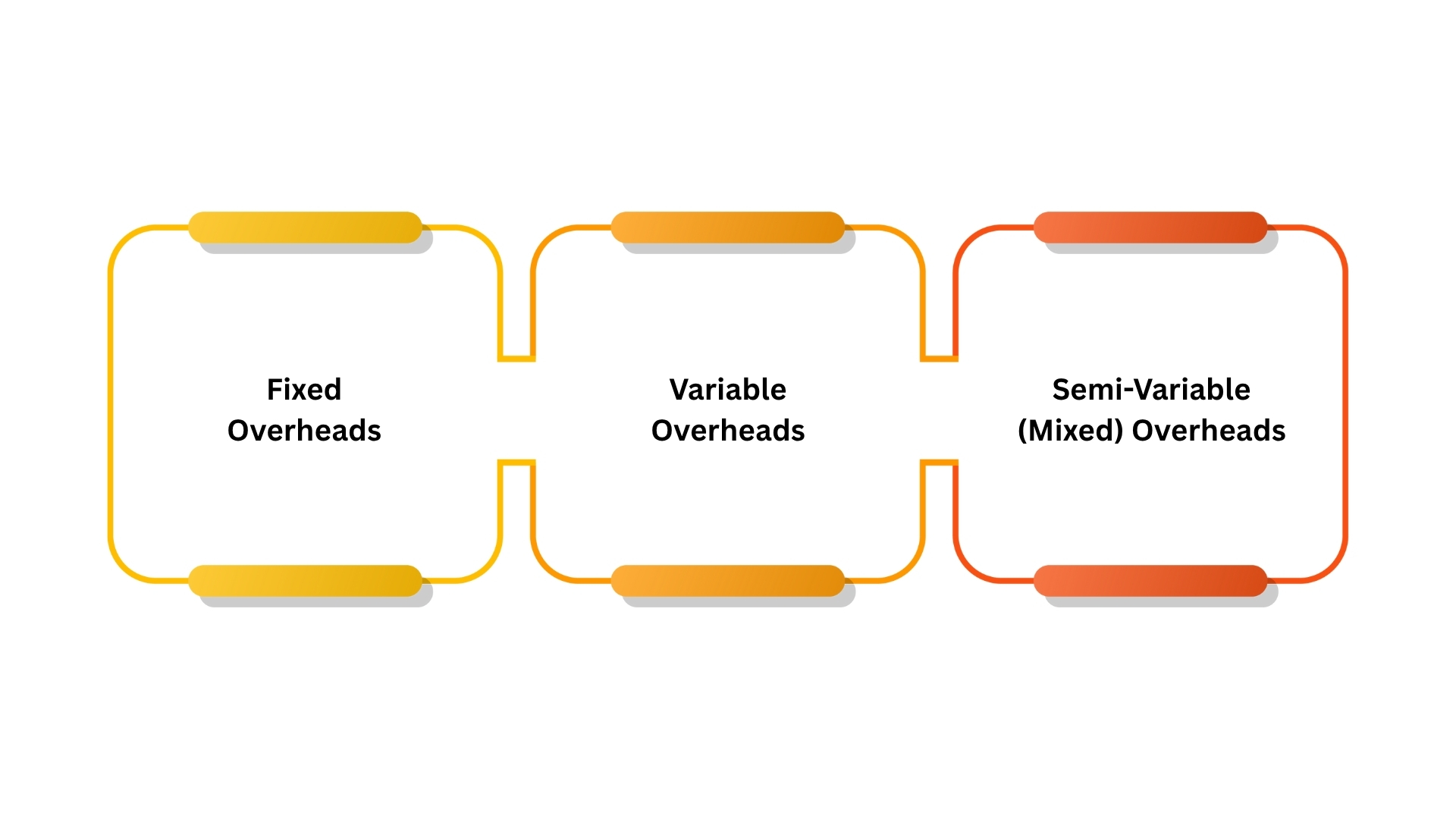
لا تتصرف جميع التكاليف العامة بالطريقة نفسها. فبعضها يظل ثابتًا، بينما يتغير بعضها الآخر مع نشاط أعمالك، وهناك تكاليف تقع بين النوعين. وبشكل عام، تنقسم التكاليف العامة إلى ثلاث فئات: ثابتة، ومتغيرة، وشبه متغيرة.
هي التكاليف التي تدفعها بغض النظر عن أداء أعمالك. وسواء كانت المبيعات في أعلى مستوياتها أو منخفضة، فإن هذه التكاليف تظل ثابتة.
تحدد التكاليف العامة الثابتة الحد الأدنى لنقطة التعادل في أعمالك. فإذا كانت مرتفعة، فستحتاج إلى تحقيق مبيعات أكبر لمجرد الحفاظ على الربحية. وبالنسبة للمديرين الماليين في السعودية، يمكن أن تكشف مراجعة هذه التكاليف سنويًا عن فرص للتوفير من خلال إعادة التفاوض على عقود الإيجار أو توحيد الموردين.
ترتفع هذه التكاليف وتنخفض مع حجم الإنتاج أو المبيعات. وهي ليست تكاليف مباشرة للمنتجات، لكنها تتغير مع تغير حجم الإنتاج.
توفر التكاليف العامة المتغيرة قدرًا من المرونة. ففي الأشهر التي ينخفض فيها النشاط، تميل هذه التكاليف إلى الانخفاض، مما يساعد على التحكم في المصروفات. لكن خلال مواسم الذروة، من السهل أن ترتفع بشكل كبير، لذلك من الضروري تتبع أنماطها.
تشمل هذه التكاليف مكونات ثابتة ومتغيرة معًا. فهي تظل ثابتة جزئيًا، لكنها ترتفع بمجرد تجاوز مستوى معين من النشاط.
يساعد فهم هذه التكاليف المختلطة على تحسين دقة التنبؤات. فعلى سبيل المثال، معرفة أن عقد الصيانة يضيف 10% كل ربع سنة يساعدك على التخطيط للتدفقات النقدية بشكل أكثر واقعية.
وبمجرد تصنيف التكاليف العامة بشكل صحيح، تصبح إدارتها أسهل بكثير. لنستكشف الآن كيف تبدو مصروفات التكاليف العامة النموذجية للشركات الصغيرة في المملكة العربية السعودية.
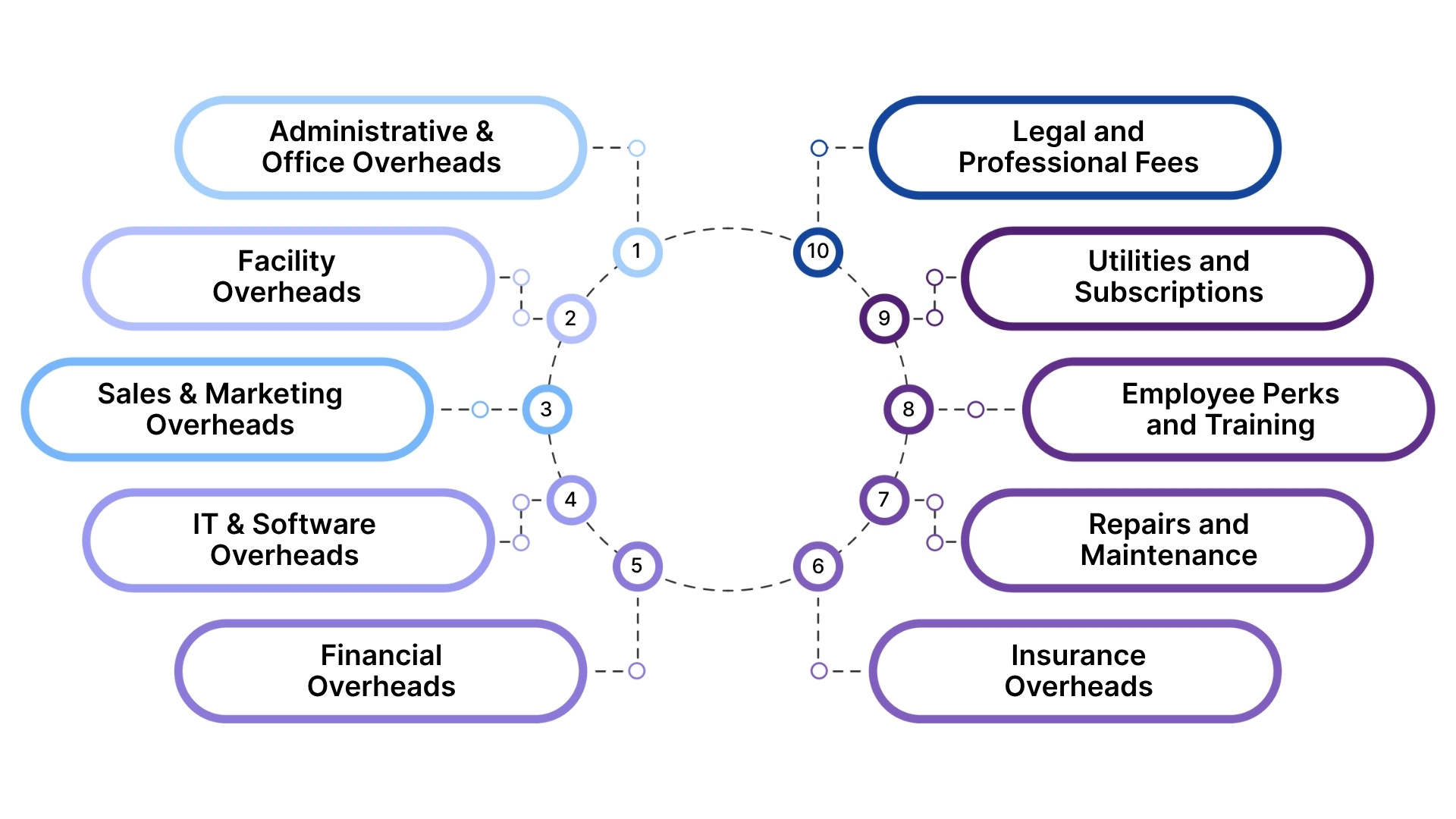
تشمل التكاليف العامة جميع المصروفات غير المباشرة التي تحافظ على سير أعمالك بسلاسة. ويساعد تصنيفها ضمن فئات محددة على تسهيل تتبع الإنفاق، وتحليل الاتجاهات، وتحديد المجالات التي تحتاج إلى التحسين.
هي التكاليف اليومية التي تحافظ على سير عملياتك بكفاءة.
هي التكاليف المرتبطة بالحفاظ على مقر أعمالك، سواء كان مكتبًا في الرياض أو مستودعًا في الدمام.
هي المصروفات المرتبطة بجذب العملاء والاحتفاظ بهم.
تحافظ التكنولوجيا على سير أعمال العصر الحديث، لكنها تضيف أيضًا تكاليف متكررة.
هي التكاليف المرتبطة بإدارة الشؤون المالية لأعمالك.
توفر الحماية الأساسية من المخاطر غير المتوقعة.
يساعد الحفاظ على أصولك في حالة جيدة على تجنب الأعطال المكلفة مستقبلًا.
يساعد الاستثمار في الموظفين على تعزيز الروح المعنوية والإنتاجية.
هي من الأساسيات التشغيلية التي تتطلب تكاليف متكررة.
تحتاج كل شركة نامية إلى الدعم القانوني والتنظيمي.
وبمجرد تصنيف التكاليف العامة ضمن هذه الفئات، يمكنك تتبع الاتجاهات، واكتشاف مواطن تسرب التكاليف، واتخاذ قرارات مالية أكثر ذكاءً. لكن كيف تؤثر هذه التكاليف في صافي أرباحك؟ دعنا نرى كيف تؤثر هذه التكاليف غير المباشرة في أرباحك وتدفقاتك النقدية وتسعيرك.
اقرأ أيضًا: إدارة التدفقات النقدية في مشاريع الإنشاءات
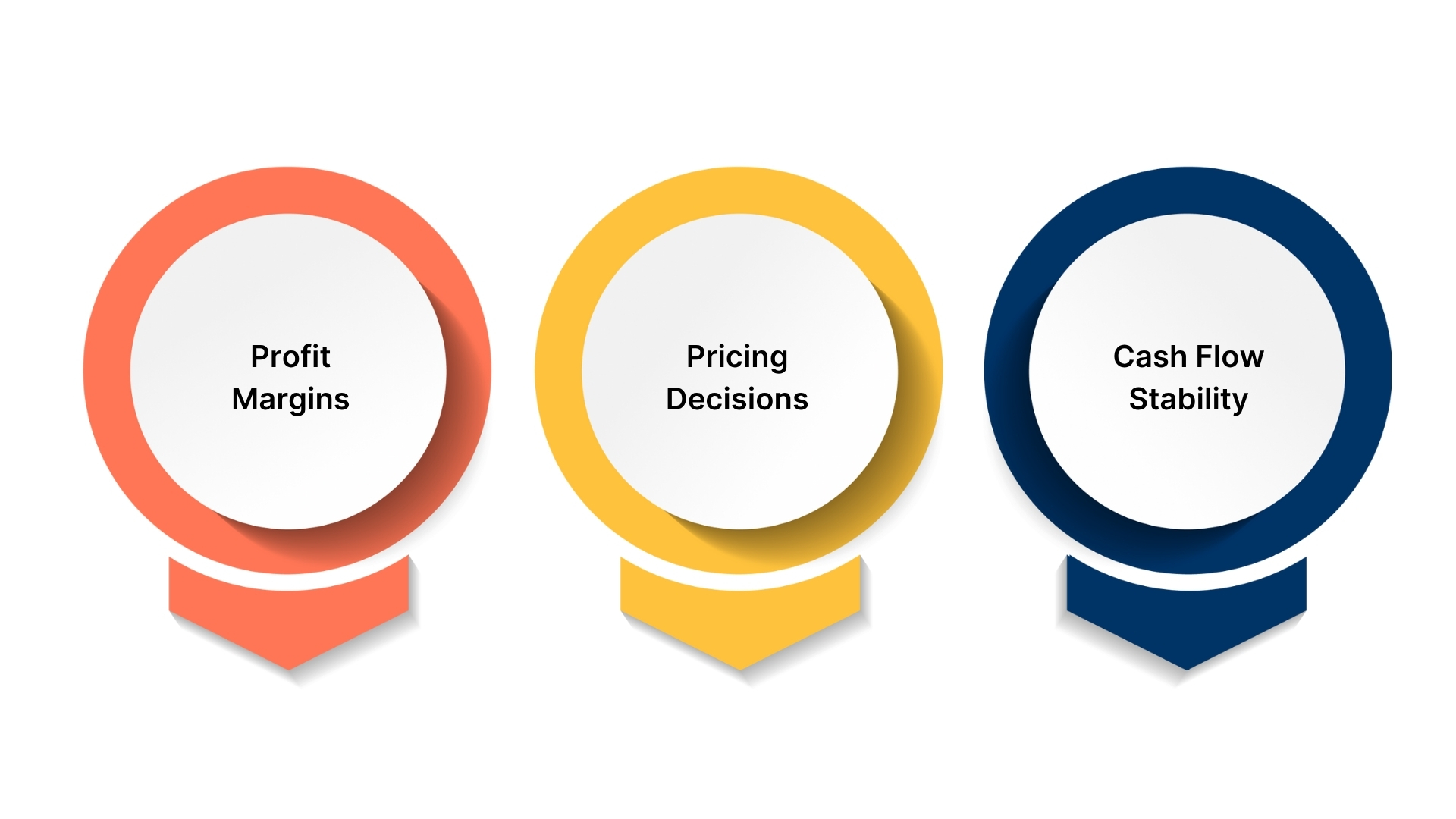
حتى الأخطاء البسيطة في حساب التكاليف العامة يمكن أن تؤثر في هوامش أرباحك. إليك كيفية تأثيرها في أدائك المالي بشكل عام:
لنفترض أن شركتك تحقق إيرادات سنوية قدرها 5 ملايين ريال سعودي، بينما تبلغ إجمالي تكاليفها العامة 600,000 ريال سعودي.
نسبة التكاليف العامة إلى المبيعات = 600,000 ÷ 5,000,000 = 12%.
إذا تمكنت من خفضها إلى 10%، فهذا يعني توفير 100,000 ريال سعودي، وهو ربح صافٍ إضافي دون الحاجة إلى زيادة المبيعات.
لن يكون تسعيرك دقيقًا إلا إذا كان يغطي جميع التكاليف، بما في ذلك التكاليف العامة. وإذا تجاهلتها، فقد تضع أسعارًا أقل من اللازم لمنتجاتك وتتسبب في تراجع هوامش أرباحك.
ويساعدك احتساب معدل التكاليف العامة بشكل صحيح على تحديد أسعار تعكس التكلفة الحقيقية لممارسة الأعمال، وهو أمر يجب أن تعطيه كل شركة نامية في المملكة العربية السعودية الأولوية.
تظل التكاليف العامة الثابتة المرتفعة، مثل إيجار العقارات في الرياض أو الرواتب الإدارية، ثابتة حتى عندما تتباطأ المبيعات. ويساعدك تتبع هذه التكاليف على الاحتفاظ باحتياطيات نقدية كافية للتعامل مع الأشهر التي ينخفض فيها النشاط دون تعطيل العمليات.
إن إبقاء التكاليف العامة تحت السيطرة لا يقتصر على توفير المال فحسب، بل يساعد أيضًا على بناء استقرار طويل الأجل. ومع HAL ERP، يمكنك مراقبة الاتجاهات الشهرية، والتحكم في الإنفاق، وفهم تأثير كل تكلفة في التدفقات النقدية.
الآن بعد أن تعرفت على كيفية تأثير التكاليف العامة في أرباحك وتدفقاتك النقدية، دعنا نلقِ نظرة على كيفية توزيعها وحساب معدل التكاليف العامة بدقة.
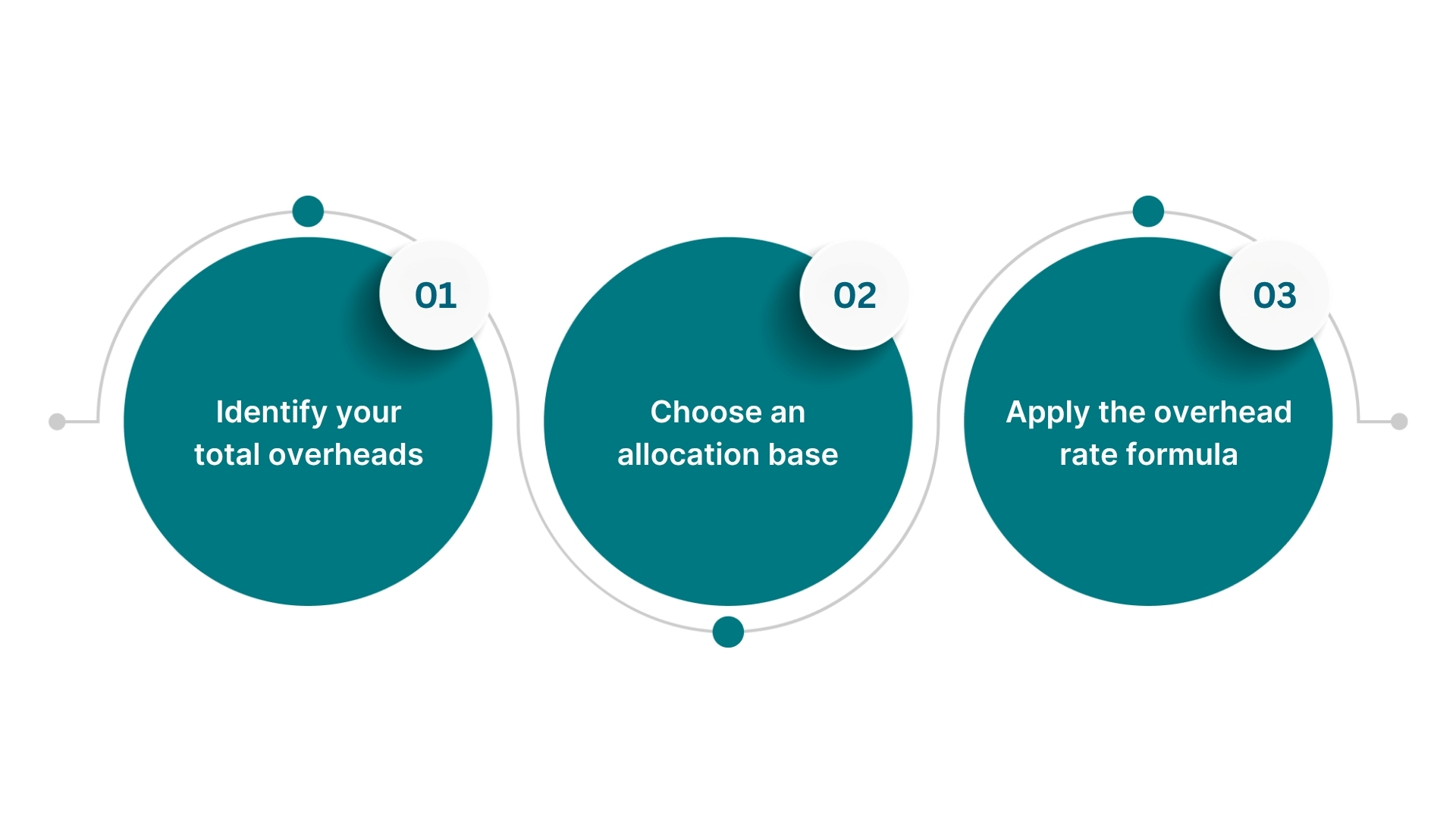
لا يمكنك إدارة ما لا تقيسه. يساعدك توزيع التكاليف العامة على توزيع التكاليف غير المباشرة بشكل عادل بين المنتجات أو الأقسام أو مراكز التكلفة. ويضمن ذلك تحمّل كل جزء من أعمالك نصيبه العادل من المصروفات.
ابدأ بحصر جميع التكاليف غير المباشرة للفترة التي تقوم بتحليلها. وشمل كل شيء، بدءًا من فواتير الكهرباء والإنترنت وصولًا إلى الإيجار والتأمين. ويمنحك ذلك صورة واضحة عما يجب توزيعه.
حدد الطريقة التي ستستخدمها لتوزيع هذه التكاليف. ويعتمد أساس التوزيع الذي تختاره على نموذج أعمالك:
استخدم المعادلة التالية لحساب المعدل:
معدل التكاليف العامة = إجمالي التكاليف العامة غير المباشرة ÷ أساس التوزيع
(مثل ساعات العمل، أو ساعات تشغيل الآلات، أو الوحدات المنتجة)
مثال: إذا تكبدت شركتك الصغيرة في المملكة العربية السعودية تكاليف عامة سنوية قدرها 240,000 ريال سعودي وسجلت 12,000 ساعة إنتاجية، فسيكون:
معدل التكاليف العامة = 240,000 ÷ 12,000 = 20 ريالًا سعوديًا لكل ساعة.
وهذا يعني أنه مقابل كل ساعة يتم احتسابها أو كل ساعة يتم فيها استخدام الآلة، يتم تخصيص 20 ريالًا سعوديًا لتغطية التكاليف العامة قبل تحقيق الربح. وبهذه الطريقة، تضمن أن أسعارك تغطي التكاليف الفعلية وتحافظ على هوامش ربح صحية.
ينبغي للشركات الصغيرة مراجعة معدل التكاليف العامة شهريًا أو ربع سنوي، خاصةً عندما تتقلب التكاليف. والآن، لنرَ كيف يمكنك تقليل التكاليف العامة دون التأثير في الأداء.
راجع قائمة التحقق لتقييم التكاليف العامة لتقليل التكاليف العامة للأعمال وتحسين صافي أرباحك.
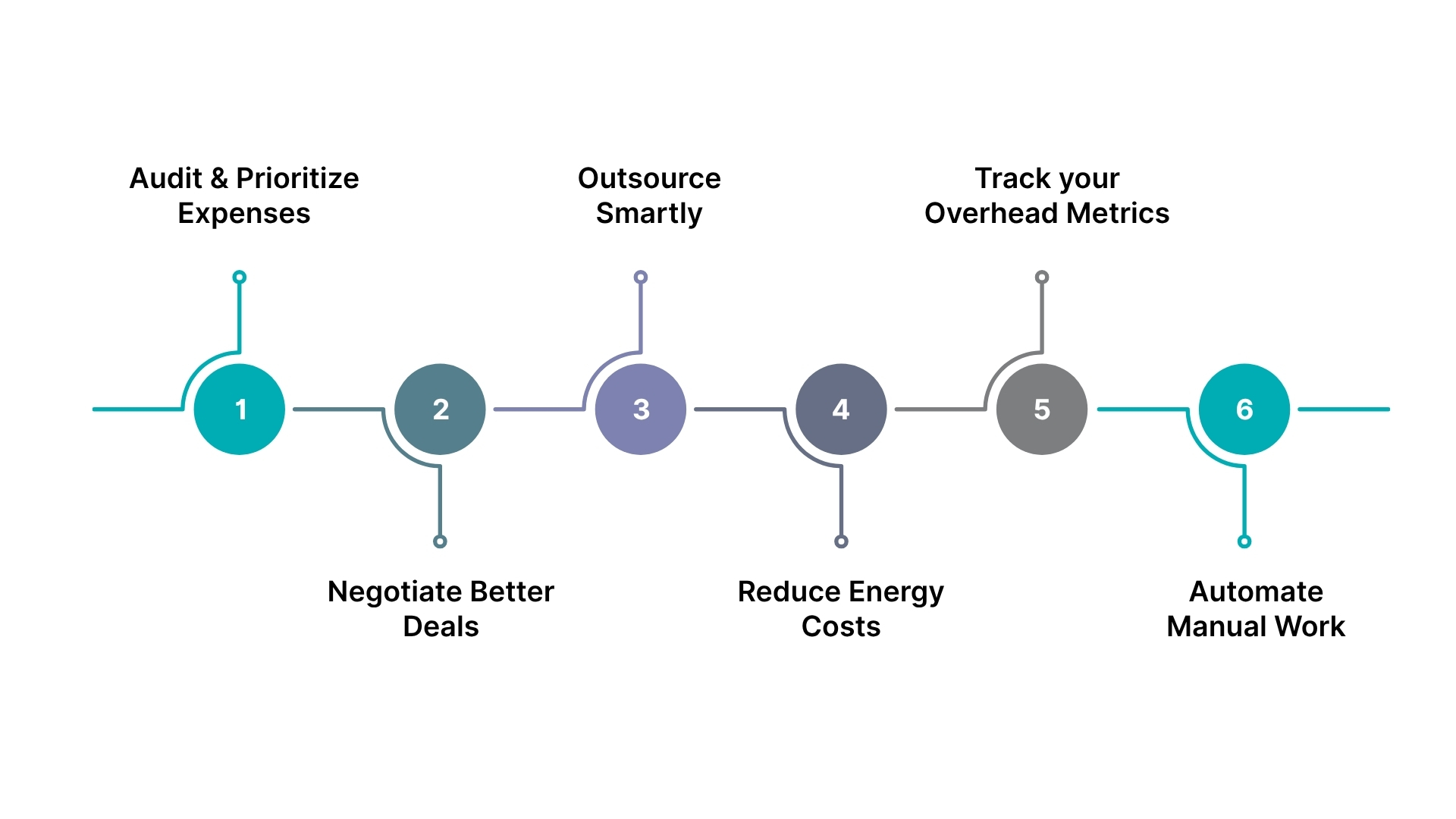
يمكن للتكاليف العامة أن تستنزف الأرباح بهدوء إذا لم تتم مراقبتها. والهدف ليس خفض التكاليف بشكل عشوائي، بل إدارتها بذكاء، مع الحفاظ على كفاءة العمليات دون التأثير في الأداء أو الجودة.
إليك كيفية إبقاء تكاليفك العامة تحت السيطرة:
1. مراجعة المصروفات وتحديد الأولويات: راجع تكاليفك العامة بانتظام؛ مثل الإيجار، والمرافق، والرواتب الإدارية، والبرامج، والمستلزمات. وحدد ما هو ضروري، وما يمكن تحسينه، وما يمكن الاستغناء عنه.
2. التفاوض للحصول على عروض أفضل: أعد مراجعة العقود مع مالكي العقارات وشركات التأمين والموردين سنويًا. واستفد من سجل أعمالك أو الالتزامات متعددة السنوات للتفاوض على أسعار أو شروط دفع أفضل.
3. الاستعانة بمصادر خارجية بذكاء: فوّض الوظائف غير الأساسية مثل الرواتب أو تقنية المعلومات أو المحاسبة عندما يكون ذلك أكثر فعالية من حيث التكلفة. واحتفظ بالمهام الأساسية داخل الشركة للحفاظ على التحكم والجودة.
4. خفض تكاليف الطاقة: في السعودية، ترتفع فواتير التبريد والكهرباء خلال فصل الصيف. استثمر في أنظمة موفرة للطاقة وراقب الاستهلاك لتقليل تكاليف المرافق بنسبة تصل إلى 15%.
5. تتبع مؤشرات التكاليف العامة: راقب مؤشرات مثل نسبة التكاليف العامة إلى المبيعات أو تكاليف كل قسم. ويساعد التتبع المنتظم على اكتشاف ارتفاع المصروفات مبكرًا والحفاظ على هوامش ربح صحية.
7. أتمتة الأعمال اليدوية: استخدم الأدوات الرقمية لأتمتة المحاسبة وإعداد الفواتير والتقارير. وتقلل الأتمتة من الأخطاء اليدوية وتمنحك رؤية فورية للإنفاق.
يُعد HAL ERP أحد حلول إدارة التكاليف العامة عبر ERP في المملكة العربية السعودية؛ فهو يساعدك على إدارة التكاليف العامة والتحكم في المصروفات بشكل أكثر فعالية. ومع HAL ERP، يمكنك تتبع المصروفات، وأتمتة عمليات التوزيع، والحفاظ على تنظيم كل شيء في مكان واحد.
يتطلب تقليل التكاليف العامة للأعمال مع تنمية أعمالك في المملكة العربية السعودية النظام المناسب. تساعدك HAL Accounting على تتبع المصروفات وتوزيعها وإدارتها بكفاءة، حتى تنفق بشكل استراتيجي وليس كرد فعل.
إليك كيف تجعل HAL Accounting التحكم في التكاليف العامة أمرًا بسيطًا:
مع HAL Accounting، تحصل على رؤى فورية تساعدك على التحكم في التكاليف، وتحسين الميزانيات، وتعزيز الربحية. وقد ساعد HAL ERP العديد من الشركات في جميع أنحاء المملكة العربية السعودية على تبسيط وتعزيز إدارتها المالية. تعرّف على كيفية استخدام الشركات الأخرى لميزاته القوية لتحسين الكفاءة والأداء من خلال قصص النجاح.
قد تبدو المصروفات العامة مجرد بنود بسيطة في قوائمك المالية، لكنها تلعب دورًا كبيرًا في تحديد مدى كفاءة عمل نشاطك التجاري. وإذا لم تتم إدارتها بشكل جيد، فإنها تستنزف الأرباح بهدوء. أما إدارتها بكفاءة، فتمنحك مساحة أكبر للنمو واتخاذ قرارات مالية أكثر ذكاءً.
عندما تقوم بتتبع المصروفات العامة وتصنيفها باستخدام أداة مثل HAL ERP، تحصل على رؤية واضحة لأوجه إنفاق أموالك وكيفية التحكم فيها بشكل أفضل.
يجمع HAL ERP بين التتبع والتخصيص وإعداد التقارير في منصة واحدة. وقد صُمم خصيصًا للمنشآت الصغيرة في السعودية، ليمنحك رؤى مالية فورية، ويؤتمت المهام الروتينية، ويساعدك على إبقاء المصروفات العامة تحت السيطرة.
هل أنت مستعد لتقليل المصروفات العامة لنشاطك التجاري والحصول على رؤية مالية فورية؟ احجز عرضًا تجريبيًا مجانيًا لـ HAL ERP اليوم، واكتشف كيف يمكنه جعل إدارتك المالية أكثر ذكاءً وكفاءة.
1. ماذا يُقصد بالمصروفات العامة؟
المصروفات العامة هي التكاليف غير المباشرة التي يتحملها نشاطك التجاري للحفاظ على استمرارية عملياته. وهي لا تحقق إيرادات بشكل مباشر، لكنها تدعم الأنشطة الأساسية، مثل الإيجار والمرافق والمصروفات الإدارية.
2. هل ضريبة القيمة المضافة تُعد من المصروفات العامة؟
بشكل عام، نعم. فالتكاليف غير المباشرة المرتبطة بالأعمال، مثل خدمات الامتثال والخدمات الضريبية والرسوم الحكومية، تُعد من المصروفات العامة لأنها تدعم تشغيل النشاط التجاري بدلًا من إنتاج وحدة محددة.
3. ما أمثلة المصروفات العامة؟
تشمل المصروفات العامة الشائعة إيجار المكتب، والتأمين، ورواتب الموظفين غير المشاركين في الإنتاج، واشتراكات البرامج، والصيانة، ومصروفات التسويق.
4. ما المقصود بتكلفة المصروفات العامة؟
تتضمن عملية احتساب المصروفات العامة حساب النفقات غير المباشرة وتخصيصها على أقسام أو منتجات محددة باستخدام أساليب مثل ساعات العمل أو ساعات تشغيل الآلات، مما يساعد الشركات على فهم التكلفة الفعلية للعمليات.
5. هل المصروفات العامة أصل أم التزام؟
المصروفات العامة هي نفقات وليست أصولًا أو التزامات. وتظهر في قائمة الدخل وتؤدي إلى خفض صافي الربح للفترة.
6. ما النسبة الجيدة للمصروفات العامة؟
تختلف النسبة حسب القطاع. وبالنسبة لمعظم المنشآت الصغيرة، يُعد الحفاظ على المصروفات العامة ضمن نطاق 10–20% من إجمالي الإيرادات نسبة صحية ومستدامة.
7. كم مرة ينبغي أن أراجع المصروفات العامة؟
راجع مصروفاتك العامة شهريًا. تساعد المتابعة المنتظمة على اكتشاف التكاليف غير الضرورية مبكرًا والحفاظ على ميزانيتك تحت السيطرة.
8. ما الفرق بين المصروفات العامة والمصروفات التشغيلية؟
المصروفات العامة هي جزء من المصروفات التشغيلية. وهي تستثني التكاليف المباشرة مثل المواد الخام أو العمالة. جميع المصروفات العامة تُعد مصروفات تشغيلية، ولكن ليست جميع المصروفات التشغيلية مصروفات عامة.