
لماذا تواجه مشاريع البناء في عام 2025 انتكاسات رغم التخطيط المتقدم؟ وما المخاطر التي قد تكلف الملايين إذا لم تتم إدارتها مبكرًا؟ أصبحت هذه الأسئلة أكثر أهمية من أي وقت مضى بالنسبة للمقاولين والمطورين.
يشهد قطاع البناء في المملكة العربية السعودية ازدهارًا في ظل رؤية 2030، مع نشاط قياسي في مشاريع البنية التحتية والإسكان والمشاريع الصناعية. ومع ذلك، فإن كل تحدٍ رئيسي في قطاع البناء، بدءًا من تجاوز التكاليف ووصولًا إلى اختناقات التوريد، يهدد بتعطيل وتيرة التقدم. وفي الواقع، سجلت منطقة دول مجلس التعاون الخليجي عقود مشاريع بقيمة 264 مليار دولار في عام 2024، بزيادة قدرها 6.5 بالمائة مقارنة بالعام السابق، مما يؤكد حجم وأهمية إدارة المخاطر بفعالية.
يستعرض هذا المقال أكبر 12 تحديًا يواجه قطاع البناء في عام 2025، إلى جانب حلول عملية يمكن للشركات اعتمادها. استكشف الاستراتيجيات الواردة هنا للبقاء ضمن الجدول الزمني، والتحكم في التكاليف، والالتزام باللوائح التنظيمية.
لا تزال أسعار المواد والعمالة من أكثر العقبات إلحاحًا أمام المقاولين في عام 2025. فقد شهدت أسعار الحديد والأسمنت ومواد التشطيبات ارتفاعات ملحوظة بسبب قيود التوريد وارتفاع تكاليف الشحن العالمية.
كما ترتفع تكاليف العمالة في منطقة الخليج مع تجاوز الطلب على العمالة الماهرة لمستويات العرض المتاحة. وفي المملكة العربية السعودية، تواصل المشاريع العملاقة المرتبطة برؤية 2030 زيادة حدة المنافسة على المواد والكوادر البشرية على حد سواء، مما يؤدي إلى ارتفاع إجمالي تكاليف المشاريع.
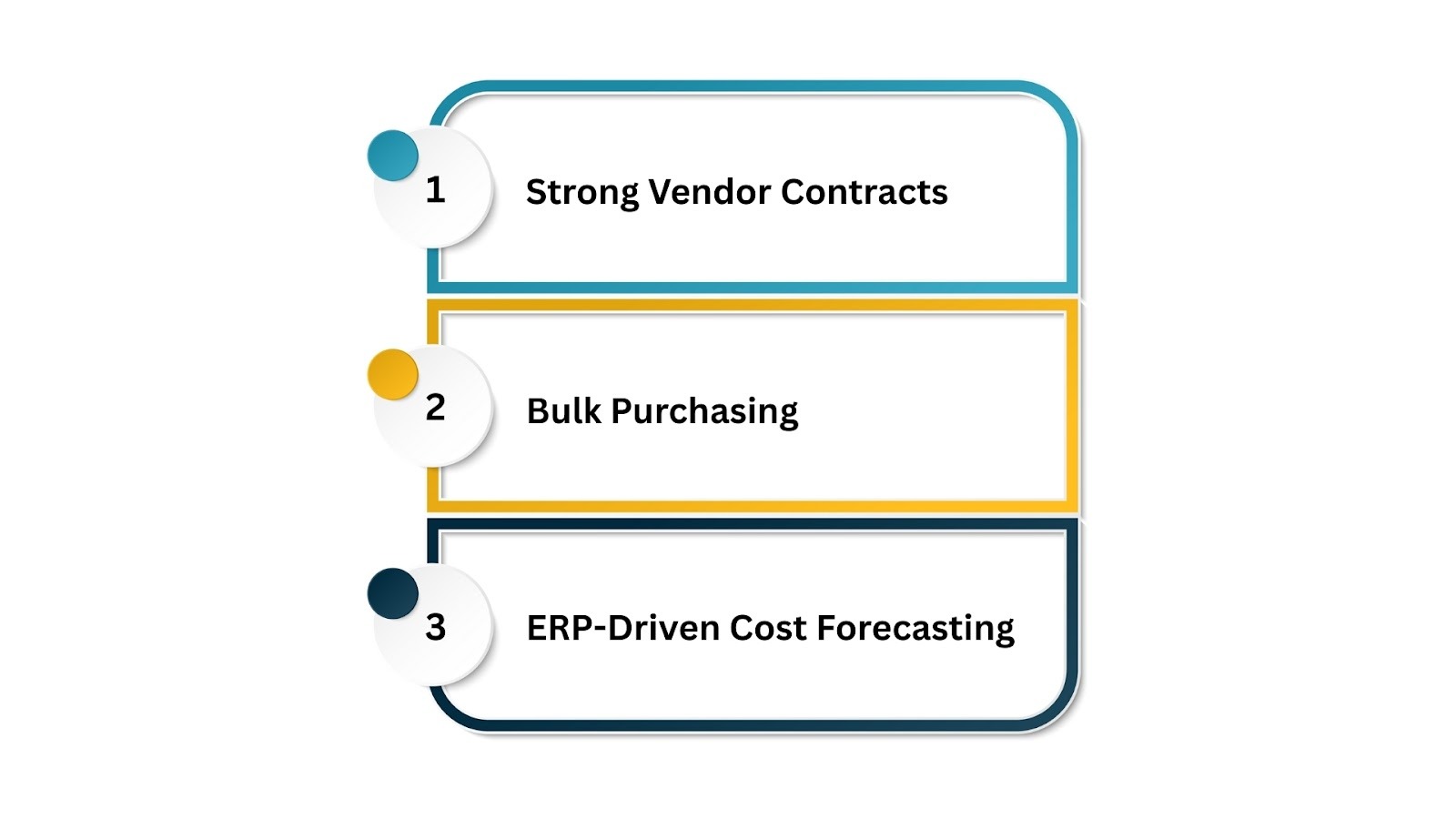
يتطلب الحفاظ على إمكانية التنبؤ بتكاليف المشاريع اتباع استراتيجيات مالية منظمة ومراقبة مدعومة بالتكنولوجيا. وغالبًا ما تواجه الشركات التي تعتمد على عمليات شراء عشوائية أو أساليب تتبع قديمة تضخمًا غير مسيطر عليه في الميزانيات. وعلى العكس من ذلك، توفر ممارسات المشتريات المنضبطة والتنبؤ القائم على أنظمة تخطيط موارد المؤسسات رؤية وتحكمًا أفضل في هيكل التكاليف بالكامل.
تشمل أهم الأساليب التي يمكنك استخدامها للحد من ارتفاع التكاليف ما يلي:
اقرأ أيضًا: تخطيط إدارة مشاريع البناء: دليل شامل
غالبًا ما تمهّد الزيادة في تكاليف المشاريع لحدوث تأخيرات، حيث يواجه المقاولون صعوبة في تحقيق التوازن بين النفقات والحفاظ على وتيرة التقدم في الوقت المحدد.
تظل التأخيرات واحدة من أكثر تحديات قطاع البناء شيوعًا، لا سيما في المملكة العربية السعودية، حيث تعمل المشاريع الوطنية غالبًا وفق جداول زمنية صارمة. ويؤدي نقص العمالة إلى إبطاء وتيرة العمل، مع توزيع العمالة الماهرة بشكل محدود على عدة مشاريع ضخمة.
كما يزيد ضعف التنسيق بين المقاولين من الباطن من تعقيد الأمور، حيث يمكن أن تتسبب المواعيد النهائية التي لم يتم الالتزام بها في سلسلة من التأخيرات المتتالية ضمن الجدول الزمني. ومن دون أنظمة موثوقة لتتبع العمالة والموارد والمراحل الرئيسية، قد تمتد المشاريع لأسابيع أو أشهر بعد المواعيد المتفق عليها أصلًا.
للحد من تجاوزات الجدول الزمني، تحتاج إلى أدوات وعمليات توفر رؤية فورية لكل جانب من جوانب المشروع. وتستبدل الأنظمة الرقمية جداول البيانات اليدوية ووسائل الاتصال المتفرقة، مما يمنحك رؤية مركزية لتوفر القوى العاملة، وإنجاز المهام، وتقدم الأعمال في الموقع.
تشمل الحلول الرئيسية ما يلي:
ترتبط التأخيرات في الجداول الزمنية بسرعة بمخاطر الامتثال، إذ تزيد الأعمال المنفذة على عجل من احتمالية حدوث مخالفات تنظيمية.
يمثل استيفاء متطلبات الامتثال تحديًا مستمرًا في قطاع البناء بالمملكة العربية السعودية. وتفرض هيئة الزكاة والضريبة والجمارك (ZATCA) معايير محددة لإعداد تقارير ضريبة القيمة المضافة يجب الالتزام بها بدقة، بينما تتطلب معايير السلامة مراقبة صارمة للممارسات المتبعة في مواقع العمل.
كما تزداد صرامة قواعد الاستدامة مع دفع الجهات المختصة للمقاولين إلى الحد من النفايات واعتماد مواد صديقة للبيئة. ويمكن أن يؤدي عدم الامتثال لأي من هذه المعايير إلى غرامات باهظة، وتعطّل المشاريع، والإضرار بسمعة الشركة.
يتطلب الامتثال مراقبة مستمرة وأنظمة موثوقة تقلل من الأخطاء اليدوية. ومن خلال رقمنة عمليات إعداد التقارير، وإنشاء سجلات جاهزة للتدقيق، وتوفير التدريب المستمر، يمكنك تقليل المخاطر والحفاظ على سير المشاريع دون انقطاع.
تشمل الحلول العملية ما يلي:

ترتبط ضغوط الامتثال ارتباطًا مباشرًا بتحديات سلسلة التوريد، إذ يعتمد الحصول على المواد المعتمدة غالبًا على الواردات.
لا تزال مشكلات سلسلة التوريد من أكثر تحديات قطاع البناء تأثيرًا في المملكة العربية السعودية. ويؤدي الاعتماد الكبير على المواد المستوردة، مثل الحديد والأسمنت، إلى زيادة تعرض المشاريع لتأخيرات الموانئ واختناقات الإجراءات الجمركية.
كما تؤدي القيود اللوجستية داخل المنطقة إلى إبطاء عمليات التسليم، مما يخلق حالة من عدم اليقين بشأن الجداول الزمنية والتكاليف. ويواجه المقاولون الذين يفتقرون إلى رؤية واضحة لسلسلة التوريد نقصًا مفاجئًا في المواد، ما يؤدي إلى توقف الأعمال وارتفاع النفقات.
يمكنك تقليل مخاطر سلسلة التوريد من خلال تنويع مصادر التوريد، وتحسين رؤية المخزون، ودمج تتبع الخدمات اللوجستية ضمن إدارة المشاريع. وتساعد هذه الإجراءات على الاستعداد للاضطرابات ومنع توقف الأعمال في المواقع.
تشمل الحلول الرئيسية ما يلي:
تزيد اضطرابات سلاسل التوريد من الضغط على كفاءة القوى العاملة، مما يجعل إدارة العمالة الماهرة أكثر أهمية.
لا تزال المشكلات المرتبطة بالعمالة تمثل تحديًا خطيرًا في قطاع البناء لعام 2025. ويواجه المقاولون نقصًا في العمالة الماهرة، وارتفاع الطلب على الوظائف المتخصصة، وارتفاع معدلات دوران الموظفين عبر المشاريع. وتؤدي هذه المشكلات إلى تعطيل الإنتاجية، وإبطاء جداول التسليم، وزيادة تكاليف المشاريع. وبالنسبة للمشاريع واسعة النطاق في المملكة العربية السعودية، فإن ضمان توفر قوى عاملة مستقرة وماهرة أمر بالغ الأهمية للالتزام بالمواعيد النهائية الصارمة للمشاريع.
لمعالجة تحديات القوى العاملة، تحتاج إلى أنظمة تعمل على أتمتة وظائف الموارد البشرية، وتوزيع الموارد بذكاء، وتعزيز المهارات في مواقع العمل. ويساعد هذا التكامل على تقليل أوجه عدم الكفاءة وضمان توفر الأشخاص المناسبين في الوقت المناسب.
تشمل الأساليب العملية ما يلي:
اقرأ أيضًا: كيفية إعداد تقارير فعّالة عن تقدم مشاريع البناء
تعرّض فجوات القوى العاملة المشاريع لمخاطر أكبر، بدءًا من مشكلات السلامة ووصولًا إلى الخسائر المالية، عندما يكون التخطيط ضعيفًا.
تقلل العديد من شركات البناء من تقدير تنوع المخاطر التي يمكن أن تعرقل المشروع. فقد تؤدي المخاطر الطبيعية، مثل الظروف الجوية القاسية، والمخاطر المالية، مثل تجاوز التكاليف، والمخاطر التشغيلية، مثل تعطل المعدات، إلى توقف سير العمل.
ولا يؤدي تجاهل هذه التهديدات إلى تمديد الجداول الزمنية للمشاريع فحسب، بل يعرّض السلامة والربحية للخطر أيضًا. وغالبًا ما تنفق المشاريع التي تفشل في التخطيط للمخاطر مبالغ أكبر على معالجة الأضرار مقارنة بتكاليف الوقاية منها.
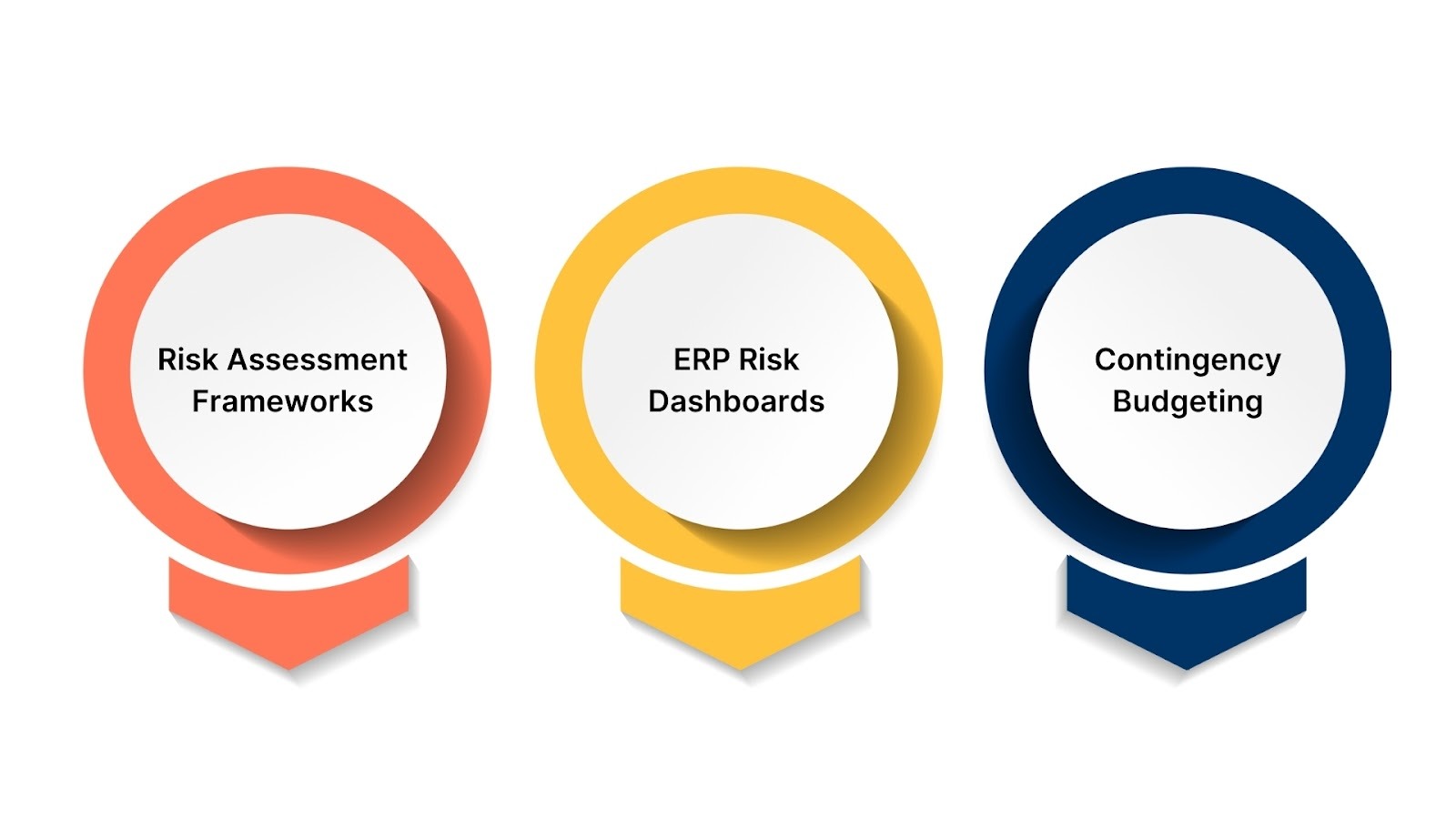
تتطلب معالجة المخاطر أطرًا منظمة، وأنظمة واضحة للمراقبة، واحتياطيات مالية. ومن خلال الاستعداد الاستباقي، يمكنك تقليل الاضطرابات وحماية العاملين والميزانيات على حد سواء.
تشمل الحلول الفعّالة ما يلي:
يؤدي ضعف إدارة المخاطر إلى زيادة مقاومة استخدام التكنولوجيا، حيث تتجنب الشركات الاستثمار في الأدوات نفسها التي تساعد على منع الانتكاسات.
لا تزال العديد من شركات البناء متوسطة الحجم مترددة في اعتماد أنظمة ERP أو أدوات الأتمتة. وتتمثل أكثر المخاوف شيوعًا في ارتفاع تكاليف التنفيذ والاعتقاد بأن إدارة هذه الأنظمة تتطلب خبرات تقنية متخصصة.
ونتيجة لذلك، تواصل الشركات الاعتماد على العمليات اليدوية التي تبطئ المشاريع وتحد من الرؤية، رغم أن التحول الرقمي يمكن أن يعالج هذه المشكلات تحديدًا.
يمكنك التغلب على عوائق تبني التكنولوجيا من خلال التركيز على التنفيذ المرحلي، والتدريب الشامل، والدعم القوي من الموردين. وتساعد هذه الخطوات على تقليل المخاطر وجعل التحول الرقمي أكثر سهولة في الإدارة.
تشمل الحلول الرئيسية ما يلي:
تؤدي حالة التردد تجاه تبني التكنولوجيا إلى تفاقم تجاوزات الميزانية، لا سيما عندما تفتقر تغييرات نطاق المشروع إلى الرقابة الرقمية.
يُعد توسع نطاق المشروع تحديًا متكررًا في قطاع البناء، وغالبًا ما يدفع الميزانيات إلى مستويات يصعب السيطرة عليها. فعندما تتوسع متطلبات المشروع أثناء التنفيذ، يواجه المقاولون تكاليف إضافية للمواد والعمالة والمعدات لم تكن مدرجة في العقد الأصلي. وفي المملكة العربية السعودية، غالبًا ما تتوسع مشاريع المقاولات الكبرى المرتبطة برؤية 2030 في نطاقها لتلبية المتطلبات التنظيمية الجديدة أو متطلبات العملاء. ومن دون أنظمة واضحة لإدارة هذه التغييرات، تنشأ النزاعات سريعًا بين المقاولين والعملاء، مما يؤدي إلى ضغوط مالية وتأخيرات.
لإدارة نطاق المشروع بفعالية، تحتاج إلى عمليات منظمة توثق كل تغيير، وتحصل على الموافقات اللازمة، وتتتبع الأثر المالي. وتوفر الأدوات الرقمية الشفافية وتضمن اتفاق جميع أصحاب المصلحة على التكاليف والجداول الزمنية الجديدة قبل بدء أي أعمال إضافية.
تشمل الحلول الرئيسية ما يلي:

غالبًا ما يؤدي توسع نطاق المشروع إلى سوء التواصل، إذ تتسبب التغييرات غير الواضحة في حدوث ارتباك بين المقاولين وفرق العمل.
يُعد سوء التواصل من تحديات البناء المتكررة التي تؤدي إلى تأخير الجداول الزمنية وظهور النزاعات. وغالبًا ما يعتمد المقاولون والمقاولون من الباطن والعملاء على قنوات متفرقة مثل رسائل البريد الإلكتروني والمكالمات الهاتفية أو تطبيقات المراسلة الشخصية. ويؤدي ذلك إلى عدم وصول التحديثات، وعدم وضوح المسؤوليات، وتكرار العمل. وبالنسبة للمشاريع التي تضم العديد من أصحاب المصلحة وتعمل وفق جداول زمنية ضيقة، فإن تشتت قنوات التواصل يُعد من أسرع الطرق لتعطيل سير العمل.
يمكنك تجنب تعطل التواصل من خلال توحيد التفاعلات، وتتبع التحديثات رقميًا، وضمان حصول كل صاحب مصلحة على رؤية واضحة لحالة المشروع. ويساعد هذا النهج على تعزيز المساءلة وتقليل الوقت المهدور.
تشمل الحلول العملية ما يلي:
تزداد فجوات التواصل سوءًا في ظل غياب البيانات الفورية، مما يجعل القرارات تفاعلية بدلًا من أن تكون استباقية.
عندما تفتقر مشاريع البناء إلى البيانات الفورية، تصبح عملية اتخاذ القرار تفاعلية بدلًا من أن تكون استباقية. ويضطر المديرون إلى الاستجابة بعد حدوث التأخيرات أو تجاوزات التكاليف بالفعل، بدلًا من منعها مسبقًا. ويؤدي غياب الرؤى المباشرة إلى إبطاء عمليات الموافقة، وإنشاء اختناقات في شراء المواد، والتسبب في توقفات مكلفة. وفي المشاريع التي تتسم بضغط كبير، يُعد هذا النقص في الرؤية أحد الأسباب الرئيسية لعدم الالتزام بالمواعيد النهائية.
يمكنك تحسين الرؤية من خلال استخدام أدوات تجمع التحديثات المباشرة من مواقع العمل وتوحّدها في مصدر واحد موثوق للمعلومات. ويسمح ذلك للمديرين والمقاولين والعملاء باكتشاف المشكلات مبكرًا واتخاذ الإجراءات بسرعة.
تشمل الحلول الرئيسية ما يلي:
من دون البيانات الفورية، يصبح تتبع إجراءات الاستدامة أكثر صعوبة، مما يضعف جهود الامتثال للمتطلبات البيئية.
تُعيد متطلبات الاستدامة تشكيل مشاريع البناء في جميع أنحاء المملكة العربية السعودية. ويواجه المقاولون ضغوطًا متزايدة للالتزام بمعايير البناء الأخضر، والحد من هدر المواد، وتوثيق الممارسات المستدامة. كما تجري الجهات التنظيمية والعملاء المزيد من عمليات التدقيق على استهلاك الطاقة ومصادر الحصول على المواد. وبالنسبة للشركات التي تفتقر إلى أنظمة منظمة، قد يؤدي استيفاء هذه المتطلبات إلى حدوث تأخيرات، وزيادة التكاليف، وحتى التعرض لخطر الاستبعاد من العقود.
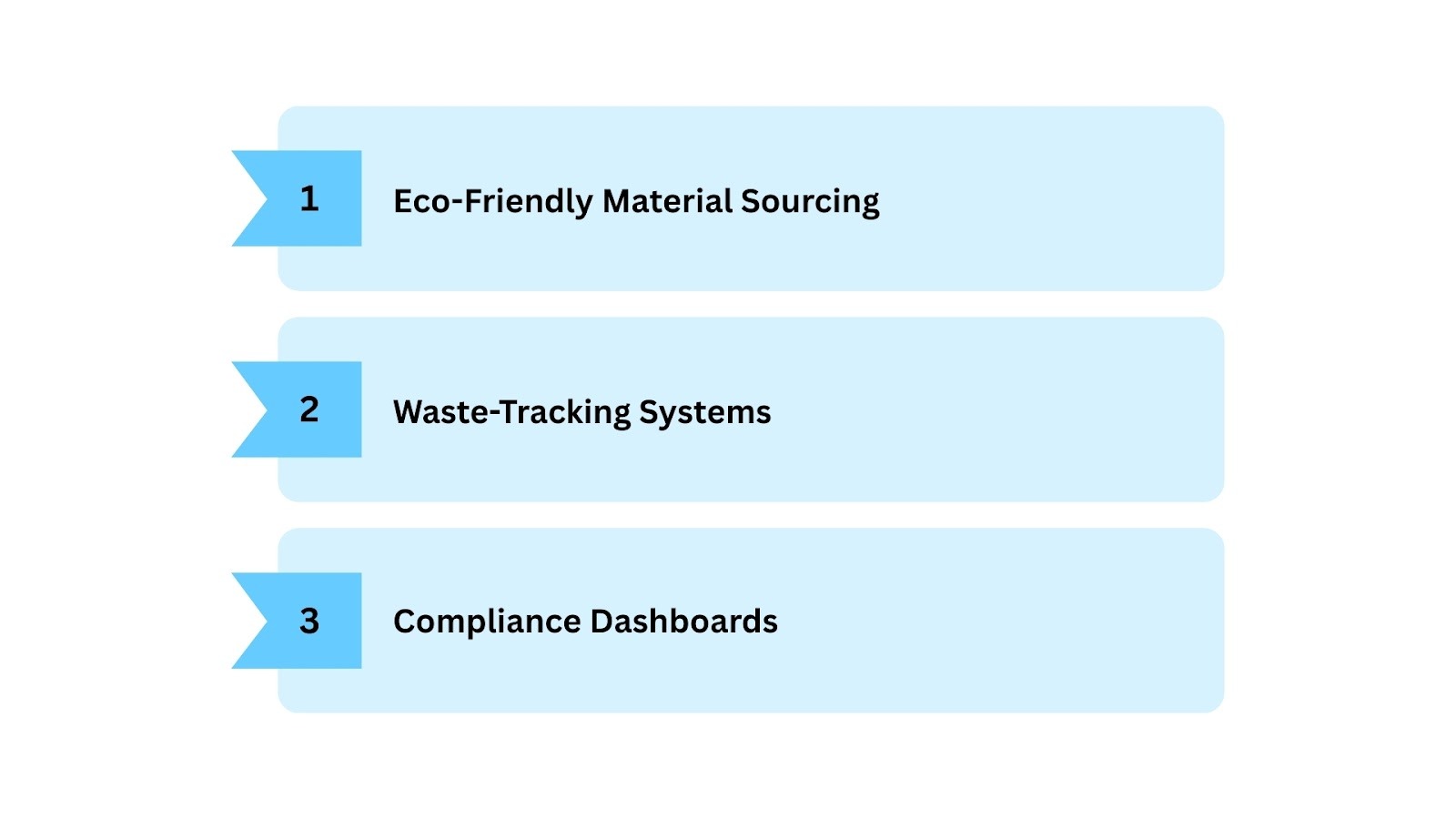
يمكنك الوفاء بالتزامات الاستدامة من خلال دمج التوريد المسؤول، والإدارة الرقمية للنفايات، وإعداد تقارير واضحة ضمن عملياتك. وتساعد هذه الإجراءات على مواءمة عملياتك مع المتطلبات التنظيمية وتوقعات العملاء.
تشمل الحلول العملية ما يلي:
كما تسلط الضغوط المتزايدة نحو الاستدامة الضوء على ضغوط التدفقات النقدية، إذ تؤدي الممارسات الصديقة للبيئة وعمليات التدقيق إلى زيادة التكاليف الأولية.
لا تزال التدفقات النقدية من أكثر تحديات قطاع البناء أهمية. وغالبًا ما تؤدي تأخيرات العملاء في سداد المدفوعات إلى تعطيل المشاريع من خلال التأثير على القدرة على دفع أجور العمال، وشراء المواد، وإدارة المقاولين من الباطن. وبالنسبة للعديد من المقاولين في المملكة العربية السعودية، يمكن أن يؤدي نقص رأس المال العامل الناتج عن بطء تحصيل المستحقات إلى تعريض الجداول الزمنية للمشاريع وربحيتها بالكامل للخطر.
تتطلب إدارة التدفقات النقدية أنظمة تعمل على أتمتة إعداد الفواتير، وتبسيط عمليات الموافقة، وفرض جداول زمنية منظمة للمدفوعات. ومن خلال رقمنة عمليات إصدار الفواتير والتحصيل، يمكنك تقليل التأخيرات والحفاظ على تدفق الأموال بشكل منتظم.
تشمل الحلول العملية ما يلي:
تجعل تأخيرات المدفوعات الاستعداد للمستقبل أكثر صعوبة، مما يؤكد الحاجة إلى نصائح استباقية واستراتيجيات طويلة الأجل.
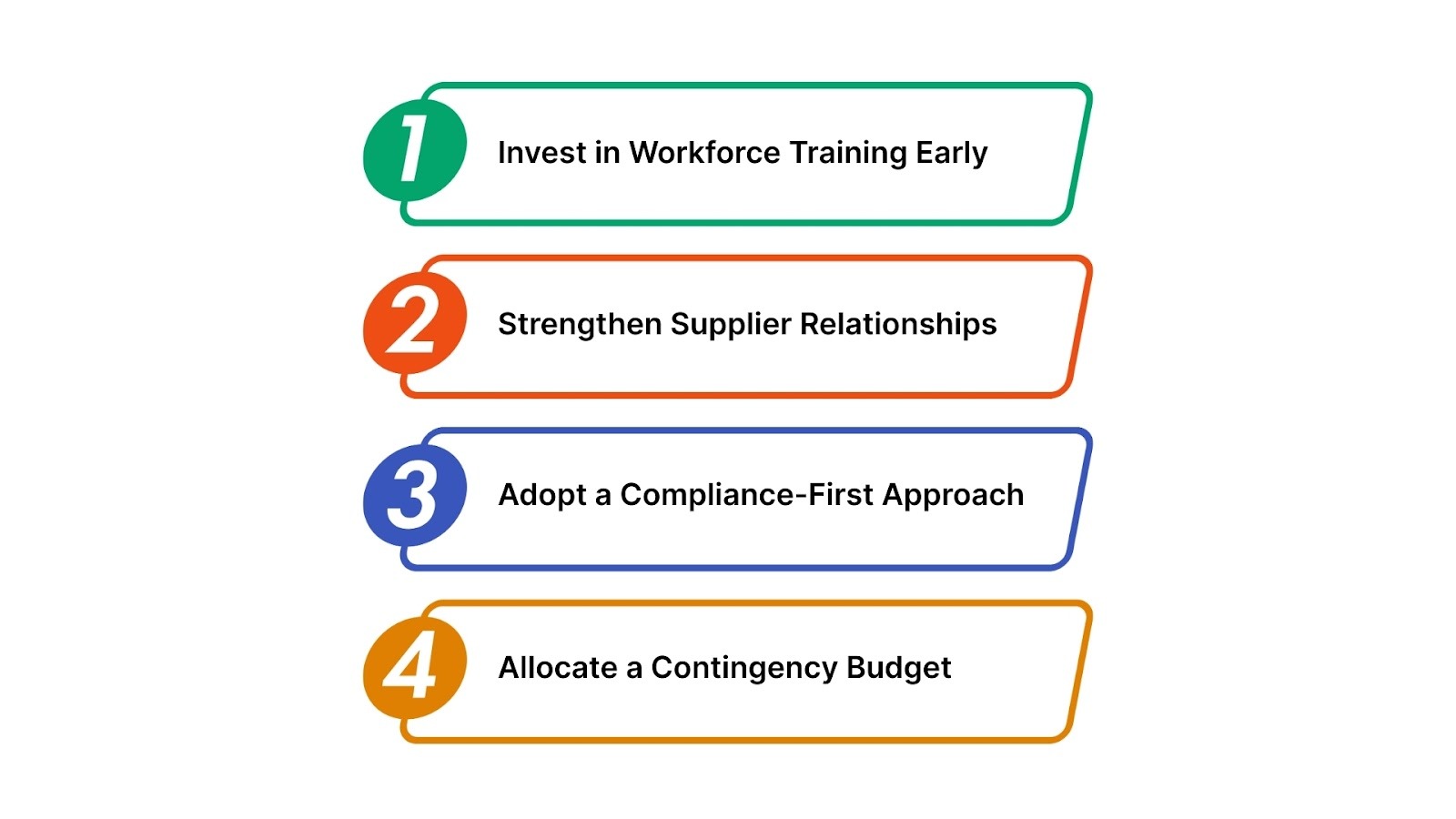
تتطلب إدارة تحديات قطاع البناء في عام 2025 اتخاذ إجراءات فورية إلى جانب استراتيجيات استشرافية للمستقبل. ومن خلال معالجة نقاط الضعف الحالية والاستعداد للمخاطر الناشئة، يمكنك بناء القدرة على الصمود والحفاظ على الربحية.
تشمل الخطوات العملية التي يمكنك اتخاذها الآن ما يلي:
بالنظر إلى ما بعد عام 2025، ستواجه الشركات متطلبات أكثر صرامة في مجال الاستدامة، وعمليات تحقق من الامتثال مدعومة بالذكاء الاصطناعي، وتقلبات مستمرة في سلاسل التوريد العالمية. وستواجه الشركات التي تعتمد فقط على الحلول قصيرة الأجل صعوبة أكبر، بينما ستحظى الشركات التي تتبنى أنظمة ERP والأتمتة الآن بميزة تنافسية. ومن خلال تحسين رؤية البيانات، وتبسيط عمليات الامتثال، وتعزيز التخطيط، يمكنك البقاء في طليعة التغييرات التنظيمية وتوقعات العملاء.
اقرأ أيضًا: نظام ERP في إدارة المشاريع: تعزيز الكفاءة والنجاح
رغم أن الخطوات العملية تساعد في مواجهة التحديات، فإن HAL ERP يجمع جميع الحلول في منصة واحدة للتعامل مع هذه التحديات بشكل شامل.
HAL ERP هو حل شامل لتخطيط موارد المؤسسات مصمم للمقاولين السعوديين والشركات متوسطة الحجم. ويوحّد النظام عمليات الإدارة المالية والقوى العاملة وسلسلة التوريد والامتثال في منصة واحدة. وبفضل الأتمتة المدعومة بالذكاء الاصطناعي والأدوات الجاهزة للتعامل مع ضريبة القيمة المضافة، يمكّن HAL ERP شركات البناء من إدارة المشاريع بدقة ومرونة.
وبالإضافة إلى الميزات التي تم تسليط الضوء عليها في هذا المقال، يعالج HAL ERP تحديات قطاع البناء بالطرق التالية:
وبالنسبة لمشاريع البناء والمقاولات تحديدًا، يوفر HAL ERP إمكانات إضافية:
عملية التنفيذ سريعة وعملية. ويمكن إكمال الإعداد الأساسي مع التدريب خلال أسبوعين إلى أربعة أسابيع، بينما يتم عادةً الانتهاء من التنفيذ الكامل، بما في ذلك ترحيل البيانات والتخصيص، خلال 8 إلى 12 أسبوعًا. وفي حين تبدأ تكلفة تنفيذ منصات ERP مثل NetSuite من 20,000 دولار أمريكي، يقدم HAL ERP أسعارًا تنافسية للتنفيذ فقط، ومصممة خصيصًا لتلبية احتياجات المقاولين في المملكة العربية السعودية.
يواجه قطاع البناء اثني عشر تحديًا رئيسيًا: ارتفاع تكاليف المشاريع، والتأخيرات، وضغوط الامتثال، واضطرابات سلسلة التوريد، ومشكلات القوى العاملة، وضعف إدارة المخاطر، وعوائق تبني التكنولوجيا، وتغييرات نطاق المشروع، وضعف كفاءة التواصل، ونقص البيانات في الوقت الفعلي، ومتطلبات الاستدامة، وتأخيرات التدفقات النقدية. ويؤثر كل من هذه التحديات بشكل مباشر على الربحية والجداول الزمنية ورضا العملاء. ويمكن أن تساعد الحلول العملية، مثل الجدولة الرقمية، والتدريب الموجّه نحو الامتثال، وتحسين رؤية المخزون، والفوترة القائمة على مراحل الإنجاز، وإدارة المخاطر المنظمة، على معالجة هذه المشكلات بفعالية.
يجمع HAL ERP هذه الحلول في منصة واحدة. فمن مراقبة التكاليف المدعومة بالذكاء الاصطناعي إلى التقارير المتوافقة مع متطلبات ضريبة القيمة المضافة، ومن أدوات سلسلة التوريد المتكاملة إلى أتمتة الموارد البشرية والفوترة الذكية، يمكّن HAL ERP المقاولين من التغلب على العقبات وتنفيذ المشاريع بثقة.
يوفر HAL ERP أتمتة مدعومة بالذكاء الاصطناعي وأدوات للامتثال لضريبة القيمة المضافة مصممة خصيصًا للسوق السعودي، مما يسهّل تنفيذ المشاريع. احجز عرضًا تجريبيًا مجانيًا الآن!
س: ما أكبر تحدٍ يواجه قطاع البناء حاليًا؟
ج: تُعد الزيادة في تكاليف المشاريع التحدي الأكثر شيوعًا. فتقلب أسعار الحديد والأسمنت والعمالة يؤثر على الربحية، وغالبًا ما يؤدي إلى تجاوز المشاريع لميزانياتها.
س: لماذا تواجه مشاريع البناء تأخيرات متكررة؟
ج: تنشأ التأخيرات عادةً بسبب نقص العمالة، وضعف التنسيق بين المقاولين من الباطن، ومشكلات تسليم المواد. ومن دون جدولة وتتبع مناسبين، تتفاقم المشكلات الصغيرة بسرعة وتتحول إلى حالات تباطؤ كبيرة.
س: ما مدى أهمية الامتثال في مشاريع البناء؟
ج: يُعد الامتثال أمرًا بالغ الأهمية. ويمكن أن يؤدي عدم الالتزام بقواعد ضريبة القيمة المضافة أو معايير السلامة أو متطلبات الاستدامة إلى غرامات أو عمليات تدقيق أو حتى إيقاف المشاريع، مما يضيف مخاطر كبيرة على المقاولين.
س: كم تستغرق عملية تنفيذ HAL ERP؟
ج: يمكن إكمال الإعداد الأساسي مع التدريب خلال أسبوعين إلى أربعة أسابيع. أما التنفيذ الكامل، بما في ذلك ترحيل البيانات والتخصيص، فعادةً ما يستغرق من 8 إلى 12 أسبوعًا، مع دعم فرق متخصصة طوال العملية.
س: هل يمكن لتحسين إدارة القوى العاملة تقليل مخاطر المشاريع؟
ج: نعم. يؤثر نقص العمالة الماهرة وارتفاع معدل دوران الموظفين بشكل مباشر على الجداول الزمنية للمشاريع. ويساعد الاستثمار في التدريب، والتوزيع المنظم للموارد، ومراقبة القوى العاملة على تحسين الإنتاجية والسلامة.
س: كيف يساعد HAL ERP في معالجة مشكلات التدفقات النقدية؟
ج: تعمل أداة إنشاء الفواتير في HAL ERP على أتمتة عمليات إصدار الفواتير، وتدعم الفوترة القائمة على مراحل الإنجاز، وترسل تذكيرات بالمدفوعات. وتساعد هذه الميزات على تسريع عمليات التحصيل وتوفير تحكم أفضل في التدفقات النقدية.

.jpg)