.jpg)

لماذا تفقد العديد من مشاريع البناء السيطرة على ميزانياتها وجداولها الزمنية؟ بالنسبة للمقاولين في المملكة العربية السعودية، فإن تجاوز التكاليف ليس مجرد أرقام بل تحديات حقيقية تؤثر على الربحية والامتثال. في ظل رؤية 2030، ومع المشاريع العملاقة وتطورات البنية التحتية التي ترسم ملامح المستقبل، أصبح الضغط للتحكم في التكاليف أكبر من أي وقت مضى. أظهرت دراسة على مشاريع في السعودية أن متوسط تجاوز التكاليف بلغ 7.9%، مع وصول بعض المشاريع إلى 183%.
هل شعرت يومًا بالإحباط عندما تؤدي التغييرات في التصميم، أو ضعف التخطيط، أو تأخر الدفعات إلى جعل تكاليف مشروعك خارج السيطرة؟ يُعد التخطيط الفعّال للتكاليف الخطوة الأولى للحفاظ على المشاريع ضمن الجدول الزمني، وفي حدود الميزانية، وضمان استدامتها للنمو طويل الأمد. في هذا المقال، نستعرض الفوائد الرئيسية للتخطيط للتكاليف في قطاع البناء، وكيف تجعل الأدوات المناسبة الأمر أسهل.
التخطيط للتكاليف ليس مجرد تقدير، بل هو عملية مستمرة تساعدك على الحفاظ على السيطرة المالية عبر التصميم والمشتريات والتنفيذ.
يساهم التخطيط القوي للميزانية في تقليل النزاعات ويضمن تعاونًا أكثر سلاسة بين المقاولين والعملاء والموردين.
تصبح إدارة الموارد أكثر وضوحًا، مع إدارة العمالة والمواد والمقاولين الفرعيين بطريقة منظمة ومخصصة لكل مشروع.
يصبح الامتثال لضريبة القيمة المضافة في السعودية ومتطلبات هيئة الزكاة والضريبة والجمارك (ZATCA) أسهل عندما يتم تخطيط العمليات المالية وتتبعها منذ البداية.
يحوّل نظام HAL ERP التخطيط للتكاليف إلى أداة استباقية مع تتبع مدعوم بالذكاء الاصطناعي، ومراقبة لحظية، وأتمتة مصممة للمقاولين.
التخطيط للتكاليف في البناء هو عملية تقدير وتخصيص وإدارة نفقات المشروع منذ مرحلة التصميم الأولى وحتى مرحلة الإنجاز. يوفّر هذا النهج إطارًا منظمًا للتنبؤ بالتكاليف، ومراقبة الإنفاق، والحفاظ على السيطرة المالية في كل مرحلة من مراحل المشروع. بدلًا من التعامل مع تجاوزات الميزانية بعد حدوثها، يتم إنشاء خط أساس واضح يساعد على إبقاء المشروع على المسار الصحيح ويضمن الشفافية لجميع أصحاب المصلحة.
يلعب التخطيط للتكاليف دورًا أساسيًا في مختلف مراحل مشروع البناء، حيث تمتلك كل مرحلة متطلبات خاصة، وتتكامل جميعها لتشكّل منظومة مالية متكاملة للمشروع.
من خلال التعامل مع التخطيط للتكاليف كعملية مستمرة بدلًا من كونه تقديرًا لمرة واحدة، يتم إنشاء خارطة طريق مالية تدعم اتخاذ قرارات أفضل وتقلل من مخاطر تجاوز الميزانية.
تختلف أساليب التخطيط للتكاليف باختلاف طبيعة المشاريع. يعتمد اختيار الأسلوب المناسب على نطاق المشروع، ومدى تعقيده، وحجم البيانات المتاحة، ومتطلبات الامتثال في المملكة العربية السعودية.
| النوع | الوصف | متى يُستخدم | مثال سعودي |
|---|---|---|---|
| تخطيط التكلفة الأولي | تقدير في مرحلة مبكرة لدراسة الجدوى والموافقة على التمويل. | أثناء بلورة فكرة المشروع ودراسات الجدوى. | برج تجاري جديد في الرياض بناءً على التكلفة لكل متر مربع. |
| تخطيط التكلفة من أعلى إلى أسفل | يبدأ بميزانية إجمالية، ثم يوزّع الأموال عبر المراحل. | عندما تواجه المشاريع مواعيد نهائية أو قيوداً زمنية صارمة. | مشاريع تطوير البنية التحتية في الدمام. |
| تخطيط التكلفة حسب العناصر | يقسّم المشروع إلى عناصر (الأساسات، الهيكل الإنشائي، التشطيبات). | لمقارنة تكاليف المكونات المختلفة عند اتخاذ القرارات. | تقييم بدائل التشطيب لمشروع مدرسة. |
| تخطيط التكلفة من أسفل إلى أعلى | يبني تقديراً تفصيلياً يشمل العمالة والمواد والمعدات. | للمشاريع المعقدة أو عالية القيمة التي تتطلب دقة. | فلل سكنية فاخرة في جدة. |
| تخطيط تكلفة المقاول | يُعده المقاولون أثناء تقديم العطاءات لضمان الربحية وقيمة مضافة للعميل. | أثناء المناقصات وتقديم عروض المقاولين. | عطاءات الإسكان واسعة النطاق من شركات سعودية متوسطة الحجم. |
المكونات الأساسية والغرض من تخطيط تكاليف البناء
يُعد تخطيط التكاليف في البناء إطارًا وأداة عملية في الوقت نفسه للحفاظ على الجدوى المالية للمشاريع الإنشائية. فهو يجمع بين تصنيفات تكلفة منظمة وأهداف واضحة توجه مالكي المشاريع والمقاولين والفرق المالية من مرحلة التخطيط وحتى التنفيذ.
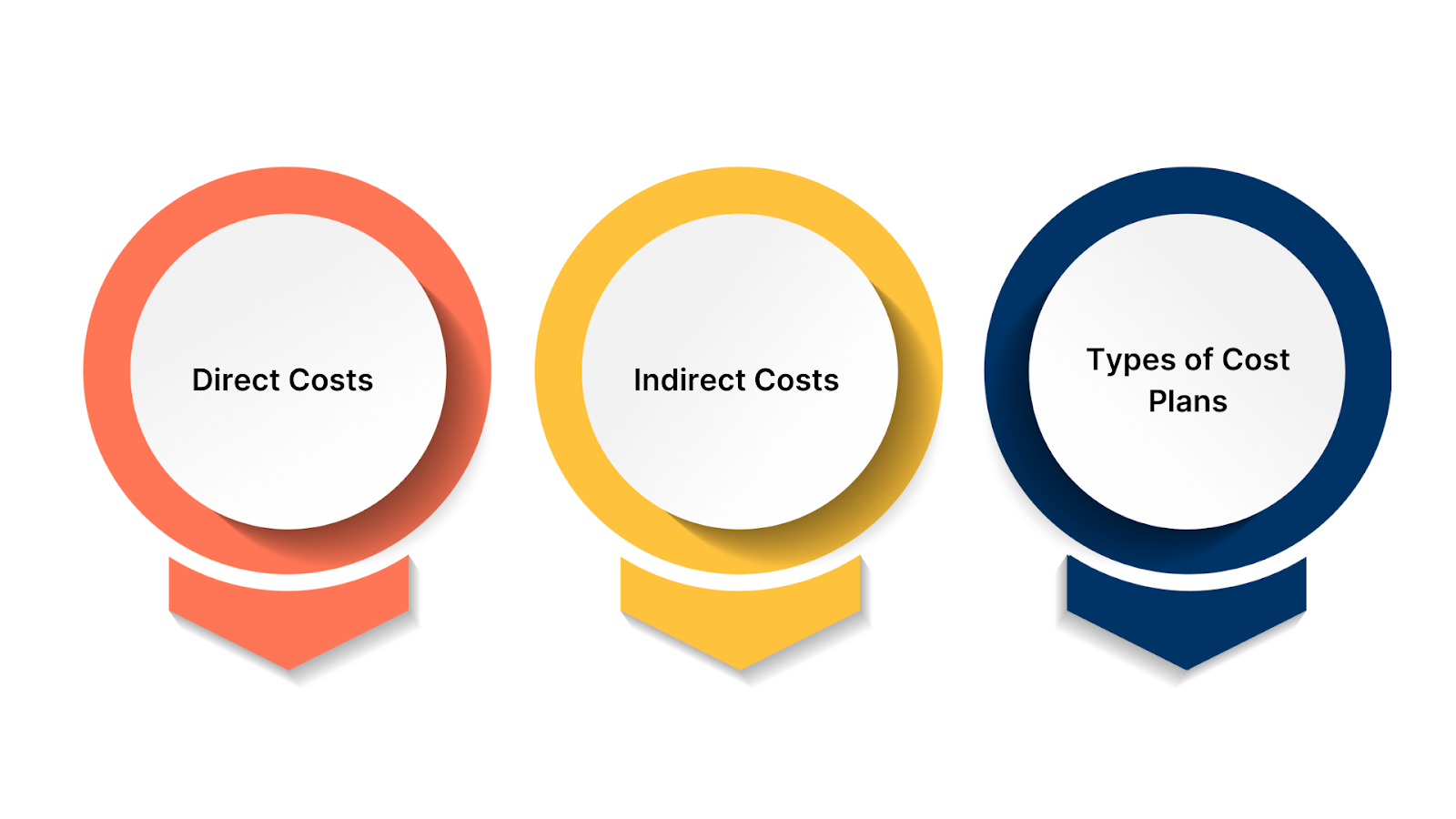
يأخذ التخطيط الشامل في الاعتبار التكاليف المباشرة وغير المباشرة، بالإضافة إلى مراحل مختلفة من التنبؤ بالتكاليف:
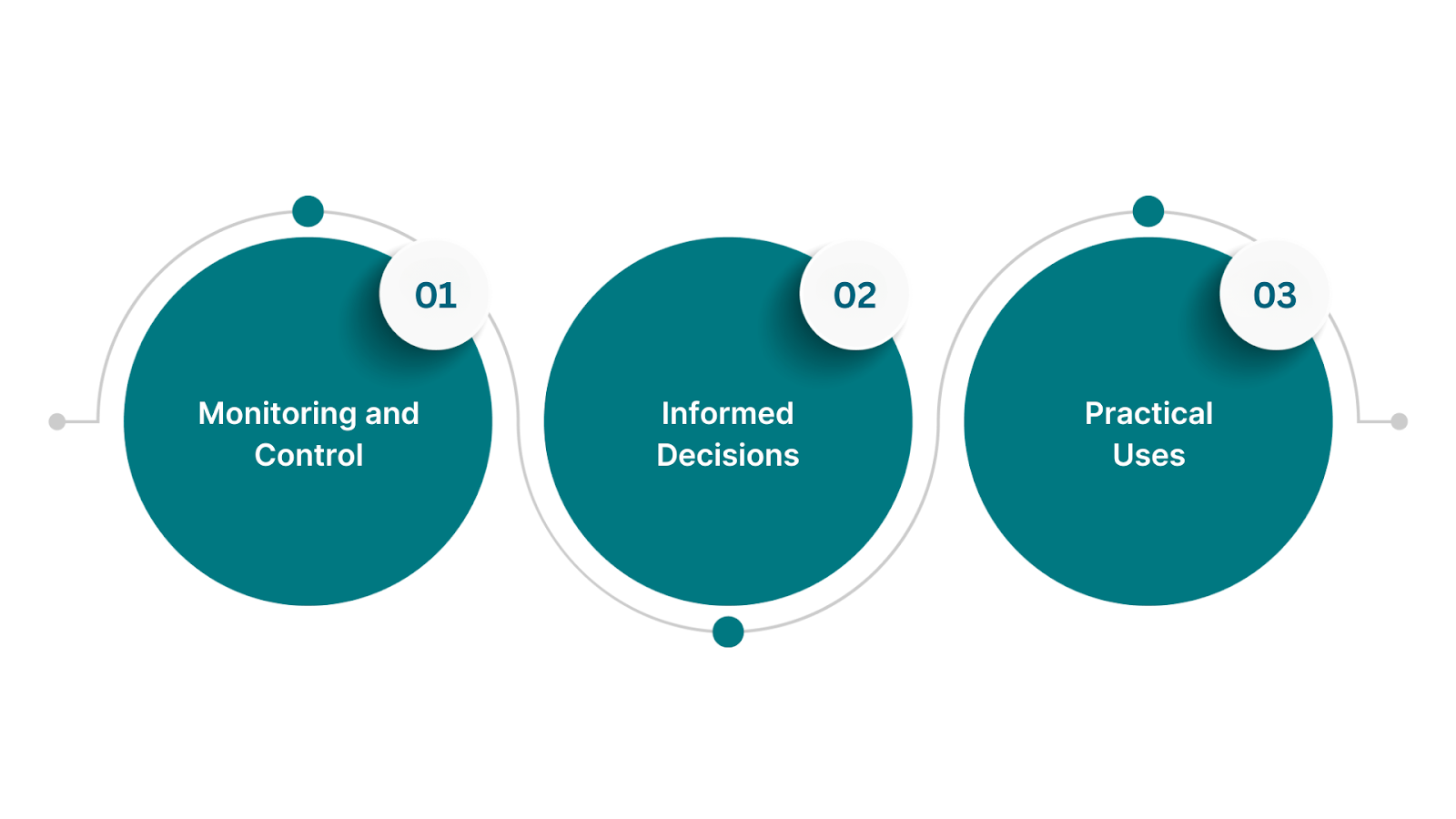
خطة التكاليف المنظمة هي أكثر من مجرد تقدير، فهي تعمل كأداة حية للتحكم في الميزانيات وتوجيه القرارات:
مع وضوح الأساسيات، حان الوقت لاستكشاف الفوائد المباشرة التي يحققها تخطيط التكاليف في مشاريع البناء.
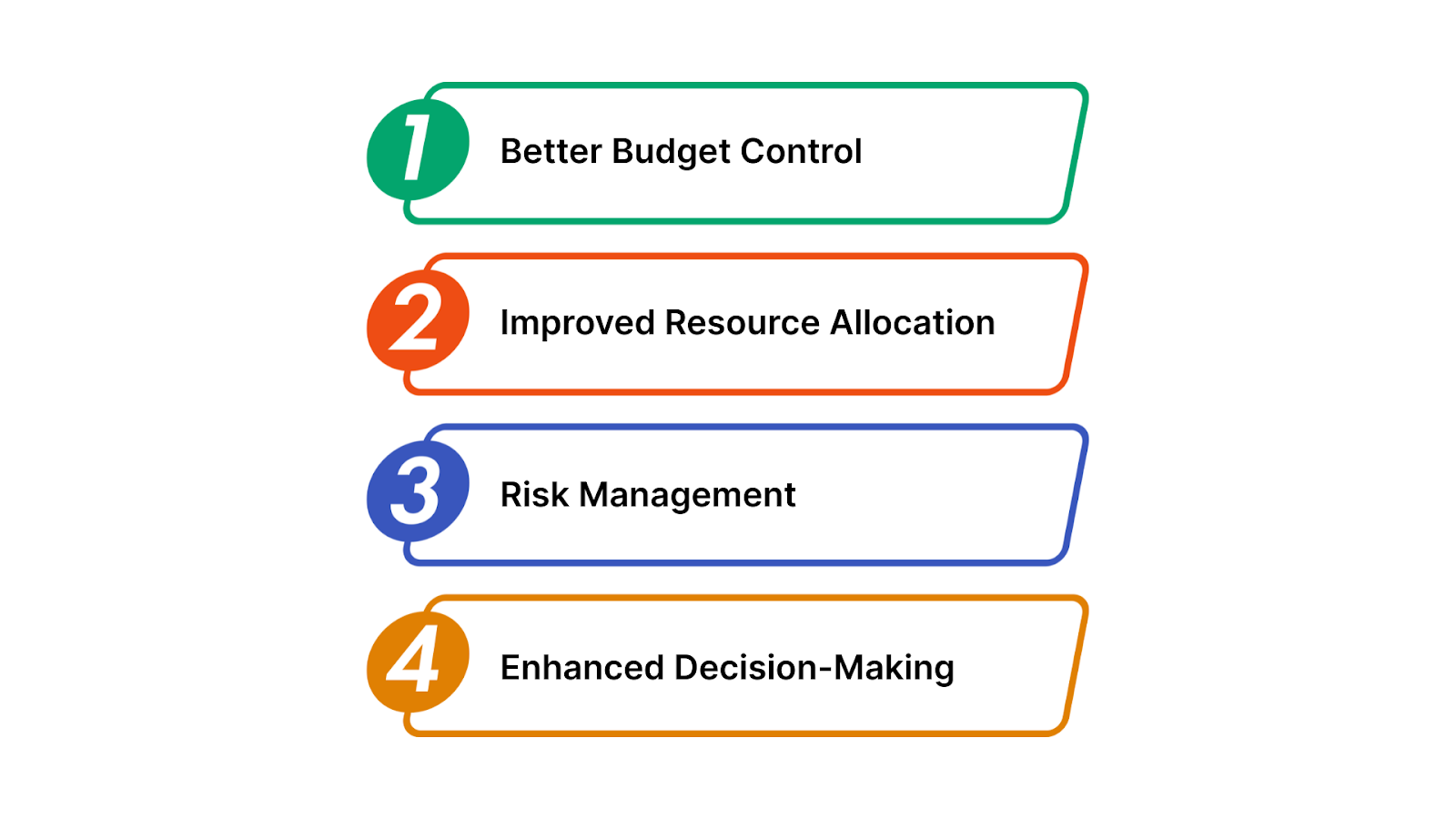
يوفر لك تخطيط التكاليف سيطرة مالية تتجاوز مجرد تقدير الأرقام، فهو يمكّنك من تقليل الهدر، وتحسين الكفاءة، وتعزيز ثقة أصحاب المصلحة. من خلال بناء هيكل مالي واضح في وقت مبكر، يتم تقليل حالة عدم اليقين ودعم نجاح المشروع على المدى الطويل.
يوفر التخطيط المنهجي للتكاليف خارطة طريق لإدارة النفقات من البداية حتى النهاية. ومع التنبؤات الدقيقة، يمكن منع تجاوزات الميزانية التي قد تؤثر سلبًا على الربحية.
مثال: في مشاريع المقاولات، تساعد المقارنات المنتظمة بين التكاليف المتوقعة والتكاليف الفعلية للمواد على تجنب تجاوزات مفاجئة قد تؤدي إلى تأخير التسليم.
اقرأ أيضًا: نظام تخطيط موارد المؤسسات (ERP) في إدارة المشاريع: تعزيز الكفاءة وتحقيق النجاح
عند تخصيص الموارد بشكل صحيح، تزداد الكفاءة ويقل الإنفاق غير الضروري. يوفر تخطيط التكاليف تفصيلًا واضحًا لكيفية استخدام الأموال والعمالة والمعدات.
تشمل الفئات الرئيسية للموارد عادةً:
مثال: في مشروع إسكان، يضمن تخصيص الموارد تجنب توظيف عدد زائد من العمال، وفي الوقت نفسه يمنع التأخيرات المكلفة الناتجة عن نقص العمال في موقع العمل.
مع نظام HAL ERP، يمكنك تتبع المواد والعمالة والتكاليف في الوقت الفعلي، مما يضمن عدم تعرض أي مرحلة من المشروع لنقص في الموارد أو تجاوز في الإنفاق.
تساعد التوقعات الدقيقة للتكاليف على تحديد المخاطر قبل أن تتفاقم وتتحول إلى مشكلات كبيرة. كما تمنحك رؤية واضحة لمناطق الخطر المحتملة مثل تقلبات أسعار المواد أو تأخر الدفعات.
عمليًا، هذا يعني أن المقاول الذي يأخذ في الاعتبار احتمال ارتفاع أسعار الحديد يتجنب النزاع مع العميل عند ارتفاع الأسعار في منتصف المشروع.
توفر الشفافية المالية قدرة أفضل على اتخاذ القرار لجميع الأطراف المشاركة في المشروع. ومع توفر بيانات تفصيلية للتكاليف، يمكن للمالكين والمقاولين والمديرين الماليين تقييم البدائل بسرعة وثقة.
مثال: إذا قدم موردان أسعارًا مختلفة لنفس المواد، يتيح تخطيط التكاليف تحليل التأثير الكامل لكل خيار على ميزانية المشروع، وليس فقط السعر الأولي، قبل اتخاذ القرار النهائي.
اقرأ أيضًا: دليل شامل لتخطيط إدارة البناء
رغم وضوح المزايا، فإن مخاطر عدم وجود خطة للتكاليف توضح لماذا لا يمكن تجاهلها.
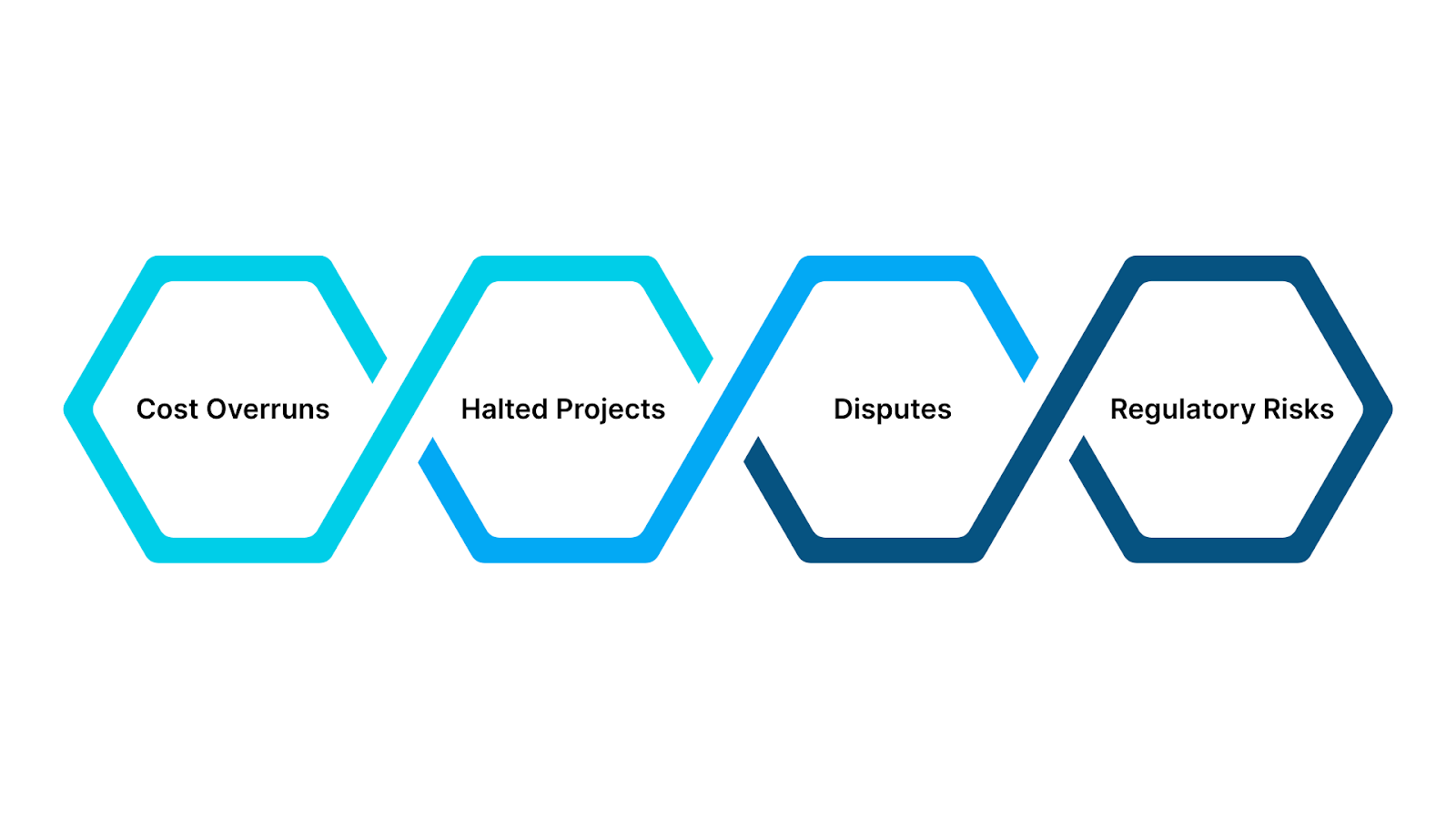
عندما يتم تنفيذ مشاريع البناء دون وجود تخطيط منظم للتكاليف، تتزايد المخاطر المالية والتشغيلية. وبدلًا من توجيه المشروع نحو الربحية، يصبح التعامل مع تجاوزات الميزانية والنزاعات ومشكلات الامتثال هو السائد.
اقرأ أيضًا: كيفية إعداد تقارير تقدم البناء الفعّالة
تُبرز هذه التحديات الحاجة إلى حلول عملية، وهنا يأتي دور نظام HAL ERP كعامل تمكين قوي.

بالنسبة لشركات المقاولات والبناء، فإن إدارة الميزانيات والعمالة والمواد تتطلب دقة عالية. يوفر نظام HAL ERP نظامًا موحدًا يجمع بين التحكم المالي والامتثال وتتبع الموارد، مما يضمن تسليم المشاريع في الوقت المحدد وضمن الميزانية. ومن خلال مركزية العمليات المالية، يحوّل HAL ERP تخطيط التكاليف إلى عملية تحكم نشطة بدلًا من كونه تقديرًا لمرة واحدة.
بينما تُعد الأدوات الخفيفة مثل Wafeq أو Zoho مناسبة للشركات الصغيرة جدًا، فإن HAL ERP مصمم خصيصًا لشركات المقاولات المتوسطة التي تدير عدة مشاريع وتخضع لمتطلبات امتثال صارمة. ويوفر النظام قابلية التوسع والتحكم التي لا تستطيع أدوات المحاسبة العامة توفيرها.
يُعد تخطيط التكاليف الأساس لتنفيذ مشاريع البناء التي تلتزم بالمواعيد، وتبقى ضمن الميزانية، وتحافظ على الربحية. فهو يمنحك الوضوح اللازم لتخصيص الموارد بشكل ذكي، وتوقع المخاطر قبل تفاقمها، وتقليل النزاعات التي قد تعيق سير العمل. الشركات التي تعتمد على تخطيط منظم للتكاليف تحقق عائد استثمار أقوى، وعمليات أكثر سلاسة، ومفاجآت مالية أقل.
بالنسبة للمقاولين في المملكة العربية السعودية، تتجاوز الأهمية مجرد الربحية، إذ يصبح الامتثال لمتطلبات هيئة الزكاة والضريبة والجمارك (ZATCA) وتقارير ضريبة القيمة المضافة (VAT) أمرًا أساسيًا لتجنب الغرامات وحماية مصداقية الأعمال. وهنا يبرز دور نظام HAL ERP الذي يوفر تتبعًا للتكاليف مدعومًا بالذكاء الاصطناعي، ومراقبة فورية للميزانية، وتقارير ضريبة قيمة مضافة مؤتمتة مصممة خصيصًا لشركات البناء المتوسطة. مع HAL ERP، يتحول تخطيط التكاليف من مجرد عملية إلى محرك موثوق للنمو والاستدامة.
احجز عرضك التجريبي المجاني اليوم واكتشف كيف يمكن لـ HAL ERP تبسيط تخطيط التكاليف، وتسهيل إدارة التدفقات النقدية، وضمان بقاء كل مشروع على المسار الصحيح. هل لديك متطلبات محددة؟ تواصل مع فريقنا الآن لتخصيص حل يناسب أعمالك.
س: كيف يؤثر تخطيط التكاليف على المشاريع الصغيرة مقابل الكبيرة؟
ج: في المشاريع الصغيرة يساعد على التحكم في النفقات الفورية وتجنب الإفراط في الإنفاق على المواد أو العمالة. أما في المشاريع الكبيرة، فهو ضروري لإدارة المراحل المتعددة وسلاسل الإمداد المعقدة ومتطلبات الامتثال. كلاهما يستفيد من تقليل تجاوزات الميزانية وزيادة وضوح الرؤية المالية.
س: هل يمكن لأدوات ERP أتمتة تخطيط التكاليف في البناء؟
ج: نعم. تقوم أنظمة ERP مثل HAL ERP بأتمتة تتبع التكاليف ومراقبة الميزانية وإعداد التقارير. كما تجمع المصاريف المتعلقة بالعمالة والمواد والمقاولين الفرعيين وتوفر رؤى فورية تقلل العمل اليدوي وتزيد الدقة وتضمن الامتثال لضريبة القيمة المضافة في السعودية.
س: ما هو متوسط مدة تنفيذ نظام ERP في شركات البناء؟
ج: يستغرق الإعداد الأساسي مع التدريب عادة من 2 إلى 4 أسابيع. أما التنفيذ الكامل مع نقل البيانات والتخصيص فقد يستغرق من 8 إلى 12 أسبوعًا. وتعمل فرق التنفيذ المتخصصة على تقليل أي تأثير على المشاريع القائمة.
س: ما هي أبرز مخاطر عدم وجود خطة للتكاليف في البناء؟
ج: تشمل تجاوز الميزانية بشكل متكرر، وتوقف المشاريع، وحدوث نزاعات بين الأطراف. وفي المملكة العربية السعودية، قد يؤدي ذلك أيضًا إلى مخاطر عدم الامتثال لمتطلبات هيئة الزكاة والضريبة والجمارك (ZATCA)، مما يسبب غرامات مالية وأضرارًا على السمعة.
س: لماذا يُعد HAL ERP أفضل من الأدوات الخفيفة لشركات المقاولات المتوسطة؟
ج: الأدوات الخفيفة مثل Wafeq أو Zoho مناسبة للشركات الصغيرة جدًا لكنها تفتقر إلى القابلية للتوسع وميزات الامتثال المتقدمة. بينما تم تصميم HAL ERP خصيصًا لشركات المقاولات المتوسطة، حيث يوفر تتبعًا ذكيًا للتكاليف، وأتمتة لضريبة القيمة المضافة، وتحكمًا ماليًا على مستوى المشاريع المتعددة.

.jpg)