.jpg)

Why do so many construction projects lose control of their budgets and timelines? For contractors in Saudi Arabia, cost overruns are not just numbers but real challenges that affect profitability and compliance. Under Vision 2030, with giga-projects and infrastructure developments shaping the future, the pressure to control costs is greater than ever. A study on Saudi projects found an average cost overrun of 7.9%, with some projects rising as high as 183%.
Have you ever felt frustrated when design changes, poor planning, or delayed payments push your project costs out of reach? Effective cost planning is the first step to keeping projects on schedule, within budget, and sustainable for long-term growth. In this blog, we explore the key benefits of cost planning in construction and how the right tools make it easier.
Cost planning in construction is the process of estimating, allocating, and managing project expenses from the start of design until completion. It provides you with a structured approach to predict costs, monitor spending, and maintain financial control at every stage. Instead of reacting to overruns late, you set a baseline that keeps the project on track and transparent for all stakeholders.
Cost planning plays a role in multiple phases of a construction project. Each stage has unique requirements, and together they create a complete cost framework.
Cost Planning During Design
Cost Planning During Procurement
Cost Planning During Execution
By approaching cost planning as a continuous process rather than a one-time estimate, you create a financial roadmap that supports better decisions and fewer overruns.
Different projects demand different approaches to cost planning. The right method depends on scope, complexity, available information, and compliance needs in Saudi Arabia. The table below outlines the main types of cost planning and where each is most effective.

Cost planning is both a framework and a practical tool for keeping construction projects financially viable. It combines structured cost categories with clear purposes that guide project owners, contractors, and financial teams from planning to execution.
Key Components of Construction Cost Planning
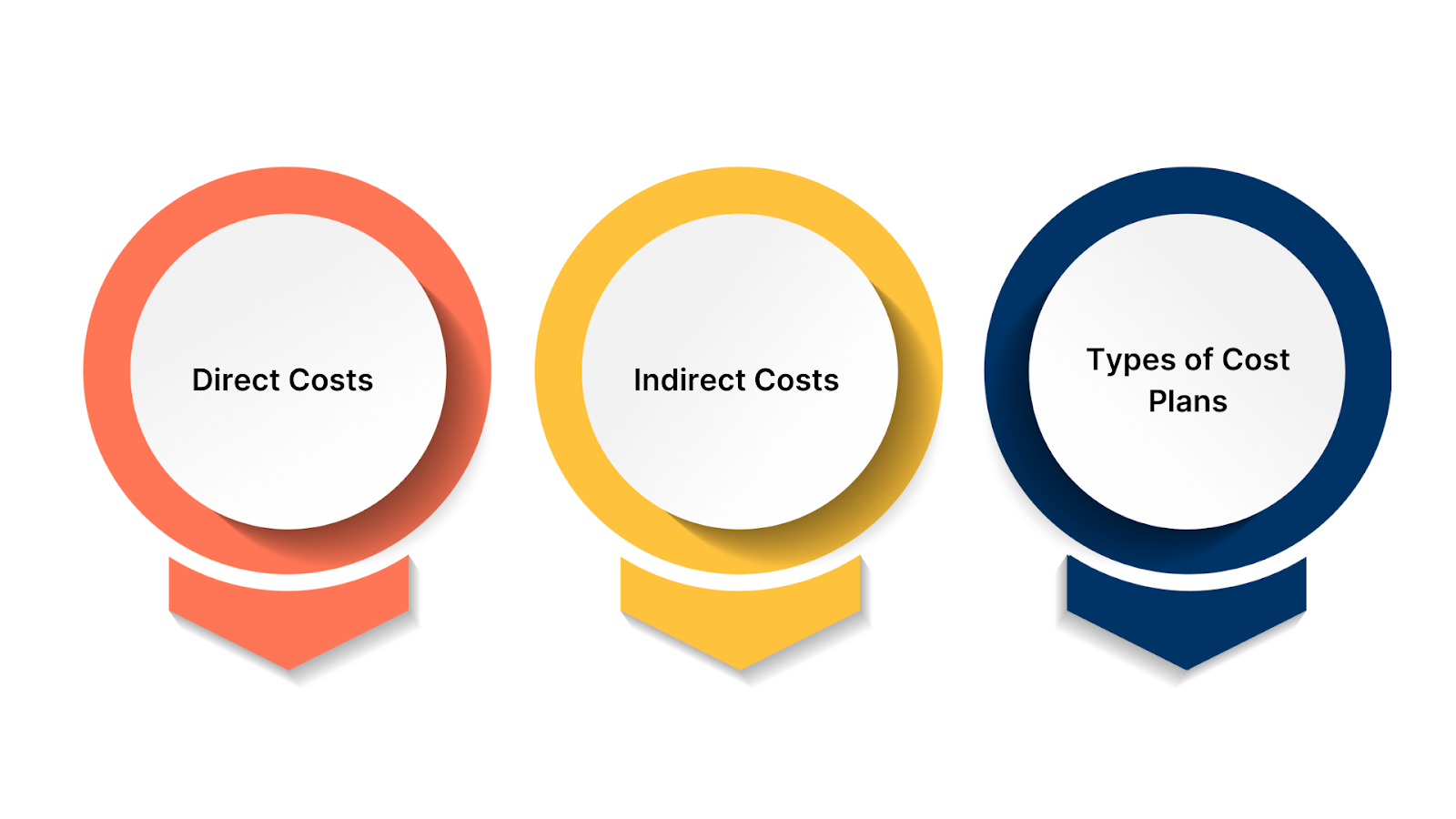
A comprehensive plan accounts for both direct and indirect costs, as well as different stages of cost forecasting:
Purpose and Applications of Cost Planning
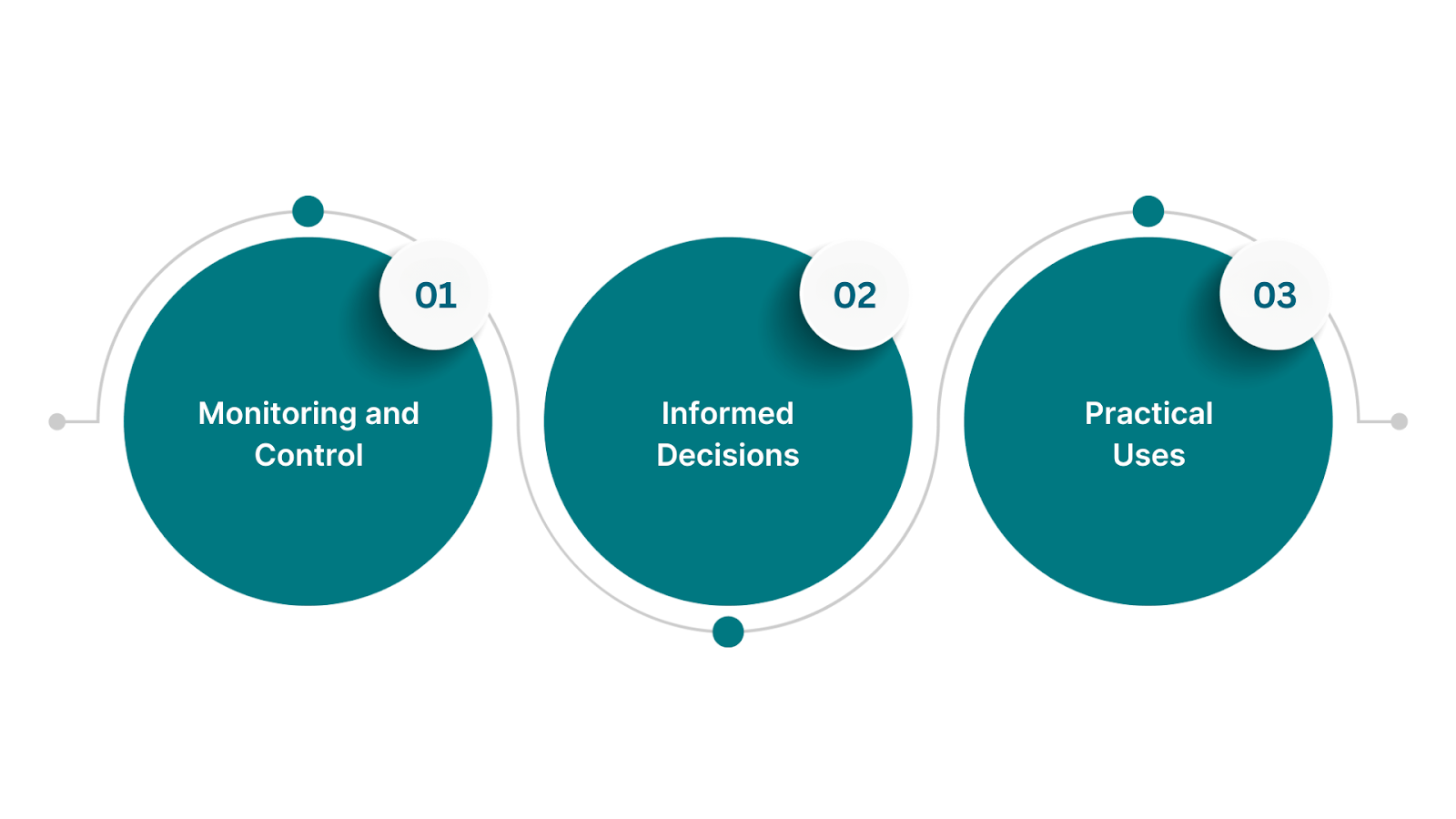
A structured cost plan is more than an estimate. It functions as a live tool for controlling budgets and guiding decisions:
With the basics clear, it is time to explore the direct benefits that cost planning brings to construction projects.
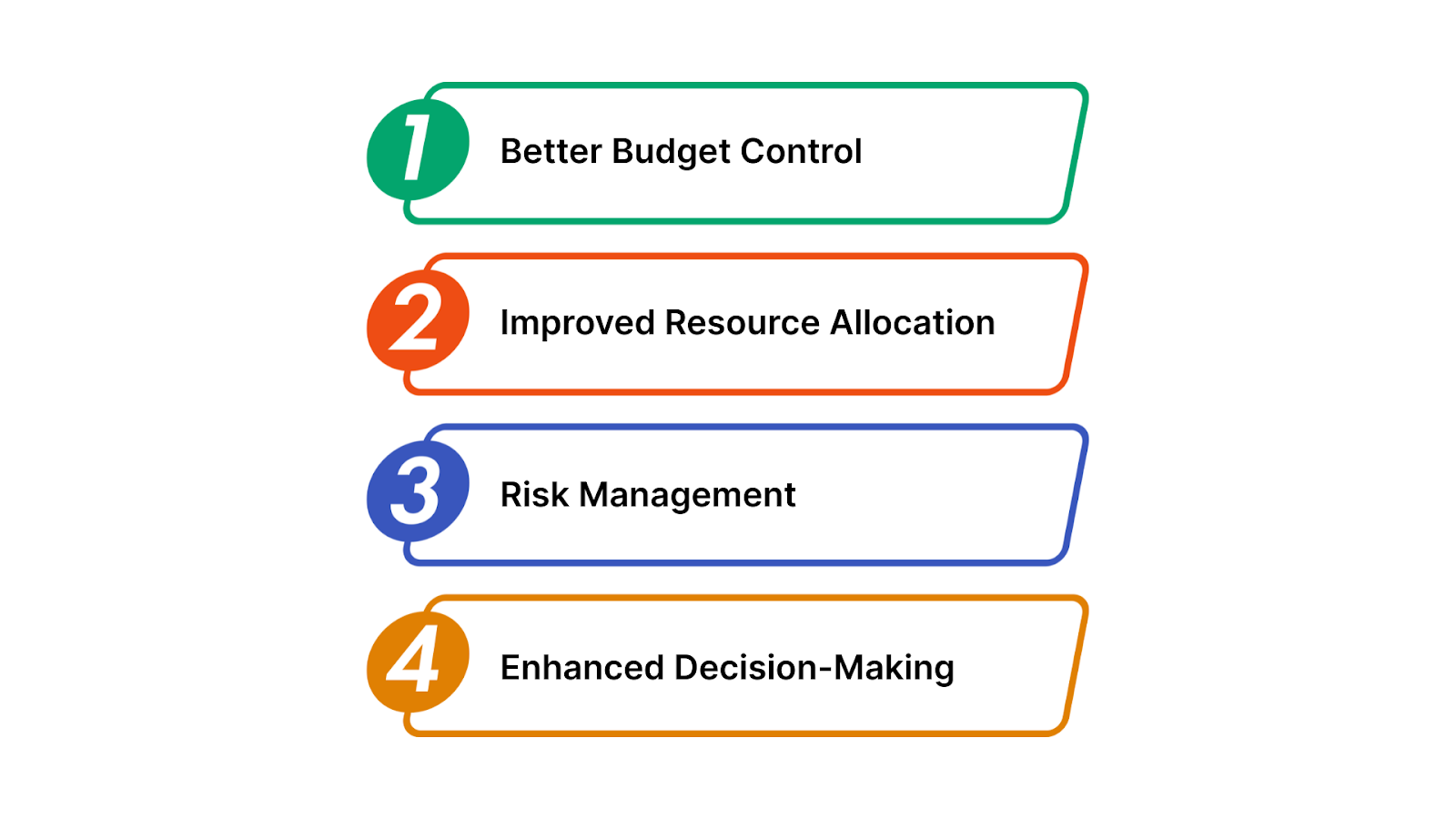
Cost planning provides you with financial control that goes beyond estimating numbers. It equips you to prevent waste, improve efficiency, and strengthen stakeholder trust. By building a clear financial structure early, you reduce uncertainty and support long-term project success.
Systematic cost planning gives you a roadmap to manage expenses from start to finish. With accurate forecasts, you prevent overruns that would otherwise erode profitability. You can monitor actual costs against planned budgets and make timely adjustments.
For example, in a contracting project, regular comparisons between projected and actual material costs help you avoid surprise overruns that can delay delivery.
Also Read: ERP in Project Management: Driving Efficiency and Success
When resources are allocated properly, efficiency increases, and unnecessary spending decreases. Cost planning provides a clear breakdown of where your money, labor, and equipment should be used.
Key resource categories typically covered include:
For example, in a housing project, resource allocation ensures you avoid hiring excess workers while also preventing costly delays caused by too few workers on-site.
With HAL ERP, you can track material, manpower, and money in real time, ensuring no phase of the project suffers from resource gaps or overspending.
Accurate cost forecasts help you identify risks before they escalate into major issues. You gain visibility into potential problem areas such as material price fluctuations or delays in payments. By setting realistic budgets, you also reduce disputes between contractors, clients, and subcontractors.
In practice, this means that a contractor who accounts for potential price increases in steel avoids conflict with clients when market prices rise mid-project.
Clear financial visibility improves decision-making for everyone involved in the project. With detailed cost data, owners, contractors, and CFOs can evaluate alternatives quickly and confidently.
For example, if two suppliers quote different prices for the same material, cost planning allows you to analyze not just the upfront cost but the impact on the overall project budget before making a final choice.
Also Read: Construction Management Planning: A Complete Guide
While the advantages are clear, the risks of not having a cost plan show why it cannot be ignored.
When construction projects proceed without structured cost planning, both financial and operational risks escalate. Instead of directing projects toward profitability, you end up reacting to overruns, disputes, and compliance issues.
Key Challenges Contractors Face
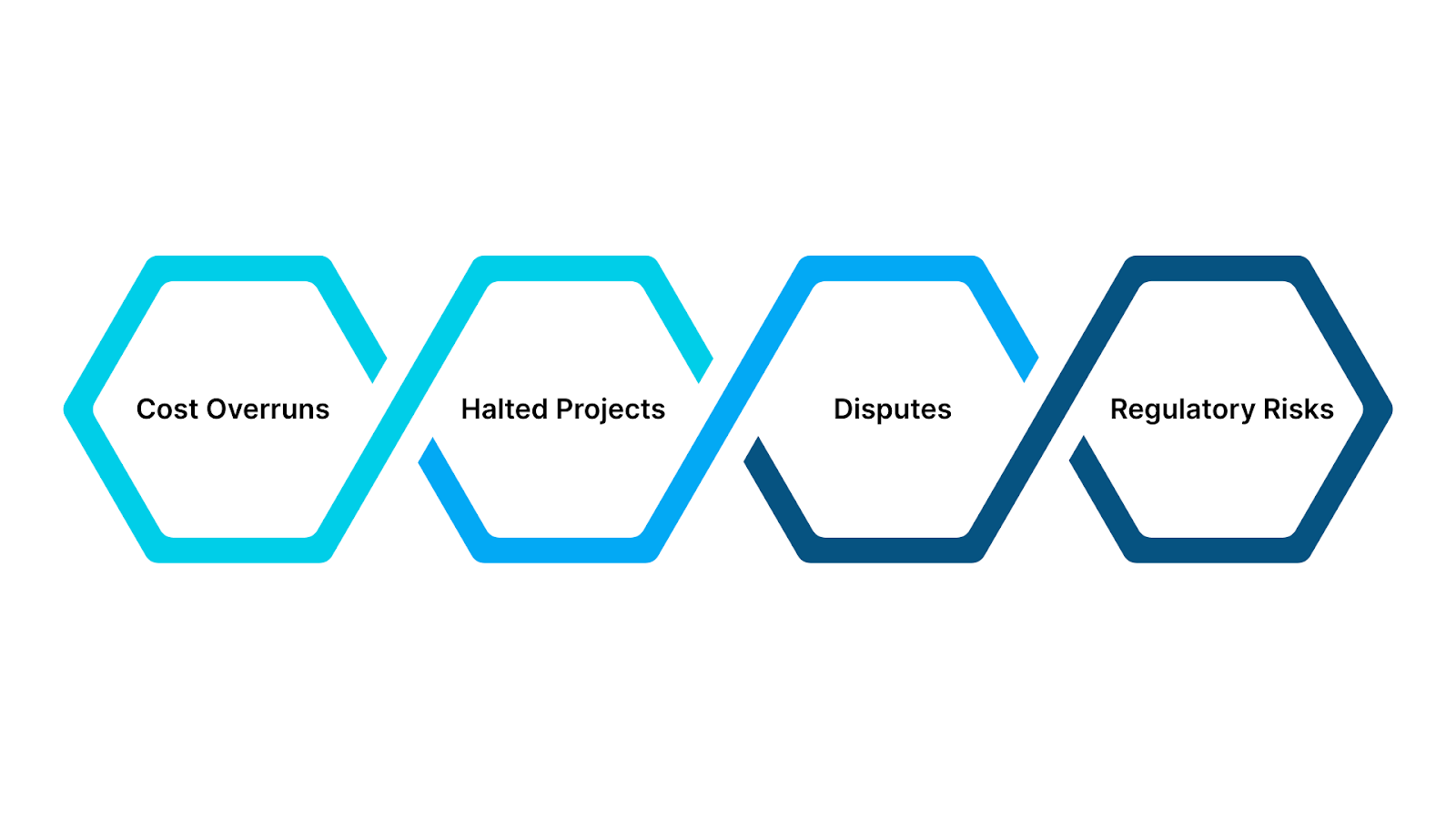
Practical Tips to Avoid These Risks
Case Example
A mid-sized Saudi contracting firm took on a large housing project without detailed cost planning. Rising material costs pushed the budget over initial estimates. Payment disputes delayed progress, and inaccurate VAT submissions triggered ZATCA penalties. The result was stalled work, financial losses, and long-term reputational damage.
Also Read: How to Create Effective Construction Progress Reports
These challenges highlight the need for practical solutions, and this is where HAL ERP becomes a powerful enabler.

For contracting and construction firms, managing budgets, manpower, and materials requires precision. HAL ERP provides a unified system that brings financial control, compliance, and resource tracking together, ensuring projects are delivered on time and within budget. By centralizing financial workflows, HAL ERP turns cost planning into an active control process rather than a one-time estimate.
Features that directly strengthen cost planning in construction include:
Implementation Timeline
While lighter tools such as Wafeq or Zoho are suited for micro and small businesses, HAL ERP is purpose-built for mid-sized contractors handling multiple projects and strict compliance obligations. HAL ERP delivers the scalability and control that generic accounting tools cannot match.

Cost planning is the foundation for delivering construction projects that meet deadlines, stay within budget, and maintain profitability. It gives you the clarity to allocate resources wisely, anticipate risks before they escalate, and reduce disputes that can stall progress. Firms that adopt structured cost planning see stronger ROI, smoother operations, and fewer financial surprises.
For Saudi contractors, the importance extends beyond profitability. Compliance with ZATCA and VAT reporting rules makes accurate financial planning essential to avoid penalties and safeguard business credibility. This is where HAL ERP stands out, providing AI-driven cost tracking, real-time budget monitoring, and automated VAT reporting tailored to the needs of mid-sized construction firms. With HAL ERP, cost planning becomes more than a process; it becomes a reliable driver of growth and resilience.
Book your free demo today and see how HAL ERP can simplify cost planning, streamline cash flow, and keep every project on track. Have specific requirements? Contact our team now to customize a solution for your business.
Q: How does cost planning impact small vs. large projects?
A: In small projects, cost planning helps control immediate expenses and prevent overspending on materials or labor. In large projects, it becomes critical for managing multiple phases, complex supply chains, and compliance requirements. Both benefit from fewer overruns and clearer financial visibility.
Q: Can ERP tools automate cost planning in construction?
A: Yes. ERP systems like HAL ERP automate cost tracking, budget monitoring, and reporting. They consolidate expenses across labor, materials, and subcontractors, while generating real-time insights. This reduces manual work, improves accuracy, and ensures compliance with Saudi VAT rules.
Q: What is the average timeline for ERP implementation in construction firms?
A: A basic setup with training typically takes 2–4 weeks. Full implementation with data migration and project-specific customization can take 8–12 weeks. Dedicated ERP teams ensure minimal disruption to ongoing projects during this period.
Q: What are the main risks of not having a cost plan in construction?
A: Without cost planning, projects face frequent budget overruns, stalled progress, and disputes among stakeholders. In Saudi Arabia, it also increases the risk of ZATCA non-compliance, which can lead to financial penalties and reputational damage.
Q: Why is HAL ERP better suited for mid-sized contractors compared to lighter tools?
A: Lighter tools like Wafeq or Zoho work well for micro or small firms but often lack scalability and compliance features. HAL ERP is built for mid-sized contractors, offering AI-driven cost tracking, Saudi VAT automation, and project-level financial control across multiple sites.

.jpg)