

سجلت المملكة العربية السعودية أعلى درجة في مؤشر التجزئة في منطقة الشرق الأوسط وشمال أفريقيا، مدفوعة بالنمو السريع والدعم المستمر من رؤية 2030. ومع ارتفاع الطلب بشكل متسارع، فإن أي مشكلة بسيطة في المخزون قد تؤثر على هوامش الربح لديك.
قد تواجه ضغوطًا بسبب نفاد المخزون، أو تراكم المخزون الزائد، أو طول فترات توريد الموردين. تؤدي هذه المشكلات إلى تباطؤ المبيعات وزيادة الضغط على فريق العمل. ويواجه العديد من تجار التجزئة في المملكة التحدي نفسه، نظرًا لأن طلبات العملاء تتغير باستمرار.
في هذه المقالة، سنستكشف مفهوم التخطيط الذكي للمخزون لدى تجار التجزئة في السعودية، وأهم الأساليب للحفاظ على التحكم بالمخزون، والتحديات التي تواجهها المتاجر، وكيف يدعم HAL ERP فرق البيع بالتجزئة التي تسعى إلى تحقيق نمو مستقر.
التحكم الواضح بالمخزون أمر ضروري:
يحتاج تجار التجزئة في المملكة العربية السعودية إلى بيانات دقيقة عن المخزون لتجنب الخسائر، وتقليل الأخطاء، ودعم العمليات اليومية المستقرة.
التقنيات الأساسية تساعد على تحسين الإدارة:
يساهم تحليل ABC، والتنبؤ بالطلب، ومخزون الأمان، وتنظيف وحدات حفظ المخزون (SKU)، ونظام التوريد في الوقت المناسب (JIT) في دعم تخطيط أكثر ذكاءً.
التحديات الشائعة في قطاع التجزئة:
يؤثر نفاد المخزون، والمخزون الراكد، وطول فترات التوريد، وفجوات ضريبة القيمة المضافة، وأخطاء هيئة الزكاة والضريبة والجمارك (ZATCA) على العمليات اليومية.
اتجاهات مستقبلية في قطاع التجزئة:
ستساهم التنبؤات المدعومة بالذكاء الاصطناعي، والطلبات الآلية، وتقنيات RFID، والرؤية الموحدة للمخزون في توجيه قرارات قطاع التجزئة.
ميزة HAL ERP:
يوفر HAL ERP لتجار التجزئة رؤية واضحة للمخزون، وإمكانية الوصول عبر الهاتف المحمول، وتقارير قوية، ودعمًا كاملًا لإدارة المتاجر المتعددة.
يواصل قطاع التجزئة في المملكة العربية السعودية نموه، إلا أن العديد من المتاجر لا تزال تواجه صعوبات في وضوح بيانات المخزون وإعادة التوريد في الوقت المناسب. عندما تكون سجلات المخزون غير دقيقة، فإنك تواجه ضغوطًا على التدفق النقدي، وفقدان فرص البيع، وعدم رضا العملاء. لذلك تحتاج إلى بيانات دقيقة وتحكم مستمر لمواكبة الطلب.
عند مراجعة عملياتك اليومية بشكل أعمق، قد تلاحظ وجود العديد من مشكلات المخزون التي تحتاج إلى اهتمامك. فيما يلي أبرز التحديات التي تواجهها متاجر التجزئة السعودية اليوم:
عدم وضوح مستويات المخزون:
لا تتمكن الفرق من التأكد من الكميات المتاحة، مما يؤدي إلى طلبات غير صحيحة وفقدان فرص البيع.
المخزون الراكد:
تبقى بعض المنتجات لفترات طويلة دون حركة، مما يؤدي إلى تجميد رأس المال وانخفاض قيمتها مع مرور الوقت.
نفاد المخزون بشكل متكرر:
تنفد المنتجات الأكثر طلبًا خلال المواسم المهمة، مما يسبب خيبة أمل للعملاء.
بطء عمليات جرد المخزون:
تستغرق عمليات الجرد اليدوية وقتًا طويلًا وغالبًا ما تحتوي على أخطاء.
طول فترات توريد الموردين:
تحتاج المنتجات المستوردة إلى أسابيع للوصول، مما يزيد من مخاطر التخطيط.
الفجوات بين الفروع:
قد تعرض كل منشأة أرقامًا مختلفة للمخزون، مما يجعل اتخاذ القرارات بطيئًا ومعقدًا.
مشكلات سجلات ضريبة القيمة المضافة:
تؤثر أرقام المخزون غير الصحيحة على تقارير ضريبة القيمة المضافة وتسبب مخاوف تتعلق بالامتثال.
أخطاء مستندات هيئة الزكاة والضريبة والجمارك (ZATCA):
تؤدي العمليات اليدوية إلى بيانات ناقصة أو غير صحيحة، مما يؤثر على الفوترة الإلكترونية والاستعداد لعمليات التدقيق.
ضعف دقة التنبؤ بالطلب:
لا يتم الاستفادة من البيانات السابقة بشكل كافٍ، مما يجعل تغيرات الطلب تفاجئ الفريق.
بعد فهم هذه التحديات، يمكنك البدء في تطبيق أساليب واضحة تساعدك على تنظيم قرارات إدارة المخزون بشكل أفضل.
تتعامل متاجر التجزئة مع الطلب المتسارع، ونقص التوريد بشكل دوري، وتغير أنماط العملاء على مدار العام. ومن خلال تطبيق تقنيات عملية، يمكنك تنظيم المخزون، والتخطيط للطلبات بثقة، وتقليل المشكلات الناتجة عن سلوك الشراء غير المتوقع.
توفر الأساليب المذكورة أدناه خطوات منظمة وأساسًا موثوقًا يدعم نمو قطاع التجزئة على المدى الطويل في المملكة العربية السعودية.
.webp)
ينظم تحليل ABC المنتجات بناءً على تأثيرها على أعمالك، مما يسمح للفرق بإعطاء الأولوية للعناصر الأكثر أهمية. ومن خلال هذه الطريقة، يتم تصنيف كل منتج ضمن مجموعة تعكس قيمة مبيعاته، أو معدل استخدامه، أو أهميته الاستراتيجية للعملاء.
جمع البيانات:
اجمع بيانات المبيعات التاريخية، وأسعار الشراء، ومعدلات الاستخدام لفهم المساهمة الفعلية لكل عنصر في العمليات اليومية.
تحديد درجات القيمة:
امنح كل عنصر درجة تعكس تأثيره، مما يساعد فريقك على تصنيف المنتجات بوضوح وثقة أكبر.
تصنيف العناصر:
قسّم العناصر إلى الفئات A أو B أو C، مع فصل المنتجات ذات القيمة الأعلى عن العناصر الأقل مساهمة في إجمالي الإيرادات.
تعديل مستويات المخزون:
حافظ على مستويات مخزون قوية للعناصر من الفئة A، مع تقليل كميات الفئتين B وC حسب الحاجة.
يحسن تحليل ABC قدرتك على إدارة المساحات، وتحديد أولويات العناصر الرئيسية، والحفاظ على تدفق نقدي أفضل طوال العام.
يساعد التنبؤ بالطلب تجار التجزئة على توقع سلوك الشراء المستقبلي من خلال تحليل الأنماط الموجودة في المبيعات السابقة والتغيرات الموسمية. ومن خلال التنبؤ الدقيق، يمكنك التخطيط للمشتريات بثقة أكبر وتقليل المشكلات الناتجة عن التغيرات المفاجئة في طلب العملاء.
تحليل السلاسل الزمنية (Time Series Analysis):
يستخدم بيانات المبيعات السابقة لتقدير الطلب المستقبلي، مما يسمح للفرق بالاستعداد للأنماط الموسمية المتكررة في المملكة العربية السعودية.
تحليل الانحدار (Regression Analysis):
يساعد الفرق على فهم كيفية تأثير العوامل المختلفة على الطلب، مما يدعم اتخاذ قرارات أفضل أثناء تغييرات الأسعار أو العروض الترويجية.
النماذج السببية (Causal Models):
تحدد العلاقات بين الطلب والعوامل الخارجية، مما يساعد تجار التجزئة على الاستعداد للتغيرات الناتجة عن الطقس، أو الأحداث، أو تأخيرات التوريد.
تتجنب الفرق طلب كميات أكبر أو أقل من الحاجة، مع تحسين قدرتها على الحفاظ على توفر المنتجات بشكل مستمر في جميع الفروع.
يحمي مخزون الأمان أعمالك من الارتفاعات المفاجئة في الطلب أو تأخيرات الموردين المحليين أو الدوليين. ويعمل هذا المخزون الاحتياطي على تقليل احتمالية نفاد المنتجات، ويساعد فريقك على الحفاظ على مستوى خدمة ثابت خلال فترات الضغط.
تحتاج إلى ثلاث قيم:
المعادلة:
مستوى الخدمة × متوسط الطلب خلال مدة التوريد (ADLT) × الانحراف المعياري للطلب
تقلل خطة مخزون الأمان الواضحة من المخاطر، وتدعم رضا العملاء، وتحافظ على جاهزية الرفوف خلال فترات ارتفاع الطلب غير المتوقعة.
يؤدي وجود عدد كبير جدًا من المنتجات إلى زيادة التعقيد، وإبطاء العمليات، وإهدار مساحة التخزين في الفروع. يساعد ترشيد وحدات حفظ المخزون (SKU) على تحديد المنتجات التي لم تعد تدعم أهدافك، مما يساعد الفرق على الحفاظ على قائمة منتجات منظمة وعملية للعمليات اليومية.
تساعد قائمة المنتجات الأكثر تنظيمًا الفرق على تنفيذ الطلبات بثقة، وتجنب مشكلات التخزين، والحفاظ على تحكم أفضل في جميع المواقع.
يقلل نظام التوريد في الوقت المناسب (JIT) من الحاجة إلى التخزين من خلال طلب المنتجات بالقرب من وقت الحاجة إليها. وتناسب هذه الطريقة الحالات التي تكون فيها أنماط الطلب مستقرة ومدد توريد الموردين متوقعة ضمن منطقتك.
يقلل تجار التجزئة من تكاليف التخزين، ويحافظون على حداثة المنتجات، ويحسنون التدفق النقدي خلال فترات الطلب المستقر.
تساعد الأتمتة فريقك على الحفاظ على الدقة من خلال تقليل المهام اليدوية وتحسين وضوح البيانات عبر جميع قنوات البيع. وعندما يتم تحديث المخزون تلقائيًا، يمكن للموظفين التركيز على العملاء بدلًا من معالجة أخطاء البيانات.
مع أنظمة مثل HAL ERP، تعمل العديد من هذه الخطوات تلقائيًا في الخلفية، مما يمنح فريقك معلومات أكثر وضوحًا مع تقليل كبير في العمل اليدوي.
تدعم الأتمتة إعداد تقارير شفافة، واتخاذ قرارات أسرع، وتقليل الهدر، وتخطيط مخزون أكثر أمانًا خلال الفترات الهادئة والمزدحمة.
بعد التعرف على هذه الأساليب، قد تحتاج إلى نظام يدعم تطبيقها من خلال بيانات أقوى وأداء مستقر.
تتعامل متاجر التجزئة في المملكة العربية السعودية مع تغيرات سريعة في الطلب، وهوامش ربح محدودة، ومتطلبات صارمة لضريبة القيمة المضافة. وعندما لا يتمكن نظام المخزون لديك من مواكبة هذه التحديات، فإنك تواجه تأخيرات، وأخطاء، وفقدانًا في المبيعات. يدعم نظام المخزون القوي أعمالك اليومية، ويوفر بيانات دقيقة، ويساعد فريقك على الاستعداد بشكل أفضل خلال فترات الذروة.
تبدأ العديد من المتاجر باستخدام أدوات بسيطة في البداية. وقد تكون هذه الأدوات مناسبة في المراحل الأولى، لكنها تصبح غير كافية مع نمو الأعمال. وتُعد أنظمة مثل Wafeq وZoho وXero وQuickBooks وQoyod مناسبة بشكل أكبر للشركات الصغيرة جدًا. لكنها تحد من مستوى التحكم لديك عند إضافة المزيد من الفروع، أو الموظفين، أو المنتجات. وفي هذه المرحلة، تحتاج إلى أدوات أقوى قادرة على دعم حركة المخزون الفعلية عبر مواقع متعددة.
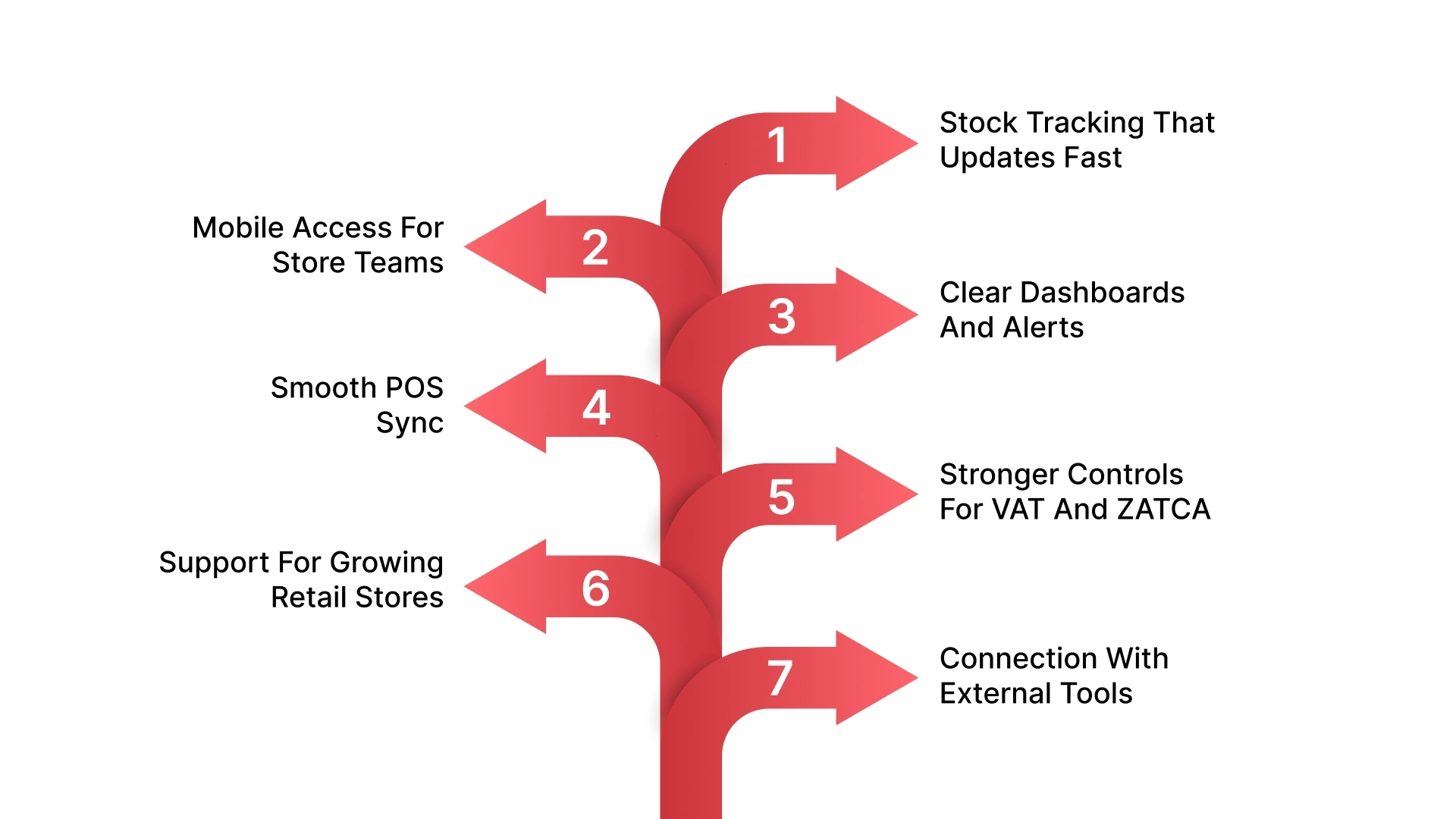
فيما يلي أهم الميزات التي يجب أن يبحث عنها تجار التجزئة متوسطي الحجم في السعودية عند اختيار نظام المخزون:
تتبع المخزون بتحديثات سريعة:
يجب أن يتمكن فريقك من رؤية الأرقام الدقيقة للمخزون في جميع الفروع. يساعد ذلك على تجنب الطلبات المكررة وفقدان المنتجات.
الوصول عبر الهاتف المحمول لفرق المتاجر:
يجب أن يتمكن الموظفون من تحديث الكميات، والتحقق من المنتجات، وتأكيد المخزون دون الحاجة إلى العودة إلى المكتب.
لوحات معلومات وتنبيهات واضحة:
تحتاج إلى رؤية تعرض مستويات المخزون، واتجاهات المبيعات، والمنتجات التي تحتاج إلى اهتمام بشكل سريع وواضح.
تكامل سلس مع نظام نقاط البيع (POS):
يجب أن يتم تحديث المخزون مباشرة عند إجراء عمليات البيع. يساعد ذلك على الحفاظ على دقة بيانات المخزون في جميع الأوقات.
تحكم أقوى في ضريبة القيمة المضافة ومتطلبات ZATCA:
يجب أن يدعم النظام إدخال بيانات ضريبة القيمة المضافة بشكل صحيح، وتقييمات دقيقة للمخزون، ومتطلبات هيئة الزكاة والضريبة والجمارك الخاصة بالفوترة الإلكترونية.
دعم نمو متاجر التجزئة:
مع توسع أعمالك، يجب أن يتوسع النظام معك. ويُعد HAL ERP مناسبًا لهذه المرحلة، حيث يدعم عمليات الفروع المتعددة ويوفر لفريقك بيانات دقيقة عن المخزون بشكل مستمر.
الاتصال بالأدوات الخارجية:
يجب أن يتمكن النظام من التكامل مع منصات التجارة الإلكترونية، والدفع، والخدمات اللوجستية لضمان تدفق الطلبات بأخطاء أقل.
مع وجود النظام المناسب، يمكنك الاستعداد للاتجاهات القادمة التي تؤثر على قرارات إدارة المخزون في جميع أنحاء المملكة العربية السعودية.
يشهد قطاع التجزئة في المملكة العربية السعودية تغيرات سريعة، كما ترتفع توقعات العملاء باستمرار. حيث يرغب المتسوقون في توفر المنتجات عند دخولهم إلى المتجر أو عند طلبها عبر الإنترنت. وللحفاظ على القدرة على المنافسة، يحتاج تجار التجزئة إلى بيانات أكثر وضوحًا، ورؤى أسرع حول المخزون، وأنظمة تدعم النمو المستقر دون زيادة الضغط على الموظفين.
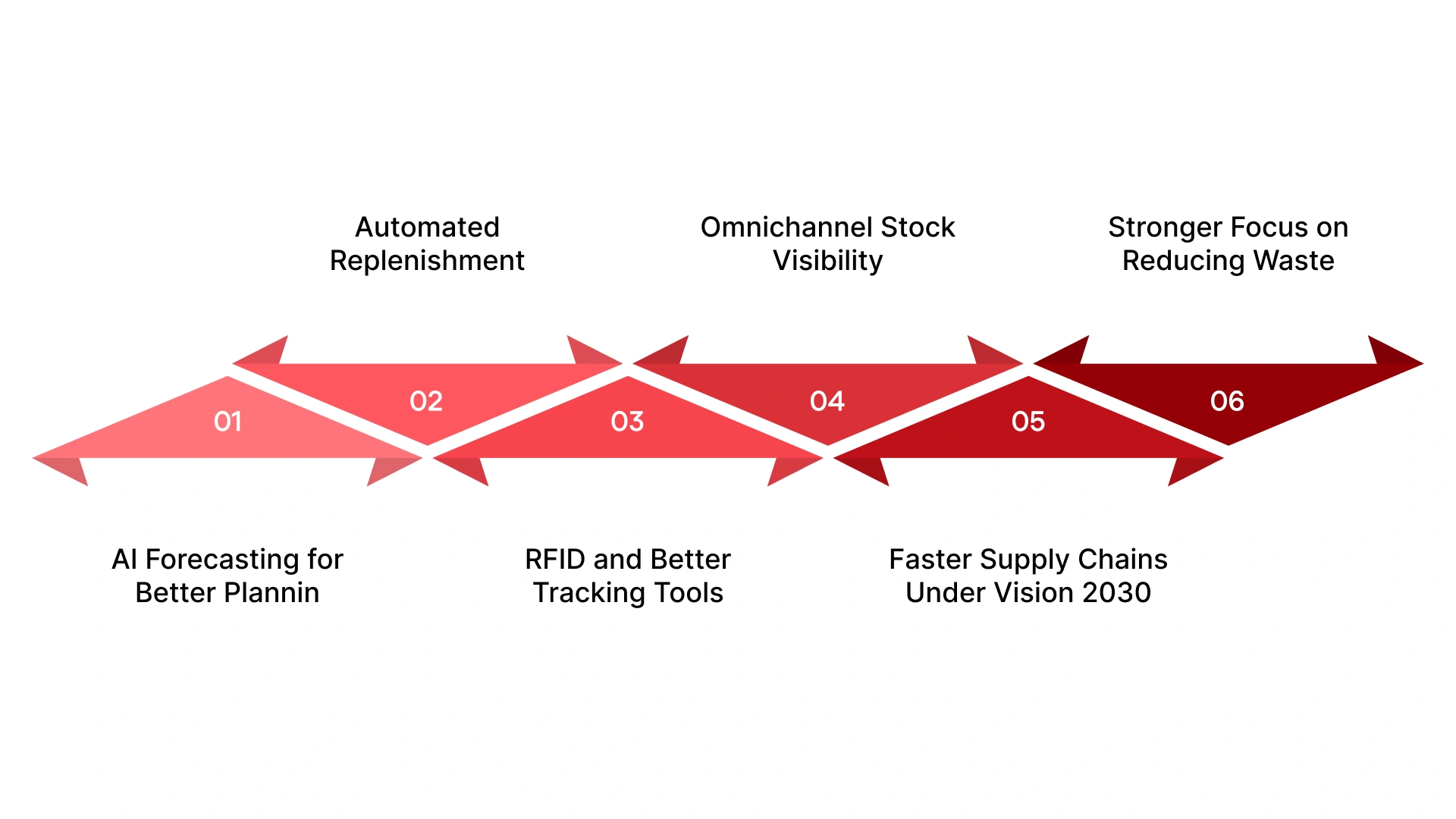
هناك العديد من الاتجاهات التي تشكل طريقة استعداد المتاجر للطلب. تساعد هذه الاتجاهات على تخطيط المخزون بوضوح أكبر، والاستجابة بشكل أسرع للتغيرات، ودعم العملاء خلال مواسم الذروة. إليك ما يمكن توقعه خلال السنوات القادمة:
التنبؤ بالطلب باستخدام الذكاء الاصطناعي لتحسين التخطيط:
تقوم أدوات الذكاء الاصطناعي بتحليل أنماط المبيعات، والتغيرات الموسمية، ونشاط المتاجر. وتساعد على توقع الطلب وتنبيهك قبل ظهور مشكلات المخزون. ويدعم HAL ERP هذه الاحتياجات من خلال التنبيهات الذكية وتتبع الأنماط.
إعادة التوريد الآلية:
سيعتمد المزيد من تجار التجزئة على الأنظمة التي تقترح نقاط إعادة الطلب وإنشاء خطط التوريد. يساعد ذلك على التخلص من التخمين والحفاظ على توفر المنتجات الأساسية في الوقت المناسب.
تقنيات RFID وأدوات التتبع المتقدمة:
تساعد علامات RFID على تتبع المنتجات بشكل أسرع، وتقليل أخطاء المخزون، وتوفير رؤية واضحة للمنتجات الموجودة على الرفوف أو في المخازن.
الرؤية الموحدة للمخزون عبر جميع القنوات:
مع زيادة عدد المتسوقين الذين يشترون عبر الإنترنت، يحتاج تجار التجزئة إلى رؤية موحدة للمخزون. يساعد ذلك على خدمة العملاء داخل المتاجر وعبر الإنترنت من نفس المخزون دون تأخير.
سلاسل توريد أسرع ضمن رؤية 2030:
تعمل خطط النمو في المملكة العربية السعودية على تطوير الخدمات اللوجستية، والنقل، والتخزين. وسيساهم ذلك في تقليل فترات التوريد وتحسين التحكم بالمخزون لدى تجار التجزئة المحليين.
التركيز بشكل أكبر على تقليل الهدر:
سيعتمد تجار التجزئة على بيانات المخزون الأكثر وضوحًا لتقليل المنتجات بطيئة الحركة وتقليل الخسائر. تساعد أدوات التقارير الفعّالة الفرق على اكتشاف المنتجات التي تواجه مشكلات قبل تحولها إلى مخزون راكد.
توضح هذه الاتجاهات الحاجة إلى أدوات تدعم أهدافك في قطاع التجزئة، وهنا يصبح HAL ERP خيارًا مفيدًا لتحقيق ذلك.
تحتاج فرق البيع بالتجزئة إلى نظام يزيل التخمين، ويقلل الخطوات اليدوية، ويوفر رؤية واضحة للمخزون عبر جميع المتاجر. يدعم HAL ERP ذلك من خلال جمع المبيعات، وحركة المخزون، والأسعار، ونقاط تواصل العملاء في مكان واحد. ومع التحكم المستمر والبيانات الدقيقة، يستطيع فريقك اتخاذ قرارات أسرع وتجنب مشكلات المخزون اليومية التي تعيق النمو.
فيما يلي أهم الميزات التي يعتمد عليها تجار التجزئة يوميًا:
إدارة المخزون عبر جميع الفروع:
تتبع حركة المخزون بين الفروع وتجنب النقص أو تراكم الكميات الزائدة. يساعدك ذلك على التخطيط لإعادة التوريد بوضوح أكبر.
رؤى ذكية حول المبيعات:
اطّلع على أنماط المبيعات حسب العلامة التجارية، أو المتجر، أو المنتج. يمكنك التخطيط لقرارات الشراء والتركيز على المنتجات الأكثر أهمية.
رؤية واضحة للمخزون:
تعرف على المنتجات المتوفرة، والتي أوشكت على النفاد، والتي تحتاج إلى اهتمام. يوفر HAL ERP لفريقك وصولًا مستمرًا إلى أرقام دقيقة.
الفوترة والإيصالات الآلية:
أرسل الإيصالات عبر واتساب أو البريد الإلكتروني بعد كل عملية بيع. يدعم ذلك سرعة الدفع ويحافظ على اطلاع العملاء.
التحكم في قوائم الأسعار والعروض الترويجية:
أنشئ وأدر قوائم الأسعار لكل متجر. يمكنك تنفيذ العروض الموسمية أو العروض الخاصة بكل فرع دون حدوث ارتباك.
مرونة الدفع:
وفر خيارات الشراء الآن والدفع لاحقًا (Buy Now, Pay Later) لتحسين معدلات التحويل وتعزيز راحة العملاء.
التكامل مع أدوات التجزئة الشائعة:
اربط النظام مع منصات مثل Tabby وTamara وGeidea وShopify وWooCommerce وSalla، بالإضافة إلى أجهزة الدفع البنكية مثل ANB وAl Rajhi وNeoLeap.
ميزات الولاء لدعم تكرار الشراء:
كافئ العملاء بالنقاط أو العروض. يساعد ذلك على بناء علاقات أقوى وزيادة عدد الزيارات المتكررة.
تطبيق الهاتف للموظفين:
يمكن للموظفين تسجيل الحضور باستخدام البصمة، ومراجعة المهام، وإدارة عمليات فحص المخزون أثناء التنقل.
دعم المبيعات متعددة القنوات:
أدر المبيعات عبر الإنترنت، واستلام الطلبات من المتجر، ودورة الطلبات الكاملة من خلال نظام واحد.
إدارة القسائم والكوبونات:
نفّذ العروض المشتركة بين المتاجر، والقسائم الموسمية، وأكواد الخصم بسهولة.
غالبًا ما يتساءل تجار التجزئة عن أداء أنظمة مثل HAL ERP في الواقع العملي. إليك مثالًا سريعًا من إحدى أكثر مجموعات التجزئة شهرة في المملكة، مجموعة الحميضي.
يساعد التحكم المستقر في المخزون على إبقاء أعمال التجزئة الخاصة بك مستعدة لمواكبة الطلب، وتجنب الأخطاء المكلفة، والحفاظ على رضا العملاء. ومن خلال البيانات الواضحة والأدوات البسيطة، يمكن لفريقك التركيز على المبيعات بدلًا من إهدار الوقت والجهد في معالجة المشكلات اليومية. يواجه تجار التجزئة في السعودية تغيرات سريعة خلال مواسم الذروة، ويسهّل النظام المناسب إدارة هذه الفترات بشكل أكبر.
يوفر لك HAL ERP الوضوح والسرعة والدعم الذي تحتاجه لإدارة متاجرك بثقة. بدءًا من تتبع المخزون ووصولًا إلى العروض الترويجية، والمدفوعات، والتقارير، تصبح جميع مراحل عمليات البيع بالتجزئة أسهل في الإدارة.
احجز العرض التجريبي المجاني من HAL ERP اليوم واكتشف كيف يمكن لمتاجرك أن تعمل بدقة أكبر وبضغط أقل.
تستفيد معظم متاجر التجزئة من تحديث السجلات مرة واحدة يوميًا على الأقل، خاصة خلال فترات المبيعات النشطة. تساعد التحديثات المتكررة على تقليل الأخطاء والحفاظ على رؤية أوضح لحركة المخزون بين الفروع المختلفة.
يجب متابعة المنتجات ذات الطلب غير المتوقع من خلال دورات مراجعة أقصر ومراقبة أكثر دقة. تساعد الفحوصات المنتظمة على تعديل كميات الطلب لتجنب الاحتفاظ بمخزون زائد أو نقص المخزون خلال الأسابيع الهادئة أو المزدحمة.
يمكن لتجار التجزئة تقليل خسائر انتهاء الصلاحية من خلال وضع علامات واضحة على المنتجات الحساسة للتواريخ وترتيبها في مناطق مخصصة للأولوية في الاختيار. يساعد ذلك الموظفين على بيع المنتجات بالترتيب الصحيح والحفاظ على حركة المخزون القديم قبل أن يصبح غير قابل للبيع.
تساعد عمليات الفحص في منتصف الشهر الفرق على اكتشاف الأخطاء الصغيرة قبل تحولها إلى اختلافات أكبر. كما تمنح هذه الفحوصات المديرين رؤية أوضح حول المنتجات التي تحتاج إلى اهتمام أو تعديلات فورية قبل دورة الجرد الكاملة التالية.
يمكن لتجار التجزئة مشاركة أنماط الطلب الأساسية أو توقعات الطلب مع الموردين لتجنب حالات النقص المفاجئة. يساعد التواصل القوي الموردين على التخطيط لعمليات التوريد بما يتناسب مع وتيرة المتجر، مما يقلل احتمالية تأخر الشحنات.