

هل تتباطأ مبيعات متجرك، حتى مع كثافة حركة الزوار؟
في المملكة العربية السعودية، حيث من المتوقع أن ينمو قطاع التجزئة من 282.2 مليار دولار أمريكي في عام 2024 إلى 402.7 مليار دولار أمريكي بحلول عام 2033، أصبحت أساليب التسويق الذكية ضرورة أساسية.
توفر العروض الترويجية في إدارة البيع بالتجزئة إطارًا منظمًا لجذب العملاء، وزيادة حجم الإنفاق، والحفاظ على القدرة التنافسية. ومن خلال تقديم عروض مخصصة، وصفقات متعددة القنوات، وحزم قائمة على القيمة، يمكن لتجار التجزئة التفاعل مع المتسوقين بشكل فعّال وتحفيز عمليات الشراء.
ومع ذلك، لا تزال العديد من المتاجر تعتمد على خصومات عشوائية أو أساليب قديمة لا تلقى صدى لدى العملاء.
في هذا الدليل، ستتعرف على أهمية العروض الترويجية الفعّالة في إدارة البيع بالتجزئة، وأفضل 10 استراتيجيات ذكية لاستخدامها، والتحديات المرتبطة بها، وكيفية تطبيقها لتحقيق نتائج أفضل.
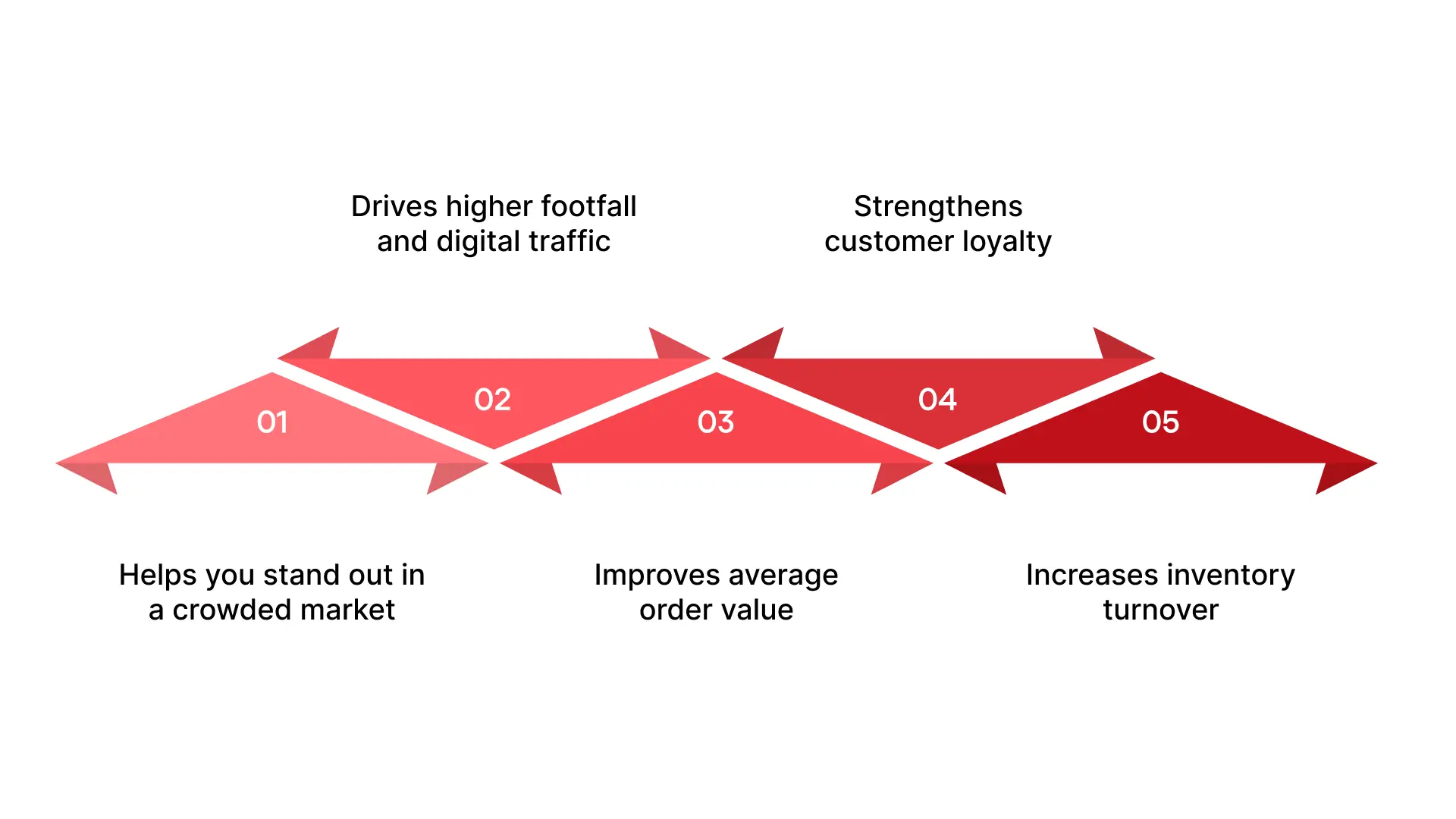
لم يعد المتسوقون العصريون يستجيبون للخصومات العامة. إنهم يبحثون عن عروض ذات صلة حقيقية، وقيمة فعلية، وتجربة شراء سلسة عبر جميع القنوات. ولهذا تلعب العروض الترويجية الذكية دورًا مهمًا في تشكيل كيفية اختيار العملاء، وتفاعلهم، وولائهم لعلامتك التجارية.
دعونا نفهم لماذا تُعد العروض الترويجية الذكية مهمة وكيف تؤثر في نجاحك العام في قطاع التجزئة:
1. تساعدك على التميز في سوق مزدحم: المنافسة في قطاع التجزئة شديدة، والعملاء أمامهم خيارات لا حصر لها. تساعدك العروض الترويجية الذكية على تمييز متجرك من خلال تقديم قيمة حقيقية بدلًا من الخصومات العشوائية التي لا تختلف عن باقي العلامات التجارية.
2. تزيد من حركة الزوار والزيارات الرقمية: تجذب العروض الموجهة، وخاصة متعددة القنوات، المتسوقين في الوقت المناسب. سواء كانت حزمة نهاية أسبوع أو عرضًا حصريًا عبر التطبيق، تساعد العروض الذكية على جذب العملاء إلى متاجرك الفعلية والرقمية.
3. تحسّن متوسط قيمة الطلب (AOV): تشجع العروض مثل «اشترِ أكثر ووفر أكثر» أو الحزم المختارة بعناية العملاء على إنفاق مبلغ إضافي بسيط للحصول على قيمة أفضل، مما يؤدي إلى نمو متوقع في الإيرادات دون خصومات مبالغ فيها.
4. تعزز ولاء العملاء: عندما يتلقى المتسوقون عروضًا مخصصة وفقًا لتفضيلاتهم أو سجل مشترياتهم، يشعرون بأنهم مفهومون. تساعد العروض المخصصة على تحويل المشترين لمرة واحدة إلى عملاء دائمين.
5. تزيد من معدل دوران المخزون: تساعد العروض الترويجية الذكية على تصريف البضائع بطيئة الحركة دون الإضرار بهوامش الربح. وبدلًا من تصفيات اللحظة الأخيرة، تخلق الدورات الترويجية المخططة دورانًا منتظمًا للمنتجات.
6. تساعد العروض الترويجية الذكية في إدارة البيع بالتجزئة تجار التجزئة على تحسين الظهور، وزيادة معدلات التحويل، وتعزيز الولاء، ورفع الربحية في آن واحد.
هل ما زلت تدير عروضًا ترويجية لا تحقق حركة زوار أو إيرادات أو تفاعلًا مستمرًا مع العملاء؟ تجار التجزئة الذين يستخدمون نظام HAL ERP يشهدون بالفعل رؤى أدق، وتنفيذًا أكثر سلاسة، ونموًا ملموسًا من خلال العروض الترويجية الذكية في إدارة البيع بالتجزئة، دون تعقيدات تشغيلية.
%20(1).png)
إن معرفة أهمية العروض الترويجية في إدارة البيع بالتجزئة هي خطوة أولى فقط، أما استخدام استراتيجيات الترويج المناسبة داخل متجرك فهو ما يحقق النتائج الفعلية. دعونا نناقش الأساليب التي تنجح.
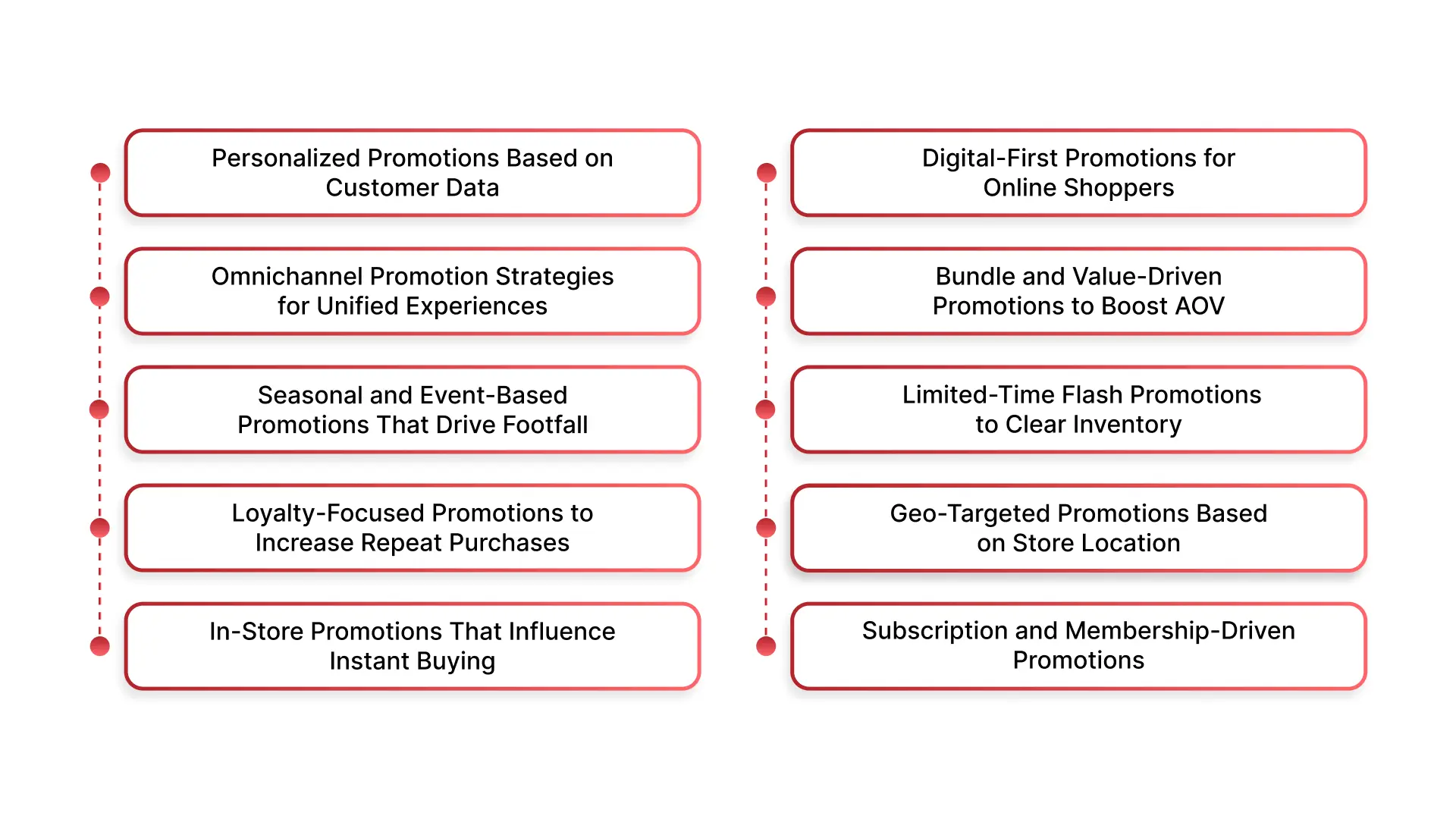
لم تعد العروض الترويجية الذكية في إدارة البيع بالتجزئة تقتصر على تقديم خصومات عشوائية. يحتاج تجار التجزئة اليوم إلى عروض موجهة، قائمة على البيانات، ومتوافقة مع طريقة تصفح المتسوقين في السعودية وشرائهم وتكرارهم للشراء عبر القنوات الرقمية والمتاجر الفعلية. وعند استخدامها بالشكل الصحيح، تساعد هذه الاستراتيجيات تجار التجزئة على زيادة معدلات التحويل، وتحسين هوامش الربح، وبناء ولاء طويل الأمد للعملاء.
فيما يلي 10 أساليب عملية ومثبتة يستخدمها تجار التجزئة المعاصرون في مختلف أنحاء المملكة لتعزيز العروض الترويجية في إدارة البيع بالتجزئة:
تساعد العروض المخصصة تجار التجزئة على الوصول إلى المتسوقين بالعرض المناسب في الوقت المناسب، اعتمادًا على الرؤى السلوكية وأنماط التصفح وسجل المشتريات.
مثال 1: متجر أزياء في جدة
إذا شاهد العميل العباءات ثلاث مرات خلال خمسة أيام، يقوم النظام بإرسال إشعار: «خصم 30 ريالًا على تصاميمك المفضلة». القاعدة بسيطة: 3 مشاهدات متكررة ← إرسال عرض مخصص حسب الفئة المتصفحة.
مثال 2: متجر إلكترونيات في الرياض
عند شراء جهاز لابتوب، يتم إرسال عرض بيع تكميلي بعد 24 ساعة: «احصل على خصم 15% على حقائب اللابتوب، خصيصًا لك». المحفّز: شراء لابتوب + درجة عالية لاهتمام بالإكسسوارات.
يجعل هذا الأسلوب العروض الترويجية في إدارة البيع بالتجزئة أكثر تنبؤًا بدلًا من كونها تفاعلية فقط.
يتنقل المتسوقون في السعودية بين المتاجر والتطبيقات ووسائل التواصل الاجتماعي، ويجب أن تتبعهم العروض بسلاسة.
مثال 1: سلسلة هايبرماركت في الدمام
يضيف عميل منتجات تنظيف إلى سلة التسوق الإلكترونية ثم يتركها. يتم إرسال رسالة تذكير عبر البريد الإلكتروني مع «خصم 5% على مستلزمات المنزل – أونلاين فقط»، مع تطبيق الخصم نفسه إذا زار المتجر خلال 48 ساعة.
مثال 2: متجر أثاث في الرياض
عند مسح رمز QR لمنتج داخل المتجر، يظهر عرض حصري للجوال مثل: «تركيب مجاني عند الشراء اليوم».
تضمن هذه الاستراتيجية أن تكون العروض الترويجية في إدارة البيع بالتجزئة موحدة عبر جميع نقاط التواصل.
تُعد المواسم مناسبات قوية لتحفيز المبيعات في السعودية مثل رمضان، والعودة إلى المدارس، وموسم الرياض، ومبيعات نهاية العام.
مثال 1: سلسلة بقالات في المدينة المنورة
خلال رمضان، يتم تطبيق قاعدة: «عند شراء التمر والمكسرات معًا → خصم تلقائي 10 ريالات على الباقة». مما يزيد حجم السلة للمنتجات الموسمية الشائعة.
مثال 2: متجر ألعاب في جدة
خلال موسم العودة إلى المدارس: «اشترِ أي حقيبة مدرسية واحصل على طقم أقلام بريال واحد». محفّز مثالي لزيادة حركة الزوار.
يساعد برنامج الولاء القوي مع العروض المستهدفة على زيادة الزيارات المتكررة وقيمة العميل مدى الحياة.
مثال 1: سلسلة صيدليات في الرياض
عند ترقية مستوى العميل في برنامج الولاء، يتم تقديم عرض: «نقاط مضاعفة خلال عطلة نهاية الأسبوع – خصيصًا لك».
مثال 2: متجر مستحضرات تجميل في الدمام
إرسال عرض «صندوق إشراقة عيد الميلاد بخصم 20%» لأعضاء الولاء الذين لديهم ثلاث مشتريات سابقة على الأقل من منتجات العناية بالبشرة.
يجعل ذلك العروض الترويجية في إدارة البيع بالتجزئة أكثر شخصية وقيمة.
تساعد المحفزات داخل المتجر المتسوقين على اتخاذ قرار الشراء بسرعة.
مثال 1: متجر ديكور منزلي في الخبر
تركيب ملصقات أسعار رقمية تعرض «اشترِ 2 ووفر 12 ريالًا – اليوم فقط»، وتتغير حسب الوقت ومستوى المخزون.
مثال 2: متجر بقالة صغير في مكة
وضع ملصق عند الكاشير: «اشترِ أي مشروب + وجبة ساخنة بخصم ريالين» لتحفيز الشراء الاندفاعي.
يستجيب المتسوقون عبر الإنترنت بشكل أفضل للعروض الديناميكية والمحددة بزمن.
مثال 1: سوق أزياء إلكتروني في الرياض
عند وصول قيمة السلة إلى أكثر من 250 ريالًا، تظهر نافذة: «أضف 30 ريالًا فقط لتحصل على توصيل مجاني في اليوم التالي».
مثال 2: تطبيق بقالة إلكتروني في جدة
تقديم «خصومات الساعة السعيدة» بين 4 و6 مساءً، مع إشعارات فورية بانخفاض الأسعار.
تزيد الحزم من عدد المنتجات ومتوسط قيمة الطلب من خلال جمع منتجات متكاملة.
مثال 1: متجر رياضي في الرياض
إنشاء حزمة ما قبل الموسم: «حذاء كرة قدم + جوارب + واقيات الساق → وفر 35 ريالًا».
مثال 2: متجر مستلزمات حيوانات أليفة في الدمام
تقديم «حزم الطعام الأسبوعية» التي تمنح توفيرًا إضافيًا للعملاء المتكررين.
يساعد ذلك على تحسين العروض الترويجية في إدارة البيع بالتجزئة دون خصومات كبيرة.
تساعد الخصومات القصيرة على تصريف البضائع بطيئة الحركة بسرعة.
مثال 1: متجر أحذية في جدة
تنظيم عرض خاطف لمدة 3 ساعات على أحذية الموسم الماضي مع «خصم 50 ريالًا حتى الساعة 5 مساءً فقط».
مثال 2: متجر أدوات مطبخ في الرياض
الترويج لـ «تصفية نهاية الأسبوع: اشترِ واحدًا واحصل على خصم 40% على القطعة الثانية».
يجب أن تستجيب العروض لواقع كل متجر، والأحداث المحلية، وتفاوت المخزون، وتفضيلات الأحياء.
مثال 1: متجر إكسسوارات جوال في الجبيل
في حال وجود فائض من الشواحن، يتم إرسال إشعارات للتطبيق ضمن نطاق 4 كم: «اشترِ شاحنًا سريعًا بـ19 ريالًا اليوم فقط».
مثال 2: سوبرماركت في تبوك
خلال فعالية محلية قرب المجمع التجاري، تقديم «باقة وجبات خفيفة لزوار المول» بسعر خاص لزيادة الإقبال.
تشجع الاشتراكات على إيرادات متكررة ويمكن التنبؤ بها.
مثال 1: متجر بقالة عضوية في الرياض
إنشاء خطة اشتراك: «صندوق فواكه أسبوعي مع خصم 10% للأعضاء».
مثال 2: مكتبة في جدة
تقديم «اشتراك صندوق القراءة الشهري» مع عروض حصرية للأعضاء على الإصدارات الجديدة.
عند استخدام هذه الاستراتيجيات معًا، يمكن لتجار التجزئة تحديث أسلوب العروض الترويجية في إدارة البيع بالتجزئة، والانتقال من الخصومات العشوائية إلى عروض قائمة على البيانات ومتمحورة حول العميل، ومتوافقة مع سلوك المتسوق السعودي.
هل ترغب في فهم كيفية تكامل العروض الترويجية والمخزون وتدفق التوريد معًا؟ اطّلع على هذا المقال المفيد بعنوان «فهم عملية سلسلة التوريد: الخطوات والمراحل الأساسية».
ومع الأدوات والتنفيذ الصحيحين، يمكن لتجار التجزئة تحسين معدلات التحويل، وزيادة تكرار الشراء، وخلق تجارب عملاء سلسة. ولكن كيف يختار تجار التجزئة استراتيجيات الترويج المناسبة لمتاجرهم؟
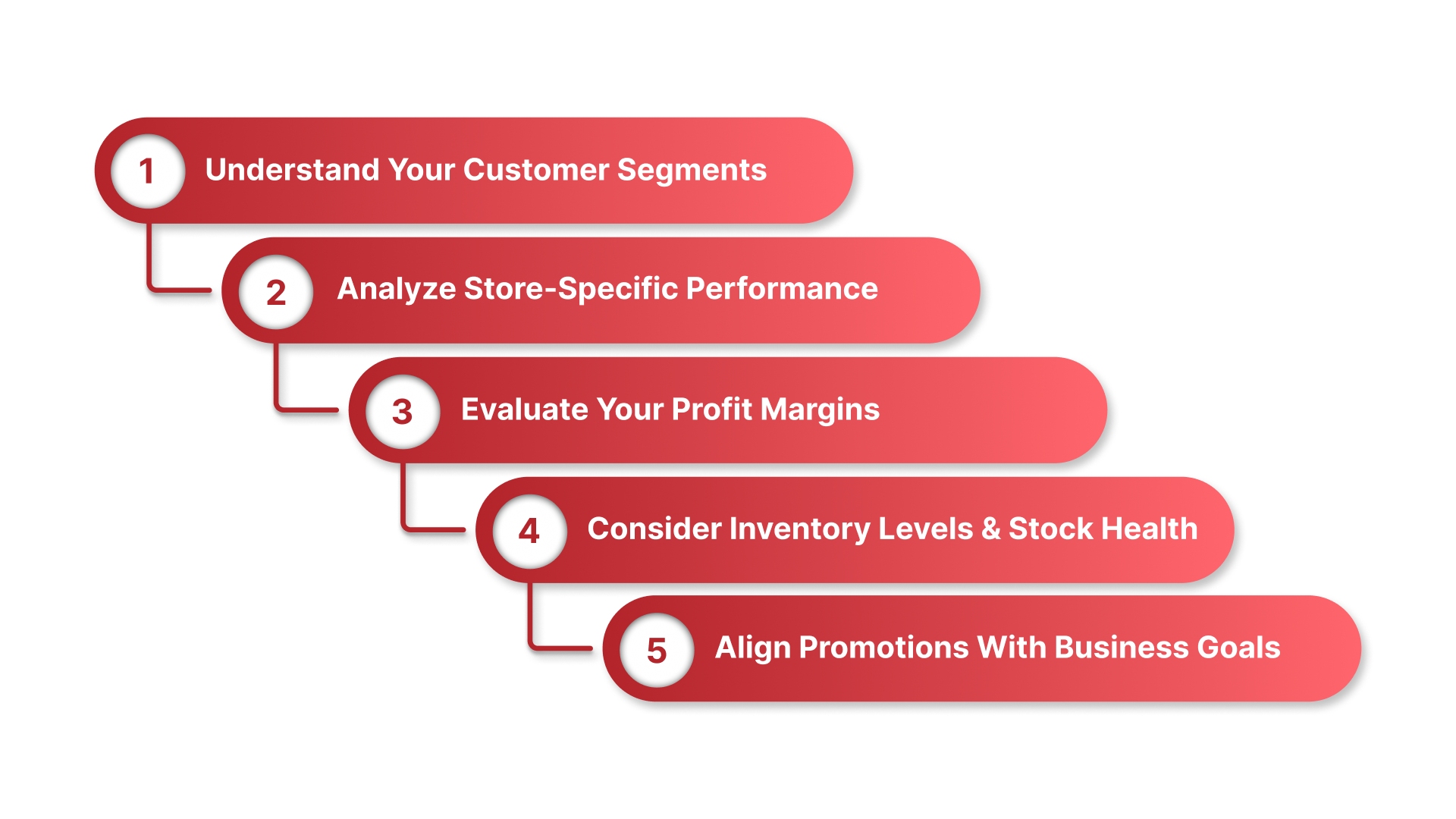
قد يبدو اختيار العروض الترويجية المناسبة في إدارة البيع بالتجزئة أمراً محيراً أحيانًا، خاصةً مع اختلاف سلوك كل شريحة عملاء ووجود أنماط مبيعات مختلفة لكل متجر. الخبر الجيد هو أن وجود عملية منظمة يساعدك على مطابقة الاستراتيجية الترويجية الصحيحة مع الوقت المناسب دون إهدار الهوامش أو إرباك المتسوقين.
فيما يلي بعض العوامل التي تساعدك على اتخاذ قرارات أذكى وأكثر ربحية:
فهم شرائح العملاء لديك:
يستجيب العملاء المختلفون لأنواع مختلفة من العروض. قبل إطلاق أي ترويج، حدد من تستهدف: المتسوقون الباحثون عن القيمة، المشترون المميزون، العائلات، الطلاب، أو المشترون المتكررون.
على سبيل المثال، تعمل العروض القائمة على الخصم جيدًا مع العملاء الحساسين للسعر، بينما تجذب الحزم المميزة أو نقاط الولاء المشترين المتكررين أكثر. كلما كان فهمك للعملاء أوضح، أصبح من الأسهل صياغة عروض تُحقق التحويل الفعلي.
تحليل أداء كل متجر على حدة:
يتصرف كل موقع بيع بالتجزئة بشكل مختلف. تحقق من المنتجات التي تباع بسرعة، والتي تبقى على الرفوف، وأي الفئات تحقق أفضل المبيعات الموسمية.
إذا كان فرع الرياض يبيع الإلكترونيات أسرع من فرع جدة، ستحتاج إلى أنواع ترويج مختلفة لكل منهما. يجب أن تستجيب العروض لواقع كل متجر، وليس لخطة وطنية عامة.
تقييم هوامش الربح:
يعمل الترويج فقط إذا زاد الإيرادات دون الإضرار بالهوامش.
قبل اعتماد أي عرض، تحقق من هامش الربح على المنتج، وتكلفة الشراء، ومقدار الخصم الذي يمكنك تقديمه بأمان.
بالنسبة للمنتجات ذات الهامش العالي، تعتبر العروض المجمعة مثالية. أما المنتجات منخفضة الهامش، فيمكن الاستفادة من البيع التكاملي أو مكافآت الولاء للنمو دون التأثير على الأرباح.
مراعاة مستويات المخزون وصحة المخزون:
يجب أن توجه مستويات المخزون نوع الترويج الذي ستقدمه. إذا كان لديك فائض في المخزون، تكون العروض السريعة أو الحزم المجمعة مناسبة. أما إذا كان المخزون محدودًا، فتمنع العروض المخصصة الإفراط في البيع.
يضمن هذا أن تظل العروض الترويجية متوافقة مع التوافر الفعلي للمنتجات وتجنب نفاد المخزون.
مواءمة العروض مع أهداف العمل:
يعتمد اختيار «العرض المناسب» على ما تريد تحقيقه: هل ترغب في زيادة عدد الزوار؟ رفع متوسط قيمة الطلب؟ تسريع دوران المخزون؟ أم زيادة عمليات الشراء المتكررة؟
بمجرد وضوح هدفك، طابق نوع العرض مع هذا الهدف. على سبيل المثال، تعمل مكافآت الولاء بشكل أفضل للاحتفاظ بالعملاء، بينما تكون الخصومات الموسمية مثالية لزيادة الإقبال خلال الفعاليات.
اتباع نهج مدروس لهذه العوامل يضمن أن تدعم عروضك أهدافك فعليًا بدلاً من أن تتحول إلى خصومات عشوائية. عندما تختار العروض بناءً على البيانات، والهوامش، واحتياجات العملاء، وواقع كل متجر، تصبح كل حملة أكثر قابلية للتنبؤ وربحية.
قراءة موصى بها: هل منتجاتك الأكثر مبيعًا تفقد مكانتها؟
ومع وجود الأساس الصحيح، تأتي المرحلة التالية لفهم الأخطاء الشائعة التي يقع فيها تجار التجزئة وكيفية تجنبها قبل أن تؤثر على نتائجك.
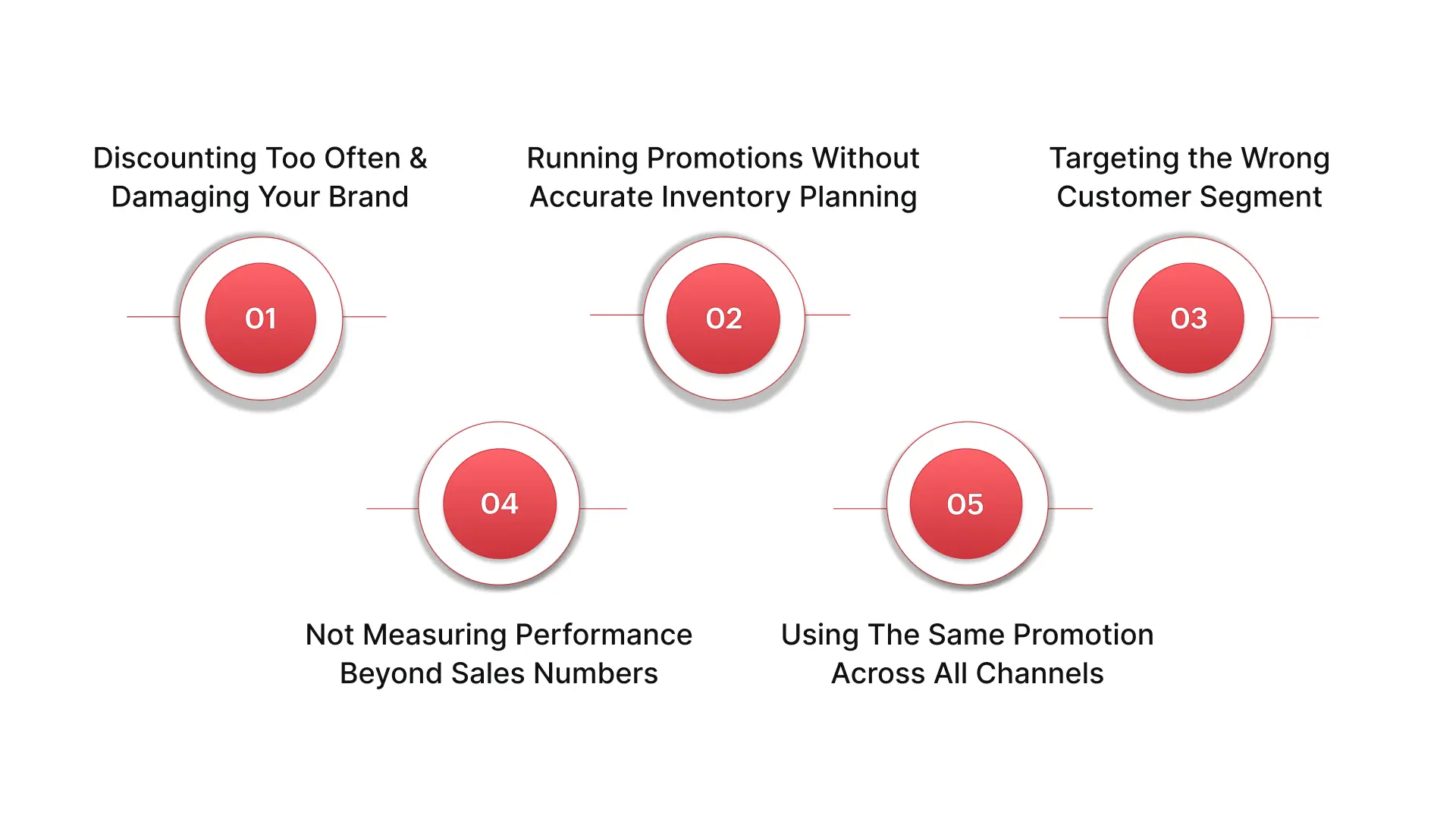
إدارة العروض الترويجية أمر سهل، لكن إدارة عروض ترويجية مربحة هو ما يواجه معظم تجار التجزئة صعوبة فيه. تنشأ العديد من المشكلات من أخطاء يمكن تجنبها، أو فجوات صغيرة تقلل الهوامش بهدوء، أو تربك العملاء، أو تضعف مكانة العلامة التجارية.
فيما يلي أكثر الأخطاء شيوعًا وكيفية تجنبها:
الخصم بشكل مفرط وإلحاق الضرر بالعلامة التجارية:
يعتمد بعض المتاجر على الخصومات كاستراتيجية افتراضية، مما يدرب العملاء على الانتظار للحصول على الصفقات ويقلل القيمة طويلة الأمد.
امزج استراتيجيات بدون خصم مثل الحزم المجمعة، ومكافآت الولاء، والهدايا ذات القيمة المضافة، أو الوصول المبكر لكبار العملاء. استخدم الخصومات بشكل محدود ولأهداف واضحة مثل تصريف المخزون أو جذب عملاء جدد.
إطلاق العروض دون تخطيط دقيق للمخزون:
عند إطلاق العرض، يرتفع الطلب ويُنفد المخزون، مما يؤدي إلى إحباط العملاء وفقدان الإيرادات.
قبل أي ترويج، نفّذ توقعات للطلب، تحقق من المخزون الاحتياطي، وضع تنبيهات فورية للمخزون المنخفض. وقم بمحاذاة فرق الشراء والتسويق لضمان عدم تأثير مشاكل المخزون على الحملات.
استهداف شريحة العملاء الخاطئة:
استخدام عروض عامة لا تناسب نية العملاء، مثل الترويج للمنتجات الفاخرة للباحثين عن الخصومات أو تقديم عروض عامة للعملاء المخلصين.
قسّم العملاء حسب سجل الشراء، المنطقة، الجنس، وتكرار الشراء. استخدم محفزات دقيقة مثل:
عدم قياس الأداء بما يتجاوز أرقام المبيعات:
يركز العديد من التجار على إجمالي المبيعات فقط ويتجاهلون مؤشرات أعمق مثل معدل الاسترداد، تأثير الهوامش، أو جودة حركة العملاء.
حدد مؤشرات أداء رئيسية مثل عائد الهامش الإجمالي، نسبة العملاء الجدد مقابل العائدين، زيادة حركة الزوار، ومعدل إضافة المنتجات. استخدم لوحات متابعة لمقارنة أداء الحملات وتحسين العروض المستقبلية.
استخدام نفس العرض عبر جميع القنوات:
نسخ ولصق عرض واحد عبر المتجر، الإنترنت، واتساب، ووسائل التواصل يسبب ارتباكًا ويضعف التأثير.
قم بإنشاء نسخ مخصصة لكل قناة.
مثال:
مواءمة جميع النسخ يضمن اتساق الرسالة مع تحسين التنفيذ حسب كل قناة، مما يعزز السيطرة على العروض الترويجية في إدارة البيع بالتجزئة عبر جميع نقاط الاتصال.
اقرأ أيضًا: أسباب وحلول إدارة فائض المخزون في التجزئة
تجنب هذه الأخطاء لا يحمي الهوامش فقط، بل يعزز ثقة العملاء ويضمن أن تعمل العروض الترويجية مع نموذج عملك، لا ضده.
مع تجنب هذه الفخاخ، حان الوقت لمعرفة كيف يساعد نظام HAL ERP تجار التجزئة على تنفيذ ومتابعة وتحسين العروض الترويجية بدقة وسرعة أكبر.
نظام HAL Retail هو منصة متكاملة لإدارة عمليات البيع بالتجزئة مصممة لتجار التجزئة المعاصرين الذين يسعون إلى الوضوح، والتحكم، والسرعة في سوق تنافسية. يجمع النظام بين بيانات المبيعات، المخزون، المالية، والعملاء في مكان واحد، مما يمكّن الفرق من العمل بسرعة واتخاذ قرارات بثقة.
يخدم HAL ERP تجار التجزئة في الشرق الأوسط، والهند، والأسواق الناشئة العالمية، مع اعتماد قوي في المملكة العربية السعودية نظرًا لموثوقيته، وقوة التوافق، والدعم المحلي.
إليك كيف يساعد HAL Retail على إدارة العروض الترويجية بشكل أذكى وأكثر ربحية في إدارة البيع بالتجزئة:
لوحة تحكم موحدة:
احصل على رؤية كاملة لأداء متجرك في مكان واحد. تابع المبيعات، راقب المنتجات سريعة وبطيئة الحركة، وفهم التأثير الدقيق لكل عرض ترويجي. لا حاجة لتبديل الشاشات أو التقارير المبعثرة، فقط رؤية واضحة وقابلة للتنفيذ.
الوصول عبر الأجهزة المحمولة:
قم بالموافقة على أوامر الشراء، ومتابعة اتجاهات المبيعات، والتحقق من أداء العروض الترويجية من أي مكان. سواء كنت مسافرًا، تزور الفروع، أو تنسق مع الموردين، تبقى عملياتك تحت السيطرة.
تكامل سلس مع الأنظمة الأخرى:
يتصل HAL بسهولة بأدوات المحاسبة، ونظام إدارة العملاء (CRM)، وأنظمة الدفع. يضمن تحديث العروض مثل الخصومات، الحزم، أو قواعد الأسعار الجديدة، التزامن عبر جميع المنصات دون جهد يدوي.
تقارير ذكية:
قم بتقسيم وتحليل بيانات المبيعات حسب نوع العميل، الفرع، فئة المنتج، أو فترة زمنية. يساعدك ذلك على تحديد العروض الفعّالة، وتلك التي تحتاج تحسين، وفهم كيف يتغير سلوك الشراء مع الوقت.
سهولة في التعلم والتطبيق:
التدريب الموجه والتنفيذ السريع من HAL يساعد فريقك على التكيف خلال أيام، وليس أسابيع، ما يوفر وضوحًا فوريًا وتنفيذ أسرع للعروض دون تعطيل العمليات اليومية.
التوافق مع اللوائح (المملكة العربية السعودية):
نظام HAL VAT CARE مع الفاتورة الإلكترونية المرحلة الثانية يضمن التوافق الكامل مع متطلبات ZATCA. يوفر أمانًا على مستوى المؤسسات، وصفر صيانة، ودقة جاهزة للتدقيق، بحيث لا تسبب أي تحديثات للعروض أو الأسعار مشاكل امتثال.
نهج يركز على العميل:
يساعد HAL على تصميم العروض استنادًا إلى سلوك العملاء الفعلي بدلًا من الافتراضات. باستخدام البيانات حول تكرار الشراء، المنتجات المفضلة، واتجاهات كل فرع، يمكنك إنشاء عروض مخصصة تبدو ذات صلة وحقيقية، مما يجعل كل عرض ترويجي أكثر استهدافًا وكفاءة وربحية.
العروض الترويجية الذكية في إدارة البيع بالتجزئة لا تتعلق بالخصومات فقط؛ بل بالوقت، والبيانات، وفهم العملاء، ودعم النظام. يضمن HAL Retail جمع كل هذه العناصر معًا لتقديم عروض تحقق نتائج فعلية وقابلة للقياس.
مجموعة الحميضي، تاجر تجزئة فاخر يمتلك أكثر من 80 متجرًا في جميع أنحاء المملكة العربية السعودية، كانت تواجه تأخيرات في تقارير المبيعات، وتفاوتًا في الأسعار بين الفروع، وفصل المخزون بين القنوات الرقمية والفيزيائية، وخيارات محدودة للفوترة الرقمية.
تسببت هذه المشكلات في إبطاء اتخاذ القرارات وإضعاف تجربة العملاء. بعد اعتماد نظام HAL Retail، وحدت العلامة التجارية عمليات المبيعات والمخزون والتسعير، مما وفر رؤية لحظية وإعدادًا سلسًا متعدد القنوات.
النتائج:
هل عروضك الترويجية تعمل كما ينبغي، أم ما زلت تعتمد على التخمين؟ تواصل مع خبراء HAL الداخليين لتخطيط عروض ترويجية أذكى قائمة على البيانات تحقق المبيعات الفعلية.
الخاتمة:
تلعب العروض الترويجية في إدارة البيع بالتجزئة دورًا حاسمًا في كيفية جذب تجار التجزئة المعاصرين للمتسوقين، وتشكيل سلوك الشراء، وتحقيق نمو مربح. عند تنفيذها بشكل صحيح، تعمل العروض على زيادة وضوح العلامة التجارية، وتعزيز تذكرها، ومساعدة المتاجر على المنافسة في بيئة التجزئة السعودية سريعة التطور.
تعتمد النتائج الناجحة على استخدام الاستراتيجيات الصحيحة، بما في ذلك الاتساق عبر القنوات المختلفة، العروض الموجهة بالولاء، الأساليب الرقمية أولًا، المحفزات داخل المتجر، التعاون مع المؤثرين، العروض الموجهة جغرافيًا، والعروض السريعة المحدودة الوقت. تساعد هذه الطرق تجار التجزئة على الوصول إلى العميل المناسب في الوقت المناسب بالرسالة الصحيحة.
ومع ذلك، يجب على تجار التجزئة أيضًا الاستعداد للتحديات مثل ضعف رؤية البيانات، التنفيذ غير المتسق، عدم وضوح شرائح العملاء المستهدفة، الإفراط في الخصومات، وضعف متابعة الأداء. قبل تنفيذ أي عرض، قيّم عوامل مثل سلوك العملاء، تأثير التسعير، جاهزية القنوات، متطلبات الامتثال، ودقة البيانات.
هل أنت مستعد لإدارة عروض ترويجية أكثر ذكاءً وسرعة وربحية دون العبء التشغيلي؟
%20(2).webp)