

يؤثر انكماش المخزون في قطاع التجزئة سلبًا على هوامش الربح في وقت تتعرض فيه الشركات السعودية لضغوط للنمو بشكل أسرع والعمل بقدر أكبر من الوضوح، لا سيما مع توجه المملكة نحو تحقيق أهداف رؤية 2030. وحتى الفروقات الصغيرة في المخزون قد تكون مؤثرة، بينما تجعل الخسائر المتكررة من الصعب التوسع بثقة.
إذا كنت تدير متاجر في المملكة العربية السعودية، فإن هذا الضغط يزداد خلال مواسم الذروة، حيث تؤدي الأصناف المفقودة، وأخطاء التسعير، وعدم دقة عمليات الجرد إلى تعطيل خططك. ويجبرك انكماش المخزون على إعادة النظر في بياناتك وأنظمتك، وأحيانًا حتى في عملياتك الداخلية، مما يزيد من الضغط خلال الفترات التي تكون فيها العمليات بالفعل أكثر تحديًا.
في هذا المقال، سنستكشف مفهوم انكماش المخزون، وكيفية حسابه، وأسبابه، والخطوات العملية للحد منه، ومخاطره في بيئة التجارة متعددة القنوات، وكيف يساعدك HAL Retail على الحفاظ على السيطرة من خلال توفير رؤية واضحة عبر جميع الفروع.
يشير انكماش المخزون إلى الفجوة بين كمية المخزون المسجلة في النظام والمخزون المتوفر فعليًا على أرفف المتجر، مما يؤثر بشكل مباشر على ربحيتك ومستوى التحكم في عملياتك. ويواجه تجار التجزئة في المملكة العربية السعودية هذه المشكلة عندما تختفي المنتجات بسبب السرقة أو التلف أو أخطاء الجرد أو عدم دقة بيانات الموردين، مما يؤدي إلى ظهور فروقات غير متوقعة في المخزون.
على سبيل المثال، قد يُظهر نظامك وجود 120 وحدة من منتج معين، بينما يجد فريقك 110 وحدات فقط أثناء عملية جرد روتينية، مما يكشف عن خسارة تؤثر على التخطيط واتخاذ القرارات. وتتراكم هذه الفروقات الصغيرة لتضغط على هوامش أرباحك، خاصة عندما تتكرر عبر الفروع أو خلال فترات المبيعات السريعة.
بعد فهم المفهوم، يصبح من الأسهل بكثير حساب انكماش المخزون باستخدام طريقة بسيطة تمنحك رؤية واضحة.
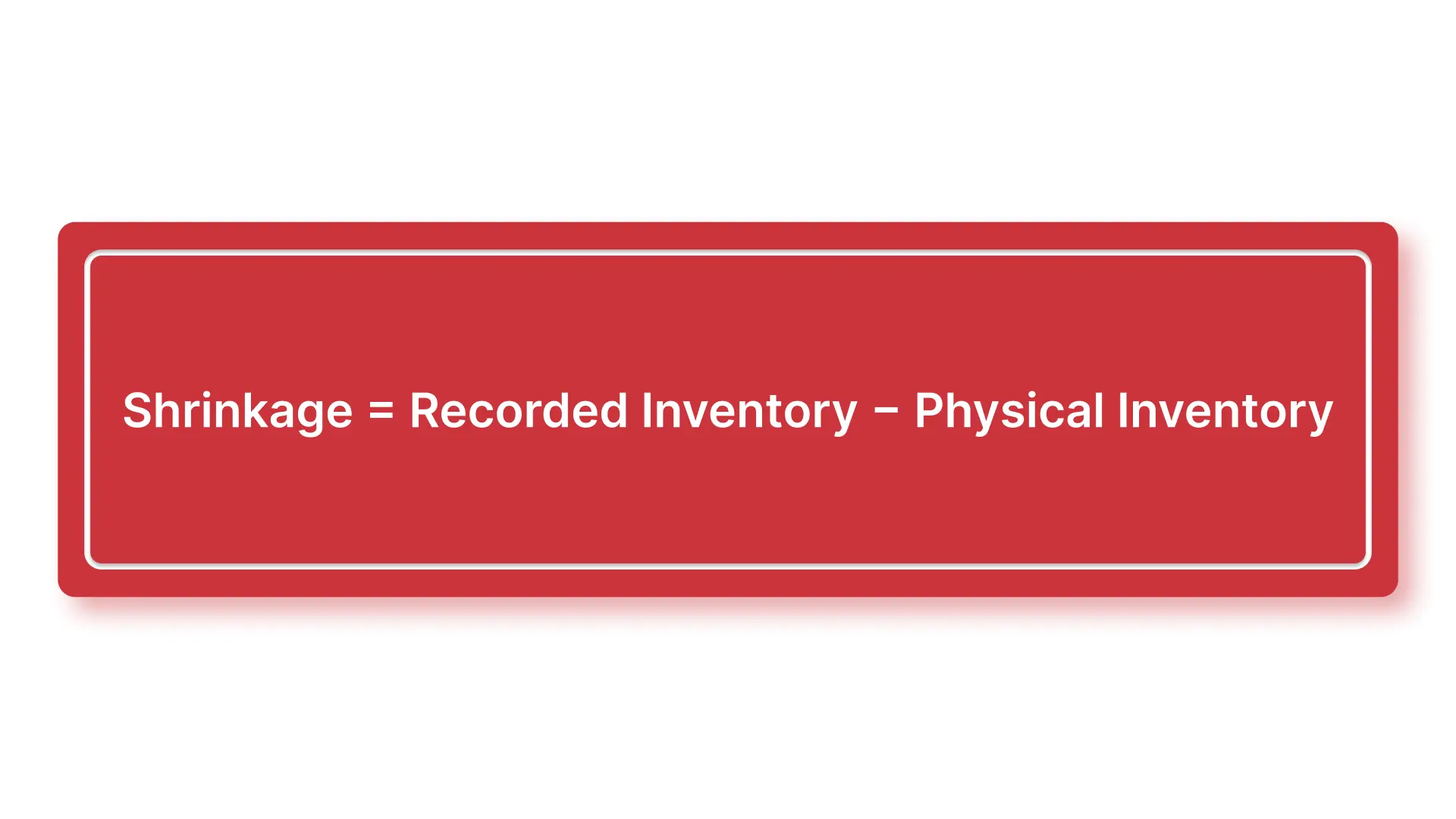
يساعدك فهم كيفية قياس انكماش المخزون على تحديد أماكن حدوث الخسائر، ويوفر نقطة بداية واضحة لمعالجة مشكلات المخزون. وتتيح لك هذه العملية البسيطة تتبع الفروقات بثقة أكبر واتخاذ الإجراءات اللازمة قبل أن تتفاقم الخسائر الصغيرة.
إليك توضيحًا مبسطًا للخطوات المتبعة:
المعادلة: انكماش المخزون = المخزون المسجل − المخزون الفعلي
حوّل الخسارة إلى نسبة مئوية للحصول على رؤية أوضح لمدى انخفاض مخزونك مقارنةً بإجمالي قيمة المخزون لديك.
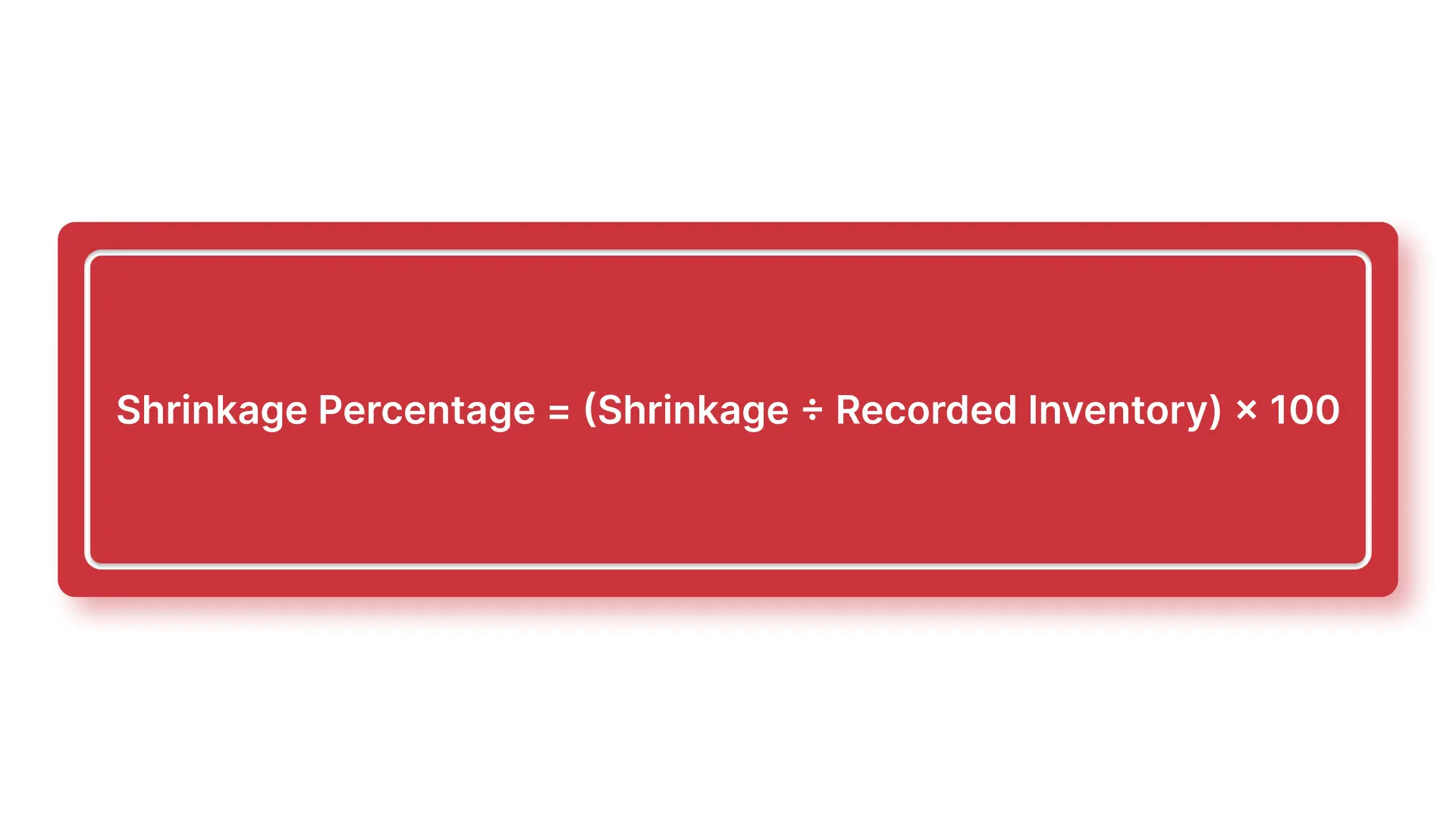
مثال: إذا كان نظامك يُظهر مخزونًا بقيمة 150,000 ريال سعودي، بينما يبلغ إجمالي قيمة الجرد الفعلي 145,000 ريال سعودي، فإن قيمة الفاقد لديك تبلغ 5,000 ريال سعودي، أي ما يعادل خسارة بنسبة 3.3%.
بعد تحديد الفاقد، يصبح من الضروري فهم كيفية تأثير هذه الأرقام في تخطيطك وقراراتك اليومية.
اقرأ أيضًا: كيفية حساب تكلفة البضائع المباعة (COGS) بفعالية
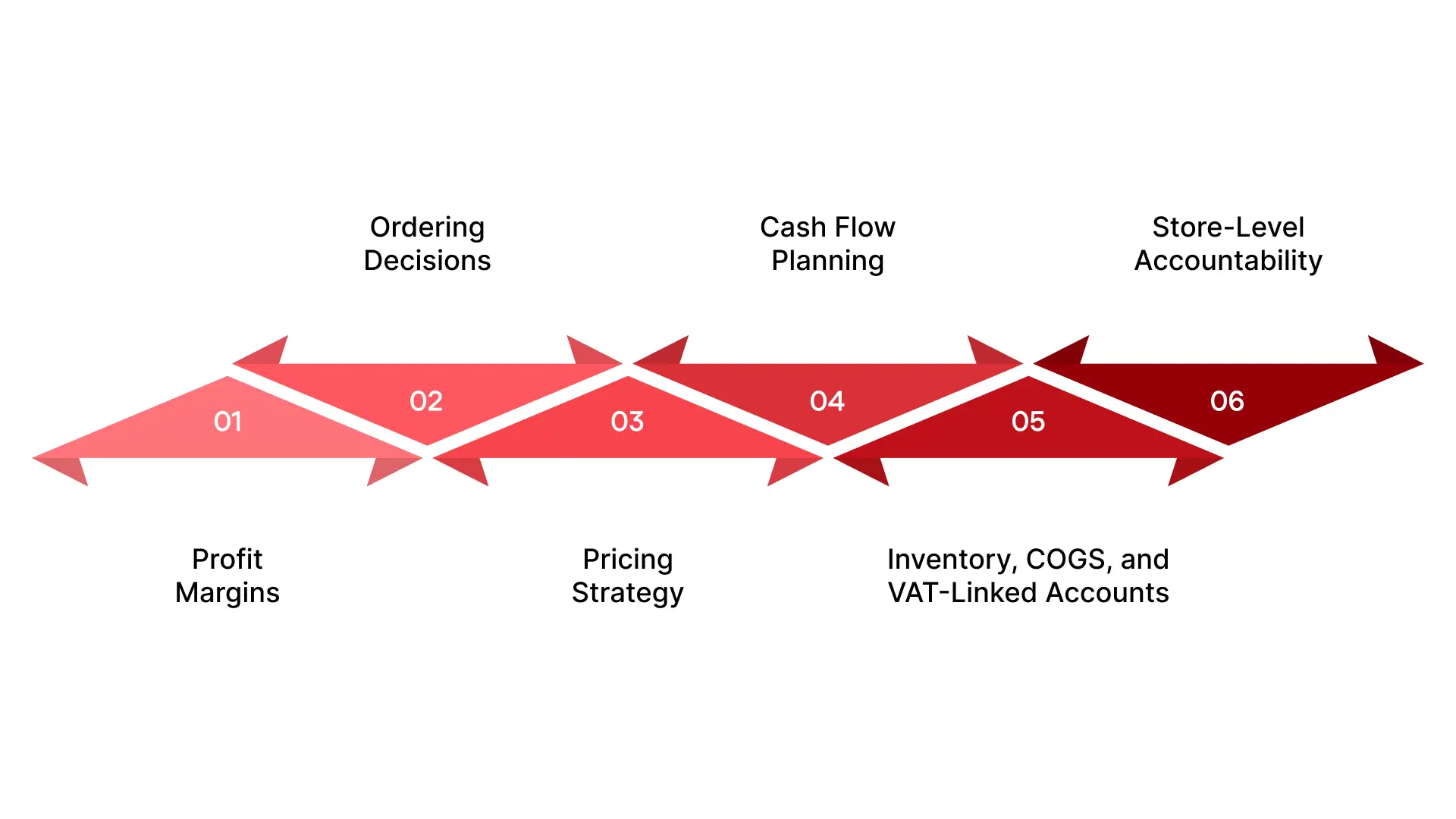
تساعدك متابعة الفاقد على فهم أماكن حدوث الخسائر وكيف تؤثر هذه الفجوات في أعمالك بما يتجاوز مجرد نقص أرقام المخزون. وعندما لا يتم الإبلاغ عن الفاقد، فإنه يؤدي تدريجيًا إلى تآكل هوامش الربح، وتعطيل التخطيط، وزيادة الضغوط على مختلف جوانب عملياتك.
ولتوضيح مدى اتساع نطاق هذا التأثير، إليك تفصيلًا واضحًا للمجالات والحسابات التي تتأثر بتسجيل الفاقد:
يؤدي فهم هذا التأثير بشكل طبيعي إلى البحث في الأسباب الجذرية وراء فجوات المخزون المتكررة عبر مواقعك المختلفة.
حافظ على دقة سجلات ضريبة القيمة المضافة وسجلات ZATCA لديك مع HAL VATCare. احجز عرضًا تجريبيًا سريعًا للتعرّف على مدى سهولة الامتثال.
يحدث الفاقد عندما لا يعود المخزون الفعلي على أرفف متجرك متطابقًا مع المخزون المسجّل في نظامك، مما يؤدي إلى خسائر تتسبب تدريجيًا في تآكل هوامش الربح. وغالبًا ما تتراكم هذه الفروقات بمرور الوقت، ولا يلاحظ العديد من تجار التجزئة تأثيرها إلا عندما تبدأ الأرقام في التأثير سلبًا على أداء المتجر الشهري.
ولمساعدتك على فهم مصادر هذه الخسائر، إليك تفصيلًا واضحًا لأكثر الأسباب شيوعًا التي تؤثر في متاجر التجزئة في جميع أنحاء المملكة العربية السعودية:
يسهّل فهم أسباب الفاقد تنفيذ إجراءات عملية تساعد على تقليل المخاطر في جميع مواقع متاجرك.
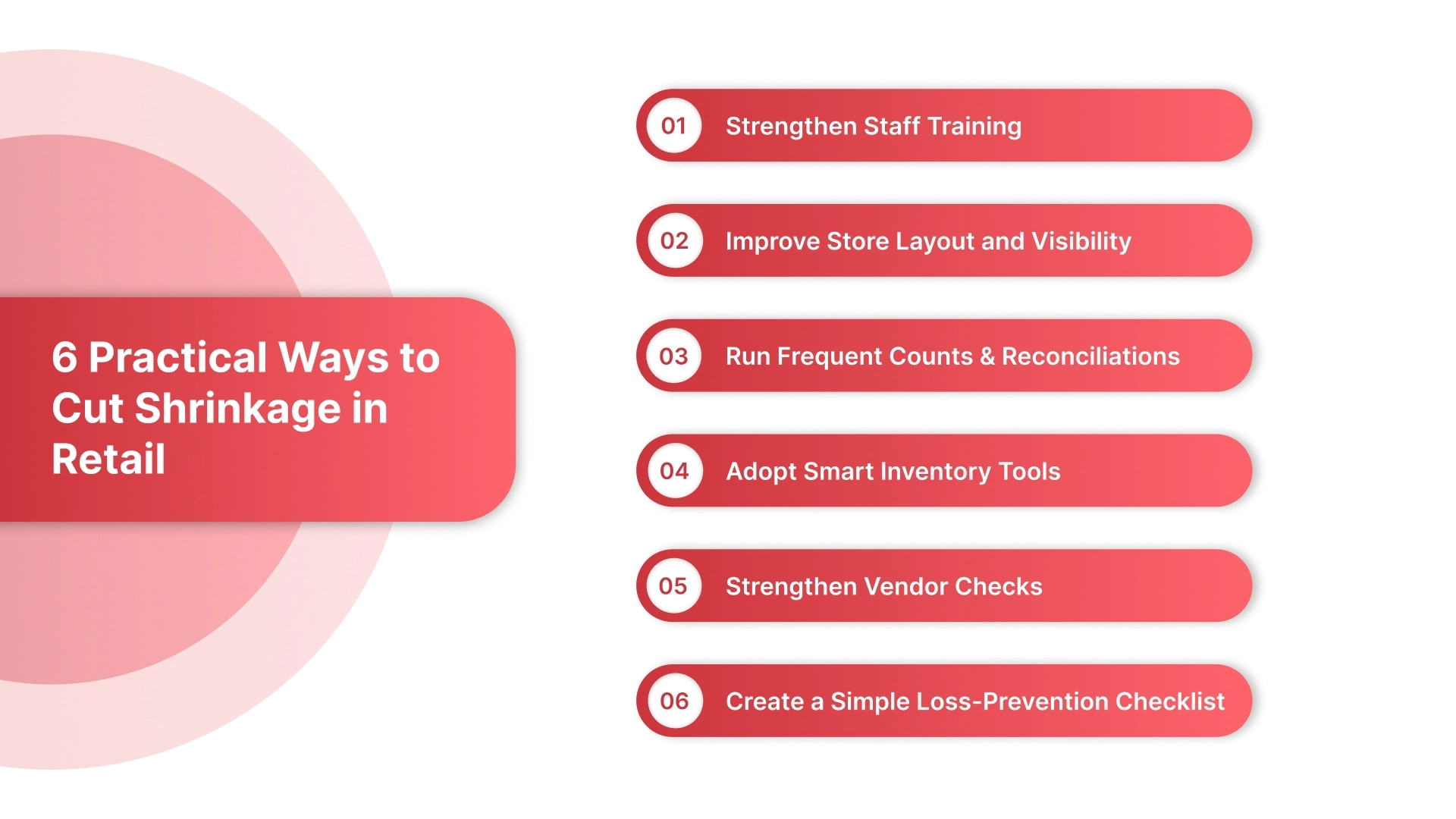
يبدأ الحد من الفاقد بفهم أماكن حدوث الخسائر وبناء ممارسات تحافظ على دقة مخزونك في جميع الفروع. وعندما تظل هذه الممارسات منتظمة، يكتسب فريقك سيطرة أكبر، وتواجه متاجرك مفاجآت أقل أثناء عمليات التدقيق أو فترات المبيعات المزدحمة.
لدعم جهودك، إليك مجموعة من الإجراءات العملية التي تساعدك على الحد من الفاقد وتعزيز مستوى الرؤية عبر عمليات التجزئة لديك:
مع توسع تجارة التجزئة عبر قنوات متعددة، تظهر تحديات جديدة، مما يخلق نقاطًا إضافية يمكن أن يتزايد فيها الفاقد دون سابق إنذار.
اقرأ أيضًا: 5 استراتيجيات مثبتة لتطبيق أنظمة ERP بنجاح
.webp)
يواجه تجار التجزئة الذين يقدمون المبيعات عبر الإنترنت وفي المتاجر تحديات إضافية، خاصةً عندما يتحرك المخزون بسرعة بين القنوات المختلفة. وتظهر هذه الفجوات عندما تتم الطلبات والمرتجعات وعمليات نقل المخزون بوتيرة أسرع من قدرة فريقك على تحديث السجلات، مما يسبب ارتباكًا يؤثر في أداء متجرك.
ولمساعدتك على فهم مصادر هذه المشكلات، إليك تفصيلًا واضحًا للمخاطر المرتبطة بعمليات البيع عبر القنوات المتعددة:
ولمعالجة هذه المشكلات بثقة، يلجأ العديد من تجار التجزئة إلى أدوات توفر رؤية واضحة للمخزون والأسعار وقنوات المبيعات المختلفة.
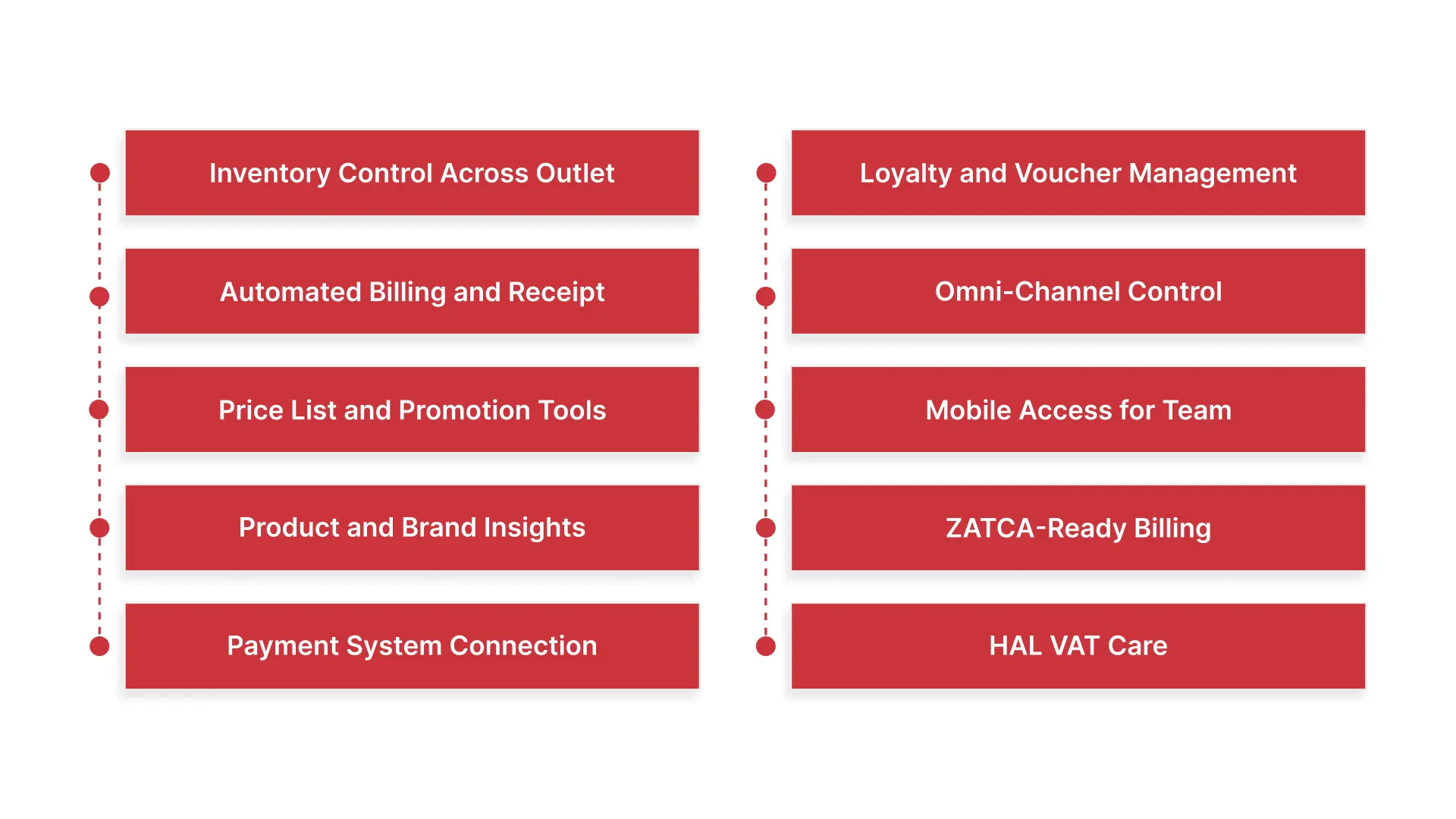
يحتاج تجار التجزئة إلى رؤية واضحة لجميع الفروع للحد من الخسائر والحفاظ على دقة مستويات المخزون خلال فترات العمل المزدحمة. يدعم HAL Retail هذه الحاجة من خلال تزويد فريقك بأدوات تتيح تتبع حركة المخزون، وتحسين الدقة، والحفاظ على ترابط عملياتك عبر جميع القنوات.
ولمساعدتك على فهم كيفية دعم HAL ERP المتوافق مع متطلبات ZATCA والمصمم للمؤسسات B2B لعملياتك اليومية، إليك أبرز الميزات التي تعزز التحكم وتقلل المخاطر عبر متاجرك:
ولتوضيح كيفية عمل هذه الميزات في مواقف واقعية، إليك نظرة عن كثب على مجموعة تجزئة حققت تحسينات ملموسة باستخدام HAL Retail.
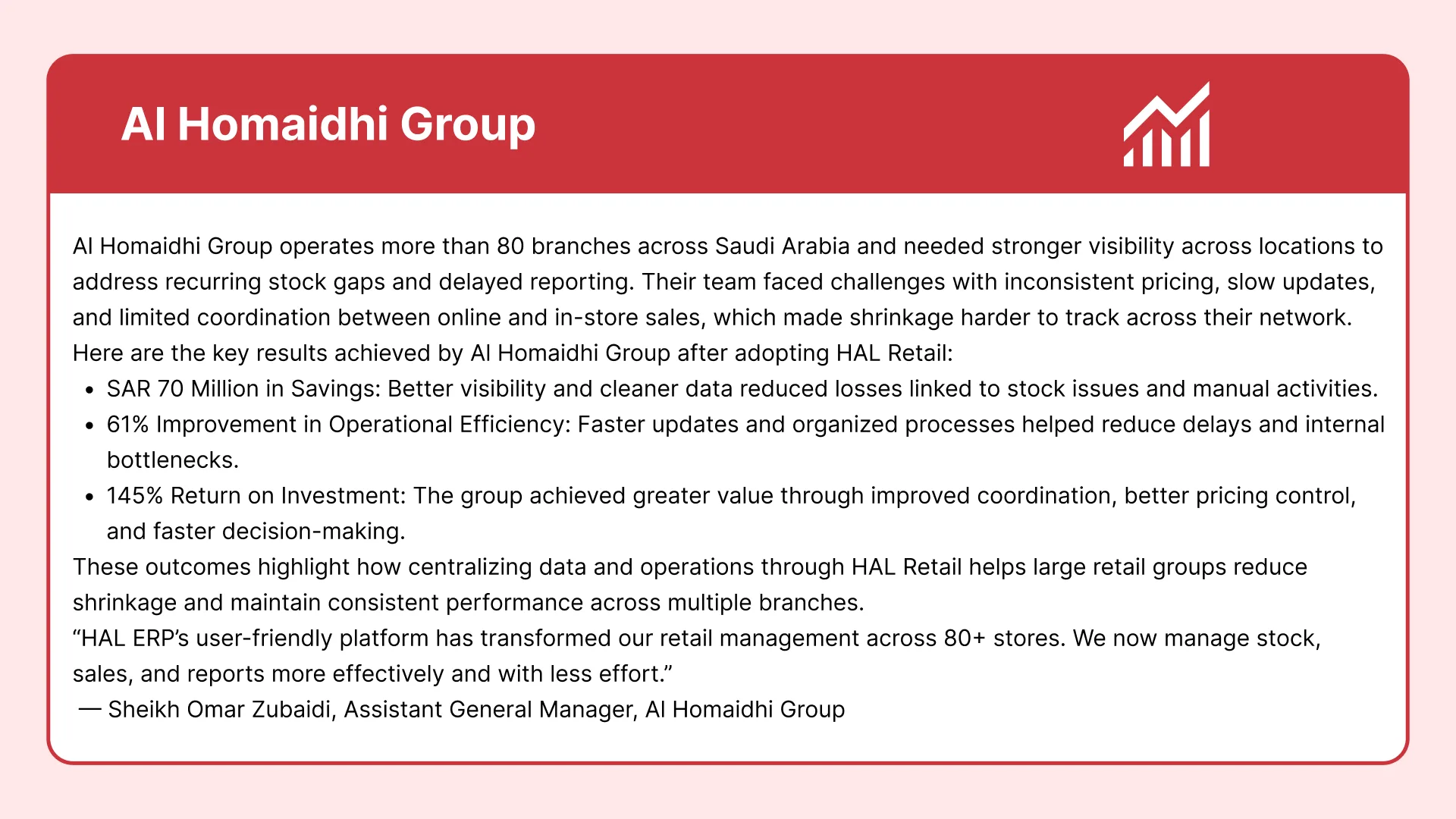
تدير مجموعة الحميضي أكثر من 80 فرعًا في جميع أنحاء المملكة العربية السعودية، وكانت بحاجة إلى رؤية أقوى عبر مواقعها لمعالجة فجوات المخزون المتكررة وتأخر إعداد التقارير. واجه فريقها تحديات تمثلت في عدم اتساق الأسعار، وبطء التحديثات، ومحدودية التنسيق بين المبيعات عبر الإنترنت وفي المتاجر، مما جعل تتبع الفاقد عبر شبكتها أكثر صعوبة.
إليك أبرز النتائج التي حققتها مجموعة الحميضي بعد اعتماد HAL Retail:
توضح هذه النتائج كيف يساعد توحيد البيانات والعمليات من خلال HAL Retail مجموعات التجزئة الكبيرة على تقليل الفاقد والحفاظ على أداء متسق عبر الفروع المتعددة.
“لقد أحدثت منصة HAL ERP سهلة الاستخدام تحولًا في إدارة عمليات التجزئة لدينا عبر أكثر من 80 متجرًا. أصبح بإمكاننا الآن إدارة المخزون والمبيعات والتقارير بفعالية أكبر وبجهد أقل.”
— الشيخ عمر الزبيدي، مساعد المدير العام، مجموعة الحميضي
تساعد هذه الميزات موظفيك على العمل بثقة عبر مختلف المواقع، وتمنحك وعيًا أفضل بمخاطر الفاقد قبل أن تؤثر في أدائك.
يؤثر الفاقد في هوامش ربحك، ويبطئ نموك، ويخلق ضغوطًا مستمرة عبر متاجرك، خاصةً عندما تعتمد الفرق على بيانات متفرقة. يساعدك إعداد التقارير الشفاف، وتعزيز الضوابط، وتحسين مستوى الرؤية على تقليل الخسائر وحماية مخزونك في جميع الفروع.
إذا كنت تبحث عن دقة أكبر، وفروع مترابطة، ورؤى أوضح عبر شبكة متاجرك، فإن HAL Retail يوفر لك الأدوات اللازمة لإدارة المخزون والأسعار والمبيعات بثقة.
احجز عرض HAL Retail المجاني اليوم واكتشف كيف يمكن لنظام مترابط دعم متاجرك، وتعزيز عملياتك، وتقليل الخسائر في جميع المواقع.
1. كم مرة يجب على تجار التجزئة في السعودية مراجعة تقارير الفاقد؟
يجد معظم تجار التجزئة فائدة في مراجعة تقارير الفاقد شهريًا، إذ يساعد هذا التوقيت على اكتشاف الأنماط المبكرة دون تحميل فرق المتاجر بأعمال إضافية مرهقة.
2. هل يمكن أن يؤثر الفاقد في مفاوضات الموردين أو شروط العقود؟
نعم، يمكن أن تؤثر الفروقات المتكررة في علاقتك مع الموردين، خاصةً عندما تظهر المنتجات المفقودة بشكل متكرر وتتطلب إجراء تعديلات منتظمة أثناء مراجعة الفواتير.
3. هل تكون بعض فئات المنتجات أكثر عرضة للفاقد من غيرها؟
نعم، تميل المنتجات ذات قيمة إعادة البيع الأعلى أو العبوات الأصغر حجمًا إلى الاختفاء بشكل أسرع، خاصةً عند عرضها بالقرب من المخارج أو في الأقسام المزدحمة من المتجر.
4. هل يلعب تصميم المتجر دورًا في الحد من الفاقد؟
يلعب تصميم المتجر دورًا رئيسيًا، لأن خطوط الرؤية المحجوبة، والأرفف المزدحمة، والعروض الموضوعة بشكل غير مناسب تخلق مناطق يصعب مراقبتها، مما يسمح باختفاء المنتجات دون ملاحظة.
5. هل يمكن لفرق التجزئة تقليل الفاقد دون استثمارات كبيرة؟
نعم، يمكن لخطوات بسيطة مثل تحسين دقة الأسعار، وتشديد سجلات حركة المخزون، وتحديد مسؤوليات واضحة أثناء فتح المتجر وإغلاقه أن تقلل الفروقات بشكل فعال.