

أصبح كسب ولاء العملاء أكثر صعوبة في المملكة العربية السعودية، خاصة مع تعدد الخيارات المتاحة للمتسوقين وسهولة الوصول إلى البدائل. ويشعر تجار التجزئة بهذا الضغط عندما يزور العملاء المتجر مرة واحدة ولا يعودون إليه مجددًا، مما يجعل الاحتفاظ بالعملاء مصدر قلق متزايدًا في مختلف القطاعات.
يشعر العديد من أصحاب المتاجر بالقلق بشأن انخفاض حركة الزوار، وارتفاع تكاليف التسويق، والجهد المطلوب للحفاظ على عودة العملاء. وتعكس هذه المخاوف مدى سرعة تغير قطاع التجزئة في ظل رؤية 2030، لا سيما مع زيادة الاعتماد على الحلول الرقمية وارتفاع توقعات العملاء بشأن مستوى الخدمة.
في هذه المقالة، سنستكشف سلوك العملاء تجاه برامج الولاء في السوق السعودي، وأبرز أمثلة برامج الولاء المعروفة، والأفكار التي يمكنك تطبيقها في متاجرك، والخطوات اللازمة لبناء برنامج قوي، والأخطاء الشائعة التي يجب تجنبها، وكيف يدعم HAL Retail تجار التجزئة في إدارة برامج الولاء والعمليات التشغيلية.
هل ترغب في تحسين الاحتفاظ بالعملاء؟ احجز عرضًا تجريبيًا مجانيًا مع HAL Retail واستكشف كيف يمكننا دعم جهودك في تعزيز ولاء العملاء.
تشهد برامج الولاء في المملكة العربية السعودية نموًا سريعًا، مدفوعة بنشاط قطاع التجزئة المتزايد وارتفاع توقعات العملاء في ظل رؤية 2030. ومع توقع نمو السوق من 730.3 مليون دولار أمريكي في عام 2024 إلى 1.37 مليار دولار أمريكي بحلول عام 2029، يولي تجار التجزئة اهتمامًا أكبر ببناء علاقات طويلة الأمد مع العملاء بدلًا من الاعتماد على عمليات البيع لمرة واحدة.
فيما يلي أبرز التحولات التي تشكل مفهوم الولاء في المملكة:
بعد أن تعرفنا على أهمية برامج الولاء، دعونا نستعرض بعض الأمثلة على البرامج التي حققت تأثيرًا ملحوظًا.
تتبع برامج الولاء الناجحة قواعد بسيطة، ومكافآت واضحة، وتواصلًا مستمرًا. وتنجح هذه البرامج لأن العملاء يعرفون ما سيحصلون عليه وكيفية كسب المكافآت. فيما يلي أمثلة منظمة يمكنك الاستفادة منها، تشمل علامات تجارية عالمية وبرامج معروفة في المملكة العربية السعودية.
تركز البرامج العالمية على قواعد مكافآت بسيطة، ومزايا واضحة، وتجارب قوية للعملاء. وفيما يلي البرامج التي تضع معايير واضحة:
Starbucks Rewards:
يجمع برنامج Starbucks Rewards بين النشاط عبر التطبيق وكسب النقاط من خلال نظام «النجوم». يحصل الأعضاء على نجوم مقابل كل عملية شراء، ويمكنهم استبدالها بالمشروبات أو الأطعمة. ويحافظ البرنامج على تفاعل العملاء من خلال تقديم المكافآت بسرعة، مما يشجعهم على الاستمرار في استخدامه.
فيما يلي أبرز النقاط:
Sephora Beauty Insider / Beauty Pass:
تستخدم Sephora نموذجًا متعدد المستويات يمنح المتسوقين شعورًا بالتقدم. ويقدم كل مستوى مزايا أفضل، مما يشجع على تكرار الإنفاق. ويساعد الجمع بين المكافآت العملية والمزايا العاطفية على تعزيز ارتباط الأعضاء بالعلامة التجارية.
فيما يلي أبرز النقاط:
IKEA Family:
يركز برنامج IKEA Family على العروض التي تقدم قيمة للعملاء داخل المتجر. ويمنح الأعضاء خصومات على منتجات محددة، ووصولًا مبكرًا إلى العروض، وبعض أشكال الحماية الإضافية للمنتجات. كما أن ظهور البرنامج بوضوح داخل المتجر يجعل عملية التسجيل سهلة.
فيما يلي أبرز النقاط:
تنجح البرامج الإقليمية من خلال التركيز على الاحتياجات المحلية، والتواصل باللغة العربية أولًا، وتقديم مكافآت تتناسب مع عادات التسوق اليومية. وفيما يلي أبرز البرامج في المملكة العربية السعودية:
Nuhdeek (صيدليات النهدي):
يُعد Nuhdeek أحد أشهر برامج الولاء في المملكة العربية السعودية. فهو يربط بين عمليات الشراء عبر الإنترنت وداخل المتاجر، ويقدم عروضًا مخصصة بناءً على فئات الصحة والعافية. كما تساعد القواعد الواضحة والتواصل المستمر على الحفاظ على قاعدة كبيرة من الأعضاء.
فيما يلي أبرز النقاط:
Aura (مجموعة الشايع):
يغطي برنامج Aura عشرات العلامات التجارية في مجالات الأزياء والجمال والمطاعم ونمط الحياة. ويكسب الأعضاء النقاط عبر المجموعة بأكملها، مما يجعل البرنامج أكثر قيمة من برامج العلامات التجارية المنفردة. كما يتيح كسب النقاط عبر علامات تجارية متعددة للعملاء مزيدًا من الفرص للبقاء نشطين.
فيما يلي أبرز النقاط:
استنادًا إلى هذه الأمثلة، إليك بعض أفكار برامج الولاء المصممة خصيصًا لتناسب المتسوقين في المملكة العربية السعودية.
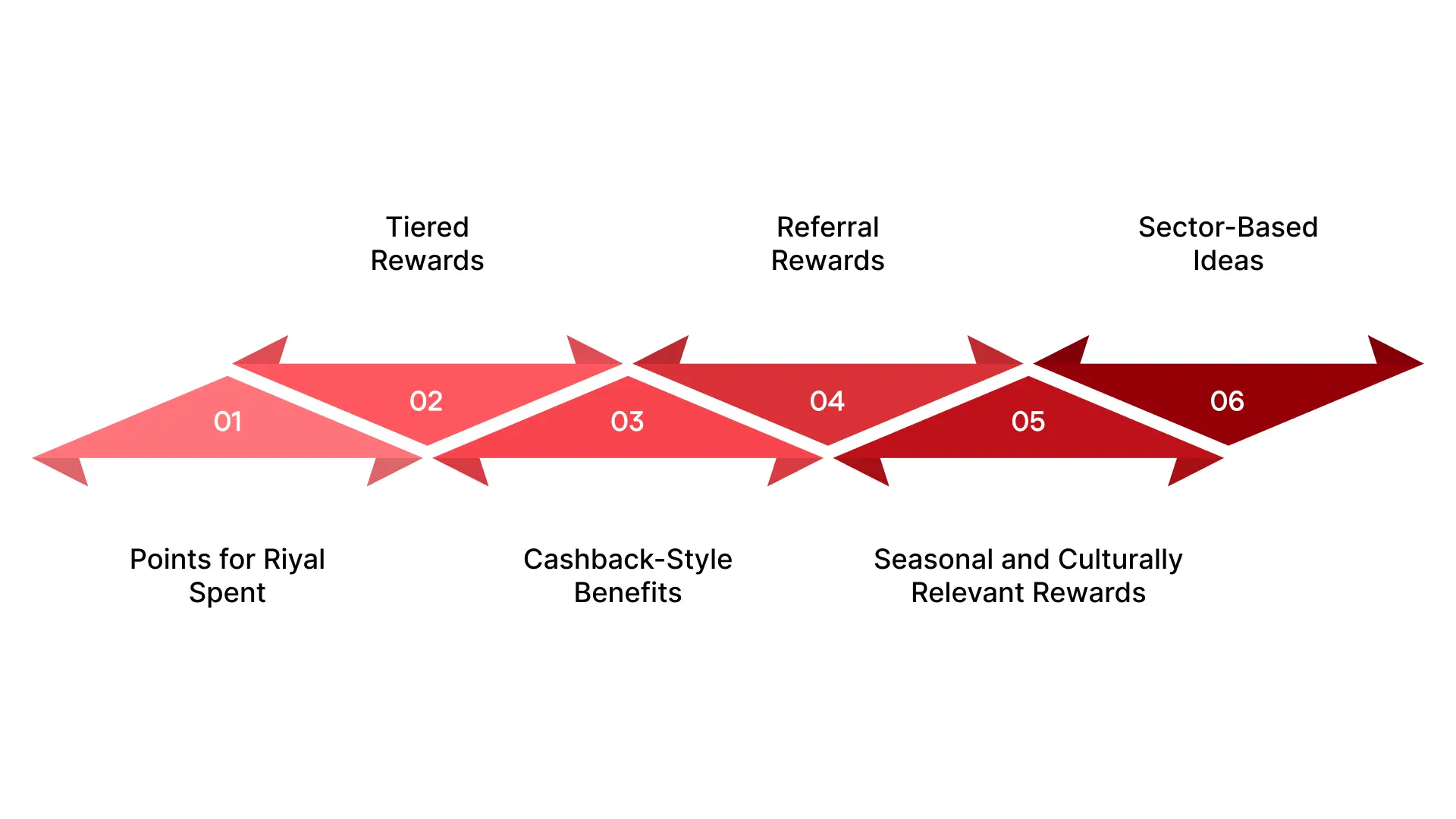
يستجيب المتسوقون في السعودية بشكل جيد للقيمة الواضحة، والقواعد السهلة، والمكافآت التي تتناسب مع عاداتهم اليومية. ومع النمو القوي لقطاع التجزئة وارتفاع توقعات العملاء، يمكن لاختيار أسلوب البرنامج المناسب أن يساعدك على بناء علاقات طويلة الأمد مع العملاء. فيما يلي أنواع البرامج التي تحقق نتائج جيدة في مختلف القطاعات.
يمنح نموذج النقاط المتسوقين مسارًا بسيطًا: أنفق، واكسب، واستبدل. ويصلح هذا الهيكل لقطاعات الأزياء والجمال والإلكترونيات وتجار التجزئة للخدمات السريعة. وفيما يلي بعض الطرق الشائعة لتصميم نظام النقاط:
يساعد نظام المستويات على مكافأة العملاء الأكثر نشاطًا. ومع انتقال المتسوقين إلى مستويات أعلى، تتحسن المزايا، مما يمنحهم سببًا للاستمرار في التفاعل مع البرنامج. ويمكنك تحديد المستويات بناءً على أهداف بسيطة للإنفاق أو عدد الزيارات.
فيما يلي بعض الأفكار لمزايا المستويات:
يُعد الاسترداد النقدي مناسبًا للمتسوقين الذين يفضلون الحصول على قيمة مباشرة. فبدلًا من النقاط، يحصلون على رصيد في المتجر أو مكافآت تعادل قيمة نقدية بعد كل عملية شراء. ويمكن تطبيق هذا النموذج في قطاعات البقالة والإلكترونيات والصيدليات ونمط الحياة.
طرق تصميم مكافآت الاسترداد النقدي:
تحول برامج الإحالة المتسوقين الراضين إلى سفراء للعلامة التجارية. ومع ارتفاع معدلات استخدام الهواتف الذكية في السعودية، تصبح روابط الإحالة ورموز QR سهلة المشاركة.
تشمل أفكار الإحالة:
يتفاعل المتسوقون في السعودية بشكل كبير مع المناسبات المرتبطة بالثقافة والحياة العائلية. وغالبًا ما تحقق الحملات الموسمية تفاعلًا أكبر من الخصومات العامة.
فيما يلي بعض أفكار المكافآت الموسمية:
تحتاج فئات التجزئة المختلفة إلى محفزات مختلفة للمكافآت. وغالبًا ما يفشل النهج الموحد في تلبية توقعات كل نوع من المتسوقين.
أفكار حسب القطاع:
بعد تحديد نوع البرنامج الذي ترغب في تقديمه، حان الوقت لاختيار المزود المناسب لتحويل فكرتك إلى واقع.
يتطلب اختيار شريك لبرنامج الولاء الاهتمام باحتياجات قطاع التجزئة، واللوائح المحلية، وتوقعات المتسوقين في السعودية. وفيما يلي أهم العوامل التي يجب التحقق منها:
مع اختيار المزود المناسب، يمكنك الانتقال إلى الخطوات العملية لتطوير برنامج الولاء أو تحسينه.
هل تحتاج إلى طريقة سهلة لإدارة الامتثال لضريبة القيمة المضافة في عمليات التجزئة لديك؟ يضمن HAL VAT CARE استيفاء مزود برنامج الولاء لمتطلبات المرحلة الثانية من ZATCA، ودعم الفوترة الإلكترونية، والتكامل السلس مع أنظمتك، مع توفير دعم محلي عند الحاجة.
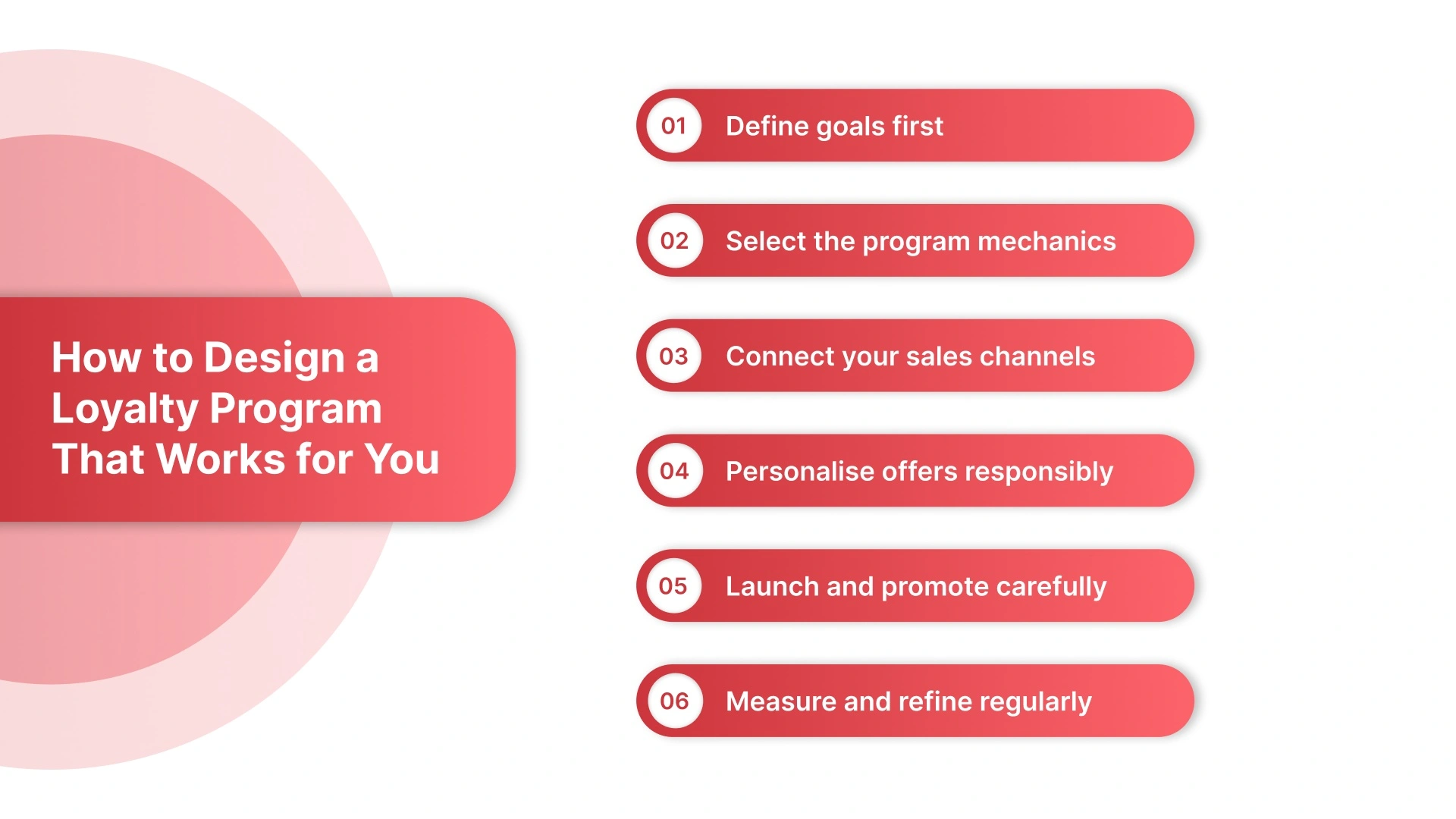
ابدأ بأهداف واضحة تحدد ما تريد من العملاء القيام به بشكل متكرر، سواء كان ذلك العودة في وقت أقرب، أو زيادة الإنفاق، أو التفاعل عبر مختلف القنوات. وتساعد هذه الأهداف في توجيه هيكل برنامج الولاء والحفاظ على وضوحه لكل من العملاء والموظفين.
بعد تحديد توجهك، يمكنك تصميم كل جزء من البرنامج بشكل هادف وواثق. فيما يلي خطوات بسيطة يمكنك اتباعها:
أثناء بناء برنامجك، انتبه إلى الأخطاء الشائعة التي قد تؤثر سلبًا على نجاحه.
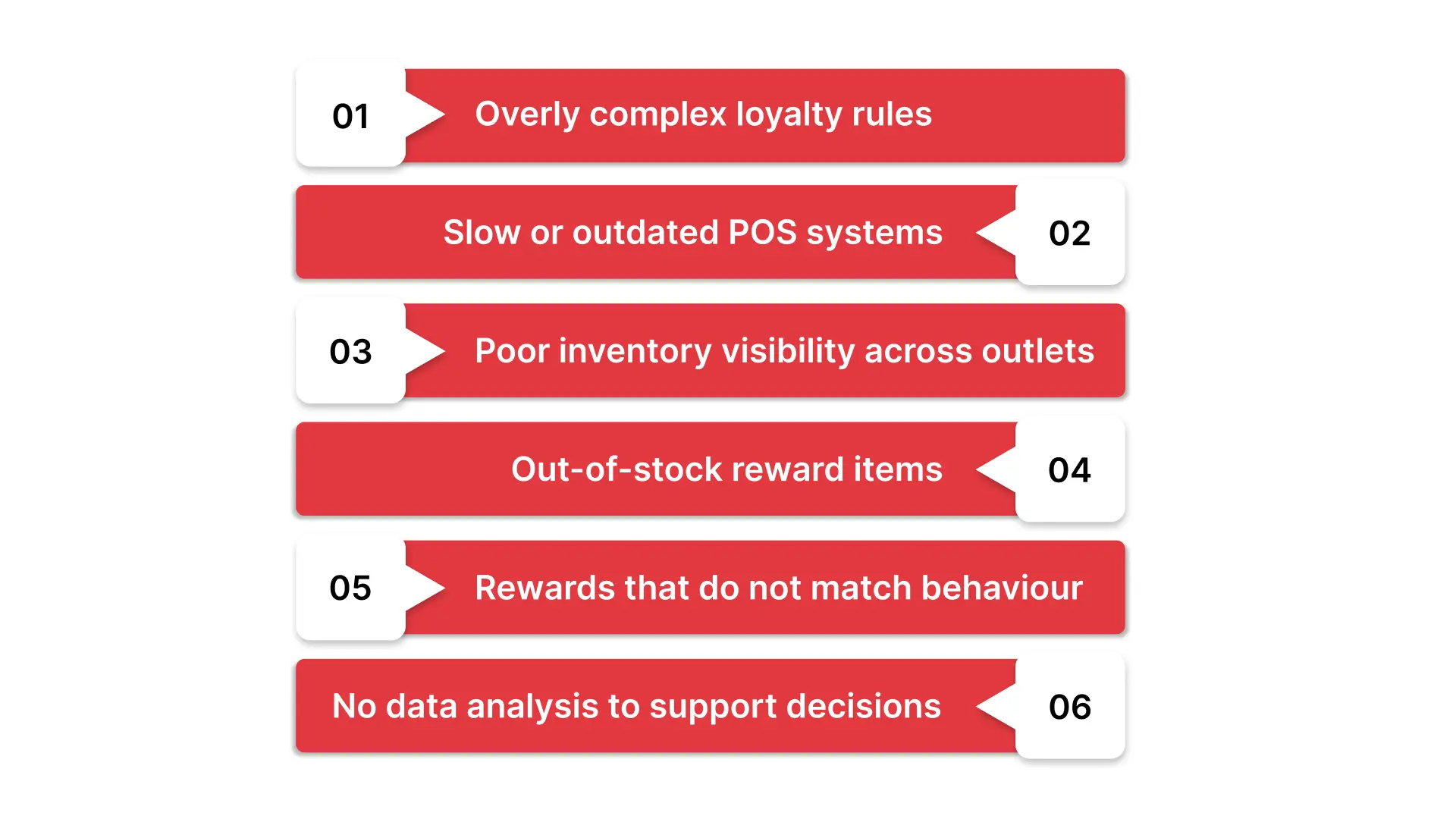
تفقد العديد من برامج الولاء تأثيرها بمرور الوقت بسبب إغفال بعض التفاصيل المهمة، مما يؤدي إلى انخفاض المشاركة وتراجع اهتمام العملاء. فيما يلي أبرز الأخطاء الشائعة التي يجب تجنبها:
لتجنب هذه الأخطاء وضمان النجاح، يوفر HAL Retail مجموعة من الميزات المصممة لدعم برامج الولاء والعمليات التشغيلية معًا.
يساعد HAL ERP الشركات السعودية متوسطة الحجم على إدارة المتاجر والعملاء والنمو دون تعقيدات إضافية. ويجمع النظام أنشطة قطاع التجزئة داخل نظام ERP مؤسسي متوافق مع متطلبات ZATCA، مما يمنح الفرق رؤية واضحة لمختلف العمليات اليومية. فيما يلي المجالات التي يدعم فيها HAL Retail برامج الولاء وأداء قطاع التجزئة.
تساعد كل ميزة من ميزات الولاء في HAL Retail تجار التجزئة على الحفاظ على أرصدة دقيقة، وإطلاق حملات مستهدفة، ومكافأة العملاء دون التأثير سلبًا على العمليات التشغيلية. وفيما يلي الأدوات التي تدعم برامج الولاء:
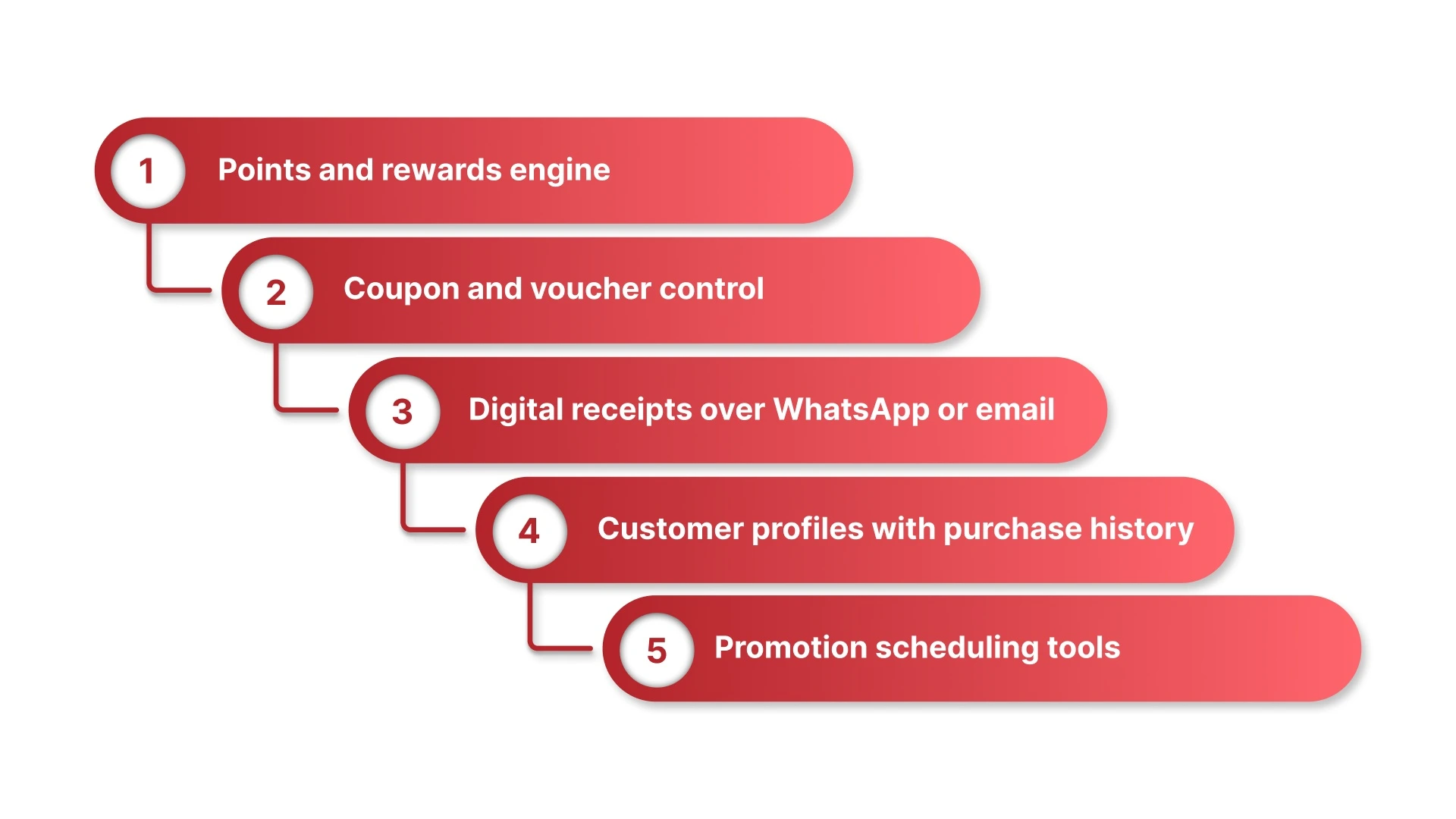
تساعد كل ميزة من ميزات الولاء في HAL Retail تجار التجزئة على الحفاظ على أرصدة دقيقة، وإطلاق حملات مستهدفة، ومكافأة العملاء دون تعقيدات تشغيلية. وفيما يلي الأدوات التي تدعم برامج الولاء:
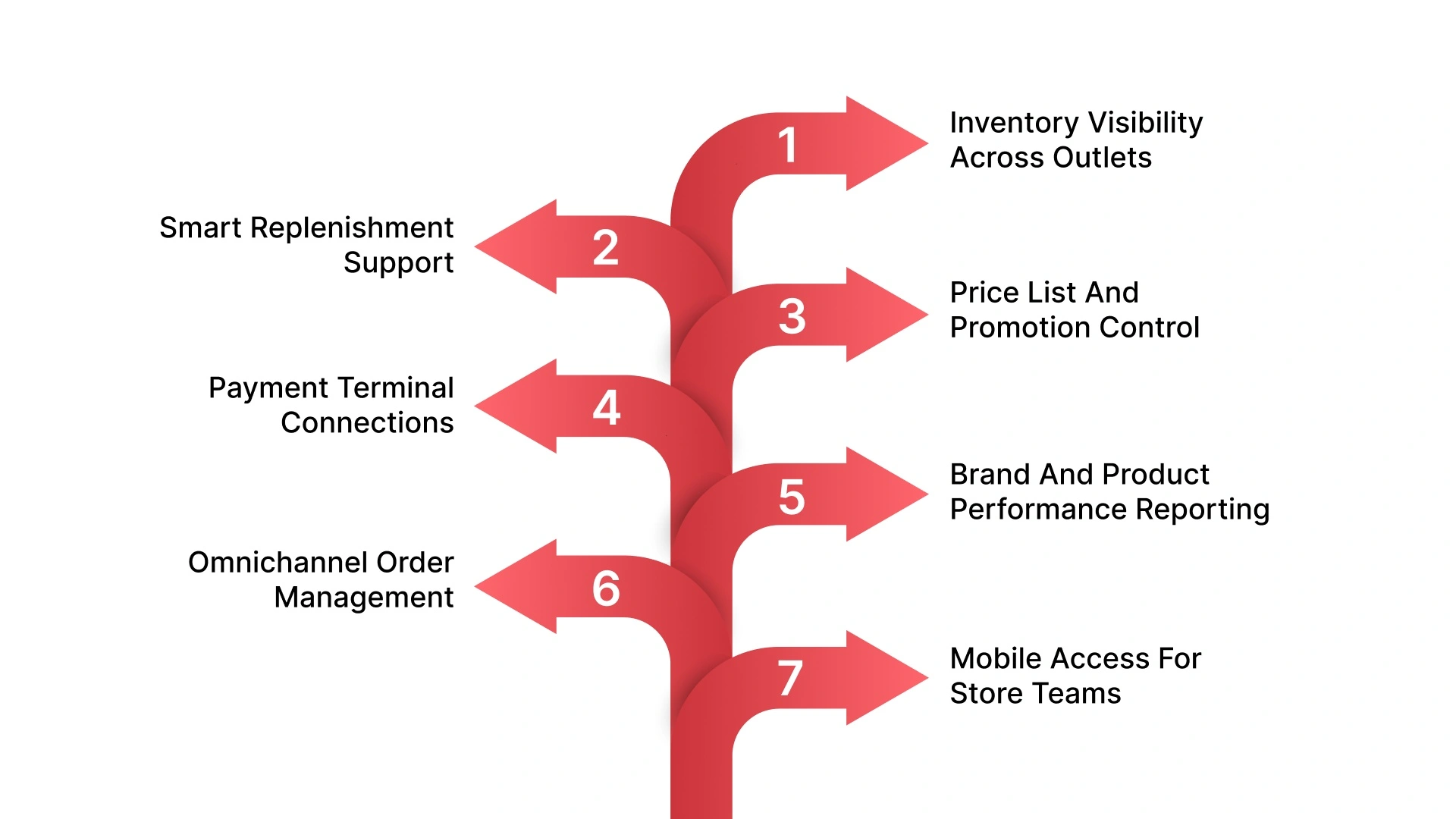
تدعم عمليات البيع بالتجزئة داخل HAL Retail برامج الولاء من خلال الحفاظ على اتساق مستويات المخزون والأسعار وأنشطة المتاجر. وفيما يلي أبرز الميزات التي تساعد على الحفاظ على ثقة العملاء بشكل مستمر:
لمعرفة كيفية عمل هذه الميزات على أرض الواقع، دعونا نلقي نظرة على دراسة حالة حقيقية لمجموعة الحميضي.
اعتمدت مجموعة الحميضي على HAL Retail لتعزيز الرقابة وتحسين الأداء اليومي عبر أكثر من ثمانين موقعًا. وشملت النتائج ما يلي:
ومع وصول المشروع إلى مرحلة النضج، أبدى الفريق الداخلي تقديرًا واضحًا لهذا التحول. وشعرت الفروع بالتحسينات التشغيلية، كما أفاد مديرو المتاجر بأن سير العمل اليومي أصبح أكثر سهولة.
"لقد أحدثت منصة HAL ERP سهلة الاستخدام تحولًا في إدارة عمليات البيع بالتجزئة لدينا عبر أكثر من 80 متجرًا. وأصبحنا الآن ندير المخزون والمبيعات والتقارير بفعالية أكبر وبجهد أقل."
— الشيخ عمر الزبيدي، مساعد المدير العام، مجموعة الحميضي
يعكس هذا التقييم كيف يمكن لنظام موحد أن يدعم شبكات التجزئة الكبيرة ويساعد الفرق على اتخاذ قرارات أفضل مع تقليل الضغوط اليومية بشكل كبير.
ينمو ولاء العملاء عندما تكون المكافآت ملائمة وبسيطة ومتسقة عبر الزيارات المختلفة. ويستجيب المتسوقون في السعودية بشكل جيد للبرامج التي تحترم وقتهم وتقدم قيمة واضحة دون خطوات إضافية. ومن خلال الهيكل المناسب، يمكن لمتاجرك بناء علاقات أقوى مع العملاء وزيادة الزيارات المتكررة بشكل مستمر.
إذا كنت تبحث عن دعم في إدارة برامج الولاء، والتحكم في المخزون، وتتبع المبيعات، وتنمية متاجرك، فإن HAL Retail يوفر نظام ERP مؤسسيًا متوافقًا مع متطلبات ZATCA، ومصممًا خصيصًا لتجار التجزئة في السعودية.
احجز عرضًا تجريبيًا مجانيًا مع HAL Retail لمعرفة كيف يمكن للنظام دعم المرحلة التالية من نمو أعمالك.
1. ما هي العناصر الأربعة (4 C’s) لولاء العملاء؟
تشير العناصر الأربعة لولاء العملاء إلى العميل (Customer)، والتكلفة (Cost)، والراحة (Convenience)، والتواصل (Communication). وتُعد هذه العناصر أساسية لبناء علاقات قوية مع العملاء والحفاظ عليها. ويتمثل الهدف في تقديم قيمة حقيقية، وتسهيل عملية الشراء، وضمان وضوح التواصل، وتوفير تجربة تبرر التكلفة التي يتحملها العميل.
2. ما هو مؤشر الأداء الرئيسي (KPI) لولاء العملاء؟
تشمل مؤشرات الأداء الرئيسية (KPIs) لولاء العملاء عادةً معدل الاحتفاظ بالعملاء، ومعدل تكرار الشراء، والقيمة الدائمة للعميل (CLV)، وصافي نقاط الترويج (NPS). وتساعد هذه المقاييس الشركات على تقييم مدى نجاحها في الاحتفاظ بالعملاء وقوة علاقاتها بهم.
3. ما هي العناصر الثلاثة (3 R’s) للولاء؟
تشير العناصر الثلاثة للولاء إلى المكافأة (Reward)، والتقدير (Recognition)، والملاءمة (Relevance). وتسلط هذه المبادئ الضوء على أهمية مكافأة العملاء المخلصين، وتقدير قيمتهم بالنسبة للشركة، وتقديم مكافآت ذات معنى وملاءمة لاحتياجاتهم.
4. كيف تؤثر برامج الولاء على سلوك العملاء؟
تؤثر برامج الولاء على سلوك العملاء من خلال تشجيع عمليات الشراء المتكررة، وتعزيز التفاعل مع العلامة التجارية، وتنمية الشعور بالانتماء. وعندما يحصل العملاء على مكافآت مقابل ولائهم، تزداد احتمالية عودتهم والتوصية بالعلامة التجارية للآخرين، مما يؤدي إلى زيادة المبيعات الإجمالية وتحسين الاحتفاظ بالعملاء.
5. ما الذي يجعل برنامج الولاء فعالًا؟
يوفر برنامج الولاء الفعّال مكافآت واضحة وقابلة للتحقيق، ويكون سهل الفهم، ويقدم قيمة تتوافق مع احتياجات العملاء. كما ينبغي أن يكون مخصصًا وسلسًا عبر جميع المنصات، سواء داخل المتجر أو عبر الإنترنت، وأن يوفر حوافز تشجع العملاء على تكرار عمليات الشراء والتفاعل مع العلامة التجارية بشكل أكثر تكرارًا.