

هل تعلم أن وضع المنتجات على الأرفف وحده يمكن أن يساهم في زيادة المبيعات بنسبة 23% أو أكثر؟ في متاجر التجزئة بالمملكة العربية السعودية، لكل شبر من مساحة الرف أهمية. فعندما توضع المنتجات بشكل غير مناسب، أو تظهر فجوات على الأرفف، أو تبدو العروض غير متناسقة، قد تخسر المتاجر المبيعات وثقة المتسوقين بها.
وتزداد أهمية ذلك مع سعي الشركات إلى تحقيق أهداف مستوحاة من رؤية 2030، حيث تصبح جودة قطاع التجزئة، وخدمة العملاء، والنمو المستدام ركائز أساسية لتقدم المملكة.
في هذا المقال، ستتعرف على مفهوم إدارة الأرفف، وتفهم المشكلات الشائعة، وتستكشف حلولًا مجرّبة مثل الحلول التي يدعمها HAL Retail، إلى جانب التعرف على مستقبل تحسين إدارة الأرفف.
هل تواجه صعوبة في تنظيم الأرفف؟ تعرّف على المزيد حول كيفية مساعدة HAL Retail في تبسيط عمليات إدارة الأرفف لديك.
إدارة الأرفف هي ببساطة تنظيم المنتجات وتوفيرها وعرضها بطريقة تدعم المبيعات، وتحسن تجربة العملاء، وتعزز الكفاءة التشغيلية. وفي متاجر التجزئة في جميع أنحاء المملكة العربية السعودية، سواء في مراكز التسوق بالرياض، أو متاجر الأحياء في جدة، أو شبكات الفروع، فإن ذلك يحظى بأهمية كبيرة.
فالأمر لا يقتصر على وضع المنتجات على الأرفف، بل يتعلق بالتفكير بشكل واضح في:
ومن خلال فهم أوضح لما تتضمنه إدارة الأرفف الفعّالة، يمكنك تحديد العقبات التي تعيق الأداء الأمثل للمتجر ومعالجتها بشكل أفضل.
.jpg)
يتعامل العديد من تجار التجزئة في جميع أنحاء المملكة العربية السعودية مع مشكلات في الأرفف تؤثر على المبيعات وتجربة العملاء والعمليات اليومية داخل المتاجر. وتظهر هذه التحديات في الفروع والمنافذ وحتى المتاجر ذات المساحات الصغيرة، مما يجعل من الصعب على الفرق الحفاظ على جاهزية الأرفف في جميع الأوقات.
لنقسّم هذه التحديات إلى نقاط واضحة حتى يسهل التعامل مع كل منها.
بعد تحديد العقبات الرئيسية، حان الوقت للنظر في استراتيجيات مجرّبة تساعد تجار التجزئة على التغلب على هذه المشكلات الشائعة وضمان عمليات أكثر سلاسة.
اقرأ أيضًا: أهم 5 تحديات في إدارة مخزون التجزئة
يساعد التخطيط الجيد للأرفف العملاء على العثور على ما يحتاجون إليه بسرعة أكبر، ويحافظ على تنظيم الأرفف بشكل جيد. وتحافظ الخطوات التالية على بساطة العملية وفعاليتها لأي منفذ بيع بالتجزئة.
إليك توضيحًا عمليًا للعوامل التي تساعد على تحسين الأرفف في المتاجر:
يساعد التوزيع الجيد للمنتجات على جذب الانتباه دون الحاجة إلى تغيير تصميم المتجر. ويمكن للتعديلات البسيطة أن ترفع المبيعات وتحسن طريقة تنقل المتسوقين بين الممرات.
إليك ما يمكنك تطبيقه فورًا:
لا تحقق الأرفف الغرض منها إلا عندما تظل المنتجات طازجة ونظيفة وسهلة الاختيار. وتساعد الإجراءات البسيطة على سد الفجوات، وتقليل المنتجات منتهية الصلاحية، والحفاظ على ترتيب العروض.
جرّب تطبيق هذه الخطوات ضمن دورتك اليومية والأسبوعية:
تساعد البيانات فريقك على تحديد المنتجات التي تحتاج إلى مساحة أكبر وتلك التي تحتاج إلى اهتمام. وحتى التتبع الأساسي يمكن أن يوفر رؤى مفيدة حول تفضيلات المتسوقين.
إليك طرقًا بسيطة لإدخال البيانات ضمن عملياتك اليومية:
ورغم فعالية هذه الاستراتيجيات، فإن مواكبة أحدث الاتجاهات يمكن أن تساعد متجرك على البقاء مرنًا وقادرًا على الاستجابة لمتطلبات السوق الجديدة.
يتجه تخطيط الأرفف في المملكة العربية السعودية نحو استخدام أكبر للبيانات، واتخاذ قرارات أسرع، وتحسين وضوح المخزون. وسيتمكن تجار التجزئة الذين يستعدون لهذه التحولات من التعامل مع الطلب بشكل أفضل والحفاظ على جاهزية المتاجر لخدمة العملاء.
إليك ما ينتظر تجار التجزئة في السعودية:
تفتح الاتجاهات الجديدة في إدارة الأرفف مجموعة واسعة من الفرص؛ والآن، لنستكشف كيف يمكن لـ HAL Retail توفير الأدوات اللازمة لتحويل هذه الفرص إلى واقع.
يوفر HAL Retail لتجار التجزئة في السعودية طريقة واضحة لإدارة الأرفف عبر جميع الفروع. فهو يساعدك على الحفاظ على دقة المخزون، وتوحيد الأسعار بين الفروع، ودعم فرق المتاجر بمهام يومية بسيطة. ومن خلال نظام واحد، يمكنك تقليل فجوات الأرفف، والحفاظ على ظهور المنتجات، واتخاذ القرارات بشكل أسرع.
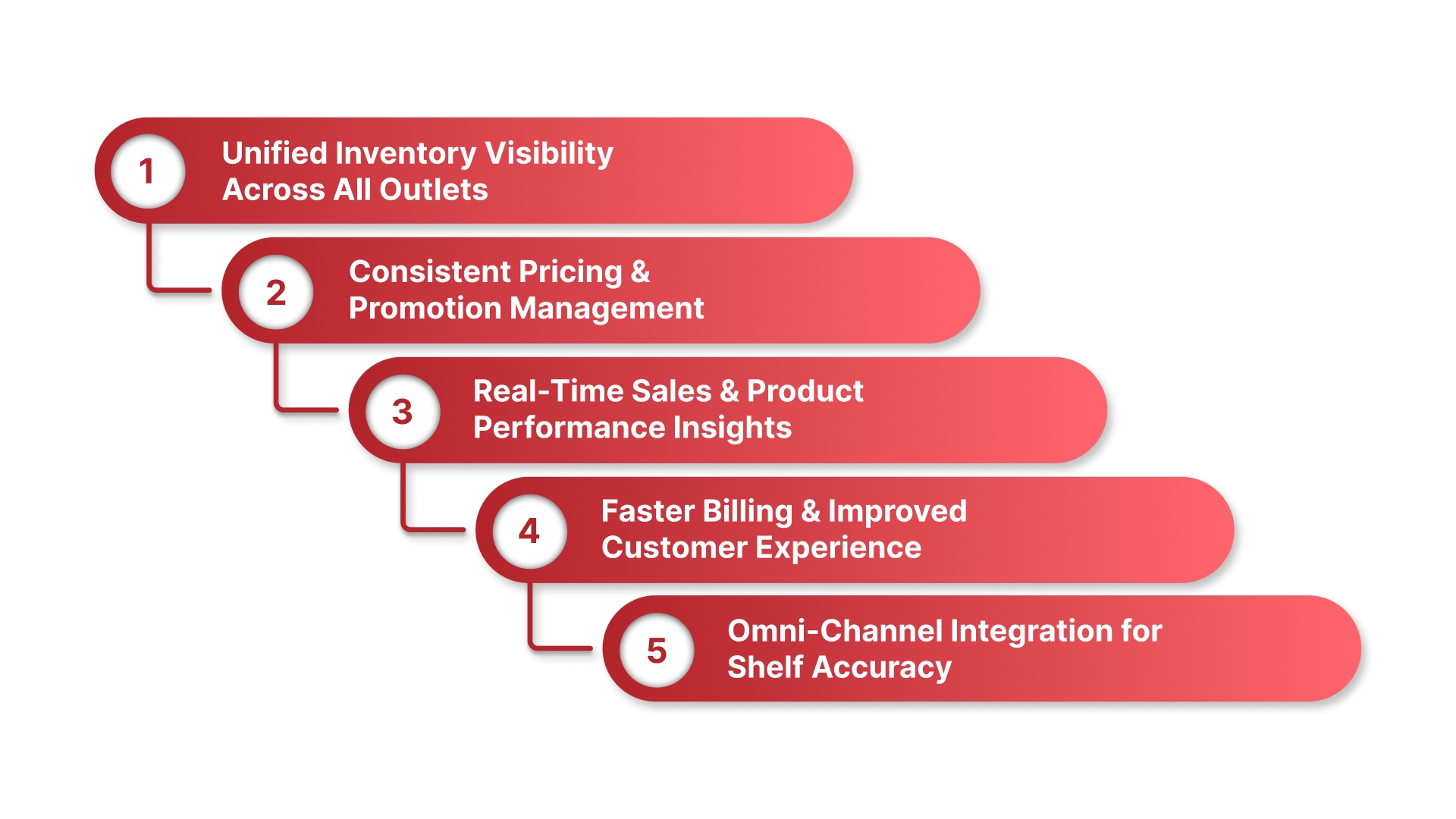
إليك كيف يدعم كل جانب من جوانب نظام ERP المتوافق مع متطلبات هيئة الزكاة والضريبة والجمارك (ZATCA)، HAL Retail، تحكمًا أفضل في الأرفف عبر متاجرك:
مع HAL Retail، يمكنك مراقبة المخزون عبر عدة فروع في المملكة العربية السعودية من خلال لوحة تحكم واحدة. دون الحاجة إلى التخمين، مما يعني حالات نفاد مخزون أقل، وتكدسًا أقل للمنتجات، وقرارات أفضل.
يتيح لك HAL Retail تحديد قوائم أسعار لكل متجر، وإطلاق حملات ترويجية مثل عروض رمضان أو عيد الفطر عبر الفروع، والحفاظ على اتساق العلامة التجارية. وتعمل استراتيجيات توزيع المنتجات على الأرفف بشكل أفضل عندما تكون الأسعار موحدة. ويطبّق HAL Retail قواعد ضريبة القيمة المضافة تلقائيًا ويتوافق مع متطلبات هيئة الزكاة والضريبة والجمارك (ZATCA)، مما يساعد المتاجر على الحفاظ على عرض أسعار متوافق وسجلات جاهزة للمتطلبات الضريبية.
احصل على بيانات حول المنتجات الأكثر مبيعًا، والمنتجات بطيئة الحركة، والاتجاهات على مستوى العلامات التجارية. وهذا يعني أنك تعرف المنتجات التي تستحق مساحة أكبر على الرفوف، والتي تحتاج إلى إعادة توزيع أو عروض ترويجية، وتلك التي تتوافق مع استراتيجيات التحسين المذكورة أعلاه.
لكي تحقق الأرفف نتائجها في قطاع التجزئة، يجب أن تكون عملية الدفع سلسة. يدعم HAL Retail إرسال الإيصالات عبر واتساب والبريد الإلكتروني، ويتكامل مع أجهزة الدفع، ويساعد على تسريع عملية الدفع حتى يشعر العملاء بالرضا ويكونوا مستعدين للشراء مرة أخرى.
يتكامل HAL Retail مع منصات التجارة الإلكترونية مثل Shopify وWooCommerce وSalla، بالإضافة إلى أنظمة الدفع والخدمات اللوجستية. وسواء تم شراء المنتج عبر الإنترنت أو من المتجر، يظل المخزون والأرفف متزامنين. ويُعد ذلك أمرًا أساسيًا في المملكة العربية السعودية، حيث يتوقع المتسوقون تجربة سلسة وموحدة عبر مختلف القنوات.
إذا كنت تبحث عن طريقة بسيطة للحفاظ على دقة ضريبة القيمة المضافة عبر متاجرك، فإن HAL VAT CARE يوفر لك أدوات واضحة لتلبية متطلبات المرحلة الثانية من ZATCA. فهو يدعم الفوترة الإلكترونية بسهولة، ويتصل بأنظمة التجزئة لديك دون تعقيد إضافي، ويوفر إرشادات محلية عندما يحتاج فريقك إلى توضيح.
لرؤية هذه الحلول أثناء العمل، تعرّف على كيفية تحقيق الحميضي تحسينات ملموسة في عملياته بعد تطبيق HAL Retail.
واجهت مجموعة الحميضي، وهي شركة تجزئة فاخرة في المملكة العربية السعودية تمتلك أكثر من 80 فرعًا، عدة تحديات، من بينها تأخر إعداد التقارير، وعدم اتساق الأسعار، وانفصال الأنظمة الإلكترونية عن الأنظمة داخل المتاجر، وعدم كفاءة تتبع المخزون.
وقد طبّقت المجموعة HAL Retail، وكانت النتائج لافتة:
وحققت المجموعة توحيدًا لبيانات المبيعات، واتساقًا في العروض الترويجية، وتحكمًا أفضل في المخزون، وتسريعًا لعمليات فوترة العملاء.
"لقد أحدثت منصة HAL ERP سهلة الاستخدام تحولًا في إدارة متاجر التجزئة لدينا عبر أكثر من 80 متجرًا. وأصبحنا الآن ندير المخزون والمبيعات والتقارير بفعالية أكبر وبجهد أقل."
— الشيخ عمر زبيدي، مساعد المدير العام، مجموعة الحميضي
توضح تجربتهم أن استراتيجيات إدارة الأرفف المدعومة بالنظام المناسب يمكن أن تحقق تأثيرًا كبيرًا.
حمّل دراسة حالة الحميضي للاطلاع على التفاصيل وتطبيق الدروس المستفادة على نشاطك التجاري.
لم تعد إدارة الأرفف جانبًا ثانويًا في قطاع التجزئة. فهي تؤثر في المبيعات، وتجربة العملاء، وصورة العلامة التجارية، والتكاليف التشغيلية. وبالنسبة لشركات التجزئة في المملكة العربية السعودية، يمكن أن يميزك إتقان إدارة الأرفف، سواء كنت تدير سلسلة متاجر متعددة الفروع في مراكز التسوق أو متاجر أحياء تتنافس على السرعة والملاءمة.
ما خطوتك التالية؟ اختر منطقة واحدة من الأرفف هذا الأسبوع، مثل ممر عالي الحركة أو أحد الفروع. وطبّق إحدى الاستراتيجيات، كإعادة توزيع المنتج الأكثر مبيعًا، أو إعداد تنبيه عند انخفاض المخزون، أو تجميع المنتجات المكملة معًا. ثم راقب النتائج.
اتخذ الخطوة التالية نحو أرفف أكثر تنظيمًا ومبيعات أقوى. يساعد HAL Retail تجار التجزئة في السعودية على تحقيق الوضوح والتحكم في العمليات اليومية للمتاجر. احجز عرضك التجريبي المجاني اليوم.
1. كم مرة يجب على متاجر التجزئة إعادة ترتيب الأرفف؟
تراجع معظم المتاجر تخطيط الأرفف كل ثلاثة أشهر. أما المتاجر ذات الحركة المرتفعة أو التي تشهد تغييرات متكررة في المنتجات، فقد تحتاج إلى تعديل أقسامها شهريًا. ويمكن إجراء التحديثات البسيطة، مثل نقل المنتجات سريعة البيع أو معالجة الفجوات، أسبوعيًا.
2. ما نوع المنتجات التي يجب أن تحصل على أكبر مساحة على الأرفف؟
عادةً ما تستحق المنتجات ذات المبيعات المستقرة، أو الطلب القوي من العملاء، أو هوامش الربح المرتفعة مساحة أكبر. ويمكن تخصيص مساحة إضافية للمنتجات الموسمية أو المنتجات الجديدة لفترات قصيرة لتعزيز ظهورها.
3. كيف يمكن للموظفين الحفاظ على اتساق ترتيب الأرفف بين الفروع؟
غالبًا ما تستخدم المتاجر أدلة مرئية واضحة، وخرائط بسيطة للأرفف، وقوائم تحقق يومية مختصرة. كما يمكن أن يساعد اعتماد روتين مشترك لالتقاط الصور قبل وبعد كل وردية المشرفين على التأكد من دقة التنفيذ دون الحاجة إلى مراجعات مطولة.
4. هل تؤثر برامج الولاء في تخطيط الأرفف؟
نعم. إذا أظهرت بيانات برنامج الولاء أنماطًا متكررة في شراء بعض المنتجات، فيمكن وضع هذه المنتجات في أماكن يسهل على العملاء رؤيتها بسرعة. ويساعد ذلك المتاجر على الاستفادة من سلوكيات الشراء السابقة دون الحاجة إلى التخمين.
5. ما الذي يجب على تجار التجزئة تجنبه عند تخطيط توزيع الأرفف؟
تجنب وضع المنتجات بطيئة الحركة في المواقع المميزة لفترات طويلة، وخلط الفئات غير المرتبطة، وإنشاء أرفف مزدحمة، أو ترك مساحات فارغة بشكل مبالغ فيه. وقد تؤدي هذه الأخطاء البسيطة إلى إرباك المتسوقين أو إبطاء قرارات الشراء.