

Did you know that shelf placement alone can improve sales by 23% or more? In a retail store in Saudi Arabia, every inch of shelf space carries weight. When items are placed poorly, when gaps appear, or when displays feel mismatched, stores can lose sales and the trust that shoppers place in them.
This matters even more as businesses work toward goals inspired by Vision 2030. A time when retail quality, customer care, and steady growth are central to the country’s progress.
In this blog, you’ll discover how to define shelf management, understand common problems, explore proven solutions like HAL Retail supports you, and look ahead to the future of shelf optimisation.
Struggling with shelf organization? Learn more about how HAL Retail can simplify your shelf management processes.
Shelf management is simply organising, stocking, and presenting products in a way that supports sales, customer experience, and operational efficiency. In retail stores across Saudi Arabia, whether in Riyadh malls, Jeddah neighbourhood stores, or branch networks, this matters a lot.
It’s not just about putting products on shelves. It’s about thinking clearly about:
With a clearer idea of what effective shelf management includes, you can better identify and tackle the obstacles that hinder optimal store performance.

.jpg)
Many retailers across Saudi Arabia deal with shelf issues that affect sales, customer experience, and day-to-day store operations. These challenges show up across branches, outlets, and even small store formats, making it harder for teams to keep shelves ready at all times.
Let’s break these challenges into clear points so each one is easy to act on.
Having pinpointed the main obstacles, it's time to consider proven strategies that help retailers overcome these common problems and ensure smoother operations.
Also Read: Top 5 Challenges in Retail Inventory Management Explained
Good shelf planning helps customers find what they need faster and keeps your team's shelves in good shape. The steps below keep the process simple and practical for any retail outlet.
Here’s a clear breakdown of what drives better shelves across stores:
Good placement helps products gain attention without changing your store layout. Minor adjustments can lift sales and improve the way shoppers move across aisles.
Here’s what you can apply right away:
A shelf only works when products stay fresh, clean and easy to pick. Simple routines help fill gaps, reduce expired goods, and keep displays neat.
Try these steps as part of your daily and weekly cycle:
Data helps your team decide which products need more space and which ones need attention. Even basic tracking offers helpful insight into what shoppers prefer.
Here are easy ways to bring data into your routine:
While these strategies are highly effective, keeping up with the latest trends can help your store remain adaptable and responsive to new market demands.

Shelf planning in Saudi Arabia is moving toward stronger data use, faster decisions, and clearer stock visibility. Retailers who prepare for these shifts will handle demand better and keep stores ready for customers.
Here’s what comes next for Saudi retailers:
The new trends in shelf management bring a wealth of opportunities; now, let's examine how HAL Retail can provide the tools to make those opportunities a reality.
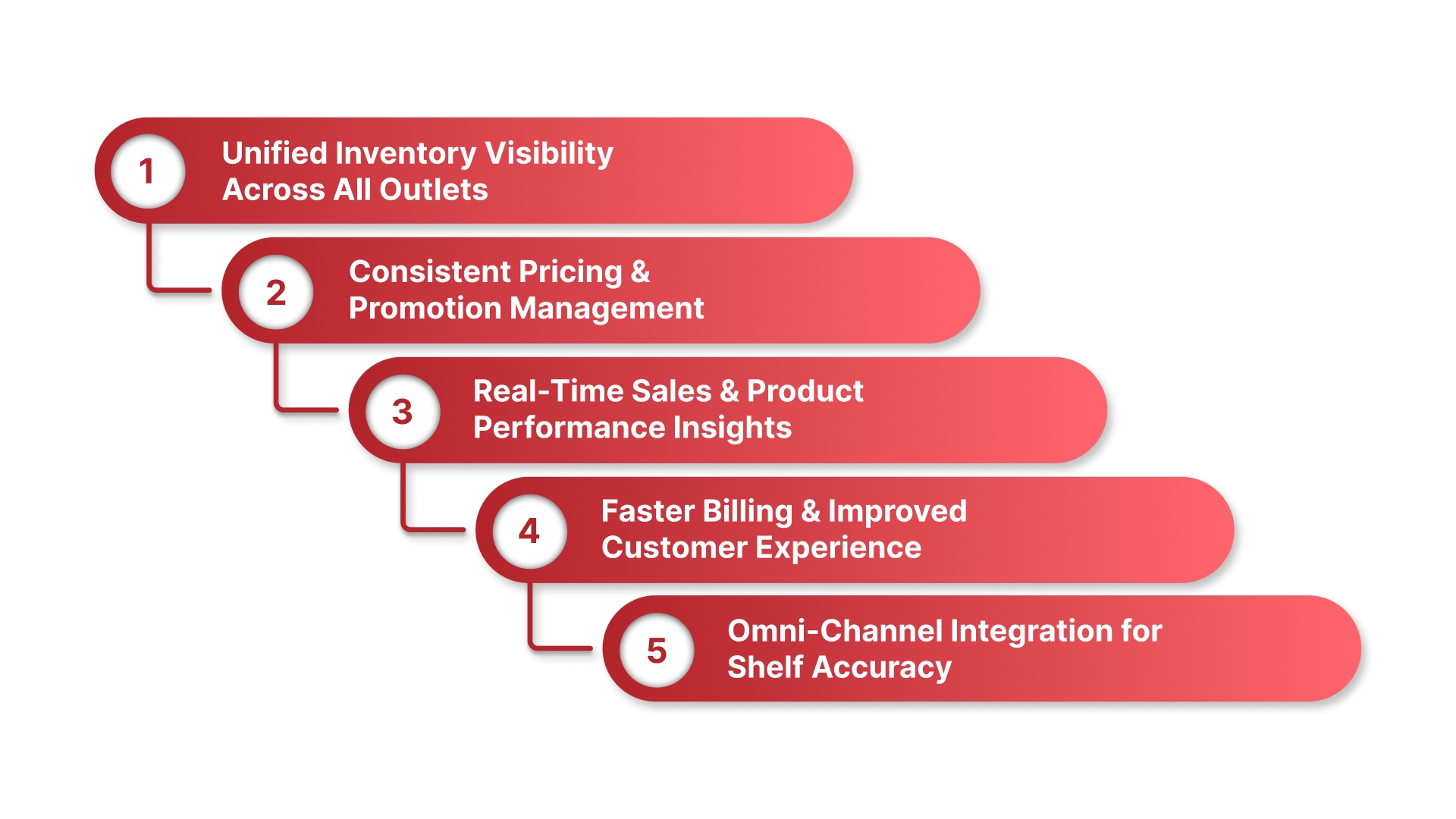
HAL Retail gives Saudi retailers a clear way to manage shelves across all outlets. It helps you keep stock accurate, maintain pricing across branches, and support store teams with simple daily tasks. With one system, you can reduce shelf gaps, keep items visible, and act faster.
Here’s how each part of ZATCA-compliant ERP, HAL Retail, supports stronger shelf control across your stores:
With HAL Retail, you can monitor stock across multiple branches in Saudi Arabia from a single dashboard. No guesswork. Which means fewer stockouts, less overstocking, and better decisions.
HAL Retail lets you define price lists for each store, run campaigns (e.g., Ramadan or Eid offers) across branches, and maintain brand consistency. Your shelf placement strategies work better when pricing is aligned. HAL Retail automatically applies VAT rules and aligns with ZATCA requirements, helping stores maintain compliant price displays and tax-ready records.
Get data on best-selling SKUs, slow movers, and brand-level trends. That means you know which products deserve more shelf space, which need repositioning or promotion, and which align with the optimisation strategies above.
For retail shelves to work, the checkout must be smooth. HAL Retail supports receipt via WhatsApp/email, integrates with payment terminals, and helps you keep checkout faster so customers feel satisfied and are ready to purchase again.
HAL Retail integrates with e-commerce platforms (Shopify, WooCommerce, Salla) and payment/logistics systems. So whether a product is bought online or offline in your store, inventory and shelves stay aligned. This is key in Saudi Arabia, where shoppers expect seamless channel experiences.
If you want a simple way to keep VAT accuracy steady across your stores, HAL VAT CARE gives you clear tools for ZATCA Phase II needs. It supports easy e-invoicing, connects with your retail systems without extra complexity, and offers local guidance when your team needs clarity
To see these solutions in action, take a look at how Al Homaidhi achieved substantial improvements in their operations by implementing HAL Retail.

The Al Homaidhi Group, a luxury retailer in Saudi Arabia with over 80 branches, faced issues: delayed reporting, inconsistent pricing, separate online/offline systems, and inefficient inventory tracking.
They implemented HAL Retail. The results speak loudly:
They achieved unified sales data, consistent promotions, better stock control and faster customer billing.
“HAL ERP’s user-friendly platform has transformed our retail management across 80+ stores. We now manage stock, sales, and reports more effectively and with less effort.”
— Sheikh Omar Zubaidi, Assistant General Manager, Al Homaidhi Group
Their journey shows that shelf-management strategies backed by the right system deliver a significant impact.
Download the Al Homaidhi Case Study to see details and apply learnings to your business.
Shelf management no longer sits in the background. It influences sales, customer experience, brand perception and operational cost. For retail businesses in Saudi Arabia, getting it right can differentiate you from multiple-outlet chains in malls to neighbourhood stores competing on speed and relevance.
Your next step? Pick one shelf zone this week, maybe a high-traffic aisle or one branch. Apply one of the strategies: reposition your best-seller, set a low-stock alert or group complementary items. Monitor outcomes.
Take the next step toward more organised shelves and stronger sales. HAL Retail helps Saudi retailers bring clarity and control to daily store operations. Book your free demo today.
1. How often should retail stores rearrange their shelves?
Most stores review their shelf layout every quarter. High-traffic stores or those with frequent product changes may adjust sections monthly. Minor updates—such as shifting fast sellers or correcting gaps—can be done weekly.
2. What type of products should receive the most shelf space?
Products with steady sales, strong customer pull, or higher margins usually deserve more space. Seasonal items or new launches may receive extra space for short periods to support visibility.
3. How can staff maintain consistent shelf upkeep across branches?
Stores often use clear visual guides, simple shelf maps, and short daily checklists. A shared photo routine—before and after each shift- can help supervisors confirm accuracy without long reviews.
4. Do loyalty programmes influence shelf planning?
Yes. If loyalty program data shows repeat-buying patterns, those items can be placed where customers can spot them quickly. This helps stores build on past buying behaviour without having to guess.
5. What should retailers avoid when planning shelf layouts?
Avoid placing slow sellers in prime positions for long periods, mixing unrelated categories, creating crowded shelves or leaving too much empty space. These small mistakes can confuse shoppers or slow buying decisions.