
Stockouts are among the most significant challenges facing retailers today. Customers are often frustrated when their desired products are unavailable, whether in-store or online. For retailers, stockouts don't just mean missed sales; they signify lost trust, operational inefficiencies, and a potential competitive disadvantage.
In fact, retailers globally lose nearly $1 trillion each year due to out-of-stock situations. In Saudi Arabia, the retail market was valued at approximately USD 282.2 billion in 2024 and is projected to reach USD 402.7 billion by 2033, growing at a compound annual growth rate (CAGR) of 4.03%.
Despite this robust growth, stockouts remain a persistent issue. Studies indicate that stockouts can lead to an average of 4% in lost sales, with some sectors experiencing even higher losses. This blog delves into the causes and consequences of stockouts in the Saudi retail sector.

Before you can solve stockouts, you need to understand what they really mean for your business. Stockouts are more than just an inventory gap; they represent a breakdown in your supply chain and can trigger a chain reaction that impacts sales, customer satisfaction, and even your operational costs.
By recognizing what constitutes a stockout and why it happens, you’ll be better equipped to prevent it and build a stronger, more resilient retail operation. A stockout occurs when a product that customers want to buy is unavailable for purchase either on shelves or online. Let’s explore some of the most common causes of stockouts so you can see where the risks typically arise:

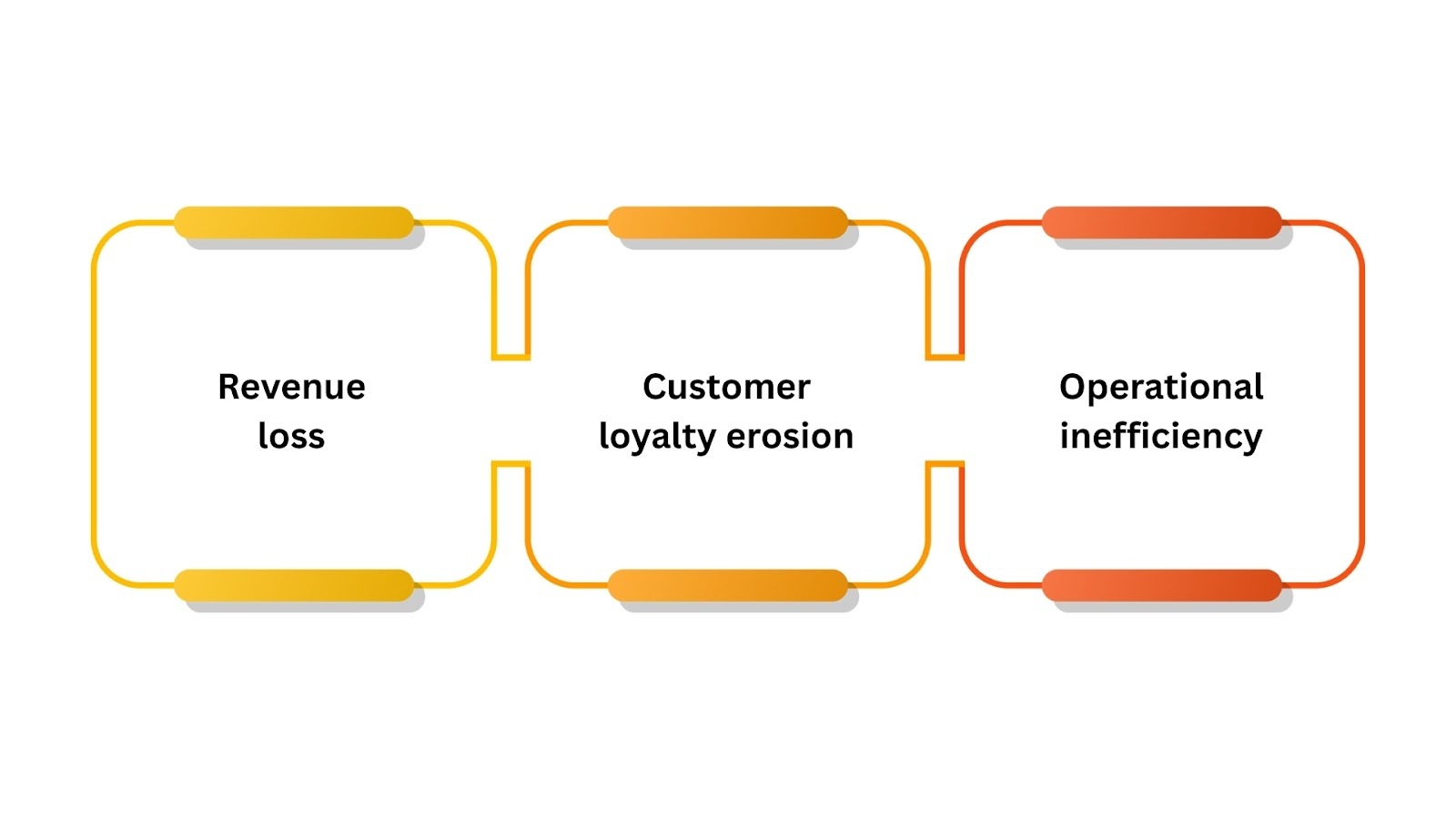
A single stockout may seem minor, but its consequences ripple across your entire retail operation in ways that aren’t always obvious at first glance. Beyond the immediate loss of a sale, stockouts impact how customers perceive your brand, the efficiency of your team's operations, and even the amount you spend on emergency fixes.
They can disrupt customer journeys both in-store and online, undermine trust, and force your business into costly reactive measures. Over time, recurring stockouts can erode your competitive edge, making it more difficult to retain loyal customers and protect your profit margins.
To understand the full scope of their impact, let’s break down the key areas where stockouts hurt your business most:
1. Revenue loss
Every missed sale is immediate money out the door. Customers who leave empty-handed or abandon their online cart rarely wait for restocks; they simply buy from a competitor.
2. Customer loyalty erosion
Shoppers expect consistency. If they can’t rely on you to deliver, they’ll form new habits elsewhere. Over time, this weakens your customer base and increases churn.
3. Operational inefficiency
Stockouts often trigger reactive measures like rush orders or expedited shipping, which inflate costs and put unnecessary stress on your supply chain.
The good news is that technology has evolved to address these challenges head-on. Let’s look at how it can transform your inventory management.

Modern retail requires modern tools. Relying solely on manual systems or gut instincts won’t cut it anymore, especially when customer expectations are higher than ever. Shoppers demand real-time availability, whether they’re browsing online or walking into a store, and a single slip can push them toward competitors.
Technology bridges the gap between fluctuating demand and complex supply chains, providing you with the visibility and control you need to stay ahead. Modern tools like RFID, predictive analytics, and platforms such as HAL give you real-time visibility.
Let’s take a closer look at the key technologies that help retailers like you prevent stockouts and maintain consistent product availability:
Also Read: Best Accounting Software For Your Online Retail Business
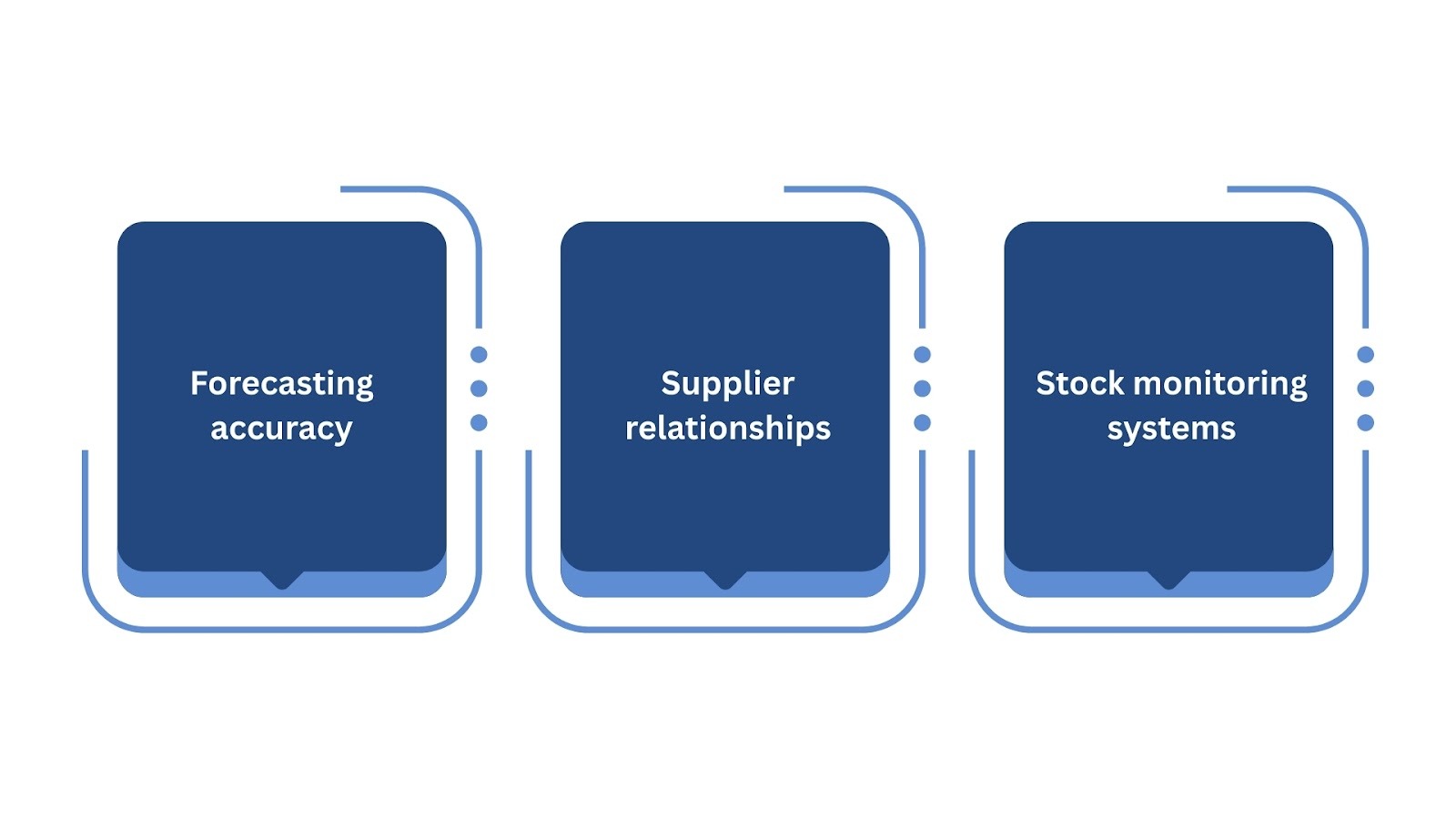
To prevent stockouts effectively, you must fix the underlying issues that create them. While it’s tempting to treat stockouts as isolated incidents, they’re usually symptoms of deeper problems in your forecasting, supply chain, or inventory processes.
If those root causes aren’t addressed, stockouts will continue to resurface frequently at the worst possible times, such as during peak shopping seasons or promotional campaigns. By digging into the foundational drivers of shortages, you gain the ability not just to react when products run out, but to build a system that prevents them from happening in the first place.
Here are the key areas where addressing root causes can make the biggest difference:

Once you’ve identified and addressed the root causes of stockouts, the next step is to build a proactive framework that keeps your shelves and online stores consistently stocked. This is where best practices come into play, practical, repeatable strategies that strengthen your inventory processes and minimize risks.
Think of these practices as the guardrails that protect you from both predictable challenges, like seasonal demand spikes, and unexpected disruptions, such as supplier delays.
Let’s explore some of the most effective best practices you can implement to prevent stockouts in your retail operations:
These best practices apply globally, but if you operate in the GCC, you’ll need to account for some unique regional dynamics.
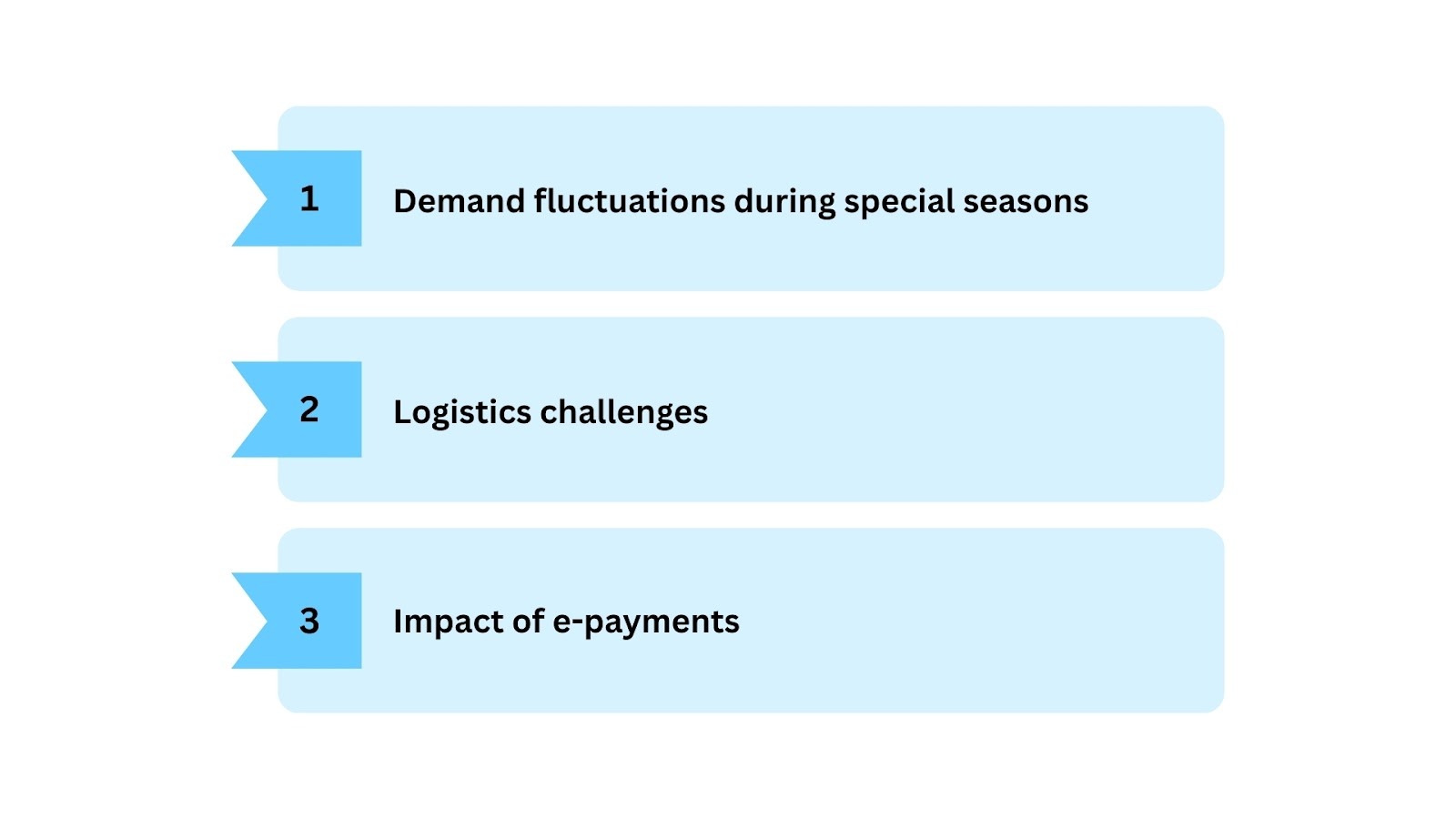
The Gulf Cooperation Council (GCC) market presents its own set of challenges and opportunities in inventory management. While the region benefits from a strong retail sector and a tech-savvy consumer base, retailers must also navigate unique demand patterns, infrastructure constraints, and cultural influences on shopping behavior.
Stockouts in the GCC can be particularly damaging, as customer expectations during major holidays and events are exceptionally high, and supply disruptions can quickly drive shoppers toward competitors.
Let’s look at some of the key factors you should account for when managing stock in the GCC market:
Ramadan is a significant peak for retail in Saudi Arabia; for example, consumer spending surged nearly 35 % in the week just before Ramadan in 2025, as shoppers stocked up early.
Key steps to implement:
By using a forecasting module tailored to Ramadan/Eid, backed by real data, calendar-aware modelling, and operational alignment, retailers can significantly reduce stockouts during peak seasons, strengthen customer trust, and capture more of the demand surge.
Traditional methods, even when supported by basic digital systems, often fall short in today’s fast-moving retail environment where customer expectations, market trends, and supply chain dynamics change daily. Automation takes repetitive, error-prone tasks like reordering and stock tracking out of human hands, freeing your team to focus on higher-value activities.
Meanwhile, AI adds intelligence to your operations by analyzing vast amounts of data from sales history to weather patterns to predict demand with a level of accuracy that manual forecasting simply can’t achieve. Together, automation and AI give you the agility to respond faster, reduce human error, and create a more resilient supply chain. With machine learning models, you can forecast demand more accurately.
Here’s how these technologies can transform the way you manage stock and minimize the risk of stockouts:
In Saudi Arabia’s multilingual retail environment, language accessibility can make or break communication efficiency.
Implementing a bilingual (Arabic + English) real-time stockout alert system makes sure that store teams, warehouse staff, and suppliers receive instant, clear notifications the moment an item’s availability changes, in the language they understand best.
Key steps to implement:
By delivering timely, bilingual alerts through familiar communication platforms, retailers can respond to stock issues faster, minimize downtime, and improve overall customer satisfaction and store readiness.
Building direct digital connections with leading Saudi suppliers helps retailers gain real-time visibility into stock levels and delivery timelines. By integrating APIs with key distributors such as Almarai, SADAFCO, and major local FMCG partners, retailers can forecast and reorder faster, especially for fast-moving items during Ramadan, Eid, and the summer surge period.
Key steps to implement:
Retailers that invest in this supplier integration layer gain a clear competitive edge, faster replenishment cycles, fewer last-minute shortages, and stronger supplier relationships that improve long-term inventory accuracy.
As Saudi Arabia accelerates its Vision 2030 digital transformation, retailers are expected to demonstrate progress in areas such as local sourcing, sustainability, and e-commerce readiness. A centralized Vision 2030 compliance dashboard helps retail leaders track these KPIs in real time, aligning operational performance with national goals and corporate ESG commitments.
Key steps to implement:
By aligning digital operations with Vision 2030 goals, retailers can differentiate themselves in the Saudi market.

You can’t improve what you don’t measure, and preventing stockouts is no exception. While strategies like automation, forecasting, and supplier collaboration can significantly reduce shortages, you need concrete metrics to confirm whether they’re working.
Key performance indicators (KPIs) give you visibility into how often stockouts occur, how much revenue you’re losing, and how effectively your operations are meeting customer demand.
Let’s look at the most critical KPIs you should monitor to stay on top of stockouts:
At this point, you may be wondering how a platform like HAL can make all of this simpler for you. Let’s take a closer look.

Tracking KPIs gives you the clarity to see where stockouts are happening and how they affect your business. But measurement alone won’t fix the problem; you also need the right tools to act on those insights. That’s where HAL comes in. HAL’s advanced retail solutions are designed to tackle stockouts at every stage of the inventory lifecycle, from forecasting demand to replenishing shelves.
Here’s how HAL helps you reduce stockouts and keep your business running at its best:
By combining real-time data, automation, and AI-driven analytics, HAL empowers you to move from reactive firefighting to proactive prevention. Book a demo today!

1. What are the most common causes of stockouts in retail?
Stockouts are primarily caused by inaccurate inventory data, poor demand forecasting, delays in the supply chain, and ineffective stock management practices.
2. How can AI help prevent stockouts in retail?
AI-driven forecasting models can predict demand more accurately, factoring in seasonal trends, historical data, and market conditions to prevent stockouts.
3. What is safety stock, and why is it important?
Safety stock is an additional quantity of inventory kept to prevent stockouts in case of unexpected demand spikes or delays from suppliers.
4. How can omnichannel integration prevent stockouts?
Omnichannel integration guarantees consistent inventory tracking across both online and in-store channels, preventing stockouts by providing real-time data on stock availability.
5. How can retailers prepare for demand fluctuations during peak seasons?
You can prepare by closely monitoring historical sales data, forecasting for seasonal events, and setting up automated replenishment systems to account for demand surges.