

Talent management isn’t just about recruiting employees; it’s about creating a strategic plan to nurture, develop, and retain the right people who can drive your organization’s success. In today’s competitive market, your organization’s ability to attract and maintain top-tier talent is directly tied to your overall performance, innovation, and growth. A well-executed talent management strategy creates a motivated, skilled workforce that directly contributes to your business goals.
In this guide, we’ll learn the key concepts of talent management, its importance, the necessary skills, and how to implement strategies that drive success. From defining the talent management process to leveraging technology, we’ll show you how to build a comprehensive and effective strategy that positions your business for the future.
Talent management is the comprehensive process of managing, recruiting, developing, and retaining a productive workforce. It focuses on attracting the right talent, aligning them with the company’s goals, and fostering a supportive work environment that drives growth.
The strategic importance of talent management lies in its direct impact on organizational competitiveness. Businesses that effectively manage talent have a significant edge in innovation, productivity, and overall performance.
For instance, consider a tech company like Google, which actively manages its talent through rigorous recruitment processes, career development programs, and an engaging workplace culture. Google’s talent management strategy has contributed to its continuous innovation and leadership in the tech industry.
Effective talent management is essential to ensuring that an organization not only reaches its goals but also sustains long-term success in a rapidly changing business environment. At its core, talent management is about more than just hiring the right people; it’s about nurturing, developing, and retaining the individuals who drive the company forward.
Companies with robust talent management strategies typically enjoy higher levels of employee engagement, which translates into stronger teamwork, better customer service, and a willingness among staff to go the extra mile.
On the other hand, neglecting talent management can have serious drawbacks:
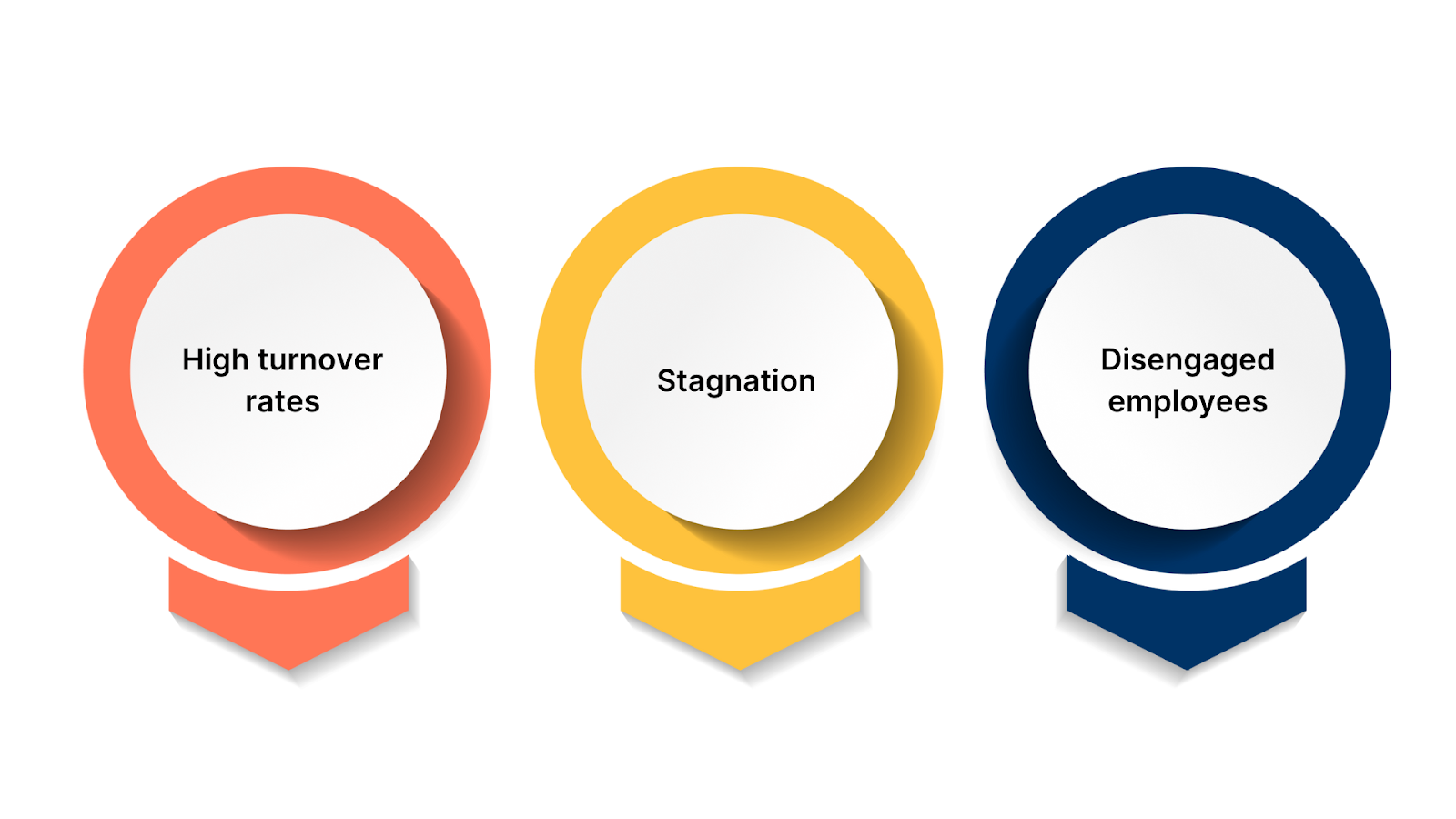
In short, prioritizing talent management is investing in your organization’s future, ensuring stability, continuous improvement, and the ability to thrive regardless of external challenges.

Talent management encompasses various components that contribute to an organization's ability to attract, develop, and retain top talent. These elements work in tandem to build a high-performing workforce:
Workforce planning involves analyzing both the current and future skill needs of the organization to ensure that the right talent is available at the right time. This process includes forecasting the demand for specific roles and skills, identifying skill gaps, and developing strategies to address them.
Example: A manufacturing company may identify a future need for engineers skilled in automation. By planning, they can begin to train existing employees or recruit externally to fill this skill gap, preventing future bottlenecks in production processes.
Recruitment and talent acquisition focus on attracting and selecting candidates who not only possess the necessary skills but also fit the company’s culture and values. This process begins with defining the roles and responsibilities needed within the organization and extends to sourcing candidates through job boards, social media, recruitment agencies, and employee referrals.
Example: A company that values innovation might recruit candidates who show a passion for creativity and problem-solving, ensuring they bring fresh ideas to the table and contribute to the company’s culture of innovation.
Onboarding is the process of effectively integrating new hires into the company, ensuring they understand the company culture, their roles, and their specific contributions to the team. Successful onboarding goes beyond administrative tasks; it focuses on building relationships, providing clarity on expectations, and setting the tone for employee engagement.
Example: A tech company may have a structured onboarding program that includes training on company software, introduction to team members, and mentorship, ensuring that new hires feel confident and supported in their new roles from day one.
Training and development are vital components of talent management as they provide employees with opportunities for continuous learning and career growth. Offering ongoing professional development not only enhances employees’ skills but also keeps them engaged and motivated.
Example: A marketing firm might offer workshops on the latest digital marketing trends, empowering its employees to stay ahead of the curve and apply new knowledge to their work, thus improving the company's overall performance.
Performance management is a continuous process that involves setting clear goals, providing regular feedback, and tracking employee progress. It includes performance appraisals, one-on-one meetings, and regular check-ins to ensure employees are aligned with the company’s objectives.
Example: A sales team may have monthly performance reviews where individual goals are set, progress is tracked, and feedback is given. This allows employees to understand their strengths and areas for improvement, motivating them to perform better.
Compensation and benefits play a significant role in attracting and retaining top talent. Offering competitive salaries, performance bonuses, health benefits, retirement plans, and other perks is essential for motivating employees and ensuring they feel valued.
Example: A tech company might offer stock options, flexible work hours, and generous health benefits as part of its compensation package, appealing to candidates who prioritize work-life balance and financial incentives.
Succession planning ensures that the organization is prepared for future leadership transitions by identifying and developing potential leaders within the company. It involves assessing the talent pipeline and creating development plans for high-potential employees to take on leadership roles when the time comes.
Example: A large corporation may identify high-potential employees early in their careers and invest in leadership development programs to prepare them for future executive roles. This proactive approach ensures smooth transitions when senior leaders retire or move on.

Also Read: Understanding Human Resources: Roles and Responsibilities

Talent management follows a structured and systematic process that helps organizations ensure they have the right people in place at every stage. Each step plays a crucial role in the overall success of an organization’s workforce strategy. Below is an explanation of each step:
The first step in the talent management process is sourcing and recruiting the right talent for the organization. This step is essential to building a strong talent pool that meets the company’s present and future needs.
Key Activities:
Hiring is the process of assessing, interviewing, and selecting the best candidates from the talent pool. It's a crucial step as it determines the quality of new hires that will contribute to the organization’s success.
Key Activities:
HAL ERP's comprehensive HR solutions can help automate processes and ensure your talent management strategy is seamless, efficient, and aligned with your business goals.
Once hired, employees need continuous development to grow their skills, remain engaged, and advance their careers. This step ensures that employees are given the tools, training, and opportunities to succeed in their current roles and future positions.
Key Activities:
Employee engagement is key to maintaining a motivated and productive workforce. This step focuses on keeping employees connected to the organization and committed to their work.
Key Activities:
Monitoring employee performance is a continuous process that involves tracking progress against set goals and ensuring that performance aligns with the company’s strategic objectives.
Key Activities:
Recognition is an essential element of the talent management process, as it helps employees feel valued for their contributions. Offering fair and equitable recognition systems encourages engagement and motivates employees to continue performing at a high level.
Key Activities:
Succession planning ensures the organization is prepared for future leadership needs. It involves identifying and developing potential leaders from within the company to ensure that key roles are filled seamlessly when vacancies arise.
Key Activities:
Also Read: HAL HRMS: All You Need for Managing a Collaborative, Future-Ready Workforce

A successful talent management strategy is built on several key pillars that ensure an organization attracts, develops, and retains top talent.
By focusing on these pillars, organizations can build a talent management strategy that attracts high-performing employees, nurtures their growth, and supports long-term success.
To successfully manage talent, HR professionals need a diverse set of skills that encompass both strategic thinking and technical proficiency.
Talent management professionals need strong communication skills to engage with employees, address concerns, and effectively communicate the company’s goals. For example, at HAL Simplify, dedicated HR teams use integrated communication tools within their ERP system to maintain clear, consistent dialogue between management and staff.
This approach helped Jash Holding streamline employee onboarding and foster trust across multiple locations, ensuring everyone understands their roles and the company’s vision. Building these relationships is essential to successful talent management and employee satisfaction.
Aligning HR initiatives with organizational goals requires strategic thinking and excellent organizational skills. For instance, Masaahaat, a marketing agency, faced challenges managing multiple projects and finances simultaneously.
By leveraging HAL ERP’s unified platform, they were able to coordinate recruitment, training, and performance reviews efficiently, keeping all activities aligned with business growth objectives. Managing these complex processes cohesively ensures that talent management contributes directly to company success.
International Indian School Riyadh (IISR) adopted HAL ERP’s cutting-edge HRIS platform to automate payroll, track employee performance, and provide real-time updates through a mobile app.
This technology proficiency not only improved accuracy but also empowered HR to make data-driven decisions, enhancing workforce productivity and responsiveness to staff needs.

HAL ERP empowers organizations to attract, develop, and retain top talent by integrating HR processes into a seamless, easy-to-use platform. From recruitment and onboarding to performance tracking and payroll, HAL ERP streamlines every stage of the talent management lifecycle, helping businesses build a motivated and high-performing workforce aligned with their strategic goals.
Discover how HAL ERP helps businesses seamlessly manage their most valuable asset, their people, and build a culture of growth and success. Explore customer success stories to see HAL ERP in action, transforming talent management across industries.
Talent management is a cornerstone of business success. By developing a comprehensive strategy that aligns with business goals, focusing on employee engagement and development, and leveraging technology to streamline processes, businesses can build a workforce that drives success. As talent management evolves, businesses must continue to adapt to meet the changing needs of the workforce.
By aligning your HR strategies with organizational goals, fostering continuous employee development, and leveraging advanced technologies like HAL Simplify, you can streamline processes, improve engagement, and ensure compliance with local regulations. Implementing a comprehensive talent management system empowers your organization to attract and retain top talent, adapt to changing needs, and maintain a competitive edge in today’s dynamic market.

1. What is the difference between talent management and talent acquisition?
Talent acquisition focuses specifically on attracting and hiring the right candidates for open positions, while talent management covers the broader process of developing, engaging, and retaining employees throughout their entire lifecycle in the organization.
2. Why is talent management important for businesses?
Effective talent management improves employee productivity, engagement, and retention, which directly contributes to business growth, innovation, and the ability to adapt to changing market conditions.
3. How does onboarding impact talent management?
Onboarding is a critical early step in talent management that helps new employees integrate into the company culture, understand their roles clearly, and become productive faster, which reduces turnover and boosts engagement.
4. What role does technology play in talent management?
Technology streamlines talent management by automating administrative tasks, providing data-driven insights for better decision-making, and enhancing recruitment, performance tracking, and employee development through specialized software tools.
5. How can organizations retain top talent effectively?
Organizations retain top talent by offering competitive compensation, providing opportunities for learning and development, recognizing employee contributions, fostering a positive workplace culture, and engaging employees through clear communication and support.