.jpg)

Have you ever faced delays because your construction crew lacked the right skills at the right time?
In Saudi Arabia, the construction market is expanding rapidly, valued at $70.33 billion in 2024 and set to reach $91.36 billion by 2029 under Vision 2030 investments. Yet many firms still rely on manual methods to plan workforce needs.
It leads to cost overruns, idle labour, and missed deadlines. Construction workforce planning must ensure you have enough workers, with the correct skills, deployed when needed. Without structure, projects stall, budgets inflate, and quality suffers.
With rising demand for housing, infrastructure, and industrial builds, effective planning has never mattered more.
In this guide, you will learn what construction workforce planning means, strategies to improve your planning, challenges, and how ERP tools support this process.
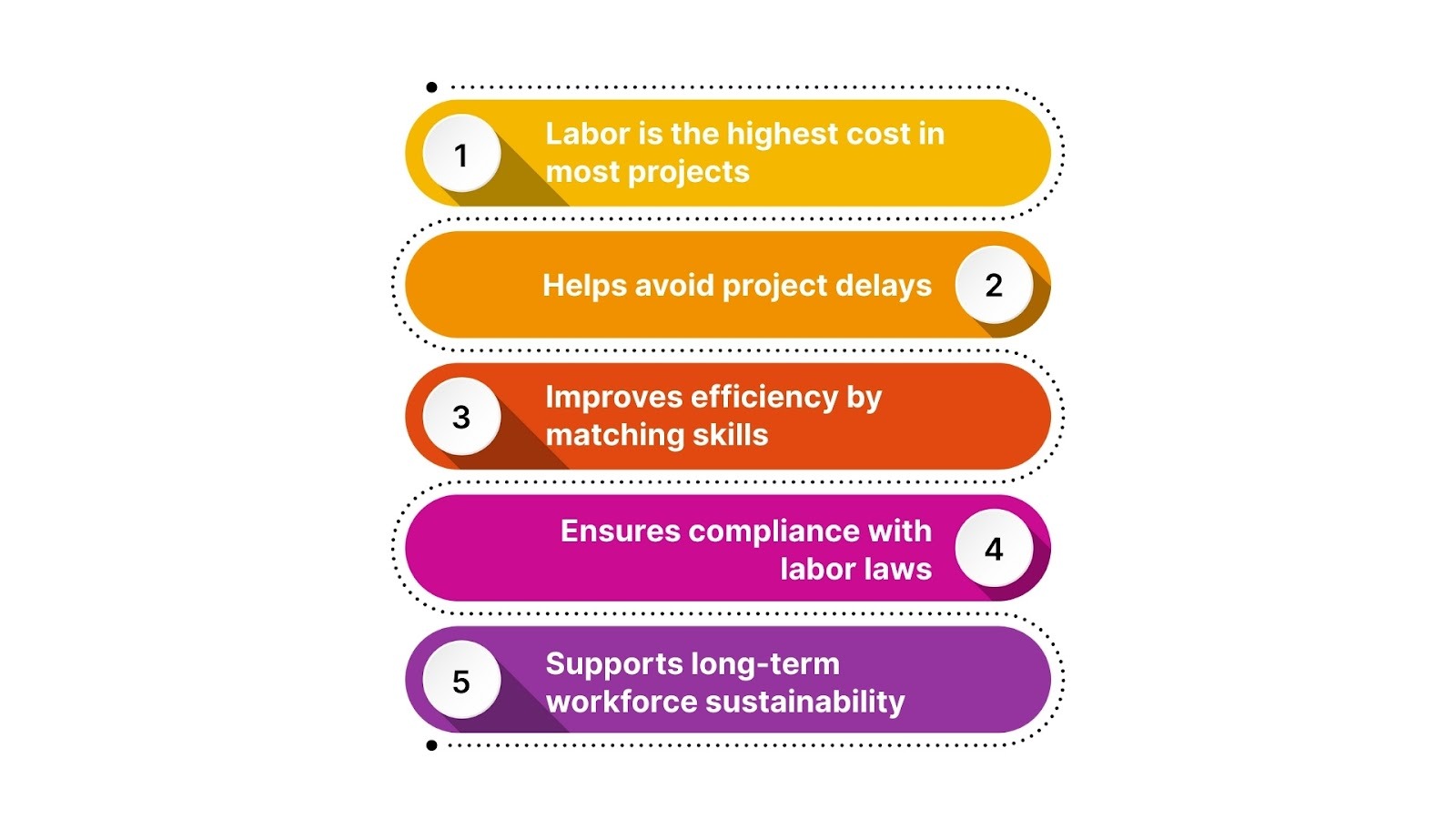
Construction projects demand strict control over people and resources. Without structure, teams face shortages, delays, and rising costs. In Saudi Arabia, construction employs more than 2.2 million workers, making up 31% of the labor market, which shows why planning is critical.
Here are 5 reasons this process matters:
Recommended Reading: Understanding Enterprise Project Management: Strategies and Benefits
Many construction teams struggle to balance labor, timelines, and compliance. Switching to smart project management tools like HAL ERP can help simplify workforce scheduling and resource tracking to keep projects on track and within budget.
Effective construction workforce planning improves cost control, efficiency, and compliance while supporting talent retention. With its importance clear, attention turns to strategies that make planning more effective.

Saudi Arabia’s construction sector handled 16,505 projects in just the last three years, showing how fast the industry is expanding. Managing this scale of work demands careful workforce planning to avoid delays, shortages, or rising costs. Workforce planning aligns labor availability with project timelines and skill requirements, reducing idle time and preventing workflow disruptions.
Here are 7 strategies to improve construction workforce planning across projects:
Anticipating labor needs starts with understanding upcoming projects and analyzing past patterns. Estimating demand ensures that teams are neither understaffed nor overstaffed. It prevents unnecessary costs while ensuring enough skilled workers are available for each stage.
Strong forecasting also improves hiring timelines, reducing last-minute shortages that often disrupt construction schedules.
Also Read: Cost Planning in Construction: Explore Key Benefits & Types
Every project requires specialized roles. By mapping available skills, companies create an inventory that simplifies deployment. This process highlights gaps in expertise before work begins, ensuring the right workers fill critical tasks.
Effective construction workforce planning matches skills to demand, avoiding mismatches that often lead to delays and rework.
Balanced schedules reduce idle time and prevent costly overtime. Managers can use digital tools to organize shifts, ensuring workloads are fair and efficient. This approach avoids burnout, improves worker safety, and increases productivity.
Proper scheduling also supports on-time delivery by keeping the right workers active during each project phase.
Training prepares workers for evolving construction needs, including modern equipment and safety protocols. Investing in certifications improves compliance and operational efficiency.
Development programs also support long-term retention by giving staff clear growth paths. A skilled, well-trained workforce reduces errors and increases consistency, strengthening construction workforce planning efforts.
Further Insights: Building a Winning Team? How HAL's Incentive Programs Can Help
Construction firms often run multiple projects at once. Workforce planning ensures labor is distributed where it delivers the most value. Underutilized workers can be reassigned to busy sites, reducing delays. It keeps schedules balanced and prevents wasted resources.
Clear allocation improves output while controlling costs across overlapping projects.
Data-driven planning improves accuracy and flexibility. Reporting tools track productivity, costs, and attendance, helping managers adjust workforce plans in real time. Access to reliable data prevents guesswork and enables informed decisions that improve efficiency.
Construction workforce planning becomes proactive, not reactive, when built on real-time, accurate information.
Unpredictable changes demand flexibility. Companies can maintain backup labor pools or subcontractors for emergencies. Part-time staff may also provide support during peak phases.
Flexible planning reduces risks linked to delays, absenteeism, or sudden demand shifts. This approach helps projects stay on track without sacrificing quality or budget control.
These 7 strategies work best when you have the right system behind them, one that doesn't just plan, but helps you do. HAL ERP already supports construction firms across Saudi Arabia by combining local know-how with innovative features like project-wise payroll, real-time resource mapping, and automated scheduling.

Must Read: Enhancing Workforce Efficiency: The Transformative Power of HAL ERP
Construction workforce planning succeeds when strategies balance efficiency, compliance, and adaptability. While these methods provide structure, challenges often disrupt even the best plans.

Even with clear strategies, companies often face obstacles that disrupt construction workforce planning. In Saudi Arabia, 12% of construction workers are between 21–25 years, and 11% are aged 26–30, showing the industry’s heavy reliance on a young labor base.
These challenges arise from internal management gaps and external factors. Understanding them is the first step to building effective solutions that keep projects on track. Below are common challenges companies must address:
Shortage of Skilled Labor: Saudi Arabia and global markets face a shortage of skilled workers like electricians, welders, and site supervisors. This gap often delays projects or reduces work quality.
To overcome this, firms should invest in structured training programs, apprenticeships, and partnerships with technical institutions to build a stronger talent pipeline.
Unpredictable Project Timelines: Project timelines often change due to design revisions, weather delays, or funding issues. These uncertainties disrupt planned labor schedules and increase idle costs.
Companies can counter this by creating flexible workforce plans, using real-time tracking tools, and maintaining backup pools of labor to adapt quickly.
Related Article: How HAL CRM Empowers You to Close More Deals
Reliance on Manual Methods: Many construction firms still depend on spreadsheets and manual scheduling, which increases errors and limits visibility. These inefficiencies lead to costly misallocations.
To avoid this, companies should adopt digital workforce planning tools that centralize data, reduce mistakes, and support more accurate decision-making.
Balancing Compliance, Cost, and Efficiency: Construction firms often struggle to balance labor law compliance with cost control and productivity targets. It creates tension between legal requirements and operational needs.
The solution is to implement automated compliance tracking within workforce systems, ensuring safety and legal adherence without compromising project efficiency.
High Workforce Turnover: Frequent turnover increases hiring costs and disrupts continuity in projects. Workers often leave for better pay, benefits, or working conditions.
To overcome this, companies should focus on retention strategies such as fair compensation, safe working environments, and career development programs that encourage long-term loyalty.
Effective construction workforce planning requires addressing these challenges with technology and proactive management. Now, let’s discuss how HAL provides targeted solutions to reduce risks and improve efficiency.
HAL is an enterprise software provider that helps businesses improve efficiency through advanced ERP solutions. Serving companies across the Middle East, including Saudi Arabia, the system is designed for CEOs, CFOs, IT teams, and operations leaders who want better control over workforce and resources.
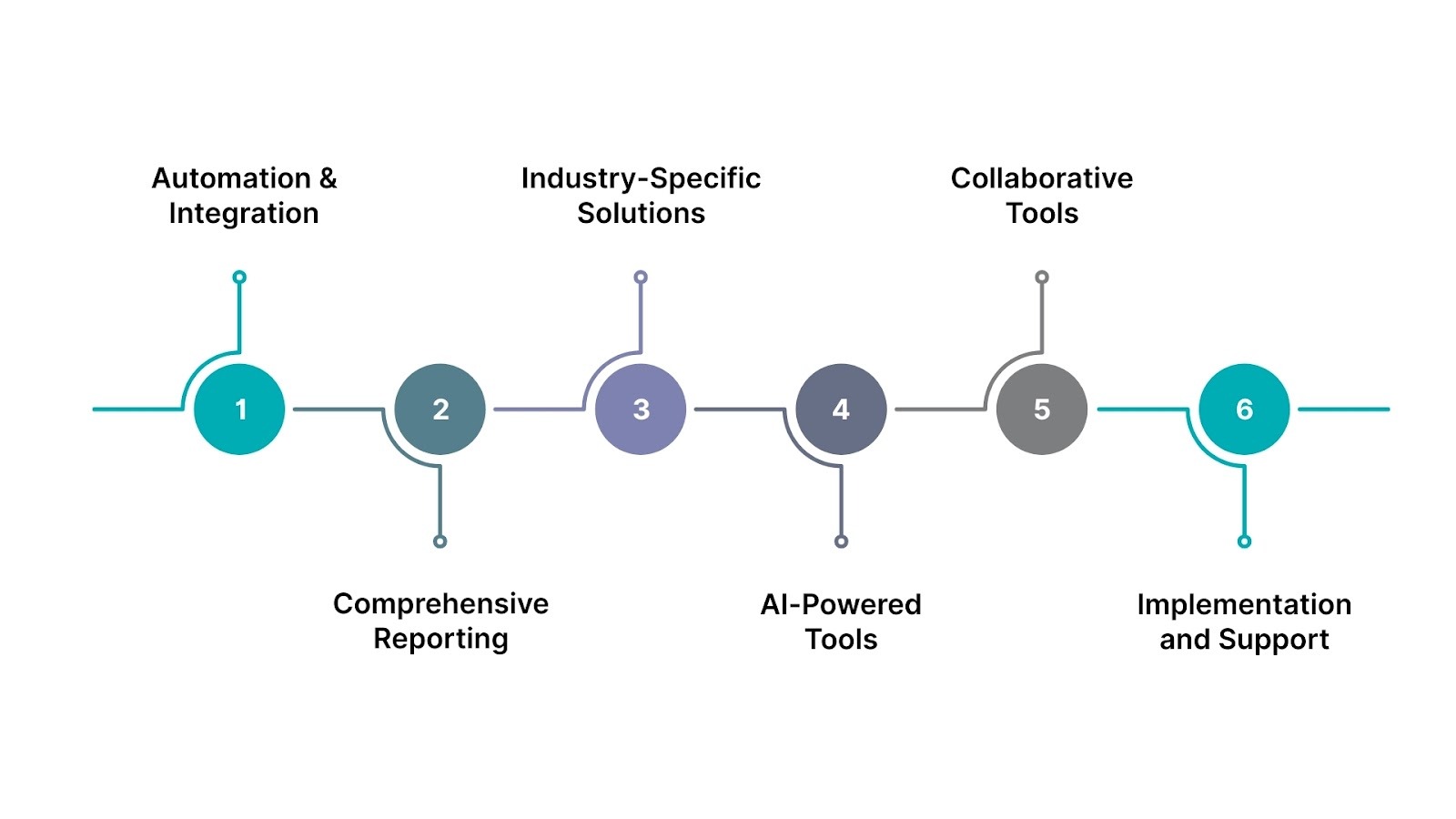
Unlike small business tools like Zoho or QuickBooks, HAL ERP, our flagship product, is built for growing enterprises. It goes beyond basic accounting and reporting, offering automation, integration, and industry-specific solutions.
HAL ERP simplifies construction workforce planning through several features that directly address real-world challenges:
By combining these features, HAL ERP helps construction firms reduce overruns, increase labor productivity, and stay compliant while scaling operations.
Before implementing HAL ERP, Jash Holding struggled with scattered project data, manual payroll for over 4,000 employees, and inefficient inventory control across its subsidiaries. These gaps slowed reporting, increased errors, and limited visibility.
After integration, the company recorded a 60% improvement in operational efficiency, improved cost tracking, and faster, more accurate decision-making across projects.
Are you still relying on spreadsheets for construction workforce planning when an ERP can cut delays and improve efficiency?

Construction workforce planning is essential for project success in Saudi Arabia’s fast-growing sector. It ensures the right people with the right skills are available when needed, preventing costly delays and improving productivity. Without proper planning, projects face higher risks of overruns, compliance issues, and reduced efficiency.
Applying strategies such as forecasting labor demand, mapping skills, strengthening training, improving resource allocation, and building flexibility gives companies a structured approach. These methods reduce risks, keep costs under control, and support long-term sustainability.
However, challenges remain. Companies face shortages of skilled labor, unpredictable project timelines, reliance on manual planning, balancing compliance with efficiency, and retention difficulties. Addressing these barriers is necessary for firms aiming to stay competitive in the construction industry.
Are workforce planning issues holding back your projects? Book a free demo with HAL today and see how ERP can keep your teams productive and your projects on track.
1. What is construction workforce planning?
Construction workforce planning is the process of forecasting labor demand, identifying skills, and aligning workers with project timelines. It reduces delays, controls costs, and ensures compliance with safety laws. In Saudi Arabia, this approach supports large-scale projects linked to Vision 2030 and helps firms manage growing labor demands.
2. How long does it take to implement ERP for workforce planning?
Implementation depends on complexity. A basic ERP setup with training takes 2–4 weeks, while full deployment with customization and data migration takes 8–12 weeks. In Saudi Arabia, firms also ensure ERP systems meet ZATCA VAT compliance requirements, making implementation structured yet flexible to industry needs.
3. What mistakes should construction firms avoid in workforce planning?
Common mistakes include overreliance on spreadsheets, poor skill tracking, and ignoring labor laws. These create delays and compliance risks. In Saudi Arabia, firms must also align with Saudisation goals, ensuring local workforce integration. Avoiding these errors keeps projects on schedule and reduces regulatory penalties globally and locally.
4. How can medium-sized construction companies scale workforce planning effectively?
Start with essentials such as scheduling, shift planning, and reporting. Then add AI-driven forecasting and cross-project labor allocation. Globally, it ensures smoother scaling, while in Saudi Arabia, it helps firms manage rapid infrastructure growth, balancing local hiring requirements with international expertise for large construction projects.
5. How does workforce planning improve compliance and safety?
Workforce planning ensures only trained and certified staff work on site. Systems track expiring licenses, safety training, and worker hours. Globally, this prevents accidents and fines. In Saudi Arabia, compliance with labor laws and safety standards is critical, making proactive workforce planning a protective measure for firms.

.jpg)