

Every business decision, from hiring a new employee to closing a major deal, depends on clear, well-managed agreements. Yet poor contract management can silently cost companies up to 9% of their revenue, according to the World Commerce & Contracting Association.
Contract Lifecycle Management (CLM) changes this by digitizing and automating the entire contracting process. It boosts efficiency, improves collaboration, and keeps operations running smoothly, whether supporting sales, IT, or other teams. In Saudi Arabia, CLM also aligns with Read more push for digital transformation and operational excellence.
In this blog, we’ll explore the CLM process, its stages, and how a contract lifecycle management process diagram can help your organization visualize and optimize contract management.
Contract Lifecycle Management (CLM) is the structured process of managing every stage of a contract to ensure it performs effectively, stays compliant, and delivers value throughout its lifecycle. It begins when a contract is proposed or requested and continues through execution, delivery of goods or services, and finally renewal or expiration.
A well-defined CLM process helps organizations stay organized, reduce risks, maintain compliance, and ensure contracts achieve their intended outcomes. In essence, the contract lifecycle management process represents the full journey of a contract, from creation to closure or renewal.
That said, let’s see how modern solutions streamline and automate the process, making contract management faster and more accurate.
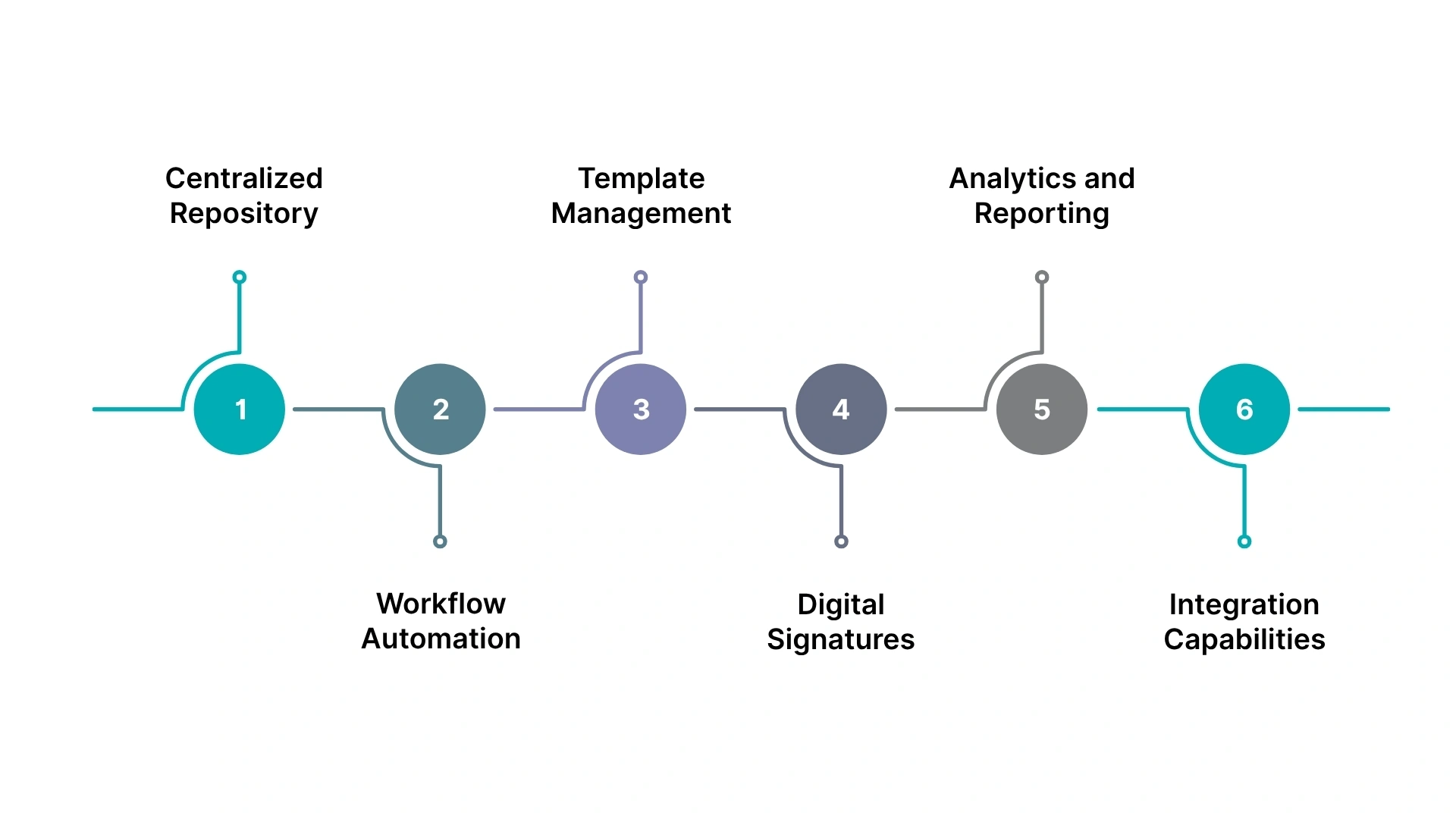
CLM systems centralize and automate contract management with features designed to simplify every stage:
Features and workflows are important, but to see the full picture, we need to walk through the stages of a contract from start to finish.

Managing contracts effectively is more than just paperwork; it ensures every agreement drives value, mitigates risk, and supports your business objectives from start to finish. Visualizing the process can make it easier to understand and optimize. Here’s a contract lifecycle management process diagram:
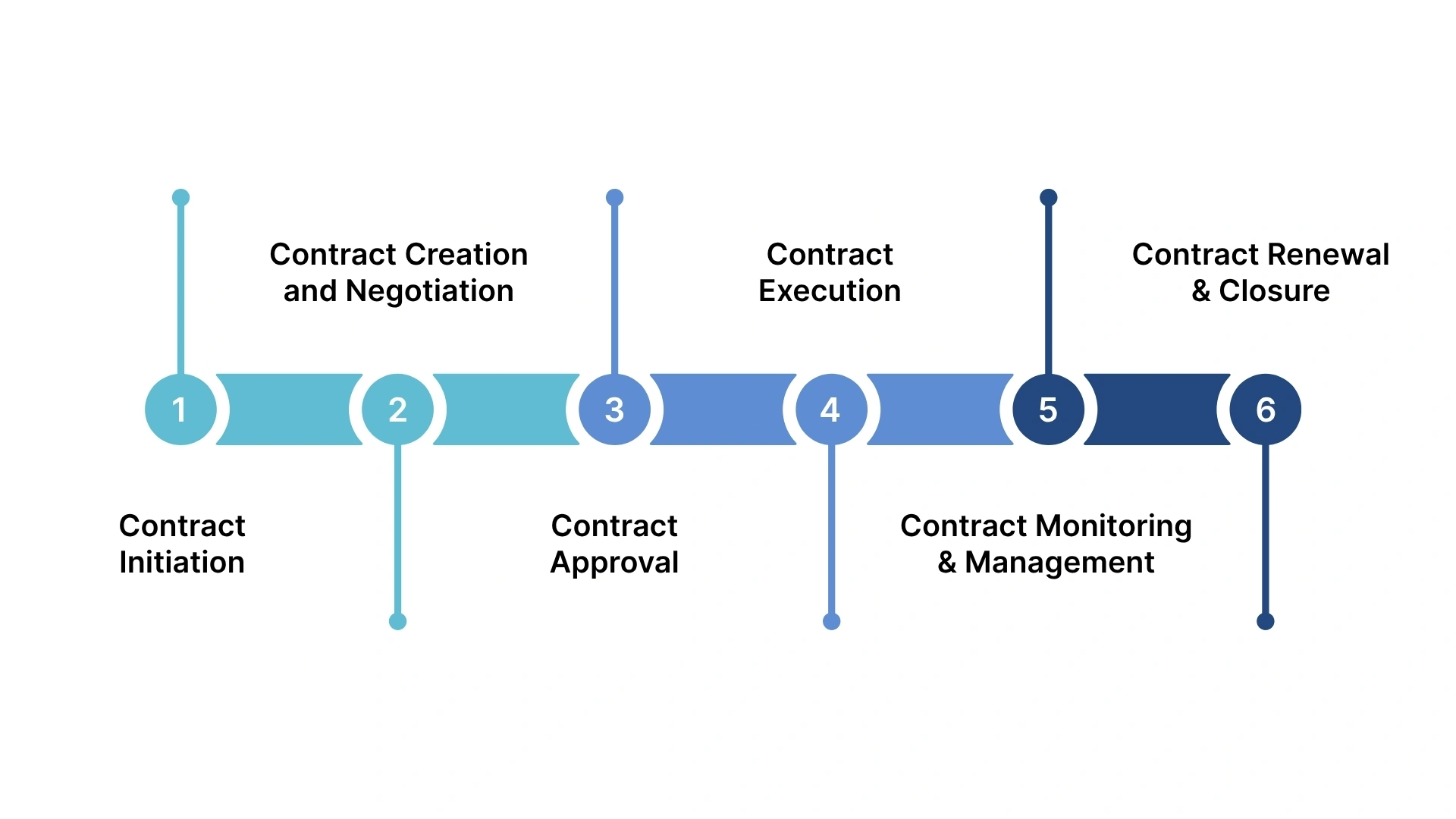
Every contract starts with initiation, where the need for an agreement is identified and essential details are gathered, including:
Once risks and benefits are assessed, the contract request is submitted for approval. Automating this stage with software like HAL ERP reduces delays, errors, and manual follow-ups.
Once the request is approved, the contract is drafted. Key considerations include:
During negotiation, both parties review terms such as scope, payment, duration, and performance metrics. The goal is to align the contract with business objectives while protecting all parties’ interests.
The finalized draft moves through internal approvals, where department heads, legal advisors, and executives review it. Risk assessments, budget checks, and compliance verification ensure the contract meets organizational standards.
After approval, the contract is executed through signatures. This can be done physically or digitally. Digital signatures using HAL ERP streamline the process, making it secure, fast, and easily trackable.
Post-execution, the focus shifts to managing obligations and ensuring compliance:
CLM tools automate alerts and reminders, helping teams stay on track and maintain regulatory compliance while reducing risk.
As the contract nears its end, evaluate whether to renew, renegotiate, or terminate it:
Renewed contracts re-enter the lifecycle, starting from creation or negotiation based on any changes.
Managing each stage effectively requires the right tools and software. Let’s now explore how CLM software helps startups and enterprises to handle contracts efficiently and strategically.
Also Read: Top Procurement Contract Management Challenges and Solutions
Contract Lifecycle Management (CLM) software transforms how organizations create, manage, and track contracts. By automating workflows, reducing manual errors, and centralizing all agreements in a secure system, it provides real-time visibility, faster approvals, and better control over renewals and obligations.
In short, CLM software turns contracts from static documents into strategic assets that drive efficiency, reduce risk, and accelerate business growth.
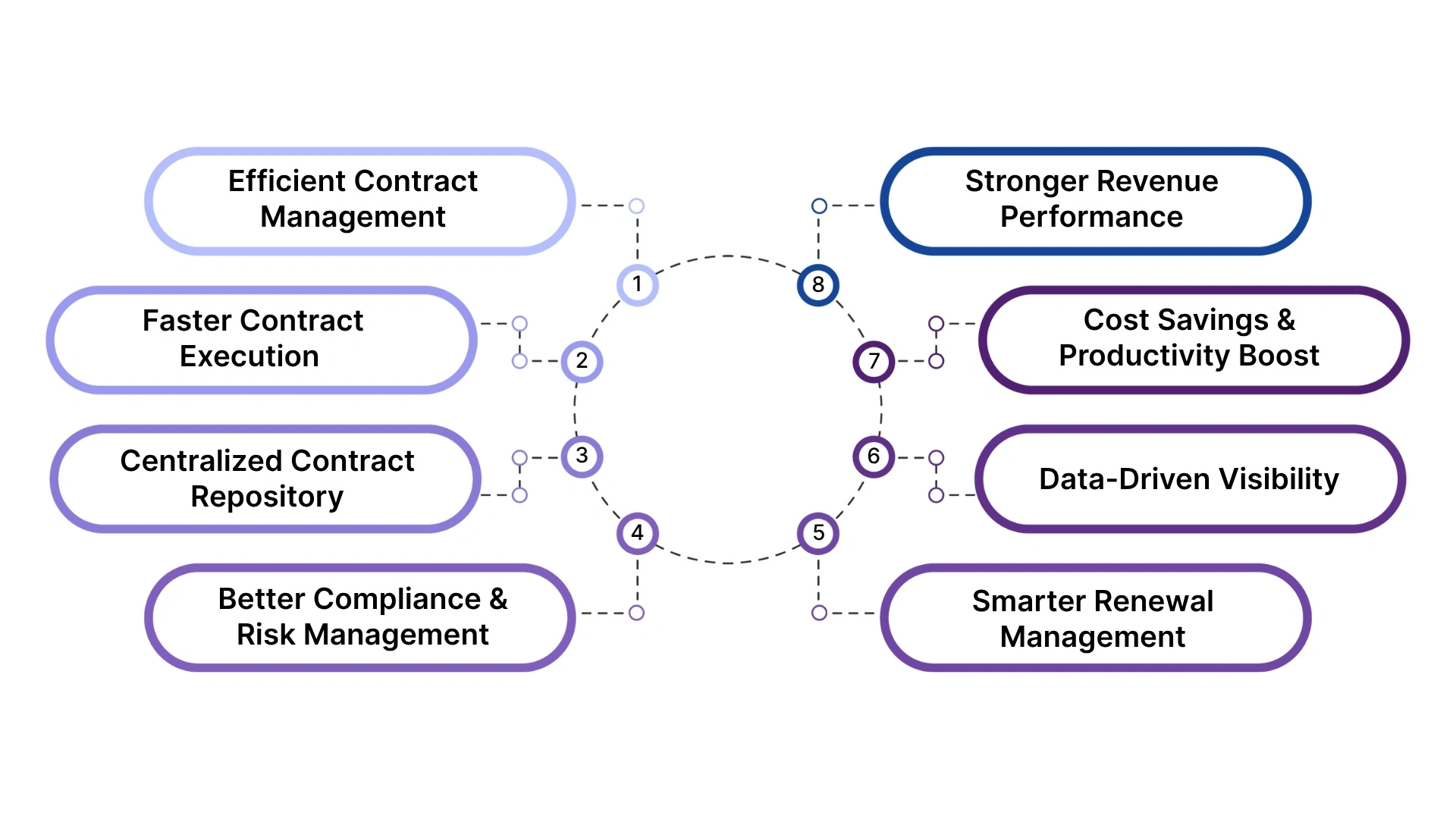
A strong CLM system goes beyond organizing contracts; it enhances efficiency, ensures compliance, and fosters collaboration across all contract stages. According to KPMG, poor contract management can cost companies up to 40% of a contract’s value. Here’s how CLM adds value to your business:
1. Efficient Contract Management: Gain complete visibility across all stages, from drafting and negotiation to approvals, signatures, and renewals. Automated workflows reduce manual follow-ups, keep contracts moving, and ensure deadlines are met, resulting in faster deals and fewer errors.
2. Faster Contract Execution: Sales, legal, and procurement teams often need to collaborate, which can slow approvals. CLM software connects these teams through automated reviews, version tracking, and digital approvals, helping deals close up to five times faster.
3. Centralized Contract Repository: All contracts are stored in a secure, searchable platform. Some solutions even allow bulk imports from email, CRM, or SharePoint, using AI to extract key details and streamline management.
4. Better Compliance & Risk Management: Standardized templates, automated alerts, and audit trails reduce errors and ensure adherence to regulations. Teams can track key clauses, renewal dates, and approvals, strengthening compliance and minimizing risk.
5. Smarter Renewal Management: Automated reminders ensure contracts are renewed on time, preventing penalties, service interruptions, or revenue loss while maintaining smooth operations.
6. Data-Driven Visibility: Dashboards and analytics provide insights into contract performance, bottlenecks, and potential risks. Decision-makers can identify issues early and make data-backed decisions confidently.
7. Cost Savings & Productivity Boost: Automation reduces time spent on repetitive tasks like drafting, redlining, and approvals. According to Deloitte, 78% of organizations using CLM reported significant gains in productivity and cost efficiency, freeing teams to focus on strategic initiatives.
8. Stronger Revenue Performance: Efficient contract management prevents revenue leakage, ensures compliance, and accelerates business processes, turning contracts into tools that support growth and profitability.
Now that we know the advantages of CLM, how do you choose the right software that fits your business's needs, especially in the Saudi market?
Choosing the right contract lifecycle management (CLM) software can feel overwhelming. Not every solution will fit your business, and picking the wrong one can create more work than it saves.
Here’s what to look for, especially if you’re a Saudi-based business:
The right CLM software helps your team work efficiently, maintain compliance, and turn contracts into strategic assets, without unnecessary manual effort. Let’s explore how to implement a Contract Lifecycle Management system to streamline workflows, and maximize the value of every contract.
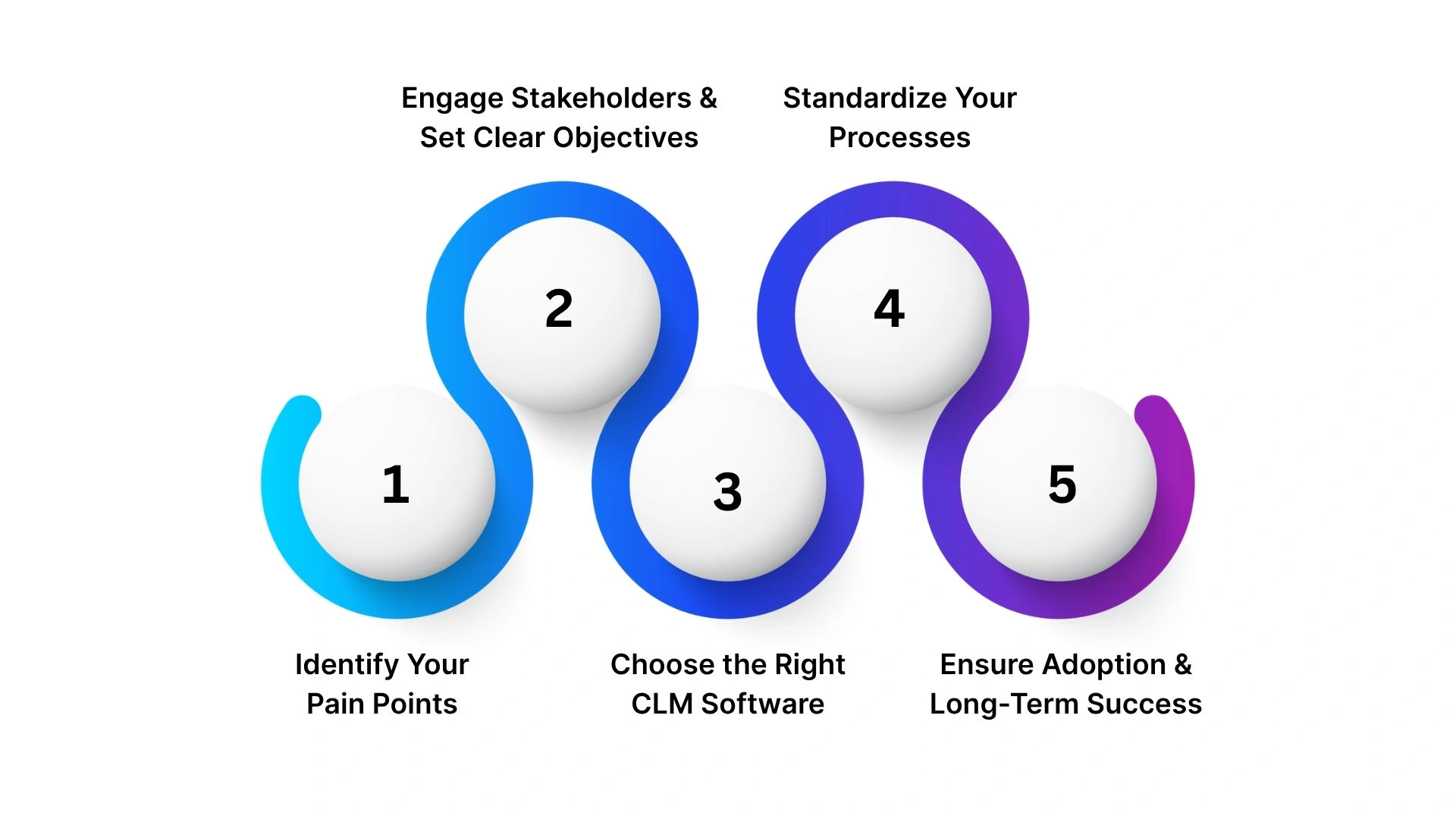
Implementing a Contract Lifecycle Management (CLM) system can transform how your organization handles contracts, making the process faster, more transparent, and far less manual. Here’s a step-by-step approach:
Start by understanding where your current contract management system falls short. Focus on areas causing delays or inefficiencies, such as:
Addressing these pain points first ensures your CLM process targets the challenges that matter most.
Involve key stakeholders across your SME to ensure the system supports everyone’s needs. Consider:
A collaborative approach ensures smoother adoption and maximizes the value of your CLM system.
Selecting the right software is critical to long-term success. When evaluating CLM tools, look for:
The right CLM software acts as the backbone of your contract management process, improving efficiency across teams.
Software alone isn’t enough; standardized processes are key to consistent results. Focus on:
Standardization helps your CLM system work effectively and ensures compliance across your organization.
A system only delivers value if people actually use it. Promote adoption by:
Continuous improvement ensures your CLM process stays relevant and delivers long-term efficiency and control.
Despite its importance, many businesses face challenges in managing the contract lifecycle effectively. Let’s explore common CLM challenges and how to address them.
Also Read: Construction Management Planning: A Complete Guide
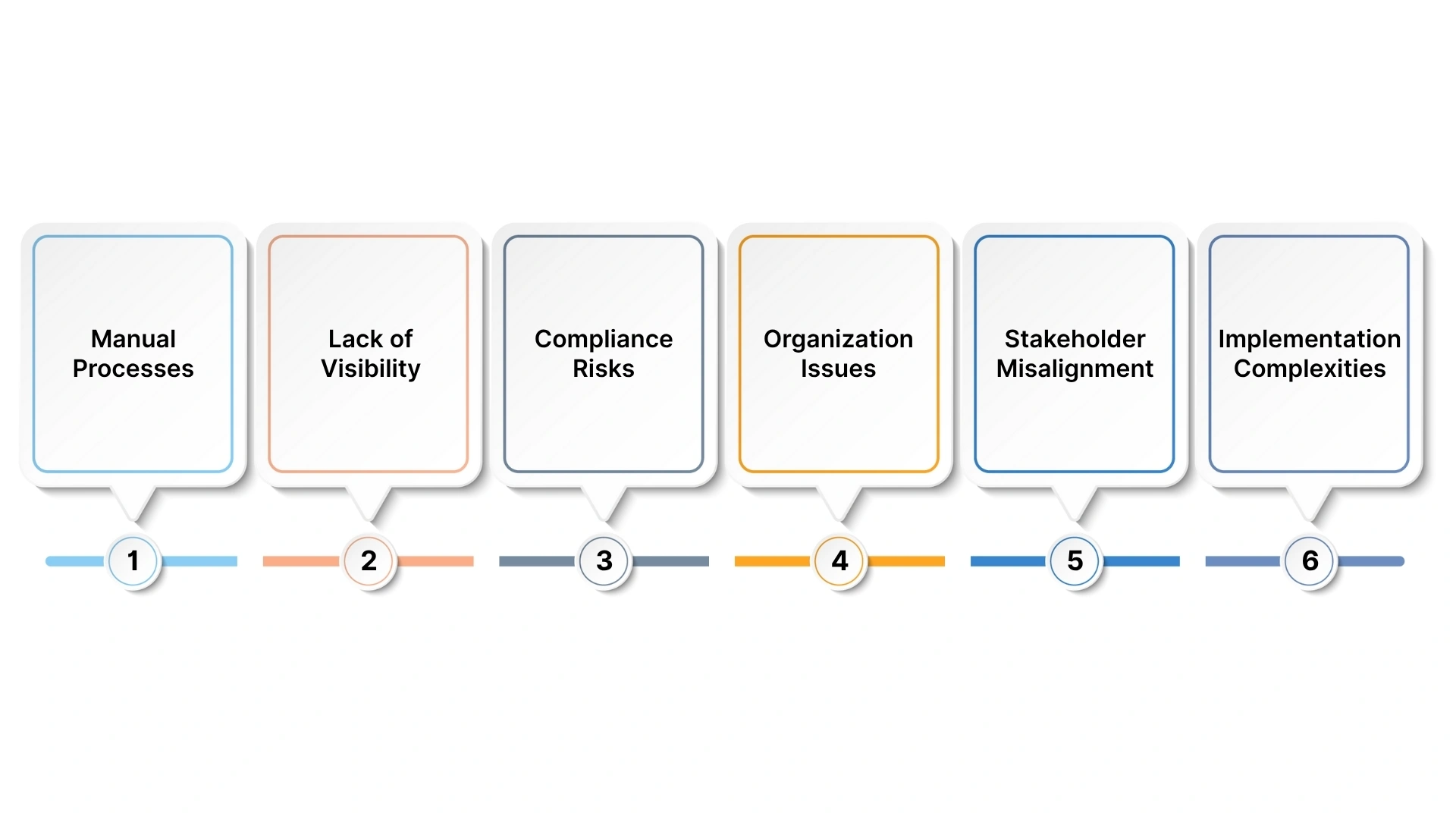
Implementing and maintaining an effective Contract Lifecycle Management (CLM) system can be challenging. Many startups and SMEs face inefficiencies, errors, and compliance risks due to outdated or manual contract management practices.
Here are the most common challenges and practical ways to address them:
Relying on spreadsheets, emails, or paper-based workflows slows down contract management and increases errors.
Solution: Automate workflows using CLM software to streamline drafting, approvals, and renewals, reducing mistakes and saving time.
Without a centralized system, tracking contract performance, obligations, and compliance is difficult, leading to missed deadlines and misunderstandings.
Solution: Use a secure, centralized repository and dashboards to gain real-time insights into contract status, milestones, and potential risks.
Failure to adhere to contract terms or regulatory requirements can result in legal issues and penalties.
Solution: Implement standardized templates, automated alerts, and built-in compliance checks to ensure all contracts meet internal and regulatory standards.
Managing a large volume of contracts can create disorganization, lost documents, and difficulty retrieving information.
Solution: Centralize contracts in a searchable repository with AI-powered data extraction for easy access and improved organization.
Different priorities across teams legal, sales, procurement, or finance, can cause delays and conflicts.
Solution: Define clear roles, establish communication channels, and align objectives from the start to ensure everyone is on the same page.
Setting up a CLM system, training staff, and integrating with existing tools can be challenging, especially for smaller businesses.
Solution: Choose scalable, user-friendly software, provide proper training, and implement processes gradually for smooth adoption.
Even small businesses can face big risks from these challenges, but the right platform changes everything. With tools like HAL ERP, contract management becomes seamless, efficient, and fully compliant, turning what was once a headache into a strategic advantage.
HAL ERP transforms contract management from a complex, time-consuming task into a streamlined, efficient, and compliant workflow. Here’s how it simplifies the CLM process:
With these capabilities, HAL ERP helps organizations keep contracts organized and actionable, improving efficiency and oversight across the contract lifecycle.
Jash Holding, a leading facilities management company in Saudi Arabia, faced challenges managing operations across multiple subsidiaries and over 4,000 employees. HAL ERP helped streamline HR processes, automate intercompany transactions, and provide real-time insights into manpower and project costs.
As a result, Jash Holding improved operational efficiency, gained better control over projects, and consolidated workflows across its subsidiaries, achieving measurable cost savings and a 60% ROI. To know more, read the full case study here.
Here’s what the client says: JASH HOLDING COMPANY, Saudi Arabia - YouTube
Poorly managed contracts can quietly drain your organization’s resources. Understanding the contract lifecycle management process diagram helps visualize each stage, giving you better control and ensuring that every agreement delivers value.
With a comprehensive software like HAL ERP, your teams can simplify contract management, automate critical tasks, and stay fully compliant with regulations, including VAT and ZATCA requirements. Turn your contracts from administrative burdens into strategic assets.
Request a free demo today to streamline your contract management with HAL ERP.
1. What is the contract life cycle management process?
The contract lifecycle management (CLM) process manages contracts from initiation to creation, execution, monitoring, and renewal. It ensures contracts are compliant, efficient, and deliver business value throughout their lifecycle.
2. What are the 5 C's of a contract?
The 5 C's of a contract are Clear, Concise, Correct, Complete, and Consistent. These principles ensure contracts are understandable, legally sound, and enforceable.
3. What is CLM software used for?
CLM software is used to automate contract creation, approvals, tracking, and compliance. It centralizes contracts, reduces errors, improves efficiency, and provides actionable insights.
4. Is CLM only for large enterprises?
No, CLM benefits businesses of all sizes. Small and medium-sized companies can streamline contract workflows, ensure compliance, and prevent revenue leakage using CLM tools like HAL ERP.
5. How long does it take to implement CLM software?
Implementation typically ranges from a few weeks to a few months, depending on business complexity and integration needs. With proper planning, organizations can start seeing benefits quickly.
6. How can CLM software improve contract management?
CLM software centralizes contracts, automates workflows, enables digital signatures, tracks obligations, and provides analytics. Tools like HAL ERP reduce errors, speed approvals, and give teams complete visibility into contract performance.