
A price quote, or quotation, tells a prospective customer what a business is offering, how much it will cost, and the conditions attached to that offer.
A useful quote normally identifies the products or services, quantities, prices, discounts, taxes, delivery terms, payment terms, validity period, and any important exclusions. This gives the customer enough information to evaluate the offer before placing an order or entering into a contract.
For Saudi businesses, quotations also need to fit cleanly into the wider sales process. A quote is different from a sales order and from the tax invoices governed by ZATCA’s e-invoicing requirements.
This guide explains what a price quote means, when it can become legally significant, how it differs from an estimate, what it should contain, and how businesses can manage quotations more efficiently.
A price quote is a document in which a seller offers specified goods or services at stated prices and under defined conditions.
A quotation commonly includes:
A quotation is not automatically a binding contract in every situation. Its legal effect depends on the wording of the document, the parties’ intentions, the terms attached to it, and how the customer responds.
Under Saudi Arabia’s Civil Transactions Law, a contract is generally formed through the concurrence of an offer and an acceptance. The Law also provides that displaying or offering goods or services with a stated price can constitute an offer unless circumstances indicate otherwise.
This means an accepted quotation may form part or all of a binding agreement when it contains sufficiently definite terms and is intended as an offer. Businesses should therefore clearly state the quote’s validity period, acceptance method, exclusions, and whether additional contractual documentation is required.
For a practical system example, HAL’s quotation workflow allows businesses to record the customer, project, expiry date, quantities, prices, and discounts within the quotation.
Suppose you’re offering an ERP solution to a business in Riyadh, your price quote might look something like this:
For a construction project, the price quote would be much more granular, detailing specific material costs, labor charges, and any specialized services like project management or site inspections. Your price quote might look like this:
By providing these details, you help your client see exactly what they are paying for, which leads to fewer disputes and smoother negotiations.
Note: These quotes vary by industry, reflecting the complexity, scope, and duration of the work. They depend on the project and client expectations.
While the format of a price quote may vary, one thing remains constant: clarity. Across industries, both parties must understand what they are agreeing to, especially for large investments or complex projects. This clarity directly leads to stronger business relationships and more effective negotiations. But why exactly is this so important for companies?

A structured quotation creates a clear commercial reference before an order moves forward.
A quote identifies what the seller intends to provide, including quantities, specifications, services, delivery expectations, and exclusions. This reduces ambiguity during later negotiations.
Itemized prices, discounts, taxes, and other charges show the customer how the total has been calculated.
For Saudi businesses, VAT treatment should also be stated clearly where applicable. ZATCA notes that publicly displayed prices generally include VAT, while individually negotiated prices may be agreed on a VAT-exclusive basis.
The quote provides a dated record of the price, scope, validity period, and conditions proposed at that stage of the sales process.
If the quotation later forms part of a contract, those documented terms may become important in determining what the parties agreed.
A quotation gives sales and finance teams an opportunity to review margins, discounts, payment terms, and other commercial conditions before a commitment is made.
When quotations are managed inside an ERP, approved details can flow into later sales documents instead of being entered repeatedly.
For example, HAL ERP supports quotation management and allows an existing quotation to be used when creating an invoice.
A formal quotation is most useful when the customer needs to review defined commercial terms before committing to an order.
Common situations include:
A quotation should not promise that a price will remain fixed indefinitely. Specify a valid-until date and identify any circumstances that can change the price, such as scope revisions, quantity changes, or customer-requested additions.
Both documents communicate expected pricing, but they serve different purposes.
Under Saudi Arabia’s Civil Transactions Law, contract formation depends on offer and acceptance. Businesses should therefore avoid relying solely on the document label “quote” or “estimate” to determine legal effect.
If the project scope remains uncertain, clearly state which costs are assumptions and explain how changes will be priced.
These documents can appear at different stages of the same sale.
A quotation should not be treated as a Saudi electronic tax invoice simply because it shows prices and VAT.
ZATCA defines an electronic invoice as a tax invoice generated and stored in the required structured electronic format. Saudi e-invoicing requirements apply to tax invoices and related debit and credit notes—not to ordinary sales quotations.
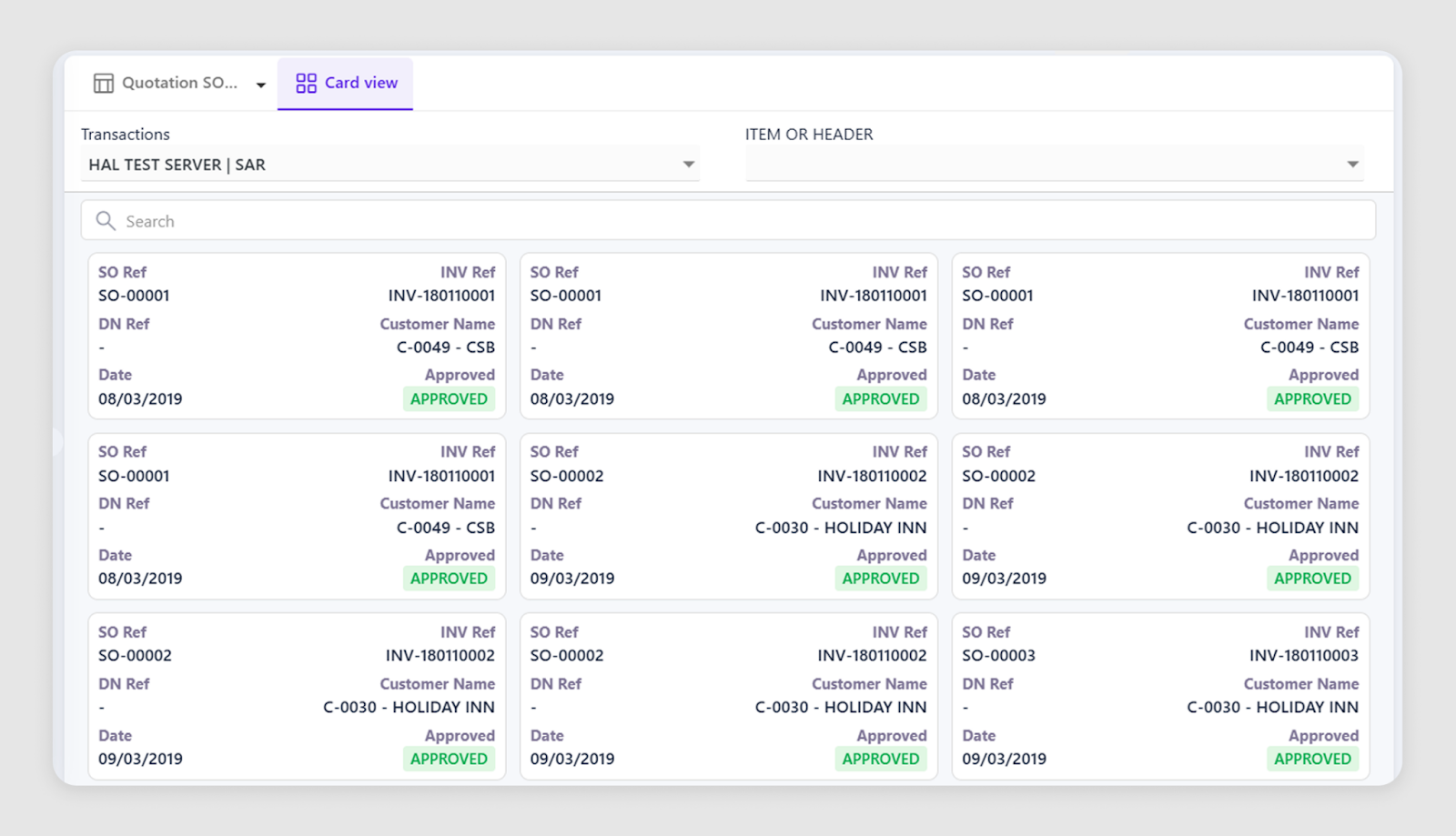
Within HAL, a quotation can form part of the sales-document flow. HAL documents separate processes for quotations, sales orders and invoicing, including the ability to create an invoice using an existing quotation.
For a deeper comparison of the first two documents, see Quotation vs. Sales Order.
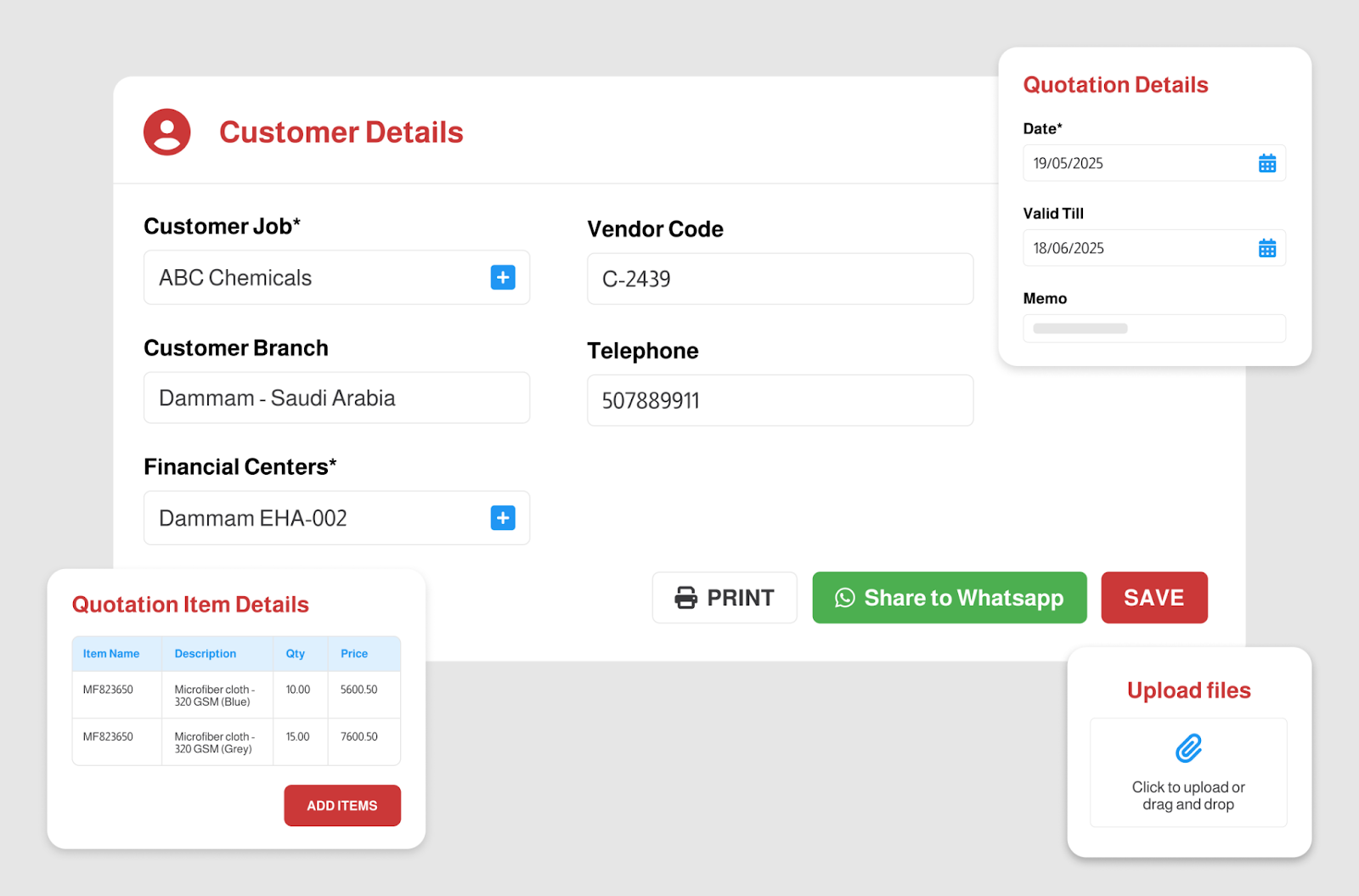
The exact format depends on the transaction, but a professional quotation should normally include:
For Saudi businesses negotiating individual B2B prices, clearly indicate whether the stated amount is VAT inclusive or exclusive rather than leaving the customer to infer the treatment.
Creating an accurate price quote is important for establishing clear expectations with your clients and ensuring a smooth business transaction. Since quotes can be legally binding, it's important to be precise and transparent.
Follow these six easy steps to create a professional price quote:
Before calculating a price, confirm the required products, quantities, specifications, service scope, delivery location, and timing.
For project work, record any assumptions or exclusions that affect the price.
Build the quote from current product costs, labour requirements, supplier prices, delivery expenses, required margin, and approved customer discounts.
Where sales and inventory data are connected, an ERP can reduce the risk of quoting outdated prices or unavailable stock.
Add:
HAL users can create and manage these details through the documented quotation workflow.
Specify payment terms, delivery dates, warranties, exclusions, responsibilities, and any circumstances that may change the quoted amount.
Before sending the quote, check:
This is particularly important for negotiated B2B pricing.
Send the approved quotation and retain a record of customer communication.
If terms change, issue a clearly identified revision rather than editing the old document without an audit trail.
HAL allows users to copy an existing quotation to create a revised version, reducing the need to re-enter the full document.
Let’s review some practical tips to ensure it’s as effective as possible and make a lasting impact on your clients.
Avoid vague lines such as “installation services.” Explain what the installation includes, where it will take place, and whether materials, travel, testing, or training are included.
Check current product costs, labour assumptions, freight, discounts, and margin before committing to a price.
Do not leave the customer guessing whether VAT will be added later. State whether the agreed price is VAT inclusive or exclusive and apply the correct tax treatment.
For Saudi VAT guidance, refer to ZATCA’s current VAT resources.
If supplier prices, exchange rates, freight costs, or input costs can change, limit the period for which the quotation remains valid.
Explain that additional quantities, specifications, services, or customer-requested changes may require a revised quotation.
Require approval when discounts exceed defined limits rather than allowing sales representatives to change prices without oversight.
If the customer negotiates a change, issue a new version and preserve the original. HAL allows existing quotations to be copied and revised, which helps maintain a clearer quotation history.
Once accepted, approved data should flow into the next appropriate document rather than being manually entered again.
HAL supports a connected quotation, sales order, and invoicing workflow.
A quotation becomes harder to manage when customer details, pricing, inventory, approvals, and later sales documents are maintained in separate systems.
HAL B2B Sales provides a quotation builder as part of the wider sales workflow. Businesses can create quotations using customer and project information, quantities, pricing, discounts, and expiry dates.
HAL’s documented quotation capabilities include:
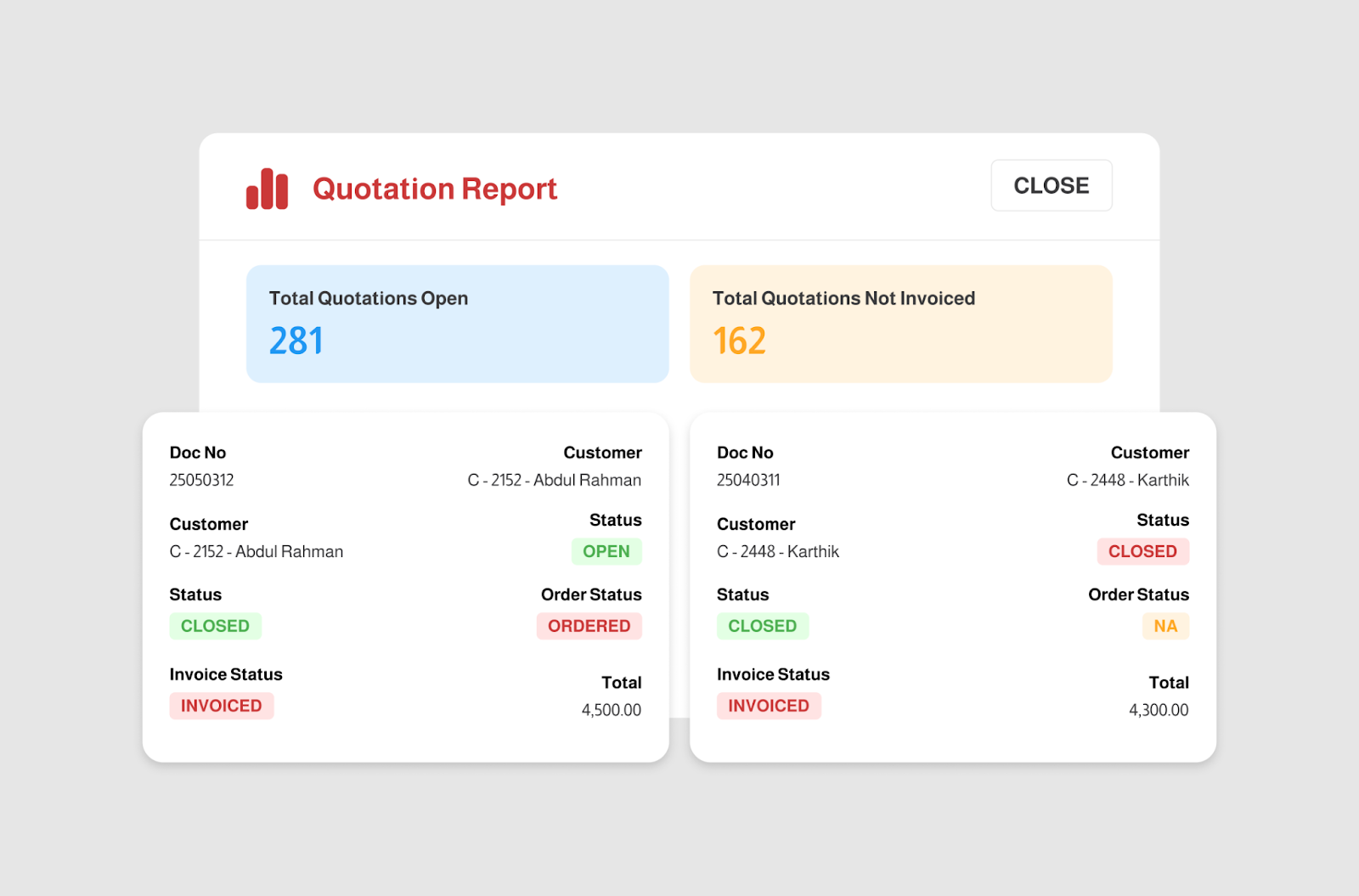
When the transaction progresses, HAL also allows an invoice to be created from an existing quotation, reducing duplicate data entry. Quotations can also be tracked as not invoiced, partially invoiced, or fully invoiced.
A useful price quote does more than show a total price. It defines what is being offered, how the price was calculated, how long the offer remains valid, what conditions apply, and what the customer needs to do next.
Businesses should also distinguish the quotation from the later sales and tax documents in the transaction. A quotation is not itself a ZATCA electronic tax invoice, and its contractual effect depends on its wording, acceptance, and surrounding circumstances.
Using a connected sales system can make it easier to control quotation versions and carry approved information into later transactions.
Request a HAL ERP demo to see how HAL manages quotations within the wider B2B sales process.
Not automatically in every case. Under Saudi Arabia’s Civil Transactions Law, contracts generally arise through offer and acceptance.
An accepted quotation may therefore become contractually significant if it constitutes an offer and the customer accepts its terms. The result depends on the wording, circumstances, and any additional contractual requirements.
No. A quotation presents proposed pricing and terms before or during the sales negotiation.
An invoice requests or records payment for a transaction. Saudi electronic tax invoices are also subject to specific ZATCA e-invoicing requirements.
The VAT treatment should be stated clearly.
ZATCA provides that prices published to the public generally include VAT. Individually negotiated prices can be agreed on a VAT-exclusive basis, provided the treatment is clear. See ZATCA’s pricing and VAT guidance.
There is no universal validity period. It should reflect how long the business can reasonably maintain the offered price and terms.
Products affected by supplier pricing, currencies, commodities, or freight may require shorter validity periods than stable service contracts.
Yes, but changes should be documented through a revised quotation rather than silently altering the original.
The revised document should clearly identify its version and explain material changes to price, scope, quantity, timing, or terms.
Yes, depending on the business workflow and software used.
For example, HAL allows users to create an invoice using an existing quotation, carrying the relevant quotation details into the invoicing process.