

Inventory is the lifeblood of retail. When balanced right, it drives sales. But when mismanaged, it costs you money. Around the world, automation and AI are transforming how stock is managed. In fact, by 2026, 80% of retailers will use AI to improve operations, and AI-powered systems could boost retail profitability by up to 20% this year.
In Saudi Arabia, the rise of Vision 2030 is pushing retailers to be smarter and faster. Modern tools like HAL ERP now help you predict demand, manage stock in real time, and avoid costly mistakes. This blog delivers the roadmap: from core steps to best practices, to automating with HAL ERP, all tailored for Saudi retailers.
Retail inventory management involves systematically tracking and organizing stock to meet customer demand efficiently. It ensures that the right products are available at the right time and place, reducing waste, lowering costs, and enhancing profitability.
Adequate inventory management balances supply with demand, avoids excess stock, and maximizes operational performance.
The growing use of AI and automation in retail inventory management is also an important trend that must be noted. Machine learning–based forecasting models in retail have achieved remarkable accuracy, with optimized Random Forest models reaching an R-squared value of 0.945, far exceeding traditional approaches.
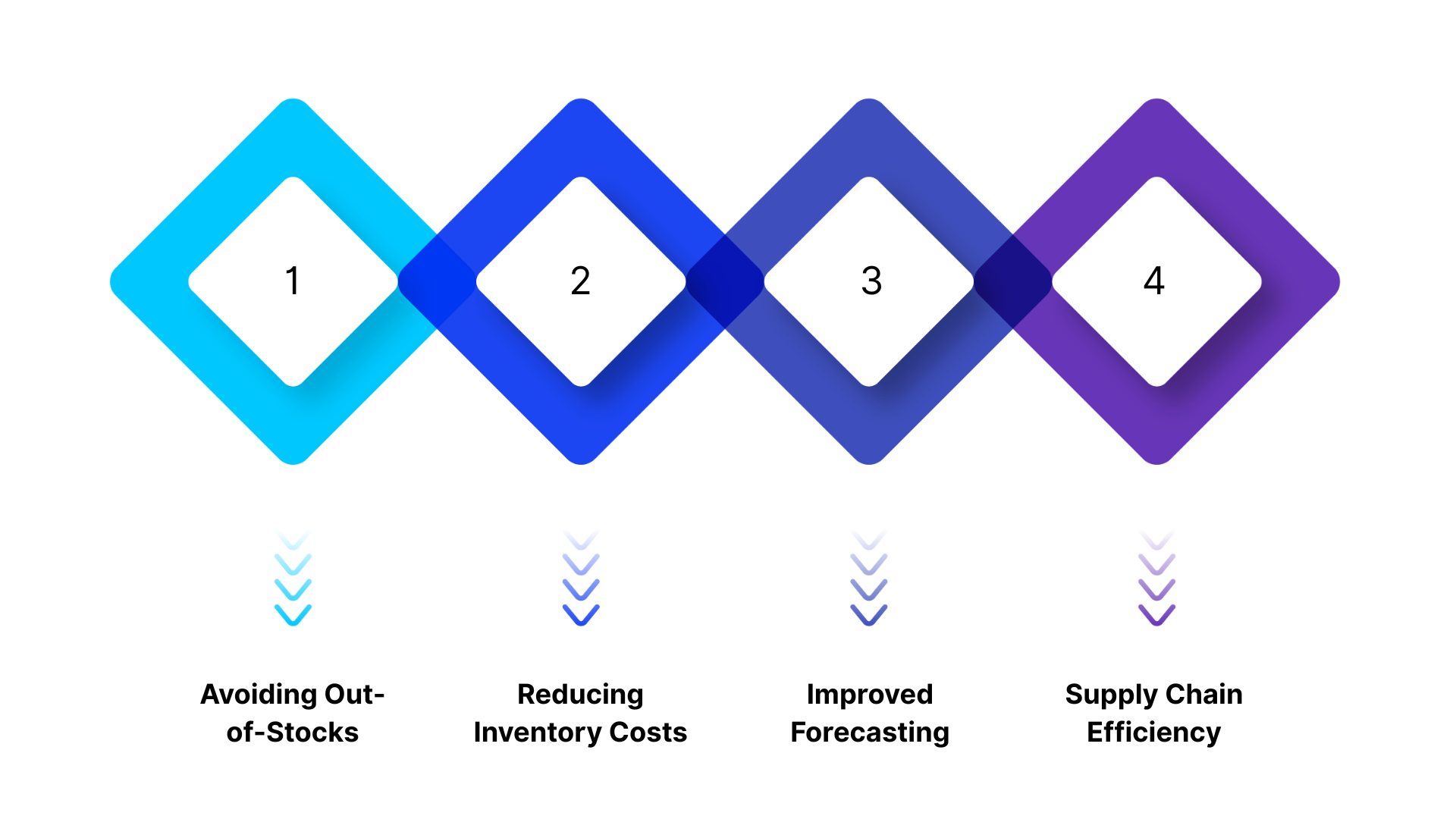
Effective inventory management is critical for retail businesses in Saudi Arabia. It directly impacts sales, costs, and operations. Getting inventory right helps retailers boost efficiency, reduce waste, and improve customer experience.
Out-of-stock situations are more than missed sales. Research shows that retailers lose around 4% of their annual revenue due to stockouts. That loss can damage customer trust and prompt shoppers to switch brands. In contrast, excess inventory increases holding costs and reduces profitability. Intelligent inventory control helps maintain the balance, keeping shelves ready without tying up capital.
Holding excess stock is costly. Industry reports estimate that carrying costs run between 20% to 30% of inventory value annually. These costs include warehousing, insurance, spoilage risks, and capital tied up in inventory. By optimizing inventory, retailers in Saudi Arabia can free up cash flow, reduce storage costs, and reinvest in growth initiatives.
Forecast accuracy is essential for demand planning. Advanced, data‑driven models now outperform traditional methods. Machine learning techniques, like Random Forest models, achieve high forecast precision, driving better inventory decisions. Accurate forecasting means less waste, more on‑time stock replenishment, and improved customer satisfaction.
Today's supply chains demand speed and visibility. Real-time inventory systems, combined with IoT and predictive analytics, drive efficiency. One study highlights that real-time control systems significantly improve supply chain responsiveness and reduce execution delays. For Saudi retailers, integrating such systems aligns with the nation’s digital transformation agenda, supporting agile operations across regions.
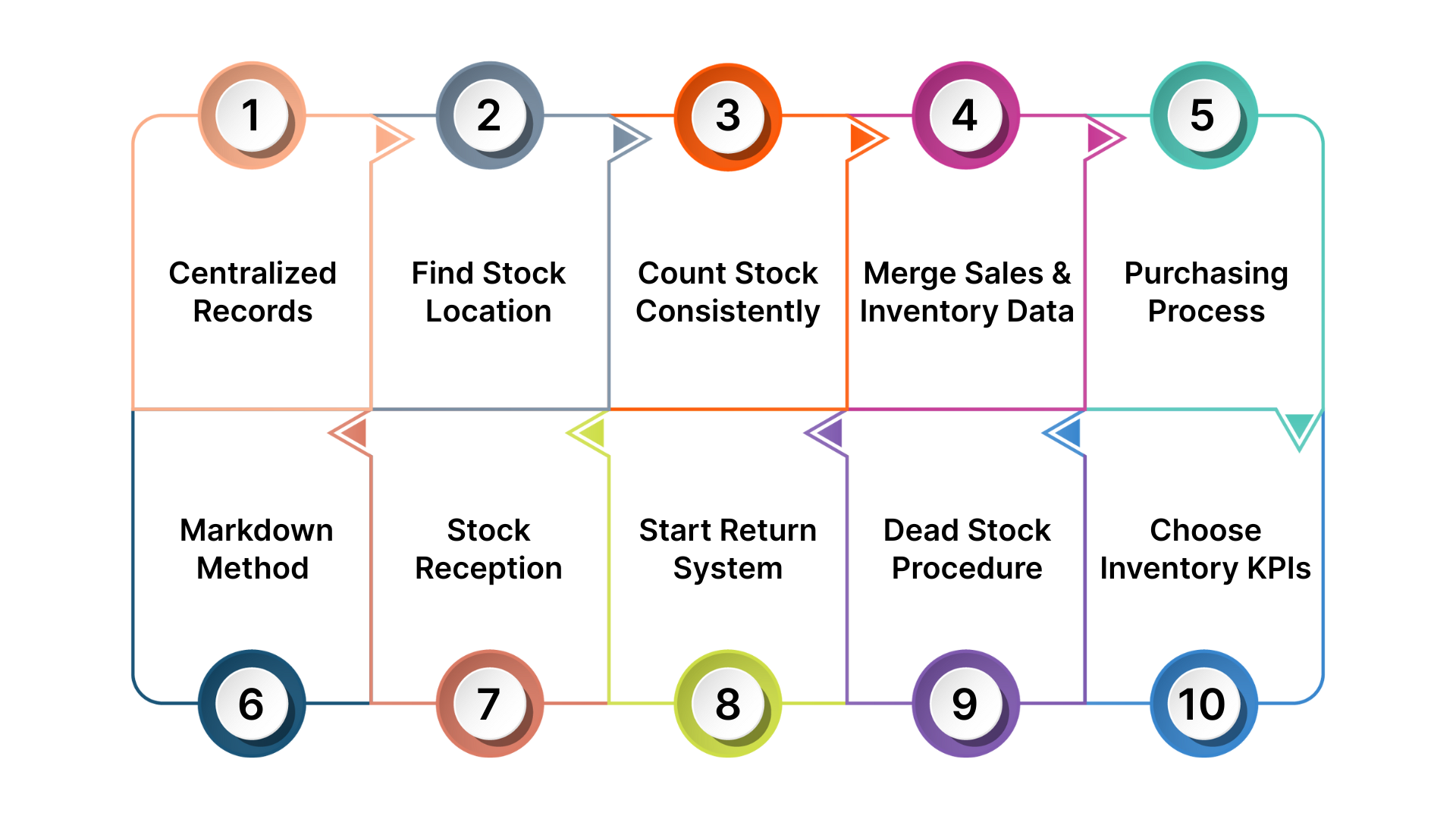
Effective retail inventory management hinges on a structured process. Each step builds operational clarity. Mastering them ensures smoother workflows, less waste, and sharper control over your stock. Let us see what happens in each of these steps:
Retailers consolidate all product data, like SKU, location, cost, and vendor, into a unified digital system. This clarity reduces errors, speeds decision‑making, and primes accurate forecasting.
Why It Matters: Unified records prevent mismatched or duplicated entries. They give you real‑time visibility, essential for accurate replenishment decisions and scaling across locations.
Each item is tagged with a precise location, such as warehouse, shelf, and section, within your system. Knowing where stock resides cuts search times, delivers faster responses, and reduces misplacement risks.
Why It Matters: Disorganized stock delays order management and fulfillment, costing sales. Fixed location tagging eliminates guesswork and strengthens inventory audits.
You perform regular counts, whether cycle counts or annual physical audits, to verify actual versus recorded stock. This combats shrinkage, errors, and data drift over time.
Why It Matters: Even automated systems drift without verification. Regular checks ensure data remains accurate, guarding against theft, miscounts, and loss.
Point‑of‑sale details feed into your inventory system so stock levels update instantly. This integration aligns demand with supply, avoiding stockouts and overstocks.
Why It Matters: Disconnected systems cause delays and inaccuracies. Merging data supports real‑time replenishment and informed decision‑making.
You define triggers, like reorder points or EOQ, to automate purchase orders. This standardizes buying and protects against guesswork or ad‑hoc decisions.
Why It Matters: Manual purchases introduce errors and delays. Structured processes optimize ordering intervals and manage cash flow effectively.
Slow‑moving items are tagged for markdown or promotion in a timely way. This clears inventory, protects margins, and renews capital for faster sellers.
Why It Matters: Dead stock ties up storage and capital. Early markdown planning prevents devaluation and frees space.
Incoming stock is verified against purchase orders, updated into the system, and stored correctly. This ensures accuracy from entry to shelf.
Why It Matters: Shortages or overages sneak in at this stage. Efficient reception enforces accountability and keeps inventory healthy.
Returns are checked, logged separately, and re-entered into the inventory only when verified. This avoids returning faulty or expired goods into active stock.
Why It Matters: Failure to track returns leads to overstatement of usable inventory. A proper system protects stock integrity.
Obsolete items are moved into a designated category or location. This simplifies reporting and focuses attention on active, sellable products.
Why It Matters: Inactive stock obscures performance metrics. Segregation enables more precise analysis and more innovative clearance strategies.
You define metrics like turnover rate, shrinkage, and days‑on‑hand for regular monitoring. These indicators guide improvements and surface control gaps.
Why It Matters: Without KPIs, performance remains invisible. Tracking metrics enables informed decisions, continuous optimization, and accountability.
To set these steps into motion, retail businesses in Saudi Arabia need to take into account some best practices in retail inventory management.
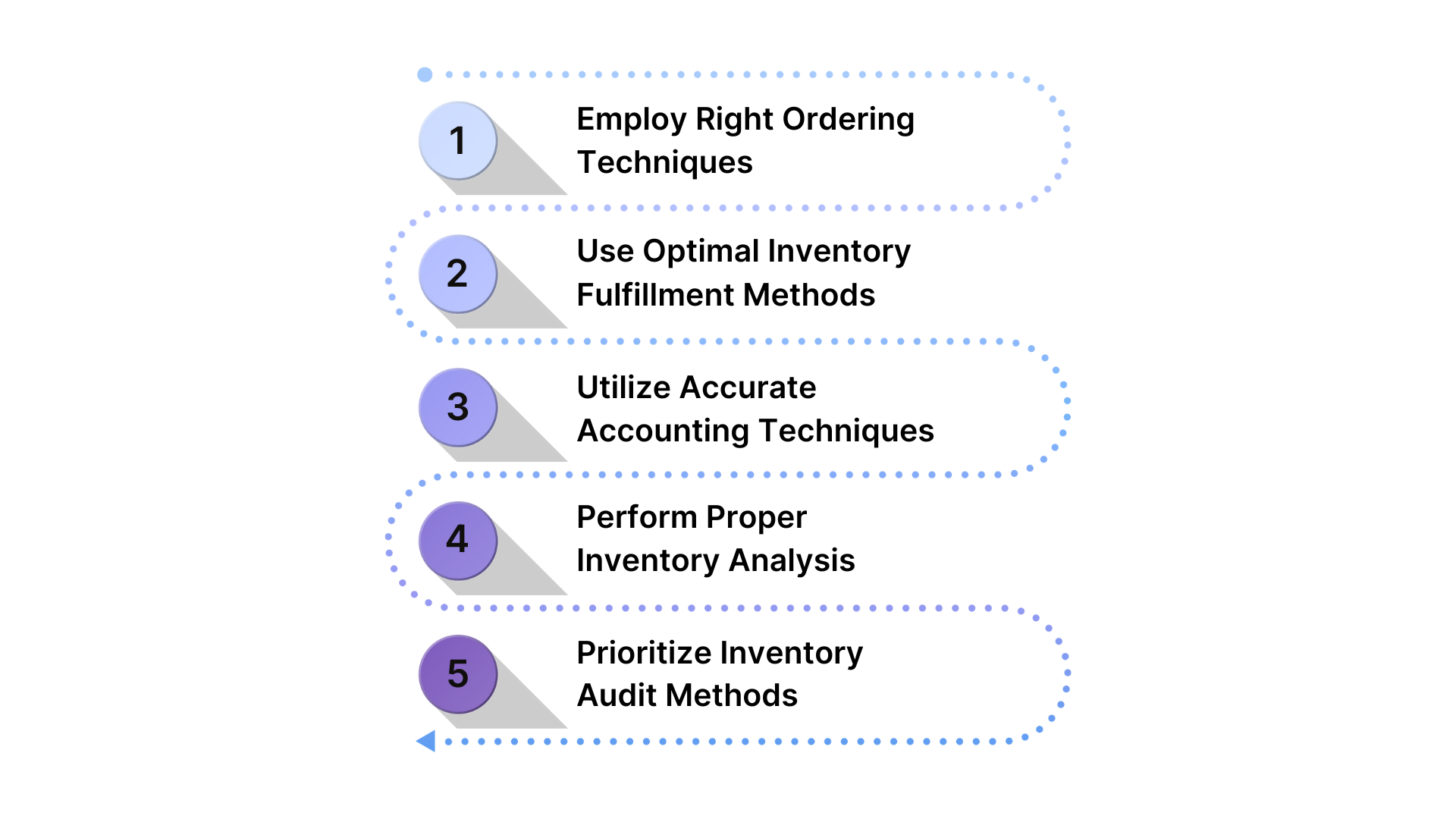
Strong inventory practices can radically improve margins and operational efficiency. Saudi retailers must blend proven models with flexible strategies. Below are key methods rooted in global research and geared to growing retail needs.
Applying the right ordering frameworks ensures minimal downtime and cost. Two widely recognized models like EOQ and JIT, offer opposing efficiencies that, when balanced, greatly sharpen inventory control. The table below breaks down how each works and why it matters:
Example: A Riyadh-based electronics retailer leverages Economic Order Quantity (EOQ) calculations to determine its optimal purchase size for high-demand speakers, balancing ordering and holding costs to avoid overstock while ensuring smooth customer fulfillment.
Efficient fulfillment is the backbone of competitive retail in Saudi Arabia. Blending different methods allows flexibility and speed. Here's how you can apply each, and why they matter:
Example: A Jeddah fashion outlet integrates its POS and e-commerce inventory systems in real time, enabling both in-store pickup and online order fulfillment from the same stock. This reduces errors and improves customer satisfaction.
Inventory valuation affects both compliance and profitability. Choose methods that align with reporting standards and business needs:
Example: A Makkah grocery chain adopts a perpetual inventory system synchronized with its checkout terminals to update inventory instantly, ensuring accurate records and minimizing shrinkage via automated, continual tracking.
Intelligent forecasting sharpens order timing and stock turnover. These methods help you stay on top of demand dynamics:
Example: A Dammam home-decor store analyzes seasonal sales trends and customer demand spikes during Ramadan using automated forecasting tools, allowing it to pre-stock popular items and avoid last-minute out-of-stock situations.
Maintaining data integrity is the foundation of inventory control. Audits must be regular and strategic:
Example: A Khobar cosmetics retailer implements cycle counting for high-value skincare products weekly, quickly detecting and correcting any discrepancies without shutting down operations for complete inventory counts.

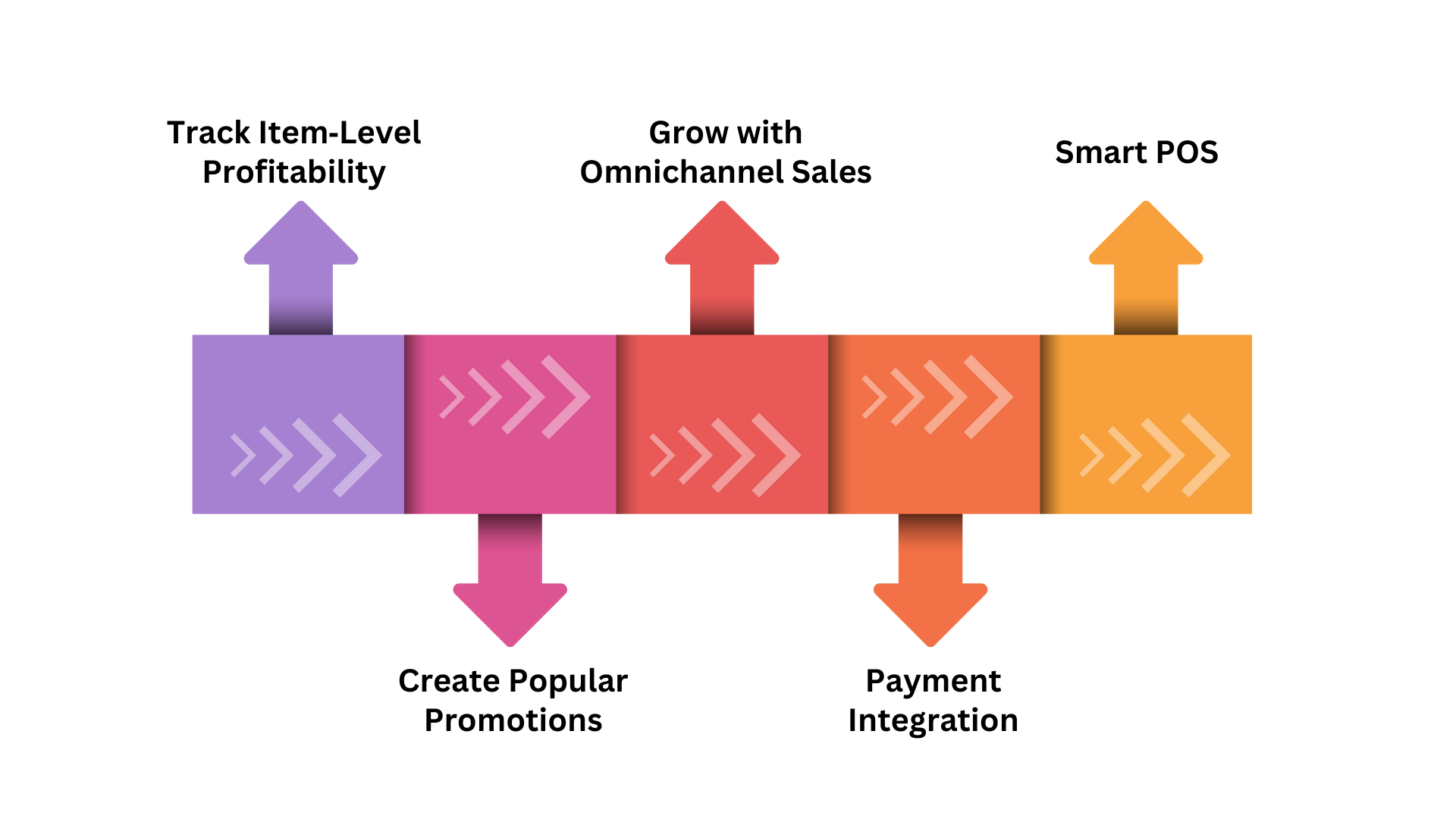
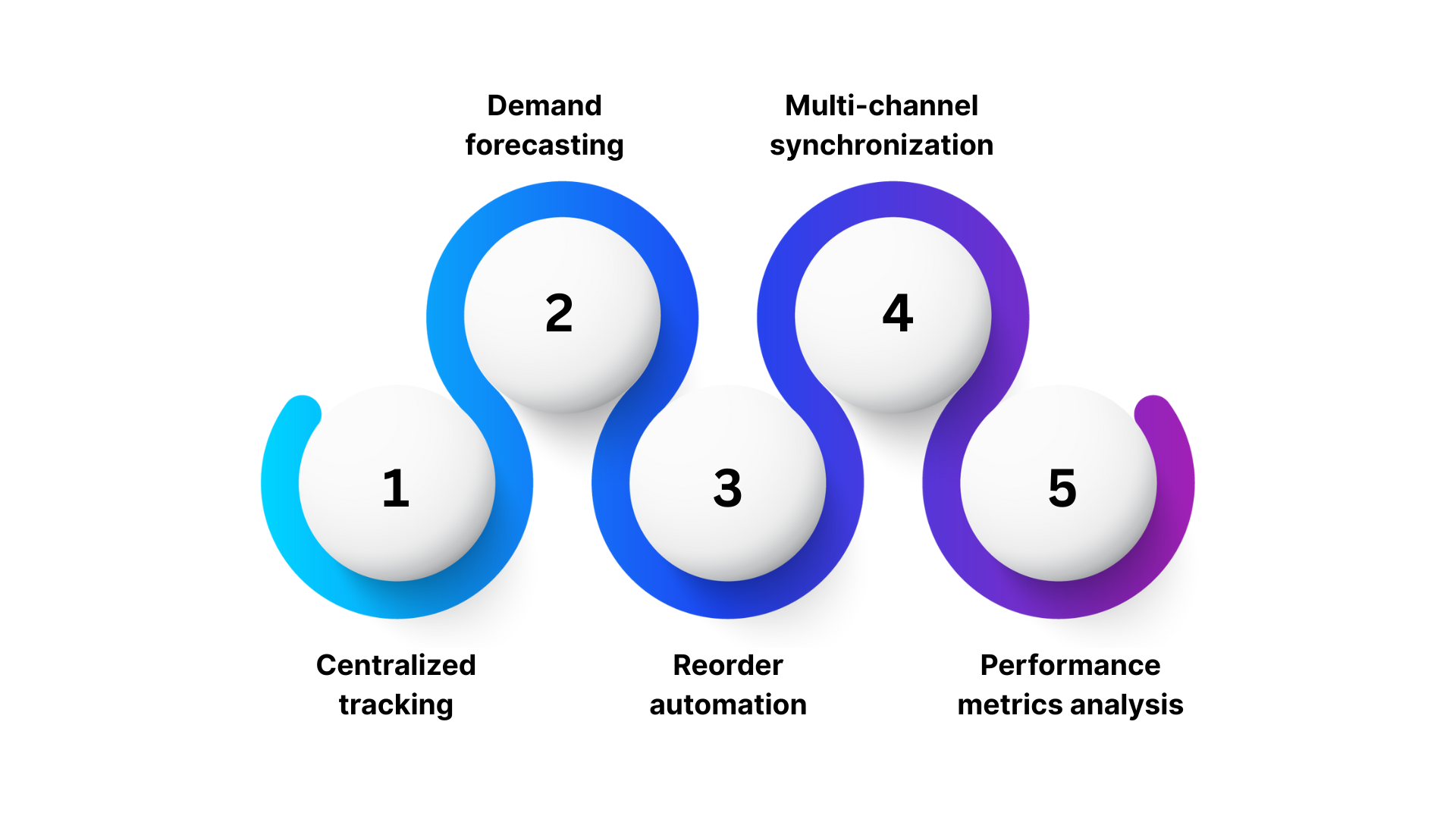
Automation transforms retail, especially in a diverse market like Saudi Arabia. HAL Simplify (HAL ERP) brings automation into retail inventory with industry-leading features made for local businesses.
HAL ERP’s Automation works because it is aligned with Saudi retail needs. These three success stories show how HAL ERP drives fundamental transformation:
Al Homaidhi, a luxury retailer with over 80 stores, upgraded from lagging legacy systems to HAL ERP and quickly gained real-time visibility. They reclaimed control over pricing, inventory, and customer interactions across all outlets. With digital invoicing via WhatsApp, flexible payments, and unified stock tracking, they realized SAR 70 million in savings and saw ROI rise by 61%.
HAL ERP’s automation. includes real-time data, omnichannel synchronization, automated compliance, or customer-facing enhancements. It drives efficiency, compliance, and growth for several Saudi retail businesses, showing its capabilities.

Effective inventory management is a strategic advantage, not just a routine task. With the right steps and tools, Saudi retailers can reduce waste and prevent stockouts. Techniques like EOQ and FIFO keep operations responsive and cost-efficient. Automation and real-time insights further simplify control and compliance.
Explore HAL ERP’s offerings today and transform retail management with clarity and confidence.
HAL ERP integrates with your POS seamlessly. Setup is fast. Real-time sync across channels ensures stock accuracy from day one.
Absolutely. HAL ERP includes smart demand forecasting. It adapts stock levels to high-demand seasons and reduces overstock after peak periods.
Yes. HAL ERP supports full ZATCA compliance and VAT reporting. It helps you manage both online and offline invoicing with ease.
Yes. HAL ERP provides centralized stock visibility. Your team can view and manage inventory across all locations in real time.
Of course. HAL ERP offers full Arabic support and uses the Saudi Riyal by default. It aligns harmoniously with local business practices and regional workflows.