
Saudi manufacturing is entering a period of serious scale-up. The sector is expected to grow to around 144 billion USD by 2033, and that growth is already creating pressures that most small manufacturers were not built to absorb.
More production means more complexity, more supplier coordination, more financial tracking, and less room for manual errors. If operations feel harder to manage than they should, that is likely the core of the problem.
An ERP built for your size and your context is the practical answer. Here are five options worth considering seriously.
Running a small manufacturing operation in Saudi Arabia in 2026 means managing more moving parts than most generic software was ever built to handle.
Use this table to compare each ERP by manufacturing fit, Saudi readiness, setup effort, AI depth, and the tradeoffs small teams should weigh before choosing.
|
ERP |
Best Fit |
Manufacturing Strength |
Saudi Readiness |
Setup Effort |
Decision Note |
|
Small Saudi manufacturers needing one connected system. |
Production planning, BOMs, inventory, costing, procurement, payroll, and ZATCA invoicing work together. |
Built for Saudi businesses with ZATCA Phase II support and local implementation context. |
Lower for small manufacturers because workflows are pre-configured around local operating needs. |
Best first choice when daily control, compliance, and adoption speed carry equal weight. |
|
|
Odoo |
Small manufacturers wanting modular flexibility. |
Covers production orders, BOMs, routings, inventory, quality, and workflow automation through apps. |
Saudi compliance usually needs additional setup, partner support, or localisation work. |
Medium to high, depending on configuration depth and implementation partner quality. |
Consider it when flexibility is more important than faster local manufacturing readiness. |
|
JobBOSS² |
Job shops and custom manufacturers. |
Strong quote-to-cash, job costing, scheduling, BOM creation, and shop-floor time tracking. |
Limited Saudi-specific compliance support, so ZATCA requirements need separate evaluation. |
Medium, especially for teams moving from spreadsheets or basic job tracking tools. |
Good for high-mix custom production, but less suited when local compliance is a core priority. |
|
SAP Business One |
Manufacturers with higher budgets and IT support. |
Supports production orders, BOMs, procurement, inventory, finance, and reporting in one ERP. |
Saudi localisation depends on partner capability, implementation scope, and required compliance workflows. |
Higher than most small manufacturers expect because setup and configuration need careful planning. |
Worth reviewing for structured growth, but lean teams should check cost and adoption effort closely. |
|
Microsoft Dynamics 365 Business Central |
Manufacturers already using Microsoft tools. |
Covers production orders, capacity planning, inventory, purchasing, analytics, and supply chain workflows. |
Usually needs Microsoft partner configuration for Saudi compliance and manufacturing-specific processes. |
Medium to high, especially when Premium licensing, integrations, and local workflows are added. |
Works well inside the Microsoft ecosystem, but buyers should confirm manufacturing and ZATCA setup before signing. |
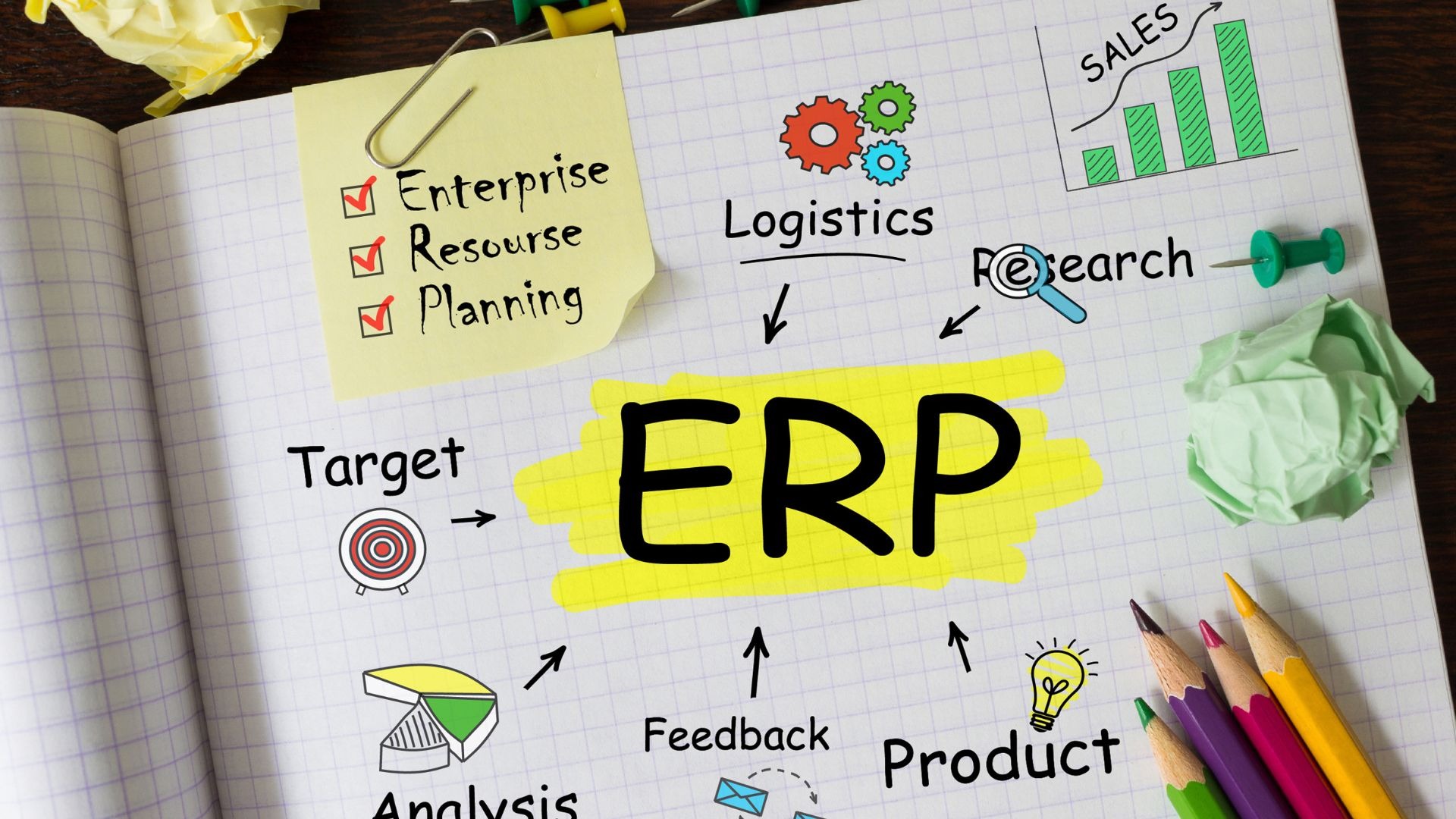
Each ERP on this list was evaluated on four things: manufacturing-specific functionality, Saudi compliance readiness, ease of adoption for lean teams, and real implementation track record in the Kingdom.
HAL ERP is a Saudi-built, cloud-based ERP platform designed specifically for SMEs operating in operationally complex industries like manufacturing.
Unlike generic ERP systems that need heavy customization to fit a manufacturing workflow, HAL Manufacturing comes pre-configured for production planning, inventory, quality control, and ZATCA compliance out of the box.
For a small manufacturer in Saudi Arabia managing a lean team, tight margins, and growing order volumes, HAL ERP gives you a single system where every function, from the shop floor to payroll to financials, talks to each other in real time.
Add HALA, its conversational AI layer and your team can pull production reports, check stock levels, or flag cost variances just by asking - no consultant needed.
Best suited for: Small Saudi manufacturers with fewer than 50 employees who need a single system to manage the floor, finances, and compliance without hiring a dedicated IT team.

Success story: Pan Gulf Optics, a Saudi lens manufacturer, eliminated production errors and overtime completely after implementing HAL ERP. The company processed over 1,000 work orders daily with zero delays and achieved a 500% ROI through better resource management and automated order tracking.
Book a personalized demo today to see how HAL ERP can fit your manufacturing workflow.
Odoo is an open-source, modular ERP used by over 15 million businesses globally. Its manufacturing module covers production orders, work centers, and BOM management with a clean interface.
The appeal for small manufacturers is flexibility and price point, though that flexibility cuts both ways: getting Odoo to work well for your specific operation almost always requires a local implementation partner and meaningful configuration time.
There is no built-in ZATCA compliance out of the box, so Saudi manufacturers will need additional setup there.
Best suited for: Small manufacturers comfortable investing time and budget into setup, with access to a local Odoo implementation partner.
JobBOSS² is a cloud-based ERP built almost entirely for job shops and custom manufacturers, covering the full quote-to-cash cycle. It is one of the few systems on this list designed from the ground up for make-to-order production, which makes it a precise fit for manufacturers running custom or low-volume, high-mix operations.
Implementation runs three to six months, and the platform is US-based with support handled out of the States, so Saudi manufacturers should factor in time zone gaps and the absence of local ZATCA compliance support before committing.
Best suited for: Custom and job-shop manufacturers running high-mix, low-volume production who need precise job costing above all else.
SAP Business One is SAP's ERP offering for SMEs, covering finance, procurement, inventory, production, and reporting in a single system. It carries the SAP pedigree, which translates into solid process depth and a global partner network, including a presence in Saudi Arabia.
The honest tradeoff: implementation timelines and costs run higher than most small manufacturers expect, and the system's UI and configuration complexity can slow adoption on lean teams without a dedicated IT resource.
Best suited for: Small manufacturers with above-average budgets, dedicated IT support, and plans to scale significantly within the next two to three years.
Business Central is Microsoft's cloud ERP for small and mid-sized businesses, with deep integration into the Microsoft ecosystem, including Excel, Teams, and Power BI. For manufacturers already running on Microsoft tools, the interoperability alone has practical value.
The manufacturing capabilities cover production orders, capacity planning, and supply chain management reasonably well. Where it gets complicated for smaller Saudi manufacturers is licensing structure, which tends to add up, and the need for a Microsoft partner to configure the system for local compliance and manufacturing-specific workflows.
Best suited for: Small manufacturers already embedded in the Microsoft ecosystem who want ERP continuity across their existing software stack.
Also read: SAP ERP vs Microsoft Dynamics 365: A Comprehensive Comparison

Picking an ERP is less about finding the most feature-rich system and more about finding the one your team will use without breaking your budget or your operations.
Cloud-native ERPs run on remote servers, require no local infrastructure, and update automatically. On-premise systems sit on your own servers, giving you full data control but demanding dedicated IT resources and higher upfront hardware costs.
|
ERP setup |
Cloud-Native |
On-Premise |
|
Setup cost |
Low |
High |
|
IT requirement |
Minimal |
Dedicated team needed |
|
Updates |
Automatic |
Manual |
|
Access |
Anywhere |
On-site only |
|
Best for |
Most small manufacturers |
Regulated industries with strict data residency needs |
Most small manufacturers in Saudi Arabia are better served by cloud-native ERPs. They get up and running faster, cost less to maintain, and scale without infrastructure headaches.
On-premise makes sense only when your industry has strict data sovereignty requirements or your production environment has no reliable internet connectivity.
Most small manufacturers do not need heavy customization. A pre-configured, industry-specific ERP covers 80% of your needs from day one. Heavy customization only makes sense when your production process has genuinely unique workflows that no standard system covers.
For manufacturers just starting out, the sticker price of an ERP is rarely the full story. ERP costs in Saudi Arabia typically range from SAR 18,750 to SAR 562,500, depending on modules, complexity, and whether the system is plug-and-play or customized.
Industry data puts average spend at roughly SAR 33,750 per user over five years. Before committing, calculate your Total Cost of Ownership across three buckets: licensing or subscription fees, implementation and training costs, and ongoing support over five to ten years.
New manufacturers should calculate TCO early, before low upfront pricing hides future costs and upgrades.
TCO = Purchase Price + Implementation Costs + Operating Costs over 5 to 10 years
A plug-and-play, cloud-native ERP built for manufacturing will almost always deliver a lower TCO than a heavily customized system, especially when your team is lean and your margins need protecting early on.
For more information, read A Simple Guide To ERP Costs For Small Businesses
Most ERP regrets do not come from picking bad software. They come from skipping the right questions before signing. Here are seven mistakes worth avoiding.
Not every ERP vendor pitching to you is the right partner for your business. These five warning signs are worth taking seriously before you sign anything.
Implementation is where most ERP projects either earn their investment or drain it. These ten steps keep small manufacturers on the right side of that outcome.
Finding the right ERP for a small manufacturer in Saudi Arabia takes more homework than most vendors will admit. The right fit is not always the most popular name on the list. It is the one that works for your team size, your production workflows, and your compliance requirements without demanding months of setup or a dedicated IT resource.
HAL ERP stands out for small Saudi manufacturers because it is built locally, pre-configured for manufacturing, and ZATCA-compliant from day one. The implementation timeline is realistic, the support is on the ground, and the system scales as your operation does.
If your production, inventory, and finances are still running on separate tools, it's time to upgrade. Book a free demo with HAL today.
The best ERP depends on team size, budget, and compliance needs. For Saudi small manufacturers, a locally built, ZATCA-compliant, pre-configured system like HAL ERP typically delivers faster value than a generic global platform.
ERP costs in Saudi Arabia range from SAR 18,750 to SAR 562,500, depending on modules and customization. Calculate the total cost of ownership across licensing, implementation, and ongoing support before committing to any vendor.
Yes, ZATCA Phase II e-invoicing compliance is legally required for businesses in Saudi Arabia. Your ERP must handle cryptographic stamps, QR codes, and Fatoora portal submission automatically without relying on manual workarounds.
A plug-and-play, pre-configured ERP typically goes live in two to four weeks for basic setup. Full implementation, including data migration and customization, generally takes eight to twelve weeks, depending on operational complexity.
Cloud ERP is almost always the better fit for small manufacturers. It requires no local infrastructure, updates automatically, and costs significantly less to maintain than an on-premise system over five years.